Digital Creator vs Influencer: Which Does Your Brand Need?
A digital creator vs influencer distinction is the difference between someone who builds content for its own value and someone who builds audiences to drive action. One creates. The other converts. Both matter, but not always for the same reasons.
Key Takeaways
- Digital creators prioritize craft and content quality; influencers prioritize audience persuasion and conversion.
- According to Coursera, content creators earn a median salary of $63,000 while influencers earn a median of $113,000.
- The core difference between a digital creator vs influencer is intent: creation versus influence.
- Brands use creators for evergreen content assets and influencers for immediate social proof and sales.
- AI-generated virtual personalities are reshaping both categories, but authentic human intent remains the defining factor.
- A hybrid strategy, partnering with creator-influencers who do both, often delivers the strongest results.
For brands trying to figure out what is a digital creator vs influencer in practical terms: creators excel at building content libraries that last, while influencers excel at moving audiences to act right now. The choice shapes your entire campaign architecture.
What is a Digital Creator?
A digital creator is a professional who produces original content, videos, photos, blogs, graphics, podcasts, with the primary goal of entertaining, educating, or inspiring an audience. According to Sprout Social, their job is literally in the title: they create content. They distribute across platforms like YouTube, Instagram, TikTok, and personal websites, often with a craft-first focus that resonates deeply with specific communities.
Types of Digital Creators
Digital creators span a wide range of formats and disciplines:
- Videographers and YouTubers – produce scripted or documentary-style videos built around a specific subject or community.
- Photographers and visual artists – share professional-grade imagery. The Suki Cat Instagram account, highlighted by Trend.io, is a classic example of photography elevated to an art form.
- Writers and bloggers – craft long-form articles, tutorials, and e-books that serve as evergreen resources.
- Educators and coaches – build how-to series with genuine instructional value. Yoga with Adriene, who built 10.3 million subscribers with free yoga routines, is the textbook case.
What unites all of them is a craft-first mindset. They prioritize the value and quality of the content over direct sales messages. The audience grows because the content earns it.
How Digital Creators Monetize
Creators earn through ad revenue, sponsorships, merchandise, and project-based freelance work. According to Coursera, the median total salary for a content creator is around $63,000 per year. Many supplement that through platform creator funds, selling digital products like presets and courses, or licensing their content to brands.
Key Skills for Success
Creators need a blend of technical and creative abilities:
- Proficiency in video and photo editing, graphic design
- Strong storytelling and copywriting
- SEO fundamentals and social media analytics
- Consistency and genuine community engagement
What is an Influencer?
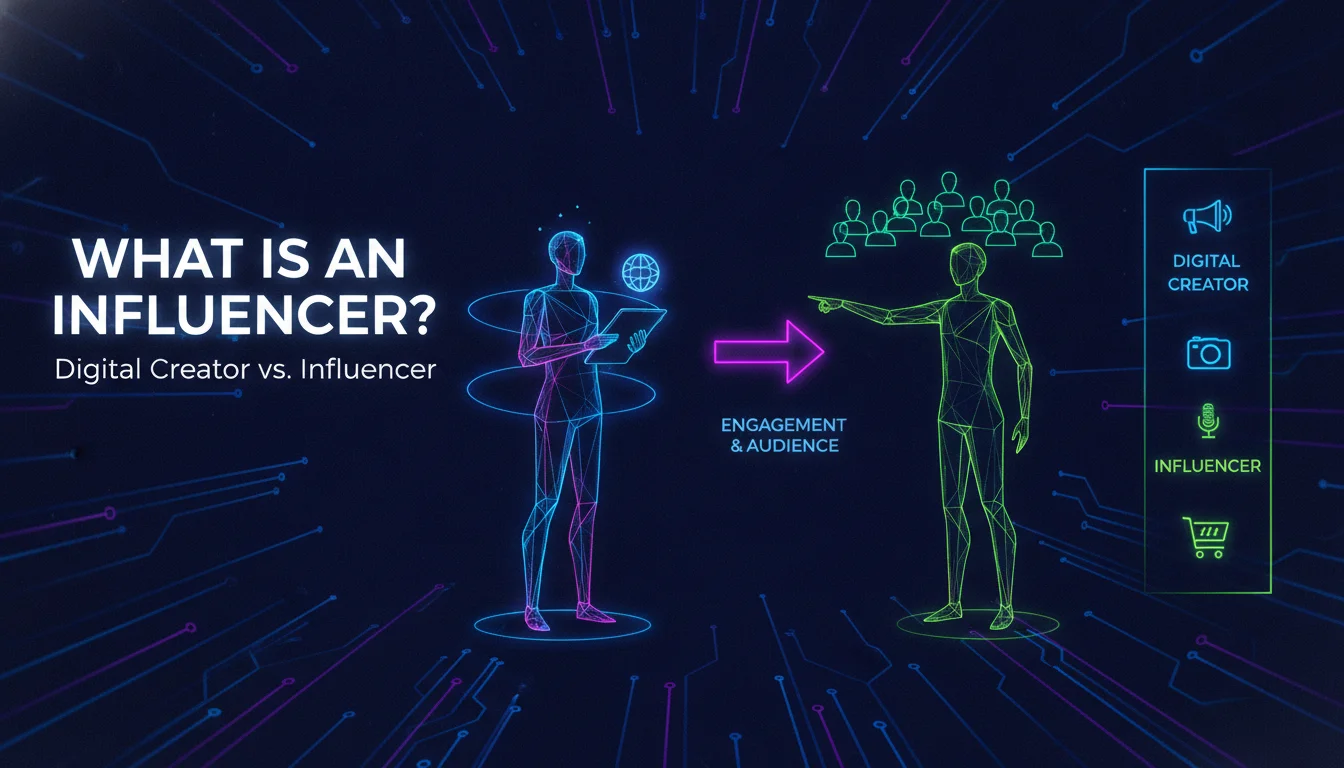
An influencer is a social media personality who shapes their followers’ purchasing decisions through authority, expertise, or personal connection with their audience. As Curastory defines it, an influencer convinces someone to follow a brand, buy a product, or make a specific decision. While they absolutely create content, their primary intent is persuasion, typically through sponsored posts, affiliate links, or brand partnerships.
“Brands leverage creators for their ability to produce original, platform-native content that feels more authentic, building brand awareness. Influencers, on the other hand, can offer elements of that, but it’s the access to a pre-built audience that makes them ideal for driving immediate impact.” – Ana Arnet, Head of Influencer and Affiliate at Wpromote, via Digiday
How Influencers Earn Money
Influencers generally earn more than pure creators. Coursera’s analysis puts the median influencer salary at $113,000, though top-tier influencers can earn far more per campaign. Payment models include:
- Per-post fees – based on follower count and engagement rate, as noted by Sprout Social.
- Affiliate commissions – a cut of every sale driven by their unique link or code.
- Brand ambassadorships – long-term partnerships with recurring payments and deeper brand integration.
Influencer Tiers and Niche Examples
Influencers are typically categorized by audience size:
- Nano-influencers (1K–10K followers) – hyper-local, high engagement, tight community trust.
- Micro-influencers (10K–100K) – trusted voices in a specific niche, strong conversion potential.
- Macro-influencers (100K–1M) – broader reach, often topic specialists with established credibility.
- Celebrity influencers (1M+) – massive fame, lower per-follower engagement, premium pricing.
Tezza Barton, an Instagram influencer with over 50,000 likes per post, integrates product calls-to-action directly into her lifestyle shots. That is influence at work: the content and the conversion happen in the same frame.
Digital Creator vs Influencer: Key Differences
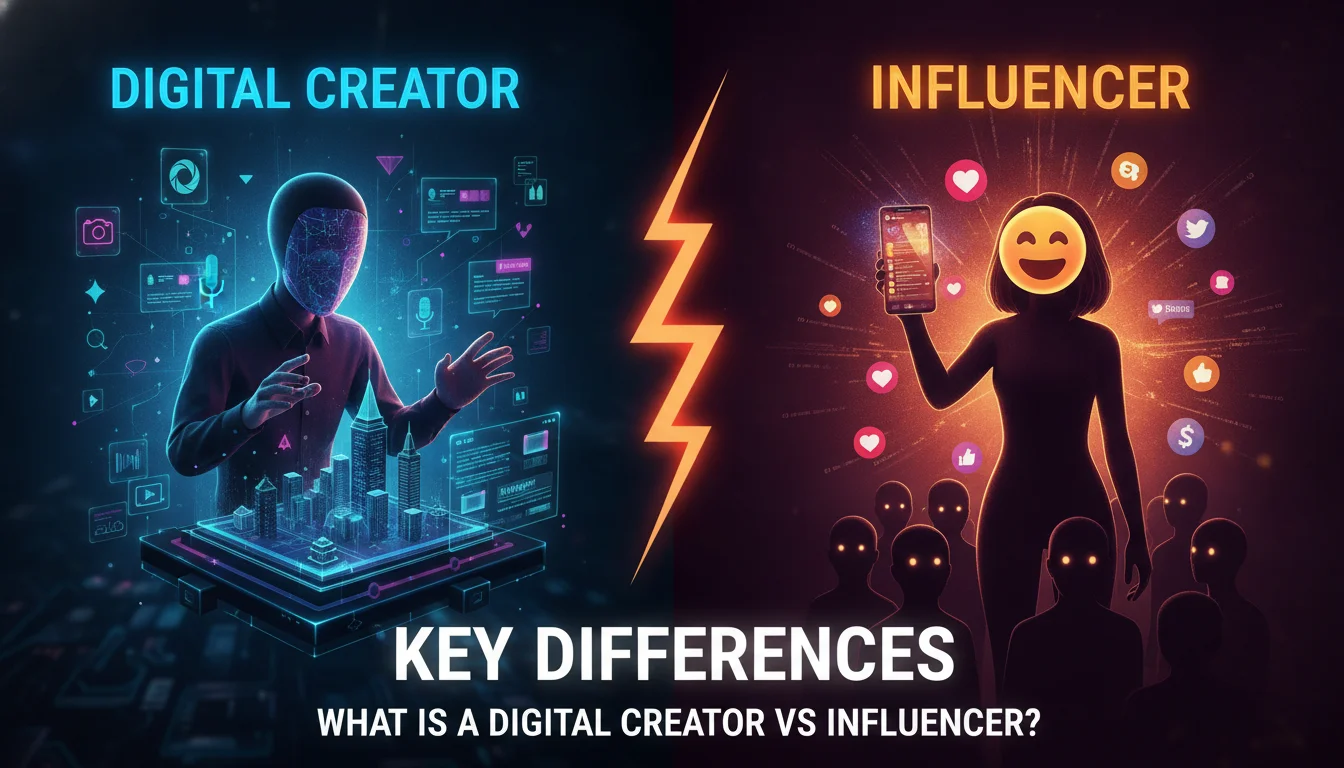
The distinction between a digital creator vs influencer comes down to intent and output. As Becky Owen, Global CMO at Billion Dollar Boy, explained to Digiday, influencers build audiences through personality on platforms like TikTok and Instagram, while creators blend personal brand with exceptional production skills, often on Instagram Reels or YouTube. Below is a structured comparison across key marketing dimensions.
| Criterion | Digital Creator | Influencer |
|---|---|---|
| Primary Goal | Create authentic, high-quality content to educate or entertain | Persuade followers to take action (buy, sign up, etc.) |
| Content Focus | Craft, story, and aesthetic – often timeless | Personality-driven, often trending and timely |
| Audience Relationship | Community built around the content’s value | Trust built on personal connection and lifestyle |
| Monetization Model | Project fees, ad revenue, product sales | Sponsored posts, affiliate marketing, ambassadorships |
| Typical Metrics | Engagement rate, content quality, saves and shares | Impressions, click-throughs, conversion, ROI |
| Best for Brands | Content libraries, product demos, brand building | Product launches, flash sales, brand awareness campaigns |
The lines are blurring. Many creators exert real influence, and many influencers produce genuinely excellent content. The terms get used interchangeably across the industry. But recognizing the core difference helps brands allocate budgets and set realistic expectations before a single brief gets written.
Pros and Cons
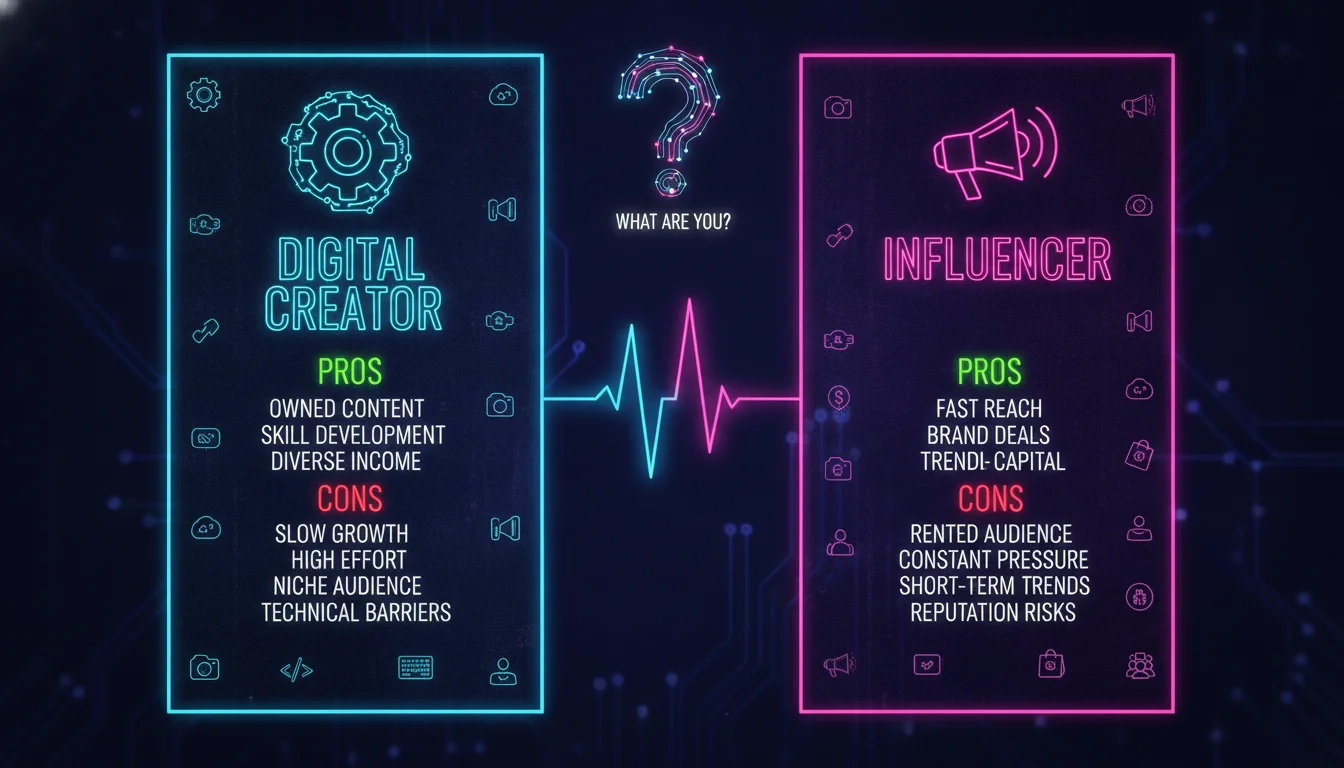
Pros of Working with Digital Creators
- High-quality, evergreen content that can be repurposed across channels and campaigns
- Craft-first approach produces assets with lasting brand value
- Often more cost-effective for pure content production than top-tier influencer fees
- Deep niche expertise builds genuine audience trust over time
Cons of Working with Digital Creators
- Slower path to immediate conversions or viral reach
- Smaller built-in audiences mean less instant distribution
- Results are harder to tie directly to short-term sales metrics
Pros of Working with Influencers
- Pre-built, engaged audiences provide immediate distribution and social proof
- Trackable affiliate links and codes make ROI measurable
- Strong fit for product launches, seasonal campaigns, and trend-driven categories
- Trust transference from influencer to brand happens fast
Cons of Working with Influencers
- Higher fees at macro and celebrity tiers with variable return
- Content quality can be inconsistent without strong creative briefs
- Audience loyalty is tied to the person, not the brand, making long-term equity harder to build
When to Choose a Digital Creator vs Influencer
Deciding between a digital creator vs influencer for your campaign starts with a single question: what does success actually look like? Here is a practical guide.
Choose a Digital Creator If…
- You need high-quality, evergreen content – videos, tutorials, blogs – that can be repurposed across channels.
- You are building long-term brand equity rather than chasing short-term sales spikes.
- Your target audience values in-depth information or artistic storytelling over personality-driven posts.
- You have a limited budget for influencer fees. Creators are often more cost-effective for pure content production.
Choose an Influencer If…
- Your goal is immediate conversions or product awareness among a highly engaged follower base.
- You need social proof and trust transference at scale, fast.
- You can provide unique affiliate codes or trackable links to measure direct ROI.
- Your product fits naturally into lifestyle or trend-driven niches like beauty, fitness, or fashion.
The Hybrid Approach
Many brands now run a creator-influencer hybrid strategy: partner with creators who have built substantial influence, or with influencers who produce premium content. As Digiday reported, agencies like Monks treat creators as creative ideation and collaboration partners, while influencers are more transactional. Savvy brands blend both for maximum impact across the full marketing funnel.
“Everyone’s a creator that makes content. But influencers typically always post to their audience – creators don’t always post in their own feeds.” – Amy Luca, Global Head of Social at Monks, via Digiday
How to Collaborate with Digital Creators and Influencers
Regardless of who you choose, a structured collaboration process yields the best results. Here is a step-by-step approach that works across both categories.
- Define Clear Goals – Are you after content assets, sales, or brand awareness? This shapes every decision that follows.
- Identify the Right Talent – Use platforms like CreatorIQ or manual research to find creators and influencers aligned with your brand values and target audience.
- Structure the Partnership – For creators, negotiate project fees and usage rights. For influencers, clarify deliverables: number of posts, stories, links, and payment terms.
- Provide a Creative Brief – Share your brand guidelines and goals, but allow creative freedom. Authenticity drives engagement. Over-scripting kills it.
- Track Performance – Use UTM parameters, affiliate codes, or platform analytics to measure outcomes against your KPIs from day one.
- Maintain Relationships – Long-term partnerships consistently outperform one-off posts. The talent becomes a genuine advocate, not just a vendor.
If you want to go deeper on building a content strategy that integrates both roles, our guide on social media content strategy and our branding and digital marketing services are good starting points.
The Blurred Lines: AI and Virtual Influencers
An emerging trend further complicates the digital creator vs influencer debate: AI-generated personalities. As noted by Digiday, virtual influencers like Lil Miquela are now used in brand campaigns. Nate Harris, VP of Product Innovation at CreatorIQ, argues that AI influencers cannot be considered creators because they are made by the industry and lack authentic personal intent. Yet they still hold the power to shape purchasing decisions.
Billion Dollar Boy’s Becky Owen adds a third category to the mix: “makers,” an emerging group that uses innovative technology to create virtual or AI influencers and experiment with AR and 3D design. As of 2026, brands need to decide whether AI-generated content aligns with their authenticity standards before committing to these formats.
Platform-Specific Strategies: Where Each Role Thrives
Understanding what is a digital creator vs influencer also means knowing which platforms favor which approach. The platform shapes the content, and the content shapes the result.
- YouTube – Built for creators. Long-form, educational, and evergreen content performs best here. Yoga with Adriene’s 10.3 million subscribers did not happen through sponsored posts.
- Instagram – A natural home for influencers. Lifestyle imagery, Stories, and Reels make it easy to integrate product placements into personal narratives.
- TikTok – Both categories compete here, but trend-driven influencer content tends to generate faster spikes. Creators who master TikTok’s format can build audiences quickly.
- Blogs and Podcasts – Creator territory. Long-form content builds SEO equity and positions the creator as a genuine subject-matter authority over time.
According to Digiday’s 2024 reporting, agencies are increasingly differentiating their strategies by platform, assigning creator-type talent to YouTube and long-form channels while deploying influencers on Instagram and TikTok for performance-driven campaigns.
Career Paths: What Comes After Creator or Influencer Work
Both roles open doors to broader marketing careers. Coursera notes that creators and influencers often transition into roles like SEO specialist, graphic designer, content strategist, or marketing manager. The skills built through years of content production – audience analysis, visual storytelling, platform analytics – translate directly into agency and in-house marketing positions. For brands, this means the creators and influencers you work with today may become your future marketing hires.
Final Verdict: Which Is Right for Your Brand?
There is no universal answer to what is a digital creator vs influencer for every brand. The decision hinges on your campaign’s core objective. If you need compelling, original content that stands the test of time, invest in a digital creator. If you need immediate social proof and measurable conversions, work with an influencer. For maximum effect, integrate both into your marketing mix.
The creator economy is fluid, and the most successful brands understand the difference between these roles and use each one strategically. If you are ready to build a content and influencer strategy that actually performs, contact Emin Media for a free brand consultation. Let’s build something bold.
Frequently Asked Questions
Do you get paid to be a digital creator?
Yes, digital creators earn money through brand sponsorships, ad revenue, freelance projects, and selling their own products. According to Coursera, the median annual salary for a content creator is around $63,000, though earnings vary widely based on niche, platform, and audience size.
Why do some Facebook profiles say digital creator?
Facebook allows users to label their profiles as “Digital Creator” to indicate they produce digital content professionally. This designation helps users appear in relevant searches and gives them access to creator-focused tools and analytics within the platform.
How much money do digital influencers make?
According to Coursera, digital influencers have a median salary of around $113,000, but income ranges widely from a few hundred dollars per post for nano-influencers to significantly more for celebrities. Factors include follower count, engagement rate, niche, and partnership structure.
What degree do you need to be a digital creator?
No specific degree is required. Many successful creators learn through practice and online programs. Backgrounds in marketing, communications, graphic design, or film can be helpful, but skills and portfolio consistently matter more than formal credentials.
Can a digital creator also be an influencer?
Absolutely. Many digital creators build large, loyal followings and naturally become influencers over time. The key distinction is whether their content primarily aims to create value or to drive specific audience actions. When both happen together, you have a creator-influencer, the most valuable partner a brand can find.
What is the difference between a content creator and a digital creator?
These terms are largely synonymous. “Digital creator” emphasizes the online platform context, while “content creator” can technically include offline media. In practice, both refer to anyone who produces and shares content on digital platforms for an audience.
Enjoyed this article?
Contact Emin Media for a free brand consultation and let's create something amazing together.
Get in TouchRelated Articles
Brand Engagement on Instagram: 2026 Guide
Master brand engagement on Instagram with proven strategies for Reels, carousels, saves, and shares. Boost…
30 Creative Marketing Campaign Ideas for 2026
Explore 30 creative marketing campaign ideas for 2026: gamification, zero-budget stunts, influencer plays, and content…
AI in Creative Marketing: The 2026 Guide
AI in creative marketing is reshaping how brands create, personalize, and scale campaigns. Discover tools,…