What is a Digital Creator? 2026 Guide to Building Your Brand
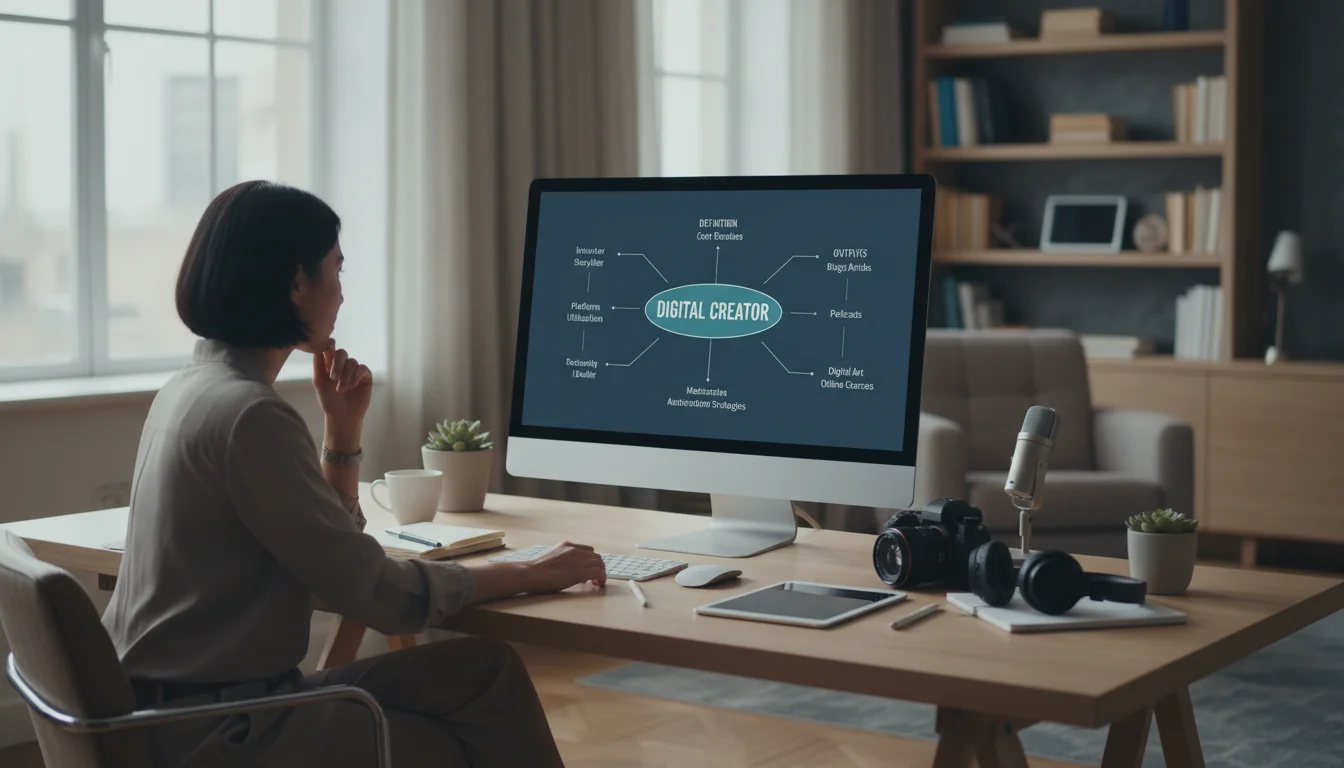
What is a digital creator? A digital creator produces multimedia content, videos, blogs, podcasts, and social posts, across online platforms to engage audiences, build brands, and generate income through strategic content creation.
Key Takeaways
- Digital creators produce original content for platforms like YouTube, Instagram, and TikTok with strategic intent
- Unlike influencers, they focus on content creation rather than just product promotion
- Success requires identifying a niche, developing content strategy, and building engaged communities
- Monetization includes sponsored content, ad revenue, product sales, and affiliate marketing
- The role blends creativity, technical skills, and business acumen into one career
- Facebook’s “digital creator” label unlocks professional tools for content management and analytics
What Is a Digital Creator? Definition and Core Elements
A digital creator is a modern media entrepreneur who strategically crafts and distributes content across digital channels to build audiences and generate revenue. Think of them as one-person media companies, they’re not just posting randomly, but creating with purpose. Whether it’s launching a YouTube series about sustainable fashion or building a TikTok following around home renovation tips, digital creators treat their content as both art and business strategy.
Core Definition of a Digital Creator
Digital creators leverage online platforms to produce original, consistent content across multiple formats. What sets them apart from casual social media users is intentionality, every post, video, or story serves a larger brand-building goal. They might start with a single platform but often expand across channels, adapting their voice to each audience while maintaining brand consistency.
“Digital creators develop online content, including blogs and videos, to engage and interact with their audiences.” – Coursera (2026)
Digital Creator vs. Content Creator
While often used interchangeably, there’s a key distinction. Content creators can work across both digital and traditional media, think magazine writers or billboard designers. Digital creators, however, live exclusively in the online space, crafting everything from Instagram Stories to podcast episodes. They’re digital-first, understanding platform algorithms and online community dynamics in ways traditional content creators might not.
Digital Creator vs. Influencer
Here’s where it gets interesting: influencers primarily monetize their ability to sway purchasing decisions through brand partnerships. Digital creators monetize the content itself and the communities they build around it. Many wear both hats, but the core difference lies in focus, creators create first, influence second. An influencer might promote a skincare routine; a digital creator teaches you how to develop one.
The Role and Responsibilities of Digital Creators
Being a digital creator means juggling multiple roles simultaneously, you’re the creative director, editor, community manager, and CEO all at once. It’s demanding but incredibly rewarding for those who thrive on variety and creative control.
Content Production Across Platforms
Digital creators produce steady streams of platform-optimized content. This means understanding that a YouTube video needs different pacing than a TikTok clip, or that Instagram captions require different storytelling than blog posts. Many creators spend significant time on production, filming, editing, writing, and designing. The key is developing efficient workflows that maintain quality without burning out.
Community Engagement and Brand Building
Beyond creating content, digital creators nurture communities. They respond to comments, host live Q&As, and create spaces where followers feel heard and valued. This engagement transforms casual viewers into loyal advocates, the kind of audience that supports creators through algorithm changes and platform shifts. Authentic community building is what separates sustainable creators from flash-in-the-pan viral moments.
Business Operations and Strategy
To turn creativity into career sustainability, digital creators must master business fundamentals. This includes negotiating contracts, tracking analytics, managing multiple revenue streams, and handling tax obligations. The most successful creators often credit their business acumen as much as their creative skills for their success.
Types of Content Digital Creators Produce
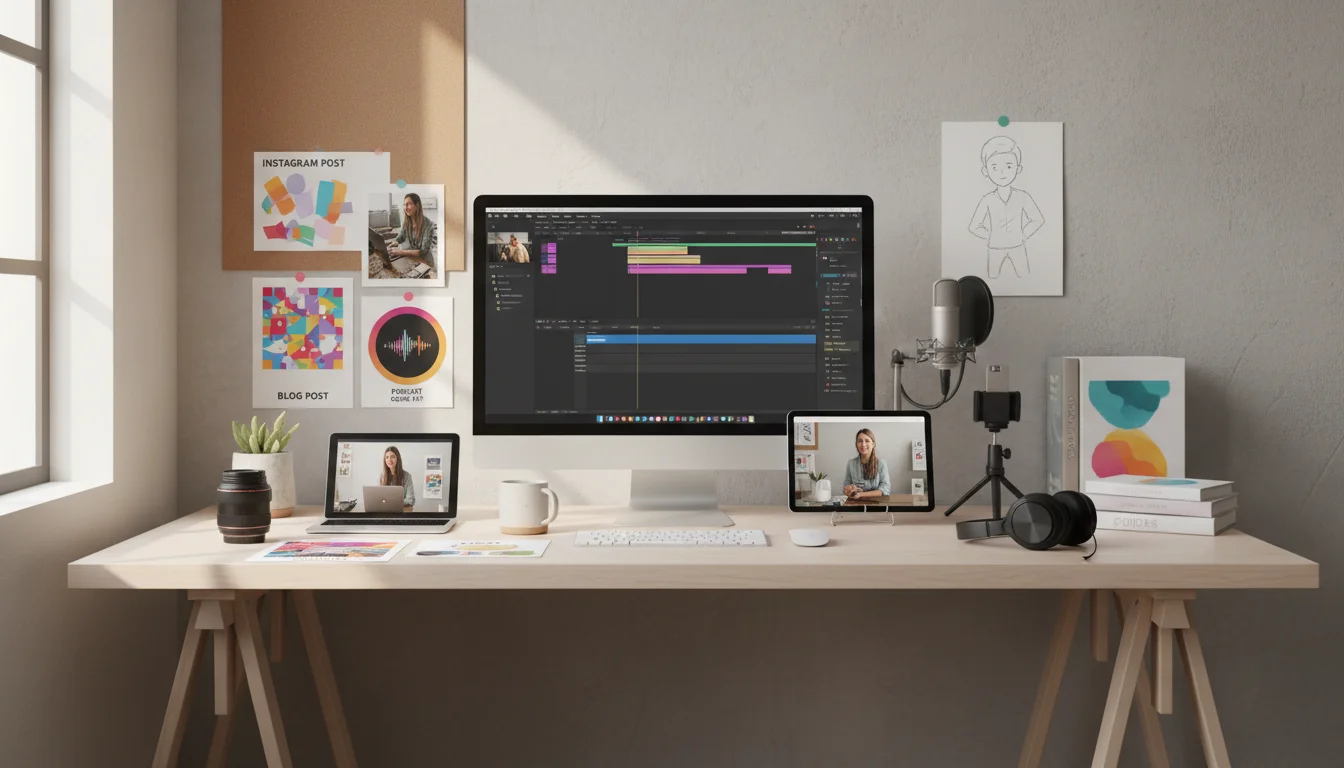
The digital landscape offers endless creative possibilities, and smart creators often diversify their content types to reach broader audiences and create multiple touchpoints with their community.
Video Content and Live Streaming
Video dominates the creator economy. Platforms like YouTube, TikTok, and Instagram Reels have democratized video production, making professional-quality content accessible to anyone with a smartphone. Live streaming adds real-time interaction, allowing creators to connect directly with audiences and receive immediate feedback, and often immediate financial support through platform features.
Written and Visual Content
Don’t underestimate the power of words and static visuals. Newsletters, blog posts, and thoughtful social media captions build deeper connections than video alone. Meanwhile, visual content, infographics, photography, graphic design, performs exceptionally well on platforms like Pinterest and Instagram. The best creators combine multiple formats to reinforce their message across different learning styles.
Audio Content and Podcasts
Podcasts have exploded because they fit into people’s daily routines, commuting, exercising, cooking. Audio content allows for deeper, more intimate conversations than video sometimes permits. Many creators repurpose podcast content into video clips, blog summaries, and social media quotes, maximizing each piece of content’s reach.
Essential Skills for Digital Creator Success

Successful digital creators master a unique blend of creative, technical, and business skills. You don’t need to be expert-level at everything from day one, but developing competency across these areas is crucial for long-term success.
Technical Skills
Basic proficiency in video editing (Adobe Premiere Pro, Final Cut Pro), graphic design (Canva, Photoshop), and audio editing opens creative possibilities. Understanding SEO, analytics, and platform algorithms helps ensure your content actually gets seen. According to Coursera’s guide, their Digital Marketing Specialization covers these exact skills and can be completed in roughly four months.
Creative and Strategic Thinking
Creativity is non-negotiable, coming up with fresh angles, compelling storytelling, and distinctive visual aesthetics. But creativity without strategy is just expensive hobby time. Strategic thinking means planning content calendars, analyzing performance data, and pivoting based on audience feedback and platform trends.
Business and Marketing Acumen
To earn sustainable income, creators must understand pricing, negotiation, contract terms, and brand positioning. Many successful creators say their business skills, not just their creative talents, drive their income. Without understanding your worth and how to communicate it, even the most talented creator will struggle financially.
How to Become a Digital Creator: Strategic Steps
Ready to start your creator journey? Here’s a strategic approach that focuses on sustainable growth rather than viral moments.
- Identify Your Niche: Choose a topic you’re genuinely passionate about that also has audience demand. Research existing creators and find your unique angle, what perspective can only you provide?
- Choose Your Platforms: Start with one or two platforms where your target audience is most active. Master these before expanding. Quality beats quantity every time.
- Develop Content Strategy: Plan your content types, posting frequency, and brand voice. A clear strategy prevents burnout and maintains consistency even when inspiration runs low.
- Create Quality Content: Invest in basic equipment, good audio matters more than perfect video. Learn editing fundamentals. Quality keeps audiences coming back.
- Build Community: Engage authentically with your audience. Reply to comments, ask questions, create content based on their feedback. Community is your competitive advantage.
- Explore Monetization: Once you have an engaged following, diversify revenue streams, sponsorships, ad revenue, products, services. Multiple income sources create stability.
Platform-Specific Opportunities for Digital Creators
Each platform offers unique tools and monetization opportunities. Understanding these differences helps creators choose where to focus their energy and how to optimize their content strategy.
What Does “Digital Creator” Mean on Facebook?
On Facebook, the “digital creator” label indicates Professional Mode is enabled, unlocking Facebook Creator Studio with advanced analytics, monetization options like in-stream ads and fan subscriptions, and branded content tools. As Vidovo explains, this designation transforms a personal profile into a professional content hub with business-grade features.
Instagram and TikTok Creator Tools
Instagram offers Reels bonuses, creator funds, and sophisticated collaboration tools for brand partnerships. TikTok’s algorithm can make content viral overnight, and their Creator Fund provides direct monetization. Both platforms excel at short-form, visually engaging content that can quickly build audiences.
Platform Analytics and Optimization
Every major platform provides analytics dashboards, YouTube Studio, Facebook Creator Studio, TikTok Analytics, that reveal audience demographics, engagement patterns, and content performance. Smart creators use this data to refine their strategy and demonstrate value to potential brand partners.
Benefits and Challenges of Creator Life
A digital creator career offers incredible opportunities alongside significant challenges. Understanding both sides helps set realistic expectations and prepare for the journey ahead.
Pros and Cons at a Glance
| Benefits | Challenges |
|---|---|
| Creative freedom and flexible schedule | Inconsistent income, especially starting out |
| Location independence and global reach | High competition and algorithm dependence |
| Multiple revenue streams and earning potential | Constant content pressure and burnout risk |
| Personal brand building and industry recognition | Need for continuous learning and adaptation |
Income Reality Check
While top creators earn millions, most face variable income streams. Revenue typically comes from multiple sources, sponsored content, ad revenue, affiliate marketing, and product sales. According to industry research, many creators supplement their income with freelance work or part-time jobs until their creator business stabilizes.
Maintaining Sustainable Practices
The always-on nature of social media can lead to burnout. Successful creators establish clear boundaries, schedule regular breaks, and often build teams to handle operations. Without intentional work-life balance, the lines between personal life and content creation blur dangerously.
Monetization Strategies That Actually Work
Making money as a digital creator requires diversification and patience. The most successful creators build multiple revenue streams rather than relying on a single income source.
Sponsored Content and Brand Partnerships
Brands pay creators to feature products authentically within their content. Rates vary based on audience size, engagement rates, and niche relevance. Micro-creators often earn more per follower than mega-creators because of higher engagement rates and more targeted audiences.
Platform Revenue Sharing
YouTube’s Partner Program, Facebook in-stream ads, and TikTok’s Creator Fund share advertising revenue with eligible creators. While eligibility requirements exist (like YouTube’s 1,000 subscribers and 4,000 watch hours), these programs provide steady income for high-performing content.
Direct Monetization
Many creators launch merchandise, online courses, digital products, or paid communities through platforms like Patreon. These revenue streams offer higher profit margins and deeper audience relationships. The transition from ad-dependent to supporter-funded models often marks creator business maturity.
Frequently Asked Questions
What is a digital creator?
A digital creator produces and publishes multimedia content like videos, blogs, and social media posts across online platforms to engage audiences and build brands. They combine creativity with business strategy to turn content creation into sustainable careers.
How is a digital creator different from an influencer?
Digital creators focus primarily on content production and community building, while influencers concentrate on leveraging their audience to influence purchasing decisions. Many professionals combine both roles, but creators prioritize content quality over promotional activities.
Do digital creators get paid on Facebook?
Yes, Facebook offers multiple monetization options for eligible creators including in-stream ads, fan subscriptions, Stars, and branded content tools. Creators must enable Professional Mode and meet platform requirements to access these features.
What skills are necessary to be a successful digital creator?
Essential skills include content creation (video editing, writing, design), technical knowledge (SEO, analytics, platform algorithms), and business acumen (pricing, negotiation, brand positioning). Most successful creators develop these skills over time rather than mastering everything immediately.
Can anyone become a digital creator?
Anyone with internet access and a smartphone can start creating content, but success requires dedication, strategic thinking, and consistent effort. The barrier to entry is low, but building a sustainable creator business takes time and skill development.
What does the “Digital Creator” label on a Facebook profile mean?
This label indicates the user has enabled Professional Mode, providing access to Facebook Creator Studio, advanced analytics, monetization tools, and branded content features. It transforms a personal profile into a professional content management hub.
Enjoyed this article?
Contact Emin Media for a free brand consultation and let's create something amazing together.
Get in TouchRelated Articles
Digital Storytelling for Business: 2026 Playbook
Digital storytelling for business explained: frameworks, tools, mistakes to avoid, and a 2026 playbook to…

Startup Marketing: A Practical Growth Guide (2026)
Startup marketing is your roadmap to customers and revenue. Learn proven strategies, budgeting tips, and…

Facebook Digital Creator: The 2026 Complete Guide
Become a facebook digital creator in minutes. Explore monetization tools, pro tips, and step-by-step setup…