Video Editing Mastery: Creative Techniques That Convert
Key Takeaways
- Strategic editing transforms raw footage into brand-building assets
- Platform-specific optimization increases engagement by 3-4x
- Storytelling frameworks create emotional connection beyond technical polish
- AI tools handle routine tasks, freeing creatives for strategic decisions
- Performance tracking reveals which editing choices drive conversions
Most brands treat video editing like digital housekeeping , trim the fat, add some music, call it done. We see it as visual alchemy. The difference between content that gets scrolled past and content that stops thumbs mid-swipe isn’t just good footage. It’s intentional editing that understands psychology, platform behavior, and brand narrative.
Every cut tells a story. Every transition builds tension or releases it. Every color grade sets an emotional tone that either aligns with your brand or fights against it.
The brands winning attention in 2026 aren’t just making videos , they’re crafting experiences that feel inevitable, memorable, and shareable.
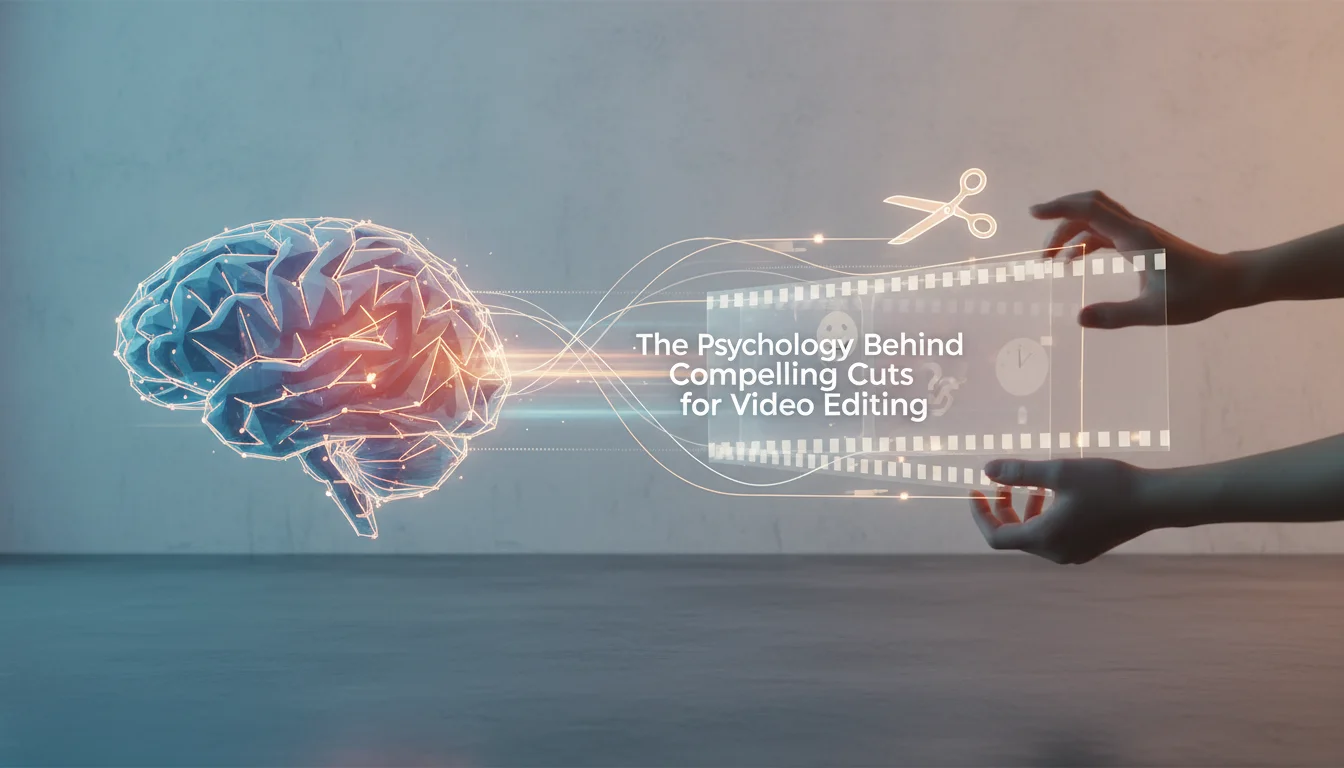
The Psychology Behind Compelling Cuts
Great editing isn’t about technical perfection. It’s about understanding how human brains process visual information and using that knowledge to guide attention, build emotion, and create meaning.
Attention Architecture
Your audience’s attention span isn’t shrinking , it’s becoming more selective. The first three seconds of any video determine whether someone stays or scrolls. We structure these moments like movie trailers: show the payoff first, then build the journey.
Quick cuts create urgency and energy. Longer holds build intimacy and trust. The rhythm of your edits should match the emotional arc you’re building. Fast-paced product demos need different pacing than founder story videos.
Visual contrast keeps eyes engaged. Not just color contrast , contrast in movement, scale, and composition. A close-up after a wide shot. Stillness after motion. These shifts reset attention and prevent viewer fatigue.
Emotional Triggers Through Timing
The space between cuts matters as much as the cuts themselves. A pause before revealing a product creates anticipation. A quick cut during an emotional moment amplifies impact. Silence can be more powerful than sound.
We map emotional beats before we start cutting. Where do we want viewers to feel curious? Excited? Reassured? Each emotion requires different timing and visual treatment.
Music and sound design aren’t background elements , they’re emotional directors. The right audio cue can make a simple product shot feel cinematic. The wrong one can make professional footage feel amateur.
Brand Consistency in Motion
Your brand guidelines shouldn’t stop at static elements. How your videos move, transition, and reveal information becomes part of your visual identity. Consistent motion language makes your content instantly recognizable, even without logos.
Some brands use quick, snappy cuts that mirror their energetic personality. Others prefer smooth, flowing transitions that reflect premium positioning. These choices compound over time, building subconscious brand recognition.
Color grading isn’t just about making footage look good , it’s about making it look like your brand. Warm tones for approachable brands. Cool tones for tech companies. High contrast for bold brands. Soft contrast for luxury positioning.
Platform-Specific Editing Strategies
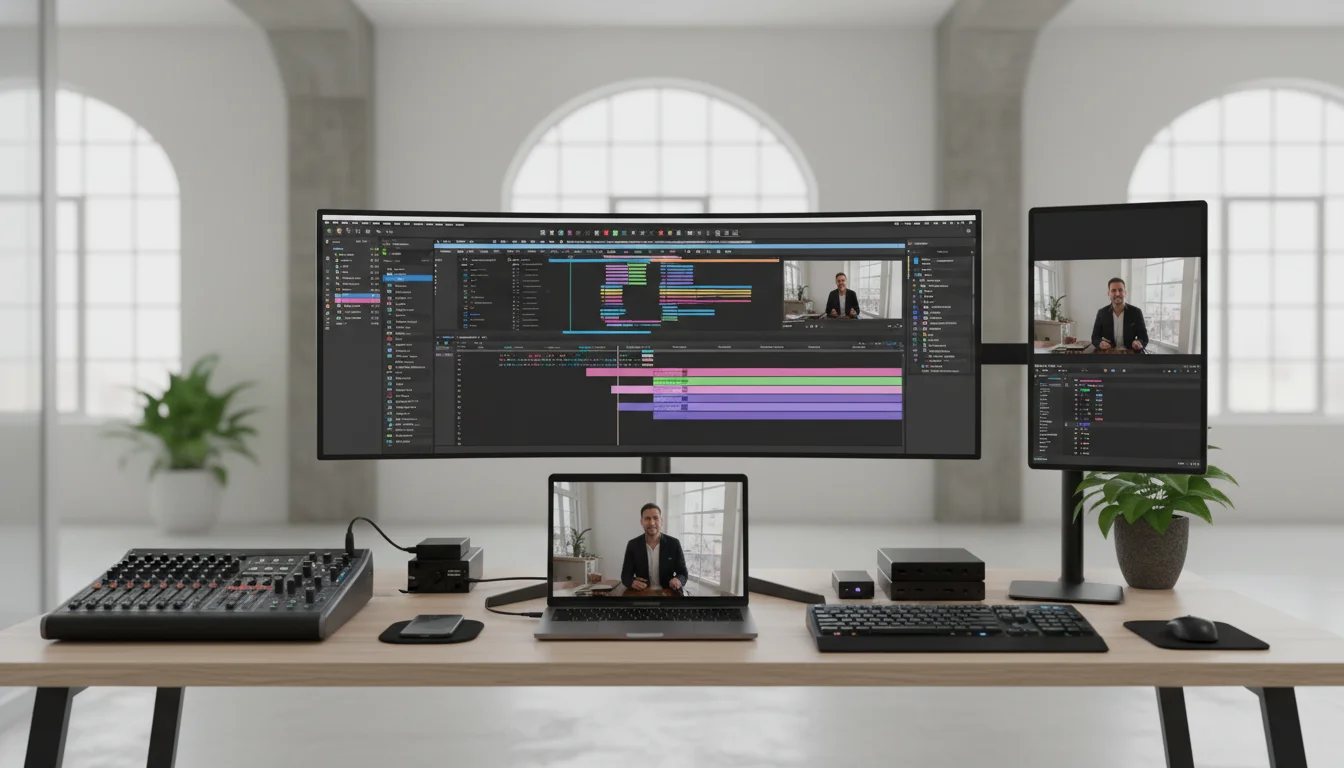
Each social platform has its own visual language, attention patterns, and technical requirements. Cookie-cutter editing approaches leave engagement on the table.
TikTok and Instagram Reels: Hook-Heavy Editing
Vertical video isn’t just horizontal video turned sideways. It requires completely different composition and pacing strategies. The top third of the frame carries more visual weight. Text placement follows different rules. Movement patterns need to work within portrait orientation.
TikTok rewards videos that keep people watching until the end. We structure edits with multiple micro-hooks throughout , visual surprises, information reveals, or emotional beats that prevent early exits.
Jump cuts aren’t editing mistakes on these platforms , they’re stylistic choices that signal authenticity. Smooth transitions can actually feel overproduced. The key is making intentional jump cuts that serve the story, not random ones that distract from it.
YouTube: Long-Form Narrative Structure
YouTube editing requires different muscles. Viewers expect more polished production values, but also more substantial content. The editing needs to support longer attention spans while maintaining engagement throughout.
Chapter markers and visual variety become important. We break longer videos into distinct visual segments , different backgrounds, camera angles, or graphic styles , to prevent monotony.
YouTube’s algorithm rewards watch time, not just clicks. Editing choices that keep people watching (strategic pacing, visual callbacks, setup-and-payoff structures) directly impact distribution.
LinkedIn: Professional Polish with Personality
LinkedIn video editing walks a fine line between professional credibility and human connection. Too polished feels corporate. Too casual loses authority.
We use cleaner cuts and more conservative color grading, but inject personality through thoughtful graphic choices and authentic moments. Captions aren’t optional , they’re part of the design.
LinkedIn audiences expect value upfront. The editing structure should deliver key insights early, then support them with examples and context. Different from entertainment platforms where you can build to a reveal.
Storytelling Frameworks That Convert
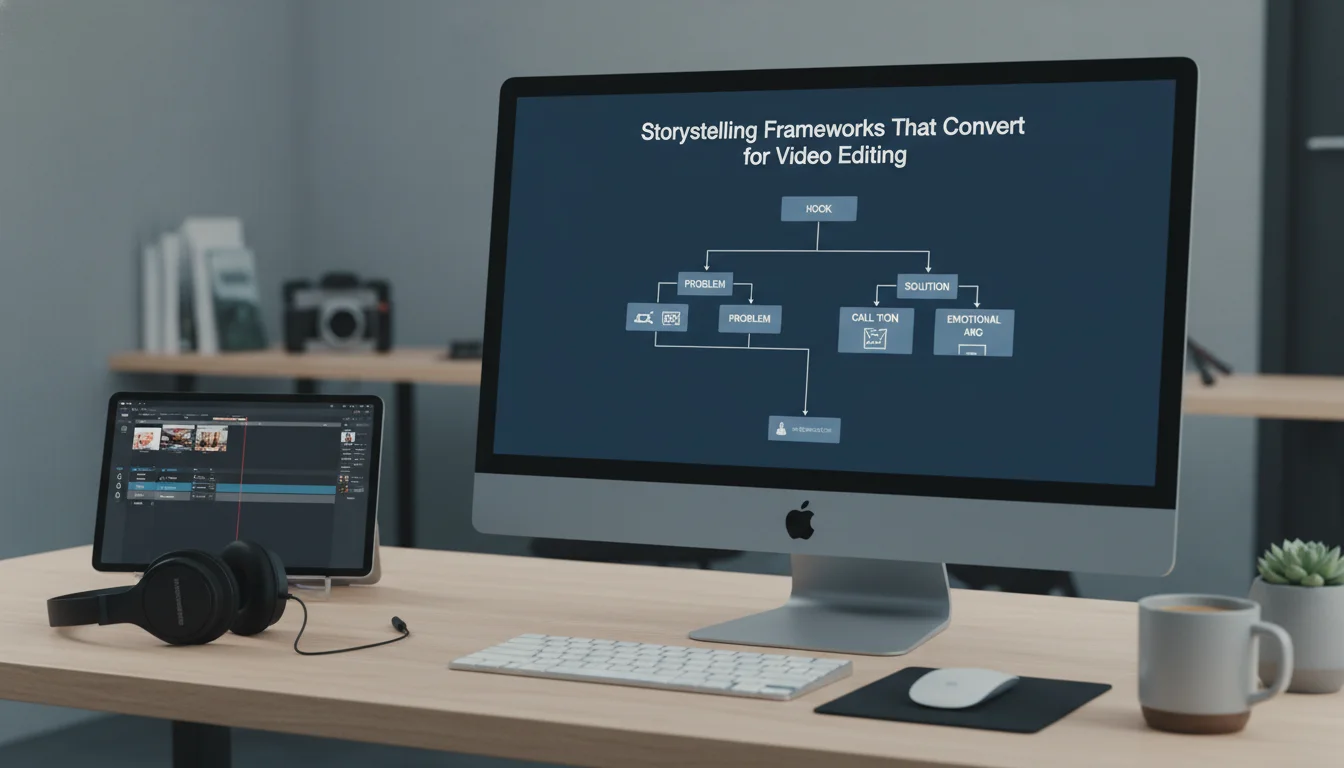
Technical editing skills are table stakes. What separates converting content from forgettable content is intentional narrative structure built into the edit.
The Problem-Agitation-Solution Arc
This classic copywriting framework translates beautifully to video editing. Start with a relatable problem (quick cuts, close-ups on frustration). Agitate it with consequences (wider shots showing impact, building music). Resolve it with your solution (smoother cuts, brighter colors, resolution in both audio and visual).
The editing rhythm should mirror the emotional journey. Choppy, uncomfortable cuts during the problem phase. Smooth, satisfying transitions during the solution phase. This creates subconscious association between your brand and resolution.
Visual metaphors strengthen this structure. Dark-to-light color grades. Chaotic-to-organized compositions. Loud-to-calm audio spaces. These reinforce the transformation your brand provides.
The Hero’s Journey for Brand Videos
Every customer is the hero of their own story. Your brand is the guide. Video editing can reinforce this dynamic through visual hierarchy and narrative pacing.
Show the customer’s world first (establishing shots, relatable scenarios). Introduce the challenge (tighter framing, building tension). Present your brand as the wise guide (authoritative but supportive visual treatment). Show the transformation (before-and-after editing techniques).
This framework works for everything from product demos to company culture videos. The editing choices support the archetypal story structure that humans instinctively understand.
Social Proof Integration
Testimonials and reviews aren’t just content , they’re editing opportunities. How you cut between customer voices, product shots, and brand elements affects credibility and emotional impact.
Quick cuts between multiple customer faces create momentum and social validation. Longer holds on individual testimonials build intimacy and trust. The balance depends on your brand positioning and audience expectations.
Visual consistency between testimonial footage and brand footage makes customer voices feel integrated, not tacked on. Color matching, similar framing, and consistent graphic treatment create cohesive storytelling.
Technical Excellence That Serves Strategy
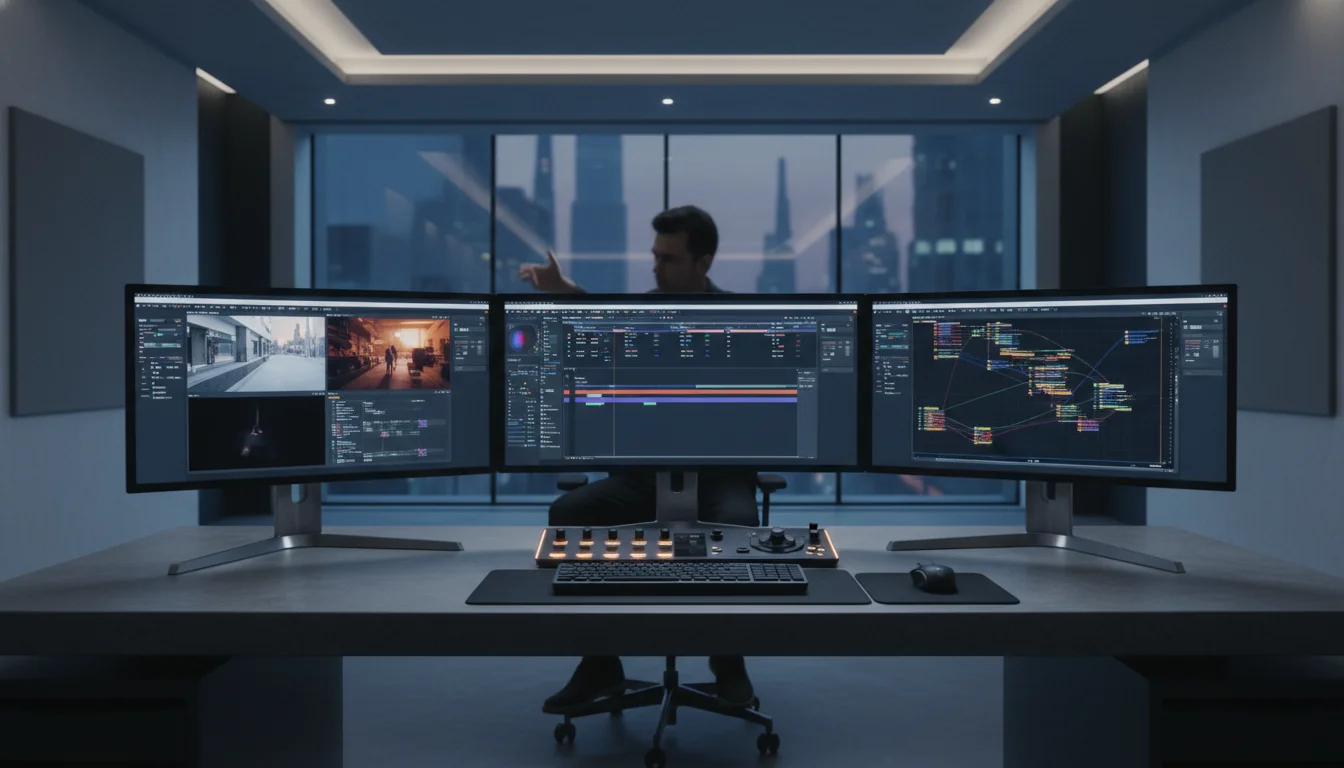
Flashy effects don’t make good videos. Strategic technical choices do. Every transition, color adjustment, and audio treatment should serve your brand story and business goals.
Color Grading for Brand Alignment
Color psychology isn’t marketing fluff , it’s neuroscience. Different colors trigger different emotional responses, and those responses affect purchasing decisions. Your color grading choices should align with your brand positioning and desired customer emotions.
Warm color grades (orange-heavy) create feelings of comfort, energy, and approachability. Perfect for lifestyle brands, food companies, and family-focused businesses. Cool color grades (blue-heavy) suggest professionalism, trust, and innovation. Ideal for tech companies, financial services, and B2B brands.
Consistency matters more than perfection. A slightly imperfect but consistent color treatment builds stronger brand recognition than technically perfect but inconsistent grading.
We create custom LUTs (Look-Up Tables) for brand clients , color grading presets that ensure visual consistency across all video content, regardless of who’s editing or what footage is being used.
Audio Design as Emotional Architecture
Most brands underestimate audio’s impact on video performance. Poor audio quality can make expensive footage feel cheap. Strategic audio design can make simple footage feel cinematic.
Music choice affects perception of brand personality. Acoustic guitars suggest authenticity and craftsmanship. Electronic music implies innovation and forward-thinking. Orchestral scores convey premium positioning and emotional depth.
Sound effects aren’t just for action movies. Subtle audio cues , the whoosh of a transition, the click of a button, the ding of a notification , guide attention and reinforce actions. They make digital interactions feel more tangible.
Silence is a tool, not an accident. Strategic pauses in audio create emphasis, build anticipation, and give viewers mental space to process information. Overscored videos feel overwhelming and amateur.
Motion Graphics That Enhance, Not Distract
Animation and motion graphics should feel inevitable, not impressive. The best motion design supports the story so smoothly that viewers don’t consciously notice it , they just feel more engaged.
Text animations should match your brand personality. Quick, snappy reveals for energetic brands. Smooth, elegant transitions for luxury positioning. Playful bounces for approachable companies. These micro-interactions compound to create brand recognition.
Data visualization through motion graphics makes complex information digestible and memorable. Instead of static charts, show data building over time. Instead of bullet points, reveal information through visual metaphors.
Consistent animation timing creates visual rhythm. If your logo animates in over 0.8 seconds, other elements should follow similar timing. This creates subconscious harmony that feels professional and intentional.
“The best editing is invisible. Viewers should be so engaged with your story that they never think about the cuts, transitions, or effects. When technique serves story, magic happens.” , Creative Director, Award-winning Agency
AI Tools and Workflow Optimization
Artificial intelligence isn’t replacing video editors , it’s freeing us from routine tasks so we can focus on creative strategy and storytelling. Smart integration of AI tools can dramatically improve both efficiency and output quality.
Automated Rough Cuts and Assembly
AI-powered editing tools can analyze footage and create rough cuts based on content analysis, speaker detection, and scene changes. This doesn’t replace creative decision-making , it eliminates the tedious first pass that every editor dreads.
Tools like Runway ML and Adobe’s Sensei can identify the best moments in long-form footage, suggest cut points, and even match music to visual rhythm. We use these as starting points, then apply creative strategy and brand guidelines to refine the edit.
Automated transcription and caption generation saves hours of manual work. But the real value comes from using AI-generated transcripts to identify key quotes, emotional moments, and structural beats that inform our creative editing choices.
Intelligent Color Matching and Correction
AI color correction tools can match footage from different cameras, lighting conditions, and time periods with remarkable accuracy. This is especially valuable for brands creating content across multiple locations or with various team members.
But automated color correction is just the foundation. The creative color grading , the choices that reinforce brand personality and emotional tone , still requires human insight and strategic thinking.
We use AI for technical correction, then apply custom brand-specific color treatments that align with positioning and campaign goals. This hybrid approach delivers both efficiency and creative control.
Performance-Driven Optimization
AI analytics can identify which editing choices correlate with higher engagement, longer watch times, and better conversion rates. This data informs future creative decisions without stifling creativity.
Patterns emerge: certain transition styles perform better for specific audiences. Particular pacing rhythms drive higher completion rates. Specific color treatments increase click-through rates. This intelligence makes every new video smarter than the last.
A/B testing different edits of the same footage reveals which creative choices actually drive business results. Sometimes the version that feels most creative performs worse than the version that prioritizes clarity and user experience.
Measuring Video Performance Beyond Views
View counts don’t pay bills. Engagement rates, conversion metrics, and brand lift do. The editing choices that drive vanity metrics often differ from those that drive business results.
Engagement Quality Over Quantity
A video with 10,000 views and 500 comments often delivers more business value than a video with 100,000 views and 50 comments. Editing for engagement quality means creating moments that inspire response, not just passive consumption.
Strategic pause points encourage comments. Controversial (but brand-appropriate) statements spark discussion. Clear calls-to-action guide viewers toward desired behaviors. These elements need to feel natural within the edit, not forced or obvious.
Watch time patterns reveal which editing choices keep audiences engaged. Heat maps show where people drop off, replay sections, or share clips. This data informs future creative decisions and helps refine our understanding of what works for specific audiences.
Conversion Tracking and Attribution
The ultimate test of video editing effectiveness is business impact. Does this video drive website visits? Email signups? Purchase decisions? Brand awareness lift?
We track conversion rates for videos with different editing styles, pacing choices, and call-to-action treatments. The data often surprises us , sometimes the most polished edit underperforms a more authentic, less technically perfect version.
Attribution modeling helps connect video engagement to downstream business results. A viewer might watch a brand video on Instagram, visit the website later, and make a purchase weeks afterward. Understanding these customer journeys helps us optimize editing for long-term brand building, not just immediate response.
Brand Perception and Recall Studies
Quantitative metrics tell part of the story. Qualitative feedback reveals how editing choices affect brand perception, emotional connection, and purchase intent.
Focus groups and surveys can identify which visual elements, pacing choices, and storytelling approaches resonate most strongly with target audiences. This insight guides both individual video edits and broader creative strategy.
Brand recall studies measure whether video content makes your brand more memorable and recognizable. Sometimes subtle editing choices , consistent motion graphics, signature color treatments, or distinctive pacing , have more impact on brand building than obvious branding elements.
Building Your Video Editing Workflow
Sustainable video production requires systems that scale without sacrificing quality. The right workflow balances creative freedom with operational efficiency.
Pre-Production Planning That Informs Editing
Great editing starts before cameras roll. Storyboards, shot lists, and creative briefs should anticipate post-production needs and opportunities.
We plan editing beats during pre-production: where will graphics appear? What footage will need color matching? Which moments require specific pacing or emphasis? This foresight prevents creative limitations and technical problems during the edit.
Asset organization systems save hours during post-production. Consistent file naming, folder structures, and metadata tagging make large projects manageable and collaborative editing possible.
Creative briefs should include editing guidelines: brand color preferences, motion graphic styles, music genres, and pacing approaches. This ensures consistency across different editors and projects while maintaining creative flexibility.
Collaborative Review and Approval Processes
Video editing is inherently collaborative, but traditional review processes often stifle creativity and extend timelines. Smart workflow design balances stakeholder input with creative vision.
We use time-coded feedback systems that allow reviewers to comment on specific moments without disrupting overall narrative flow. This prevents the common problem of conflicting feedback that compromises creative coherence.
Staged approval processes work better than committee reviews. Initial creative direction from key stakeholders, followed by technical review from relevant team members, followed by final brand approval. This prevents creative decisions from being overruled by technical concerns or vice versa.
Version control becomes important for collaborative projects. Clear naming conventions, backup systems, and change documentation prevent lost work and creative confusion.
Scalable Asset Management
Growing brands need video editing workflows that can handle increasing content volume without proportional increases in time and cost.
Template systems allow for consistent brand treatment across multiple videos while maintaining creative flexibility. Pre-built motion graphics, color grades, and audio treatments can be customized for specific projects without starting from scratch each time.
Stock footage and music libraries integrated into editing workflows speed production and reduce licensing complexity. But the key is curating these resources to align with brand guidelines and creative standards.
Automated backup and archiving systems protect creative work and make asset retrieval efficient. Lost footage or corrupted project files can destroy timelines and budgets. Prevention is always cheaper than recovery.
Pros and Cons of Different Editing Approaches
In-House Video Editing
Pros: Complete creative control, deep brand understanding, immediate availability, cost-effective for high-volume content
Cons: Requires significant software and training investment, limited creative perspectives, potential for creative stagnation
Freelance Video Editors
Pros: Specialized expertise, fresh creative perspectives, scalable capacity, cost-effective for project-based work
Cons: Variable quality and reliability, brand guideline compliance challenges, communication overhead
Agency Video Production
Pros: Strategic creative direction, full-service capabilities, proven track record, brand-building expertise
Cons: Higher investment, longer timelines, potential for over-production
The future of video editing isn’t about choosing between human creativity and AI efficiency , it’s about combining both strategically. Brands that master this balance will create content that’s both emotionally resonant and operationally sustainable.
Every cut is a choice. Every transition is a statement. Every color grade is a brand decision. When these choices align with business strategy and audience psychology, video editing becomes a competitive advantage, not just a production necessity.
Ready to transform your raw footage into brand-building assets? Contact Emin Media for a free brand consultation and discover how strategic video editing can amplify your message and drive measurable results.
Enjoyed this article?
Contact Emin Media for a free brand consultation and let's create something amazing together.
Get in TouchRelated Articles
Digital Storytelling for Business: 2026 Playbook
Digital storytelling for business explained: frameworks, tools, mistakes to avoid, and a 2026 playbook to…

Startup Marketing: A Practical Growth Guide (2026)
Startup marketing is your roadmap to customers and revenue. Learn proven strategies, budgeting tips, and…
Facebook Digital Creator: The 2026 Complete Guide
Become a facebook digital creator in minutes. Explore monetization tools, pro tips, and step-by-step setup…