Digital Content Creator: Complete 2026 Career Guide

A digital content creator is a professional who produces engaging online material across videos, blogs, podcasts, and social media to build audiences and drive measurable business outcomes. These creative professionals blend artistic vision with data-driven strategy, earning income through multiple revenue streams in today’s $480 billion creator economy.
Key Takeaways
- content creators combine storytelling skills with technical proficiency and business strategy
- Multiple monetization paths exist: ad revenue, sponsorships, digital products, and services
- AI tools in 2026 streamline editing, ideation, and content repurposing workflows
- Short-form vertical video dominates platform algorithms and audience engagement
- Success requires 12-24 months of consistent posting and community building
- Diversifying across platforms protects against algorithm changes and policy shifts
What Is a Digital Content Creator?
Media” class=”wp-image-9667″ loading=”lazy” width=”1792″ height=”1024″ />Defining the Role
A these creator conceptualizes, produces, and publishes digital media with the intent of attracting, retaining, or converting an audience. Unlike traditional marketing roles, this career blends artistic vision with data-driven strategy. The content can be educational, entertaining, inspirational, or persuasive, depending on the goals of the creator or the brand they represent.
In 2024, 44 percent of advertisers planned to make greater investments in creator content, according to the Interactive Advertising Bureau (IAB). This signals that businesses increasingly see these professionals as essential to their marketing mix, not merely trend followers.
“44 percent of advertisers planned to make greater investments in creator content in 2024, underscoring the pivotal role such creators play in modern marketing.” , Interactive Advertising Bureau (IAB)
The Difference Between Creator and Influencer
While the terms are often used interchangeably, a digital content focuses primarily on producing original material, whereas an influencer’s core objective is to sway purchase decisions. Creators build a body of work around a craft or niche, such as filmmaking, coding, or cooking, while influencers monetize their personal brand through endorsements. Many professional creators develop enough trust to influence purchases, blurring the lines, but the starting point differs: one creates for art or education, the other to shape consumer behavior.
The Rise of the Creator Economy
The creator economy has exploded thanks to widespread internet access. With over 5 billion active internet users, the potential audience is enormous. This growth opens diverse career opportunities, making the digital content creator role a viable full-time profession rather than a side hustle.
“The creator economy continues transforming how individuals monetize creativity online, with unprecedented opportunities for professional growth.” , Goldman Sachs Research
The Essential Skills Every Creator Needs

Creative and Storytelling Abilities
At its heart, content creation is storytelling. A successful digital content creator must translate ideas into narratives that resonate. This means understanding pacing, conflict, emotion, and structure, whether producing a 15-second TikTok or a 30-minute documentary. Originality is the currency that separates memorable creators from the noise.
Technical Proficiency with Digital Tools
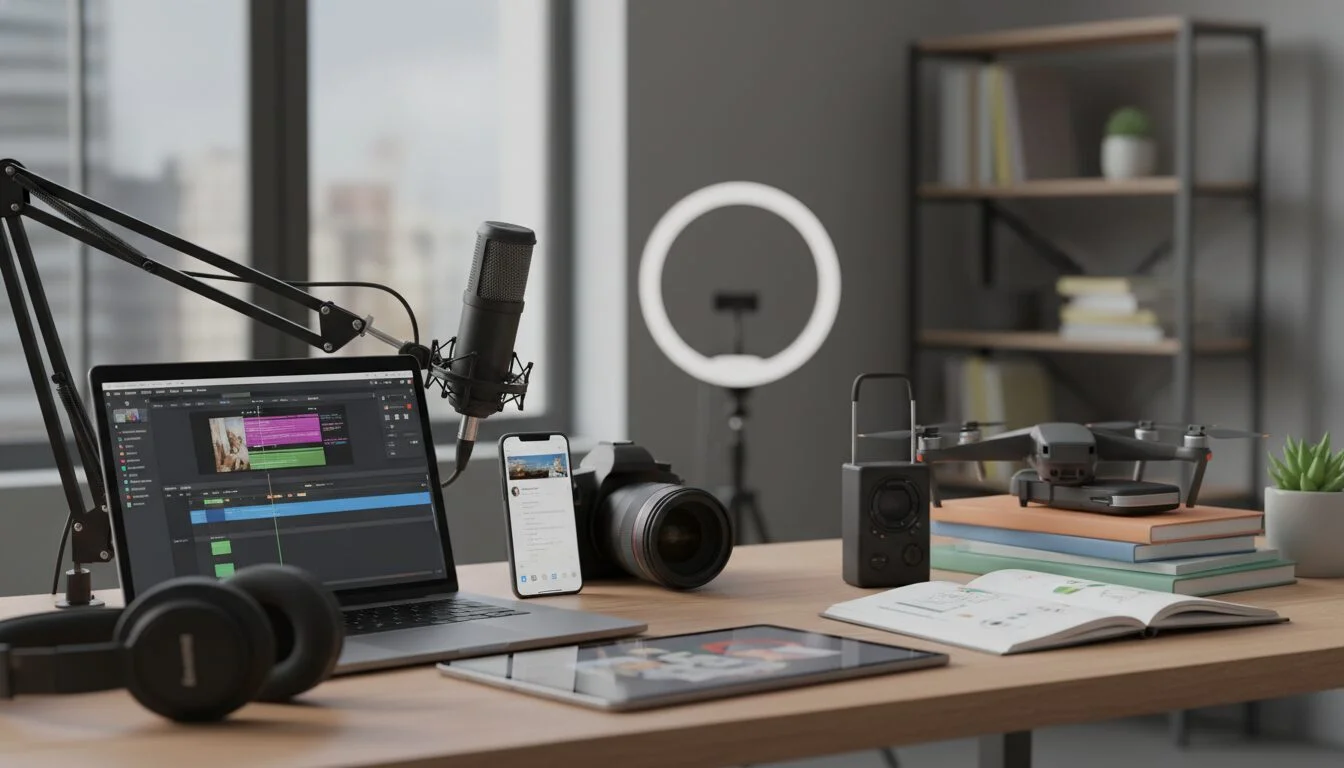
Today’s creator toolbox is deep and constantly evolving. Familiarity with video editing suites like Adobe Premiere Pro or CapCut, design tools like Canva and Adobe Express, and audio platforms like Audacity or Riverside.fm is non-negotiable. Even written content creators benefit from SEO tools like Semrush and content management systems like WordPress. The modern professional must be a jack-of-all-trades, comfortable with camera equipment, lighting, and post-production workflows.
Data-Driven Strategy and Analytics
Beyond the creative spark, a digital content creator interprets metrics to refine performance. Platforms provide analytics on watch time, engagement, click-through rates, and demographic data. Creators who study these numbers can optimize posting schedules, content formats, and platform choices. Testing different thumbnail designs can significantly increase click-through rates, directly impacting income. SEO (search engine optimization) is another analytical pillar, optimizing titles, descriptions, and tags ensures content remains discoverable long after publication.
Types of Content Digital Creators Produce
Short-Form Video
Short-form vertical video, TikToks, Reels, YouTube Shorts, dominates 2026’s content landscape. These clips under 90 seconds thrive on mobile consumption and algorithm-driven feeds. They require quick hooks, tight editing, and clear value in the first few seconds. Many creators use this format to funnel viewers to longer content or products.
Written and Long-Form Content
Blog posts, newsletters, ebooks, and articles remain powerful for SEO and building authority. Written content allows for depth and positions a digital content creator as an expert in their field. Platforms like Substack, Medium, and personal websites host long-form material that can generate recurring income through memberships or affiliate sales.
Audio and Podcasting
Podcasts and audiobooks have carved a significant niche. Audio content fits seamlessly into commutes, workouts, and daily routines. A creator can interview experts, share narrative stories, or deliver solo educational episodes. Monetization comes from sponsorships, listener donations, or exclusive premium episodes.
How to Become a Digital Content Creator in 2026
Step 1: Define Your Niche and Audience
Begin by identifying a specific intersection of your passions and market demand. Use keyword research tools like Google Trends or AnswerThePublic to uncover topics people actively seek. A narrow niche, for example, sustainable travel for solo women over 40, differentiates you from broad lifestyle creators. Your content should answer a clear question or solve a particular pain point.
Step 2: Invest in the Right Equipment and Software
Start minimal but quality. A smartphone with a good camera, a tripod, and lapel microphone can produce professional-looking videos. Free editing software like DaVinci Resolve or CapCut is sufficient initially. As you grow, reinvest in better lenses, lighting, and audio gear. The goal is to remove technical barriers without overcomplicating the early stages.
Step 3: Create a Consistent Publishing Schedule
Consistency builds trust and algorithmic momentum. Plan a content calendar with at least two to four posts per week on your primary platform. Batch produce content on set days to avoid burnout. Use scheduling tools like Buffer or Meta Business Suite to maintain a steady flow even during offline periods. Regular posting signals reliability to both audiences and platform algorithms.
Monetizing Your Work as a Creator
Ad Revenue and Platform Monetization
Once you meet platform eligibility thresholds, such as 1,000 subscribers on YouTube, you can earn from ads displayed on your content. YouTube’s Partner Program, TikTok Creativity Program, and Facebook in-stream ads provide a baseline income. While ad revenue varies, it becomes predictable with scale and can sustain a full-time digital content creator.
Brand Partnerships and Sponsorships
As your audience grows, brands will approach you for sponsored posts. A single well-aligned sponsorship can pay multiple times what ad revenue delivers in a month. Negotiate based on engagement metrics, not just follower count. Disclosed, authentic integrations perform best and preserve trust. Many creators with established followings report strong earning potential from brand collaborations.
Selling Digital Products and Services
The most sustainable income often comes from owned products: online courses, presets, templates, ebooks, or subscription communities. A digital content creator with a loyal following can generate significant recurring revenue without relying on algorithm changes. Platforms like Teachable, Gumroad, and Patreon make selling simple, even for beginners.
Pros and Cons
Pros
- Creative freedom to express your unique voice and vision
- Multiple income streams reduce financial risk
- Location independence and flexible scheduling
- Direct connection with your audience builds meaningful relationships
- Low startup costs compared to traditional businesses
- Unlimited earning potential as you scale
Cons
- Income can be unpredictable, especially when starting
- Algorithm changes can dramatically impact reach overnight
- Burnout risk from constant content demands
- Self-employment means handling taxes, health insurance, and business operations
- Public criticism and negative comments are part of the territory
- Success requires 12-24 months of consistent effort before seeing substantial results
AI and Tools Transforming Content Creation
AI-Powered Editing and Repurposing
In 2026, AI handles many tedious parts of post-production. Tools like Descript automatically remove filler words, generate captions, and even edit video based on script. Repurposing lengthy videos into shorts or social snippets becomes a one-click process. This allows a digital content creator to maintain an active presence on multiple platforms without massive time investment.
Analytics and Performance Tracking
Advanced analytics suites like Google Analytics 4 and platform-native insights now integrate AI to suggest optimal posting times, content topics, and even thumbnail designs. Predictive analytics help forecast which topics will trend, giving creators a strategic edge. By analyzing audience retention curves, a creator can pinpoint exactly where viewers drop off and adjust future content.
The Role of Generative AI in Ideation
Tools such as ChatGPT and Jasper assist with brainstorming video titles, script outlines, and blog post structures. While the creative vision remains human, AI accelerates research and overcomes writer’s block. A smart digital content creator uses these tools as assistants, not replacements, maintaining a unique voice that AI cannot replicate.
Building a Personal Brand That Stands Out
Finding Your Unique Voice
Your personality is your greatest asset. Audiences connect with people, not polished corporate personas. Develop a consistent tone, whether humorous, authoritative, or empathetic, and let it permeate every piece of content. Personal stories and behind-the-scenes glimpses humanize your brand and deepen loyalty.
Consistency Across Channels
Visual identity matters. Use the same color palette, fonts, and style across YouTube thumbnails, Instagram posts, and newsletters. This builds instant recognition. A digital content creator who maintains a cohesive brand image is more likely to be remembered and recommended.
Engaging with Your Community
Reply to comments, host live Q&As, and solicit viewer suggestions. Community engagement transforms passive viewers into advocates. When followers feel heard, they share content and defend your brand. Building a loyal community is a long-term moat against shifting algorithms.
Platforms and Distribution: Where to Share Your Content
YouTube and Long-Form Video
YouTube remains the heavyweight for long-form video, with powerful search capabilities thanks to Google integration. It rewards watch time and consistent uploads. Creators who produce in-depth tutorials, documentaries, or vlogs often see the highest lifetime value per video because content can be discovered for years.
Instagram, TikTok, and Short-Form Vertical
These platforms excel at rapid growth. The algorithmic feed exposes content to new audiences aggressively. Trends spread quickly, so staying current is essential. A digital content creator can use TikTok for top-of-funnel awareness and direct followers to longer YouTube videos or a newsletter.
LinkedIn and Professional Networks
Often overlooked, LinkedIn has emerged as a content powerhouse, especially for B2B creators. Thought leadership posts, articles, and carousels on career, tech, or business topics can generate significant engagement and high-paying opportunities. The platform’s professional audience is more likely to convert to consulting or course sales.
| Platform | Primary Content Format | Best For | Monetization Features |
|---|---|---|---|
| YouTube | Long-form video, Shorts | In-depth tutorials, vlogs, reviews | Ad revenue, memberships, Super Thanks |
| Reels, Stories, Posts | Visual storytelling, lifestyle, fashion | Brand partnerships, affiliate, badging | |
| TikTok | Short-form vertical video | Trends, comedy, quick tips, dance | Creator Fund, live gifts, spark ads |
| Articles, text posts, carousels | B2B, career advice, industry insights | Sponsored content, consulting, courses |
Growing Your Career as a Digital Content Creator
Networking and Collaboration
Partnering with other creators in complementary niches exposes you to new audiences. Joint live streams, guest appearances on podcasts, and collaborative challenges amplify reach. Attend industry events like VidCon or Creator Economy Live to build relationships that lead to brand deals and knowledge exchange.
Using SEO and Evergreen Content
While trending content spikes quickly, evergreen content pays dividends over years. A digital content creator who invests in SEO-friendly blog posts, YouTube videos with strong keyword optimization, and Pinterest pins builds a library that continuously attracts traffic. Use tools like Ahrefs to identify low-competition topics with high search volume.
Adapting to Platform Shifts
The only constant is change. Algorithm updates, new features (e.g., AI-generated avatars), and emerging platforms like BlueSky or Threads require agility. Diversify your presence across two or three core platforms so that a dip in one does not cripple your income. Follow platform beta programs to get early access to monetization tools.
Frequently Asked Questions
What does a digital content creator do daily?
A typical day involves ideating topics, scripting, filming or writing, editing, engaging with the community, and analyzing performance metrics. Many also spend time pitching brands, updating their website, and learning new tools or trends.
How much money can a digital content creator make?
Income varies widely. New creators might earn a few hundred dollars per month from side revenue, while established full-time professionals often make several thousand monthly through ads, sponsorships, and product sales. Top-tier creators report six to seven figures annually.
Do I need a degree to become a digital content creator?
No formal degree is required. Employers and clients prioritize a strong portfolio, proven engagement metrics, and demonstrable skills. Many successful creators are self-taught through online courses, YouTube tutorials, and hands-on experimentation.
What equipment should I buy first?
Start with a modern smartphone (1080p+ video), a tripod, and a clip-on microphone. Good lighting, a ring light or natural window, makes a bigger difference than an expensive camera. Upgrade to a mirrorless camera and studio lighting once revenue justifies the expense.
Which platform is best for beginners?
TikTok and Instagram Reels offer the fastest organic reach due to algorithm-driven discovery. For written content, Medium or a personal blog with strong SEO are good starting points. Choose the platform where your target audience already spends time.
How long does it take to grow a sustainable income?
Most creators need 12–24 months of consistent posting and audience building before reaching full-time income. Success depends on niche selection, content quality, and diversification of revenue streams.
Ready to transform your creative passion into a thriving business? Contact Emin Media for a free brand consultation and discover how we can help you build a standout digital presence that converts followers into customers.
Sources: This article incorporates data from the Interactive Advertising Bureau, Internet World Stats, and industry research. All statistics are attributed to their original publishers.
Enjoyed this article?
Contact Emin Media for a free brand consultation and let's create something amazing together.
Get in TouchRelated Articles
Digital Storytelling for Business: 2026 Playbook
Digital storytelling for business explained: frameworks, tools, mistakes to avoid, and a 2026 playbook to…

Startup Marketing: A Practical Growth Guide (2026)
Startup marketing is your roadmap to customers and revenue. Learn proven strategies, budgeting tips, and…

Facebook Digital Creator: The 2026 Complete Guide
Become a facebook digital creator in minutes. Explore monetization tools, pro tips, and step-by-step setup…