Content Creator Guide: Build Your Creative Career in 2026

Key Takeaways
- Content creators are digital storytellers who build audiences through consistent, valuable content across multiple platforms
- Success requires mastering the creator trinity: content strategy, audience development, and revenue diversification
- The creator economy is projected to reach $104 billion by 2026, with micro-creators seeing the fastest growth
- Platform diversification and owned media are essential for long-term creator sustainability
- Brand partnerships, digital products, and community monetization offer the highest revenue potential
What Is a Content Creator and Why It Matters in 2026
A content creator is a digital entrepreneur who produces valuable, engaging content to build an audience and generate revenue through multiple monetization streams. Unlike traditional media professionals, content creators own their entire creative process , from ideation to distribution to audience relationship management.
The creator economy has fundamentally shifted how we think about careers and creativity. According to recent industry research, over 50 million people worldwide now identify as content creators, with the market expanding beyond entertainment into education, business consulting, and niche expertise sharing.
The Evolution of Content Creation
Content creation has evolved from hobby blogging to sophisticated business operations. Today’s successful creators operate like media companies, managing content calendars, brand partnerships, and multiple revenue streams simultaneously.
We’re seeing creators who started with simple YouTube videos now running seven-figure businesses. The difference? They understood early that content creation isn’t just about making videos , it’s about building sustainable creative enterprises.
Creator vs. Influencer: Understanding the Distinction
While often used interchangeably, content creators and influencers serve different purposes. Influencers primarily use their personal brand to promote products, while content creators focus on producing valuable, educational, or entertaining content that serves their audience first.
Content creators build deeper, more sustainable relationships with their audiences because their value proposition extends beyond personal charisma. They’re educators, entertainers, and community builders rolled into one.
The Business Case for Content Creation
Brands increasingly recognize that authentic content creators deliver better engagement rates than traditional advertising. Campaign performance data indicates that creator-generated content achieves 3x higher engagement than brand-produced content.
This shift has created unprecedented opportunities for creators to monetize their expertise and creativity. The key is understanding that successful content creation requires both creative vision and business acumen.
Essential Skills Every Content Creator Needs to Master

Successful content creation demands a diverse skill set that combines creative abilities with strategic thinking and technical proficiency. The most successful creators we work with have mastered what we call the “creator skill stack” , a combination of hard and soft skills that enable sustainable growth.
Creative and Technical Skills
Visual storytelling remains paramount across all platforms. Whether you’re creating TikTok videos or LinkedIn articles, your ability to communicate ideas visually determines your content’s impact. This includes basic design principles, video editing, photography, and understanding platform-specific content formats.
Writing skills are equally important, even for video-first creators. Captions, scripts, email newsletters, and social media copy all require clear, engaging writing that reflects your unique voice and serves your audience’s needs.
Technical skills like basic SEO, analytics interpretation, and content management systems separate amateur creators from professionals. You don’t need to be a developer, but understanding how algorithms work and how to optimize content for discovery is essential.
Strategic and Business Skills
Content strategy involves understanding your audience deeply enough to create content that serves their needs while advancing your business goals. This requires market research skills, competitor analysis, and the ability to identify content gaps in your niche.
Project management becomes critical as your content operation scales. Successful creators maintain consistent publishing schedules, manage multiple platform requirements, and coordinate with team members or collaborators efficiently.
Brand development skills help you create a cohesive identity across platforms. Your visual aesthetic, voice, and messaging should be instantly recognizable, whether someone encounters your content on Instagram, YouTube, or your email newsletter.
Relationship and Communication Skills
Community management involves more than responding to comments. It’s about building genuine connections, facilitating discussions among your audience members, and creating a sense of belonging around your content.
Networking within the creator economy opens doors to collaborations, brand partnerships, and learning opportunities. The most successful creators actively participate in creator communities and maintain relationships with peers in their niche.
Negotiation skills become essential as you begin working with brands and clients. Understanding your value, setting appropriate rates, and negotiating contract terms protects your interests and ensures fair compensation for your work.
Choosing Your Content Creation Platform Strategy
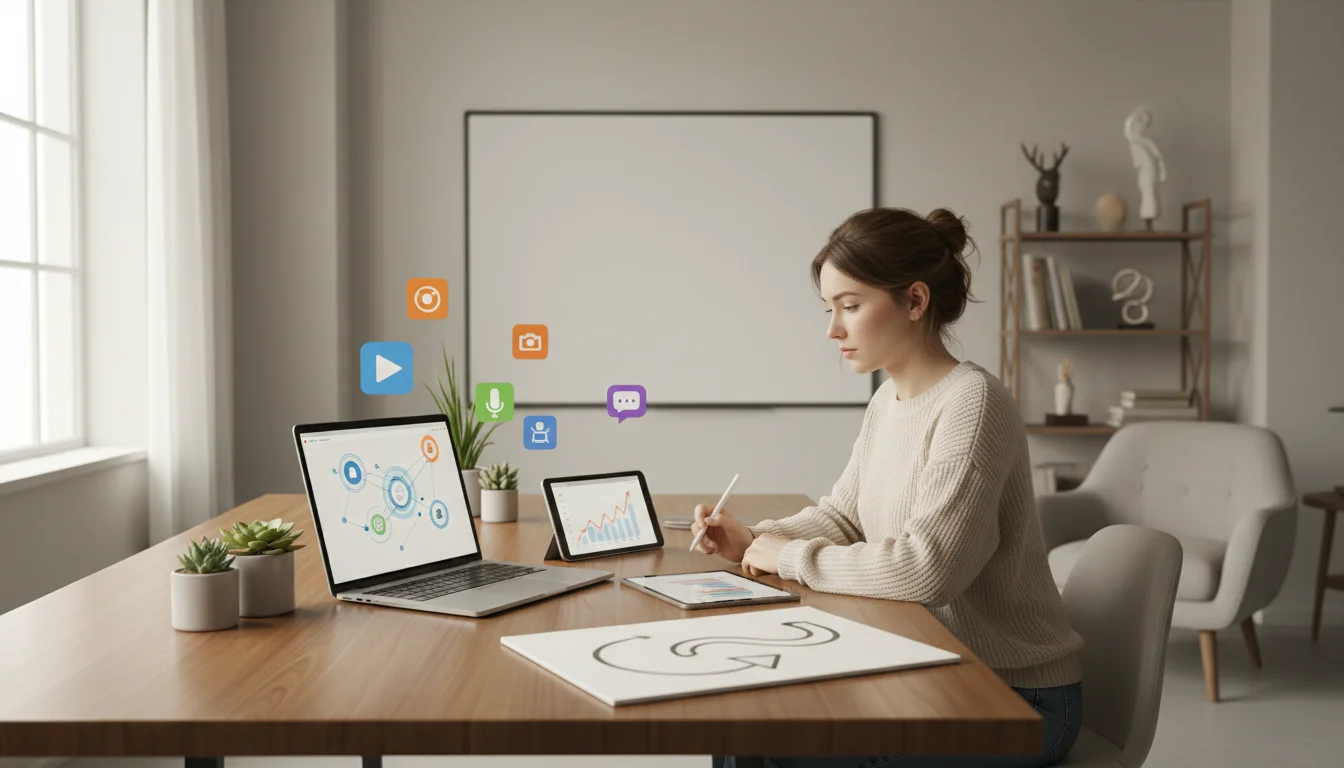
Platform selection determines your content format, audience demographics, and monetization opportunities. Rather than trying to be everywhere at once, successful creators master 1-2 primary platforms while maintaining a presence on complementary channels.
Platform-Specific Considerations
YouTube remains the gold standard for long-form content and offers the most strong monetization options. The platform rewards consistency and quality, making it ideal for creators who can commit to regular uploads and have expertise to share through detailed videos.
TikTok and Instagram Reels excel at viral content and trend-based growth. These platforms favor creators who can quickly adapt to trending formats and produce high-volume, engaging short-form content. The algorithm can provide explosive growth, but maintaining momentum requires constant content creation.
LinkedIn has emerged as a powerful platform for B2B creators and professionals. The audience expects valuable, industry-specific content, and the platform’s algorithm favors engagement over follower count, making it accessible for new creators with expertise to share.
Multi-Platform Content Strategy
Content repurposing maximizes your creative output by adapting single pieces of content for multiple platforms. A complete blog post can become a YouTube video, Instagram carousel, LinkedIn article, and email newsletter with strategic modifications for each platform’s audience and format requirements.
Cross-platform promotion helps you guide audiences from discovery platforms to owned media channels. Your TikTok bio might direct viewers to your YouTube channel, while your YouTube descriptions promote your email newsletter signup.
Platform diversification protects against algorithm changes and platform risks. Creators who built their entire presence on a single platform have learned hard lessons when algorithm updates or policy changes affected their reach.
Building Owned Media Assets
Email newsletters provide direct access to your audience without algorithmic interference. Email marketing consistently delivers the highest ROI for creators, with engaged subscribers more likely to purchase products and services.
Personal websites serve as your digital headquarters, housing your portfolio, about page, contact information, and blog content. They also improve your SEO presence and provide a professional foundation for brand partnerships.
Podcast hosting, even for short-form audio content, creates another touchpoint with your audience and can be repurposed across multiple platforms. Audio content consumption continues growing, particularly among professional audiences during commutes and workouts.
Content Strategy That Actually Drives Results

Effective content strategy balances audience value with business objectives, ensuring every piece of content serves both your audience’s needs and your growth goals. The most successful creators we work with follow systematic approaches to content planning and execution.
Audience Research and Persona Development
Deep audience understanding goes beyond demographics to include psychographics, pain points, content consumption habits, and preferred communication styles. This research informs content topics, formats, and distribution strategies that resonate with your specific audience.
Creating detailed audience personas helps you make content decisions quickly and consistently. When evaluating potential topics or formats, you can ask whether it serves your primary persona’s needs and interests.
Audience feedback loops through comments, direct messages, surveys, and analytics provide ongoing insights into content performance and audience preferences. Successful creators actively seek and incorporate audience feedback into their content strategy.
Content Pillars and Theme Development
Content pillars are the 3-5 core themes that define your expertise and provide structure for content creation. They should align with your audience’s interests while showcasing your unique knowledge and perspective.
For example, a fitness creator might focus on workout routines, nutrition education, mindset coaching, and equipment reviews. This framework ensures content variety while maintaining topical consistency that builds authority in your niche.
Seasonal content planning allows you to capitalize on predictable trends, holidays, and industry events. Planning content around these moments helps you stay relevant and can boost engagement when your audience is actively seeking related information.
Content Calendar and Production Systems
Batch content creation improves efficiency and consistency by producing multiple pieces of content in dedicated creation sessions. This approach allows for better quality control and helps maintain publishing schedules during busy periods.
Editorial calendars should balance evergreen content that remains relevant over time with timely content that capitalizes on current trends and events. This mix ensures steady traffic while capturing viral moments.
Content templates and frameworks speed up creation while maintaining quality standards. Developing repeatable formats for different content types allows you to focus creative energy on messaging rather than structural decisions.
Building and Engaging Your Creator Community
Community building transforms casual viewers into engaged followers and eventually into customers, collaborators, and advocates. The strongest creator businesses are built on genuine relationships rather than just follower counts.
Authentic Engagement Strategies
Responding to comments and messages personally, especially in your early growth phase, builds stronger connections than automated responses. Your audience can tell the difference, and personal engagement often leads to more meaningful relationships.
Creating conversation starters through questions, polls, and discussion prompts encourages audience participation beyond passive consumption. Interactive content typically receives higher engagement rates and helps you understand your audience better.
Behind-the-scenes content humanizes your brand and creates deeper connections with your audience. Sharing your creative process, challenges, and personal insights builds trust and relatability that pure promotional content cannot achieve.
Community Platform Management
Discord servers, Facebook groups, or Circle communities provide dedicated spaces for your most engaged followers to connect with each other and access exclusive content. These platforms often generate the highest lifetime value from your audience.
Live streaming, whether on Instagram, YouTube, or dedicated platforms, creates real-time connection opportunities that recorded content cannot replicate. Regular live sessions help maintain audience engagement and provide immediate feedback on content ideas.
User-generated content campaigns encourage your audience to create content featuring your brand or expertise. This approach provides social proof while expanding your content reach through your community’s networks.
Scaling Community Management
Moderator recruitment from your most engaged community members helps maintain community standards while reducing your personal time investment. Choose moderators who embody your brand values and communicate effectively with your audience.
Community guidelines establish clear expectations for behavior and content within your spaces. Well-defined guidelines prevent conflicts and ensure your community remains a positive environment for all members.
Regular community events, challenges, or themed discussions maintain engagement and give members reasons to return regularly. Consistent programming helps establish your community as an active, valuable space rather than a passive content repository.
Monetization Strategies for Content Creators
Revenue diversification protects creators from platform changes and algorithm updates while maximizing earning potential. The most financially successful creators typically have 3-5 different revenue streams rather than relying on a single monetization method.
Direct Monetization Methods
Digital product sales, including courses, ebooks, templates, and exclusive content, often provide the highest profit margins for creators. These products use your expertise while serving your audience’s specific needs and can be sold repeatedly without additional production costs.
Subscription models through platforms like Patreon, Substack, or Circle provide predictable monthly revenue while offering subscribers exclusive access to premium content, community features, or direct interaction with you.
One-on-one consulting or coaching services command premium pricing for creators with demonstrated expertise. This monetization method works particularly well for business, fitness, and personal development creators who can provide personalized guidance.
Brand Partnership and Sponsorship Revenue
Sponsored content partnerships with relevant brands can provide substantial income, especially as your audience grows. The key is maintaining authenticity by only partnering with brands that align with your values and serve your audience’s interests.
Affiliate marketing allows you to earn commissions by promoting products you genuinely use and recommend. Success requires transparent disclosure and careful product selection that maintains your audience’s trust.
Brand ambassadorships provide ongoing partnerships with companies whose products align with your content and audience. These relationships often include both monetary compensation and product access, creating long-term revenue stability.
Platform-Specific Monetization
YouTube’s Partner Program, TikTok’s Creator Fund, and Instagram’s various monetization features provide platform-native revenue opportunities. While these typically generate smaller amounts than direct monetization, they require minimal additional effort once established.
Live streaming donations and virtual gifts on platforms like Twitch, YouTube Live, or TikTok Live can supplement other revenue streams, particularly for creators who build strong real-time engagement with their audiences.
Merchandise sales work well for creators with strong personal brands and engaged communities. Print-on-demand services reduce upfront costs and inventory management while allowing you to test different designs and products.
Tools and Resources for Content Creation Success
The right tools can dramatically improve your content quality and production efficiency. However, expensive equipment isn’t necessary for getting started , focus on mastering free or low-cost tools before investing in premium options.
Content Creation and Editing Tools
Canva provides professional-quality design templates for social media graphics, thumbnails, and marketing materials. The platform’s extensive template library and user-friendly interface make it accessible for creators without formal design training.
Video editing software ranges from free options like DaVinci Resolve to professional tools like Adobe Premiere Pro. Start with simpler tools and upgrade as your skills and needs develop. Most successful creators began with basic editing software and learned advanced techniques over time.
Audio editing tools like Audacity (free) or Adobe Audition (subscription) are essential for podcast creators and video producers who want professional-quality sound. Good audio quality often matters more than video quality for audience retention.
Analytics and Performance Tracking
Google Analytics provides detailed insights into website traffic, audience behavior, and content performance. Understanding these metrics helps you identify your most successful content and optimize future creation efforts.
Social media analytics tools, both native platform analytics and third-party options like Hootsuite or Sprout Social, help you understand which content resonates with your audience and optimal posting times.
Email marketing platforms like ConvertKit, Mailchimp, or Substack provide detailed subscriber analytics, helping you understand which content drives the most engagement and conversions from your email audience.
Productivity and Organization Systems
Project management tools like Notion, Trello, or Asana help you organize content calendars, track project progress, and collaborate with team members or clients. These systems become essential as your content operation grows.
Content scheduling tools like Buffer, Later, or Creator Studio allow you to maintain consistent posting schedules across multiple platforms without being constantly online. Batch scheduling saves time and ensures consistent presence.
Cloud storage solutions like Google Drive, Dropbox, or iCloud keep your content assets organized and accessible from any device. Proper file organization prevents lost content and streamlines your creation process.
Measuring Success and Scaling Your Creator Business
Success metrics for content creators extend beyond vanity metrics like follower counts to include engagement rates, conversion metrics, and revenue generation. Understanding which metrics matter for your specific goals helps you make data-driven decisions about content strategy and business development.
Key Performance Indicators for Creators
Engagement rate measures how actively your audience interacts with your content relative to your follower count. High engagement rates indicate strong audience connection and typically correlate with better monetization opportunities.
Email list growth and open rates provide insights into your owned media performance. Email subscribers represent your most valuable audience segment, as they’ve explicitly chosen to receive your content and are more likely to purchase products or services.
Revenue per follower or subscriber helps you understand the financial value of your audience. This metric varies significantly by niche and monetization strategy but provides a benchmark for evaluating business growth and partnership opportunities.
Content Performance Analysis
Content audit processes help you identify your highest-performing content types, topics, and formats. Regular analysis of top-performing content reveals patterns you can replicate and scale across your content strategy.
Audience retention metrics, particularly for video content, show which parts of your content maintain viewer attention. This data helps you improve content structure and pacing for better overall performance.
Conversion tracking from content to desired actions (email signups, product purchases, consultation bookings) helps you understand which content types drive business results rather than just engagement.
Scaling and Team Building
Virtual assistant hiring for administrative tasks, content scheduling, and basic editing allows you to focus on high-value creative work and strategy development. Start with part-time help and scale based on business growth.
Collaboration opportunities with other creators can expand your audience reach while sharing production workload. Strategic partnerships often provide mutual benefits and can lead to long-term business relationships.
Content repurposing systems maximize the value of each piece of content by adapting it for multiple platforms and formats. Developing efficient repurposing workflows allows you to maintain presence across multiple channels without proportionally increasing creation time.
Frequently Asked Questions
What does a content creator do on a daily basis?
Content creators spend their time researching topics, creating content, engaging with their audience, analyzing performance metrics, and managing business operations. A typical day might include filming videos, writing captions, responding to comments, planning future content, and working on monetization strategies like product development or brand partnerships.
How much money can content creators make?
Content creator earnings vary dramatically based on niche, audience size, engagement rates, and monetization strategies. Micro-creators with 10,000-100,000 followers can earn $500-$5,000 monthly, while established creators with diversified revenue streams can earn six or seven figures annually. Success depends more on audience engagement and business strategy than follower count alone.
Do I need expensive equipment to start content creation?
No, you can start content creation with basic equipment like a smartphone and free editing apps. Many successful creators began with minimal equipment and upgraded gradually as their audience and revenue grew. Focus on creating valuable content consistently rather than investing heavily in equipment before proving your concept and audience demand.
How long does it take to become a successful content creator?
Building a sustainable content creation business typically takes 6-18 months of consistent effort, though some creators see faster growth in trending niches or with viral content. Success depends on content quality, consistency, audience engagement, and business strategy rather than just time invested. Most creators need at least 6 months to understand their audience and develop effective content systems.
Which social media platform is best for new content creators?
The best platform depends on your content type, target audience, and personal strengths. TikTok and Instagram Reels offer the fastest growth potential for short-form video content, while YouTube provides better long-term monetization for educational content. LinkedIn works well for professional and B2B content. Start with one platform where your target audience is most active and expand gradually.
Enjoyed this article?
Contact Emin Media for a free brand consultation and let's create something amazing together.
Get in TouchRelated Articles
Digital Storytelling for Business: 2026 Playbook
Digital storytelling for business explained: frameworks, tools, mistakes to avoid, and a 2026 playbook to…

Startup Marketing: A Practical Growth Guide (2026)
Startup marketing is your roadmap to customers and revenue. Learn proven strategies, budgeting tips, and…

Facebook Digital Creator: The 2026 Complete Guide
Become a facebook digital creator in minutes. Explore monetization tools, pro tips, and step-by-step setup…