What’s a Digital Creator? Complete 2026 Guide to the
Key Takeaways
- What’s a digital creator? They’re multimedia content producers building audiences online through video, blogs, and social media.
- Digital creators differ from influencers: creators focus on content production, influencers on purchase persuasion.
- Multiple revenue streams include platform ads, brand partnerships, subscriptions, and digital product sales.
- Essential skills blend creativity with business: video editing, storytelling, analytics, and contract negotiation.
- AI tools are democratizing content creation, reducing production time by roughly 40% for early adopters.
- The creator economy supports an estimated 50 million professionals globally as of 2026.
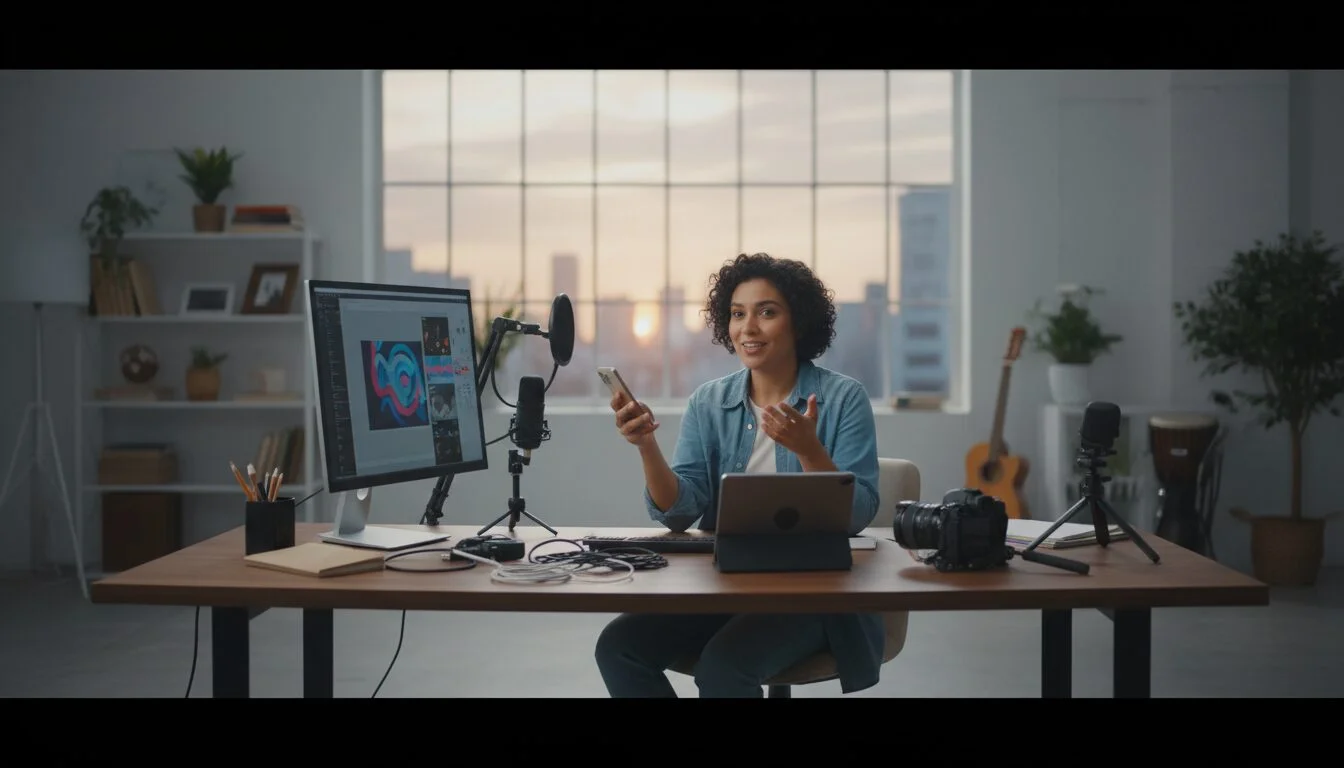
What’s a digital creator is a professional who produces multimedia content, videos, blogs, podcasts, and social posts, to build engaged online audiences. They transform creative skills into sustainable businesses through advertising, sponsorships, and digital products.
What Is a Digital Creator?
A digital creator produces original content specifically for online platforms like YouTube, Instagram, TikTok, and personal websites. Unlike traditional artists who rely on galleries or publishers, they distribute work directly to audiences and monetize through multiple digital channels.
“53% of customers prefer to engage digitally, and most ecommerce purchases begin on social media, where creators hold significant sway.” , Salesforce State of Commerce Report
The Core Definition
When asking what’s a digital creator, think multimedia entrepreneur. They work across formats, video, audio, writing, design, often publishing a YouTube tutorial Monday, Instagram Reel Wednesday, and newsletter Friday. This versatility separates them from single-medium specialists like photographers or traditional bloggers.
Platform Recognition: Facebook’s “Digital Creator” Category
Facebook’s “Digital Creator” page template signals to the algorithm that you produce original content. It unlocks Creator Studio analytics, monetization features like Stars and ad breaks, and detailed audience insights. This isn’t just a label, it’s access to professional creator tools that hobbyist pages don’t receive.
Scale of the Creator Economy
The creator economy exploded beyond anyone’s 2020 predictions. By 2026, roughly 50 million people globally identify as content creators, supported by platforms paying billions annually in revenue shares. YouTube’s Partner Program pays creators 55% of ad revenue once they hit 1,000 subscribers and 4,000 watch hours, a threshold that seems high until you realize it’s designed to separate serious creators from casual posters.
Digital Creator vs. Influencer vs. Content Creator
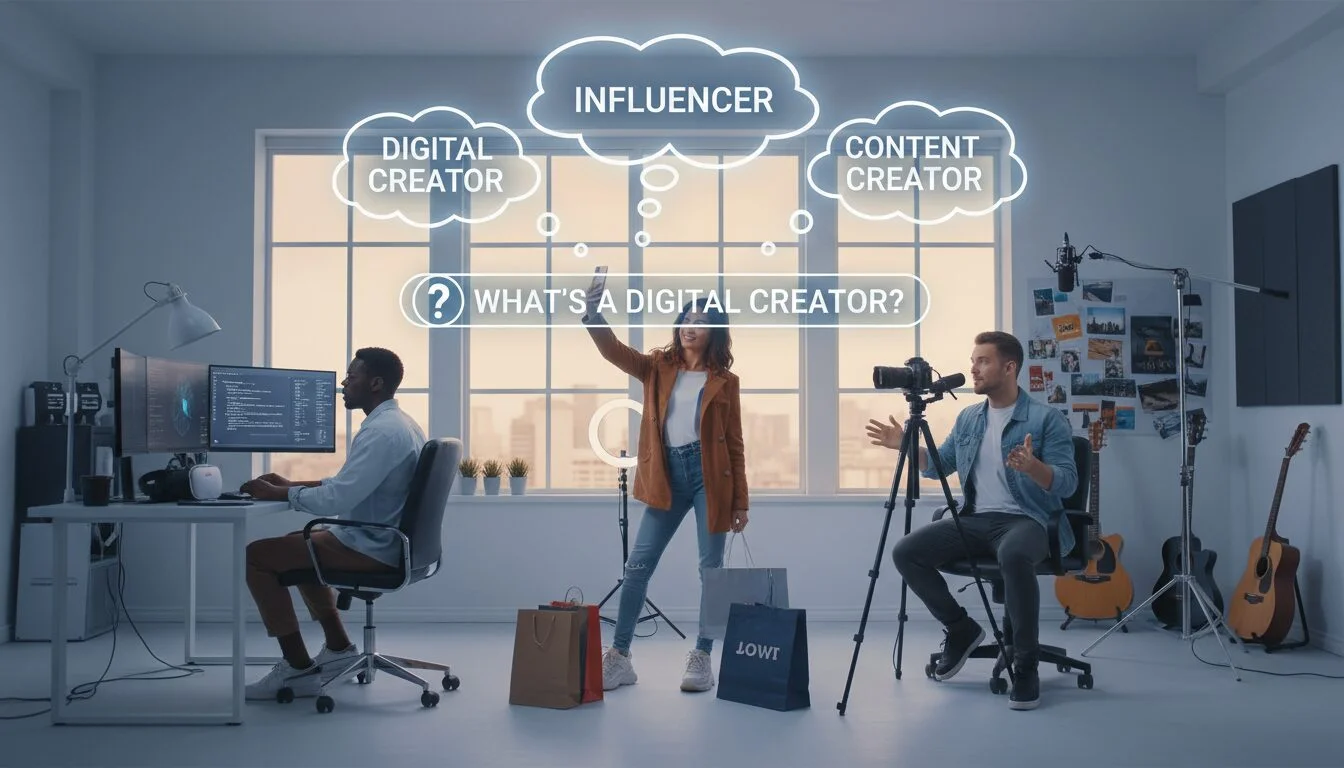 Content Creator – whats a digital creator | Emin Media” class=”wp-image-9663″ loading=”lazy” width=”1792″ height=”1024″ />
These terms get thrown around interchangeably, but they represent different approaches to online work. Understanding the distinctions helps you position yourself correctly, or hire the right person for your brand.
Digital Creator vs. Influencer
An influencer’s primary mission is swaying purchasing decisions through personal trust and lifestyle branding. What’s a digital creator’s focus? Content production itself. An influencer promotes a skincare routine; a digital creator films tutorials, writes ingredient breakdowns, and develops skincare e-courses. Both earn through sponsorships, but creators build deeper content libraries and more diversified income streams.
Digital Creator vs. Content Creator
“Content creator” includes offline work, magazine writers, TV scriptwriters, print designers. A digital creator operates exclusively online, using digital tools and social platforms. Think of it this way: a photographer captures images, but what’s a digital creator in photography? Someone who builds an Instagram brand around photography education, sells Lightroom presets, and teaches online courses.
“A digital creator is the CEO, founder, and chief strategist of their own media company.” , Zanfia
Comparison Table
| Role | Primary Focus | Typical Platforms | Monetization |
|---|---|---|---|
| Digital Creator | Producing original multimedia content | YouTube, Instagram, TikTok, blogs | Ads, brand partnerships, digital products |
| Influencer | Influencing purchasing decisions | Instagram, TikTok, YouTube | Sponsored posts, affiliate marketing |
| Content Creator | Creating content (online & offline) | Websites, magazines, social media | Freelance writing, licensing, ads |
Essential Skills for Digital Creator Success
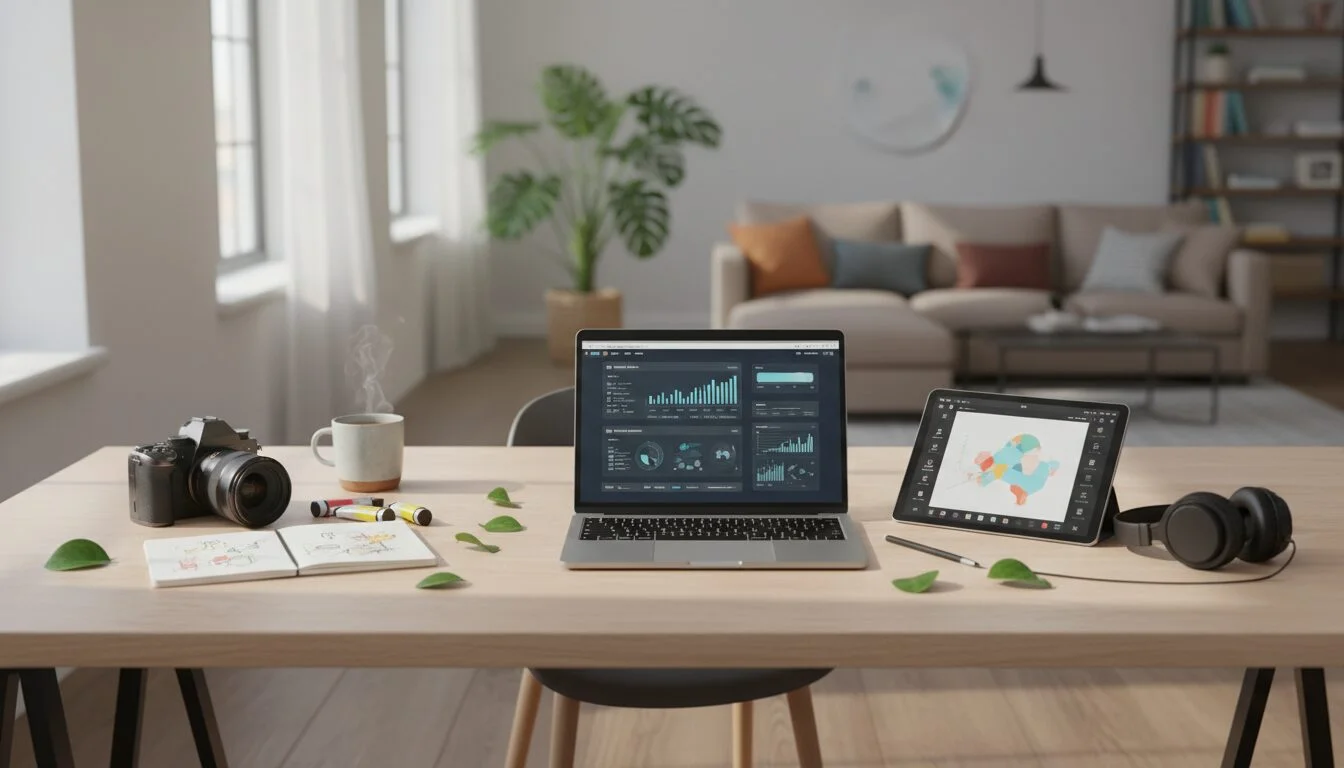
Success demands more than creative talent. Today’s digital creators wear multiple hats: videographer, editor, marketer, negotiator, and small business owner. Here’s what you must master.
Creative and Technical Foundations
Video editing tops the skill list, tools like Adobe Premiere Pro and CapCut are table stakes. Graphic design with Canva or Photoshop creates thumbnails and social graphics that stop the scroll. Basic audio editing for podcasts or voiceovers rounds out the technical toolkit. Writing ability remains crucial for scripts, captions, and SEO-optimized blog content that drives organic discovery.
Marketing and Analytics Mastery
A brilliant video means nothing if nobody sees it. You must understand platform algorithms, YouTube recommends based on watch time and click-through rates, while Instagram favors saves and shares over vanity metrics like likes. Reading analytics dashboards on Creator Studio or Google Analytics 4 helps you adapt content strategy based on actual performance data, not gut feelings.
Business Operations
Negotiating brand contracts, managing quarterly taxes, and pricing services appropriately are non-negotiable skills. You’re essentially running a media company. That means reading rate cards, understanding usage rights, and protecting intellectual property. Financial planning smooths the feast-or-famine income cycles that plague many creators.
Types of Digital Creators
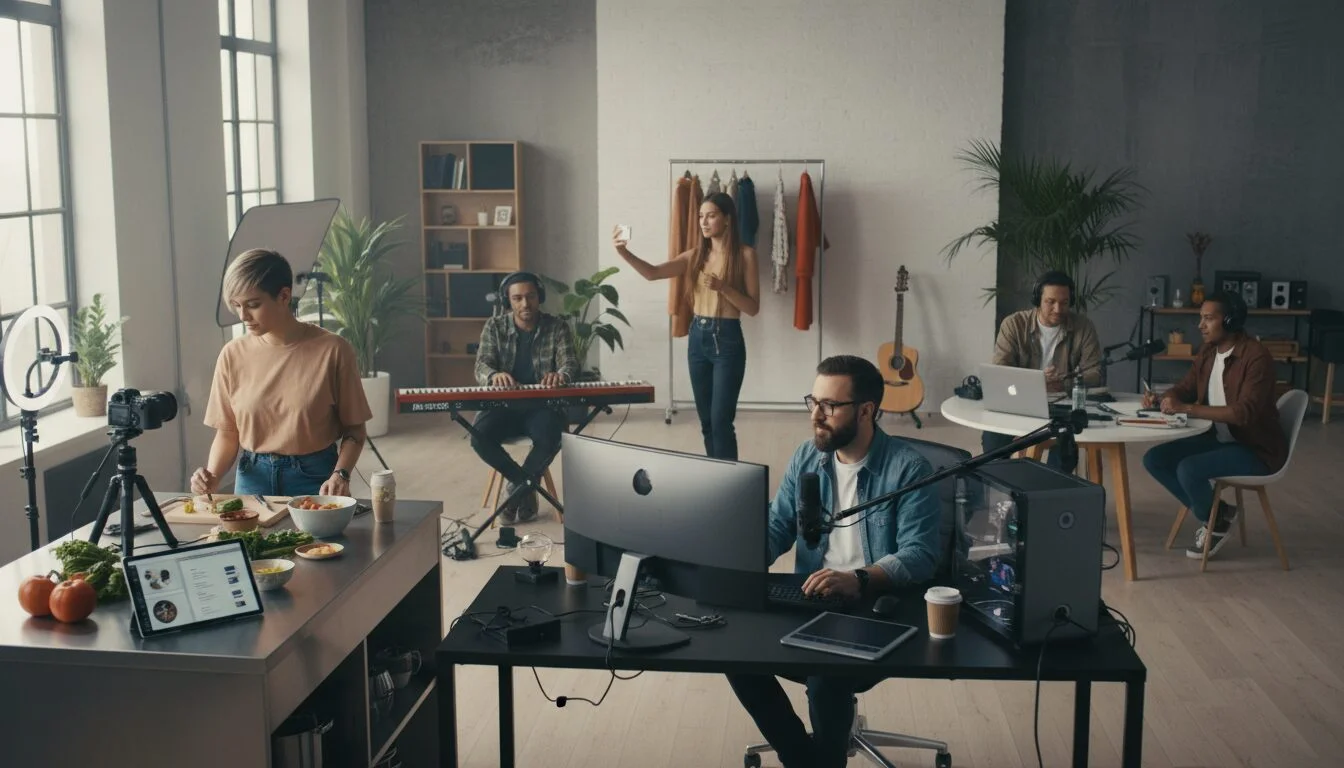
The digital creator umbrella spans numerous niches, each with distinct audience expectations and monetization opportunities. Here’s what’s working in 2026.
Video Creators and Live Streamers
Video dominates the creator landscape, spanning YouTube long-form, TikTok short-form, and Twitch live streaming. YouTube pays roughly $2–$5 per 1,000 views through ad revenue, but top streamers earn more from subscriptions, donations, and super chats. Short-form video often serves as a discovery funnel to longer, more monetizable content.
Bloggers and Newsletter Writers
Written content still thrives in specific niches. Personal finance and travel bloggers can earn $1,000–$10,000 monthly through affiliate programs and display advertising. Many repurpose long-form posts into bite-sized social media content, maximizing content ROI across platforms.
Podcasters and Audio Creators
Podcast listenership grew roughly 30% since 2023, with creators monetizing through sponsorships, Patreon memberships, and premium content. Platforms like Spotify for Podcasters and Apple Podcasts simplify distribution while providing detailed listener analytics.
Digital Artists and Visual Designers
Illustrators and 3D artists sell prints, digital downloads, and commission work through platforms like Etsy and Behance. Some teach techniques through online courses or YouTube tutorials. Visual content performs exceptionally well on social media, making organic growth more achievable than text-based content.
Educators and Course Creators
Platforms like Coursera, Teachable, and Kajabi enable anyone to create and sell educational content. A single well-designed course can generate recurring revenue, imagine a digital creator specializing in Excel automation building a $97 course that sells 100 copies monthly. That’s $9,700 in recurring income from one product.
How to Become a Digital Creator in 5 Steps
Becoming a digital creator is straightforward when you break it into actionable steps. Here’s the proven path successful creators follow.
Step 1: Identify Your Content Niche
Choose a topic you’re genuinely passionate about that also has audience demand. Use Google Trends and keyword research tools to gauge search volume. “Vegan meal prep for busy professionals” combines two growing interests while being specific enough to stand out. Niches too broad fail to capture attention in crowded feeds.
Step 2: Plan Your Content Strategy
Map out a content calendar with at least 30 ideas before you start posting. Mix evergreen tutorials with trending topics. Decide on primary formats: short vertical videos, long-form tutorials, or written guides. Develop a cohesive visual identity, consistent fonts, colors, and thumbnail styles build brand recognition across platforms.
Step 3: Set Up Equipment and Creative Tools
Start with what you have. A modern smartphone camera plus a $20 ring light can produce professional-looking content. As revenue grows, invest in quality audio equipment like the Blue Yeti microphone, poor audio kills viewer retention faster than mediocre video. Use free editing software initially: DaVinci Resolve for video, Audacity for audio, Canva for graphics.
Step 4: Build and Engage Your Community
Post consistently, at least three times weekly on your primary platform. Reply to every comment within the first hour to boost engagement signals that platforms reward. Collaborate with other creators in your niche through guest appearances or joint projects. Run polls and Q&As to show you value community input over one-way broadcasting.
Step 5: Monetize Through Multiple Streams
First, enroll in platform partner programs once you meet requirements. Then layer additional revenue sources: brand partnerships, affiliate marketing, and digital product sales. Direct monetization through your own website or e-commerce store provides the highest profit margins without platform revenue cuts.
Monetization Strategies for Digital Creators
Sustainable creator income rarely comes from a single source. The most financially stable creators diversify across multiple revenue streams to weather algorithm changes and economic shifts.
Platform Advertising and Revenue Sharing
YouTube’s Partner Program, Facebook in-stream ads, and TikTok’s Creator Fund share advertising revenue with eligible creators. YouTube takes 45% of ad revenue while giving creators 55%. Facebook splits revenue 55% to creators for in-stream ads on videos over one minute. These programs provide baseline income once you build consistent traffic.
Brand Sponsorships and Partnership Deals
Brands pay for product mentions, dedicated reviews, or integrated sponsorships. Nano-influencers with 1,000–10,000 followers typically charge $25–$200 per sponsored post, while macro-creators with 500,000+ followers command $5,000 or more. Always use written contracts detailing usage rights, exclusivity periods, and payment terms.
Digital Products and Educational Content
E-books, templates, presets, and online courses offer nearly 100% profit margins after creation. Many creators also provide consulting or coaching services. The key is solving specific problems your audience faces, a productivity creator might sell Notion templates, while a photographer offers Lightroom presets.
“Dunkin’ saw a 20% sales boost on launch day, and a 45% rise in all cold brew orders a day after the launch of The Charli drink.” , Salesforce Blog
Essential Tools and Platforms for Digital Creators
The right technology stack amplifies your creative output while streamlining business operations. Here’s what successful creators use in 2026.
Content Creation Software
- Video Editing: Adobe Premiere Pro (professional standard), CapCut (free, mobile-friendly), DaVinci Resolve (free with professional color grading).
- Graphic Design: Canva (templates and ease), Adobe Express (Creative Cloud integration), Figma (web design and collaboration).
- Audio Production: Audacity (free editing), Descript (text-based editing), Riverside (remote interview recording).
Distribution and Social Platforms
- YouTube remains the long-form video king with over 2 billion monthly users and robust monetization.
- TikTok drives discovery through its recommendation algorithm; studies show 67% of users make purchases after seeing products on the platform.
- Instagram and Facebook offer Reels, Stories, and integrated shopping features for direct sales.
- Blogging: WordPress (self-hosted control) or Medium (built-in audience discovery).
- Email Marketing: Substack or ConvertKit for direct audience communication and monetization.
Business and Analytics Tools
- Analytics: Google Analytics 4, Facebook Creator Studio, YouTube Studio for performance tracking.
- Financial Management: QuickBooks Self-Employed for expense tracking and tax preparation.
- Project Management: Notion or Trello for content calendars and idea organization.
- Relationship Management: HubSpot’s free CRM for managing brand partnership communications.
Pros and Cons of the Digital Creator Career
Pros
- Complete schedule flexibility and location independence
- Direct creative control over content and brand direction
- Unlimited income potential through multiple revenue streams
- Direct audience connection without corporate intermediaries
- Low startup costs compared to traditional businesses
Cons
- Unpredictable income with significant month-to-month variation
- Heavy dependence on platform algorithms and policy changes
- Constant pressure to produce fresh content and stay relevant
- High risk of burnout from blurred work-life boundaries
- Limited benefits like health insurance or retirement planning
While creative freedom attracts many to ask “what’s a digital creator career like?”, roughly 60% of full-time creators report experiencing burnout. The challenge often stems from treating content creation as a 24/7 lifestyle rather than a structured business with clear boundaries.
Running Your Creator Business
Thinking like a CEO rather than just a content producer separates sustainable creators from those who burn out or plateau at low income levels.
Entrepreneurial Mindset
You’re building a media brand, not just accumulating followers. That means investing in skill development, professional tools, and occasionally outsourcing tasks outside your expertise. Set up a legal business entity, an LLC in the US, for example, to protect personal assets and legitimize your operation for brand partnerships.
Systems That Prevent Burnout
Batch content creation during high-energy periods rather than scrambling daily for posts. Use scheduling tools like Later or Buffer to maintain consistent posting without being chained to your phone. Define clear work hours and create a dedicated workspace, even if it’s just a corner of your home. The most successful creators often take planned breaks or reduce posting frequency without losing audience trust.
Future Trends Shaping Digital Creation
Understanding where the industry is heading helps creators adapt their strategies and stay ahead of platform changes.
AI-Powered Content Creation
AI tools like ChatGPT for scripting, Midjourney for visual art, and HeyGen for avatar videos are democratizing content production. Early adopters report roughly 40% time savings in content creation, allowing them to scale output or focus on strategy. However, authenticity remains crucial, audiences quickly identify and distrust fully automated content.
Live Shopping and Interactive Commerce
Platforms like TikTok Shop and Instagram Live Shopping turn viewers into customers instantly during live streams. In China, live shopping drives over $300 billion in annual sales, and Western platforms are rapidly catching up. Digital creators who master live selling can earn commissions of 10–30% per sale while building stronger audience relationships.
Platform Diversification Strategies
Smart creators are building email lists, membership sites, and independent apps to reduce platform dependency. Owning direct audience relationships protects against algorithm changes and policy shifts. Newsletter sponsorship rates range from $25 to $500 per 1,000 subscribers, offering stable income separate from social media performance.
Frequently Asked Questions
What does digital creator mean on Facebook?
On Facebook, “digital creator” is a page category that signals you produce original content regularly. It unlocks professional features like Creator Studio analytics, monetization options including Stars and ad breaks, and detailed audience insights that personal profiles don’t receive.
Can anyone be a digital creator on Facebook?
Yes, anyone can select the Digital Creator page template when setting up a Facebook business page. No verification or approval process is required, but you’ll need to consistently post original content to access monetization features and grow your audience effectively.
Is digital creator a real job?
Absolutely. As of 2026, governments recognize “content creator” as a legitimate occupation category. The US Bureau of Labor Statistics tracks independent artists and content creators, with full-time earnings ranging from under $30,000 to over $150,000 annually depending on niche, audience size, and monetization strategy.
Does digital creator mean AI?
No, digital creator refers to human professionals who create and publish content online. While many creators use AI tools to assist with writing, editing, or design, the term specifically describes people who provide creative vision, brand voice, and strategic decision-making for their content.
How much does a digital creator earn?
Creator income varies dramatically based on audience size, niche, and monetization methods. Entry-level micro-creators might earn a few hundred dollars monthly, while top YouTubers earn millions annually. Industry estimates suggest median full-time creator income around $44,000 per year in the US, typically from multiple revenue streams.
What’s the difference between a digital creator and an influencer?
Digital creators focus primarily on producing valuable, educational, or entertaining content for their audience. Influencers concentrate on affecting purchasing decisions through personal branding and lifestyle content. Creators often have more diversified income beyond brand sponsorships, including digital products, courses, and direct monetization.
Enjoyed this article?
Contact Emin Media for a free brand consultation and let's create something amazing together.
Get in TouchRelated Articles
Digital Storytelling for Business: 2026 Playbook
Digital storytelling for business explained: frameworks, tools, mistakes to avoid, and a 2026 playbook to…

Startup Marketing: A Practical Growth Guide (2026)
Startup marketing is your roadmap to customers and revenue. Learn proven strategies, budgeting tips, and…

Facebook Digital Creator: The 2026 Complete Guide
Become a facebook digital creator in minutes. Explore monetization tools, pro tips, and step-by-step setup…