Online Content Creator: Skills, Tools & Income 2026
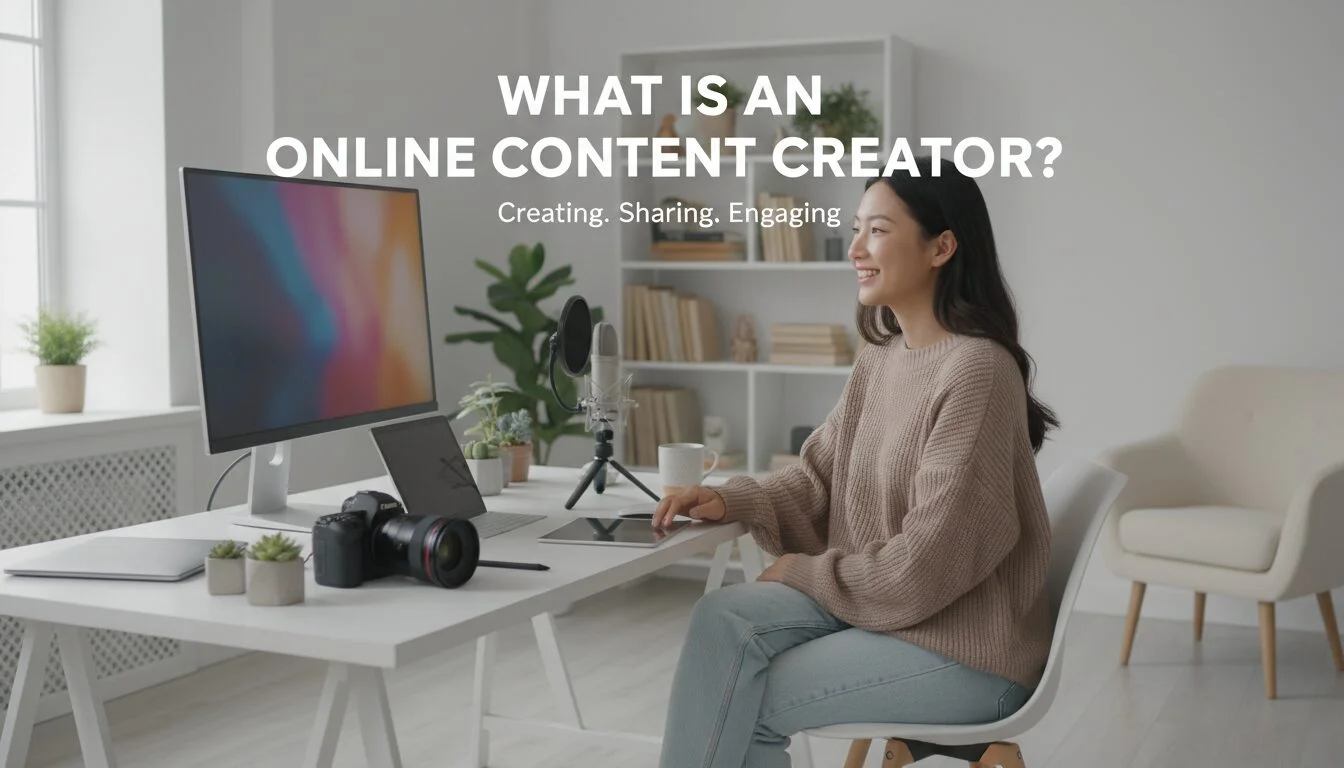
Online content creator is a professional who produces digital material, including videos, blogs, podcasts, and social posts, to inform or entertain audiences across digital platforms. With over 200 million independent creators competing for attention today, the role demands far more than a camera and a posting schedule.
Key Takeaways
- Online content creator is a broad role covering video, writing, podcasting, and social media production.
- The global influencer market grew from $1.7 billion in 2016 to $21.1 billion in 2023, with projections exceeding $24 billion by 2025.
- Essential skills include video editing, SEO, community engagement, and basic business negotiation.
- Building a loyal community matters more than raw follower count for long-term income stability.
- AI tools are cutting production time dramatically, making high-quality output accessible to solo creators.
- Diversified income streams, not a single platform, are what separate sustainable creators from burnout casualties.
What Is an Online Content Creator?
Media” class=”wp-image-9773″ loading=”lazy” width=”1792″ height=”1024″ />Defining the Role
An online content creator is someone who generates original content for digital platforms, ranging from TikTok videos to in-depth blog posts. According to the Pew Research Center, content is “the material people contribute to the online world.” The role varies widely: some creators build educational tutorial channels, others construct full entertainment businesses around their personality.
“A content creator is someone who creates entertaining or educational material to be expressed through any medium or channel.” Adobe Express Blog
The Creator Economy by the Numbers
The creator economy has grown into a serious industry. Over 200 million independent content creators now compete globally for audience attention. The influencer market value surged from $1.7 billion in 2016 to $21.1 billion in 2023, with projections reaching $24.1 billion by 2025, according to Statista. With 4.76 billion social media users worldwide, the potential audience for any niche is genuinely massive.
Types of Content Creators
Content creators are not just influencers. They include videographers, podcasters, bloggers, graphic designers, and newsletter curators. Platforms like Adobe Express and Canva help non-designers produce professional visuals without a full production team. Some creators work inside brand marketing departments; others build independent media businesses from scratch.
“Content creation is the act of making and sharing media content, particularly in digital contexts.” Wikipedia
Comparing Top Platforms for Content Creators
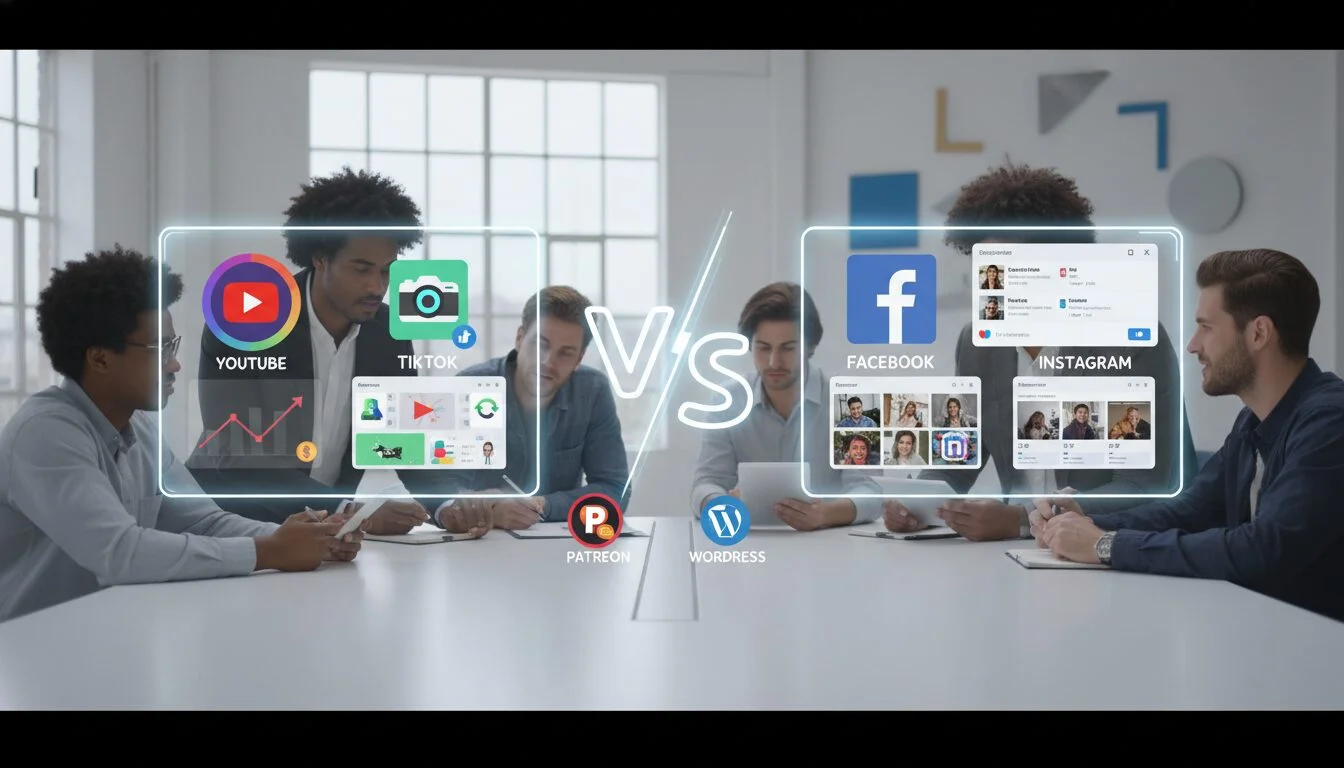
Choosing the right platform shapes everything: your content format, your audience, and your income ceiling. MrBeast’s 400-million-subscriber YouTube channel is the most visible proof of the platform’s reach, but it’s not the only path. The table below compares major channels for any online content creator evaluating where to invest their time.
| Platform | Content Format | Monetization Methods | Notable Creator Example |
|---|---|---|---|
| YouTube | Long-form video, Shorts | Ads, memberships, Super Thanks | MrBeast (400M+ subscribers) |
| Images, Reels, Stories | Brand deals, affiliate marketing | @itsmodernmillie | |
| TikTok | Short-form video | Creator Fund, live gifts, brand partnerships | Various viral creators |
| Blog/Website | Written articles, SEO content | Display ads, sponsored posts | Adobe Blog, HubSpot Blog |
| Podcast | Audio episodes | Sponsorships, listener support | Top podcasters |
Video-First Platforms: YouTube and TikTok
YouTube remains the dominant long-form platform. MrBeast’s 400-million-subscriber channel is the benchmark, but thousands of smaller creators earn full-time income in niches from personal finance to woodworking. TikTok’s short-form algorithm excels at surfacing new creators to fresh audiences fast, often within the first 48 hours of posting.
Visual and Written Channels
Instagram and blogs serve niche audiences with very different dynamics. Instagram Reels drive quick discovery and brand partnership opportunities, while a well-optimized blog generates evergreen SEO traffic for years after publication. Both belong in a mature content strategy.
Audio and Newsletter Growth
Podcasts and email newsletters are the most underrated channels for building deep loyalty. Listeners who follow a podcast for 50+ episodes are far more likely to buy a product or course than a casual social media follower. Direct sponsorships in these formats often pay a premium precisely because of that trust.
Essential Skills for Modern Content Creators
Technical Skills: Video, Editing, and SEO
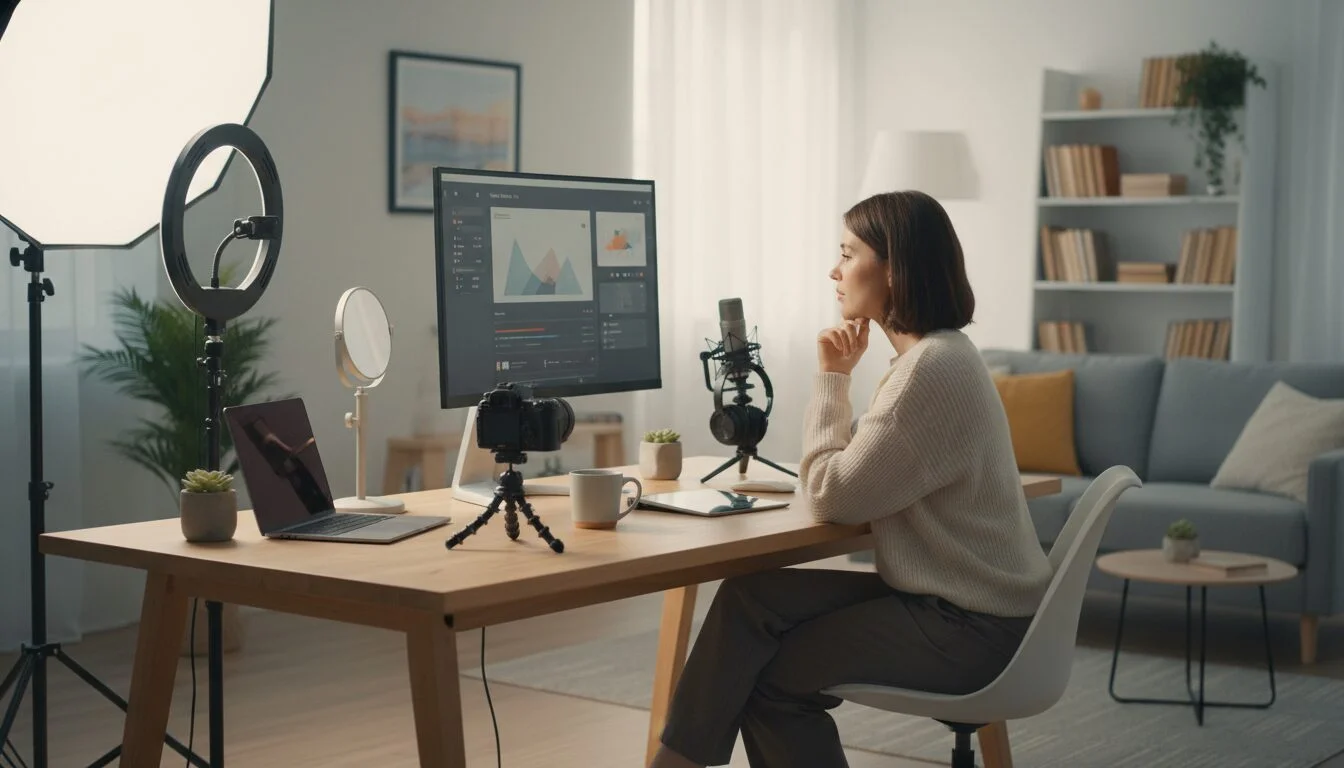
Mastering tools like Adobe Premiere Pro, Final Cut Pro, or mobile apps like CapCut is non-negotiable for video-first creators. Learning SEO helps your content rank in search engines, a skill that compounds over time unlike social algorithms that reset with every post. With the average person spending around 6.5 hours online daily, standing out requires genuine technical polish, not just good ideas.
Creative Skills: Storytelling and Branding
A strong personal brand separates the top 5% of creators from everyone else posting in the same niche. Tell stories that connect emotionally before they inform logically. According to HubSpot’s content research, storytelling-driven content consistently drives higher engagement and share rates than purely informational posts. Your visual identity, your tone, your recurring formats: these are the brand signals that make audiences come back.
Business Skills: Analytics and Negotiation
Understanding platform analytics and negotiating brand deals is how creators turn passion into a real income. Platforms like Google Analytics and Meta Business Suite provide the data you need to prove your value to sponsors. A creator who can walk into a brand conversation with clear audience demographics and engagement data will close deals that a creator with twice the followers cannot.
How to Become an Online Content Creator in 7 Steps

A structured process matters more than raw talent at the start. With 4.76 billion social media users worldwide, the opportunity for a new online content creator is real, but so is the noise. These 7 steps cut through it.
Steps 1–2: Define Your Niche and Platform
- Step 1: Identify your passion and expertise. Choose a topic you can consistently create content about for 12+ months, whether fashion, tech, finance, or education. Passion without consistency is just a hobby.
- Step 2: Select your primary platform. Start with one channel where your target audience already spends time. YouTube, Instagram, and TikTok are the most common entry points, but a niche blog or podcast can outperform all three in the right category.
Steps 3–4: Set Up Tools and Plan Content
- Step 3: Gather basic equipment. A smartphone with a quality camera and a simple microphone can produce professional-grade content. As you grow, invest in dedicated gear like a Sony ZV-1 or Canon EOS R50 for sharper video quality.
- Step 4: Create a content calendar. Use tools like ClickUp or Trello to plan and schedule posts. Consistency beats volume every time: 1–2 high-quality posts per week will build more momentum than daily mediocre content.
Steps 5–7: Optimize, Engage, and Monetize
- Step 5: Optimize for search and algorithms. Use SEO keywords in titles, descriptions, and tags. Follow platform-specific best practices, such as YouTube’s metadata guidelines, to maximize discoverability from day one.
- Step 6: Engage with your audience. Reply to comments, host live sessions, and build real human connections. Platforms reward genuine engagement with greater organic reach, and audiences reward it with loyalty.
- Step 7: Monetize strategically. Once you have a few thousand engaged followers, explore ad revenue, affiliate programs like Amazon Associates, or direct brand deals. Diversify early so no single platform controls your income.
Monetization Strategies for Content Creators
Ad Revenue and Platform Payments
YouTube’s Partner Program shares ad revenue with qualifying creators; TikTok’s Creator Fund rewards viral content with per-view payments. The influencer market hit $21.1 billion in 2023, but the distribution is uneven. Most of that value flows through brand partnerships, not platform ad splits. Treat platform ad revenue as a bonus, not a foundation.
Brand Sponsorships and Affiliate Marketing
Brands pay creators with loyal, targeted followings at rates that often exceed what platforms pay directly. Affiliate marketing, where you earn a commission on product sales through your unique links, scales well because it requires no ongoing negotiation. Entry-level freelance content projects on platforms like Fiverr typically range from $50 to $200 per deliverable, giving newer creators a baseline for pricing their work.
Selling Products and Services
Many successful online content creators build their most durable income by launching courses, merchandise, or digital products. Modern Millie, for example, offers a free creator plan guide alongside a paid BSP Model® program, converting her audience into paying students. Platforms like Thinkific and Easycart make e-commerce integration straightforward. Brand deals are especially lucrative in North American and European markets, where CPMs and sponsorship budgets run significantly higher than global averages.
Intellectual Property and Legal Basics for Creators
Copyright and Content Ownership
Every piece of content you create is automatically protected by copyright in most countries the moment it’s published. That means your videos, blog posts, and original graphics belong to you, not the platform. Read platform terms carefully: some services claim broad licensing rights to content uploaded to their servers, which affects how you can repurpose your own work elsewhere.
Using Third-Party Music, Images, and Clips
Using unlicensed music is one of the fastest ways to get a video demonetized or removed. Royalty-free libraries like Epidemic Sound and Artlist offer subscription plans specifically designed for creators. For images, platforms like Unsplash and Adobe Stock provide licensed assets. Always document your licenses: brand partners will ask for proof during sponsored content audits.
Disclosure Requirements
The FTC (Federal Trade Commission) requires creators in the US to clearly disclose paid partnerships and affiliate relationships. Similar regulations exist across the EU and UK. Failing to disclose can result in fines and, more practically, permanent damage to audience trust. A simple “#ad” or “paid partnership” label is not optional: it’s a legal requirement and a professional standard.
Mental Health Pitfalls and Sustainable Creation
Recognizing Burnout
The average person already spends around 6.5 hours online daily, and creators often double that figure while managing production, editing, and community management simultaneously. Burnout symptoms include creative block, persistent fatigue, and a loss of passion for the work that originally drove you. Taking scheduled breaks is not a failure: it’s a business requirement for long-term output quality.
Setting Healthy Boundaries
Top creators set strict production schedules and designated offline hours. Tools like Calm or Headspace support mindfulness practices, but the real discipline is learning to say no to the constant pressure to post more, respond faster, and always be on. Protecting your creative energy is protecting your business.
Support Systems and Resources
Joining creator communities, whether Discord channels or mastermind groups, provides emotional support from people who understand the specific pressures of the role. Formal programs like the Adobe Content Creator Professional Certificate, which has enrolled over 64,000 students, offer structured skill-building pathways that reduce the overwhelm of learning everything alone.
AI Tools Reshaping Content Creation
AI-Powered Content Ideation
AI tools like ChatGPT and Jasper generate video ideas, scripts, and captions in seconds. Creators who build AI into their workflow report significant time savings on brainstorming and first-draft production, freeing up hours for the high-value creative decisions that AI still cannot replicate.
AI in Video and Design
AI editing software has compressed production timelines that used to take days into hours. Adobe Firefly and Canva Magic Design turn rough concepts into polished visuals, making high-end production quality accessible to solo creators without a design team. As of 2026, these tools are standard in professional creator workflows, not experimental extras.
AI Analytics and SEO
Platforms now use AI to recommend optimal posting times, trending topics, and keyword opportunities. Tools like Semrush and Ahrefs provide competitor intelligence that helps any online content creator rank content higher and find gaps their competitors are missing. Data-informed creativity is the new baseline.
Building a Loyal Community Beyond Vanity Metrics
Why Engagement Outweighs Followers
A creator with 1,000 deeply engaged fans consistently outperforms one with 100,000 passive followers in every metric that matters to brands and product sales. Comments, shares, and direct messages indicate real community strength. Follower count is a vanity metric; reply rate is a business metric.
Turning Followers into Advocates
Encourage user-generated content, run polls, and feature your community members in your content. MrBeast’s 400 million subscribers didn’t accumulate passively: they grew because his audience participates in challenges, shares results, and feels genuinely part of something. That participation loop is replicable at any scale.
Long-Term Relationship Building
Email newsletters and exclusive membership platforms like Patreon deepen the creator-audience bond beyond what any social algorithm controls. The creator economy, per industry analysis from AdAge and Campaign, thrives on trust built over time. Every interaction, every reply, every piece of content that delivers on its promise, is a deposit in that trust account.
Online Content Creator Trends for 2026
The Rise of Live Shopping and Short-Form Commerce
Platforms like TikTok Shop and Instagram Live Shopping are becoming serious revenue channels, not just discovery tools. Social commerce is projected to be a major income driver for the online content creator community by the end of 2026, particularly in fashion, beauty, and consumer electronics categories.
AI Personalization and Interactive Content
Audiences increasingly expect feeds tailored to their specific interests. AI will enable hyper-personalized content recommendations and interactive formats, including polls, AR filters, and choose-your-own-adventure story structures. Creators who build for interactivity will see stronger retention than those who produce passive broadcast content.
Platform Regulation and Creator Rights
As the industry matures, expect more regulation around data privacy, algorithmic transparency, and intellectual property. Creators who stay informed about platform policy changes and build owned audiences, through email lists and direct communities, will be far more resilient than those dependent on a single platform’s goodwill.
Pros and Cons of Being an Online Content Creator
Pros
- Creative freedom: You control your content, your brand, and your schedule in ways a traditional job rarely allows.
- Multiple income streams: Ad revenue, sponsorships, affiliate marketing, courses, and merchandise can all run simultaneously.
- Global audience reach: With 4.76 billion social media users worldwide, niche content can find its audience regardless of geography.
- Low barrier to entry: A smartphone and a clear niche are enough to start. Professional gear like a Sony ZV-1 or Canon EOS R50 comes later.
- Scalable income: Unlike hourly work, a single video or blog post can generate income for months or years after publication.
Cons
- Income instability: Platform algorithm changes can cut reach overnight. Diversification is essential, not optional.
- Burnout risk: The pressure to post consistently while managing production, editing, and community engagement is genuinely exhausting.
- Platform dependency: Building an audience on a platform you don’t own means the rules can change without warning.
- Slow initial growth: Most creators spend 12–24 months building before seeing meaningful income. Patience is a required skill.
- Legal complexity: Copyright, FTC disclosure rules, and platform licensing terms require ongoing attention most creators underestimate.
The Path Forward for an Online Content Creator
Becoming a successful online content creator in 2026 requires creativity, business discipline, and the ability to adapt quickly. The influencer market is poised to exceed $24 billion, but the creators who capture that value are the ones building real communities, diversifying their income, and treating their craft as a long-term business. Whether you start with a smartphone and a free guide or enroll in a structured program like the Adobe Content Creator Professional Certificate, the only move that doesn’t work is waiting. Start creating, stay consistent, and build something worth following.
Ready to build a brand that stands out? Explore Emin Media’s creative services or browse our blog for more strategies on brand storytelling, social media, and digital production. Contact Emin Media for a free brand consultation and let’s build something bold together.
Frequently Asked Questions
What does an online content creator do?
An online content creator produces digital media, such as videos, blogs, or social posts, to inform or entertain a specific audience. Most creators monetize through a combination of ad revenue, brand sponsorships, affiliate marketing, and direct product or course sales.
Which social media platform is best for content creators?
The best platform depends on your niche and content format. YouTube suits long-form educational content, TikTok is ideal for viral short-form video, and Instagram excels in visual branding and influencer marketing. Most successful creators eventually build a presence on at least two platforms to reduce dependency on any single algorithm.
How can I become a content creator with no experience?
Start by identifying your area of genuine interest, pick one platform, and create consistently using basic equipment like your smartphone. Free resources, including Modern Millie’s YouTube channel and the Adobe Content Creator Professional Certificate, provide structured learning paths that don’t require prior experience.
How much money does a content creator earn?
Earnings vary widely based on niche, audience size, and income diversification. Entry-level freelance content work on platforms like Fiverr typically starts at $50–$200 per project, while established creators with loyal audiences earn significantly more through brand deals, courses, and merchandise. The influencer market reached $21.1 billion in 2023, though that value is distributed unevenly across the creator population.
Is content creation a stable career?
It can be a stable career with diversified income streams and a loyal owned audience, such as an email list or membership community. Creators who rely on a single platform or income source are most vulnerable to instability. Building across multiple revenue channels and owning your audience data is the most reliable path to long-term sustainability.
Enjoyed this article?
Contact Emin Media for a free brand consultation and let's create something amazing together.
Get in TouchRelated Articles
Digital Storytelling for Business: 2026 Playbook
Digital storytelling for business explained: frameworks, tools, mistakes to avoid, and a 2026 playbook to…

Startup Marketing: A Practical Growth Guide (2026)
Startup marketing is your roadmap to customers and revenue. Learn proven strategies, budgeting tips, and…

Facebook Digital Creator: The 2026 Complete Guide
Become a facebook digital creator in minutes. Explore monetization tools, pro tips, and step-by-step setup…