How to Produce a Brand Video That Performs
Key Takeaways
- Learning how to produce a brand video starts with strategy, not a script: define your audience, goal, and desired action before filming a single frame.
- Keep brand videos between 60 and 90 seconds, with a strong hook in the first 5 to 10 seconds.
- Plan channel-specific cutdowns, captions, and thumbnails at the same time you produce the master video, not as an afterthought.
- Distribute strategically across your website, social media, sales presentations, and paid ads to reach the right viewers at the right moment.
- Measure completion rate, click-through rate, and dwell time, not just raw view counts.
How to produce a brand video is the process of planning a purpose-driven, audience-focused story, then executing it across pre-production, production, post-production, and distribution. The process starts with strategy, tightens into a 60-to-90-second narrative, and ends with measurable results.
This guide draws on practical production advice from ECG Productions, Dripify, Vimeo, Bull & Wolf, and Sidewalker Daily to give marketing and brand leaders a complete roadmap. Rather than treating video production as a standalone creative exercise, every section below connects each decision, from audience definition to platform-specific versioning, to real business outcomes.
Understanding Brand Video Production
What a Brand Video Is and Is Not
A brand video is a professional piece of content that marks the start of the customer’s sales journey by explaining a brand’s ethos and what it stands for in an easily digestible format, according to Bull & Wolf. This definition matters before you learn brand video, because the format must compress identity, values, and promise into minutes. A brand video is not a product demo, a tutorial, or a vlog. It is a narrative asset that positions the company, humanizes the brand, and drives a specific emotional or action-oriented response.
Why Brand Video Production Differs from Generic Video Marketing
Generic video marketing often starts with a feature list. this type of video requires a different starting point: the audience’s needs and the brand’s unique voice. ECG Productions emphasizes that a strong marketing video is not just a finished file. It needs a clear audience, a useful hook, the right versions, smart placement, and a reason for someone to care after the first few seconds. Brand video production therefore treats creative decisions as strategic choices, not aesthetic preferences.
The Business Case for Brand Video
Video content increases dwell time on websites, which is one of the most significant ranking factors for Google, according to Bull & Wolf. Placing a brand video at the forefront of your website boosts visitors and organically increases your reach. Vimeo also reports that 96% of people watch product marketing videos to learn about goods or services. For brand leaders, the case is straightforward: video is where attention lives, and brand video is how you convert attention into affinity.
“A strong marketing video is not just a finished file. It needs a clear audience, a useful hook, the right versions, smart placement, and a reason for someone to care after the first few seconds.” – ECG Productions
How to Produce a Brand Video: The Strategic Foundation
Define the Single Marketing Objective
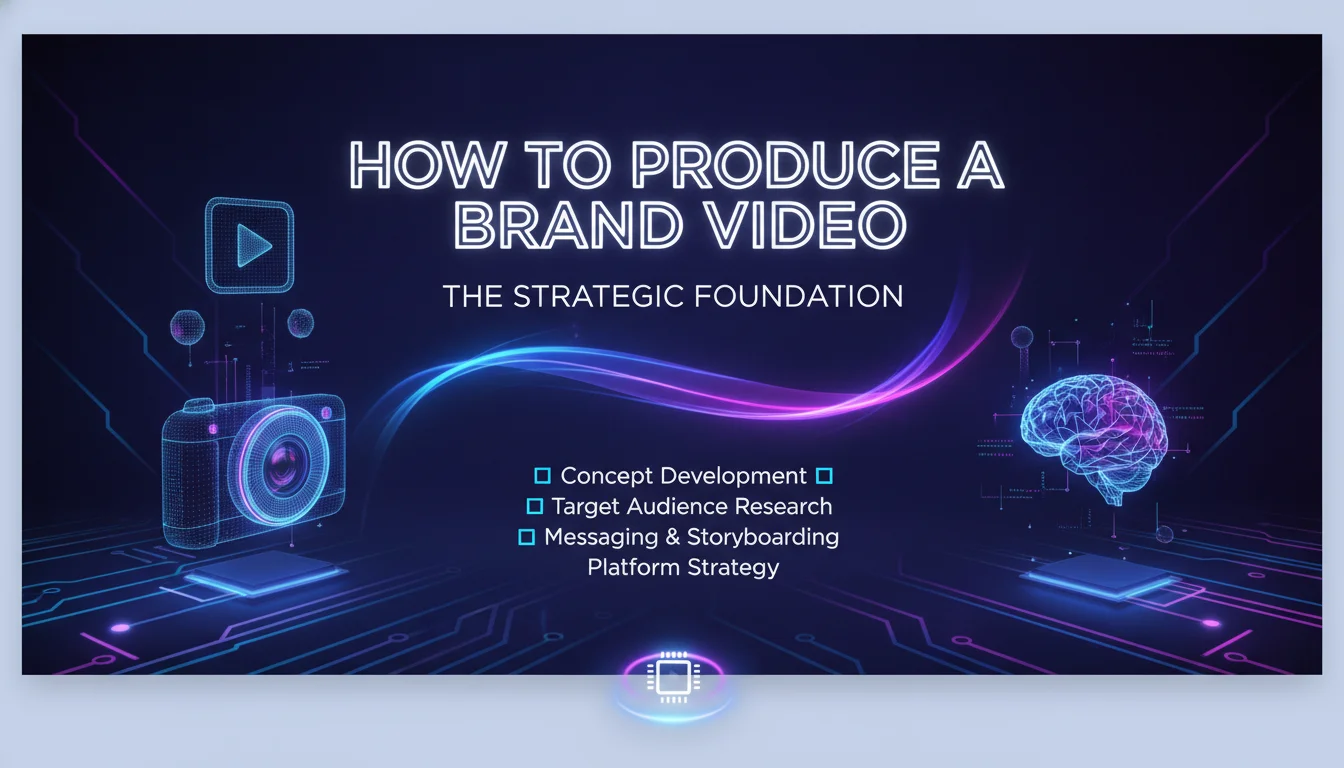
Before you write a single word or frame a shot, clarify why you are making this video. Who exactly is your audience? What action do you want them to take after watching? What feeling should linger? A focused strategy shapes every production choice, from tone and visuals to distribution. A video aimed at new customers will differ greatly from one designed to engage existing clients or investors. When your strategy is clear, the creative process becomes a series of smart, aligned decisions rather than guesswork.
Know the Audience Before You Write One Word
Understanding this kind of brand video means understanding who the video is for. Audience research should reveal the viewer’s current awareness level, their objections, and the emotional triggers that resonate. ECG Productions advises that a video aimed at new customers will differ greatly from one designed to engage existing clients or investors. Use this insight to decide whether the video should introduce the brand, reinforce a relationship, or win back a lapsed customer.
Align the Video with the Customer Journey
Brand videos are not one-size-fits-all. A client-facing brand video is a powerful asset that can improve sales and more deeply engage customers, according to Bull & Wolf. A website brand video may serve visitors in the consideration stage, while a new employee brand video helps new hires get up to speed quickly. Mapping the video to the customer journey ensures that the to produce a brand video becomes a question of timing and context, not just craft.
Defining Goals and Audience Before You Shoot
Translating Brand Goals into Creative Direction
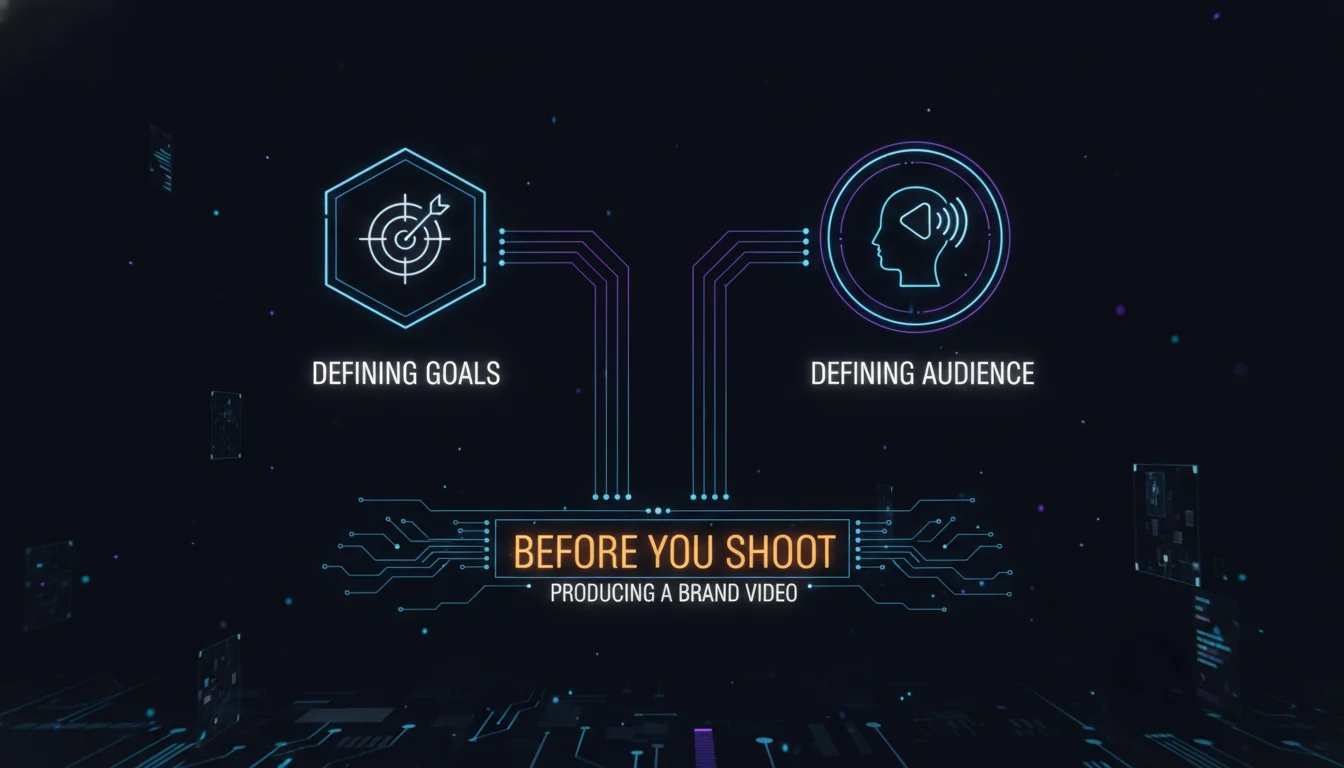
Every creative decision should trace back to a documented goal. If the goal is lead generation, the video needs a clear call to action and a distribution plan that includes paid social. If the goal is brand awareness, the hook and emotional resonance matter more than a hard sell. ECG Productions recommends connecting the video idea to where it has to perform: website, paid social, sales, broadcast, CTV, email, events, internal launch, or campaign support. This practice prevents wasted production effort.
Audience Research That Shapes Tone and Visuals
Tone, pacing, and visual style should come from audience research, not personal preference. A video speaking to C-suite decision-makers will use different lighting, music, and vocabulary than one speaking to Gen Z consumers. When you set out to learn video, start by writing a one-sentence audience description and a one-sentence desired takeaway. These two sentences become the creative brief that guides script, casting, set design, and editing.
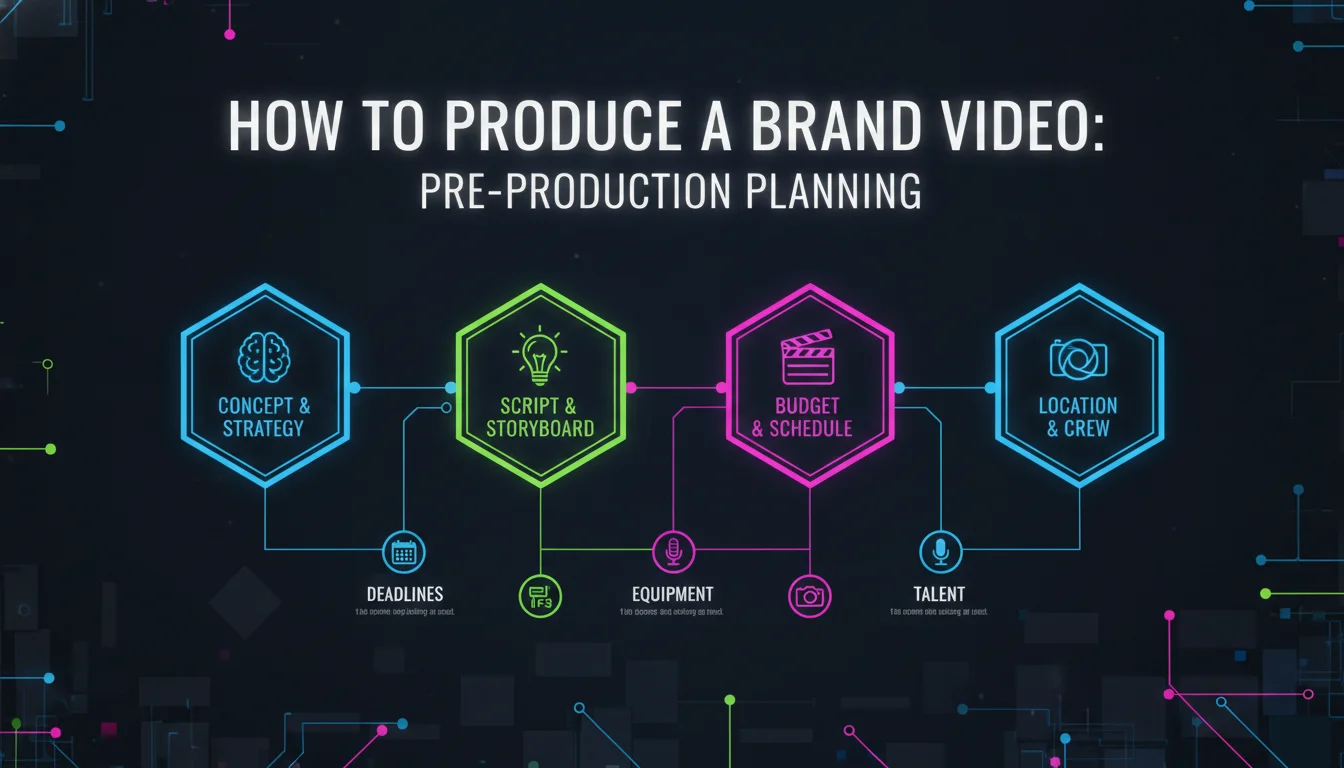
How to Produce a Brand Video: Pre-Production Planning
Scriptwriting for Shorter Attention Spans
Fast-scrolling feeds have compressed viewer patience to almost nothing. Brand videos need to grab attention quickly and hold it just long enough to make an impression. Aim for 60 to 90 seconds: enough to tell a compelling story without overwhelming viewers. Start with a strong hook in the first 5 to 10 seconds, then build a simple narrative arc. Introduce a challenge or need, show your solution or purpose, and finish with a memorable takeaway. Clear, direct language paired with engaging visuals wins every time.
Shot Lists, Storyboards, and Locations
Pre-production is where strategy, audience, and script crystallize before filming begins. A shot list converts the script into specific camera angles, movements, and compositions. A storyboard sketches the visual flow frame by frame. Location scouting ensures the environment reinforces the brand’s identity, whether that means a bright modern office or a gritty workshop floor. Attempting how to produce a brand video without these planning artifacts is a recipe for costly reshoots and inconsistent storytelling.
Casting and Voice: Matching Brand Personality
The people on camera and the voiceover talent carry the brand’s personality. ECG Productions advises using real language and real people: customer testimonials, employee stories, or behind-the-scenes moments add authenticity and emotional resonance. Casting should reflect the audience you serve, not just the image you want to project. A founder or team member may deliver a more believable brand video than a hired actor, especially when the goal is trust.
Scriptwriting and Storytelling for Brand Videos
The 60-to-90-Second Narrative Arc
A brand video that sounds or looks like every other one fades into the background. Your unique voice, whether bold, warm, witty, or understated, should come through in every frame and line of dialogue. ECG Productions recommends keeping the video concise and impactful: 60 to 90 seconds is enough to tell a compelling story without losing viewers. The simple narrative arc works every time. Introduce a challenge or need, show your solution or purpose, and finish with a memorable takeaway.
Using Real Language and Real People
Visual storytelling is the difference between a video people remember and one they skip. Show your culture, values, and product impact rather than just describing them. Customer testimonials, employee stories, or behind-the-scenes moments add authenticity and emotional resonance. When you plan how to produce a brand video, write the script the way your audience actually speaks. If the script sounds like a press release, rewrite it.
Keeping the Message Clear and Jargon-Free
Clear, direct language paired with engaging visuals wins every time, according to ECG Productions. Avoid long logo intros or filler content. Dive straight into the story or message. Jargon creates friction; clarity creates momentum. Every sentence must earn its place on screen, because a brand video is a professional piece of content that explains your brand’s ethos in an easily digestible format, and dead weight kills that mission.
Production Techniques That Elevate Brand Videos
Capturing Authentic Visuals on Set
During production, the goal is to capture footage that supports the story without calling attention to itself. Use real locations, natural light where possible, and candid moments. Sidewalker Daily’s guidance for creators emphasizes producing a video for a brand that genuinely impresses, meaning the best work often comes from showing real enthusiasm and personality rather than a stiff corporate presentation.
Working with Professional Crews and Talent
Producing a brand video at a high level often involves hiring a professional production company. Bull & Wolf describes its team as consummate professionals who know what it means to come across as such. A director, cinematographer, and sound recordist can elevate technically difficult scenes, freeing the brand team to focus on performance and message. Even a modest crew can dramatically improve lighting, audio, and camera stability.
Lighting, Audio, and Camera Basics
Audiences will forgive imperfect lighting faster than bad audio. A lavalier microphone or boom mic should be non-negotiable for on-camera dialogue. Camera settings should match the intended platform: vertical for social feeds, horizontal for website hero videos. Mastering these technical fundamentals ensures that the final brand video feels polished and professional, regardless of budget.
Post-Production Editing and Optimization
Editing for Pacing and Retention
The first 10 seconds are your chance to hook viewers. Open with a striking visual, a provocative question, or a bold statement that speaks directly to your audience’s needs. Avoid long logo intros or filler content. In the edit, cut anything that does not advance the story or deepen emotion. ECG Productions is clear: viewers decide within moments whether to keep watching or scroll past, so make every second count.
Branding Through Motion Graphics and Captions
Captions are no longer optional. Many social platforms autoplay videos on mute, so captions convey the message even without sound. Motion graphics can reinforce key points, animate the logo subtly, or introduce section headers. When you produce a brand video, include a consistent color grade, font, and lower-third style to maintain brand identity across every cutdown version.
Exporting Multiple Versions for Different Channels
Marketing video usually needs cutdowns, thumbnails, captions, channel-specific openings, paid-media crops, landing-page context, and a path from awareness into action, according to ECG Productions. Plan versions, not just one video. Producing a brand video efficiently means editing the master timeline once, then duplicating and cropping for vertical, square, and horizontal formats rather than starting from scratch each time.
Distribution and Channel-Specific Versioning
Website Placement and Dwell Time
Placing a brand video at the forefront of your website boosts visitors and organically increases your reach, according to Bull & Wolf. Embed the video above the fold on the homepage, add it to the About page, and include it in key landing pages. A website brand video is a powerful statement for any business: it will be the first click for visitors and a main source of information and insight into who you are and what you do.
Social Media and Paid Distribution
Share the brand video on social media channels like LinkedIn and Instagram, include it in sales presentations, and use paid ads to target key audiences. A well-produced video only delivers value if it reaches the right people at the right time. As Dripify’s guide to brand video examples shows, videos can effectively tell a brand’s story, showcase products or services, and engage with customers across social media, a company website, or an email campaign.
Sales Enablement and Internal Launch
Brand videos work hard to communicate your marketing message in a dynamic and insightful way. Producing a brand video that supports sales means creating a version that can be dropped into a slide deck or emailed after a discovery call. Internal launch versions for new employees help them understand the company’s ethos and get up to speed quickly. The same master content can serve multiple business functions when versioned correctly.
Measuring Brand Video Performance
Metrics That Matter Beyond Views
Views are a vanity metric if they do not connect to business goals. For brand awareness, measure reach and completion rate. For lead generation, measure click-through rate and form fills. For website videos, monitor dwell time and bounce rate. ECG Productions reminds marketing and brand leaders that a brand video should support your marketing goals. The best metrics are the ones you defined during the strategic foundation phase, before production began.
Using Analytics Tools to Refine Future Videos
After launch, review performance in the platforms where the video lives. YouTube Analytics, Vimeo analytics, LinkedIn insights, and paid ad dashboards all show where viewers drop off. Use that data to refine the hook, tighten the middle, or adjust the call to action in the next version. Knowing how to produce a brand video is not a one-time event. It is a cycle of learn, iterate, and redeploy.
Common Brand Video Formats and Their Differences
Client-Facing vs. Website Brand Videos
A client-facing brand video is a powerful asset that can improve sales and more deeply engage customers. It often includes customer testimonials, case study highlights, and a direct call to action. A website brand video focuses on dwell time and brand ethos, serving visitors who are evaluating the company for the first time. Both formats benefit from a 60-to-90-second runtime, but the website version may lean more on visual storytelling and less on direct selling.
Brand Guideline and New Employee Videos
Internal brand videos serve a different audience entirely. A brand guideline video depicts your brand guidelines through the medium of video, transmitting your ethos across the organization. A new employee brand video helps new hires understand the company and ensures they can contribute quickly. These internal formats are often longer than customer-facing videos, but they still need a clear structure and an authentic voice.
Comparison Table: Choosing the Right Brand Video Type
| Brand Video Type | Primary Purpose | Typical Length | Best Distribution Channel |
|---|---|---|---|
| Client-facing brand video | Improve sales and engage customers emotionally | 60–90 seconds | Website, sales presentations |
| Website brand video | Increase dwell time and explain brand ethos | 60–90 seconds | Homepage, landing pages |
| Brand guideline video | Transmit brand guidelines and ethos internally | Varies | Internal communications, employee onboarding |
| New employee brand video | Help new hires understand company culture | Varies | HR onboarding portal |
| Social media cutdown | Capture attention in feed and drive click-through | Short-form | LinkedIn, Instagram, TikTok, YouTube |
This table summarizes the major options when deciding how to produce a brand video that fits a specific business need. Client-facing and website videos follow ECG Productions’ 60-to-90-second recommendation, while internal formats vary by company size and complexity.
Pros and Cons of Producing a Brand Video
Pros
- Builds emotional connection fast. A well-crafted brand video communicates values, personality, and promise in under two minutes, something a static page rarely achieves.
- Increases website dwell time. Video content keeps visitors on your site longer, which signals relevance to search engines, according to Bull & Wolf.
- Versatile across channels. One master production can be versioned for social, sales decks, email campaigns, paid ads, and internal onboarding.
- Drives measurable action. With a clear call to action and strategic distribution, brand videos move viewers from awareness to consideration to conversion.
- Scales brand storytelling. A single video can reach thousands of potential customers simultaneously, compressing what a sales team might take weeks to communicate.
Cons
- Upfront investment is real. Quality production, whether in-house or with an agency, requires budget for crew, equipment, editing, and distribution.
- Strategy gaps are expensive. A video produced without a clear audience definition or goal wastes production dollars and delivers weak results.
- Versioning adds complexity. Planning cutdowns, captions, and channel-specific crops takes additional time and coordination that teams often underestimate.
- Shelf life requires monitoring. Brand videos can feel dated as visual trends shift, requiring periodic refreshes to stay current.
How to Produce a Brand Video: Common Mistakes to Avoid
Starting with Script Before Strategy
The most common mistake is writing the script before defining the audience and goal. ECG Productions warns that a focused strategy shapes every production choice, from tone and visuals to distribution. Without strategy, the script becomes a feature list that does not resonate with anyone. Knowing how to produce a brand video correctly means asking why before what.
Ignoring Platform Versions
Many teams produce a beautiful horizontal video and then try to force it into vertical social feeds. The result is tiny text, awkward crops, and wasted production dollars. ECG Productions advises planning cutdowns, thumbnails, captions, channel-specific openings, paid-media crops, and landing-page context from the very start. Versioning is not an afterthought. It is part of the production plan.
Burying the Hook
Viewers decide within moments whether to keep watching or scroll past. A long logo intro or slow establishing shot wastes the most valuable seconds of the entire video. Open with a striking visual, a provocative question, or a bold statement that speaks directly to your audience’s needs. This immediate engagement sets the tone for everything that follows and increases the chance viewers will watch to the end.
“Brand videos can effectively tell a brand’s story, showcase products or services, and engage with customers across social media, a company website, or an email campaign.” – Dripify
Your Brand Video Production Roadmap
Recap of the Production Cycle
Knowing how to produce a brand video is a repeatable process: define the strategic goal, research the audience, write a concise script with a strong hook, plan shots and locations, capture authentic footage, edit for pacing and captions, export multiple versions, distribute strategically, and measure results against defined metrics. The process works whether you are a solo marketer or a full production team. As of 2026, brands that treat this as a system rather than a one-off project consistently outperform those that treat each video as a standalone creative exercise.
Next Steps After the First Video
After publishing the first brand video, review performance data and audience feedback. Did viewers drop off in the first five seconds? Did the call to action drive clicks? Use those insights to refine the next version. Producing a brand video that scales means treating every video as part of a larger content system, not a one-off project. With a clear strategy, authentic storytelling, and disciplined versioning, your brand video will earn attention and inspire real action.
Ready to build something bold? Contact Emin Media for a free brand consultation and let’s create a brand video that your audience will actually remember.
Frequently Asked Questions
How long should a brand video be?
Most effective brand videos run between 60 and 90 seconds. This length is enough to tell a compelling story without losing viewer attention, according to ECG Productions. Shorter cutdowns of 15 to 30 seconds work well for paid social placements.
What is the most important element in a brand video?
Start with a clear strategy that defines your audience, message, and desired action. This foundation ensures every creative and production decision supports your goals rather than reflecting personal preference.
How can I make my brand video stand out?
Use real language and real people: customer testimonials, employee stories, or behind-the-scenes moments. Show your culture, values, and product impact rather than just describing them. Authenticity is what separates memorable brand videos from forgettable ones.
What is the best hook for a brand video?
Open with a striking visual, a provocative question, or a bold statement in the first 5 to 10 seconds. Avoid long logo intros or filler content. Viewers decide almost instantly whether to keep watching or scroll past.
Where should I distribute my brand video?
Embed it on your homepage, share it on social media like LinkedIn and Instagram, include it in sales presentations, and use paid ads to target key audiences. A well-produced video only delivers value if it reaches the right people at the right time.
Do I need a professional production company to produce a brand video?
Not always, but professional crews can dramatically elevate lighting, audio, and camera work. Even a modest crew improves the final polish of a brand video. For high-stakes launches or flagship campaigns, professional production is a worthwhile investment.
Enjoyed this article?
Contact Emin Media for a free brand consultation and let's create something amazing together.
Get in TouchRelated Articles
Digital Storytelling for Brands: The Complete Guide
Digital storytelling for brands builds real audience connections through narrative. Learn proven techniques, formats, and…
Design Thinking for Marketing: A 2026 Guide
Design thinking for marketing builds campaigns around real user needs. Learn the 5 phases, common…
Creative Direction for Video Shoots: A Complete Guide
Master creative direction for video shoots with proven steps, tools, and strategies that build brand…