Branded Video Content Examples That Actually Work
Branded video content examples are real-world campaigns where brands use storytelling, not hard selling, to build emotional connections with audiences. These videos communicate values, culture, and purpose in ways that static content simply cannot match. As of 2026, video has become the default language of digital marketing.
Key Takeaways
- The strongest branded video content examples lead with story, not product features.
- Purpose-driven campaigns like Nike’s “Dream Crazy” prove that bold creative choices pay off commercially.
- According to HubSpot research, 54% of consumers want more video content from their favorite brands.
- Different video formats serve different funnel stages: brand films build awareness, testimonials close trust gaps.
- AI-assisted production is making high-quality branded video more accessible for teams of every size in 2026.
- Measuring retention rates and conversion metrics is as important as the creative itself.
What Is Branded Video Content?
Branded video content is a storytelling format where a brand’s values and personality take center stage, while direct product promotion steps aside. The goal is emotional resonance first, commercial result second. Done right, that sequence actually produces better commercial results than leading with the pitch.
Definition and Purpose
Branded video content is designed to convey a brand’s story, values, and offerings through engaging narratives. Unlike traditional advertisements, these videos prioritize storytelling to resonate with audiences, making them more relatable and shareable. The brand might appear as a logo, a visual aesthetic, or a cultural stance rather than a product being sold.
Types of Branded Video Content
- Brand Films: Cinematic representations of a brand’s identity and values, built for emotional impact.
- Product Demos: Videos that show how a product works and why it matters to the viewer’s life.
- Behind-the-Scenes: Content that pulls back the curtain on a brand’s operations, people, or creative process.
- Customer Testimonials: Real voices sharing real experiences, which build trust faster than any brand claim.
- Explainer Videos: Short, focused pieces that answer a specific question or solve a specific problem.
- Brand Manifestos: High-energy declarations of what a brand stands for, often used at launch or during repositioning.
Why Branded Video Content Works
Branded video content is effective because it meets audiences where they already spend their attention. Research from Superside’s Overcommitted Report found that 98% of businesses feel video content works as a marketing tool. Brands that use video grow revenue faster than those that don’t, according to Vimeo’s marketing data. The emotional engagement that video creates is simply harder to achieve through text or static imagery alone.
“The best-branded video content connects with audiences emotionally, prioritizing narrative and engagement over direct selling.” – Native Advertising Institute
Key Elements of Successful Branded Videos
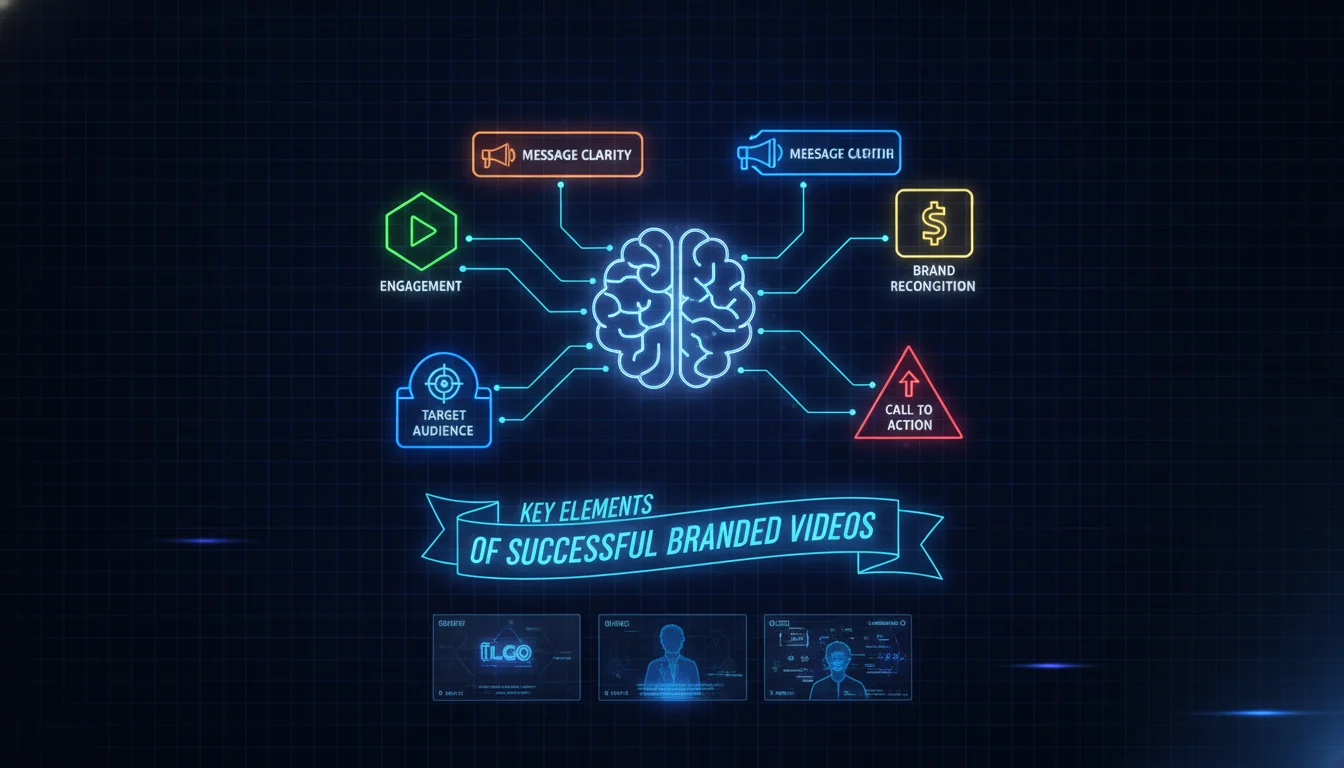
Successful branded video content examples share a recognizable set of creative and strategic qualities, regardless of budget or format. These are the building blocks worth understanding before you shoot a single frame.
Compelling Storytelling
A strong narrative sits at the heart of every great branded video. It should resonate with the target audience and evoke genuine emotion, making the brand memorable long after the video ends. Nike’s “Dream Crazy” campaign is a textbook case: the story of belief and sacrifice was so powerful that the brand almost became secondary to the cultural moment it created.
Clear Call to Action
Every branded video should include a clear call to action that guides viewers on what to do next, whether that’s visiting a website, subscribing to a channel, or simply sharing the video. Without this, even the most emotionally resonant content leaves commercial value on the table.
Visual Appeal
High-quality visuals enhance the overall impact of branded videos. Engaging graphics, animation, and cinematography capture attention and hold viewer interest. IBM’s brand video for Watson used a massive LED-screened cube as its visual centerpiece, giving the AI tool a sense of sophistication that a talking-head interview never could have achieved.
Distinct Brand Voice
The best branded video content examples feel unmistakably like the brand that made them. Dr. Martens sounds nothing like Apple. Slack sounds nothing like IBM. That distinctiveness is intentional. Your brand voice should be so clear that viewers could identify the brand even without seeing the logo.
Shareability
Content that triggers an emotional response, whether that’s laughter, inspiration, or genuine surprise, gets shared. British Airways’ Comic Relief collaboration worked precisely because it was funny enough that audiences wanted to pass it along. Shareability isn’t luck. It’s a design choice made at the concept stage.
Branded Video Content Examples Worth Studying
The following branded video content examples span industries, budgets, and creative approaches. Each one teaches a different lesson about what makes video marketing actually work.
1. Nike – Dream Crazy (2018)
Few campaigns have made a cultural impact like this one. Featuring Colin Kaepernick with the line “Believe in something, even if it means sacrificing everything,” the 90-second film ignited a global conversation. Nike’s stock dipped briefly after launch, then hit an all-time high. Sales increased 31% in the days following release, according to campaign performance data reported by StudioBinder. The lesson: purpose-driven video only works if the brand actually stands for something. Nike did. The creative risk paid off commercially and culturally.
2. Apple – Shot on iPhone (2015–Present)
Apple didn’t hire a film crew for this one. They turned their customers into their creative team. The “Shot on iPhone” campaign invited iPhone users worldwide to submit their own photos and videos. The winning work became billboards, TV spots, and social ads. No actors. No professional production crews. Just real people proving the product. The campaign generated billions of earned media impressions and, in June 2025, scored the Grand Prix for Creative Effectiveness at Cannes Lions. It’s still running. That’s how you know it works.
3. Dr. Martens – What Does Strong Mean Today?
In this brand video, 14 young people each speak for 60 seconds about what strength means to them. Their words become the voiceover for a film shot on a film camera, lending a retro aesthetic that connects the brand’s 1940s roots to its contemporary audience. The video showcases inclusivity through diverse representation, humanizes the brand through genuine personal stories, and reinforces Dr. Martens as both modern and timeless. The film camera choice wasn’t accidental: it’s a style increasingly popular among young people, and it aligns perfectly with the brand’s youthful consumer base.
4. Colt Technologies – Brand Film
This B2B branded video content example breaks every corporate video convention. Rather than using stock footage and a standard voiceover, the production team chose David Lynch-inspired, slightly surreal visuals to put Colt’s digital infrastructure services under the microscope. Key visual metaphors, including a globe with lights emanating from it and shadow icons on a wall, communicated global reach, reliability, and security without a single bullet point. The video was designed to work across LinkedIn, conferences, and sales presentations without modification. For B2B brands stuck in the stock-footage trap, this is the reference point to study.
5. IBM – Watson Brand Film
IBM’s brand video for its AI tool Watson used a massive LED-screened cube as the primary visual device, complementing the voiceover with cinematic imagery that felt genuinely futuristic. The production quality elevated the perception of the technology itself, giving Watson a sense of sophistication that matched IBM’s positioning as a premium enterprise partner. It’s a reminder that in B2B marketing, the production value of your video signals the quality of your product.
6. Dove – Real Beauty Campaigns
Dove has maintained one of the most consistent branded video content strategies in marketing history. Their campaigns consistently challenge beauty stereotypes, using real people rather than models, and their brand voice has remained clear and unwavering across years of content. The #ShowUs campaign extended this into user-generated content, inviting women worldwide to share their own images. According to Influencer Marketing Hub, Dove’s approach demonstrates how a strong, cause-based brand voice compounds in value over time when applied consistently across video content.
7. Doubleday Publishing – Origin Personalized Video
This campaign to mark the launch of Dan Brown’s novel Origin took a different approach entirely. Doubleday created personalized video content that allowed viewers to insert their own name into the branded film. The videos were beautifully shot and highly shareable. By using technology to make the viewer part of the story, Doubleday elevated the content above a traditional book trailer and created something genuinely interactive. It’s a strong example of how personalization technology can transform standard branded video content into a memorable experience.
How Branded Video Content Actually Works: The Mechanics
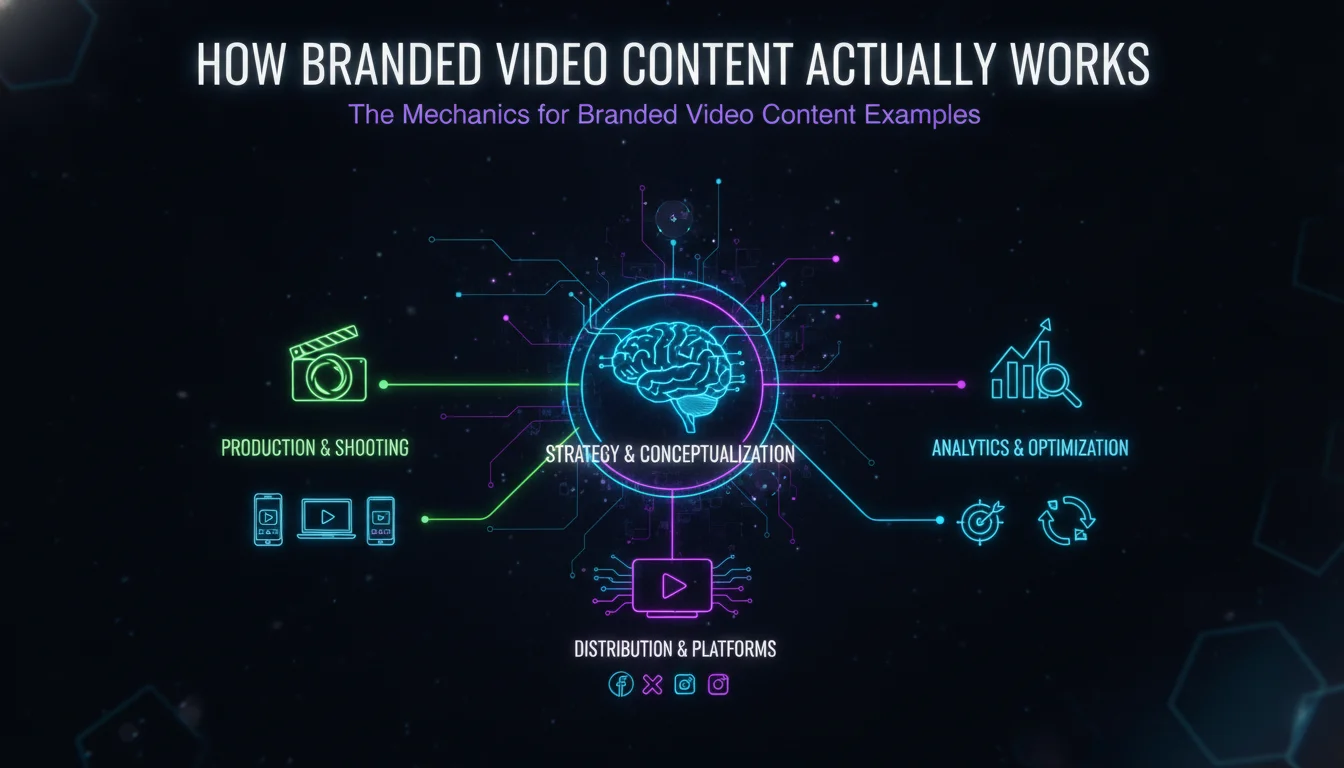
Understanding why these branded video content examples succeed requires looking at the mechanics beneath the creative surface. Great video marketing isn’t magic. It’s a repeatable system.
The Emotional Architecture
Branded video works by triggering emotional responses that the brain associates with the brand. Research cited by Superside shows that when people connect with a brand story, 55% are more likely to buy the brand’s product or service, 44% will share the brand story, and 15% will make a purchase immediately. The emotional connection comes first. The commercial behavior follows.
This is why the best branded video content examples spend most of their runtime on story, not product. The brand appears at the end, or woven subtly through the visual language, because the emotional work has already been done by the narrative.
The Attention Economy
Video competes for the same finite resource that every piece of content competes for: human attention. The first three seconds of any branded video are the most critical. If the opening frame doesn’t create curiosity, tension, or beauty, viewers scroll. This is why the strongest branded video content examples open with a visual or emotional hook, not a logo card.
Platform Distribution Logic
A brand film designed for a conference keynote will fail on TikTok. A 15-second Instagram Reel won’t carry the emotional weight needed for a brand manifesto. The mechanics of branded video require matching format to platform and platform to audience behavior. Colt Technologies’ brand film was specifically engineered to work across LinkedIn, conference screens, and sales presentations without modification. That kind of platform-aware thinking is what separates strategic video from expensive content that goes nowhere.
The Compounding Effect
Single branded videos rarely transform brands overnight. The brands with the strongest video marketing, Apple, Nike, Dove, have built libraries of content that compound in recognition and trust over time. Each new video reinforces the brand voice established by the last one. This is why consistency of tone and visual identity across branded video content examples matters as much as the quality of any individual piece.
How to Create Branded Video Content: A Practical Framework
Creating effective branded video content follows a clear process. Here are the steps we use at Emin Media when developing video strategy for clients.
Step 1: Define the Objective Before Touching a Camera
Every piece of branded video content needs a single, clear objective. Are you building awareness? Closing a trust gap? Launching a product? The objective determines the format, the length, the platform, and the emotional tone. A video trying to do everything at once usually does nothing well.
Step 2: Know Your Audience at a Granular Level
Generic audience profiles produce generic videos. Go deeper. What does your audience believe about themselves? What do they fear? What do they aspire to? Nike didn’t make “Dream Crazy” for “sports fans.” They made it for people who believe that conviction matters more than comfort. That specificity is what made it resonate globally.
Step 3: Build the Story Structure First
Before scripting, map the emotional arc. Where does the viewer start emotionally? Where do you want them to end up? The story structure should create tension, build toward a resolution, and land on a feeling that the brand owns. This is the creative brief that everything else flows from.
Step 4: Choose Format and Platform Together
Format and platform are inseparable decisions. A 90-second brand film works on YouTube and at conferences. A 15-second punchy cut works on Instagram and TikTok. A 3-minute documentary-style piece works on LinkedIn for B2B audiences. Match the format to where your audience actually watches, not where you wish they watched.
Step 5: Produce with Intentional Visual Language
Every visual choice communicates something. The film camera aesthetic in Dr. Martens’ video communicated heritage and authenticity. The LED cube in IBM’s Watson video communicated technological sophistication. Before production begins, define what your visual language needs to say about the brand, then make every shot serve that intention.
Step 6: Measure What Actually Matters
Views are vanity. Retention rates, completion rates, click-through rates, and conversion metrics tell you whether the video actually worked. Use analytics tools to track where viewers drop off, which platforms drove the most engaged traffic, and whether the video moved people toward the desired action. This data shapes the next video, making each one smarter than the last.
Comparison of Branded Video Content Types
| Video Type | Description | Best Use Case | Typical Length | Primary Platform |
|---|---|---|---|---|
| Brand Films | Cinematic storytelling that conveys brand values and identity. | Brand awareness campaigns, repositioning. | 60–180 seconds | YouTube, conferences, website |
| Product Demos | Showcases product features and real-world benefits. | Product launches, consideration stage. | 30–90 seconds | YouTube, website, email |
| Behind-the-Scenes | Provides insight into company culture, process, or people. | Building brand transparency and trust. | 60–120 seconds | Instagram, LinkedIn, TikTok |
| Customer Testimonials | Real customers sharing genuine experiences with the brand. | Building credibility, closing trust gaps. | 30–90 seconds | Website, LinkedIn, sales decks |
| Explainer Videos | Focused, clear content that answers a specific question. | Onboarding, education, complex products. | 60–120 seconds | YouTube, website, email |
| Brand Manifestos | High-energy declarations of brand purpose and values. | Brand launches, major repositioning moments. | 60–120 seconds | YouTube, social media, events |
| User-Generated Content | Customer-created content curated and amplified by the brand. | Community building, authentic social proof. | Varies | Instagram, TikTok, YouTube |
A Worked Example: Building a Branded Video from Scratch
Here’s how a realistic branded video content strategy comes together for a mid-sized brand, using the framework above.
The Brand: A sustainable outdoor apparel company launching its first major video campaign.
Objective: Build brand awareness among 25-40 year old outdoor enthusiasts who care about environmental impact.
Story Structure: Open with stunning landscape footage, no logo, no voiceover. A single figure moves through the environment. The voiceover begins: “We didn’t start this company to sell jackets. We started it because we couldn’t find gear that didn’t cost the planet something.” The film follows the founder’s story, weaving in product shots only where they’re natural to the narrative. It closes with a single title card: the brand name and a URL.
Format and Platform: A 90-second hero film for YouTube and the brand website. A 15-second cut for Instagram Reels and TikTok. A 30-second version for paid social.
Visual Language: Natural light only. Real locations, no studio. Handheld camera movement to create intimacy. Color grading that emphasizes greens and earth tones to reinforce the environmental positioning.
Measurement: Track completion rate on YouTube (target: above 50%), click-through rate on paid social cuts, and direct traffic to the website URL in the 30 days post-launch.
This is how branded video content examples go from inspiration to execution. The creative choices aren’t random. Every decision connects back to the objective and the audience.
Common Mistakes to Watch Out For
Most branded video content that underperforms fails for predictable reasons. Here’s what to avoid.
Leading with the Logo
Opening a branded video with a five-second logo animation tells viewers nothing interesting and burns the most valuable seconds of their attention. Start with the story. Earn the right to show the logo by the end.
Trying to Say Everything at Once
A single video cannot communicate your full brand story, all your product features, your company history, and your values simultaneously. Pick one thing to say and say it well. Brands that try to pack everything into one video end up communicating nothing clearly.
Ignoring Platform Behavior
A video optimized for a conference screen will look wrong on a mobile feed. A video designed for TikTok will feel out of place on a corporate website. Platform behavior shapes how audiences receive content, and ignoring that context is one of the most common and costly mistakes in branded video production.
Skipping the Brief
Jumping straight into production without a clear creative brief is how brands end up with expensive videos that don’t serve any strategic purpose. The brief is where you align on objective, audience, tone, format, and success metrics. Without it, the creative team is guessing.
Measuring Only Views
View counts feel good but tell you almost nothing about whether the video worked. A video with 10,000 views and a 70% completion rate is more valuable than one with 100,000 views and a 10% completion rate. Focus on engagement depth, not surface-level reach.
Underinvesting in Sound
Audiences will forgive imperfect visuals far more readily than they’ll forgive bad audio. Poor sound quality signals low production value instantly and undermines the credibility of the brand. Sound design, music selection, and voiceover quality deserve as much attention as the visual elements.
Challenges in Creating Branded Video Content
Even with the right strategy, brands face real obstacles in video production. Understanding these challenges helps you plan around them.
Budget Constraints
Video production can be expensive, and many brands struggle to allocate sufficient resources for high-quality content. The good news: Apple’s “Shot on iPhone” campaign proved that user-generated content can produce billions of earned media impressions at a fraction of traditional production costs. Exploring community-driven content models can help brands with tighter budgets produce authentic, high-performing video.
Time Constraints
Creating engaging video content requires time for planning, production, and editing. Brands must balance the need for quality with the demand for timely content. Building a content calendar that plans video production 6-8 weeks in advance helps avoid the rushed, reactive production that produces mediocre results.
Keeping Up with Trends
The pace of change in video formats and platform behavior is relentless. Short-form video, vertical formats, interactive content, and AI-generated visuals have all shifted audience expectations significantly in the past two years. Regularly reviewing analytics and audience feedback is the most reliable way to stay current without chasing every trend.
Scaling Production
As of 2026, creative demand consistently outpaces internal team capacity. Superside’s Overcommitted Report found that 78% of creative and marketing teams say creative demand is higher than their capacity to deliver. This is why more brands are partnering with specialist video production agencies or using AI-assisted production tools to scale output without burning out internal teams.
Branded Video Content in 2026: What’s Changed and What’s Next
The branded video content landscape has shifted meaningfully in the past 18 months. Here’s what’s defining the space this year and what to watch for in the near term.
AI-Assisted Production Is Now Standard
AI tools are no longer experimental additions to video workflows. In 2026, they’re embedded in production pipelines for everything from script generation to color grading to subtitle translation. This has lowered the cost of entry for high-quality branded video content, making formats that previously required large production budgets accessible to smaller brands and in-house teams.
Short-Form Dominance Continues
TikTok, Instagram Reels, and YouTube Shorts have trained audiences to expect value within the first three seconds. This year, the most effective branded video content examples are those that deliver an emotional hook immediately, then reward continued viewing with depth. The brands winning on short-form aren’t dumbing down their stories. They’re compressing them.
Authenticity Over Production Value
The polished, high-production brand film isn’t going away, but it’s being complemented by rawer, more authentic content formats. Behind-the-scenes footage, founder-led video, and unscripted customer stories are performing strongly in 2026 because audiences have developed a sharp instinct for content that feels manufactured versus content that feels real.
Interactive and Personalized Video
Doubleday Publishing’s personalized video campaign for Origin was ahead of its time. In 2026, interactive and personalized video formats are becoming more accessible through platforms and production tools that allow brands to create branching narratives or viewer-specific content at scale. This is one of the most significant near-term opportunities for brands looking to differentiate their branded video content strategy.
“In 2024, 87% of marketers reported that video marketing directly increased their sales.” – Superside Video Marketing Research
Pros and Cons of Branded Video Content
Pros
- Emotional connection: Video creates emotional resonance that text and static imagery rarely achieve, building brand loyalty over time.
- Shareability: Compelling branded video content travels organically through social sharing, extending reach beyond paid distribution.
- Versatility: A single brand film can be cut into multiple formats for different platforms, maximizing production investment.
- Brand recall: Video content increases brand recall more effectively than most other content formats, according to marketing research.
- Revenue impact: Brands that use video consistently grow revenue faster than those that don’t, per Vimeo’s marketing data.
Cons
- Production cost: High-quality branded video content requires meaningful investment in time, talent, and equipment.
- Time to produce: From brief to final cut, a well-produced brand film typically takes weeks, not days.
- Platform fragmentation: Creating content optimized for every platform requires multiple edits and format variations, multiplying production effort.
- Measurement complexity: Attributing revenue impact to brand-building video content is genuinely difficult, especially at the top of the funnel.
- Trend sensitivity: Video formats and platform algorithms change rapidly, meaning content that performs well today may underperform in 12 months.
Strategies for Creating Effective Branded Videos
Beyond the step-by-step framework, these strategic principles separate good branded video content from great branded video content examples that actually move business metrics.
Understanding Your Audience
Knowing your target audience is the foundation of relevant content. Tailor your videos to address their preferences, needs, and genuine pain points. The more specifically you understand who you’re talking to, the more powerfully your video will connect with them.
Utilizing Analytics
Use analytics tools to measure the performance of your branded videos. Understanding viewer engagement, retention rates, and conversion metrics helps refine your video marketing strategy over time. The data from each video makes the next one smarter.
Experimenting with Formats
Don’t lock yourself into a single video format. Live streams, short-form videos, interactive content, and documentary-style pieces all serve different audience needs and platform contexts. The brands producing the best branded video content examples in 2026 are those willing to test new formats while maintaining a consistent brand voice across all of them.
Frequently Asked Questions
What is an example of branded content?
An example of branded content is Nike’s “Dream Crazy” campaign, which features a powerful narrative centered on belief and sacrifice that connects emotionally with viewers while communicating the brand’s core values. The campaign generated $43 million in earned media in its first 24 hours, according to campaign performance data. It’s a textbook case of story-first, brand-second video marketing.
What is a branded content video?
A branded content video is a storytelling format that focuses on conveying a brand’s message, values, or cultural position without leading with direct product promotion. The brand earns attention by delivering genuinely engaging content first, then benefits from the association viewers form between that positive experience and the brand. Think of it as entertainment with a brand signature, not an advertisement with a story attached.
Can you provide some examples of brand videos?
Strong branded video content examples include Apple’s “Shot on iPhone” user-generated campaign, Dr. Martens’ “What Does Strong Mean Today?” documentary-style film, Colt Technologies’ surreal B2B brand film, IBM’s Watson LED cube video, and Dove’s Real Beauty series. Each one takes a different creative approach while maintaining a clear and consistent brand voice throughout.
What are some examples of video content?
Video content spans a wide range of formats: brand films, product demos, customer testimonials, explainer videos, behind-the-scenes footage, live streams, short-form social content, and personalized interactive videos. The best branded video content examples use whichever format best serves the specific audience, platform, and marketing objective at hand.
How can I create effective branded video content?
Start by defining a single clear objective, then build a story structure that serves that objective before touching a camera. Choose your format and platform together, produce with intentional visual language, and measure retention and conversion metrics rather than just view counts. The brands producing the most effective branded video content examples treat video as a strategic discipline, not a creative afterthought.
Why is video important for branding?
Video is the most emotionally engaging content format available to brands. It builds brand recall faster than text, creates emotional connections that drive loyalty, and according to Vimeo’s marketing research, brands that use video consistently grow revenue faster than those that don’t. As of 2026, with 54% of consumers actively wanting more video from their favorite brands, the question isn’t whether to invest in branded video. It’s how to do it well.
How much does branded video content cost to produce?
Production costs vary enormously depending on format, length, and production quality. A smartphone-shot behind-the-scenes video can cost almost nothing. A cinematic brand film with professional crew, locations, and post-production can run into tens of thousands. The key insight from studying the best branded video content examples is that budget doesn’t determine impact: Apple’s “Shot on iPhone” campaign cost next to nothing to produce and generated billions of earned media impressions. Strategic thinking matters more than production spend.
Ready to create branded video content that actually moves your audience? Let’s build something bold together. Contact Emin Media for a free brand consultation and let’s turn your brand story into video content worth sharing.
Enjoyed this article?
Contact Emin Media for a free brand consultation and let's create something amazing together.
Get in TouchRelated Articles
Digital Storytelling for Brands: The Complete Guide
Digital storytelling for brands builds real audience connections through narrative. Learn proven techniques, formats, and…
Design Thinking for Marketing: A 2026 Guide
Design thinking for marketing builds campaigns around real user needs. Learn the 5 phases, common…
Creative Direction for Video Shoots: A Complete Guide
Master creative direction for video shoots with proven steps, tools, and strategies that build brand…