Brand Partnership Strategy: Build Alliances That Grow
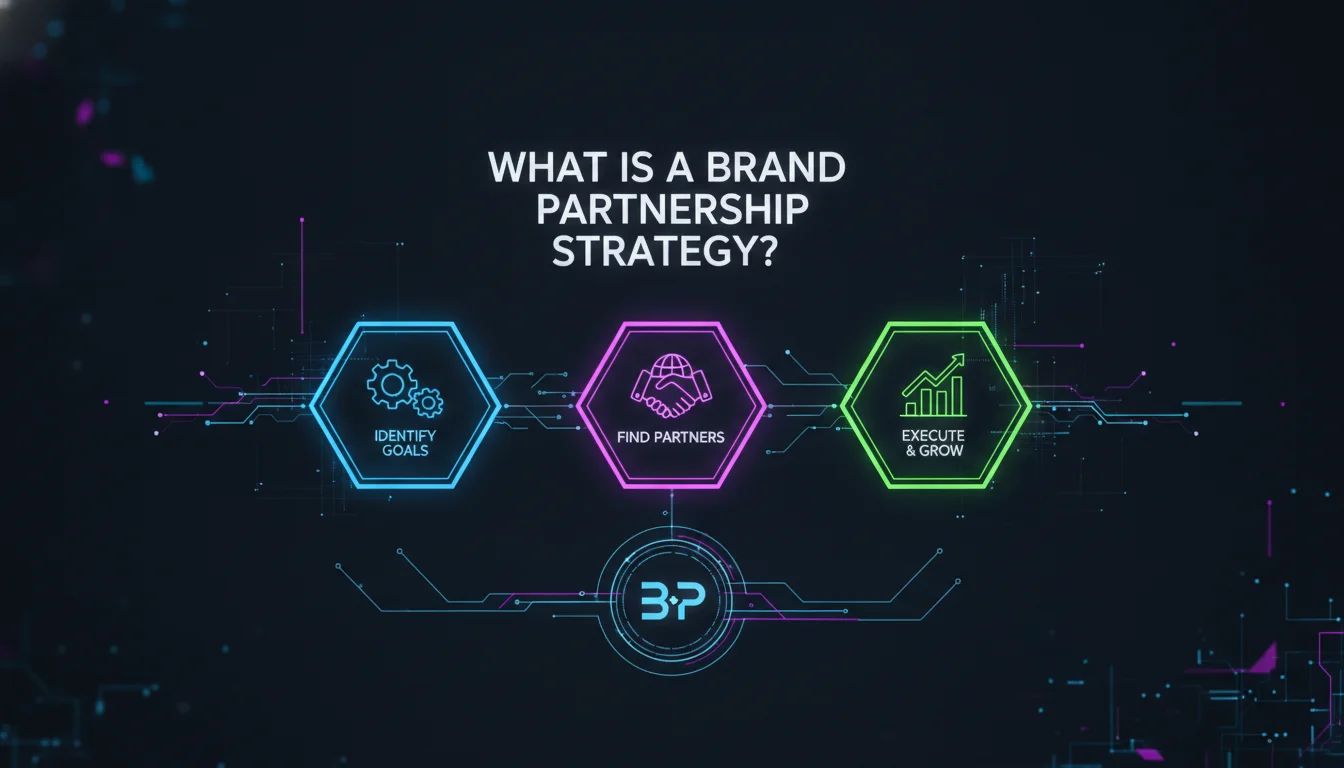
What is a Brand Partnership Strategy?
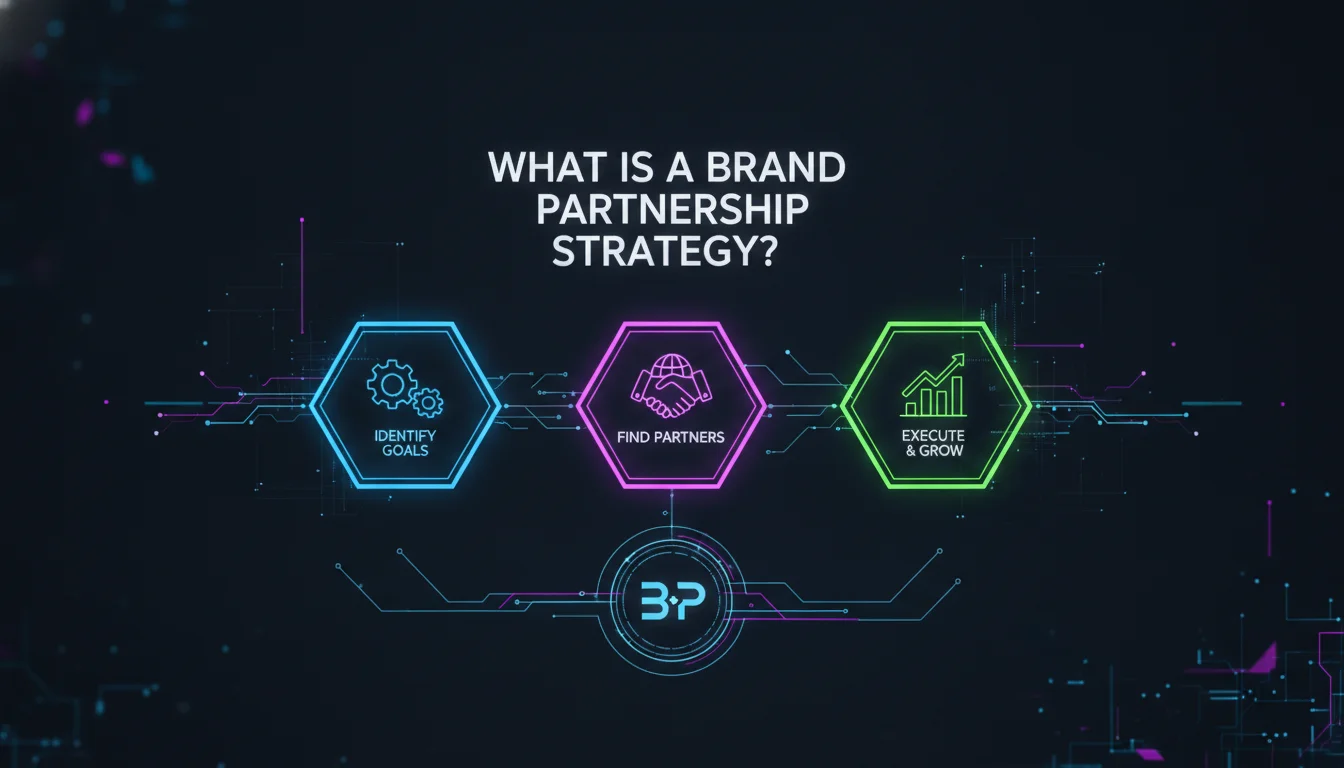
A brand partnership strategy is a structured approach where two or more brands collaborate to achieve shared marketing and business goals, combining their strengths to reach audiences and create offerings neither could build alone.
Key Takeaways
- Brand partnerships are strategic collaborations between businesses aimed at achieving mutual growth.
- There are various types of brand partnerships, including co-branding, sponsorships, and influencer collaborations.
- An effective partnership strategy can enhance market reach, improve customer experiences, and drive innovation.
- Clear objectives and alignment between partners are critical for successful collaborations.
- Monitoring and optimizing partnership performance is essential for long-term success.
- As of 2026, the most successful partnerships are built on complementary strengths, not just shared audiences.
Defining Brand Partnerships
Brand partnerships are often referred to as co-branding alliances. They involve two or more businesses collaborating to achieve mutual marketing and business goals. This collaboration allows brands to build on each other’s strengths, increase brand awareness, and expand their market influence in ways a solo effort simply cannot match.
The Importance of Brand Partnership Strategy
Brands today face a relentless challenge: standing out in a space flooded with marketing messages. A well-executed this type of strategy provides a competitive edge by combining resources, sharing audiences, and enhancing credibility. This approach expands market reach and drives innovation through collaborative effort. According to Forbes Business Development Council contributor Tony Ambroza, partnerships can grow a company even faster than traditional brand-building strategies when well executed and integrated.
“Squarespace is really great at what they do, but they don’t really necessarily have access to a repository of imagery that is high quality as we do.” – Peter Orlowsky, Getty Images, on the brand’s collaboration with Squarespace (via impact.com)
That quote captures the entire logic of a great this kind of strategy. You are not looking for a clone. You are looking for someone who fills the gap you cannot fill yourself.
How a Brand Partnership Strategy Actually Works
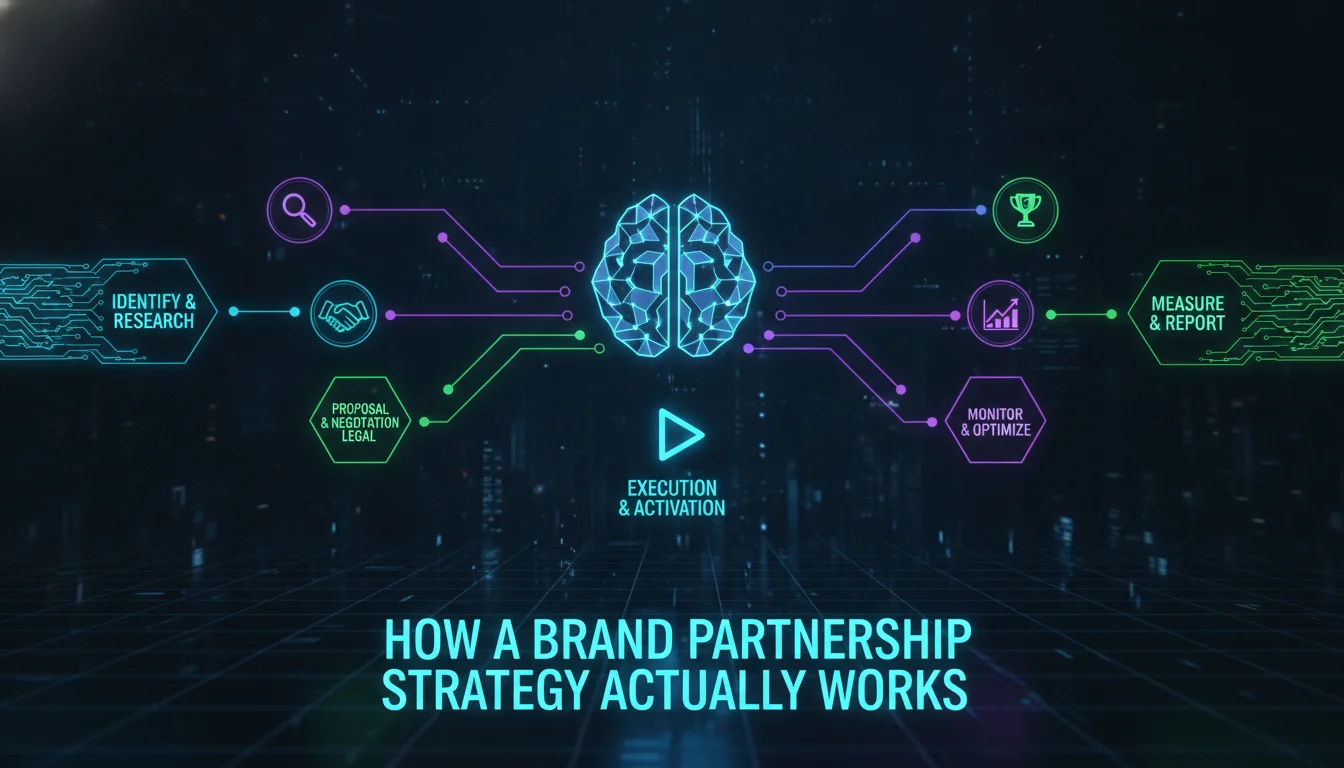
A brand partnership works by identifying a complementary brand, aligning on shared goals, structuring clear roles and deliverables, then activating the collaboration across agreed channels while tracking performance against defined metrics.
Most people think of brand partnerships as a handshake and a logo swap. The reality is more structured, and that structure is exactly what separates partnerships that drive revenue from ones that just look good in a press release.
Here is the underlying mechanics, broken down:
Complementary value exchange. Each brand brings something the other lacks. Getty Images had premium imagery. Squarespace had a massive base of website builders who needed it. Neither was competing with the other. Both gained something concrete. That is the foundation every strong brand partnership strategy is built on.
Audience overlap and audience extension. The best partnerships have partial audience overlap (enough shared context that the introduction feels natural) but also meaningful audience extension (each brand reaches people the other has not yet won). When Spotify partnered with Starbucks, Spotify users discovered new venues. Starbucks customers discovered a richer in-store experience. Both audiences grew.
Shared creative direction. Unlike a sponsorship, where one brand writes a check and the other puts a logo on a banner, a true brand partnership strategy involves both parties shaping the creative output. The CASETiFY and BMW Lifestyle collaboration, launched on Earth Day, worked because both brands contributed their design DNA to a product that felt genuinely co-created.
Defined performance metrics from day one. According to impact.com’s partnership research, partnerships that define KPIs upfront create accountability and give both parties a shared language for evaluating success. Without this, one partner inevitably feels they gave more than they received.
Technology and workflow alignment. As of 2026, most serious brand partnerships are managed through partner management platforms that automate workflows, track attribution, and surface performance data in real time. This infrastructure is what allows partnerships to scale beyond a single campaign.
“When two like-minded brands team up with a clear, aligned strategy, they can create campaigns that resonate across platforms and drive real engagement. Finding the right partner is important, but how you collaborate is what makes the impact last.” – Engage Adcom, Brand Partnerships and Their Impact on Revenue Growth, 2025
Types of Brand Partnerships
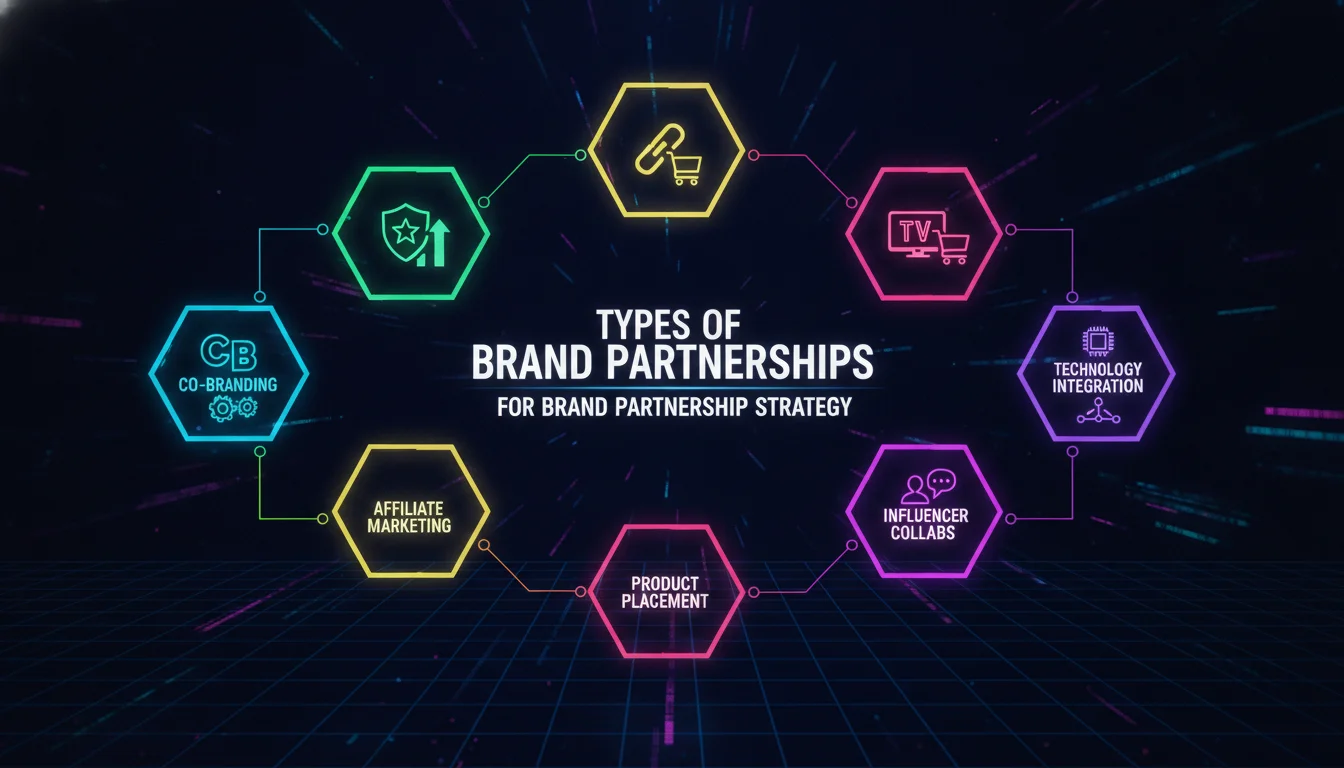
Brand partnerships can take various forms, each offering unique benefits and challenges. Understanding the different types is crucial for developing an effective brand partnership strategy.
Co-Branding Partnerships
Co-branding involves two brands collaborating to create a unified offering that reflects both partners’ identities. This type of partnership is often used for limited-edition products or promotional campaigns that emphasize shared values or features.
- Benefits: Boosts visibility, creates shareable offerings, and reduces marketing costs.
- Challenges: Risk of brand dilution, potential customer confusion, and the need for cohesive messaging.
Influencer Collaborations
Influencer collaborations involve partnering with social media influencers to promote products or services. This strategy allows brands to tap into the influencer’s established audience, enhancing credibility and reach.
- Benefits: Access to engaged audiences, increased brand trust, and creative content generation.
- Challenges: Selecting the right influencer, managing expectations, and ensuring alignment with brand values.
Sponsorships
Sponsorships involve one brand providing financial or resource support to another entity in exchange for exposure. This relationship can enhance brand visibility but may lack the collaborative depth of other partnership types.
- Benefits: Increased brand exposure and association with popular events or personalities.
- Challenges: Limited creative input and potential misalignment of brand values.
Industry and Affiliate Partnerships
Businesses serving different niches in the same industry often partner to acquire new customers and fulfill roles the other cannot. As Forbes Business Development Council notes, these partnerships work because each brand serves a distinct function within a shared customer journey. Think event planners partnering with florists, or a SaaS tool partnering with a complementary analytics platform.
Content and Creator Partnerships
Brands partner with content creators, including influencers and media companies, to promote their business to new audiences through authentic storytelling. The key distinction from traditional influencer marketing: creator partnerships often involve the creator in product development or long-term brand positioning, not just a single sponsored post.
Product Integration Partnerships
Two brands integrate their products or services so that each enhances the other’s value. YouScan’s partnership with Wantent is a clear example: the AI-powered social listening platform collaborated with an influencer marketing agency to provide deeper audience insights for campaigns. YouScan gained new use cases; Wantent gained more comprehensive data tools. Both delivered more value to their clients as a result.
Comparison: Types of Brand Partnerships at a Glance
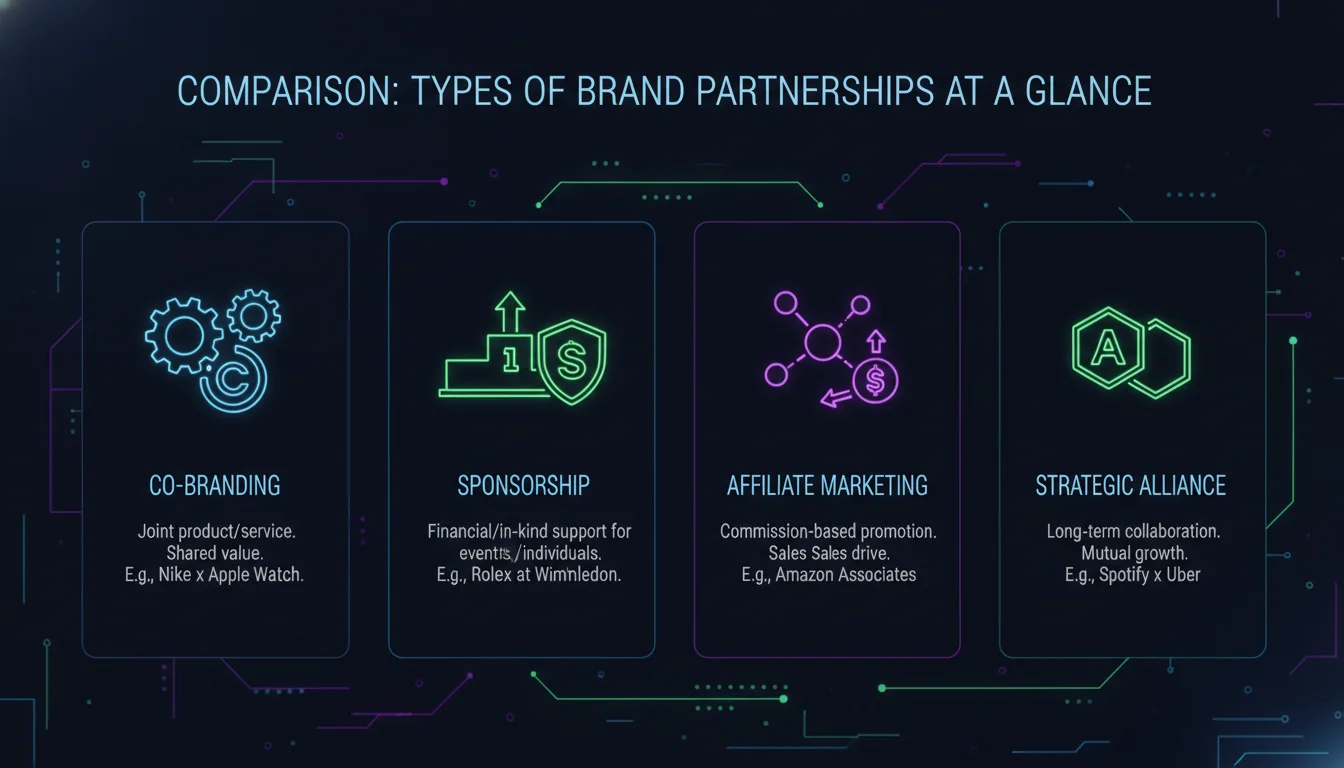
Choosing the right partnership model is one of the most consequential decisions in your brand partnership strategy. This table maps each type against the dimensions that matter most.
| Partnership Type | Creative Input | Audience Reach | Cost Sharing | Best For | Main Risk |
|---|---|---|---|---|---|
| Co-Branding | High (both brands) | Combined audiences | Yes | Limited-edition launches, campaigns | Brand dilution |
| Influencer Collaboration | Medium (creator-led) | Creator’s audience | Partial | Awareness, trust-building | Misaligned values |
| Sponsorship | Low (sponsor passive) | Event or platform audience | No (sponsor pays) | Brand exposure, association | One-sided value |
| Affiliate / Industry | Low to medium | Partner’s customer base | Revenue share | Customer acquisition | Misaligned incentives |
| Content / Creator | High (creator-led) | Creator’s community | Partial | Authentic storytelling | Brand control loss |
| Product Integration | High (both brands) | Both customer bases | Yes | Product enhancement, new use cases | Technical complexity |
Benefits of Implementing a Brand Partnership Strategy
Implementing a brand partnership strategy delivers advantages that compound over time, from immediate audience expansion to long-term credibility gains that no ad budget can replicate.
Increased Exposure
One of the primary benefits of brand partnerships is increased exposure. By collaborating with another brand, businesses access new customer segments and geographic markets that may have been previously out of reach. This expanded reach can accelerate growth and sharpen brand recognition in markets where you have little existing presence.
Resource Sharing
Partnerships enable brands to share critical resources: marketing materials, technology, expertise, and distribution networks. This sharing enhances operational efficiency, reduces costs, and improves overall performance. According to Forbes Business Development Council, resource sharing allows brands to fulfill functions previously unavailable to them without the overhead of building those capabilities internally.
Improved Customer Experiences
Brand partnerships often lead to enhanced customer experiences. By combining offerings, brands provide consumers with more complete solutions, better fulfillment, and cost-saving promotions. This collaborative approach builds customer loyalty and satisfaction in ways that solo campaigns rarely achieve.
Product Innovation
Working with a partner can lead to innovative solutions that neither brand could have developed independently. This collaborative innovation creates new products, services, or marketing approaches that open entirely new revenue streams. The IKEA and LEGO BYGGLEK collection, highlighted by HubSpot, is a textbook example: two iconic brands solved a real consumer problem (toy storage) in a way that neither could have executed alone.
Risk Management
Partnerships allow brands to share the burden of losses, reducing individual exposure when entering new markets or launching new products. Testing a new demographic or geographic area through a partner who already serves that market gives you valuable real-world insights while minimizing your financial commitment.
Steps to Develop an Effective Brand Partnership Strategy
Creating a successful brand partnership strategy requires careful planning and execution. Here are the key steps, structured for real-world application.
Step 1: Identify Potential Partners
Begin by identifying brands that align with your values, target audience, and business objectives. Look for complementary strengths that fill gaps in your current offering rather than brands that simply mirror what you already do. The best partners bring something to the table that you genuinely cannot build on your own.
Step 2: Define Clear Objectives
Establish clear goals for the partnership before any agreement is signed. Define what each brand hopes to achieve: increased sales, enhanced brand awareness, improved customer engagement, or entry into a new market. Vague objectives are the single fastest way to create resentment between partners down the line.
Step 3: Develop a Collaborative Plan
Create a detailed plan outlining the roles, responsibilities, and expectations of each partner. This plan should include communication strategies, decision-making processes, and performance metrics. Both parties need to know exactly who owns what, and what success looks like at 30, 60, and 90 days.
Step 4: Align on Creative Direction
Before launching any joint campaign or product, both brands need to agree on the creative direction. This means shared visual language, tone of voice, and messaging hierarchy. Partnerships that skip this step often produce work that feels disjointed, confusing audiences about which brand stands for what.
Step 5: Activate and Launch
Execute the partnership across agreed channels with a coordinated launch plan. Both brands should promote the collaboration to their respective audiences simultaneously. A staggered or half-hearted launch signals to consumers that the partnership is not a genuine priority for one or both parties.
Step 6: Monitor and Optimize Performance
Regularly assess the partnership’s performance against established metrics. Use data-driven insights to optimize strategies and ensure that both partners are benefiting equitably from the collaboration. According to impact.com’s partnership research, regularly monitoring data and key metrics is essential to fine-tuning strategies and measuring long-term impact on growth.
How to Apply This: A Practical Brand Partnership Strategy Framework
Applying a brand partnership strategy in the real world means moving from concept to structured execution. Here is how to do it, step by step, with the kind of specificity that actually gets partnerships off the ground.
Start with your gap analysis. Before you approach any potential partner, map out what your brand cannot do well on its own. Is it content production? Distribution in a new geography? Credibility in a niche you want to enter? Your gap is your partnership brief. Every outreach conversation should open with what you bring and what you are looking for, not just what you want to gain.
Build a shortlist of three to five candidates. Do not approach one brand and wait. Build a shortlist of three to five brands that could plausibly fill your gap, then rank them by audience alignment, values fit, and operational compatibility. LinkedIn’s top content on strategic brand partnerships consistently emphasizes choosing partners whose skills fill gaps rather than mirroring what you already do.
Draft a partnership brief before the first meeting. A one-page brief that outlines your brand, your audience, your proposed collaboration format, and your success metrics signals professionalism and seriousness. Most brands receive vague partnership inquiries. A structured brief immediately sets you apart.
Negotiate value exchange explicitly. Do not assume both parties have the same definition of fair. Spell out exactly what each brand contributes (budget, content, distribution, product) and what each brand receives (audience access, co-branded assets, revenue share). Ambiguity here is where most partnerships quietly fall apart.
Set a review cadence from day one. Monthly check-ins during the first quarter, then quarterly reviews after that. Each review should cover performance against KPIs, any creative or operational issues, and whether the original objectives still apply. Markets shift. Partnerships need to adapt.
Plan the exit before you need it. Every partnership agreement should include clear terms for how either party can exit if the collaboration is not working. This is not pessimism. It is professionalism. Brands that plan their exits in advance are far more likely to end partnerships gracefully and preserve the relationship for future collaboration.
Brand Spotlight: Real-World Brand Partnership Strategy in Action
Nothing teaches brand partnership strategy better than watching it work. Here are two partnerships that demonstrate what the framework looks like when executed well.
GoPro and Red Bull
GoPro partnered with Red Bull to showcase their cameras in extreme sports scenarios. Red Bull’s athletes demonstrated how GoPro cameras captured stunning footage even in the most demanding conditions. In return, GoPro gave Red Bull the platform to position itself as a lifestyle brand rather than just an energy drink. According to Rachel Andrea Go’s brand partnership analysis, GoPro sold an average of 4.4 million units over the four years following the partnership, helping solidify its status as the world’s leading action camera. This is a brand partnership strategy built on perfect complementary fit: one brand needed visual proof of performance, the other needed a camera to capture it.
Spotify and Starbucks
Spotify collaborated with Starbucks to create curated playlists that enhance the in-store coffee experience. This partnership allowed Spotify to reach new audiences in physical retail spaces while providing Starbucks customers with a richer, more memorable visit. Neither brand competed with the other. Both gained something concrete. The collaboration worked because it served the customer first, and the business objectives followed naturally from that.
A Realistic Scenario for a Mid-Size Brand
Imagine you run a premium skincare brand with strong direct-to-consumer sales but limited presence in wellness communities. A yoga apparel brand with a loyal, health-conscious audience approaches you about a co-branded gift set for their annual membership drive. Your brand gets introduced to thousands of wellness-oriented consumers who already trust the apparel brand. The apparel brand gets to offer their members a premium gift that elevates the perceived value of their membership. You split the production cost and co-promote across both email lists and social channels. Three months later, you track new customer acquisition from that campaign and find a meaningful portion of those customers have made a second purchase. That is a brand partnership strategy working exactly as designed.
Common Mistakes to Watch Out For
Even well-intentioned partnerships fail. Knowing where they typically break down is the fastest way to avoid the same fate.
Choosing a partner for their audience size alone. Reach without relevance is noise. A brand with a massive but misaligned audience will not move your metrics. Focus on audience quality and values alignment first, size second.
Skipping the legal agreement. A handshake is not a partnership contract. Every collaboration needs a written agreement covering IP ownership, revenue split, exclusivity terms, and exit conditions. This protects both parties and prevents the kind of disputes that end business relationships permanently.
Letting one brand dominate the creative. When one partner controls all the creative decisions, the other brand’s identity gets diluted. The result is a campaign that feels like an ad for one brand with a guest appearance by the other. Both brands need genuine creative input for the collaboration to feel authentic.
Failing to communicate internally. Your sales team, customer service staff, and social media managers all need to know about the partnership before it launches. Internal misalignment creates external confusion. Customers who ask your support team about the collaboration should get a confident, informed answer.
Measuring the wrong things. Vanity metrics (likes, impressions, press mentions) feel good but do not tell you whether the partnership is driving business value. Define revenue-adjacent metrics upfront: new customer acquisition, email list growth, conversion rate from co-branded landing pages, repeat purchase rate from partnership-sourced customers.
Treating the partnership as a one-off. The most valuable brand partnerships are ongoing relationships, not single campaigns. Brands that invest in long-term collaboration build compounding credibility with shared audiences. A one-off collab generates a spike. A sustained partnership builds a category.
Pros and Cons of a Brand Partnership Strategy
A brand partnership strategy offers real advantages, but it also introduces complexity that brands need to manage deliberately.
Pros
- Expanded audience reach without the full cost of paid acquisition.
- Shared resources and costs across marketing, production, and distribution.
- Enhanced credibility by association with a trusted partner brand.
- Accelerated innovation through combined expertise and creative perspectives.
- Risk distribution when entering new markets or launching new products.
- Deeper customer experiences that neither brand could deliver independently.
Cons
- Brand dilution risk if the partnership is poorly managed or the brands are misaligned.
- Shared control means neither brand has full authority over the collaborative output.
- Operational complexity from coordinating two teams, two approval processes, and two sets of stakeholders.
- Reputational exposure if the partner brand faces a public crisis during the collaboration.
- Unequal value exchange if roles and contributions are not clearly defined from the start.
Challenges in Brand Partnerships
Brand partnerships come with challenges that need to be addressed directly for the collaboration to succeed long-term.
Misalignment of Goals
One of the most significant challenges in brand partnerships is the potential misalignment of goals. If partners do not share a common vision or objectives, the collaboration will stall. This is why defining objectives before signing any agreement is non-negotiable.
Brand Dilution
Co-branding and partnerships can lead to brand dilution if not managed carefully. Maintaining distinct brand identities while building on each other’s strengths requires deliberate creative governance throughout the partnership lifecycle.
Communication Issues
Effective communication is vital for successful partnerships. Misunderstandings or lack of transparency create conflicts that erode trust and slow execution. Establish a single point of contact on each side and a shared communication channel before the partnership goes live.
Brand Partnership Strategy in 2026: What’s Changing
As of 2026, the brand partnership landscape has shifted in three meaningful ways that every brand needs to factor into their strategy.
AI-powered partner discovery. Brands are increasingly using AI tools to identify potential partners based on audience overlap, content alignment, and brand sentiment data. What used to take weeks of manual research now takes hours. This year, expect partner identification to become a data-driven process rather than a relationship-driven one, though relationship quality still determines execution success.
Values alignment is now table stakes. Consumers in 2026 are more attuned to brand authenticity than ever. Partnerships that feel transactional or values-mismatched get called out publicly and quickly. Brands that build their partnership strategy around genuine shared values, not just shared audiences, are the ones building durable collaborative equity.
Creator partnerships are maturing. The influencer collaboration model has evolved significantly. Brands are moving away from one-off sponsored posts toward long-term creator partnerships where the creator has genuine input into product development and brand direction. This shift produces more authentic content and stronger audience trust, but it requires more investment in relationship management.
Partnership management platforms are standard infrastructure. According to impact.com’s research, technology tools that simplify partner selection, automate workflows, and enhance results tracking are now considered standard infrastructure for brands running multiple partnerships simultaneously. If your brand is managing partnerships through spreadsheets and email threads, you are already behind.
Frequently Asked Questions
What is a brand partnership?
A brand partnership is a strategic collaboration between two or more brands aimed at achieving mutual marketing and business goals. This collaboration builds on the strengths of each partner to enhance brand visibility, reach new audiences, and deliver value that neither brand could create independently.
What are the benefits of brand partnerships?
Brand partnerships offer benefits including increased exposure, resource sharing, improved customer experiences, product innovation, and risk distribution. These advantages compound over time, making partnerships one of the most cost-efficient growth strategies available to brands at any stage.
How do I choose the right partner for a brand partnership?
Choose a partner whose strengths complement your gaps, whose audience overlaps meaningfully with yours, and whose values align with your brand’s positioning. Avoid choosing partners based on audience size alone. Relevance and values fit consistently outperform raw reach in partnership outcomes.
What are some common types of brand partnerships?
Common types include co-branding, influencer collaborations, sponsorships, affiliate and industry partnerships, content and creator partnerships, and product integration partnerships. Each type serves different strategic objectives, so the right choice depends on your specific growth goals and resources.
How can I measure the success of a brand partnership?
Measure success through metrics tied directly to your original objectives: new customer acquisition, conversion rates from co-branded assets, email list growth, repeat purchase rates from partnership-sourced customers, and revenue attribution. Vanity metrics like impressions and likes are useful for awareness campaigns but should not be your primary success indicators.
What are the 7 principles of partnership that apply to brand collaborations?
While frameworks vary, the principles most consistently cited in brand partnership research include: shared values, complementary strengths, clear role definition, transparent communication, equitable value exchange, defined performance metrics, and a structured exit plan. Brands that build their brand partnership strategy around these principles consistently outperform those that treat partnerships as informal arrangements.
What common mistakes should I avoid in a brand partnership strategy?
The most common mistakes include choosing partners for audience size over values alignment, skipping formal legal agreements, allowing one brand to dominate creative decisions, failing to communicate the partnership internally before launch, and measuring vanity metrics instead of revenue-adjacent outcomes. Planning your exit terms before you need them is also frequently overlooked and consistently valuable.
Ready to build a brand partnership strategy that actually moves the needle? Contact Emin Media for a free brand consultation and let’s create something worth talking about.
Enjoyed this article?
Contact Emin Media for a free brand consultation and let's create something amazing together.
Get in TouchRelated Articles
Digital Storytelling for Brands: The Complete Guide
Digital storytelling for brands builds real audience connections through narrative. Learn proven techniques, formats, and…
Design Thinking for Marketing: A 2026 Guide
Design thinking for marketing builds campaigns around real user needs. Learn the 5 phases, common…

Creative Direction for Video Shoots: A Complete Guide
Master creative direction for video shoots with proven steps, tools, and strategies that build brand…