Brand Packaging Design Trends 2026: Bold Guide
Key Takeaways
- Sensory and emotional designs like dopaminergic and bold-minimal styles are redefining shelf appeal and shareability.
- Sustainability is now a baseline, with plastic-free refills, compostable materials, and single-material systems leading the shift.
- Inclusive and accessible packaging featuring ergonomic grips, Braille, and high-contrast typography is moving from niche to mainstream.
- Smart packaging using QR codes, NFC, and AI-driven personalization creates interactive consumer experiences and data channels.
- The convergence of cultural storytelling, lightweight luxury, and e-commerce optimization is giving brands a real competitive edge.
Brand packaging design trends are the visual, material, and technological forces reshaping how products communicate on shelves and screens. As of 2026, packaging must deliver sensory delight, environmental responsibility, and inclusive accessibility, all while telling a compelling brand story.
Pros and Cons of Following Brand Packaging Design Trends
Pros
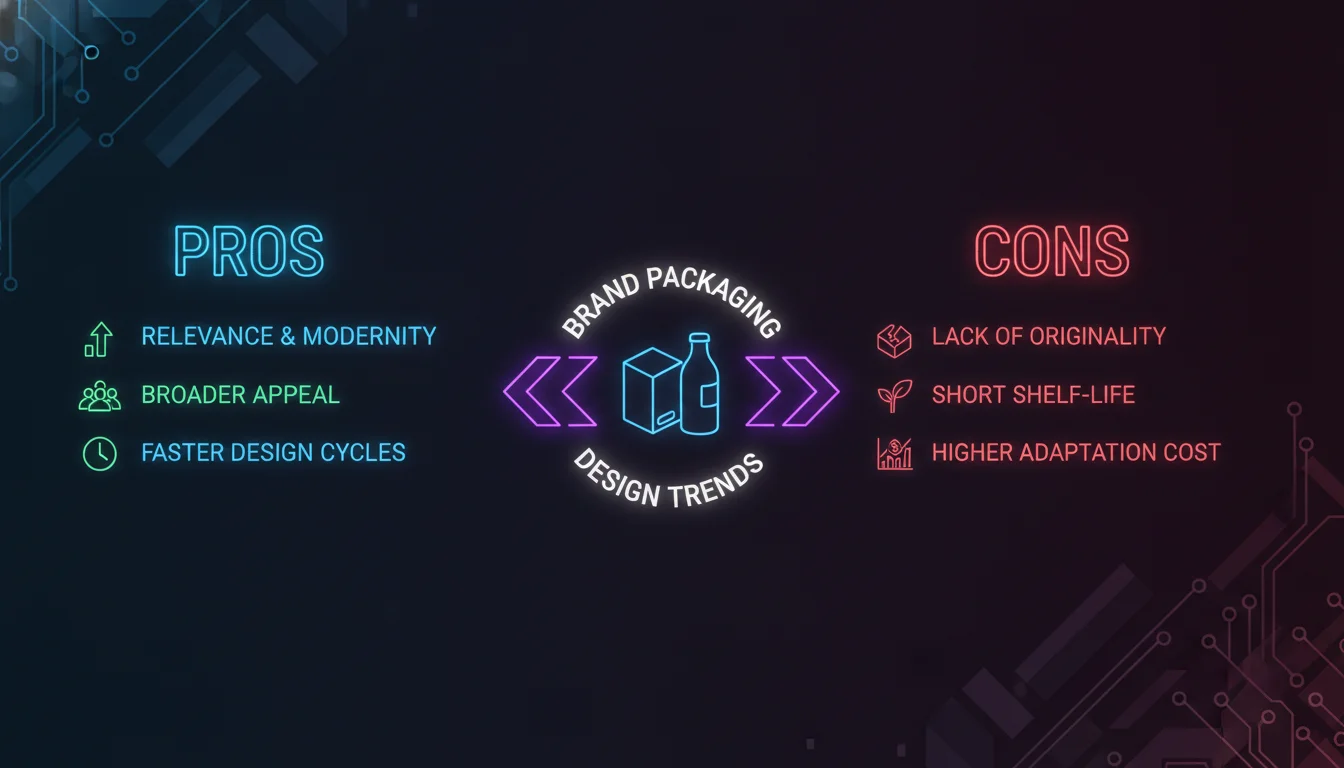
- Stronger shelf presence and social shareability drive organic brand awareness without extra ad spend.
- Sustainable and inclusive design choices build genuine consumer loyalty and open products to wider audiences.
- Smart packaging features like QR codes and NFC create ongoing digital touchpoints that extend the brand relationship beyond the purchase.
- Trend-aligned packaging can justify premium pricing, especially in refillable and lightweight luxury categories.
Cons
- Adopting multiple trends simultaneously can dilute brand identity if not anchored to a clear creative strategy.
- Sustainable materials and smart technology integrations often carry higher upfront production costs.
- Trend cycles move fast. Packaging redesigns are expensive, so betting on the wrong aesthetic can age a product quickly.
The Evolution of Brand Packaging Design Trends in 2026
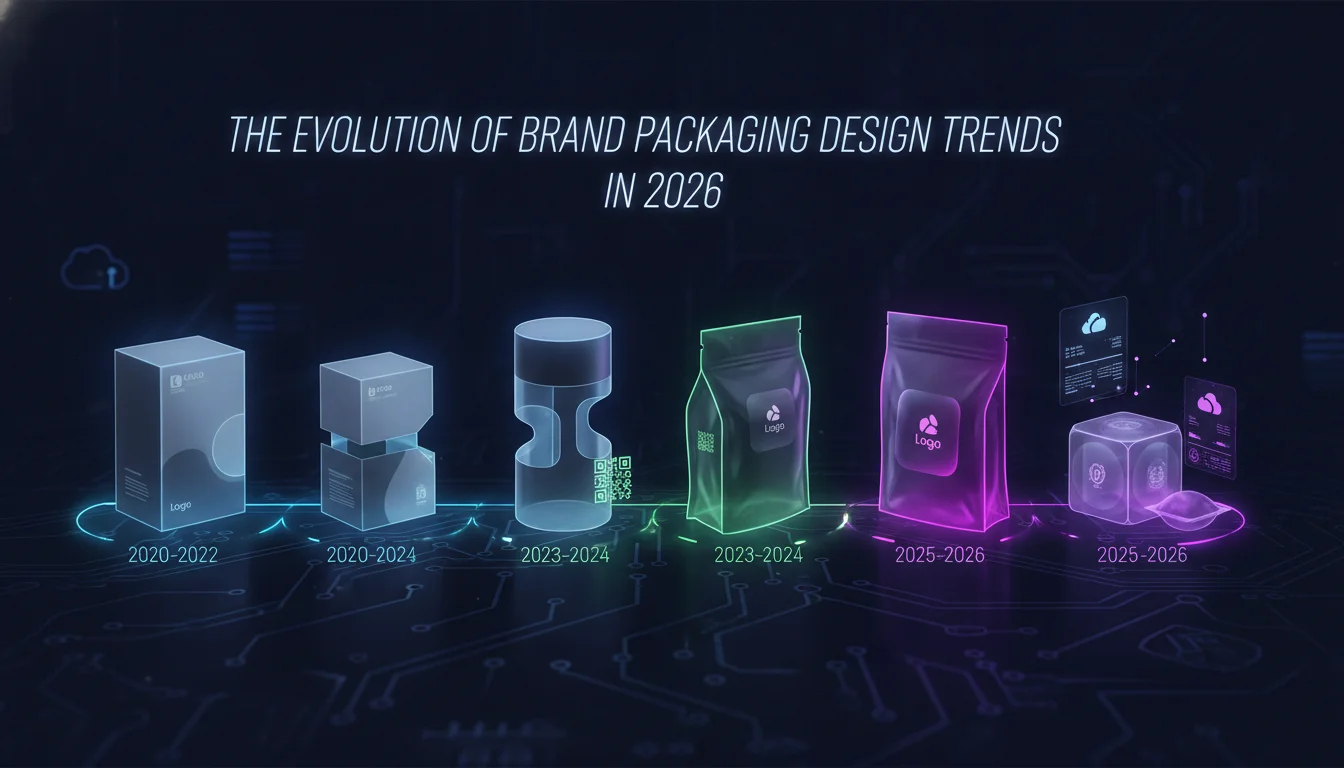
design trends in 2026 are defined by a profound shift: packaging must now deliver sensory delight, environmental responsibility, and inclusive accessibility, all while telling a compelling brand story. Packaging is no longer just a container. It is a strategic asset that drives consumer engagement and loyalty in an increasingly competitive market. As digital-native consumers demand more from the products they buy, the brands leading the pack are those that blend aesthetics, sustainability, and technology with intention.
From Functional to Experiential
this type of trends have evolved far beyond basic protection and information display. Today’s packaging serves as the first physical touchpoint between a brand and its customer, often making the crucial difference in purchase decisions. According to UPM’s Future of Packaging Design report, packaging has become “an increasingly vital part of the shopping experience and a way for brands to differentiate from competitors.” Every texture, color, and opening mechanism must be intentional and memorable. Nothing on the shelf is accidental anymore.
The Convergence of Aesthetics and Ethics
One of the most significant this kind of design trends is the merging of visual appeal with ethical substance. Consumers, particularly Gen Z, expect brands to demonstrate real commitment to sustainability, inclusivity, and transparency. Packaging is now a canvas where companies prove their values: using bio-based materials, embedding recycling instructions, and designing for accessibility. Beautiful packaging that ignores environmental or social concerns is no longer competitive. The most awarded designs, including those recognized by the Dieline Awards and Pentawards, combine striking visuals with positive impact.
Sensory and Emotional Packaging: Sparking Joy and Connection
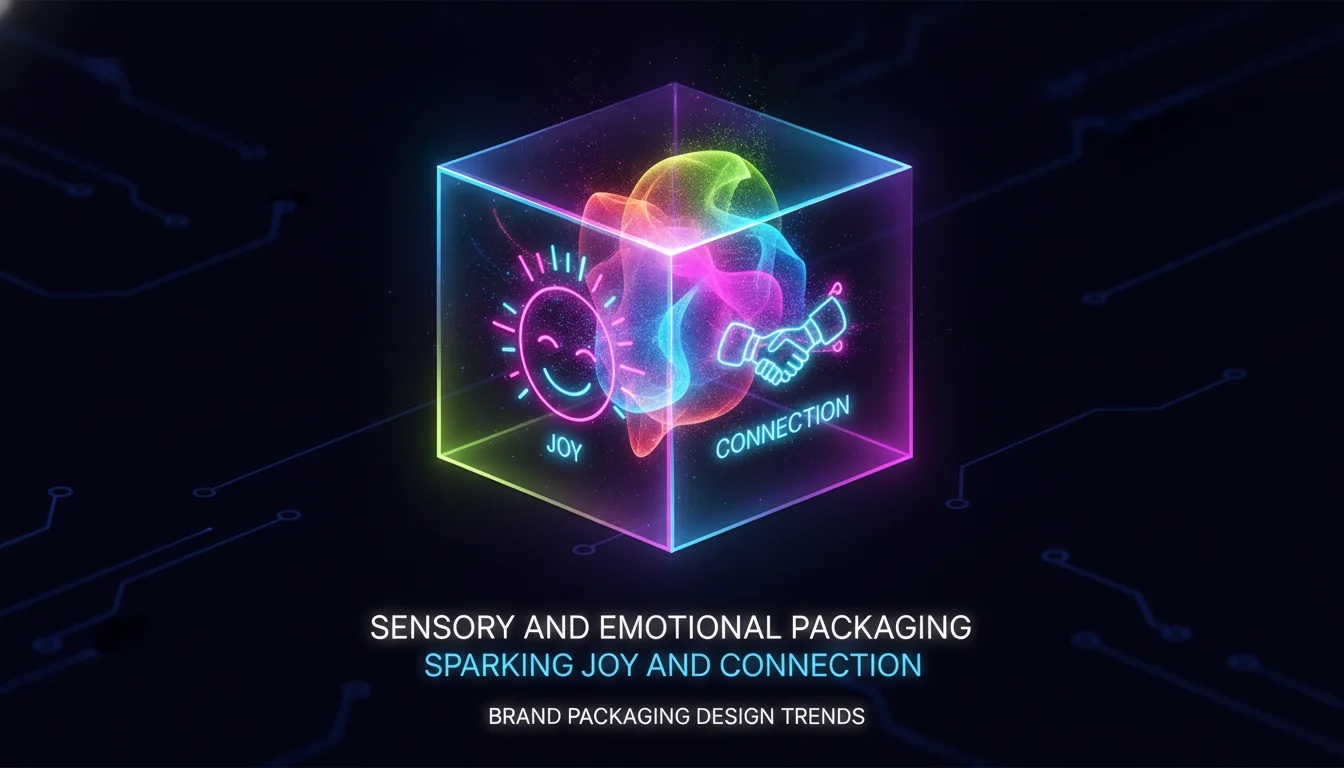
the packaging design trends are increasingly tapping into human psychology to create immediate emotional responses. With consumers bombarded by choices, packaging that triggers joy or calm can be the decisive factor. This trend shows up in two opposing but equally effective styles: dopaminergic explosions of color and bold-minimal serenity.
Dopaminergic Designs for Instant Mood Boosts
Dopaminergic packaging is a direct response to a world craving positivity. This style uses unexpected color combinations, abstract patterns, and a conspicuous absence of white space to ignite a visual dopamine hit. Packaging World describes it as “a mood-altering experience” rather than just a container. For Gen Z consumers, these vibrant designs are perfect for unboxing videos and social media posts, turning the product into a shareable asset. Brands adopting this approach often find their packaging becomes a form of escapist self-expression, aligning with the generation’s desire for authenticity and joy.
Bold-Minimalism: Clarity in a Cluttered World
At the opposite end of the sensory spectrum, bold-minimal packaging strips away all non-essential elements. Clean lines, stark contrasts, and oversized typography dominate. This style speaks to consumers’ appreciation for honesty and transparency, values that resonate strongly with Gen Z. By removing flashy distractions, bold-minimal packaging puts the product information and brand promise front and center. The aesthetic mirrors the clean interfaces of popular apps, making it naturally appealing to digital natives. According to Packaging World, this approach “feels honest and straightforward,” helping build trust in a skeptical market.
Neo-Vintage: Nostalgia with a Modern Twist
Neo-vintage packaging blends retro elements with contemporary design, creating a sense of familiarity and warmth. Gen Z, despite their youth, has shown a strong affinity for eras they never experienced firsthand. Brands are capitalizing on this by reimagining classic typography, muted color palettes, and old-school illustrations with a modern edge. Design&Paper notes that “the revival of nostalgic design elements alongside maximalist trends and hand-drawn illustrations enables brands to add authenticity and personality.” This blend of old and new offers consumers a comforting connection to an idealized past while remaining relevant and fresh.
Multi-Sensory Elements: Beyond the Visual
Sight is just the entry point. Design&Paper highlights that brands are increasingly using soft-touch coatings, scent-infused materials, and tactile finishes to engage consumers on multiple levels. Multi-sensory storytelling is becoming a key tool in building emotional connections, encouraging deeper brand engagement. Think of a candle brand whose outer box smells faintly of the product inside, or a skincare line whose matte packaging feels like the calm it promises. These details are not decorative. They are strategic.
Sustainability as a Driving Force in Brand Packaging
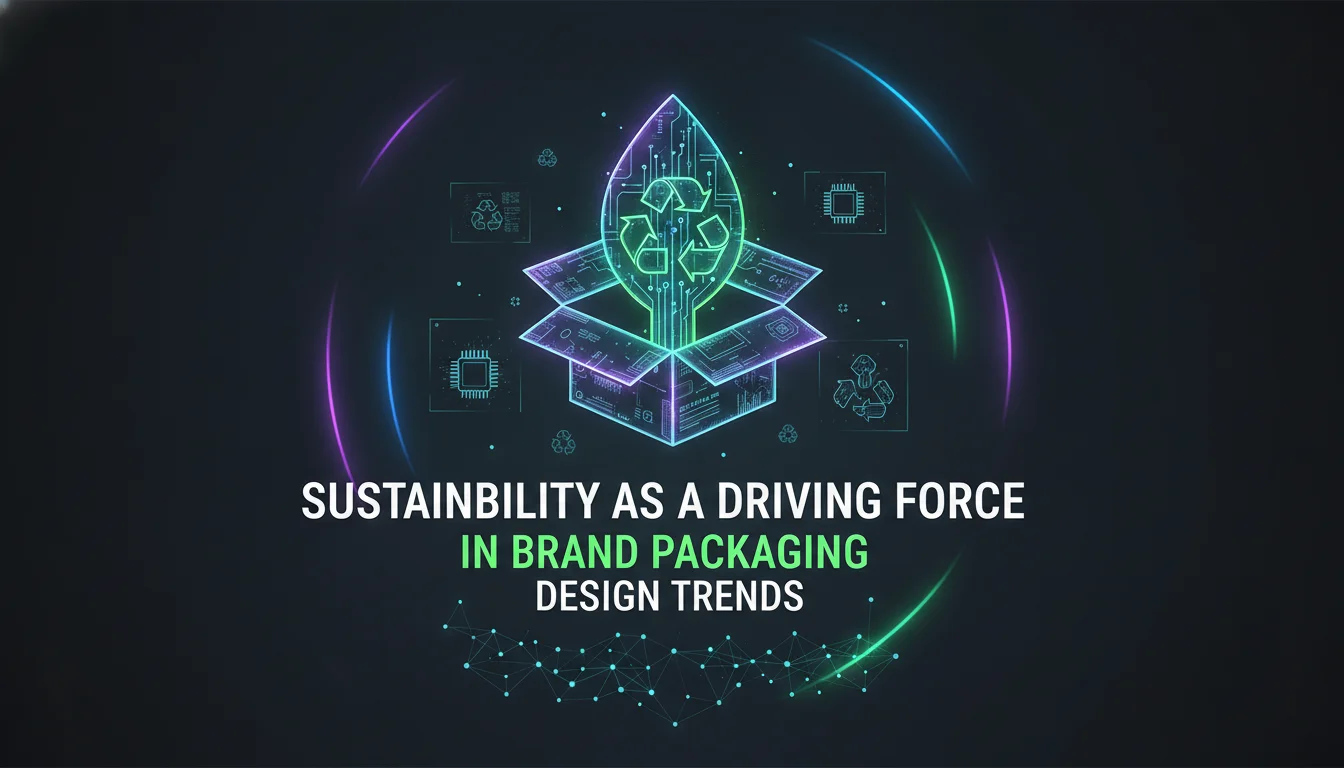
No discussion of trends can ignore the sustainability imperative. In 2026, eco-conscious packaging is no longer a differentiator. It is a requirement. The most advanced brands are moving beyond simple recyclability to circular models, bio-based materials, and innovative refill systems.
Plastic-Free Refills and Compostable Materials
The shift away from single-use plastics is accelerating. One of the standout brand packaging is the rise of refillable, durable containers paired with compostable or easily recyclable refill pods. Zenpack’s 2026 trend report highlights brands like Tilt Beauty, which combines ergonomic, accessible design with plastic-free refill systems. Compostable materials derived from agricultural waste or mycelium are also gaining ground, appealing to eco-conscious consumers who scrutinize a product’s entire lifecycle.
“Brands these days have to design for sustainability first.” – Adam Ryan, Head of Pentawards, via UPM’s Future of Packaging Design report
That quote encapsulates the fundamental shift now driving design trends across every category.
Single-Material and Lightweight Solutions
Complex multi-material packaging has long posed recycling challenges, so a key trend is single-material simplification. By using only one polymer or fiber, brands make packaging easier to recycle without compromising functionality. Lightweighting, which means reducing material use without sacrificing strength, is another critical strategy, especially for luxury categories. Zenpack describes “lightweight luxury” as a 2026 trend where premium brands use thinner glass, airy foams, and aluminum to convey quality while reducing carbon footprint and shipping costs. This meets environmental goals and resonates with consumers who equate heft with excess.
Carbon-Neutral Printing and Production
Sustainability does not stop at materials. Design&Paper notes that carbon-neutral printing processes are becoming a new standard in the industry. Brands are auditing their entire production chain, from ink formulations to energy sources in manufacturing facilities. For packaging that claims an eco-friendly identity, the production story matters as much as the finished box. Consumers are paying attention, and so are regulators.
Storytelling Through Bio-Based and Upcycled Materials
Materials themselves are becoming storytellers. Packaging made from ocean-bound plastics, agricultural byproducts, or upcycled waste carries a narrative that enhances brand value. Zenpack points to the trend of “cultural provenance,” where materials and designs reflect a product’s geographic origins or community impact. A coffee brand might use bags woven from recycled local fibers, instantly communicating its connection to the growers. This authenticity resonates deeply with consumers seeking products with a positive impact.
How Inclusive Design is Shaping Brand Packaging Trends
Inclusivity is one of the most significant this type of trends reshaping the industry. What was once a niche consideration for a small subset of consumers is now a mainstream expectation and a competitive advantage.
Packaging for All Abilities
Accessible packaging design incorporates features like easy-grip shapes, Braille labeling, high-contrast typography, and single-handed opening mechanisms. Tilt Beauty, recognized by both the Dieline Awards and Pentawards, exemplifies this trend. The brand created packaging that could be used comfortably by people with chronic pain, low vision, or limited dexterity, without sacrificing aesthetic appeal. Features include ribbed grips, audible closure clicks, and raised lettering. Such designs prove that functionality and beauty can coexist, and that inclusive this kind of design trends benefit everyone, not just those with disabilities.
The Business Case for Accessibility
Adopting inclusive packaging is not merely ethical. It is economically smart. A significant portion of the global population lives with some form of disability, representing a substantial and loyal market segment. Brands that ignore accessibility miss out on a vast customer base. Inclusive design also leads to innovations that improve usability for all consumers. Think of the original OXO Good Grips kitchen tools, designed for people with arthritis and adopted by everyone. As Zenpack notes, “Accessibility is no longer a side note. It’s becoming a design standard.” This brand packaging design trend is now being integrated at the concept stage rather than treated as an afterthought.
Gender-Neutral and Inclusive Aesthetics
Moving beyond functional accessibility, the packaging design trends are embracing gender-neutral visuals. Gone are the days of pink for girls and blue for boys. Modern packaging uses neutral tones, abstract graphics, and unisex typography to appeal across gender identities. Design&Paper highlights that “design that embraces gender-neutrality, honest storytelling, and circular economy” is a key driver in 2025 and 2026. This shift aligns with younger generations’ rejection of rigid gender norms and their preference for brands that champion inclusivity in every detail.
Smart Packaging: The Digital Layer in Brand Packaging Design Trends
Technology is reshaping trends by adding interactive digital layers. Smart packaging turns a conventional box into a data channel, a marketing platform, and a personalized experience hub.
QR Codes and NFC for Interactive Experiences
QR codes, re-popularized during the pandemic, have evolved into sophisticated portals. They now link to augmented reality experiences, supply chain transparency information, recycling instructions, or exclusive content. Near-field communication tags allow a simple tap to authenticate products, reorder subscriptions, or access immersive brand stories. Creative Retail Packaging observes that “smart packaging is becoming a data channel,” allowing brands to gather real-time consumer insights while offering genuine value. This dual purpose makes smart packaging one of the most impactful brand packaging right now.
AI-Driven Personalization and Data Insights
Artificial intelligence is enabling hyper-personalized packaging at scale. AI algorithms can analyze consumer data to generate unique designs for limited batches or even individual units. A beverage brand might print names, occasion-specific messages, or localized graphics on labels. Design&Paper confirms that “AI-driven personalization allows for hyper-customized designs.” Beyond aesthetics, smart packaging sensors can monitor freshness, temperature, or handling, communicating with supply chain systems to ensure product integrity. This convergence of physical and digital redefines the relationship between product and consumer.
“Smart packaging is becoming a data channel” – Creative Retail Packaging, Packaging Trends 2026 report. Brands that treat the package as a passive object are leaving real consumer insight on the table.
Cultural Authenticity and Storytelling through Design
design trends are increasingly rooted in genuine cultural narratives, local sourcing, and artisanal craftsmanship. In an age of globalized mass production, consumers crave products with a sense of place and purpose.
Neo-Vintage and Nostalgia Marketing
Neo-vintage packaging draws on collective memory and nostalgia. But it goes deeper than aesthetics. It often revives traditional production techniques or historical brand legacies. Limited-edition retro packaging can create a sense of urgency and collectibility, driving sales among both older consumers reliving memories and younger ones discovering a romanticized past. This brand packaging design trend works because it combines emotional connection with a story that feels authentic and enduring.
Locally Sourced and Artisanal Narratives
Cultural provenance is a powerful storytelling tool. Packaging that incorporates local materials, traditional patterns, or indigenous artwork communicates origin and community investment. A tequila brand might use labels handmade by local artisans, with a QR code linking to a video about the makers. Zenpack’s report emphasizes “cultural provenance and authenticity” as a major trend, noting that these designs stand out on shelves crowded with generic global packaging. By fully embracing local identity, brands build deeper loyalty and justify premium pricing.
Cross-Industry Collaborations Unlock New Creativity
An emerging facet of brand packaging design trends is collaboration between brands from different sectors or between brands and artists. These partnerships yield unexpected, limited-edition packaging that generates buzz and attracts new audiences. A beauty brand might collaborate with a contemporary painter for a vibrant collection, or a food company might pair with a ceramicist for reusable jars. Zenpack lists “cross-industry collaborations” as one of its 2026 trends, highlighting how such alliances inject fresh creativity and cultural relevance into packaging.
The E-commerce Influence on Packaging Innovation
The explosive growth of online shopping has permanently altered brand packaging design trends. Packaging must now survive shipping, delight recipients, and represent the brand in a digital-first journey.
Designing for the Unboxing Moment
Unboxing videos have turned packaging into performance. Every layer, tissue, and insert becomes part of a scripted reveal that can reach millions. This means e-commerce packaging is no longer just protective. It is designed to be filmed. Elements like custom printed inner boxes, personalized notes, and surprise samples turn a routine delivery into a shareable event. UPM’s report notes that packaging must now “translate the visceral and tactile impact of physical products into the digital space.” Brands that master the unboxing experience enjoy free organic marketing and higher customer retention.
Protective and Sustainable E-commerce Solutions
The spectacle cannot come at the cost of protection or sustainability. E-commerce packaging must withstand rough handling while minimizing waste. This has led to innovations in engineered paper cushioning, reusable mailers, and right-sized boxes that eliminate the need for plastic void fill. Creative Retail Packaging points out that consumer experience now includes “packaging that feels personal” from the moment it arrives. Balancing robustness, brand expression, and eco-friendliness is a central challenge of current brand packaging design trends.
Return-Ready and Reusable Packaging Systems
More brands are designing packaging that consumers can use to return products or that serves a secondary purpose. A fashion brand might ship items in a garment bag that doubles as a return envelope. Some drink brands now sell reusable metal bottles with subscription refills delivered in compostable pods. This circular approach reduces waste and strengthens the ongoing brand-consumer relationship. It is a practical application of the circular economy principles that underlie many brand packaging design trends today.
Luxury Reimagined: Lightweight and Refillable Prestige
The definition of luxury in brand packaging design trends is shifting from excess to understated elegance combined with functional sustainability. Heavy glass and ornate closures are giving way to lightweight materials and clever refill systems that maintain a premium feel.
The Rise of Refillable Packaging in Premium Markets
Refillable packaging is no longer confined to eco-brands. It is now a hallmark of prestige. High-end skincare, fragrance, and spirits brands are launching refill formats that preserve the luxury unboxing while reducing waste. A beautifully designed outer vessel that the consumer keeps and cherishes builds brand loyalty far beyond a single purchase. Zenpack calls this “refillable prestige,” noting that aluminum is experiencing a comeback as a lightweight, infinitely recyclable material that exudes quality. This trend aligns with consumer willingness to invest in durable, beautiful objects that also reduce environmental impact.
Aluminum and Glass: The New Luxury Materials
Aluminum bottles, jars, and tubes are appearing in premium beauty and beverage categories. They offer a sleek, modern aesthetic while being easy to recycle. Glass, though heavier, is evolving through lightweighting techniques that use less material without sacrificing clarity or strength. Both materials convey purity and sophistication, fitting the minimalist luxury narrative. These material choices reflect a brand packaging design trend that equates quality with sustainability rather than sheer weight or ornamentation.
Minimalist Aesthetics in High-End Design
In luxury packaging, less is increasingly more. Stripped-back design with thoughtful details, like debossed logos, magnetic closures, or texture contrast, communicates exclusivity quietly. This resonates with consumers who seek products that feel personal and considered rather than mass-produced. It also reduces material use, aligning with sustainability goals. The result is packaging that feels like a gift, even before the product is revealed.
Step-by-Step: Implementing Brand Packaging Design Trends
Integrating the latest brand packaging design trends into your product line can feel daunting, but a structured approach ensures success. Follow these steps to strategically adopt innovations that align with your brand identity and consumer expectations.
Step 1: Audit Your Current Packaging
Begin by evaluating your existing packaging against the major brand packaging design trends. Assess aesthetics, sustainability, accessibility, and digital integration. Gather feedback from customers, review competitor benchmarks, and calculate your packaging’s environmental footprint. Identify quick wins, such as removing unnecessary layers or improving legibility, and areas that require a more fundamental redesign.
Step 2: Identify Relevant Trends
Not every trend suits every brand. A luxury skincare brand might prioritize refillable systems and inclusive design, while a snack food brand may focus on bold-minimal graphics and compostable materials. Study your target demographic’s values: Gen Z consumers might respond to dopaminergic colors and smart features, while an older demographic may value accessibility and neo-vintage authenticity. Select two to three trends that complement your brand story and product category.
Step 3: Prototype and Test with Consumers
Develop prototypes that incorporate your chosen brand packaging design trends. Test them with real consumers, paying attention not only to visual appeal but also tactility, ease of use, and unboxing experience. Use A/B testing for online campaigns to gauge which designs drive more clicks and conversions. Iterate based on feedback before finalizing production. Even the most innovative packaging will fall flat if it does not resonate with the end user.
Comparison Table: Traditional vs. Trend-Driven Brand Packaging
| Aspect | Traditional Packaging Approach | 2026 Trend-Driven Approach |
|---|---|---|
| Design Focus | Brand logo, basic product info | Sensory experience, storytelling, unboxing theatrics |
| Sustainability | Often an afterthought; single-use plastics common | Circular systems, refillable/compostable materials, lightweighting |
| Inclusivity | One-size-fits-all; no accessibility features | Ergonomic grips, Braille, high-contrast, easy-open mechanisms |
| Technology | Static; no digital interaction | QR codes, NFC, AR experiences, AI personalization |
| Consumer Connection | Informative, transactional | Emotional, shareable, value-aligned |
| Materials | Generic; often mixed materials hard to recycle | Single-material, bio-based, upcycled; tactile finishes |
The Future of Brand Packaging Design Trends
Brand packaging design trends in 2026 represent a fundamental rethinking of what packaging can and should achieve. No longer a passive wrapper, packaging is now an active participant in the brand-consumer relationship: a sensory stimulant, a sustainability statement, an accessibility advocate, and a digital portal. The most successful brands will be those that view these trends not as separate checkboxes but as interconnected pillars that, when combined, create a complete and unforgettable product experience. As consumer expectations continue to rise, staying ahead of brand packaging design trends will be essential for relevance, loyalty, and growth.
Ready to rethink your packaging from the ground up? Contact Emin Media for a free brand consultation and let’s build something bold together.
Frequently Asked Questions
What are the key brand packaging design trends for 2026?
Key trends include sensory packaging such as dopaminergic and bold-minimal styles, sustainable refills and compostable materials, inclusive and accessible design, smart packaging with QR and NFC technology, cultural storytelling, and lightweight luxury. These trends reflect changing consumer expectations around aesthetics, ethics, and digital engagement.
What are the packaging trends for Gen Z consumers?
Gen Z preferences drive dopaminergic designs full of joyful color, bold-minimal authenticity, neo-vintage nostalgia, and clear sustainability messaging. Packaging that is shareable on social media and visually distinctive in unboxing videos is especially effective with this demographic, according to Packaging World’s analysis of Gen Z-driven design shifts.
Why is sustainable packaging becoming a dominant trend?
Consumer awareness and regulatory pressure are making sustainability a baseline requirement rather than a differentiator. Brands are responding with plastic-free refills, single-material designs, and bio-based materials to reduce waste and carbon footprints. As Adam Ryan of Pentawards states, brands now have to design for sustainability first.
What role does technology play in modern packaging design?
Technology enables interactive experiences via QR codes and NFC, personalized designs through AI, and smart sensors for product monitoring. Creative Retail Packaging describes smart packaging as “a data channel,” turning the physical package into a real-time source of consumer insights and brand engagement.
How can small brands adopt these trends without a large budget?
Small brands can start with low-cost changes like switching to recycled materials, simplifying graphics for a bold-minimal look, or adding a QR code that links to the brand story. Testing a refill model in local markets before scaling is another practical entry point that builds loyalty without requiring a full packaging overhaul.
Enjoyed this article?
Contact Emin Media for a free brand consultation and let's create something amazing together.
Get in TouchRelated Articles
Digital Marketing for Creatives: A Bold Guide
Digital marketing for creatives builds real visibility and sales. Learn strategies for social media, SEO,…
Branding & Design Agency Tips That Actually Work
Discover branding and design agency tips to choose the right partner, set clear goals, and…
Creative Agency Pitch Deck Tips That Win Clients
Master creative agency pitch deck tips that win clients in 2026. Learn storytelling, design, and…