Brand Identity Package: What’s Included & Pricing
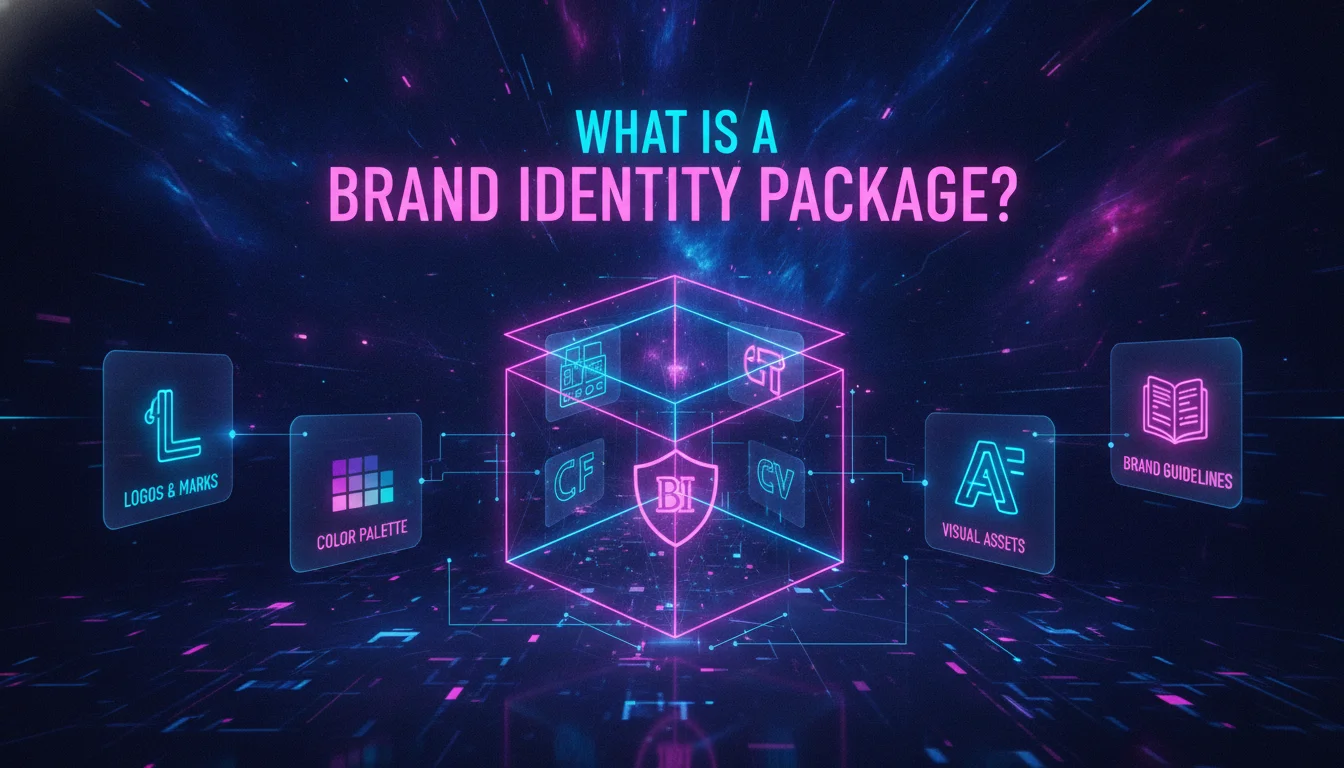
A brand identity package is a structured collection of visual assets and guidelines, including logo design, color palette, typography, usage rules, and graphic elements, that creates a consistent brand image across every touchpoint. Compare core deliverables, optional extensions, and pricing tiers before purchasing.
Key Takeaways
- Core inclusions: Every identity package should include logo design, logo usage guidelines, color palette, typography, and graphic elements.
- Optional extensions: Photographic style guidelines, illustrations, tone of voice guides, print assets, social media templates, and digital assets vary by package and budget.
- Pricing range: Agency branding packages range from $5,000 to $100,000 depending on scope, while marketplace digital downloads can start around $292.
- Package tiers matter: Compare Basic vs. Complete deliverables and timelines before choosing. Selah Creative Co. offers 5-week and 6-week options as a useful benchmark.
- Vet before you buy: Request portfolio examples, confirm final file formats, and review usage guidelines before committing to any package.
What Is a Brand Identity Package?
Definition and Core Purpose
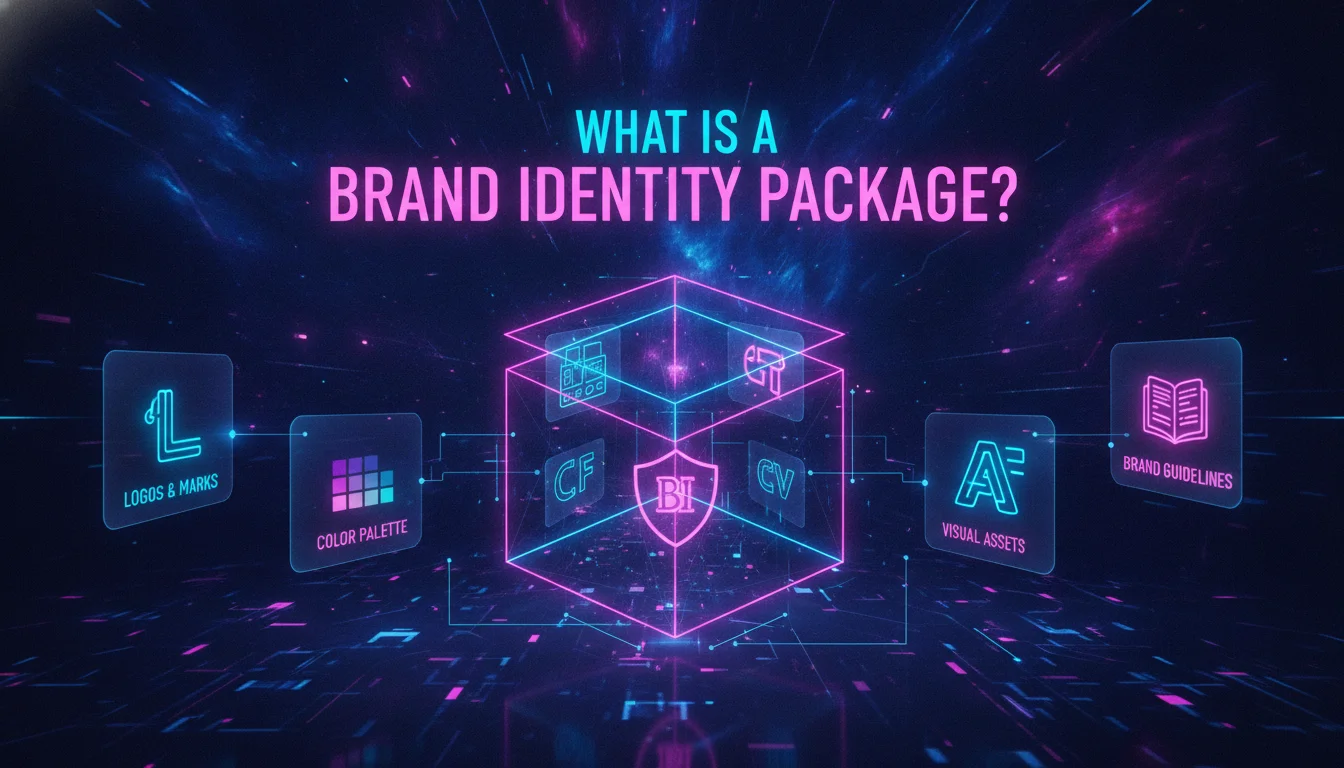
A this type of package is a structured collection of visual assets and guidelines that define how a brand looks across every touchpoint. It is not a single logo file. It is a system that keeps logos, colors, typefaces, and supporting visuals consistent. According to Sublimio, the content of a this kind of package can vary depending on the project, but some elements are non-negotiable.
A branding package is a broader term that refers to all the visual assets needed to create a cohesive brand image, as defined by Dribbble’s branding package guide. Examples include business cards, email templates, color palettes, product packaging, and anything else that supports a memorable identity.
Why Package Structure Matters for Buyers
If you’re ready to purchase a brand identity, you’re likely comparing agencies, freelancers, and template marketplaces. The real risk is paying for a logo and receiving zero guidance on how to use it. A complete package reduces that risk by giving you the rules and assets to execute consistently. The package structure itself is a product: you should know exactly which files, formats, and guidelines you’ll receive before you pay.
Pros and Cons of Investing in a Brand Identity Package
Pros
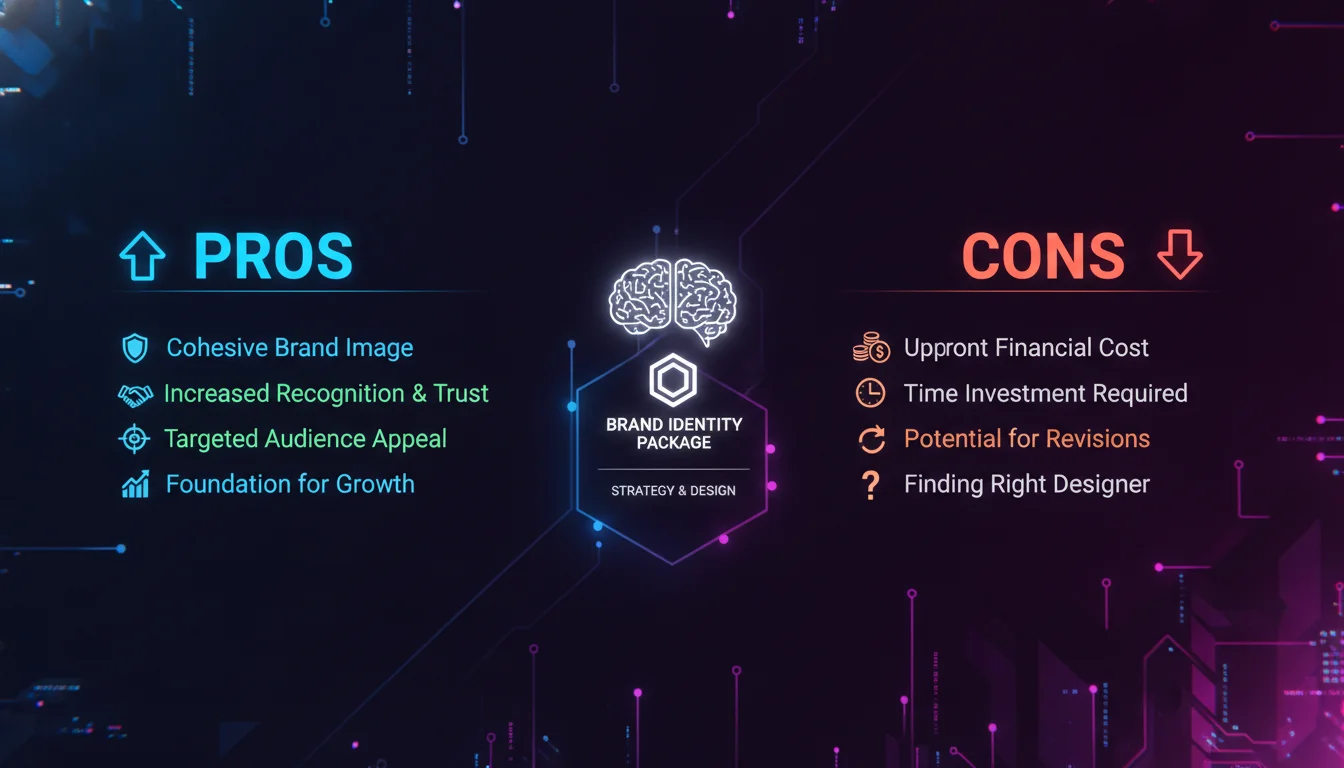
- Consistency across every channel: A complete package gives you the rules to apply your brand correctly in print, digital, and social, without guessing.
- Faster execution: Ready-made templates and style guides mean your team, freelancers, and vendors can produce on-brand work without constant oversight.
- Stronger first impressions: According to Dribbble, well-designed logos help customers form emotional connections to brands. A full identity system amplifies that effect beyond the logo alone.
- Scalability: A structured identity package grows with your business. Adding new channels or products doesn’t require starting over from scratch.
- Reduced revision cycles: Clear usage guidelines cut down on back-and-forth with designers and vendors, saving time and budget over the long run.
Cons
- Upfront cost: Agency packages can reach $100,000 for full-scope work. Even mid-range options require a meaningful budget commitment before you see results.
- Time investment: A structured process takes weeks, not days. Selah Creative Co.’s packages run 5 to 6 weeks, and more complex agency engagements take longer.
- Over-engineering for early-stage brands: A solo founder or pre-revenue startup may not need four social media templates and a full collateral suite on day one.
- Marketplace limitations: Budget-friendly digital downloads often lack full usage guidelines and customization, which can create consistency problems down the line.
Core Deliverables of a Brand Identity Package
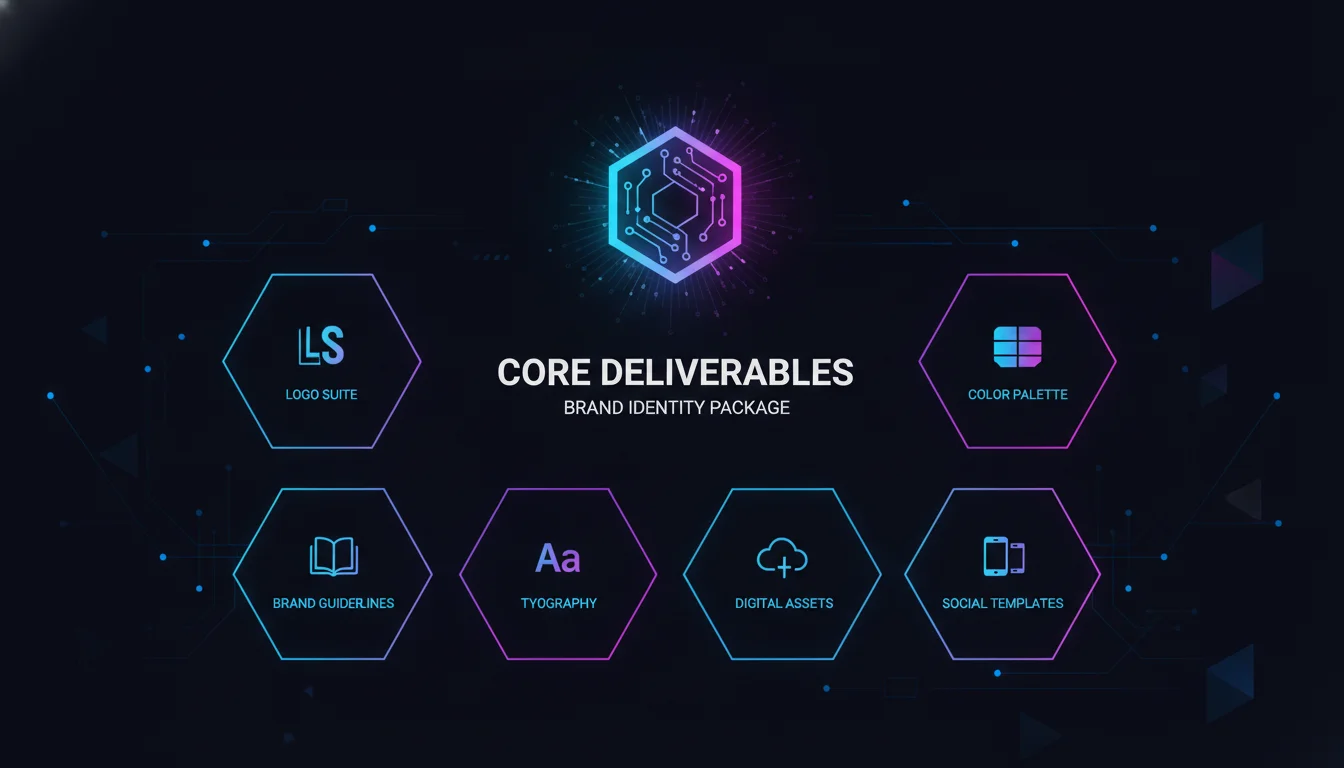
According to Sublimio, a this type of package should always include five core elements: logo design, logo usage guidelines, color palette, typography, and graphic elements. These are the minimum. Without them, you’re not really getting an identity at all.
Logo Design and Logo Usage Guidelines
Your logo is the foundation of a this kind of package. Whether you’re starting from scratch or refreshing an existing mark, the decisions made here shape every asset that follows. Logo usage guidelines are an operational document that explains what to do and what not to do with your logo. Unlike a brand bible, usage guidelines don’t typically include values, tone of voice, or style suggestions. They focus on clear rules: minimum size, clear space, color variations, and incorrect usage examples.
Color Palette and Typography Standards
A color palette is a set of brand colors with specific codes for web, print, and possibly other media. It usually accompanies the logo but can extend beyond logo colors. Typography is the selection of typefaces a brand uses across print and digital. These aren’t necessarily the same fonts that appear in the logo. They need to cover a wide range of uses, from headlines to body copy, and should be chosen with that range in mind.
Graphic Elements and Visual Devices
Graphic elements are visual devices used on communication materials to make a brand recognizable. This can include frames, patterns, icon styles, or any flexible visual cue. Including graphic elements in a brand identity matters because they allow a brand to come to life beyond the logo, supporting consistent recognition across social posts, packaging, and presentations.
Optional Brand Identity Package Extensions
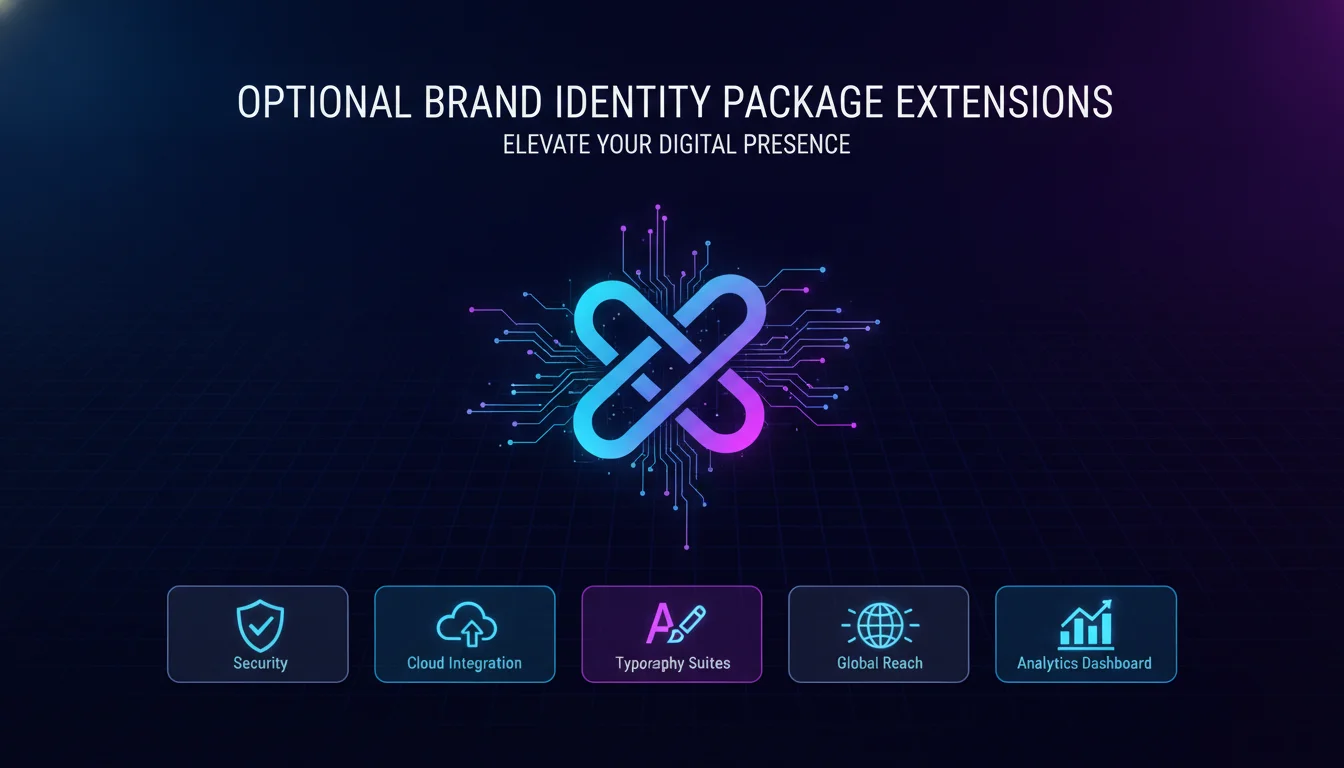
A identity package can include additional items that add depth or make day-to-day work easier. These aren’t always necessary, but they often determine whether a package feels complete for your specific launch or rebrand.
Photographic Style Guidelines, Illustrations, and Tone of Voice
Photographic style guidelines define the mood of photos you shoot, select, or license for brand communication. A set of illustrations, either original or purchased, can extend the visual system. A tone of voice guide tells you how to write copy in the voice of the brand. These extensions matter most if you plan to produce content at scale or work with outsourced creators who need clear direction.
Print Assets for Offline Branding
Print assets such as business cards and letterhead used to be included in all this type of packages, but today not every brand requests them. Some businesses are purely digital. Other common print assets include brochures, packaging, and bags. If your path includes in-person events, unboxing experiences, or physical sales, confirm these assets are part of your package before signing.
Digital and Social Media Assets
Digital assets such as email signatures and direct email marketing templates ensure your brand communicates consistently across outbound channels. Social media assets are commonly part of a this kind of package because setting up social channels is often one of the first things a new brand does. This typically includes profile images, templates for post creation, and sometimes social bios.
Brand Identity Package Pricing: What to Expect
Pricing for a brand identity varies widely by provider, scope, and complexity. Dribbble’s branding package guide notes that branding packages can cost anywhere between $5,000 and $100,000 depending on the agency and the size of the package.
What Agencies Typically Charge
Agency packages at the lower end often include core deliverables and a light set of guidelines. Higher-end packages include strategy workshops, multiple logo variations, full brand guidelines, and rollout support. According to Selah Creative Co., a Basic identity package is delivered over 5 weeks, while a Complete this type of package is delivered over 6 weeks. Those timelines signal a structured process, not a quick logo file drop.
Marketplace and Template Options
Marketplace options provide an alternative for smaller budgets. On Etsy, digital branding packages with primary and alternate logos, brand marks, and color palettes appear as digital downloads. These packages are typically more limited in customization and usage guidelines, so confirm file formats and rights before purchasing.
Comparing Package Tiers and What to Ask
The table below compares common tiers using publicly listed deliverables from Selah Creative Co. and pricing guidance from Dribbble. Use it as a starting point, not a universal standard.
| Package Type | Typical Inclusions | Timeline or Price | Best For |
|---|---|---|---|
| Basic Brand Identity (Selah Creative Co.) | Mood board, primary logo, secondary logo, brandmark, curated color palette, typography selection, brand style board | 5 weeks | New businesses needing a cohesive starter kit |
| Complete Brand Identity (Selah Creative Co.) | Basic deliverables plus website favicon, one collateral design, four social media templates, brand style guide, final design files | 6 weeks | Growing brands ready for print and digital launch |
| Agency Custom Branding Package | Logo design, color palettes, typography, business cards, email templates, product packaging | $5,000–$100,000 depending on agency and package size | Businesses needing full strategy and rollout |
| Etsy Digital Branding Package | Primary and alternate logos, brand marks, color palette | Starting around $292 per digital download | Budget-conscious buyers needing ready-made identity assets |
Logo Variations and Submarks: Building Flexibility
Logo variations give your brand the flexibility to show up correctly across every format, from billboard to browser tab. For best results, your this kind of package should include several variations of your custom logo.
Primary, Secondary, and Brandmark Logo Files
Your primary logo may look great in print, but smaller submarks are essential for social avatars, favicons, and packaging. A complete brand identity often includes a primary logo, a secondary logo, and a brandmark. The brandmark is a simplified symbol or icon that can stand alone when space is limited.
Why Logo Variations Matter
Having multiple versions of a logo makes it easier to build a consistent identity across all formats. Whether you operate a small business or a large corporation, logo color schemes and fonts should stay consistent. That consistency makes it easier for customers to associate variations and submarks with your overall brand, according to Dribbble’s branding guide.
Color, Typography, and Graphic Elements
These three elements do the heavy lifting after the logo. A identity package that includes only a logo without supporting color and type rules will quickly become inconsistent in the real world.
Curated Color Palette and Codes
A color palette contains all the brand colors you use to create signage, product packaging, stationery, social media headers, and other promotional materials. The colors you choose should represent your brand’s personality and strive to connect emotionally with your target audience. A proper this type of package will contain a detailed palette with color codes for web, print, and possibly other media.
“Refersion is an online platform that specializes in affiliate marketing. Our goal was to present Refersion as a trustworthy, professional brand while maintaining their familiar and dedicated approach to customer service.” – Balkan Brothers, Branding Agency
Typography Selection Across Print and Digital
Typography is a fundamental element of brand identity and requires real attention. The this kind of package defines what typefaces your brand uses in print and digital. These typefaces should be carefully selected to cover a wide range of uses, from long-form reports to social captions, so nothing looks off-brand regardless of context.
“The content of a brand identity can vary depending on the project, but there are some immutable elements.” – Matteo Modica, Founder and Creative Director, Sublimio
Graphic Elements for Recognizability
Graphic elements are visual devices that help the brand remain recognizable even when the logo is not the focal point. This could be a certain kind of frame, a pattern, or a repeating icon style. Used consistently, graphic elements become a signature part of the visual identity, giving your brand a presence that extends well beyond a single mark.
Print, Digital, and Social Media Assets
Depending on your business model, a identity package may include print, digital, and social assets that turn the visual system into everyday tools your team can actually use.
Business Cards, Letterhead, and Collateral
Print assets like business cards and letterhead used to be standard in all packages, but now they’re optional for purely digital brands. If you attend events or send physical mail, confirm that at least one collateral design is included. Selah Creative Co.’s Complete this type of package includes one collateral design, such as a business card, as part of its deliverables.
Social Media Templates and Profile Images
Social media assets are quite commonly part of a this kind of package. A complete package may include profile images for platforms and templates for creating new posts. Selah Creative Co.’s Complete package lists four social media templates among its deliverables, giving you a ready-to-use foundation for consistent posting from day one.
Email Signatures and DEM Templates
Digital assets such as email signatures and direct email marketing templates ensure brand consistency in outbound communication. These are especially useful for service businesses that rely on email outreach and newsletters. Confirm whether your package includes editable templates and what software they’re built for before you sign off.
AI-Generated Brand Assets: A New Option Worth Knowing
AI-powered design platforms have added a new tier to the brand asset market. Tools that generate logos, patterns, and visual elements at speed are now part of how some studios and solo founders build early-stage identities. Platforms like Magnific, part of the Freepik ecosystem, offer AI-generated imagery and design assets that can supplement a brand identity package. These tools work best as a starting point or a production accelerator, not a replacement for strategic brand thinking. If you’re evaluating AI-generated assets, apply the same vetting criteria you’d use for any package: confirm file formats, usage rights, and whether guidelines are included.
Step-by-Step Process for Evaluating Packages
Use this process to compare brand identity package offers without getting lost in creative portfolios.
- Step 1: Inventory your core assets. List what you already have: logo files, color codes, fonts, templates, and guidelines. If you’re starting from zero, prioritize the five core elements identified by Sublimio: logo design, logo usage guidelines, color palette, typography, and graphic elements.
- Step 2: Compare deliverable lists. Separate must-haves from nice-to-haves. Check whether each package includes logo variations, color codes, typography rules, and at least a basic style guide or usage guidelines.
- Step 3: Request portfolio examples and confirm final files. Ask for case studies that show real applications, not just logo mockups. Confirm file formats, ownership, and whether final design files are included. This is especially important for marketplace purchases where rights can vary.
A brand identity package is an investment in operational consistency. By comparing core deliverables, optional extensions, pricing tiers, and vetting steps, you can choose a package that matches your launch goals without paying for assets you’ll never use. Ready to build something that actually represents your brand? Contact Emin Media for a free brand consultation and let’s create an identity worth owning.
Frequently Asked Questions
What is a brand identity package?
A brand identity package is a structured set of visual assets and guidelines, including logo design, color palette, typography, usage rules, and graphic elements. It ensures brand consistency across print and digital touchpoints, giving your team and vendors the tools to apply your brand correctly every time.
How much does a full brand identity package cost?
According to Dribbble, agency branding packages can cost between $5,000 and $100,000 depending on agency and package size. Marketplace digital downloads can start around $292, but may lack full usage guidelines and customization options.
What should be included in a basic logo design package vs a full brand identity package?
A basic logo package often includes a primary logo and maybe a color palette. A full brand identity package adds secondary logos, brandmarks, typography selection, graphic elements, usage guidelines, and possibly print or social templates, giving you a complete system rather than a single asset.
What are the five pillars of brand identity?
The five pillars are commonly described as brand positioning, brand personality, brand story, visual identity, and brand voice. A brand identity package primarily addresses the visual identity pillar while providing tools that support the others.
What is a brand identity example?
A brand identity example is a real-world application of logos, colors, typography, and graphic elements working together. Dribbble’s guide features Refersion, an affiliate marketing platform, as an example of a trustworthy, professional identity system built by Balkan Brothers.
Do I need a brand identity package if I already have a logo?
Yes. A logo alone cannot maintain consistency across all touchpoints. A brand identity package provides the rules, color codes, typefaces, and templates needed to apply that logo correctly in print and digital, so your brand looks intentional rather than improvised.
Enjoyed this article?
Contact Emin Media for a free brand consultation and let's create something amazing together.
Get in TouchRelated Articles
Digital Marketing for Creatives: A Bold Guide
Digital marketing for creatives builds real visibility and sales. Learn strategies for social media, SEO,…
Branding & Design Agency Tips That Actually Work
Discover branding and design agency tips to choose the right partner, set clear goals, and…
Creative Agency Pitch Deck Tips That Win Clients
Master creative agency pitch deck tips that win clients in 2026. Learn storytelling, design, and…