Brand Authenticity Marketing: Build Real Trust

Key Takeaways
- Brand authenticity marketing is the practice of promoting a brand’s genuine values, mission, and identity to build lasting trust with consumers.
- Authenticity rests on three pillars: transparency, consistency, and genuine engagement.
- Brands that tell real stories and align values with marketing strategy create emotional connections that outlast any campaign.
- Measuring authenticity requires a mix of qualitative feedback and quantitative performance signals.
- Common mistakes include performative purpose-washing, inconsistent messaging, and chasing trends that conflict with core values.
- As of 2026, AI-generated content has raised the stakes: audiences are sharper than ever at detecting brands that feel manufactured.
What is Brand Authenticity Marketing?

Brand authenticity marketing is the practice of promoting a brand’s genuine values, mission, and identity so consumers feel a real, trustworthy connection rather than a polished sales pitch. It’s not a campaign tactic. It’s an operating philosophy that shapes every touchpoint, from your Instagram caption to your return policy.
Think about the last brand that made you feel something. Not impressed by a clever ad, but actually moved. That feeling is authenticity at work. It’s the difference between a brand you buy from and a brand you believe in.
According to a survey cited by Social Media Today, 90% of millennials say brand authenticity is a key factor in their purchasing decisions. Among that group, roughly half would recommend the brand to peers and pledge ongoing loyalty. Those aren’t vanity metrics. That’s compounding brand equity.
“Authenticity creates trust, which enables your community to actually support you in whatever it is that you’re doing.” – Cayman Rojas, Creator Manager at LinkedIn, via Harvard Business School Online’s Personal Branding course
Why Authenticity Has Become Non-Negotiable in 2026

Authenticity in marketing has shifted from a nice-to-have into a baseline consumer expectation, especially as AI-generated content floods every channel. Audiences have developed a finely tuned radar for brands that perform values rather than live them. The brands winning right now are the ones that were already doing the real work before it became a trend.
HawkPartners’ research captures this shift well. In focus groups across suburban Los Angeles, everyday shoppers used the same word repeatedly: they want brands to be more authentic. Specifically, they want to connect with brands beyond their products. They want to know what a brand believes in and see it live up to those beliefs.
A Brand Builders Group report found that 67% of Americans are willing to spend more with companies whose founders’ personal brands align with their values. That’s not a niche preference. That’s a mainstream purchasing driver.
As of 2026, the pressure has intensified. Consumers are conducting deeper research before buying, going directly to brand and retailer sites rather than relying on search engines or marketplaces. They’re not just evaluating products. They’re evaluating people, values, and track records.
“Authenticity is not only a buzzword, but a true driver of how consumers are making purchase decisions.” – HawkPartners Brand Authenticity Index
How Brand Authenticity Marketing Actually Works

authenticity marketing works by closing the gap between what a brand says and what it actually does, creating a consistent experience that consumers can trust across every interaction. It’s less about messaging strategy and more about organizational alignment.
Here’s the underlying mechanic: trust is built through repeated, consistent experiences. Every time a brand delivers on a promise, it deposits into a consumer’s trust account. Every time it doesn’t, it makes a withdrawal. Authentic brands run a surplus. Performative brands overdraft.
The three core mechanics are:
- Inside-out alignment: Authenticity starts internally. Your brand’s external messaging must reflect your internal culture, values, and how you treat employees. If your team doesn’t believe the story, your customers won’t either.
- Narrative consistency: Every channel, every campaign, every customer service interaction should feel like it comes from the same voice and the same set of values. Inconsistency is the fastest way to erode trust.
- Responsive engagement: Authentic brands don’t broadcast. They converse. They listen to feedback, acknowledge mistakes, and adapt. This two-way dynamic is what transforms customers into advocates.
Mailchimp’s brand research describes it clearly: authentic brands hone in on consistently delivering promises and maintaining brand values over time. When customers experience that consistency, they’re more inclined to trust the brand will continue to deliver.
The Three Pillars of Brand Authenticity

Brand authenticity rests on three interconnected pillars that, together, create the foundation for genuine consumer trust. Remove any one of them and the structure becomes unstable.
Transparency
Transparency means open, honest communication about your business practices, values, and even your shortcomings. It means acknowledging mistakes publicly rather than burying them in legal disclaimers. When a brand admits an error and explains what it’s doing to fix it, that act of honesty often strengthens consumer trust more than a flawless track record would.
Consistency
Consistency means maintaining a unified message and visual identity across every platform and touchpoint. Your brand voice on LinkedIn should feel related to your brand voice in a customer support email. Your campaign visuals should echo your packaging. Consistency builds recognition, and recognition builds trust.
Genuine Engagement
Genuine engagement goes beyond responding to comments. It means actively listening to what your community is telling you, personalizing interactions where possible, and demonstrating that customer feedback actually shapes your decisions. Generic responses signal that no one is really listening. Personalized, thoughtful engagement signals that you care.
How to Apply Brand Authenticity Marketing: A Step-by-Step Framework
Applying this type of marketing requires a structured approach that starts internally and radiates outward through every customer-facing channel. Here are the concrete steps we use with clients at Emin Media.
Step 1: Excavate Your Core Values
Before you can communicate authentically, you need to know what you actually stand for. This isn’t a branding exercise where you pick three adjectives from a list. It’s a genuine internal audit. Ask your founding team, your longest-tenured employees, and your most loyal customers the same question: what do we believe in that we’d defend even if it cost us business?
The answers that survive that filter are your real values. Build everything else from there.
Step 2: Audit the Gap Between Promise and Reality
Map every brand promise against the actual customer experience. If your brand promises sustainability but ships products in excessive plastic packaging, that gap will be found and amplified. If you promise community but your social media is a one-way broadcast, consumers will notice. Close the gaps before you amplify the message.
Step 3: Build Your Brand Story Architecture
Authentic storytelling isn’t just sharing wins. As HBS Professor Jill Avery notes in Harvard Business School Online’s Personal Branding course, conflict is a powerful storytelling tool. Share the challenges, the pivots, the moments where you almost got it wrong. Those imperfect stories make your brand approachable rather than untouchable.
Structure your narrative around three elements: origin (why you started), obstacle (what you had to overcome), and outcome (what you’re building toward). This framework works across formats, from a 30-second reel to a long-form brand film.
Step 4: Align Your Team as Brand Ambassadors
Employee advocacy is one of the most underused tools in this kind of marketing. When your team genuinely believes in the brand’s mission and feels comfortable sharing that publicly, the authenticity signal is exponentially stronger than any paid campaign. Inside-out branding, as described by Crux KC’s Melea McRae, means your internal culture must match your external messaging.
Run internal workshops. Share the brand story with every new hire. Make sure your team can articulate your values in their own words, not just recite a mission statement.
Step 5: Create Content That Serves, Not Just Sells
Authentic content marketing provides genuine value before asking for anything in return. This means educational content, behind-the-scenes access, honest product reviews, and user-generated content that lets your community tell your story for you. According to Bazaarvoice’s research on authentic marketing, the most successful brands build trust by making an impact on issues that matter to their audience, not just pushing product.
Step 6: Build Feedback Loops Into Your Operations
Authenticity isn’t a campaign you launch. It’s a practice you maintain. Build formal feedback mechanisms: quarterly customer surveys, social listening dashboards, regular review of support tickets for recurring themes. Then close the loop publicly. Tell your audience what you heard and what you changed. That act of accountability is one of the most powerful authenticity signals available.
Brand Authenticity Marketing vs. Traditional Marketing: A Comparison
| Dimension | Traditional Marketing | Brand Authenticity Marketing |
|---|---|---|
| Primary Goal | Drive immediate conversions | Build long-term trust and loyalty |
| Message Origin | Crafted for audience appeal | Rooted in genuine brand values |
| Storytelling Style | Polished, aspirational | Real, including imperfections |
| Audience Relationship | Brand broadcasts, audience receives | Two-way conversation and co-creation |
| Consistency Standard | Campaign-level consistency | Cross-channel, always-on consistency |
| Trust Mechanism | Credibility through production quality | Credibility through transparency and track record |
| Measurement Focus | Reach, impressions, click-through rates | Retention, loyalty, sentiment, advocacy |
| Crisis Response | PR management and message control | Transparent acknowledgment and accountability |
Benefits of Brand Authenticity Marketing
Brand authenticity marketing delivers compounding returns that traditional campaign-based approaches rarely achieve. The benefits build on each other over time.
Increased Customer Loyalty
Authentic brands foster emotional connections that make switching feel like a betrayal of personal values. When customers feel that a brand genuinely represents what they care about, they don’t just stay loyal. They recruit others. Word-of-mouth from a genuinely loyal customer carries more weight than any paid endorsement.
Enhanced Brand Reputation
Transparency and honesty in communication build a reputation that’s resilient under pressure. Brands with strong authenticity credentials tend to recover faster from crises because their audience already trusts their intentions. Edelman’s Trust Survey, which has tracked global public trust for over 40 years, consistently finds that transparency and competence are the two primary drivers of institutional trustworthiness.
Amplified Brand Awareness
Authentic content gets shared. When a brand tells a story that genuinely resonates, audiences become distributors. The digital advertising company Criteo noted that consumers increasingly go directly to brand sites rather than search engines, which means your brand story needs to be compelling enough to be the destination, not just a stop along the way.
Improved Customer Engagement
Brands that listen and respond create communities, not just customer bases. That community becomes a competitive asset that’s nearly impossible to replicate through paid media alone.
Pros and Cons of Brand Authenticity Marketing
Pros
- Builds durable trust: Authenticity creates a trust foundation that survives market shifts, competitive pressure, and even brand missteps.
- Drives organic advocacy: Genuinely loyal customers become unpaid brand ambassadors, extending reach without increasing ad spend.
- Differentiates in crowded markets: In categories where products are largely similar, authentic brand identity becomes the primary differentiator.
- Improves retention economics: Retaining an existing customer costs significantly less than acquiring a new one. Authenticity-driven loyalty directly improves unit economics.
- Resilient to algorithm changes: Community-driven brands are less dependent on paid distribution and platform algorithms because their audience actively seeks them out.
Cons
- Slow to show results: Authenticity is a long-term investment. Brands expecting immediate ROI from an authenticity pivot will be disappointed.
- Requires organizational alignment: You can’t fake authenticity at the marketing layer if the rest of the organization doesn’t live the values. Misalignment gets exposed.
- Vulnerability to scrutiny: Authentic brands invite deeper consumer inspection. If your practices don’t match your promises, the gap becomes a liability.
- Harder to scale without dilution: Maintaining the personal, genuine feel of an authentic brand gets more complex as the organization grows.
Common Mistakes in Brand Authenticity Marketing
Most authenticity failures aren’t caused by bad intentions. They’re caused by specific, avoidable mistakes that we see repeatedly across industries.
Mistake 1: Purpose-Washing
Purpose-washing is when a brand adopts a social cause as a marketing strategy without any genuine organizational commitment behind it. Consumers in 2026 are exceptionally good at detecting this. If your brand suddenly champions a cause during a cultural moment but has no history of action, no internal policies that reflect that cause, and no long-term commitment, the campaign will backfire. Authenticity requires that your values predate your campaigns.
Mistake 2: Inconsistent Messaging Across Channels
A brand that sounds warm and community-focused on Instagram but cold and transactional in its email marketing creates cognitive dissonance. Consumers notice. Every channel should feel like it comes from the same brand with the same values, even if the format and tone adapt slightly for the platform.
Mistake 3: Chasing Trends That Conflict With Core Values
Trend-chasing is the enemy of authenticity. When a brand known for minimalist, premium positioning suddenly produces meme content to chase a viral moment, it confuses its audience. As LinkedIn’s Crux KC piece notes, humans are well-trained to sniff out brands that try too hard to ride the latest trends or act in ways that aren’t in accordance with their values.
Mistake 4: Treating Authenticity as a Campaign
Authenticity isn’t a quarterly initiative. Brands that run an “authentic storytelling” campaign for six weeks and then revert to polished corporate messaging signal that the authenticity was performative. It has to be continuous or it loses all credibility.
Mistake 5: Ignoring Negative Feedback
Nothing undermines authenticity faster than selectively engaging with only positive comments while ignoring or deleting criticism. Authentic brands engage with hard feedback publicly and constructively. That willingness to be challenged is itself a trust signal.
Brand Spotlight: Real-World Examples That Work
The most instructive examples of brand authenticity marketing come from brands that faced genuine pressure and responded with transparency rather than spin.
Away: Turning a Crisis Into a Brand Asset
The luggage brand Away offers one of the clearest case studies in authenticity under pressure. When founders Jen Rubio and Steph Korey realized they couldn’t fulfill holiday pre-orders on time, they had a choice: send a generic apology email or do something genuinely unexpected. They published “The Places We Return To,” a hardcover travel book featuring interviews with 40 creative people, and mailed it to every customer who had pre-ordered. The book sold out on Away’s website. A potential reputation crisis became a brand-defining moment because the response was genuine, creative, and aligned with Away’s identity as a travel lifestyle brand, not just a luggage company.
Patagonia: Values as Strategy
Patagonia doesn’t treat sustainability as a marketing angle. It treats it as an operating principle. Their campaigns regularly highlight environmental commitments, including their famous “Don’t Buy This Jacket” ad that encouraged consumers to buy less. That kind of counter-intuitive honesty is only credible because Patagonia’s entire business model backs it up. The marketing is authentic because the organization is authentic first.
Nike: Standing for Something Specific
Nike’s NikeLab Re-Creation Center, a pop-up on Michigan Avenue in Chicago developed in partnership with a local artist, focused on creativity, sustainability, and community connectivity rather than product sales. HawkPartners cited it as a physical embodiment of what consumers said they wanted from brands: a genuine expression of values, not just a retail transaction. Nike’s willingness to take clear positions on social issues has cost them some customers and earned them far more loyal ones.
Measuring Brand Authenticity
Measuring brand authenticity is genuinely difficult because authenticity is partly subjective, but that doesn’t mean it’s unmeasurable. The key is combining qualitative signals with quantitative performance indicators.
Customer Feedback and Sentiment
Surveys, reviews, and social media interactions provide direct windows into how consumers perceive your brand’s authenticity. Look for language that signals emotional connection, not just satisfaction. Words like “trust,” “genuine,” “real,” and “honest” in unprompted reviews are strong authenticity indicators.
Social Listening and Reputation Analysis
Social listening tools track brand mentions and analyze sentiment over time. Monitor not just what people say about your products but how they describe your brand’s character. Are they using the language you’d hope for? Are there recurring criticisms that point to a gap between your stated values and your actual behavior?
Performance Metrics That Reflect Trust
Customer retention rate, repeat purchase rate, net promoter score, and organic referral volume are all proxies for authenticity. Brands that score well on these metrics are typically doing something right at the trust level. Engagement rate on organic content (not boosted posts) is another strong signal: if people are choosing to interact with your content without being paid to see it, the message is resonating.
Challenges in Brand Authenticity Marketing
Brand authenticity marketing presents real organizational challenges that go well beyond the marketing department.
Balancing Authenticity and Marketing Goals
Authenticity often requires a long-term commitment that doesn’t produce immediate results. In organizations where marketing is evaluated on quarterly metrics, this creates tension. The solution is to build authenticity indicators into your measurement framework alongside traditional KPIs, so the long-term investment is visible and defensible.
Overcoming Consumer Skepticism
Decades of over-promising in advertising have made consumers skeptical by default. Building trust requires consistent effort over time. There are no shortcuts. A single authentic campaign won’t undo years of generic messaging. Consistency is the only path.
Maintaining Consistency at Scale
As brands grow, maintaining the personal, genuine feel of authentic communication becomes harder. More team members, more channels, more campaigns all create more opportunities for inconsistency. The solution is a well-documented brand voice guide combined with strong internal culture work, so authenticity is embedded in how people think, not just what they’re told to say.
The Near-Term Outlook: Brand Authenticity Marketing Through 2026 and Beyond
The trajectory for brand authenticity marketing points clearly upward in importance. Several forces are converging to make authenticity more valuable, not less, as we move through 2026.
First, AI-generated content is now ubiquitous. Every brand can produce polished, professional-looking content at scale. That means production quality alone no longer differentiates. What differentiates is genuine perspective, real stories, and verifiable values. The brands that invested in authenticity before AI became mainstream now have a structural advantage.
Second, consumer research behavior continues to deepen. Buyers go directly to brand sites, read founder interviews, check employee reviews on workplace platforms, and cross-reference brand claims against third-party reporting. The due diligence consumers apply to major purchases is now being applied to everyday buying decisions.
Third, the creator economy has raised the bar for what “genuine” looks like. Audiences who spend hours watching unfiltered creator content have recalibrated their expectations for brand communication. Overly produced, scripted brand content feels increasingly out of place next to the raw, direct communication style they’re accustomed to from creators they trust.
The brands that will lead through this period are the ones building authenticity into their organizational DNA now, not retrofitting it onto existing marketing structures later.
Frequently Asked Questions
What is brand authenticity marketing?
Brand authenticity marketing is the practice of promoting a brand’s genuine values, mission, and identity to build trust and loyalty with consumers. It goes beyond messaging strategy to encompass organizational culture, transparent communication, and consistent delivery on brand promises across every touchpoint.
Why is authenticity important in marketing?
Authenticity is critical because it builds the kind of consumer trust that translates into loyalty, advocacy, and long-term revenue. According to Social Media Today survey data, 90% of millennials say brand authenticity influences their purchasing decisions. In an era of AI-generated content and consumer skepticism, authentic brands stand out by being genuinely different rather than just visually different.
How can brands measure authenticity?
Brands can measure authenticity through a combination of customer sentiment analysis, social listening, net promoter scores, and retention metrics. Qualitative signals like the language customers use in unprompted reviews are particularly valuable. Look for words like “trust,” “genuine,” and “honest” appearing organically in customer feedback.
What are the most common mistakes in brand authenticity marketing?
The most common mistakes include purpose-washing (adopting causes without genuine organizational commitment), inconsistent messaging across channels, chasing trends that conflict with core brand values, treating authenticity as a short-term campaign rather than an ongoing practice, and ignoring or deleting negative feedback instead of engaging with it constructively.
What is the 3-3-3 rule in marketing?
The 3-3-3 rule is a content framework suggesting that effective marketing communication should capture attention in 3 seconds, deliver the core message in 3 minutes, and leave a lasting impression that drives action within 3 days. In the context of brand authenticity marketing, the rule reinforces the need for immediate clarity about who you are and what you stand for, since authentic brands don’t need time to warm up their audience.
What are the 5 C’s of branding?
The 5 C’s of branding are Clarity, Consistency, Content, Connection, and Community. Each maps directly onto brand authenticity marketing principles: clarity about your values, consistency in your messaging, content that genuinely serves your audience, real connection through two-way engagement, and a community that forms around shared beliefs rather than just shared purchases.
How does brand authenticity marketing differ from traditional marketing?
Traditional marketing is primarily optimized for conversion at the campaign level, using polished messaging crafted for maximum audience appeal. Brand authenticity marketing is optimized for trust at the relationship level, using genuine stories and transparent communication rooted in actual brand values. The measurement frameworks differ too: traditional marketing tracks reach and clicks, while authenticity marketing tracks retention, loyalty, and organic advocacy.
Enjoyed this article?
Contact Emin Media for a free brand consultation and let's create something amazing together.
Get in TouchRelated Articles
Digital Storytelling for Brands: The Complete Guide
Digital storytelling for brands builds real audience connections through narrative. Learn proven techniques, formats, and…
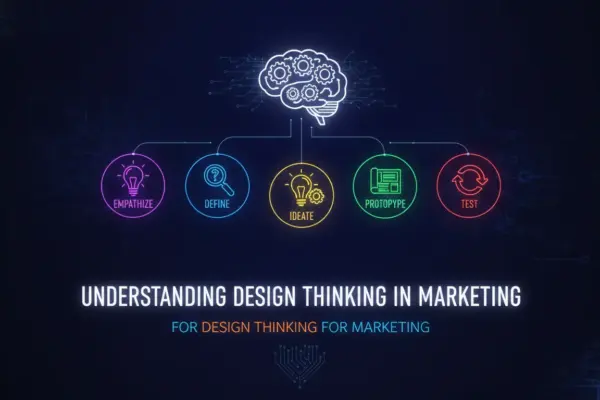
Design Thinking for Marketing: A 2026 Guide
Design thinking for marketing builds campaigns around real user needs. Learn the 5 phases, common…

Creative Direction for Video Shoots: A Complete Guide
Master creative direction for video shoots with proven steps, tools, and strategies that build brand…