Brand Audit Services: The Complete 2026 Guide
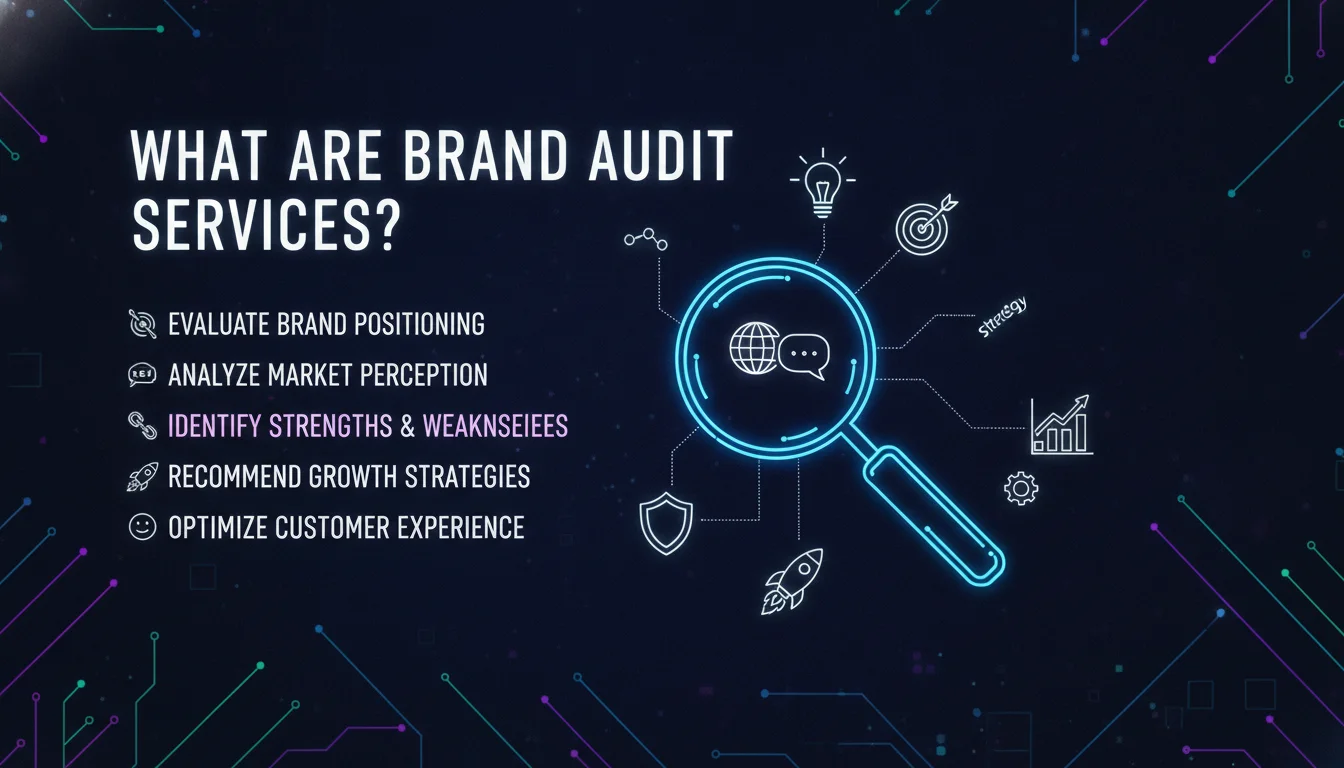
Brand audit services are systematic evaluations of how a brand performs, communicates, and competes in the marketplace. Think of it as a full diagnostic: what’s resonating, what’s drifting, and where the real growth opportunities are hiding.
Key Takeaways
- Brand audit services assess a brand’s strengths, weaknesses, and market positioning with real data.
- Customer perception gaps are the most common finding: what you think you’re saying and what customers actually hear are often very different.
- Regular audits build brand consistency, which directly strengthens customer trust over time.
- There are three core audit types: digital, brand experience, and competitive. Each serves a different strategic purpose.
- Scaling companies should run a full audit annually, plus trigger-based audits after major changes like leadership shifts or product launches.
What Are Brand Audit Services?
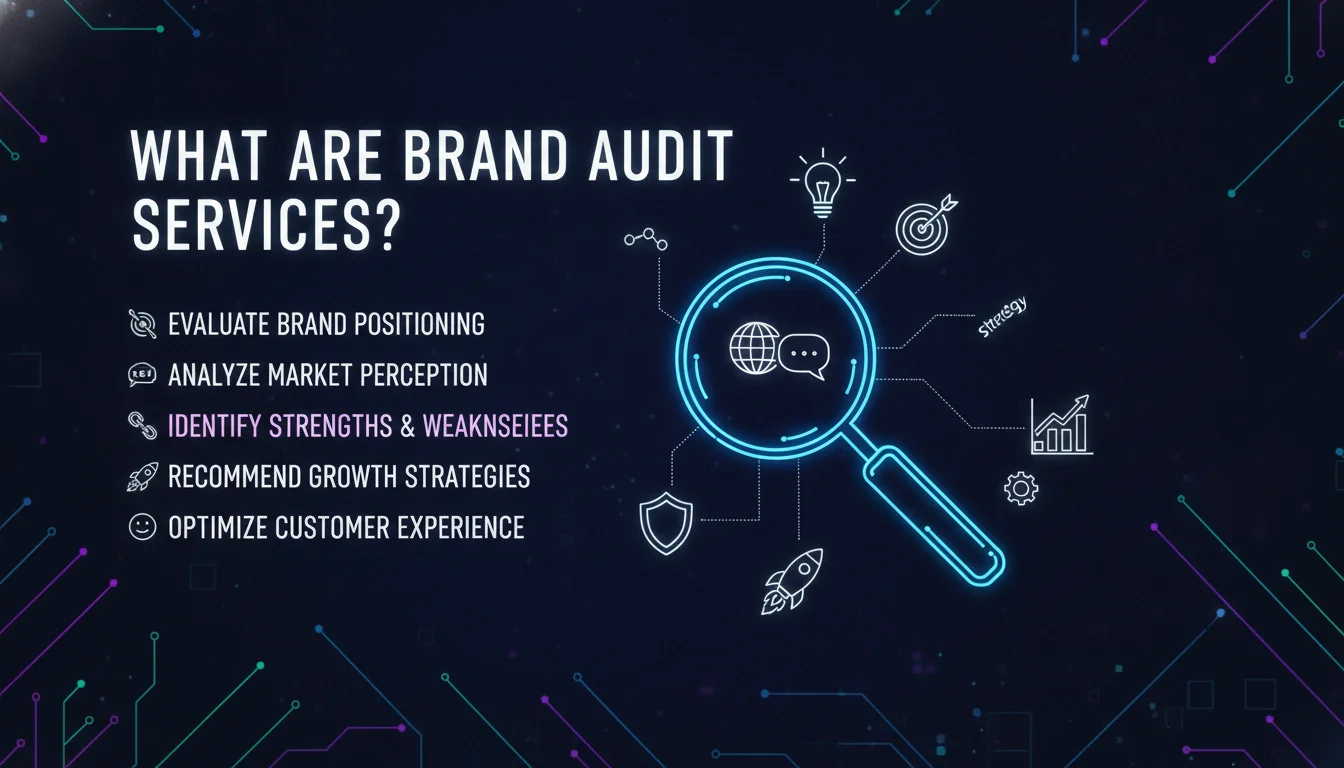
Brand audit services are structured reviews that examine how a brand presents itself across every touchpoint and whether that presentation matches the company’s actual goals. They surface the gap between what you intend to communicate and what customers genuinely experience. According to brand strategy consultancy Hunt + Hawk, which has conducted more than 50 brand audits with mid-to-large companies, the same three root causes appear consistently: founder messaging that never gets documented, visual elements that drift channel by channel, and website copy that contradicts itself across pages.
Defining Brand Audit Services
A brand audit is a full review of how a brand is perceived by its audience and how well it aligns with company goals. It covers marketing strategy, customer feedback, messaging consistency, visual identity, and competitive positioning. The objective is clear: find the gaps between the brand’s intended story and the experience customers actually have.
Why Brand Audit Services Matter Right Now
As of 2026, markets are moving faster and customer expectations are sharper than ever. Brands that skip regular audits tend to respond to slowing growth by doing more: hiring another agency, updating the logo, increasing ad spend. But doing more without understanding why performance has stalled is expensive guesswork. As the team at Brand Auditors puts it, the best opportunities are hidden beneath assumptions, outdated strategies, and incomplete information. A proper audit cuts through all of that.
“Without understanding how the market has changed, how customers are making decisions, or where competitors are gaining ground, it is impossible to know where to focus next.” – Brand Auditors
Components of a Brand Audit
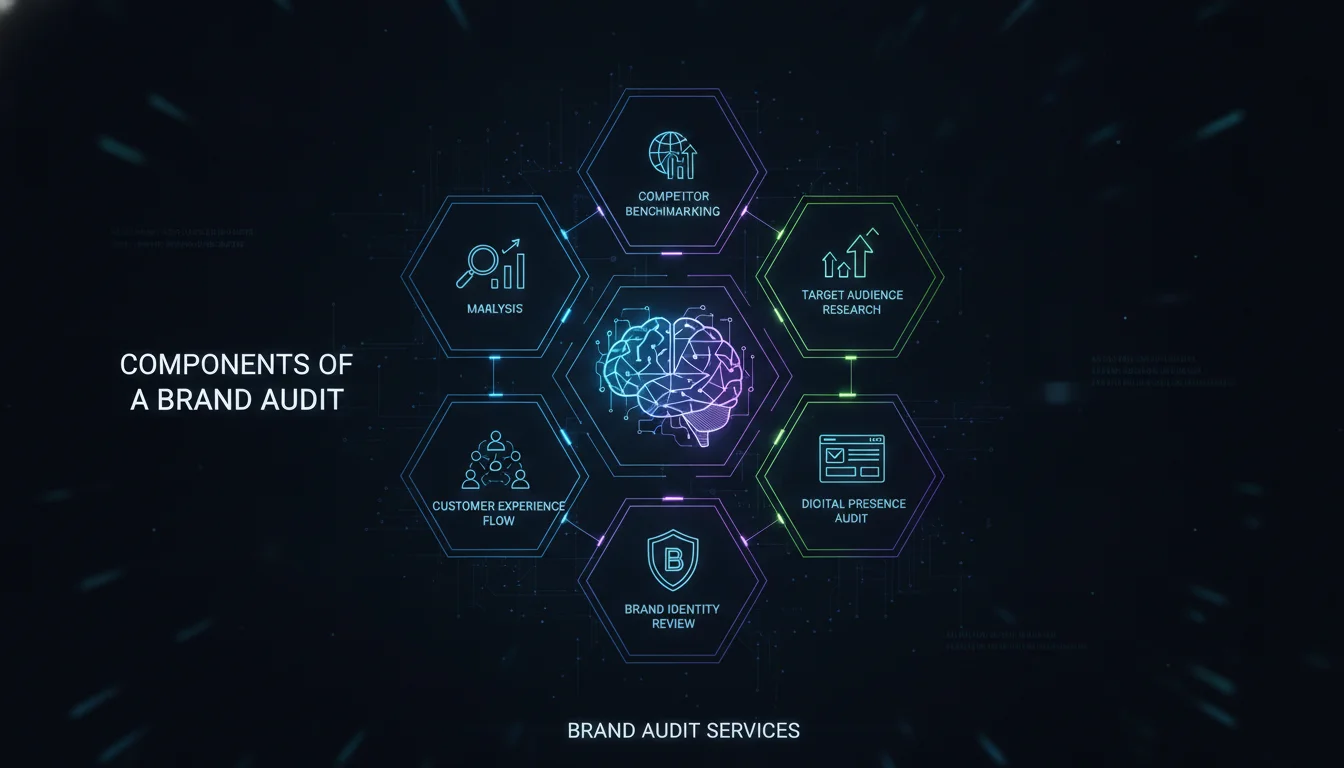
Brand audit services cover several interconnected components that together give you a complete picture of brand health. Miss one, and you’re working with an incomplete diagnosis.
1. Customer Perception Analysis
This component gathers real data on how customers perceive the brand. Surveys, focus groups, and social listening reveal opinions, preferences, and experiences that internal teams often can’t see from the inside. Understanding customer perception is the foundation for aligning messaging with what audiences actually expect.
2. Market Positioning Review
A market positioning review maps where the brand stands relative to competitors. It examines competitor strengths, weaknesses, and strategies. This is where differentiation opportunities become visible, and where brands discover they’ve been competing on the wrong ground entirely.
3. Messaging Consistency Evaluation
Consistency across channels is what builds trust. This evaluation checks whether the brand’s voice and message hold together across the website, social media, advertising, and customer service interactions. Small inconsistencies compound over time. They create confusion, and confused customers don’t convert.
4. Visual Identity Review
Visual drift is one of the most common problems in scaling companies. Logos get stretched, color palettes shift, typography choices multiply. A visual identity review audits every brand asset to ensure the look and feel communicates one coherent story, not five different ones.
5. Digital Performance Analysis
This component examines website analytics, social media engagement, and digital marketing performance. According to Maillie, brand audits typically investigate whether site traffic patterns reveal anything meaningful about brand strength. The goal is understanding where digital investments are creating value and where they’re leaking.
Pros and Cons of Brand Audit Services
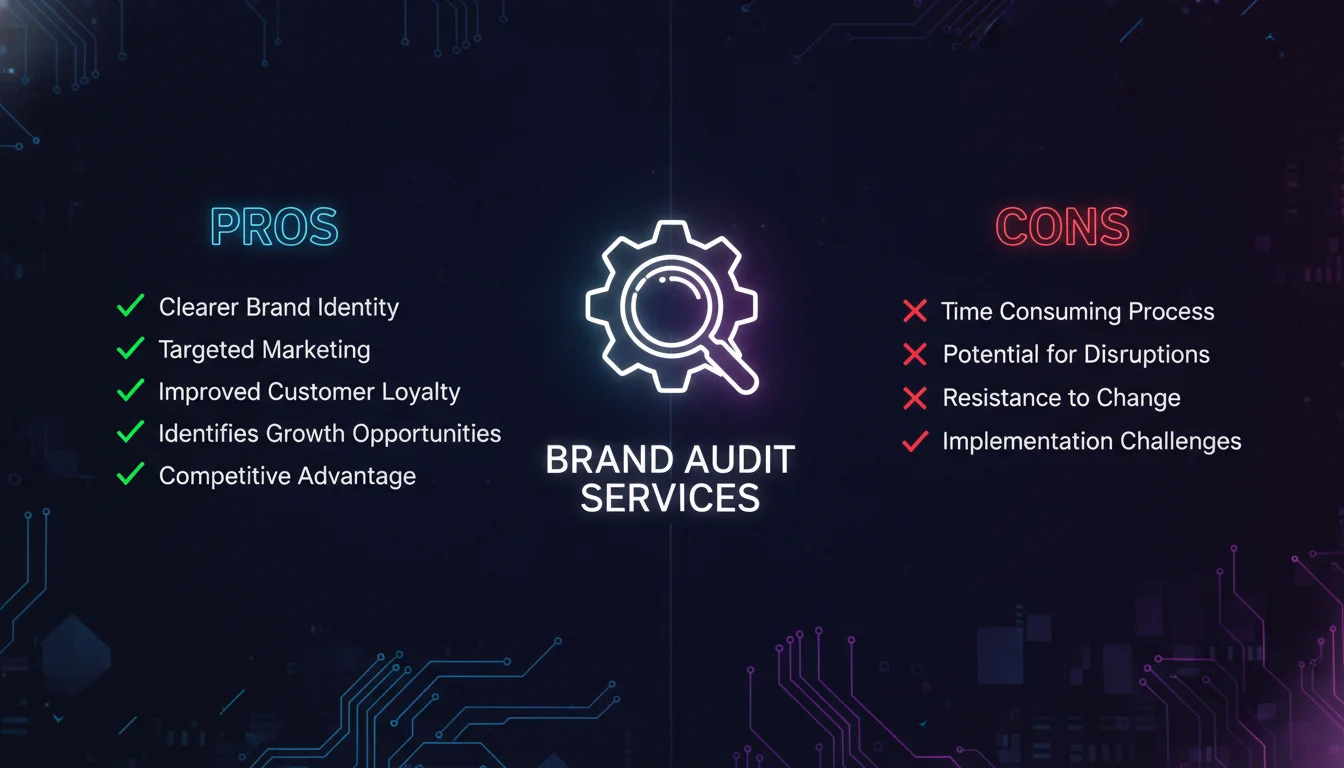
Brand audit services deliver real strategic value, but they’re not a magic fix. Here’s an honest look at both sides.
Pros
- Objective clarity: Audits surface insights that internal teams are too close to see. You get an outside perspective grounded in data, not assumptions.
- Strategic focus: Instead of doing more of everything, you know exactly where to concentrate resources for the highest return.
- Stronger brand consistency: Identifying and fixing messaging and visual inconsistencies builds customer trust over time.
- Competitive intelligence: You learn where competitors are gaining ground and where your brand holds genuine advantages.
- Foundation for growth: Whether you’re planning a rebrand, a product launch, or market expansion, an audit gives you a solid starting point.
Cons
- Time investment: A thorough audit takes time. Hunt + Hawk notes their process runs 1 to 3 days for focused engagements, but industry-standard audits often take 2 to 4 weeks.
- Cost variability: Scope and complexity drive price significantly. Entry-level audits start in the hundreds; comprehensive engagements run into the thousands.
- Findings require action: An audit report sitting in a drawer changes nothing. The value is in implementation, which demands additional time and budget.
- Can surface uncomfortable truths: Sometimes the audit reveals that a brand’s core positioning is the problem, not just the execution. That’s valuable, but it’s also a harder conversation.
Benefits of Brand Audit Services
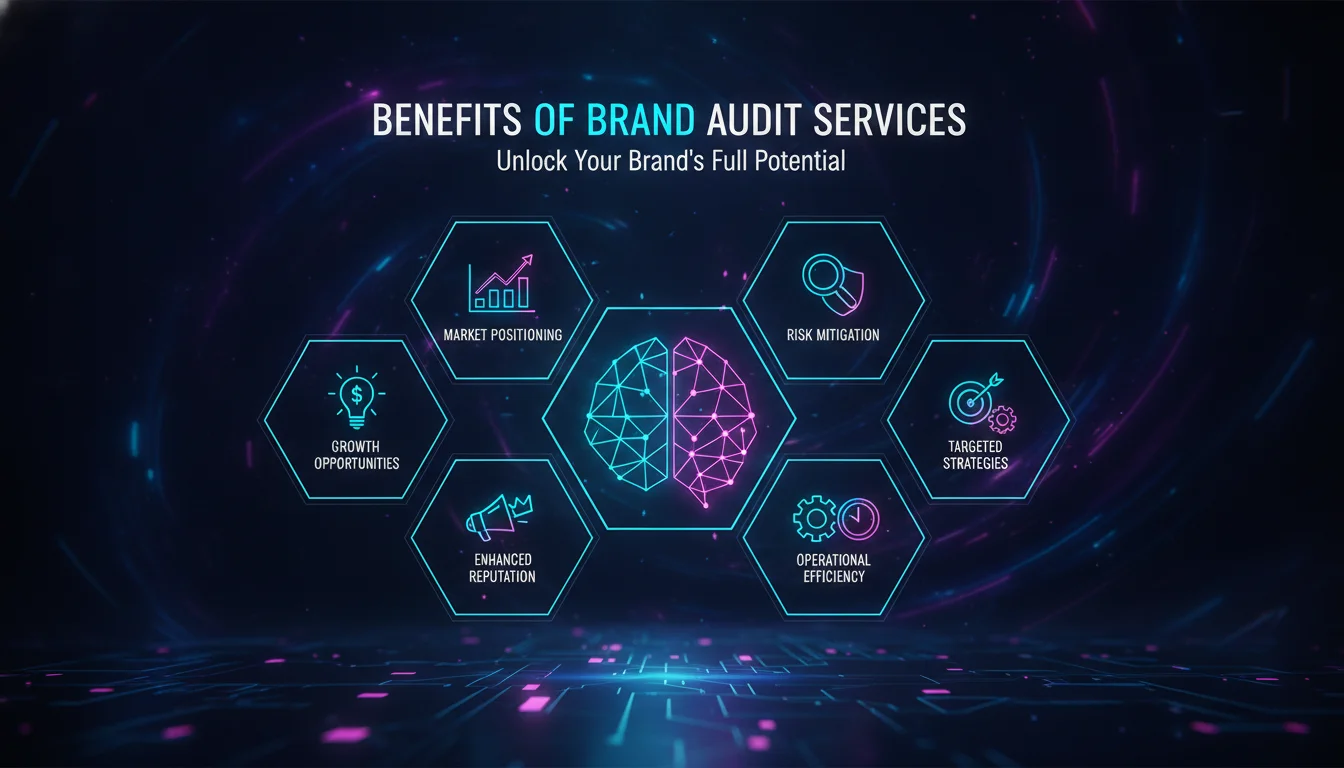
Engaging in brand audit services delivers benefits that compound over time, not just in the quarter you run the audit.
1. Identifying Strengths and Weaknesses
The primary output of any brand audit is a clear map of what’s working and what isn’t. With that map, you stop spreading resources thin and start concentrating effort where it actually moves the needle. Hallam Agency describes this as giving brands a substantial foundation for any strategy or marketing plan.
2. Enhancing Brand Consistency
Brand consistency creates trust. When your message, values, and customer experience communicate one vision, customers are more likely to stay loyal and advocate for the brand. An audit finds the inconsistencies before they erode that trust further.
3. Improving Customer Perception
A brand audit shows you the gap between how you see your brand and how customers actually experience it. Closing that gap builds a more favorable brand image and, over time, stronger loyalty. This is especially critical for scaling businesses where the founder’s original vision can get lost as teams grow.
4. Smarter Strategic Planning
The insights from a brand audit directly inform decisions on marketing strategy, positioning, and resource allocation. You’re not guessing. You’re building strategy on evidence.
“You don’t determine what your brand is or isn’t – your customers do.” – Hallam Agency
Types of Brand Audit Services
Different audit types serve different strategic needs. Choosing the right one depends on what’s driving the decision to audit in the first place.
1. Digital Brand Audit
A digital brand audit evaluates the brand’s full online presence: website, social media channels, and digital marketing performance. It examines traffic patterns, engagement, and online reputation. This audit answers a specific question: how effectively is the brand reaching and resonating with its audience in digital spaces?
2. Brand Experience Audit
A brand experience audit maps the entire customer journey across every touchpoint. Altitude Companies uses a proprietary 6 Moments of Truth model that spans from Moment Zero (online presence) through to how customers feel after experiencing the product or service. This type of audit is particularly powerful for businesses where the in-person or service experience is central to the brand promise.
3. Competitive Brand Audit
A competitive brand audit analyzes the brand’s position relative to specific competitors. It maps competitor strengths, weaknesses, and market strategies. The output is a clear picture of where differentiation opportunities exist and where the brand is losing ground it shouldn’t be.
4. Brand Identity Audit
This audit focuses specifically on visual and verbal identity: logos, typography, color systems, tone of voice, and messaging frameworks. It’s the right choice when a brand has scaled quickly and visual drift has become visible across channels.
How to Conduct a Brand Audit: Step-by-Step
Conducting a brand audit follows a clear sequence. Skipping steps produces incomplete findings. Here’s the process we use and recommend.
Step 1: Define Clear Objectives
Start by defining exactly what you need to learn. Are you trying to understand customer perception? Evaluate competitive positioning? Identify messaging inconsistencies? Clear objectives shape every subsequent step and prevent the audit from becoming an unfocused data collection exercise.
Step 2: Gather Data Across All Touchpoints
Data collection is where most audits either succeed or fail. Pull from multiple sources: customer surveys, sales data, website analytics, social media performance, customer service records, and competitor analysis. Maillie notes that most audits rely on information businesses already have on hand or could easily generate, including sales data and website analytics. The goal is breadth and honesty, not just the metrics that look good.
Step 3: Audit Visual and Verbal Identity
Review every brand asset systematically. Does the website match the social media presence? Does the sales deck match the brand guidelines? Does the tone of voice in customer emails match the tone on the homepage? Document every inconsistency you find.
Step 4: Analyze Competitive Positioning
Map your brand against two to four direct competitors. Where are they gaining traction? Where do you hold genuine advantages? Where are you competing on ground that doesn’t actually matter to your target customers? This step often produces the most actionable strategic insights.
Step 5: Analyze Findings and Identify Priorities
Once data is collected, look for patterns. Where do multiple data sources point to the same problem? Those are your highest-priority issues. The most valuable audit outcome, as Hunt + Hawk puts it, isn’t a list of problems. It’s a clear, prioritized picture of exactly where to focus brand improvement efforts.
Step 6: Build an Action Plan
Findings without a plan are just observations. Translate audit insights into specific, sequenced actions with owners and timelines. Separate quick wins from longer-term strategic shifts. This is where the audit pays for itself.
When to Consider Brand Audit Services
Certain moments in a brand’s life make an audit not just useful but essential. Recognizing these triggers early saves significant time and money.
1. Before a Brand Refresh or Rebrand
A brand audit before a rebrand is non-negotiable. It tells you the current state of the brand, which issues the new direction must address, and which brand equities are worth preserving. Rebranding without an audit is like renovating a house without checking the foundation.
2. When Growth Has Plateaued
A performance plateau is one of the clearest signals that something in the brand’s positioning or messaging has stopped working. An audit identifies whether the issue is brand-related and, if so, exactly where the disconnect lives.
3. After Significant Market Changes
New competitors, shifts in consumer behavior, or economic disruption can change the competitive landscape faster than internal teams can track. An audit after a major market shift ensures the brand’s strategy reflects current reality, not last year’s assumptions.
4. During or After Rapid Scaling
This is where brand identity drift is most common. As Hunt + Hawk’s audit work consistently shows, scaling companies experience brand breakdown not through one dramatic failure but through dozens of small misalignments that accumulate over time. An audit catches those misalignments before they become expensive to fix.
What to Look for in a Brand Audit Partner
Choosing the right team to run your brand audit shapes the quality of everything that follows. Not all audit providers are built the same.
Look for a partner that operates with genuine independence. Brand Auditors, for example, explicitly positions itself as a consulting network rather than a marketing agency, specifically to avoid the conflict of interest that comes when the team running the audit also sells the implementation services. Their findings are grounded in real-time data, industry sources, and established best practices.
Also look for sector-specific experience, a clear methodology, and deliverables that go beyond a slide deck. The audit should produce a prioritized action plan, not just a list of observations. For creative and brand-forward businesses, a partner who understands visual identity, storytelling, and digital presence is especially valuable.
At Emin Media, our brand and digital services are built around exactly this kind of strategic clarity. We’ve seen firsthand how a well-run audit changes the trajectory of a brand’s growth. You can also explore how we approach brand strategy and creative direction across our work with clients in branding, video production, and digital marketing.
Brand Audit Services: Quick Reference Table
| Audit Type | Primary Focus | Best For |
|---|---|---|
| Digital Brand Audit | Online presence, traffic, engagement, reputation | Brands investing heavily in digital marketing |
| Brand Experience Audit | Customer journey across all touchpoints | Service businesses, retail, hospitality |
| Competitive Brand Audit | Market positioning vs. competitors | Brands in crowded or shifting markets |
| Brand Identity Audit | Visual and verbal consistency | Scaling companies experiencing brand drift |
Frequently Asked Questions
What does a brand audit include?
A brand audit typically includes customer perception analysis, market positioning review, messaging consistency evaluation, visual identity assessment, and digital performance analysis. The exact scope depends on the audit type and the specific challenges the business is facing.
What is the 3 7 27 rule of branding?
The 3 7 27 rule is a branding framework suggesting it takes roughly 3 exposures for someone to recognize a brand, 7 exposures to remember it, and 27 exposures to genuinely trust it. It underscores why brand consistency across every touchpoint matters so much: every inconsistent impression resets the clock on trust-building.
How often should a brand audit be conducted?
Scaling companies should conduct a full brand audit annually. Trigger-based audits are also warranted after major changes such as new leadership, product launches, market expansion, or a significant performance shift. Hunt + Hawk’s audit work with mid-to-large companies supports this annual cadence as the industry standard.
How much do brand audit services cost?
Cost varies significantly based on scope and complexity. Entry-level audits start in the hundreds of dollars for focused, single-area reviews. Comprehensive engagements covering multiple audit types run into the thousands. Altitude Companies, for example, offers a Brand Experience Audit at $1,595 for an 8-hour engagement covering online presence, on-site evaluation, and strategy review.
What are some examples of audit services?
Brand audit services include digital brand audits, brand experience audits, competitive brand audits, brand identity audits, website audits, and digital marketing audits. Some providers, like Brand Auditors, also offer target market analysis and customer insights as part of a broader audit engagement.
Enjoyed this article?
Contact Emin Media for a free brand consultation and let's create something amazing together.
Get in TouchRelated Articles
Digital Storytelling for Brands: The Complete Guide
Digital storytelling for brands builds real audience connections through narrative. Learn proven techniques, formats, and…
Design Thinking for Marketing: A 2026 Guide
Design thinking for marketing builds campaigns around real user needs. Learn the 5 phases, common…

Creative Direction for Video Shoots: A Complete Guide
Master creative direction for video shoots with proven steps, tools, and strategies that build brand…