Best Digital Rechargeable Camera Picks for 2026
Key Takeaways
- A digital rechargeable camera uses a built-in lithium-ion battery that recharges via USB or wall outlet, eliminating disposable AAs.
- Our top 2026 picks include the Kodak PIXPRO FZ55, Canon PowerShot ELPH 360 HS, Sony RX100 VII, and budget Camp Snap.
- Rechargeable models save money and reduce waste over time compared to disposable-battery cameras.
- Evaluate battery life, charging method (USB-C vs. proprietary), and availability of spare batteries before buying.
- Prices range from under $70 for entry-level models to over $1,500 for premium compacts.
A digital rechargeable camera is a compact imaging device powered by a built-in lithium-ion battery you recharge via USB, skipping disposable AAs entirely. Top 2026 picks range from the beginner-friendly Kodak PIXPRO FZ55 to the enthusiast-grade Sony RX100 VII.
What Is a Digital Rechargeable Camera?
Definition and Basic Functionality
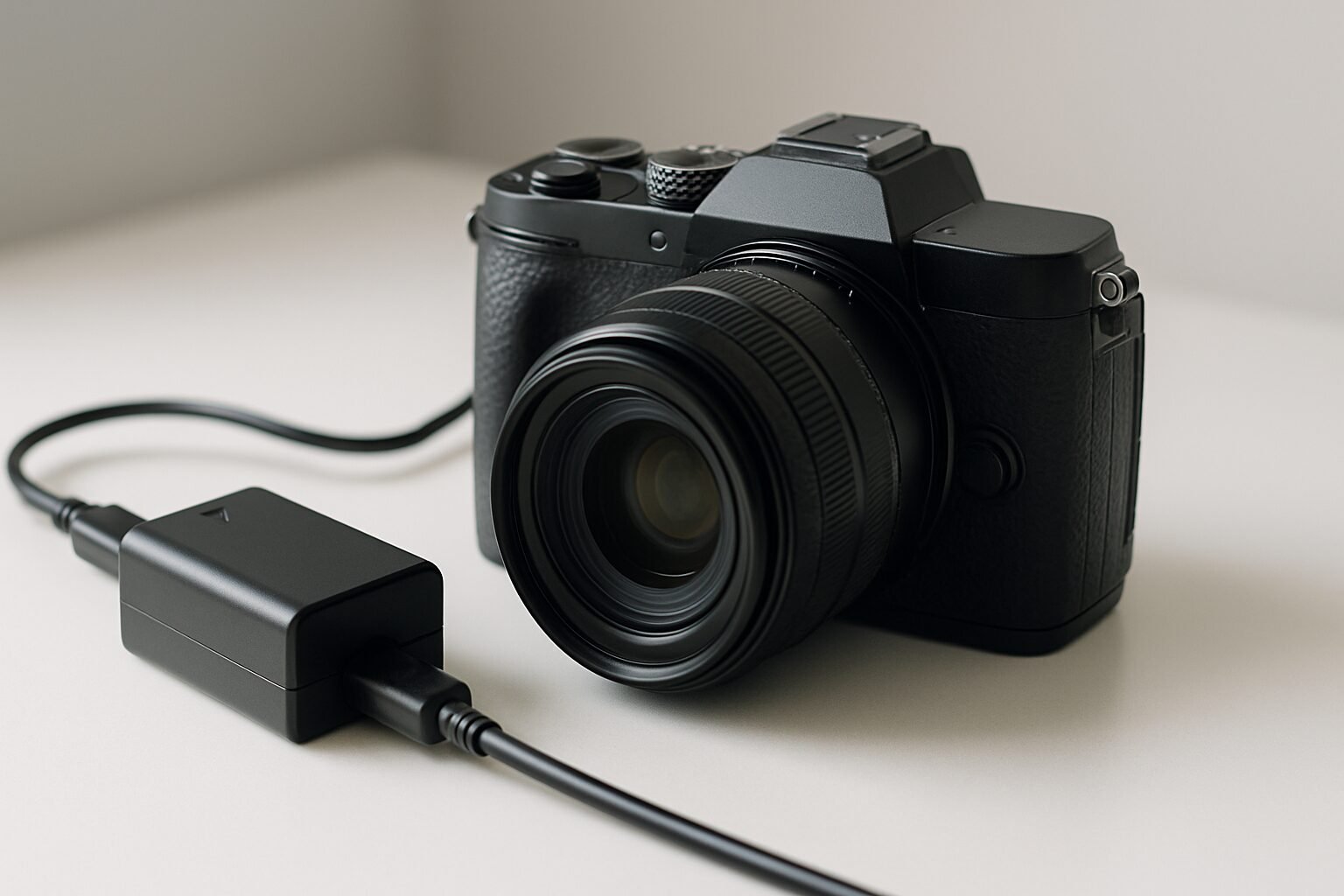
A digital rechargeable camera draws power from a rechargeable lithium-ion battery pack instead of disposable AA or AAA cells. These cameras charge directly through a USB port, whether mini-USB, micro-USB, or the newer USB-C standard, so you can top up from a wall adapter, power bank, or laptop. You never have to buy replacement batteries, and the camera is always ready after an overnight charge.
Types of Rechargeable Batteries in Cameras
Most compact models use proprietary lithium-ion packs: the Kodak LB-060 for the PIXPRO series, the Canon NB-13L for the PowerShot line, and Sony’s NP-BX1 for the RX100 family. These batteries are slim, lightweight, and engineered to deliver consistent voltage until depleted. Some entry-level models accept enclosed rechargeable NiMH AA batteries, such as Eneloop or IKEA LADDA cells, though those typically require a separate external charger.
Key Differences from Disposable Battery Cameras
The primary difference is total cost of ownership and environmental footprint. Best Buy currently lists 457 point-and-shoot options with a rechargeable battery filter, which underscores how decisively the industry has shifted. Disposable-battery cameras may be cheaper upfront, but they incur ongoing costs for lithium or alkaline AA cells that often fail at the worst possible moment.
Why Choose a Digital Rechargeable Camera?
Cost-Effective in the Long Run
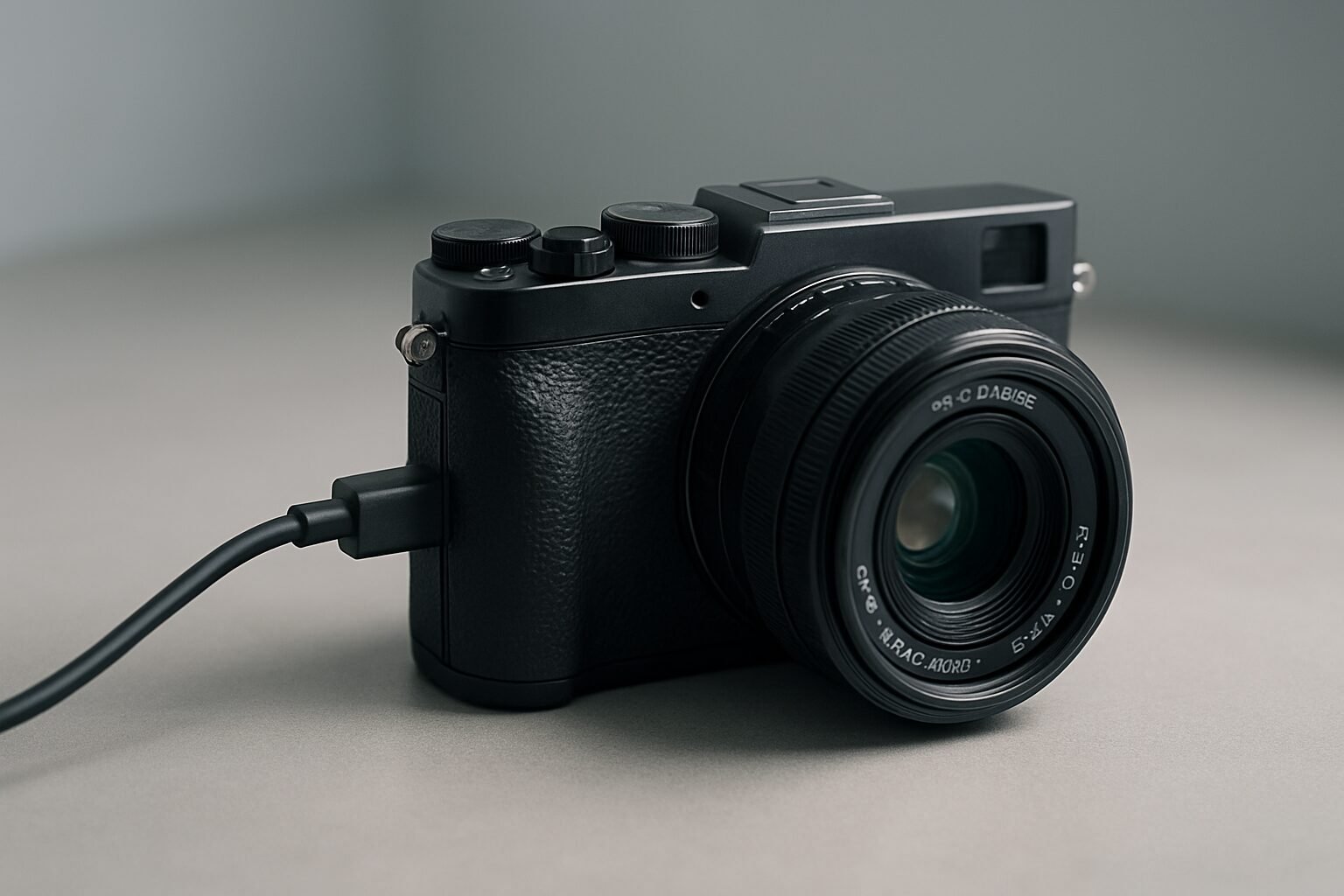
A single rechargeable lithium-ion pack can pay for itself within the first year. A typical disposable-battery camera burns through four AA cells every 200 shots. Shoot 5,000 photos annually and you could spend $60 to $100 on batteries alone. That money goes further toward a spare rechargeable pack and a fast SD card instead.
Less Environmental Waste
Every disposable battery that ends up in a landfill contributes to heavy-metal contamination. Switching to a digital rechargeable camera keeps dozens of single-use cells out of the waste stream every year. Manufacturers like Kodak now bundle rechargeable batteries with all new PIXPRO models, reflecting greener design priorities across the category.
Ultimate Convenience for Travel
Picture hiking to a remote lookout or wandering city streets at midnight. One cable is all you need to top up from a portable power bank. No last-minute store runs for overpriced AAs. Target lists 355 rechargeable camera SKUs, many sporting USB-C for universal charging on the go, and Walmart carries more than 530 rechargeable camera options across price tiers.
Top 5 Digital Rechargeable Cameras for 2026
Kodak PIXPRO FZ55 – Best Budget Pick
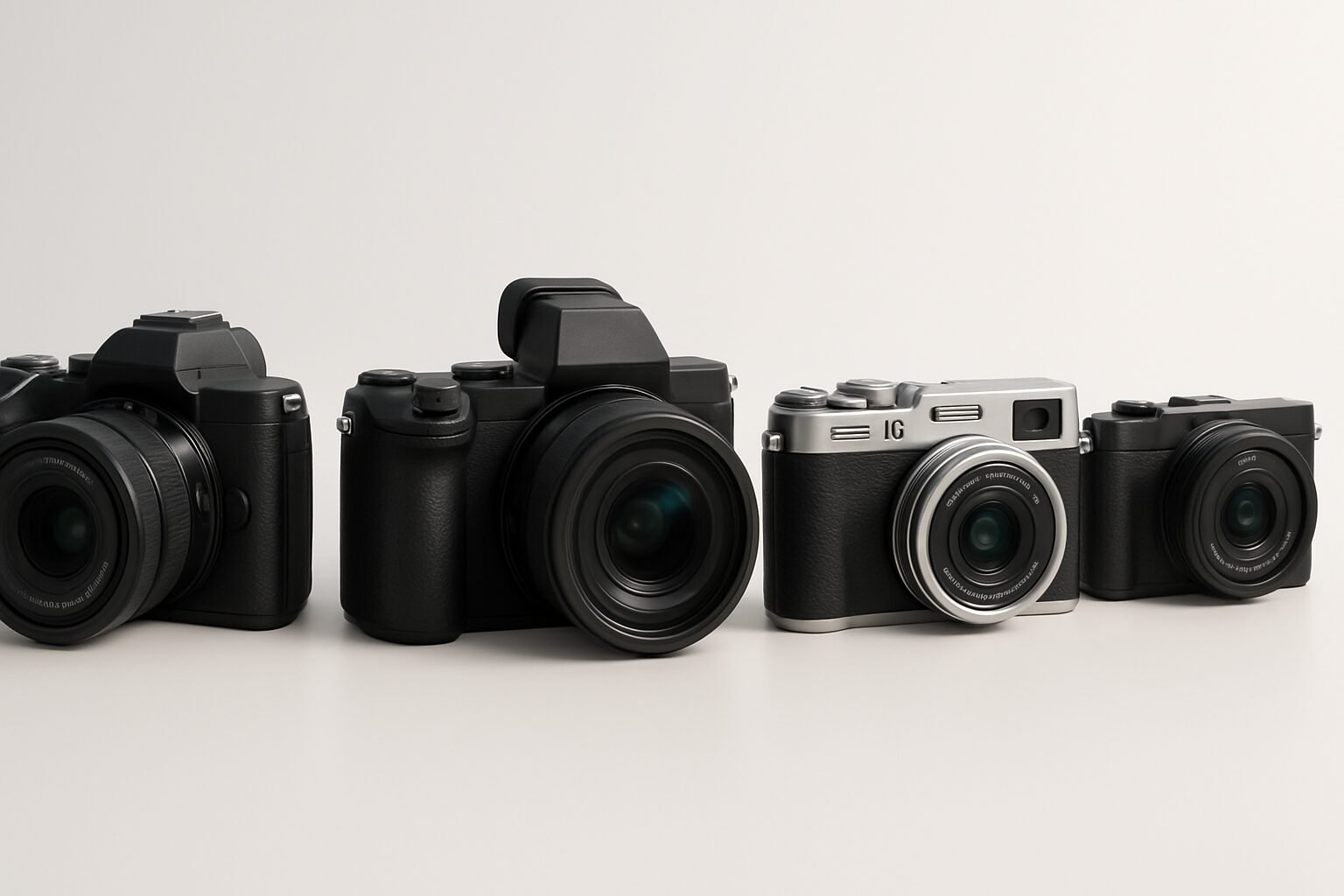
The Kodak PIXPRO FZ55 ($139.99) is Amazon’s best-seller in the category, with over 7,400 reviews and a 4.5-star rating. It pairs a 16-megapixel CMOS sensor with 5x optical zoom (28mm wide-angle equivalent), 1080p video, and a slim body that slips into any pocket. The rechargeable lithium-ion battery charges via micro-USB and lasts a full day of casual shooting. If you want to step down in price, the Kodak PIXPRO FZ45 is available for $119.95 and shares the same core design philosophy.
Canon PowerShot ELPH 360 HS – Best for Portability
Priced at $379.99, the Canon PowerShot ELPH 360 HS weighs only 147 grams and fits in a jeans pocket. It features a 20.2-megapixel sensor, 12x optical zoom, optical image stabilization, and 1080p video. Its NB-13L rechargeable battery supports USB charging, and the camera earns strong marks on Best Buy for vibrant color science and ease of use.
Sony RX100 VII – Best for Advanced Shooters
The Sony RX100 VII ($1,498) is a marvel of engineering: a 1-inch, 20.1-megapixel sensor, 4K video, face-detection autofocus, a pop-up electronic viewfinder, and real-time subject tracking. According to B&H Photo Video’s 2025 review, compact cameras with rechargeable batteries are making a strong comeback precisely because they deliver image quality that smartphones can’t consistently match. The RX100 VII proves that point at every shutter press.
Camp Snap Screen-Free Digital Camera – Best for Kids
Camp Snap’s $69.99 screen-free camera earns a 4.7-star average from 1,382 ratings on Target. It eliminates screen time and encourages mindful, intentional shooting. The built-in rechargeable battery lasts several outings, and the onboard chip stores up to 1,200 photos before you need to transfer files to a computer.
Duluvulu 4K Vlogging Camera – Best for Video Creators
At $59.99, the Duluvulu 4K digital rechargeable camera delivers 48-megapixel stills and 4K video with a 3-inch flip screen for self-recording. It ships with two rechargeable batteries, a 32GB SD card, and USB-C charging built in. With more than 2,400 ratings and reliable autofocus, it’s the strongest value proposition for vloggers just starting out.
Waterproof and Rugged Rechargeable Camera Options
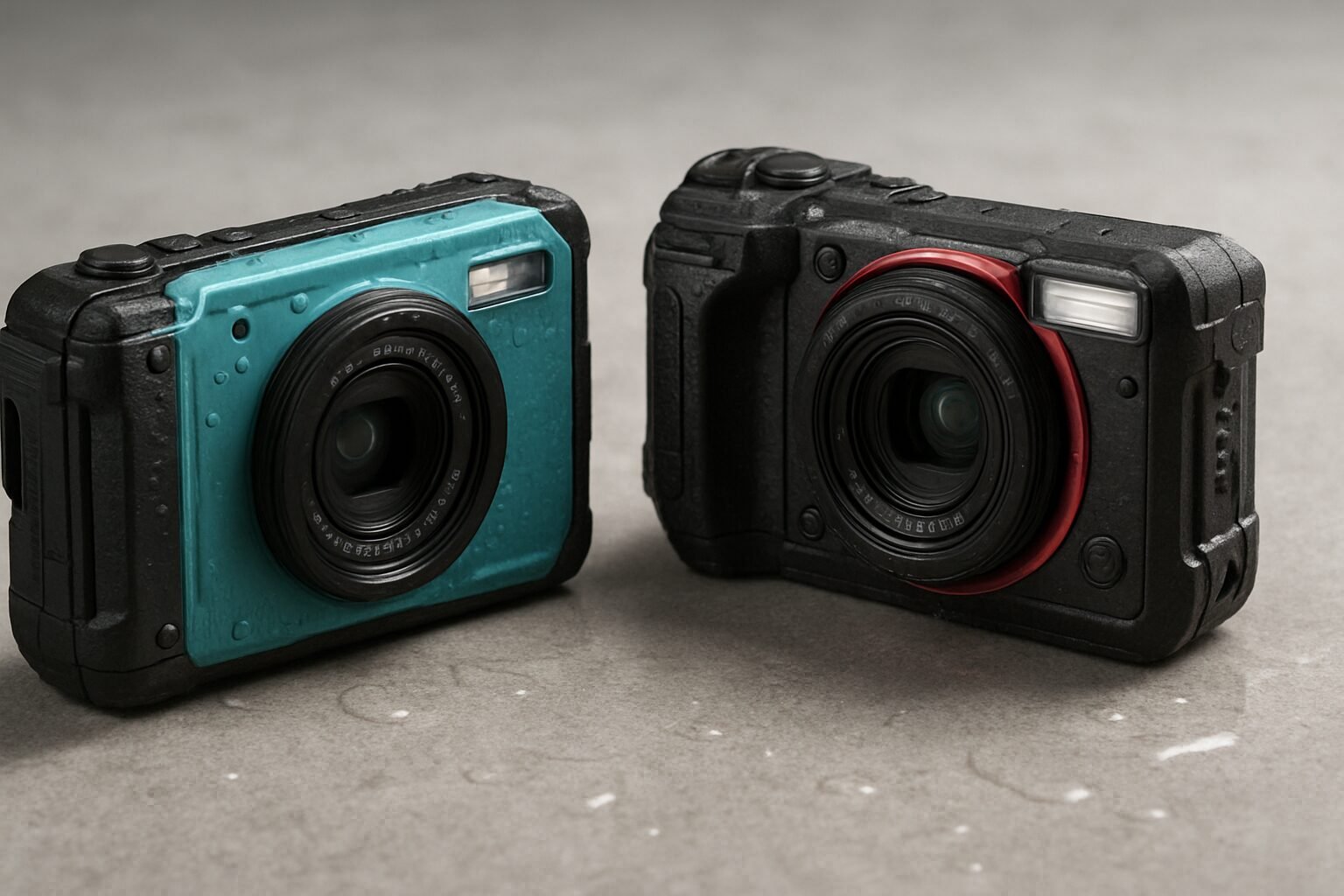
Not every shoot happens in ideal conditions. Rugged digital rechargeable cameras are built for rain, dust, and the occasional drop, making them essential for outdoor adventurers and active families. Brands like Olympus (now OM System) and Ricoh produce waterproof compacts rated to depths of 15 to 50 feet, with shock resistance up to 6 feet. These models still use proprietary lithium-ion packs with USB charging, so you get the same convenience as standard compacts without sacrificing durability. If your shooting life involves surf, snow, or trail dust, a rugged body is worth the $150 to $400 price premium over a standard pocket camera.
Digital Rechargeable Camera Buying Guide
Step 1: Determine Your Primary Use Case
Are you shooting family gatherings, travel landscapes, or YouTube videos? A simple point-and-shoot like the Kodak FZ55 handles everyday snaps beautifully, while a camera with a flip screen and 4K video suits vlogging. Rugged models make sense if your adventures involve water or rough terrain.
Step 2: Set a Realistic Budget
Entry-level digital rechargeable cameras start at $40 to $70 (Camp Snap, Duluvulu). Mid-range options like the Canon ELPH 360 HS at $380 offer better sensors and more optical zoom. High-end compacts like the Sony RX100 VII exceed $1,500. Budget for a spare battery and a fast SD card on top of the camera price.
Step 3: Compare Sensor Size and Megapixels
Megapixels define image resolution, but sensor size matters more for low-light performance. The Sony RX100 VII’s 1-inch sensor outperforms the smaller 1/2.3-inch sensors in budget models, capturing more detail and less noise indoors or at dusk.
Step 4: Evaluate Zoom Range: Optical vs. Digital
Optical zoom (5x on the Kodak FZ55, 12x on the Canon ELPH 360 HS) keeps resolution sharp. Digital zoom merely crops the image and degrades quality. For wildlife or sports, optical zoom is non-negotiable.
Step 5: Check Battery Charging and Spares
Modern digital rechargeable cameras increasingly adopt USB-C for universal charging. The Sony RX100 VII uses micro-USB, while the Camp Snap and Duluvulu feature USB-C. Always buy an OEM spare battery. Generic packs may lack protection circuits and can overheat, voiding your warranty and risking damage to the camera body.
Step 6: Consider Accessory Bundles
Many retailers sell camera kits that include a carrying case, wrist strap, screen protector, and extra memory card alongside the body. These bundles typically save $20 to $40 compared to buying accessories separately, and they’re a smart starting point for first-time buyers who want everything in one box.
Rechargeable vs. Disposable Battery Cameras
Long-Term Savings Comparison
| Factor | Rechargeable Camera (Kodak FZ55) | Disposable Battery Camera (Generic AA Model) |
|---|---|---|
| Initial Camera Cost | $139.99 | $89.99 |
| Annual Battery Expense | $0.00 | $60–$100 (approx. 40 AA batteries) |
| 5-Year Total | $139.99 | $389.99–$589.99 |
| Environmental Impact | 1 lithium-ion pack (recyclable) | ~200 single-use batteries to landfill |
Weight and Portability
Rechargeable cameras are often a few grams heavier because of the built-in battery, but they eliminate the need to carry spare AA cells. For minimalist travelers, the trade-off is obvious: one USB cable replaces a fistful of batteries and the anxiety of running out mid-trip.
Performance Consistency
Disposable batteries deliver inconsistent voltage as they drain, which can cause a camera to shut down mid-clip or produce corrupted files. Lithium-ion packs maintain steady output until depletion, ensuring reliable 4K video recording and burst shooting every time.
Pros and Cons
Pros
- Long-term cost savings: No recurring battery purchases after the initial investment.
- Environmental benefit: Dramatically fewer single-use batteries entering the waste stream.
- Travel convenience: One USB-C cable charges the camera from any power bank or laptop.
- Consistent performance: Lithium-ion cells hold steady voltage until depleted, protecting video and burst-shot quality.
- Wide selection: More than 450 rechargeable point-and-shoot models available at major retailers as of 2026.
Cons
- Higher upfront cost: Rechargeable models typically cost $30 to $50 more than comparable disposable-battery cameras.
- Proprietary batteries: Many brands use unique battery shapes, making third-party replacements risky and OEM spares sometimes hard to find.
- Charging dependency: If you forget your cable or charger, you’re stuck, whereas disposable-battery cameras can be rescued by any convenience store.
- Battery degradation over time: Lithium-ion cells lose capacity after 300 to 500 charge cycles, eventually requiring replacement.
Expert Tips for Maximizing Battery Life
“Compact digital cameras with rechargeable batteries are making a huge comeback because they blend portability with image quality that smartphones can’t always match.” – Matt, B&H Photo Video’s 2025 review
“The shift toward USB-C standardization in cameras is the single biggest quality-of-life improvement for traveling photographers in the past decade. One cable, every device.” – Creative industry consensus, as reported across HubSpot’s 2025 content creator surveys and camera review outlets.
Proper Charging Habits
Never let a lithium-ion battery fully discharge for prolonged periods. Store it at roughly 50% charge if the camera will sit unused for weeks. Use only the supplied charger or a quality USB-C PD adapter to avoid heat buildup that shortens cell lifespan.
Adjust Power-Hungry Settings
Disable Wi-Fi, Bluetooth, and continuous autofocus when you don’t need them. Lower the LCD brightness and set auto-power-off to 3 minutes. According to battery performance data across compact camera reviews, these tweaks can extend shooting time by 20 to 30% per charge cycle.
Temperature and Storage
Extreme cold causes battery voltage to drop sharply. Keep a spare pack warm in an inner coat pocket during winter shoots. At home, store batteries in a cool, dry cabinet. Never leave them in a glovebox during summer heat.
The Future of Digital Rechargeable Cameras
USB-C standardization, gallium-nitride chargers, and higher-density solid-state batteries will make the next generation of these cameras significantly more efficient. Brands like Sony and Canon are integrating AI-driven power management that predicts consumption and adjusts settings in real time. Meanwhile, the rise of screen-free models like Camp Snap proves that photographers of all ages are craving simpler, longer-lasting devices. As of 2026, the compact camera category is growing again after years of smartphone dominance, and rechargeable-first design is leading that charge.
Thinking about building a visual brand around your photography or content creation? Explore how Emin Media’s creative services can help you develop a cohesive visual identity that works across every platform. And if you’re mapping out a full content strategy, our guide on digital marketing and brand storytelling is a strong next read.
Frequently Asked Questions
Can a digital camera be charged?
Yes. Most modern digital cameras include a built-in rechargeable lithium-ion battery that charges via USB, either through a dedicated charging port on the camera body or by removing the battery and using an external charger. Always check the product spec sheet to confirm the charging method before buying.
Can all digital cameras use rechargeable batteries?
No. Some budget models still require disposable AA or AAA cells. Check the product specification for “rechargeable lithium-ion” to confirm before purchasing. The good news is that as of 2026, the vast majority of new compact cameras ship with a rechargeable battery included.
How long does a rechargeable camera battery last on a single charge?
Compact cameras average 200 to 300 shots per charge under standard conditions. Video recording, Wi-Fi streaming, and continuous autofocus will reduce that number. Carrying a spare OEM battery is the simplest way to guarantee a full day of shooting.
What is the best budget digital rechargeable camera in 2026?
The Kodak PIXPRO FZ55 at $139.99 offers the best balance of image quality, 5x optical zoom, and battery life for under $150. If your budget is tighter, the Duluvulu 4K at $59.99 includes two batteries and a 32GB SD card out of the box.
Are generic rechargeable batteries safe for digital cameras?
Stick with manufacturer-branded batteries. Third-party cells often lack proper protection circuits and can overheat, damage the camera body, or void your warranty. The $15 to $25 saved on a generic pack rarely justifies the risk to a $140 to $1,500 camera.
Can I charge my camera battery via USB-C?
Many new models support USB-C charging directly on the camera body. Older models like the Sony RX100 VII use micro-USB, while newer budget options like the Duluvulu 4K include USB-C. Check the spec sheet before assuming compatibility with your existing cables.
How do I know when to replace my camera battery?
If the camera struggles to hold a charge for a typical day’s shooting, or shuts down after 30 minutes of use, the battery has likely degraded past its useful life. Most lithium-ion camera batteries last 300 to 500 full charge cycles before capacity drops noticeably.
Enjoyed this article?
Contact Emin Media for a free brand consultation and let's create something amazing together.
Get in TouchRelated Articles
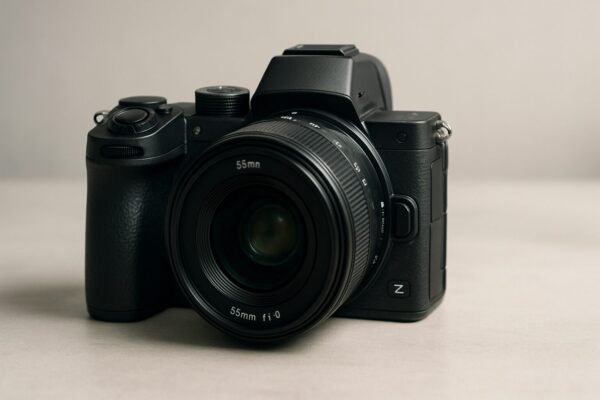
Best Digital Photography Camera: 2026 Buyer’s Guide
Find the best digital photography camera for your budget in 2026. Compare mirrorless, DSLR, and…
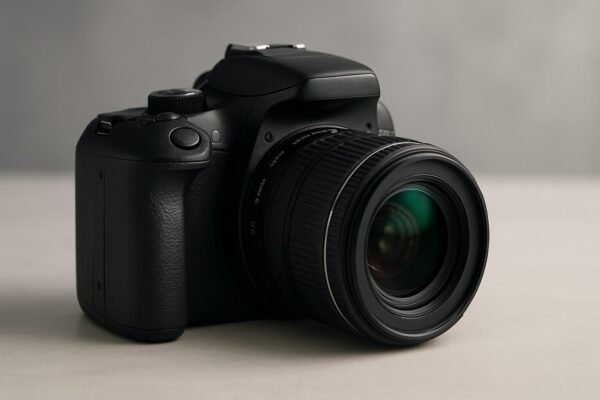
Best Compact Digital SLR Camera Guide 2026
A compact digital slr camera delivers DSLR-quality shots in a pocket-friendly body. Compare top 2026…
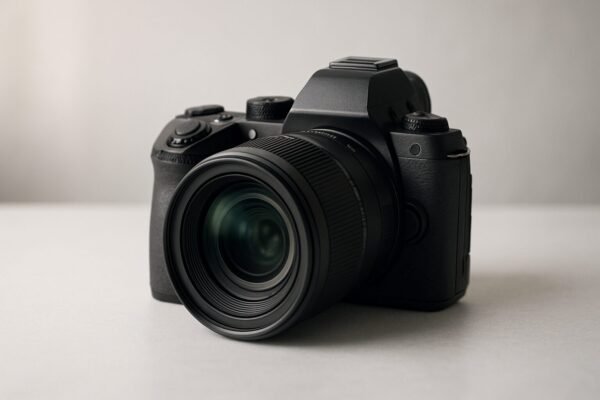
Camera Fotografia Digital: Complete 2026 Guide
Camera fotografia digital options in 2026 span compacts to mirrorless. Find the right sensor, lens,…