Camera Fotografia Digital: Complete 2026 Guide
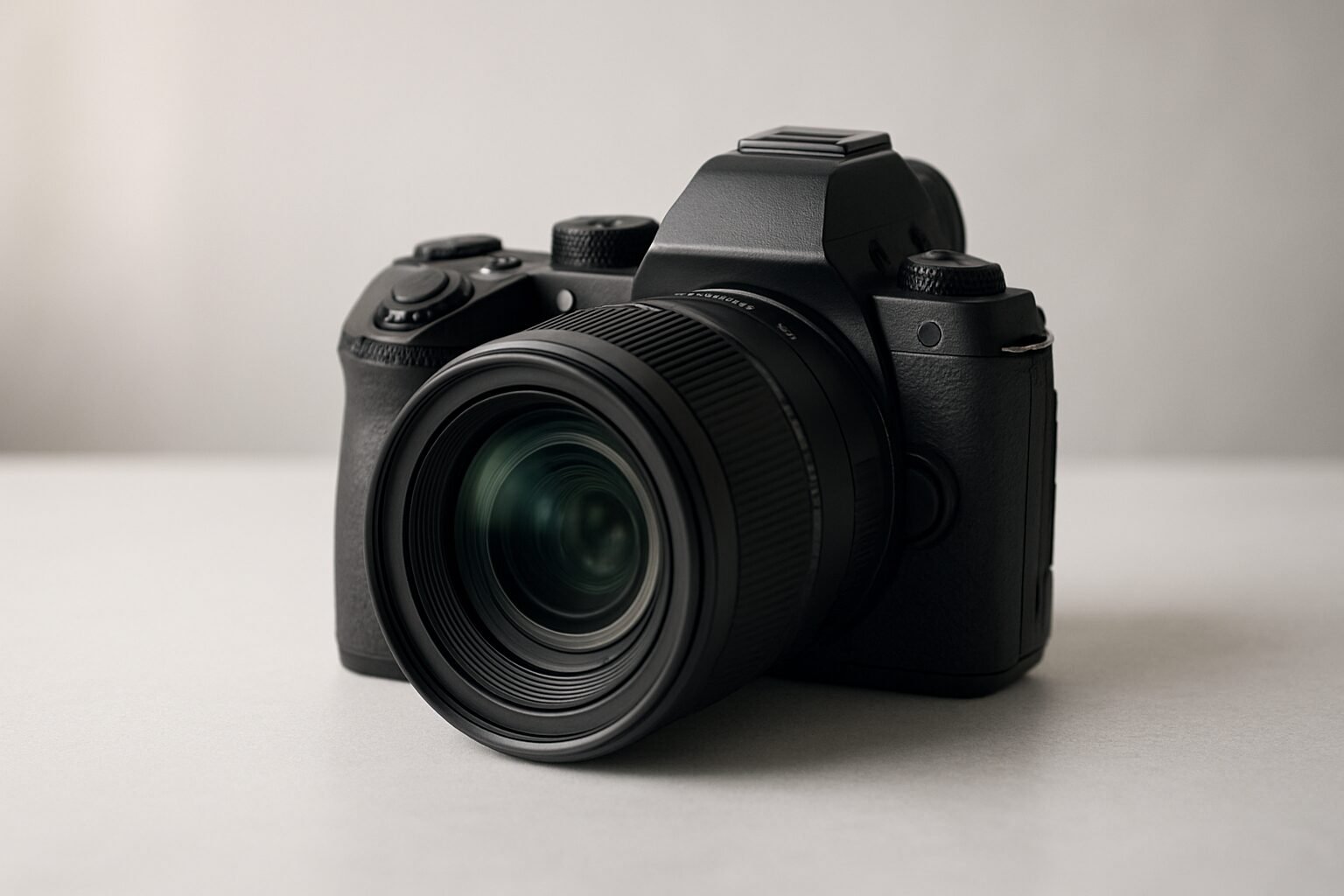
Camera fotografia digital is an electronic device that captures light through a lens onto an image sensor, converting it into digital files stored on memory cards. Modern options range from $50 compact point-and-shoots to $5,000+ professional mirrorless systems.
Key Takeaways
- Digital cameras use CCD or CMOS sensors to convert light into image data, with modern CMOS sensors reaching ISO ranges above 100,000.
- Three main categories exist: compact point-and-shoots, DSLRs, and mirrorless systems, each suited to different skill levels and budgets.
- Sensor size matters more than megapixel count. A 20MP full-frame sensor consistently outperforms a 48MP smartphone sensor in low light.
- The first digital camera was built by Steven Sasson at Kodak in 1975. Consumer availability arrived with the Dycam Model 1 in 1991.
- Refurbished digital cameras can save 20-50% compared to new retail prices and often include a 6-month warranty from reputable sellers.
- File format choice (JPEG, RAW, HEIF, TIFF) directly affects editing flexibility and storage requirements.
What is a Camera Fotografia Digital?
Definition and Basic Concept
A camera fotografia digital is exactly what the name says: a device that records photographs as digital data rather than chemical film. Light enters through the lens, hits an electronic sensor, and gets processed into a file you can review instantly, share wirelessly, or edit without a darkroom. Unlike analog cameras, there are no film costs, no waiting for development, and no limit on how many shots you take before reviewing results.
Brief History of Digital Photography
The story starts in 1975, when Steven Sasson at Kodak built the first digital camera prototype. It weighed 4 kilograms, captured black-and-white images at just 0.01 megapixels, and needed 23 seconds to record a single image onto a cassette tape. That same year, the Cromemco Cyclops appeared with a MOS sensor at 0.001 megapixels, one of the earliest examples of digital image capture available to hobbyists.
Consumer availability arrived in 1991 on two fronts. The Dycam Model 1 became the first digital camera designed to connect directly to PCs and Macs. That same year, the Kodak DCS-100 targeted professionals with a 1.3 megapixel sensor, though its $13,000 price tag kept it out of most hands. The infrastructure for sharing those images also solidified in 1988, when JPEG and MPEG compression standards were established, according to Wikipedia’s digital camera history. By 1999, the Nikon D1 brought professional-grade digital photography to a wider audience at under $6,000, offering 2.74 megapixels in a body that felt familiar to working photographers.
“The transition from film to digital wasn’t just a technology shift. It was a creative revolution that put the entire photographic process in the hands of the photographer.” – Emin Media Creative Team, reflecting on two decades of brand visual work
How Does a Camera Fotografia Digital Work?
The Image Sensor: CCD vs CMOS
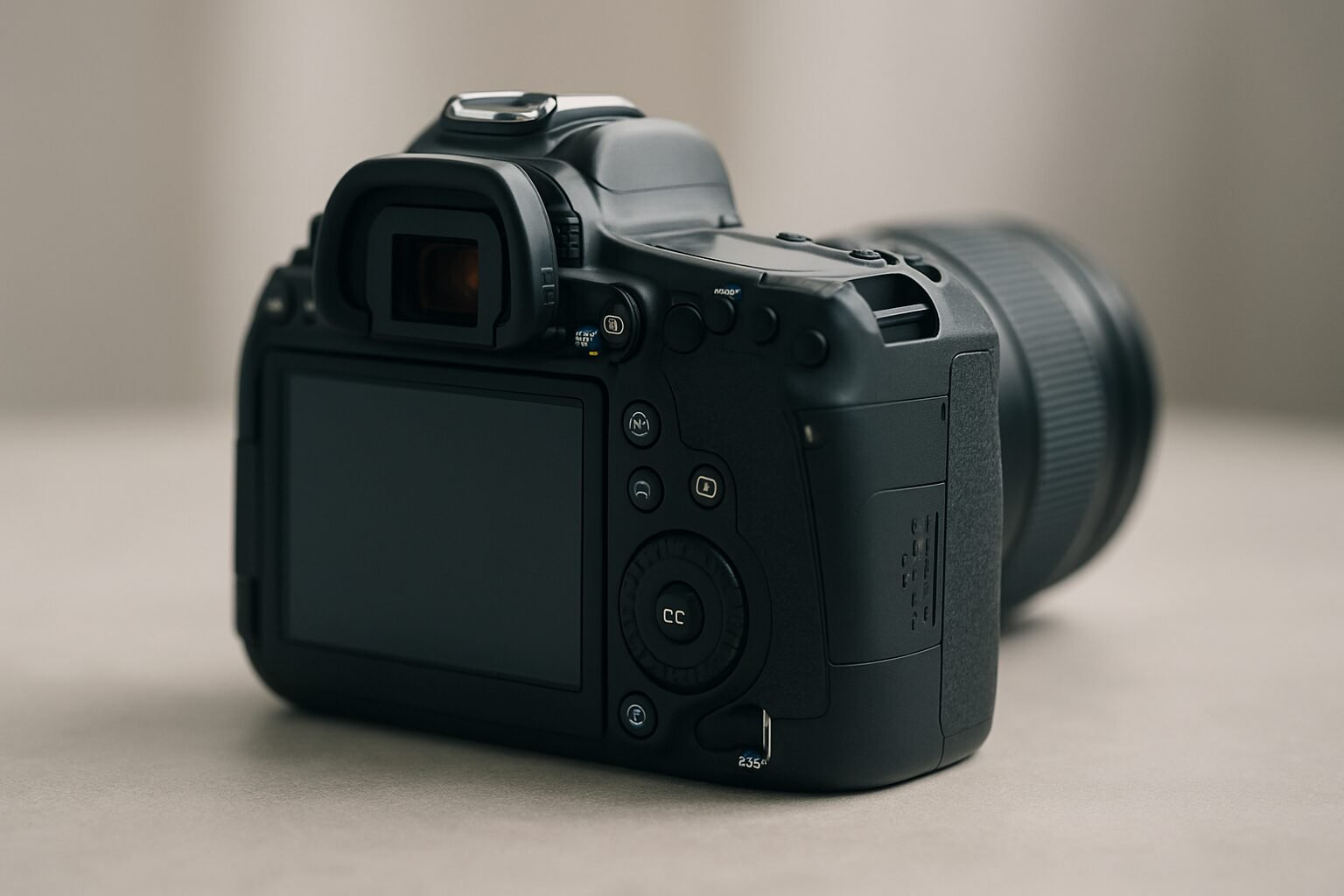
Every camera fotografia digital is built around an image sensor, a silicon chip packed with millions of photosites that each capture a portion of the incoming light. CCD (charge-coupled device) sensors dominated early digital cameras, delivering excellent image quality but drawing significant power. CMOS (complementary metal-oxide semiconductor) sensors took over because they read data faster, consume less battery, and handle noise reduction directly on the chip. Today’s CMOS sensors routinely reach ISO ranges above 102,400, making low-light photography accessible at every price point.
Sensor size is the single biggest factor in image quality. A larger sensor collects more light per photosite, which translates to cleaner images, better dynamic range, and more natural background blur. Common sizes run from the 1/2.3-inch chips found in budget compacts all the way to full-frame (35mm equivalent) sensors in professional bodies.
Lens, Aperture, and Shutter
The lens focuses light onto the sensor. Compact cameras use fixed zoom lenses, while mirrorless and DSLR systems accept interchangeable lenses from wide-angle to super-telephoto. Aperture controls how much light enters and how blurred the background appears. The shutter determines how long the sensor is exposed, freezing fast motion or creating silky blur in waterfalls and traffic trails. Entry-level cameras handle all three automatically. Advanced bodies give you full manual control over each variable.
Connectivity and Battery Life
Modern digital cameras ship with built-in WiFi and Bluetooth as standard features, not premium add-ons. WiFi enables direct transfer to smartphones and cloud storage. Bluetooth keeps a low-power connection active for GPS tagging and remote shutter control without draining the battery. Battery life varies significantly by category: compact cameras typically manage 200-300 shots per charge, while DSLRs with optical viewfinders can reach 600-1,000 shots. Mirrorless cameras sit in the middle, though newer models with efficient processors have closed that gap considerably.
Types of Digital Cameras for Photography
Compact Point-and-Shoot Cameras
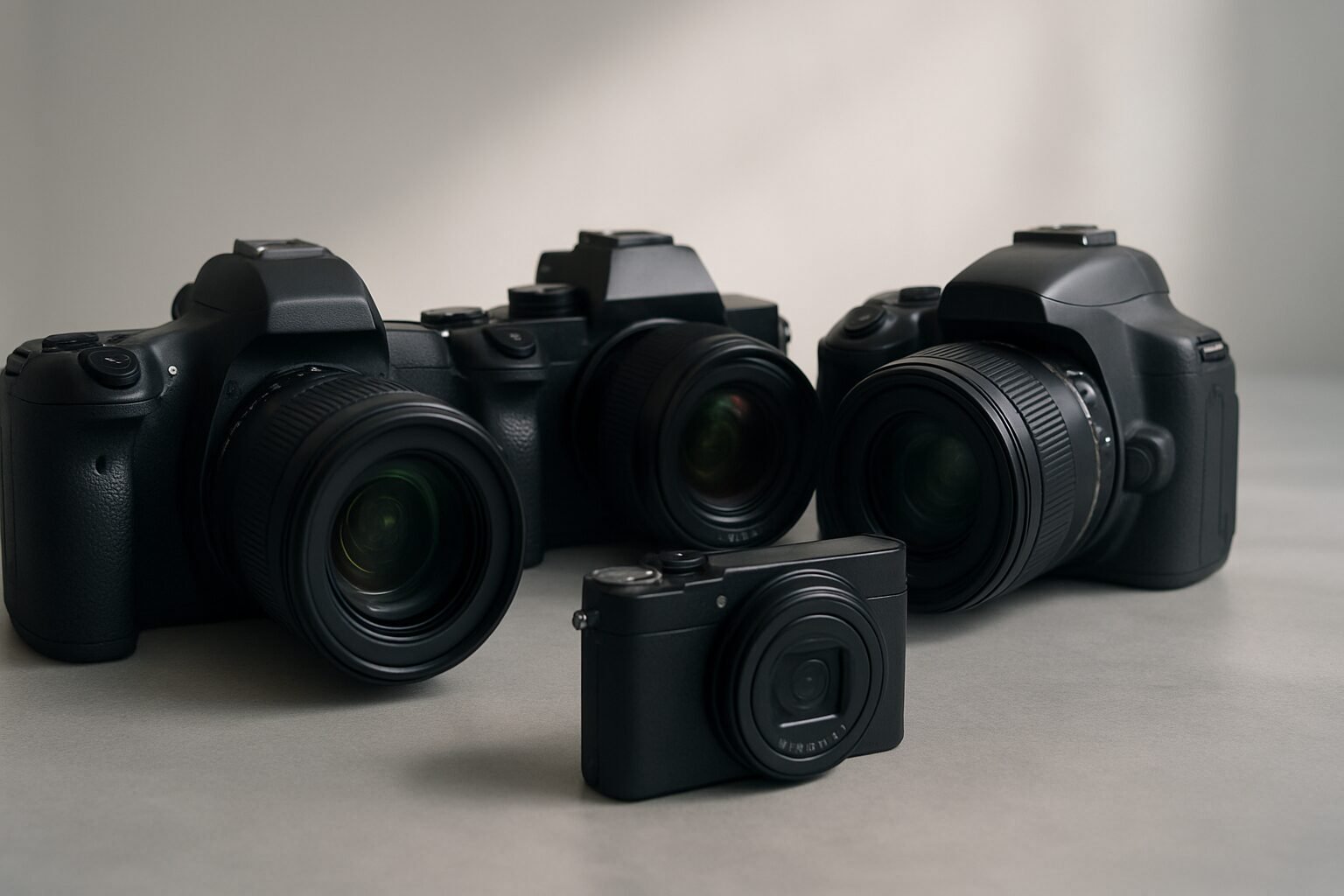
Compact digital cameras are the most accessible entry point into dedicated photography. Small, light, and built around automatic settings, they handle most situations without requiring any technical knowledge. The Kodak PIXPRO FZ45-SL, available from $99 at Walmart, is a solid example of what this category delivers: a fixed zoom lens, built-in flash, and a form factor that fits in a jacket pocket. Optical zoom up to 25x (as in the Kodak PIXPRO AZ255) gives compacts a real advantage over smartphones for travel and wildlife at a distance.
DSLR and Mirrorless Systems
For photographers who want creative control and room to grow, DSLRs and mirrorless cameras are the serious options. DSLRs use a mirror to reflect light into an optical viewfinder, giving you a true optical preview of the scene. Mirrorless cameras remove that mirror entirely, resulting in lighter bodies, electronic viewfinders, and faster burst rates. The Nikon D3100, available refurbished from around $308 at Camera Market, remains a capable entry-level DSLR. The Sony RX100 series starts from $1,271 refurbished and delivers compact-body performance with a larger sensor. Both categories support interchangeable lenses, opening up ecosystems from Canon, Nikon, Sony, and Fujifilm with hundreds of lens options.
Vintage and Digicam Revival
One of the more interesting trends of 2025-2026 is the return of early 2000s digicams as intentional creative tools. The lo-fi color science, compressed JPEG rendering, and small sensor characteristics of cameras like the Kodak EasyShare CX7310 (from $116 at Camera Market) or the Panasonic Lumix DMC-TZ7 (from $355) produce an aesthetic that no filter can fully replicate. Beyond nostalgia, buying refurbished vintage gear aligns with circular economy values, keeping functional electronics out of landfills while delivering genuinely distinctive results.
Key Features to Consider When Buying a Camera Fotografia Digital
Sensor Size and Megapixels
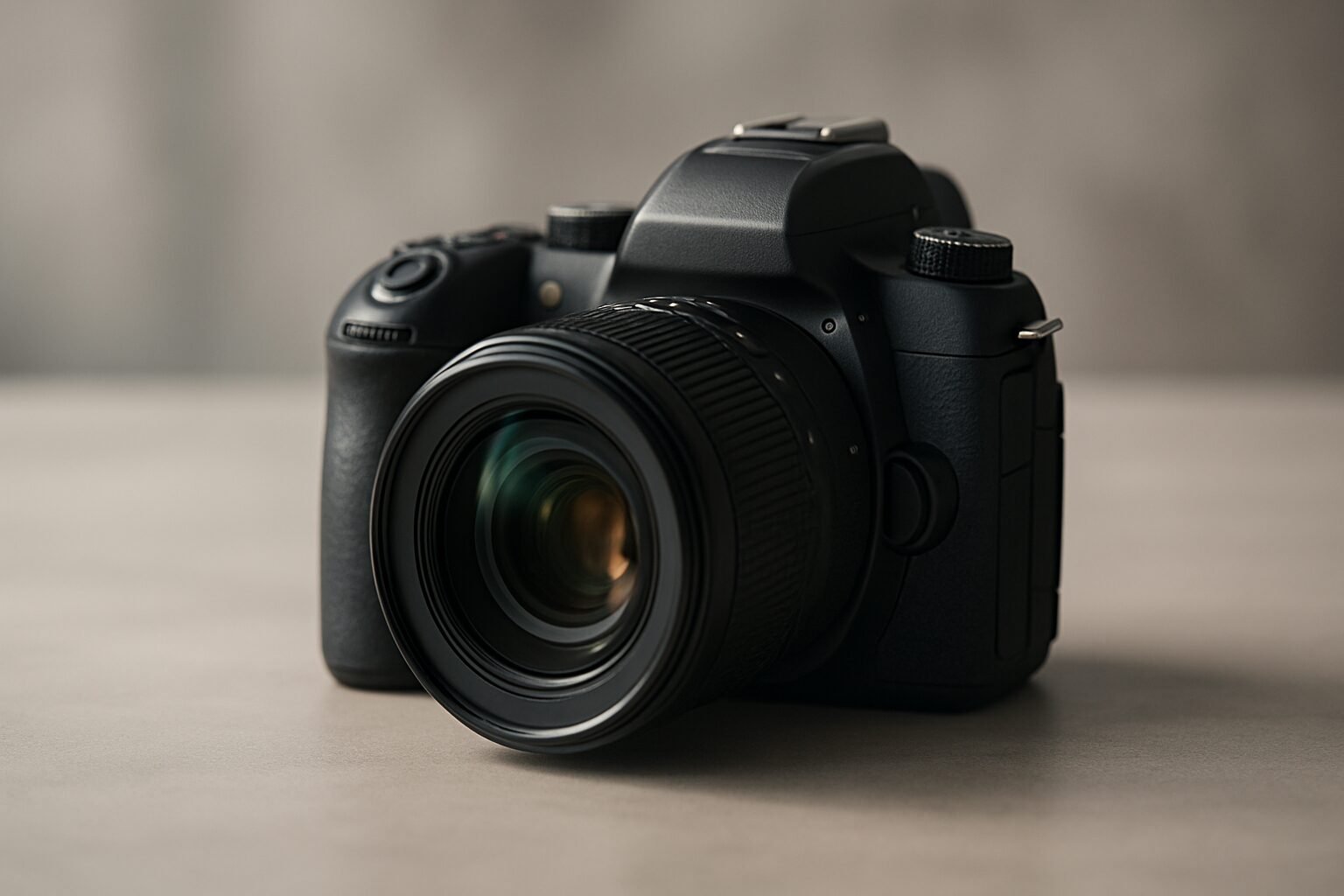
Sensor size is the specification that matters most, and it’s the one most often buried in marketing copy. A 16-24 megapixel full-frame sensor produces better results than a 48 megapixel 1/2.3-inch chip because each photosite is physically larger and captures more light. According to industry reports, a 16-24MP sensor is sufficient for most enthusiast and professional work, including large prints and commercial use. Chasing megapixel counts without considering sensor size is one of the most common buying mistakes.
Lens Versatility and Zoom
Optical zoom preserves image quality by physically moving lens elements. Digital zoom simply crops the image, reducing resolution. Cameras like the Kodak PIXPRO AZ255 offer up to 25x optical zoom, making them genuinely useful for sports and wildlife without a large telephoto lens. Interchangeable lens systems from Nikon and Canon provide ecosystems of dozens to hundreds of compatible lenses, from fisheye to 600mm telephoto, giving serious photographers creative flexibility that no fixed-lens camera can match.
File Formats: JPEG, RAW, HEIF, and TIFF
File format choice shapes your entire post-processing workflow. JPEG compresses images in-camera, producing smaller files ready to share immediately but with limited editing headroom. RAW files preserve all sensor data, giving editors maximum control over exposure, color, and detail recovery, at the cost of larger file sizes and mandatory processing. HEIF (High Efficiency Image Format) offers JPEG-level convenience with better compression and wider color depth, and it’s increasingly supported across modern cameras and phones. TIFF files are uncompressed and enormous, used primarily in professional print workflows where absolute quality is non-negotiable. Most photographers shoot RAW for important work and JPEG for casual use.
Lens Mount Systems
If you’re investing in an interchangeable lens system, the mount matters as much as the body. Canon uses the RF mount for its current mirrorless lineup and the EF mount for DSLRs. Nikon uses the Z mount for mirrorless and F mount for DSLRs. Sony’s E mount covers its full APS-C and full-frame mirrorless range. Fujifilm’s X mount serves its APS-C mirrorless system. Each ecosystem has different lens availability, adapter compatibility, and long-term investment implications. Choosing a mount is often a longer commitment than choosing a specific body, since lenses retain value and transfer between camera generations.
Camera Fotografia Digital vs. Mirrorless vs. DSLR: Comparison Table
| Feature | Compact Digital Camera | Mirrorless Camera | DSLR Camera |
|---|---|---|---|
| Sensor Size | 1/2.3″ to 1-inch | Micro Four Thirds to Full Frame | APS-C to Full Frame |
| Lens | Fixed zoom, non-interchangeable | Interchangeable | Interchangeable |
| Autofocus Speed | Moderate | Fast (phase/contrast detection) | Fast (phase detection via mirror) |
| Weight | Under 300g | 300-700g (body only) | 500-1000g (body only) |
| Video Capability | 1080p to 4K | 4K to 8K | 4K (limited by mirror) |
| Price Range | $50 – $500 | $400 – $5,000+ | $300 – $3,000+ |
| Battery Life (shots) | 200-300 | 300-600+ | 600-1,000+ |
Pros and Cons
Pros
- Instant review: See your shot immediately and reshoot without wasting film or waiting for development.
- Cost efficiency over time: No recurring film or processing costs. A single memory card holds thousands of images.
- Creative control: Manual settings, interchangeable lenses, and RAW files give photographers full control over the final image.
- Connectivity: Built-in WiFi and Bluetooth on most 2024-2026 models enable instant sharing and remote control.
- Longevity: With proper care, a digital camera body lasts 5-10 years. DSLR shutters are rated for 100,000-400,000 actuations.
Cons
- Battery dependency: Unlike film cameras, digital cameras stop working when the battery dies. Always carry a spare.
- Learning curve: RAW processing, manual exposure, and lens selection require time and study to master.
- Upfront cost: A capable mirrorless body with a quality lens can easily exceed $1,500-$2,000 before accessories.
- Sensor dust: Interchangeable lens cameras require periodic sensor cleaning, especially after frequent lens swaps.
- Rapid obsolescence: Camera technology evolves quickly, and bodies from 3-5 years ago may lack current autofocus or video features.
How to Choose the Right Camera Fotografia Digital for Your Needs
Step 1: Define Your Photography Goals
Start with what you actually want to photograph. Travel and street photography reward compact, lightweight bodies with versatile zoom. Wildlife and sports demand fast autofocus and long telephoto reach. Portraits and commercial work benefit from full-frame sensors and prime lenses. Vlogging needs a flip screen, reliable autofocus, and an external microphone input. Being specific about your use case prevents buying a camera that’s technically impressive but wrong for your actual work.
Step 2: Set a Realistic Budget
Digital cameras span from under $100 (like the SANEEN 5K at $63 for casual use) to over $5,000 for professional mirrorless bodies. Budget for the complete system, not just the body. Lenses, memory cards (UHS-II cards for 4K video), extra batteries, and a quality bag can add $200-$500 to the total. Refurbished options from reputable sellers like Camera Market can save 20-50% compared to new retail prices, and they typically include a 6-month warranty. Camera Market stocks over 17,000 products, making it a practical source for both current and vintage gear.
Step 3: Compare Key Specifications
Look beyond the megapixel number. Check sensor size, ISO performance in real-world sample images, burst rate for action, and video resolution if you plan to shoot footage. Read reviews from RTINGS.com, DPReview, and similar sources that publish standardized test results. Spec sheets tell you what a camera can do in ideal conditions. Sample images and user reviews tell you what it actually delivers in the field.
“The best camera is the one that disappears in your hands. Specs matter, but ergonomics and workflow determine whether you actually use the thing.” – Emin Media production team, based on work across brand campaigns and documentary projects
Camera Fotografia Digital Maintenance and Accessories
Lens Care and Sensor Cleaning
Clean lenses produce sharp images. Use a microfiber cloth and a lens pen for the front and rear elements. Avoid compressed air directly on glass. For interchangeable lens cameras, sensor dust accumulates over time and shows up as dark spots in images, especially at narrow apertures like f/11 or f/16. A rocket blower handles loose particles. A dedicated sensor cleaning kit with swabs and solution handles stubborn contamination. Professional sensor cleaning costs $30-$80 at most camera service centers and is worth doing once or twice a year for active shooters.
Must-Have Accessories
Extra batteries are non-negotiable, particularly for mirrorless cameras that drain power faster than DSLRs. High-speed UHS-II SD cards are essential for 4K video and high-burst shooting. A sturdy tripod opens up long exposures, astrophotography, and video work that handheld shooting simply can’t achieve. A padded camera bag protects your investment during travel. Weather-sealed bodies like the Olympus TG-7 handle rain and dust, but a rain cover adds protection for non-sealed cameras in unpredictable conditions.
Frequently Asked Questions
What is the best camera fotografia digital for beginners?
Beginners get the most value from an entry-level mirrorless or DSLR with guided shooting modes, like the Nikon D3300 or Canon EOS Rebel series. These bodies offer room to grow into manual settings while keeping the learning curve manageable. Refurbished options from around $300 with a kit lens are a practical starting point that won’t feel limiting after six months.
Which brand is better: Canon, Nikon, or Sony?
No single brand wins across every category. Canon is known for intuitive menus and accurate skin tones in portrait work. Nikon earns consistent praise for ergonomics and dynamic range in landscape and documentary photography. Sony leads the mirrorless market in autofocus performance and video features as of 2026. The best approach is to handle all three in a store before committing to a system.
Can I record high-quality video with a camera fotografia digital?
Yes. Most current mirrorless cameras shoot 4K at up to 60fps, and select professional bodies reach 8K. The Panasonic Lumix DC-TZ90 and Sony RX100 series are popular for vlogging because of their flip screens and reliable autofocus. For professional video production, Sony and Canon mirrorless bodies are widely used across commercial and documentary work.
Are refurbished digital cameras reliable?
Refurbished cameras from reputable marketplaces like Camera Market are tested, graded, and sold with a 6-month warranty. Buying refurbished is both cost-effective and environmentally responsible, keeping functional electronics in use rather than in landfills. The 20-50% savings compared to new retail prices make it a smart choice for photographers at every level.
What does “digital” mean in a camera fotografia digital?
Digital refers to how the image is captured and stored. Instead of exposing chemical film to light, a digital camera uses an electronic sensor to record light as numerical data. That data is written to a memory card as a file (JPEG, RAW, HEIF, or TIFF) that can be previewed instantly, copied without degradation, and edited on any computer.
How long do digital cameras last?
With proper care, a digital camera body realistically lasts 5-10 years or more. DSLR shutter mechanisms are rated for 100,000-400,000 actuations depending on the model tier. Electronic components generally outlast the shutter. The most common failure point is the battery, which degrades over charge cycles and can be replaced for $20-$60.
Ready to find the right camera for your creative vision? Explore Emin Media’s creative services or browse Camera Market’s curated selection of new and refurbished digital cameras. You can also compare flagship options directly at Canon’s official store. Contact Emin Media for a free brand consultation and let’s build something bold together.
Enjoyed this article?
Contact Emin Media for a free brand consultation and let's create something amazing together.
Get in Touch