Best Compact Digital SLR Camera Guide 2026
Key Takeaways
- True compact digital SLR cameras don’t exist: premium mirrorless compacts now deliver DSLR-level quality in smaller bodies.
- The Fujifilm X100VI leads our 2026 picks with a 40MP APS-C sensor, 5-axis IBIS, and classic manual controls.
- Models under $500 like the Canon PowerShot ELPH 360 HS make travel photography accessible, while used options from KEH cut costs by 20–40%.
- Key specs to prioritize include sensor size, lens aperture, weight under 600g, and battery life above 350 shots.
- Stick to mirrorless compacts for portability: the smallest DSLRs still weigh over 700g with a lens attached.
A compact digital SLR camera is a portable camera that merges DSLR-like image quality with a fixed lens and advanced manual controls. Our 2026 top pick is the Fujifilm X100VI: a 40MP APS-C sensor in a 521g body built for travel photographers who want pro results without the bulk.
What Is a Compact Digital SLR Camera?
Debunking the Myth: True Compact DSLRs Don’t Exist
The term “slr camera” is, technically, a contradiction. A digital SLR relies on a mirror and pentaprism, adding inherent bulk. The smallest DSLRs, like the Canon EOS Rebel SL3, still weigh over 700g with a kit lens. The industry has responded by shifting to mirrorless compact cameras: large sensors paired with electronic viewfinders that deliver similar or superior image quality in a fraction of the size.
Key Characteristics of a Compact Digital SLR Camera
A this type of camera in today’s market is defined by three traits: a large sensor (at least 1-inch, often APS-C or full-frame), comprehensive manual controls, and a fixed or interchangeable lens system that prioritizes pocketability. These models bridge the gap between bulky DSLRs and undersized smartphone lenses, giving enthusiasts full creative command without the weight.
Why This Category Matters for Travellers
According to The Cotswold Photographer, the best travel cameras are the ones you’ll actually carry. A this kind of slr camera typically weighs under 600g and slips into a jacket pocket, making it far more practical than a traditional DSLR kit for vacations, street walks, or family outings.
Top 5 Compact Digital SLR Cameras in 2026
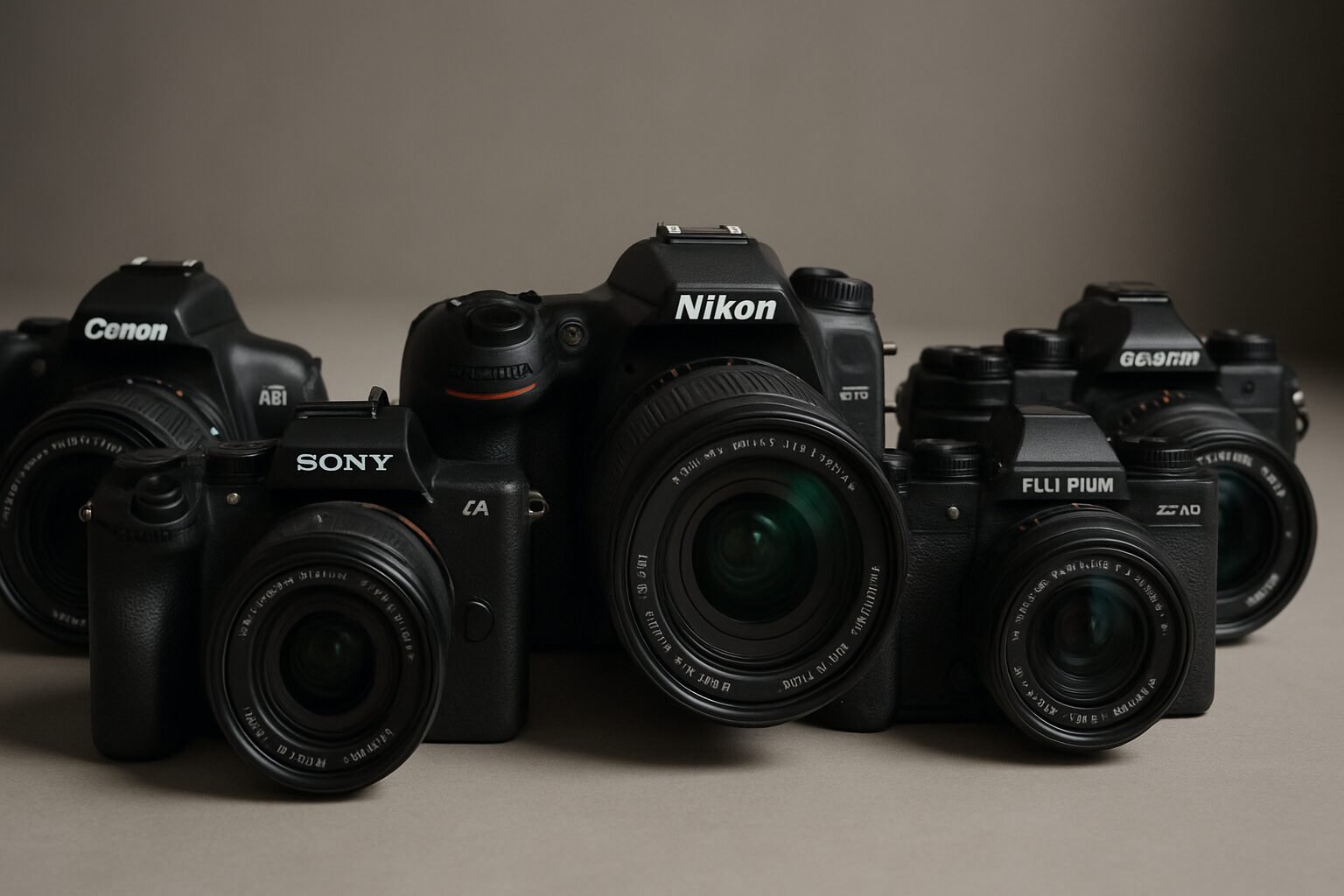
| Model | Sensor | Lens | Weight | Price (New) | Battery Life |
|---|---|---|---|---|---|
| Fujifilm X100VI | 40MP APS-C | 23mm f/2 (fixed) | 521g | $1,799 | ~450 shots |
| Ricoh GR IV | 26MP APS-C | 18.3mm f/2.8 (fixed) | 262g | ~$1,000 | ~400 shots |
| Sony RX100 VII | 20MP 1″ | 24-200mm equiv. zoom | 302g | $1,498 | ~260 shots |
| Canon G7X Mark III | 20MP 1″ | 24-100mm f/1.8-2.8 zoom | 304g | $879 | ~265 shots |
| Canon ELPH 360 HS | 20MP 1/2.3″ | 25-300mm equiv. zoom | 147g | $379 | ~180 shots |
Fujifilm X100VI: The All-Rounder
The Fujifilm X100VI dominates the the digital slr camera conversation for good reason. Its 40MP APS-C X-Trans sensor and 5-axis IBIS produce files that hold up to serious cropping and large prints. Weighing just 521g, it feels substantial without being punishing on a long walk. The fixed 23mm f/2 lens (35mm equivalent) captures crisp street scenes and flattering portraits with natural compression.
The Cotswold Photographer notes the battery lasts approximately 450 shots, enough for a full day of sightseeing. The hybrid optical/electronic viewfinder and Fujifilm’s iconic film simulations make it genuinely enjoyable to shoot. Availability remains tight due to sustained demand, so check stock regularly if you want one at retail price.
Ricoh GR IV: Pocketable Power
For photographers who value stealth above all else, the Ricoh GR IV is unmatched. Its 26MP APS-C sensor produces tones that rival full-size DSLRs, yet the entire camera weighs only 262g: roughly half the weight of the X100VI. The 28mm-equivalent f/2.8 lens is razor-sharp edge to edge. The Cotswold Photographer calls it “the best true everyday carry camera available right now.” Snap Focus mode lets you pre-focus for instant street captures, a feature no smartphone can replicate with the same reliability.
Sony RX100 VII: Zoom Versatility
If a fixed lens doesn’t suit your shooting style, the Sony RX100 VII answers with a 24–200mm equivalent zoom in a 302g body. Its 1-inch stacked sensor and real-time tracking AF rival dedicated mirrorless systems. At $1,498 (reviewed by B&H Photo Video), it’s the priciest zoom compact here, but 20fps burst shooting and 4K video justify the investment for hybrid shooters who need both stills and footage.
Key Features That Define a Compact Digital SLR Camera
Sensor Size Is Everything
A camera earns its reputation through sensor size: the larger the sensor, the more light it captures and the better it handles noise. APS-C sensors (23.6mm × 15.6mm) appear in the Fujifilm X100VI and Ricoh GR IV, producing cleaner shadows and wider dynamic range than the 1-inch sensors in the Sony RX100 VII. The Canon ELPH 360 HS uses a 1/2.3-inch sensor, which limits low-light performance noticeably. For DSLR-like depth of field and subject separation, aim for at least a 1-inch sensor.
Lens Aperture and Sharpness
The lens matters as much as the sensor. Wide apertures like f/2 on the X100VI isolate subjects beautifully and keep shutter speeds fast in dim light. The Ricoh GR IV’s f/2.8 is also bright for a compact, while the Sony’s variable f/2.8–4.5 zoom trades some low-light ability for reach. Fixed prime lenses often out-resolve zooms at equivalent apertures, but you sacrifice flexibility. A well-chosen compact digital should have a lens that resolves its full megapixel count without softness in the corners.
Portability and Build Quality
Weight under 600g is the defining hallmark of this category. The Canon ELPH 360 HS sets the featherweight standard at 147g, while the Fujifilm and Sony models stay under 525g. Dust- and splash-resistant sealing matters for outdoor shooting: the X100VI gains weather resistance with an optional adapter ring, which costs around $50–70 and accepts 49mm filters. Always confirm whether your chosen compact can survive a drizzle or a dusty market before you book the trip.
Vlogging and Video Features
As of 2026, video capability is no longer optional. The Canon G7X Mark III supports live streaming directly to YouTube, a feature content creators specifically seek out. The Sony RX100 VII shoots 4K video with real-time eye-tracking, making it a strong dual-purpose tool. If vertical video for Reels or TikTok is part of your workflow, check whether the camera’s app supports portrait-mode output before you buy. Battery life drops significantly during video recording: expect 30–40% fewer shots compared to stills-only use.
Pros and Cons
Pros
- DSLR-quality images in a body that fits a coat pocket or small bag.
- Large APS-C sensors on top models deliver clean files at high ISO settings.
- No lens-swapping required: fixed-lens compacts are faster to deploy and harder to damage.
- Price range from $120 to $1,800 means there’s a genuine option at every budget level.
- Silent electronic shutters on models like the X100VI are ideal for events, ceremonies, and street work.
Cons
- Fixed lenses limit flexibility: you can’t swap to a telephoto when the moment demands it.
- Battery life is shorter than DSLRs: most compacts deliver 180–450 shots versus 600–900 on entry-level DSLRs.
- Small sensors on budget models (1/2.3-inch) struggle in low light compared to APS-C alternatives.
- High demand drives up prices: the Fujifilm X100VI regularly sells above its $1,799 MSRP on secondary markets.
Budget and Used Options for Compact Digital SLR Photography
Affordable New Picks Under $500
Not every photographer needs to spend $1,000 or more. The Canon PowerShot ELPH 360 HS, priced at $379 at Kenmore Camera, is a genuine slr camera entry point for beginners. Its 20.2MP sensor and 12x optical zoom cover family memories and casual travel without overwhelming complexity. For $119, the Kodak Pixpro FZ45 (reviewed at B&H) is a low-risk first camera for anyone testing the waters.
Savvy Second-Hand Shopping at KEH
The used market cuts costs sharply. KEH Camera lists “Excellent” condition Sony RX100 VII units from $1,386, dropping the cost by nearly 8% versus new. Older gems like the Fujifilm X100F (24.3MP APS-C) regularly appear under $1,000. KEH grades conservatively, and every purchase includes a 180-day warranty for genuine peace of mind. Buying used is one of the smartest moves in compact camera photography: the technology doesn’t depreciate as fast as the price does.
What to Inspect on Used Models
When evaluating a used this type of camera, check the shutter count (ideally under 15,000 actuations), look for sensor spots, and test the battery latch. Ask the seller for sample images shot at f/8. Cleaning a sealed compact often requires a professional teardown, so factor in $100–200 in potential service costs when setting your budget ceiling.
“Even after the release of the Ricoh GRIV, I still choose the Fuji X100VI most of the time. It’s small, light, offers a large APS-C sensor, and delivers 40MP of excellent image quality. The JPEGs are among the best of any camera, so you won’t need to spend hours behind a computer screen.” – The Cotswold Photographer
How to Select a Compact Camera with DSLR Quality
Step 1: Determine Your Primary Use
Think about what you’ll photograph 80% of the time. Street photography? The Ricoh GR IV’s 28mm lens and Snap Focus mode excel at candid moments. Travel and family portraits? The Fujifilm X100VI’s 35mm equivalent is more versatile for mixed shooting. Wildlife or distant details? A zoom like the Sony RX100 VII’s 24–200mm range is non-negotiable.
Step 2: Assess Your Budget
A this kind of slr camera ranges from $120 to $1,800 new. Set a ceiling, then explore used stock. You can find cameras 20–40% below retail at KEH or Kenmore Camera. Don’t forget to budget $50–100 for a fast SD card and a spare battery: both are easy to overlook and both matter on a long travel day.
Step 3: Compare Key Specs Side-by-Side
Ignore marketing language and focus on sensor size, lens speed, and weight. Use the comparison table above as your starting point. If you shoot frequently in low light, the f/2 lens of the X100VI outperforms the f/2.8–4.5 variable zoom of the Sony. The right the digital slr camera for you will balance the three specs that matter most to your actual shooting habits.
Step 4: Consider the Mirrorless vs. Interchangeable-Lens Question
Fixed-lens compacts are faster, simpler, and more pocketable. But if you anticipate needing a telephoto for wildlife or a wide angle for architecture, a mirrorless interchangeable-lens system like the Fujifilm X-S20 or Sony ZV-E10 gives you that flexibility at a similar price point. The trade-off is size: add a second lens and you’ve lost the portability advantage that makes compact cameras worth choosing in the first place.
Compact Cameras vs. Traditional DSLRs
Size and Weight Showdown
The Canon EOS Rebel SL3 weighs 449g body-only. Add the 18-55mm kit lens and you’re carrying 663g. Compare that to the 262g Ricoh GR IV or the 521g Fujifilm X100VI, both of which include their lenses. A camera wins the portability battle every time, often fitting into a small bag or even a coat pocket where a DSLR kit simply won’t go.
Image Quality Face-Off
Large-sensor compacts now match entry-level DSLRs in most real-world conditions. The 40MP X100VI resolves more detail than a 24MP APS-C DSLR. Traditional DSLRs still hold an edge in high-ISO performance above ISO 6400, where their larger optical viewfinders and deeper battery reserves help. For prints up to 16×24 inches, a compact digital delivers near-indistinguishable results, especially with modern noise reduction applied in post.
Lens Flexibility and Adaptability
A traditional DSLR lets you swap lenses from ultrawide to super-telephoto. A compact like the Sony RX100 VII packs a 24–200mm zoom into a sealed unit, while the Fujifilm and Ricoh stick to a single focal length. If you need multiple lenses regularly, a mirrorless interchangeable-lens system is the smarter long-term investment. For one-lens simplicity and maximum portability, these compacts are hard to beat.
“The best camera is the one you have with you. Premium compacts have closed the image quality gap with DSLRs so significantly that for most photographers, the portability advantage of a compact outweighs any optical flexibility they give up.” – Digital Camera World, 2026 Compact Camera Buyer’s Guide
Frequently Asked Questions
What is the best compact digital SLR camera?
There is no true “slr camera” in the traditional sense, but the Fujifilm X100VI is the top mirrorless compact for 2026. It combines a 40MP APS-C sensor, 5-axis IBIS, and a sharp 23mm f/2 lens in a 521g body, making it ideal for enthusiasts who want pro-level results without interchangeable lenses.
What is the smallest digital SLR camera?
The smallest traditional DSLR is the Canon EOS Rebel SL3 at 449g body-only, but it becomes significantly bulkier with a lens attached. A this type of camera alternative like the Ricoh GR IV weighs just 262g including its lens, making it far more practical for everyday carry.
What is the difference between a compact camera and a digital SLR camera?
A compact camera has a built-in lens and typically a smaller sensor, while a DSLR uses interchangeable lenses and a larger APS-C or full-frame sensor with a physical mirror system. Today’s premium compacts blur that line: a this kind of slr camera (mirrorless variant) can match DSLR image quality in a fraction of the size and weight.
Is a compact digital SLR camera good for travel?
Yes. Weighing under 525g, models like the Fujifilm X100VI or Sony RX100 VII save meaningful space and eliminate the “I’ll leave the camera at home” dilemma. Travel photographers specifically value battery life above 350 shots and weather sealing for outdoor peace of mind.
Can I use a compact digital SLR camera for professional work?
Absolutely. A compact digital SLR camera with an APS-C sensor and RAW capture delivers client-ready files. The 40MP Fujifilm X100VI produces prints up to 24×36 inches with ease, and its silent electronic shutter is ideal for events, editorial work, and documentary photography.
How much should I spend on a compact digital SLR camera?
Budget $120–$1,800 new depending on your needs. Beginners can start with the Canon ELPH 360 HS at $379, while serious enthusiasts often choose the $1,799 Fujifilm X100VI. Used models from KEH regularly come in 20–40% below retail, bringing premium options within reach of most budgets.
Ready to Find Your Perfect Compact Camera?
The compact digital SLR camera category has matured into something genuinely exciting. Whether you choose the detail-packed Fujifilm X100VI, the featherweight Ricoh GR IV, or the versatile Sony RX100 VII, you’re getting DSLR-quality results in a bag-friendly form. Evaluate sensor size, lens speed, and portability against your actual shooting habits, and you’ll wonder why you ever lugged a heavy DSLR on holiday.
Want expert guidance on building a visual brand around your photography or content? Contact Emin Media for a free brand consultation and let’s build something bold together.
Enjoyed this article?
Contact Emin Media for a free brand consultation and let's create something amazing together.
Get in TouchRelated Articles
Camera Fotografia Digital: Complete 2026 Guide
Camera fotografia digital options in 2026 span compacts to mirrorless. Find the right sensor, lens,…
Digital Camera Cases: Best Protection Guide 2026
Find the best camera case digital photographers trust in 2026. Compare hard shells, soft pouches,…
Digital SLR Camera Cost Guide 2026
Digital slr camera cost ranges from $490 to $6,500. Compare Canon, Nikon & Pentax prices,…