Digital Camera Cases: Best Protection Guide 2026
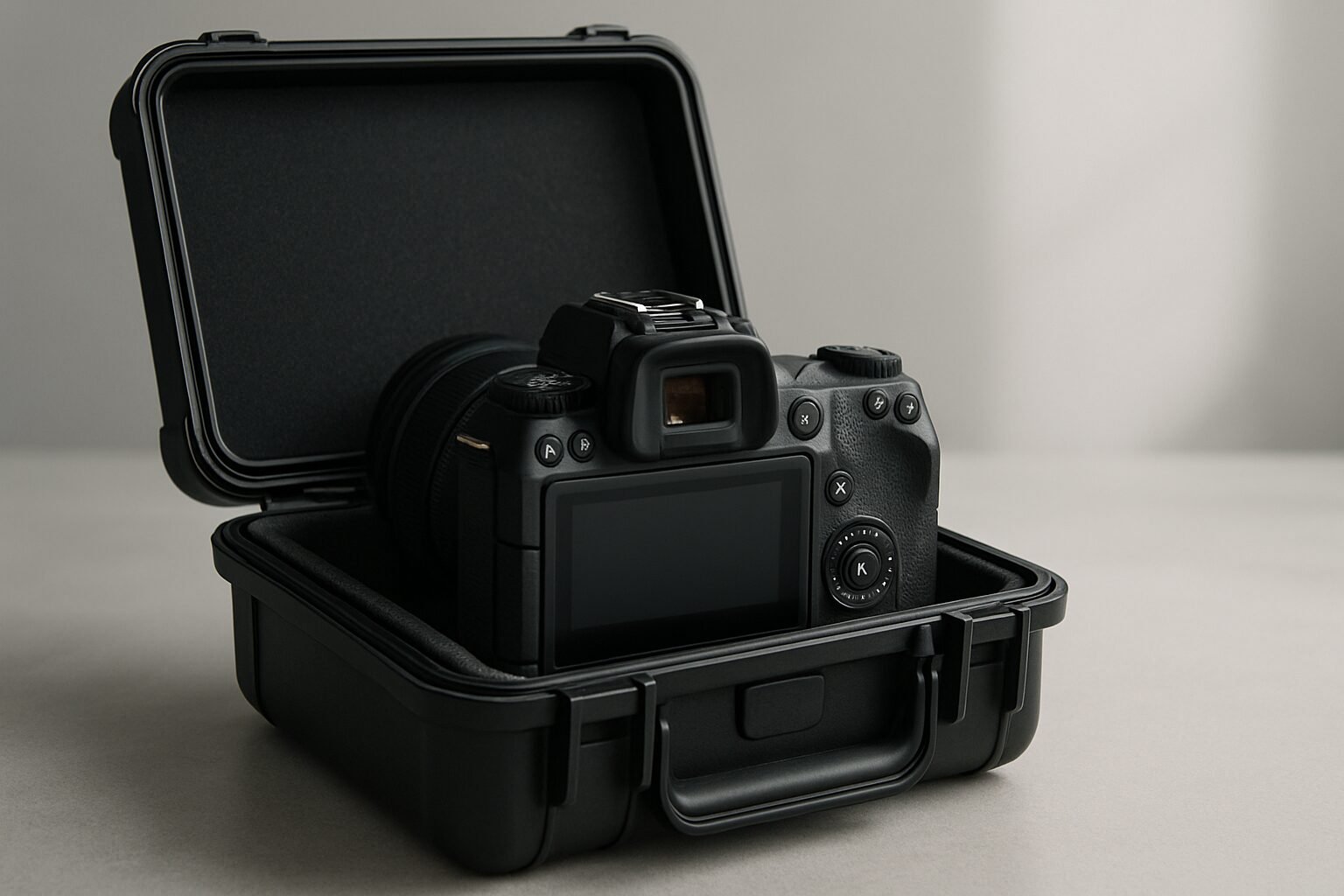
A camera case digital photographers rely on is a protective enclosure designed to shield cameras from impacts, moisture, dust, and scratches. Options range from soft neoprene pouches to rugged hard-shell models with customizable foam.
Key Takeaways
- Multiple formats exist: Digital camera cases come as soft pouches, hard shells, backpacks, and slings, each suited to different shooting styles.
- Material determines protection: Look for waterproof, shockproof, and crushproof features based on where and how you shoot.
- Price range is wide: Reliable options start at $9.99, with professional-grade hard cases reaching $309.95.
- DIY is a real option: A custom foam-and-fabric case can be built for under $15 with no sewing required.
- Size matching matters: Always verify internal dimensions against your specific camera body and lens combination before buying.
What Is a Camera Case Digital and Why Do You Need One?
The Evolution of Camera Protection
A camera case digital solution has evolved from basic leather pouches into advanced multi-layered protection systems. Early photographers relied on simple bags, but modern digital camera cases integrate shock-absorbing materials, waterproof seals, and customized compartments. A digital camera case is a protective enclosure designed to shield cameras from physical damage and environmental hazards. With the rise of mirrorless and compact cameras, demand for tailored cases has surged. Today’s options balance portability with military-grade durability, keeping your device operational in challenging conditions.
Common Risks for Digital Cameras Without a Case
Exposing a digital camera to daily hazards significantly increases the risk of lens scratches, sensor dust accumulation, and impact damage. Moisture intrusion can short-circuit electronics, while drop impacts often crack LCD screens. According to Pelican’s product page, their cases provide crushproof protection and a watertight O-ring seal that prevents damage from submersion. Without a proper camera case digital gear can suffer premature failure, leading to repair costs that sometimes exceed $200 for sensor cleaning alone. Investing in a case is a fraction of that cost, with many quality options starting under $15.
Types of Camera Protection Options
Soft Pouches and Sleeves
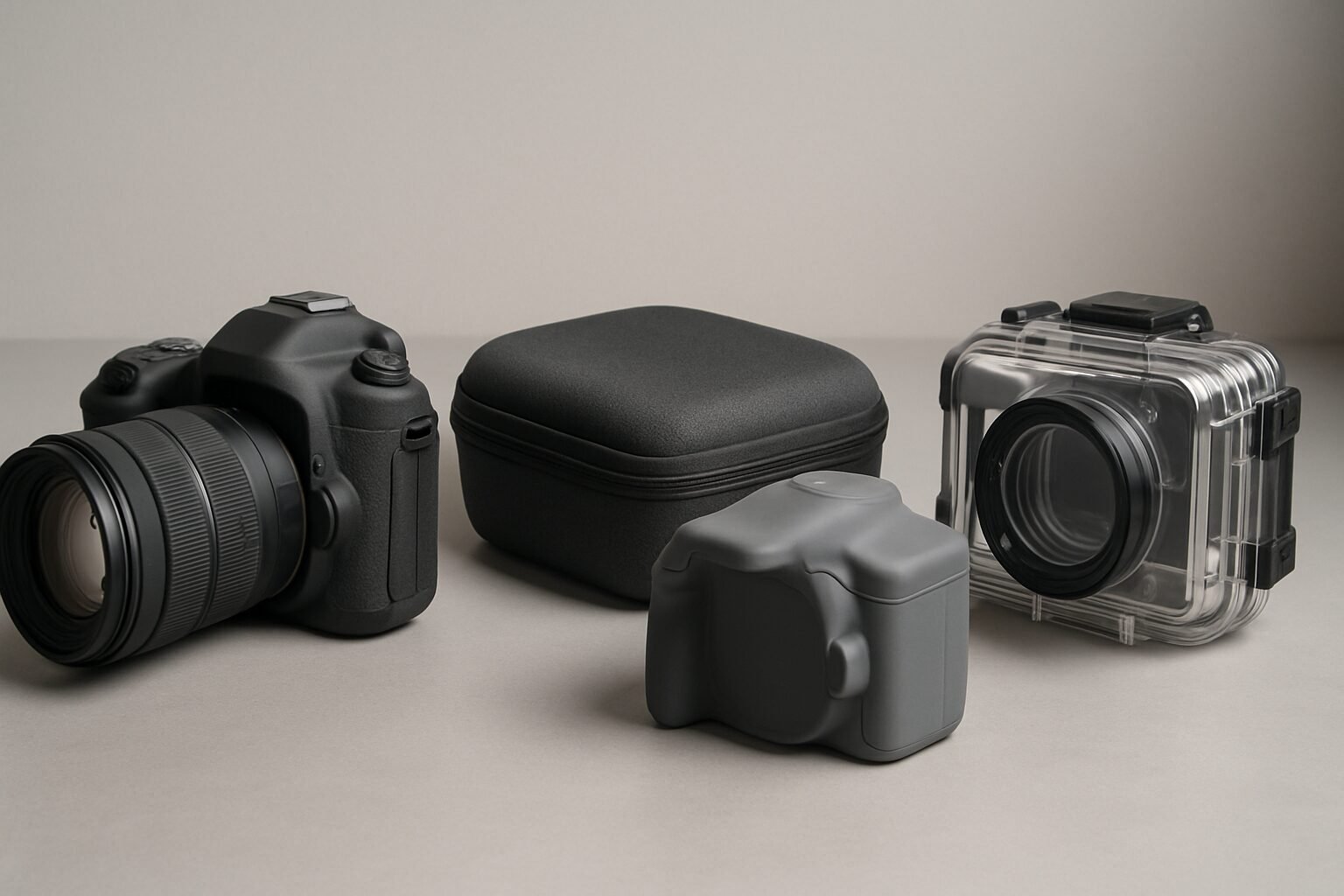
Soft pouches are the most lightweight and portable option for everyday carry. Made from neoprene, polyester, or canvas, they offer basic scratch and dust protection without adding bulk. The BAGSMART Digital Camera Case, priced at $25.99, uses a padded EVA foam core to absorb light bumps while remaining compact enough to slip into a backpack. With a 4.7-star rating from 117 customer reviews on Amazon, this soft case exemplifies the balance between protection and convenience. Neoprene wraps, like those from Unique Bargains sold at Target for $14.99 to $21.99, provide stretchable coverage across multiple camera body sizes.
Hard Shell Cases
Hard shell camera case digital models offer maximum defense against crushing forces and severe impacts. The Pelican 1510 Protector Carry-On, starting at $229.95, features a polypropylene body with a Pick N Pluck foam interior that conforms precisely to your gear. This type is favored by professional photographers who travel to remote locations or check equipment on flights. A more affordable hard shell option is the Vidpro ACT-15 Accent, priced at $19.99 on AVC Store, which uses ABS plastic for rigid protection without the weight penalty.
Backpacks and Sling Bags
For photographers carrying multiple lenses and accessories, backpacks and slings serve as a comprehensive carrying solution. The Peak Design Everyday Sling v2 3L, at $99.95, combines a sleek design with customizable dividers and a weatherproof shell. Larger systems like the Tenba Axis V2 Backpack, priced from $199.95 to $309.95, accommodate laptops and tripods alongside camera bodies. These wearable cases distribute weight evenly, reducing strain during long shoots.
Lens Wraps and Pouches
Lens wraps are a compact, flexible alternative to rigid lens cases. Made from microfiber or padded neoprene, they fold around individual lenses and secure with hook-and-loop closures, protecting glass from scratches and minor impacts. Brands like Peak Design and Tenba offer dedicated lens pouches sized from 70mm to 200mm barrels. For photographers who mix and match lenses frequently, a set of wraps costs far less than buying a separate hard case for each piece of glass, typically running $10 to $30 per wrap.
Kids-Specific Camera Cases
Children’s cameras like the Fujifilm Instax Mini 12 have their own category of protective cases designed for smaller hands and rougher handling. The Fujifilm heyday Poppy Flowers case ($9.99 at Target) adds minimal bulk while protecting the body from drops and scratches. Kids-focused cases often feature bright colors, silicone bumpers, and wrist straps sized for smaller wrists. If you’re buying a camera as a gift, pairing it with a purpose-built case from day one dramatically extends the device’s life.
Underwater and Dive Camera Cases
Underwater housings are a specialized category built for divers and water sports photographers. These rigid polycarbonate or aluminum enclosures create a fully sealed environment, allowing cameras to operate at depths ranging from 10 to 60 meters depending on the housing rating. Brands like Ikelite and Nauticam produce housings for popular mirrorless bodies, with prices starting around $300 and climbing well above $1,000 for professional dive setups. If you shoot in or near water regularly, a standard waterproof case is not a substitute for a rated dive housing.
How to Choose the Right Size for Your Camera
Measuring Your Camera Dimensions
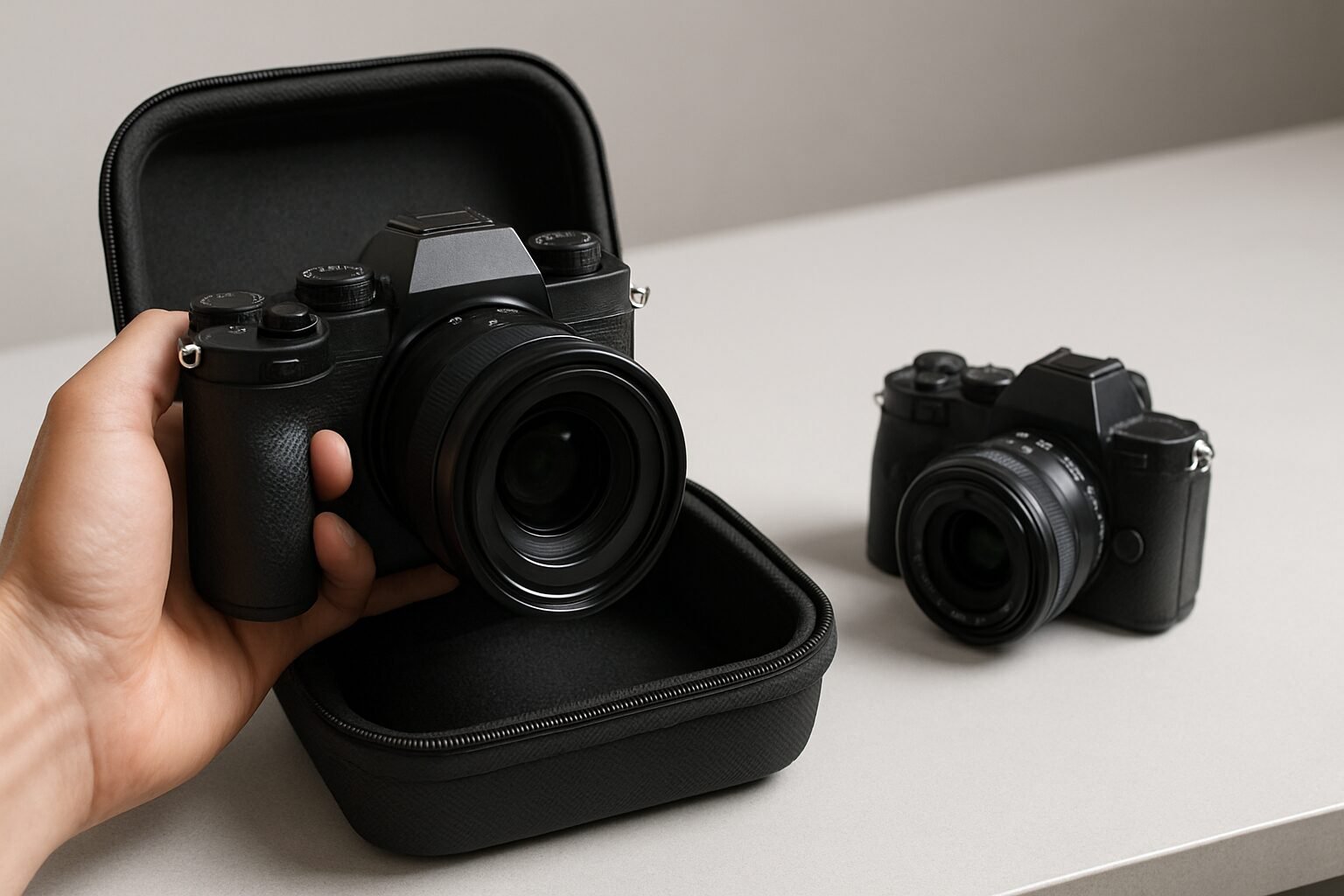
Before purchasing any camera case digital option, measure your camera’s width, height, and depth with the lens attached. Most case manufacturers list internal compartment dimensions explicitly. The Easy Hood Case for Canon G7X Mark III, available for $24.99 on AVC Store, is tailored to that specific model’s measurements. A case that’s too tight risks pressing buttons or stressing mounts, while one that’s too large allows the camera to shift during transport.
Considering Extra Lens and Accessory Space
A functional setup often holds more than just the body. Account for at least one extra lens, spare batteries, memory cards, and cables. The BAGSMART 2 in 1 Puffy Camera Sling Bag, at $29.99, includes a removable insert for a tablet and accessory pockets. When calculating volume, add roughly 20% extra space to comfortably fit chargers and cleaning kits without forcing zippers.
Compact vs. DSLR and Mirrorless Sizing
Compact point-and-shoot cameras can use ultra-small cases like the Fujifilm heyday Poppy Flowers case at $9.99, which adds minimal bulk. DSLR and full-frame mirrorless bodies require substantially larger interiors. The EMART Digital Camera Case from Walmart ($9.99) accommodates slightly larger builds while remaining compact. Always verify that grip depth and viewfinder clearance are respected in the case design before committing to a purchase.
Key Features to Look For in a Camera Case Digital
Waterproof and Weather Resistance
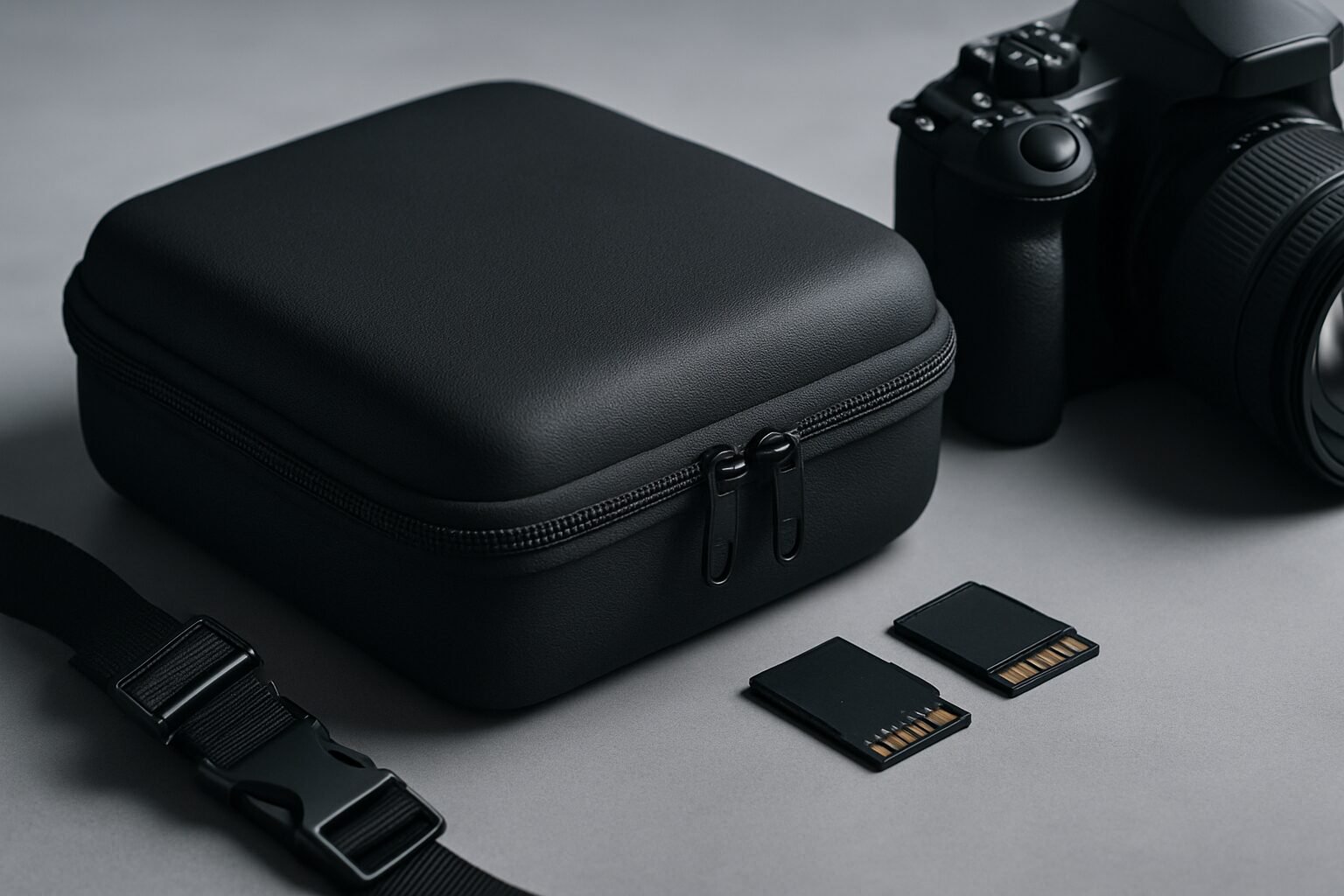
Waterproofing is the ability of a case to prevent water ingress under specified pressure or depth. Pelican Protector cases achieve this with an O-ring seal and a pressure equalization valve, allowing temporary submersion without leaks. Soft cases often use water-resistant coatings or hydrophobic fabrics to repel light rain and splashes. The BAGSMART Digital Camera Case features a water-resistant outer layer that handles accidental spills or drizzle, though it is not rated for submersion. For outdoor use, prioritize at least an IPX4 rating or equivalent labeled protection on any camera case digital you consider.
“A case that fails in the field isn’t a case, it’s a false sense of security. Waterproof ratings and crush ratings exist for a reason: test them before you trust them.” – Pelican product engineering documentation
Shockproof and Crushproof Protection
Drop protection relies on foam density and shell rigidity. EVA (ethylene-vinyl acetate) is a lightweight foam commonly used for shock absorption in mid-range cases. Pelican’s open-cell core with solid polypropylene walls resists deformation even under extreme pressure, according to their product description. For everyday knock protection, the Vidpro CR350 DSLR Camera and Camcorder Case at $20.00 uses dense padding to cushion impacts. Look for cases with reinforced corners and padded dividers that immobilize camera bodies during sudden movements.
Organizational Pockets and Portability
Modern designs incorporate smart storage for small items. The Peak Design Capture Clip V3, priced at $79.95, allows rapid camera access while hiking without opening a bag. Cases with see-through mesh pockets keep memory cards and cables visible and accessible. Portability features include contoured shoulder straps, lash points for tripods, and reinforced grab handles. The BAGSMART Rolling Camera Bag ($55.99) adds wheels for heavy loads, reducing physical strain when navigating airports.
Materials That Define Durability and Protection
Neoprene: Lightweight and Flexible
Neoprene is a synthetic rubber material valued for its flexibility and water resistance. Many camera case digital pouches, such as the Unique Bargains neoprene wraps sold at Target, stretch to fit irregular shapes while providing moderate shock absorption. Neoprene is not fully waterproof but repels light moisture and dries quickly. Its soft texture prevents scratching camera finishes, making it ideal for quick storage in crowded bags.
EVA and Polypropylene: Rigid Defense
EVA foam is found in mid-tier hard shells. It’s semi-rigid and excels at distributing impact forces across its surface. Polypropylene, used in premium hard cases like Pelican models, offers superior crush resistance and chemical inertness. Both materials can be cut to custom shapes. Pelican’s Pick N Pluck foam lets users carve exact recesses for each piece of gear, ensuring zero movement during transit. EVA molded cases like the EMART Digital Camera Case maintain their shape over years of use without sagging.
Polyester and Nylon: Versatile Fabrics
Many soft camera bags employ polyester or nylon for outer shells because they’re tear-resistant and lightweight. These fabrics often receive additional coatings, urethane or silicone, for water repellency. The BAGSMART Camera Sling Bag at $12.99 uses durable oxford cloth polyester that resists abrasion from rocks and gear. Nylon straps with high-strength stitching carry loads up to 30 lbs safely, as seen in Peak Design sling bags.
Pros and Cons
Pros
- Wide price range: Reliable protection starts at $9.99, making cases accessible for every budget.
- Specialized options: Hard shells, slings, dive housings, and kids’ cases mean there’s a purpose-built solution for every use case.
- Long-term value: A $30 case can prevent $200-plus in sensor cleaning or screen repair costs.
- Customizable interiors: Pick N Pluck foam systems from brands like Pelican let you configure exact gear layouts.
- Lifetime guarantees: Premium brands like Pelican back their hard cases with unconditional lifetime warranties.
Cons
- Bulk trade-off: Hard shell cases with serious protection, like the Pelican 1510 at $229.95, add significant weight and size.
- Fit specificity: Model-specific cases like the Easy Hood for Canon G7X Mark III won’t work if you upgrade your camera body.
- Soft cases have limits: Water-resistant is not waterproof. Neoprene and polyester pouches won’t survive submersion or heavy rain.
- Premium pricing: Backpack systems from Peak Design and Tenba can exceed $300, which is a significant investment alongside the camera itself.
Best Brands and Models for Camera Case Digital
| Brand Model | Type | Material | Waterproof | Price |
|---|---|---|---|---|
| Pelican 1510 Protector Carry-On | Hard shell | Polypropylene | Yes (O-ring seal) | $229.95 |
| BAGSMART Digital Camera Case | Soft pouch | EVA foam shell | Water-resistant | $25.99 |
| Vidpro ACT-15 Accent Hard Shell | Hard shell | ABS plastic | Yes | $19.99 |
| Peak Design Everyday Sling v2 3L | Sling bag | Canvas | Weatherproof coating | $99.95 |
| Tenba Axis V2 Backpack | Backpack | Nylon | Water-resistant | $199.95–$309.95 |
| EMART Digital Camera Case | Soft shell | EVA foam | No | $9.99 |
Pelican: Rugged Hard Cases
Pelican has set the standard for hard case protection with products like the 1535 Air Carry-On Case ($269.95) and the 1400 Protector Case ($109.95). Their cases come with an unconditional lifetime guarantee and are used by military and first responders globally. The pressure equalization valve and automatic purge system keep internal climates stable, preventing condensation during altitude changes.
BAGSMART: Affordable Soft Cases
BAGSMART offers versatile options for budget-conscious users. Their Digital Camera Case, Protective Puffy Camera Case retails for $14.99 with 204 reviews averaging 4.4 stars, and includes a shoulder strap and belt loop. The brand’s 2-in-1 designs transform from a crossbody bag to a lens holster, catering to minimalists who need only one carry solution.
Peak Design: Premium Carrying Solutions
Peak Design focuses on thoughtful, camera-centric systems. Their Everyday Backpack V2, 30L for $299.95 features origami-inspired dividers and magnetic latches. The CLUTCH CL-3 Hand-Strap ($49.95) improves in-hand camera security. Their products emphasize rapid deployment: the Capture Clip system allows photographers to instantly access their camera without opening a bag.
“The best camera bag is the one you actually bring. Weight, access speed, and organization matter as much as protection.” – Peak Design product philosophy, as stated in their Kickstarter campaign documentation
DIY Camera Case Digital: A Step-by-Step Guide
For those who enjoy crafting or need a custom fit on a tight budget, a DIY camera case digital project can deliver solid results using minimal supplies. The method below follows a popular no-sew approach using fabric glue and foam, keeping total material costs under $15.
Step 1: Gather Materials
You will need Speed-Sew fabric glue (or equivalent flexible adhesive), high-density foam sheets (1/4″ to 1/2″ thick), a durable outer fabric like canvas or nylon, a liner fabric such as microfiber or soft cotton, a zipper, and basic cutting tools. Total material cost typically runs under $15, comparable to purchasing a basic entry-level case.
Step 2: Cut Foam and Fabric
Measure your digital camera’s dimensions and add 0.5″ on all sides for seam allowance. Cut two rectangles each from the outer fabric, foam, and liner. The foam forms the protective core, so cut it precisely. For extra protection, laminate two foam layers with glue and let them dry completely before proceeding.
Step 3: Assemble with Fabric Glue
Apply fabric glue along the edges of the foam and press the outer fabric and liner onto each side. Use clamps or heavy books to hold the layers together while the glue cures, typically 24 hours for maximum strength. Attach the zipper to the top opening using the glue. Speed-Sew’s formula dries flexible, preventing cracking when the case flexes during daily use.
Step 4: Add Fasteners
Glue a small loop of elastic or a belt clip to the back of the case for belt mounting. Optionally, add a D-ring for a wrist strap using heavy-duty thread or a second glue application. Your finished camera case digital weighs roughly 3 to 5 ounces and can be customized with pockets for extra batteries or SD cards.
Caring for Your Digital Camera Case
Cleaning Different Materials
Fabric cases can be gently hand-washed with mild detergent and air-dried. Hard shells like Pelican models benefit from a damp cloth wipe-down. Avoid petroleum-based cleaners that degrade plastic seals. Neoprene cases should be rinsed in cold water and dried flat to maintain shape. Regular cleaning prevents grit from accumulating in zippers and wearing down zipper teeth over time.
Storing Cases When Not in Use
Store your camera case digital in a cool, dry place away from direct sunlight. UV rays degrade nylon and polyester fabrics, causing brittleness over time. Hard cases can be stacked, but avoid placing heavy objects on soft cases that may compress padding permanently. For long-term storage, replace silica gel packs inside the case every 6 months to maintain dryness.
Checking Seals and Zippers
Inspect O-rings on waterproof cases annually for cracks or dryness, and apply a thin layer of silicone grease if recommended by the manufacturer. Zipper lubrication with beeswax or specialized zipper lube ensures smooth operation and extends life. According to Pelican’s maintenance guidelines, the pressure equalization valve should be checked for debris before sealing the case for transport.
Why a Camera Case Digital Is Essential: Final Thoughts
A camera case digital accessory is not an optional add-on. It’s a necessary investment to preserve your camera’s functionality and resale value. With protection starting at under $10 and premium options under $310 delivering decades of service, there’s a solution for every photographer. Whether you select a rugged Pelican hard case for extreme adventures, a BAGSMART soft pouch for daily commutes, or craft your own DIY version, the key is consistent use. As of 2026, the market offers more specialized options than ever, from kids’ silicone bumper cases to rated dive housings. Choose a case that matches your shooting style, and your gear will thank you for years to come.
Ready to protect your investment? Contact Emin Media for a free brand consultation and let’s build something bold together.
Frequently Asked Questions
What is the difference between a hard and soft digital camera case?
Hard cases offer rigid, crushproof protection and are often fully waterproof, making them ideal for travel and harsh conditions. Soft cases prioritize portability and lighter protection for everyday use. The right choice depends on how and where you shoot most often.
Can I use any digital camera case for my camera model?
No, cases come in various sizes and internal configurations. Measure your camera’s dimensions and check compatibility with the case’s internal compartment before buying. Many brands list compatible models directly on their product pages.
How do I clean a digital camera case?
For soft cases, wipe with a damp cloth and mild soap, then air-dry completely. Hard cases can be rinsed and dried with a clean cloth. Avoid harsh chemicals that may degrade foam padding, plastic seals, or fabric coatings.
Are Pelican cases worth the investment?
For professionals and adventure photographers, Pelican cases provide military-grade protection, watertight seals, and customizable foam interiors, justifying their higher price points starting at $109.95. Their unconditional lifetime guarantee adds long-term value that budget cases simply can’t match.
Can I make my own digital camera case?
Absolutely. A DIY case using foam padding and fabric glue can be a cost-effective alternative for under $15 in materials. Follow the step-by-step guide above to create a custom fit tailored to your exact camera body and accessories.
Where can I buy digital camera cases?
Major retailers like Amazon, Best Buy, Walmart, and specialized stores like AVC Store carry a wide selection. Online marketplaces like Etsy also feature handmade and custom options for photographers who want something unique.
Enjoyed this article?
Contact Emin Media for a free brand consultation and let's create something amazing together.
Get in Touch