What Is Content Creation? The Complete 2026 Creator’s Guide

What is content creation? Content creation is the strategic process of developing and distributing digital material to engage, educate, and convert specific audiences across platforms like YouTube, Instagram, and blogs.
Key Takeaways
- Content creation combines creative storytelling with data-driven strategy to build brand authority
- Video content drives 95% message retention compared to just 10% for text-based content
- Strategic educational content increases customer purchase likelihood significantly
- Success requires mastering one platform before expanding to multiple channels
- Modern creators use AI tools as assistants while maintaining authentic human connection
- Monetization opportunities range from brand partnerships to direct product sales
What Is Content Creation?
Media” class=”wp-image-9632″ loading=”lazy” width=”1792″ height=”1024″ />Content creation is the art and science of producing digital material that resonates with your target audience while achieving measurable business goals. It encompasses everything from TikTok videos to comprehensive blog posts, each designed to inform, entertain, or inspire action.
A Modern Definition
At its core, content creation involves identifying audience needs, crafting compelling narratives, and distributing them across digital platforms. The Wikipedia entry clarifies that it encompasses activities like blogging, photography, videography, and social media management. A Pew Research Center survey defined it as “the material people contribute to the online world.” This definition has expanded as digital platforms evolved from simple text blogs to immersive live streams.
Historical Evolution
In the early 2000s, this field meant writing blogs or uploading static web pages. The rise of YouTube in 2005 opened a new era for video creators. Today, platforms like TikTok and Instagram Reels have shortened attention spans, with admi.africa reporting that viewers retain 95% of a message from video compared to just 10% from text. This shift has turned everyone with a smartphone into a potential creator.
Core Components
Every successful effort involves three pillars: a clear target audience, a distribution channel, and a consistent schedule. Without these, even high-quality material may go unnoticed. According to Omobolaji Ajibare’s beginner guide, new creators should pick one platform first and master it before expanding.
The Strategic Content Creation Process
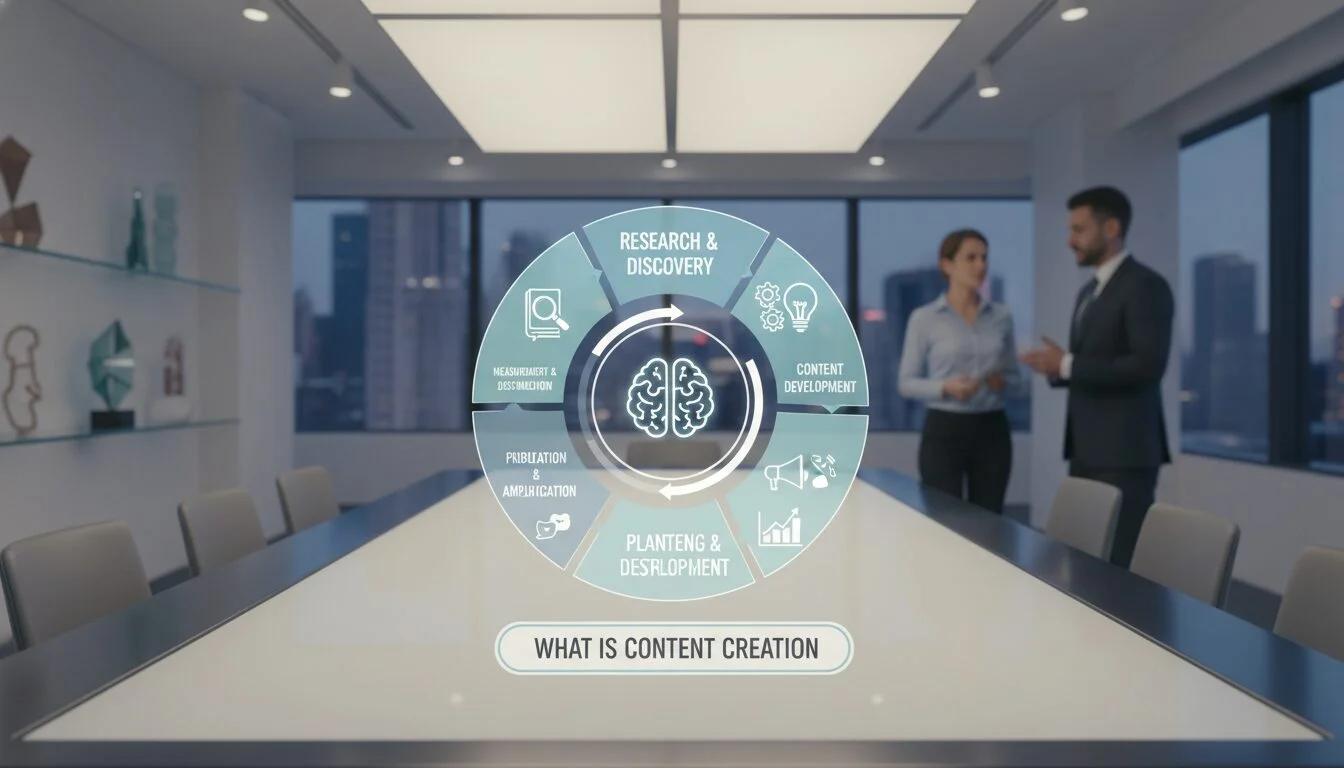
The process transforms raw ideas into polished, audience-focused material through a structured workflow that balances creativity with strategic thinking.
Ideation and Research
The first step is brainstorming topics that resonate with your audience. Use tools like Google Trends, AnswerThePublic, or social media hashtags to see what’s trending. Quality educational material makes customers significantly more likely to purchase, according to Conductor’s research, so thorough research pays off. Always align ideas with your brand’s goals.
Production and Editing
Production varies by medium: writing a blog post, filming a video, or recording a podcast. Begin with a script or outline to stay on track. Editing is where rough drafts become polished; use tools like Grammarly for text or Adobe Premiere Rush for video. The editing phase often takes longer than initial production, expect to spend 2-3 times the creation time on refining.
Distribution and Promotion
Once published, your material needs promotion. Share it across social media, embed in newsletters, and use SEO to rank in search results. The YouTube Creators channel emphasizes that understanding the algorithm, such as viewer retention signals, can double your reach. Repurpose a single piece into multiple formats: turn a blog post into an infographic or a Tweet thread.
Types of Digital Content

Understanding different formats helps creators choose the right medium for their message and audience preferences.
| Content Type | Best Platforms | Engagement Metric | Production Time |
|---|---|---|---|
| Blog Posts | Websites, Medium | SEO traffic, time on page | 2-8 hours |
| Video (Short) | TikTok, Reels, Shorts | Views, shares | 30 min – 2 hours |
| Video (Long) | YouTube, Vimeo | Watch time, subscribers | 4-40 hours |
| Podcasts | Spotify, Apple | Listens, reviews | 1-3 hours per episode |
| Infographics | Pinterest, LinkedIn | Pins, shares | 2-6 hours |
Written Content
Blog posts, articles, and ebooks remain the backbone of SEO strategy. Well-researched written material can rank for years, drawing passive traffic. Use headings, bullet points, and internal links to improve readability. Aim for at least 1,500 words to satisfy search intent, but never sacrifice quality for length.
Video Content
Video dominates engagement with its superior message retention rates. Platforms like YouTube report that short-form videos drive the most new subscriber growth. Top creators like MrBeast, with over 300 million subscribers, demonstrate the massive scale possible. Start with simple setups, smartphone cameras and natural lighting, before investing in expensive gear.
Audio and Visual Formats
Podcasts build intimacy as listeners engage during commutes or workouts. Infographics simplify complex data for quick consumption. Tools like Canva or Adobe Express let non-designers create professional visuals in minutes.
Platforms for Content Creators

Each platform has unique algorithms, audience behaviors, and monetization opportunities that creators must understand to succeed.
Social Media Channels
Instagram, TikTok, and Facebook are hubs for short-form video and imagery. LinkedIn excels for B2B thought leadership. Each platform has its algorithm: Instagram favors Reels with trending audio, while LinkedIn rewards long-form posts with high dwell time.
Blogs and Websites
A self-hosted blog on WordPress or Ghost gives full control over your brand and audience. Combined with SEO, it can generate passive income through ads or affiliate links. Unlike social media, your material isn’t at the mercy of an algorithm change.
Video Sharing Platforms
YouTube remains the second-largest search engine, with over 2 billion monthly logged-in users according to YouTube Press. Creators can monetize through ads, memberships, and Super Chat. YouTube Shorts, launched to compete with TikTok, has become a major discovery engine for new channels.
Skills and Tools for Success
Mastering this field requires both technical skills and creative intuition, plus the right tools to execute your vision efficiently.
Technical Skills
Basic video editing, copywriting, and SEO knowledge optimize your work’s performance. Learn one tool well, like CapCut for video or WordPress for blogging, before adding more. Coursera’s creator course has enrolled over 63,000 learners, showing the demand for structured learning.
Creative Mindset
Originality and consistency matter more than perfection. Develop a unique voice by studying creators you admire but infusing your personality. The most successful creators experiment constantly and use data to refine their approach.
Popular Tools
From Adobe Creative Cloud to free alternatives like Canva and OBS Studio, the market offers solutions for every budget. AI tools like ChatGPT assist with idea generation and scriptwriting. According to Adobe, using efficient tools can significantly reduce production time.
Measuring Performance
Data-driven creators track specific metrics to understand what resonates with their audience and drives business results.
Key Metrics
Track engagement rates (likes, comments, shares), reach (impressions), and conversion rates (clicks to purchase). For blogs, monitor organic traffic and bounce rate. These numbers indicate material health and audience satisfaction.
Analytics Tools
Google Analytics remains free and powerful for websites. Native platform insights, like TikTok Analytics or YouTube Studio, offer audience demographics and behavior data. Tools like Sprout Social aggregate cross-platform performance.
Building a Creator Career
Turning creative passion into sustainable income requires strategic planning, consistent execution, and patience as you build your audience.
How to Become a Creator
- Pick a niche: Combine your passion with market demand.
- Choose a platform: Start with one where your target audience spends time.
- Learn the basics: Watch tutorials, take a course, or study successful accounts.
- Create consistently: Post at least 3 times a week to build momentum.
- Engage and iterate: Reply to comments and adjust based on analytics.
Monetization Strategies
Revenue streams include ads (YouTube Partner Program), brand partnerships, affiliate commissions, product sales, and subscriptions (Patreon). Micro-influencers with engaged audiences often command premium rates for sponsored posts, depending on their niche and engagement quality.
Pros and Cons
Pros
- Creative freedom to express your unique perspective and build a personal brand
- Flexible schedule allowing you to work from anywhere with internet access
- Multiple revenue streams from ads, sponsorships, products, and services
- Direct audience connection fostering genuine community and feedback
- Scalable business model with potential for passive income generation
Cons
- Inconsistent income, especially during the initial audience-building phase
- Algorithm dependency can dramatically impact reach and earnings overnight
- Burnout risk from constant pressure to produce fresh, engaging material
- Public scrutiny and negative comments affecting mental health
- Time-intensive work with editing often taking longer than filming
Challenges and Ethics
The democratization of digital publishing brings both opportunities and responsibilities that modern creators must navigate carefully.
Quality and Misinformation
The low barrier to entry has led to misinformation spread. Fact-checking and citing credible sources are non-negotiable. Platforms like YouTube and Twitter enforce policies, but creators must self-regulate to maintain audience trust.
Copyright and Intellectual Property
Using copyrighted music or images can lead to takedowns and legal issues. Always use royalty-free assets from sites like Unsplash or Epidemic Sound. Understanding fair use and licensing protects your channel and reputation.
The Future of Digital Creation
Emerging technologies and changing consumer behaviors continue reshaping how creators produce and distribute their work.
AI and Automation
Generative AI writes scripts, edits videos, and even creates voiceovers. While this reduces production costs, the human touch remains irreplaceable for authentic storytelling. Forward-thinking creators use AI as an assistant, not a replacement for genuine connection.
Emerging Formats
AR filters, interactive live streams, and virtual reality experiences are gaining traction. As hardware becomes more affordable, expect these immersive formats to become mainstream by 2028, opening new creative possibilities.
Ready to start your creative journey? Contact Emin Media for a free brand consultation and discover how strategic storytelling can transform your business presence.
Frequently Asked Questions
What is meant by content creation?
It means producing and sharing any form of material, text, images, video, audio, designed to inform, educate, or entertain an audience, usually via digital channels. The goal is building audience relationships that drive business results.
How do I start content creating?
Start by choosing a topic you know well, pick one platform (like TikTok or a blog), and publish your first piece. Focus on learning basic editing tools and maintain a consistent posting schedule to build momentum.
What exactly does a content creator do?
A creator ideates, produces, and shares digital material. Daily tasks include researching trends, writing scripts, filming, editing, engaging with followers, and analyzing performance metrics to improve future work.
What are the 5 C’s of content creation?
The 5 C’s are Clarity (clear message), Consistency (regular posting), Creativity (unique angle), Connection (audience engagement), and Conversion (driving action). These pillars ensure material meets business goals while building authentic relationships.
What is content creation in digital marketing?
In digital marketing, it’s the strategic production of material aimed at attracting, engaging, and converting a target audience. It fuels SEO rankings, social media engagement, and brand awareness campaigns across multiple touchpoints.
What are examples of content creation?
Examples include a how-to YouTube video, an Instagram Reel with trending music, a company blog post about industry trends, a podcast interview with experts, and an infographic breaking down complex data into visual insights.
Enjoyed this article?
Contact Emin Media for a free brand consultation and let's create something amazing together.
Get in TouchRelated Articles
Digital Storytelling for Business: 2026 Playbook
Digital storytelling for business explained: frameworks, tools, mistakes to avoid, and a 2026 playbook to…

Startup Marketing: A Practical Growth Guide (2026)
Startup marketing is your roadmap to customers and revenue. Learn proven strategies, budgeting tips, and…

Facebook Digital Creator: The 2026 Complete Guide
Become a facebook digital creator in minutes. Explore monetization tools, pro tips, and step-by-step setup…