What Is a Content Creator? The Complete 2026 Guide

A content creator is someone who produces and shares digital media, videos, blogs, podcasts, and social posts, designed to inform, entertain, or inspire a specific audience. They work independently or for brands to drive engagement and revenue.
Key Takeaways
- Content creator definition: A person who creates educational or entertaining material for digital platforms, often with the goal of building an audience and generating income.
- Content types range widely from blog posts and videos to podcasts, social media content, and interactive experiences.
- The creator economy is massive, over 200 million independent content creators exist globally, and the influencer market is valued at roughly $21 billion.
- To succeed, creators need technical skills (e.g., video editing, SEO), creative flair, and a strategic business mindset.
- Monetization comes through advertising, sponsorships, affiliate marketing, product sales, and crowdfunding.
What Is a Content Creator?
A content creator is someone who makes digital content for an audience, but the role goes much deeper than posting videos or writing blogs. Adobe defines a content creator as “someone who creates entertaining or educational material to be expressed through any medium or channel.” In practice, this means individuals producing digital media, videos, articles, podcasts, social posts, for platforms like YouTube, Instagram, TikTok, and personal websites.
The Core Definition
A content creator is anyone who ideates, produces, and publishes original content aimed at a specific audience. The content itself combines information, the medium that delivers it, and any added value the medium provides. Without high-quality information or experience, the medium holds little value, just as a YouTube channel is meaningless without videos. Creators act as their own brand, even when working with companies.
Why This Matters in 2026
The rise of the creator economy has made understanding what is a content creator more than semantics. Businesses increasingly rely on creators to produce authentic, engaging material that drives consumer action. With State of Digital Publishing reporting that 4.76 billion people use social media globally in 2024, demand for fresh, relevant content keeps climbing. The average person now spends 6.5 hours per day online, underscoring why understanding content creation is essential for marketers, entrepreneurs, and aspiring creators.
What Does a Content Creator Do?
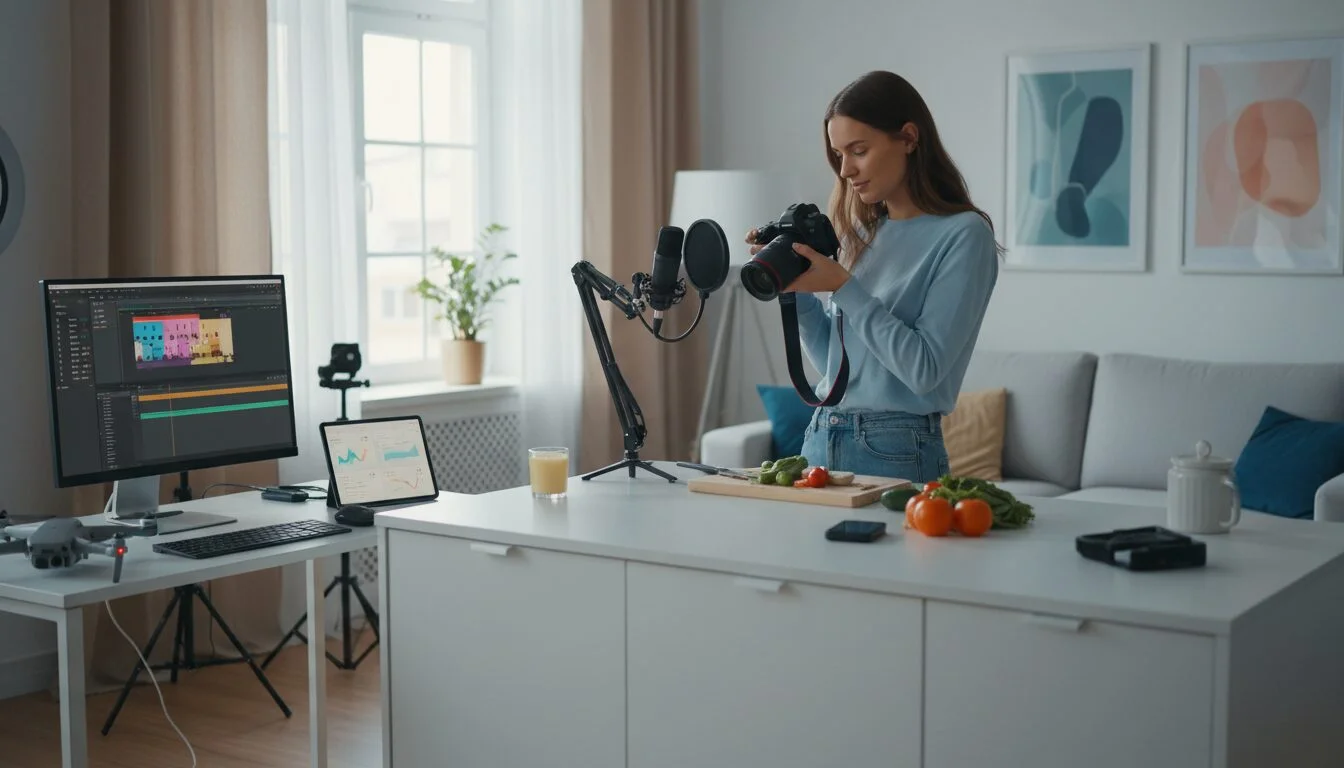
Content creators blend creativity, technology, and business strategy in their daily work. While specifics vary by niche and platform, the core mission is to produce content that resonates with a target audience and prompts action, whether a like, share, purchase, or emotional response.
Daily Workflow
Most creators follow a cycle: research and ideation, content production, editing and refining, publishing, and performance analysis. A food blogger might test a recipe, photograph the result, write a post with SEO in mind, share on Instagram, and track which headlines drive the most traffic. A podcaster records, edits audio, writes show notes, and engages with listeners on social media. Consistency and quality are the non‑negotiables.
Key Responsibilities Across Platforms
Regardless of the medium, content creators typically handle:
- Content planning: Brainstorming ideas, building content calendars, and aligning with marketing goals.
- Production: Writing, filming, recording, designing, turning concepts into finished assets.
- Editing and proofreading: Ensuring accuracy, clarity, and brand consistency.
- Multimedia creation: Editing photos, videos, and audio; creating graphics or animations.
- Distribution and community management: Posting content, replying to comments, and nurturing online communities.
- Analytics: Reviewing performance data to refine future content and grow the audience.
Key Types of Content Creators
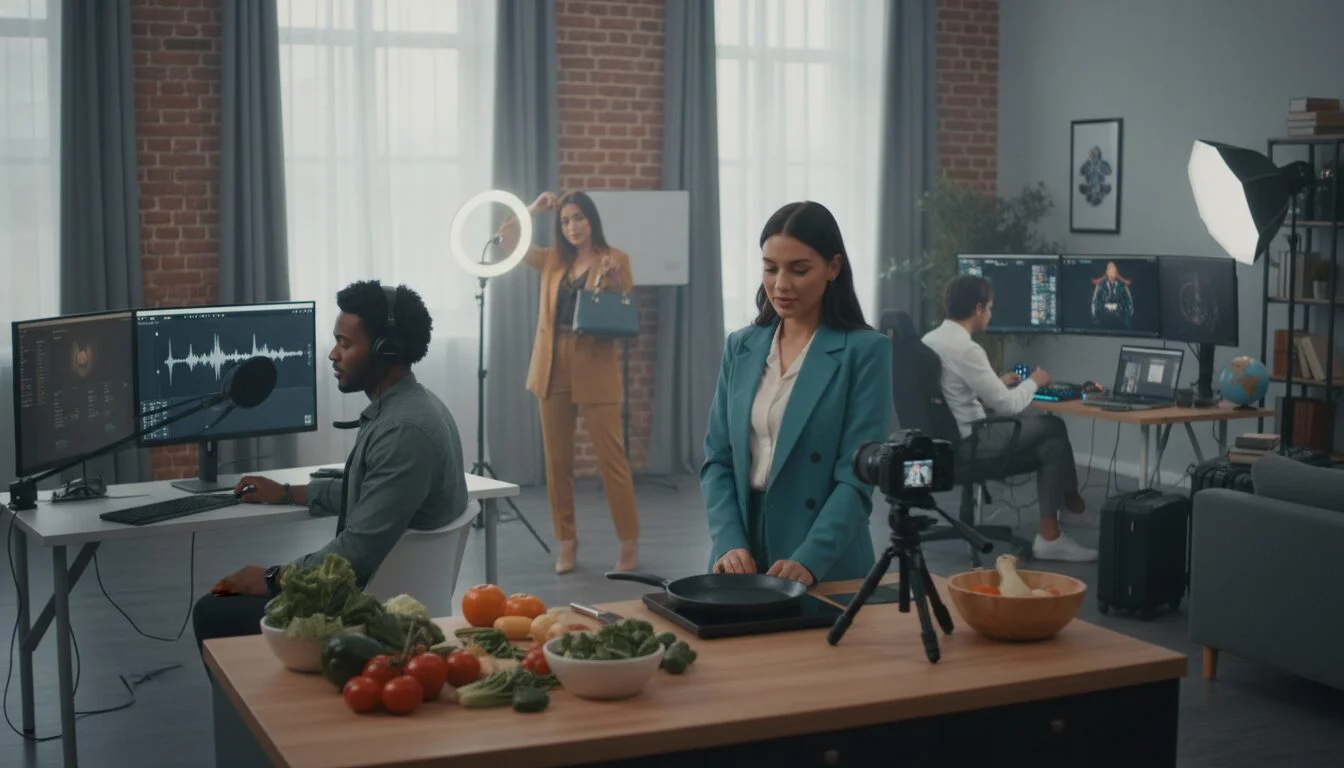
Content creators come in endless varieties, but most fall into categories based on platform or content format. Recognizing these types helps clarify the field for anyone exploring what is a content creator.
By Platform
Platform determines the content style and audience expectations:
- YouTubers produce video content, from vlogs to tutorials. MrBeast, the platform’s top creator, has over 400 million subscribers and exemplifies large-scale, high-production video creation.
- Podcasters create audio series, often niche‑focused. They rely on platforms like Spotify and Apple Podcasts and monetize through ads and listener support.
- Bloggers are the original content creators, publishing written articles, how‑to guides, and personal stories. Many also integrate video and social media.
- Social media creators dominate Instagram, TikTok, LinkedIn, and Facebook. They produce short-form videos, carousels, and threads optimized for virality.
By Content Format
Another way to look at creators is through the lens of what they make:
- Video creators handle filming, editing, and optimizing for platforms like YouTube, TikTok, or Reels.
- Audio creators (podcasters, audiobook narrators) focus on sound quality and storytelling.
- Writers and journalists produce articles, newsletters, e‑books, and scripts.
- Visual designers craft infographics, photography, and graphic design for digital distribution.
Content Creator vs. Influencer: What’s the Difference?
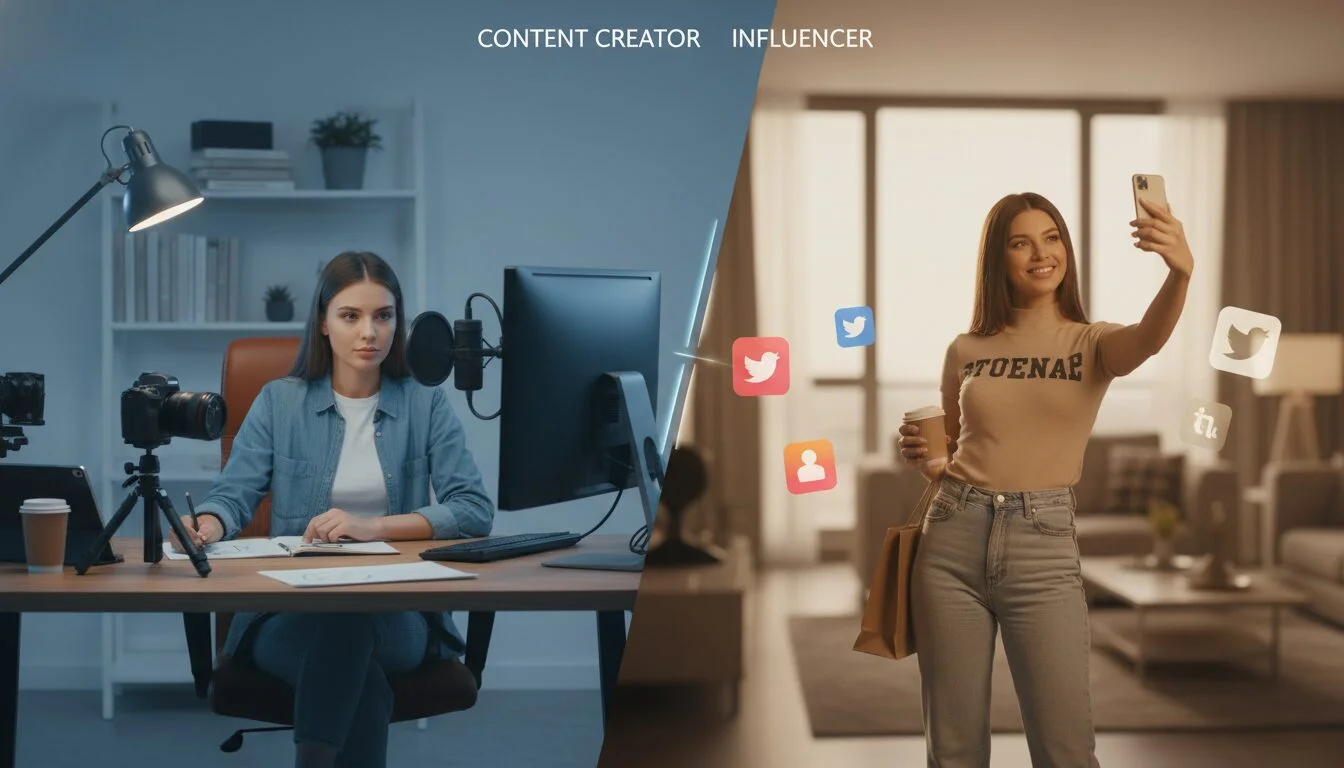
The terms “content creator” and “influencer” are often used interchangeably, but they have distinct meanings. Understanding the difference is key when asking what is a content creator.
Defining Each Role
A content creator focuses primarily on producing valuable content, educational, entertaining, or informative. Their value lies in the quality and usefulness of their output. An influencer, by contrast, uses a large following to affect purchase decisions or brand perception, often through lifestyle content. Many influencers are content creators, but not all creators are influencers.
Comparison Table: Content Creator vs. Influencer
| Aspect | Content Creator | Influencer |
|---|---|---|
| Primary Focus | Creating high‑value, often niche content | Building a large, engaged audience for brand influence |
| Monetization | Ad revenue, product sales, freelance work | Sponsored posts, affiliate marketing, brand collaborations |
| Audience Relationship | Trust built through expertise and consistency | Trust built through personality and relatability |
| Content Purpose | Inform, educate, entertain | Inspire, influence, showcase lifestyle |
| Example | A food blogger publishing recipes | A fashion Instagrammer promoting brands |
Why the Distinction Matters for Aspiring Creators
Clarifying what is a content creator versus an influencer helps newcomers choose a path. Creators can build sustainable businesses around their expertise without needing millions of followers. Brands, too, increasingly value subject‑matter creators for authentic engagement over broad influencer reach.
How to Become a Content Creator: A Step‑by‑Step Guide
Embarking on a content creation career requires more than a smartphone and good intentions. This systematic approach turns a side hustle into a profession.
Step 1: Identify Your Niche and Audience
Choose a topic you know and love, fitness, cooking, tech reviews. Define your ideal viewer or reader: their age, interests, and pain points. A narrowly defined niche often builds loyalty faster than a generic one.
Step 2: Select Platforms and Formats
Match your content type to the right platform. Visual artists thrive on Instagram and Pinterest; writers on Medium or Substack; video creators on YouTube and TikTok. Research where your target audience already spends the most time.
Step 3: Develop a Content Strategy
Plan a consistent publishing schedule. Tools like Trello or Notion help manage editorial calendars. Decide content pillars, 3–5 core topics you will cover regularly, to stay focused.
Step 4: Produce and Publish Consistently
Start with the equipment you have. Many top creators began with a smartphone camera and free editing software. Publish on a reliable schedule, even if it’s once a week, to build audience trust.
Step 5: Engage and Grow Your Community
Reply to comments, host Q&As, and ask for feedback. Community fuels organic growth; algorithms reward engagement. Over time, loyal followers become your best marketing channel.
Step 6: Monetize Your Content
Once you have a committed audience, explore revenue streams: ad networks (YouTube Partner Program), brand sponsorships, affiliate links, digital products (e‑books, courses), and fan support (Patreon). Diversifying income protects against platform changes.
How Content Creators Make Money
Understanding how creators earn a living is central to grasping what is a content creator in the modern economy. Monetization typically combines several streams.
Advertising and Ad Revenue
Platforms like YouTube, podcasts, and blogs run ads that pay creators based on views or listens. A mid‑tier YouTuber might earn between $2,000 and $5,000 monthly from ad revenue alone, though rates fluctuate.
Sponsorships and Affiliate Marketing
Brands pay creators to feature or review products in native content. Affiliate marketing earns creators a commission on sales generated through unique links. Both streams grow with audience size and engagement.
Direct Sales and Crowdfunding
Selling merchandise, digital downloads, or exclusive content (via Patreon or Memberships) allows creators to earn income independent of brand deals. Crowdfunding platforms like Kickstarter also support larger creative projects.
Essential Skills for Content Creators
To thrive, creators must develop a hybrid skill set that combines artistry with analytics.
Technical Skills
Competency in video editing tools (Adobe Premiere, Final Cut), audio editing (Audacity, Descript), graphic design (Canva, Photoshop), and basic SEO is non‑negotiable. Understanding platform algorithms gives content a fighting chance to reach new audiences.
Creative and Soft Skills
Storytelling, adaptability, and strong communication separate average creators from standouts. The ability to pivot when trends shift, without losing one’s voice, keeps a creator relevant for years.
Business and Marketing Acumen
Creators are entrepreneurs. They must read analytics, negotiate contracts, manage budgets, and market themselves effectively. Even a solo creator wears the hats of CEO, marketer, and accountant.
The Creator Economy in 2026
The creator economy, a term that encompasses all individuals earning income from online content, has exploded. Global influencer market value is projected to reach $24.1 billion by 2025, according to State of Digital Publishing, up from $21.1 billion in 2023. Over 200 million independent content creators operate worldwide, and that number keeps rising.
AI Tools Transforming Content Production
Artificial intelligence is reshaping what it means to be a content creator. Tools like ChatGPT, Jasper, and Midjourney assist with brainstorming, drafting, and image creation, cutting production time significantly. Rather than replacing creators, AI amplifies their capacity, letting them focus on high‑value tasks like strategy and community building.
The Rise of the Entrepreneurial Creator
Modern content creators operate like lean startups: testing ideas, iterating based on audience feedback, and diversifying revenue. The “solopreneur” creator, handling everything from production to sales, exemplifies this shift. As barriers to entry lower, the lines between hobbyist, creator, and media company blur.
Long‑Term Sustainability and Challenges
Despite the allure, making a living as a content creator is no guarantee. Burnout, platform dependency, and income volatility are real risks. Smart creators mitigate these by building email lists, owning their distribution channels, and cultivating multiple income streams.
Frequently Asked Questions
What exactly does a content creator do?
A content creator produces digital media, videos, articles, podcasts, social media posts, to engage and grow a specific audience, often with the goal of monetization. They handle everything from ideation and production to community management and analytics.
How do I start creating content with no experience?
Begin by choosing a topic you’re passionate about and picking one platform. Use free tools like a smartphone camera, free editing apps, and follow online tutorials to learn basic production skills. Consistency matters more than perfection when starting out.
What is a content creator salary?
Earnings vary widely; beginners may earn a few hundred dollars a month, while established creators can make six or seven figures. Income depends on audience size, monetization methods, and the creator’s niche expertise.
How does a content creator make money?
Common revenue streams include advertising (e.g., YouTube ads), brand sponsorships, affiliate marketing, selling digital or physical products, and fan support through platforms like Patreon. Most successful creators use multiple income sources.
What is the difference between a content creator and an influencer?
The distinction lies in focus: content creators prioritize producing valuable content; influencers rely on their personality and large following to sway purchasing decisions. Many professionals occupy both roles, but the emphasis differs.
If you’ve ever wondered what is a content creator, the answer is both straightforward and expansive: a professional who crafts digital content to inform, entertain, or inspire. From solo bloggers to studio‑backed YouTubers, the role now sits at the heart of the global digital economy. Success demands creative talent, technical competency, and an entrepreneurial spirit. As the creator economy approaches $24 billion, the opportunity to turn a passion into a career has never been larger, but it starts with understanding exactly what a content creator is and does. Contact Emin Media for a free brand consultation to explore how content creation can transform your business.
Enjoyed this article?
Contact Emin Media for a free brand consultation and let's create something amazing together.
Get in TouchRelated Articles
Digital Storytelling for Business: 2026 Playbook
Digital storytelling for business explained: frameworks, tools, mistakes to avoid, and a 2026 playbook to…

Startup Marketing: A Practical Growth Guide (2026)
Startup marketing is your roadmap to customers and revenue. Learn proven strategies, budgeting tips, and…

Facebook Digital Creator: The 2026 Complete Guide
Become a facebook digital creator in minutes. Explore monetization tools, pro tips, and step-by-step setup…