Used Digital SLR Camera: Best Buys in 2026
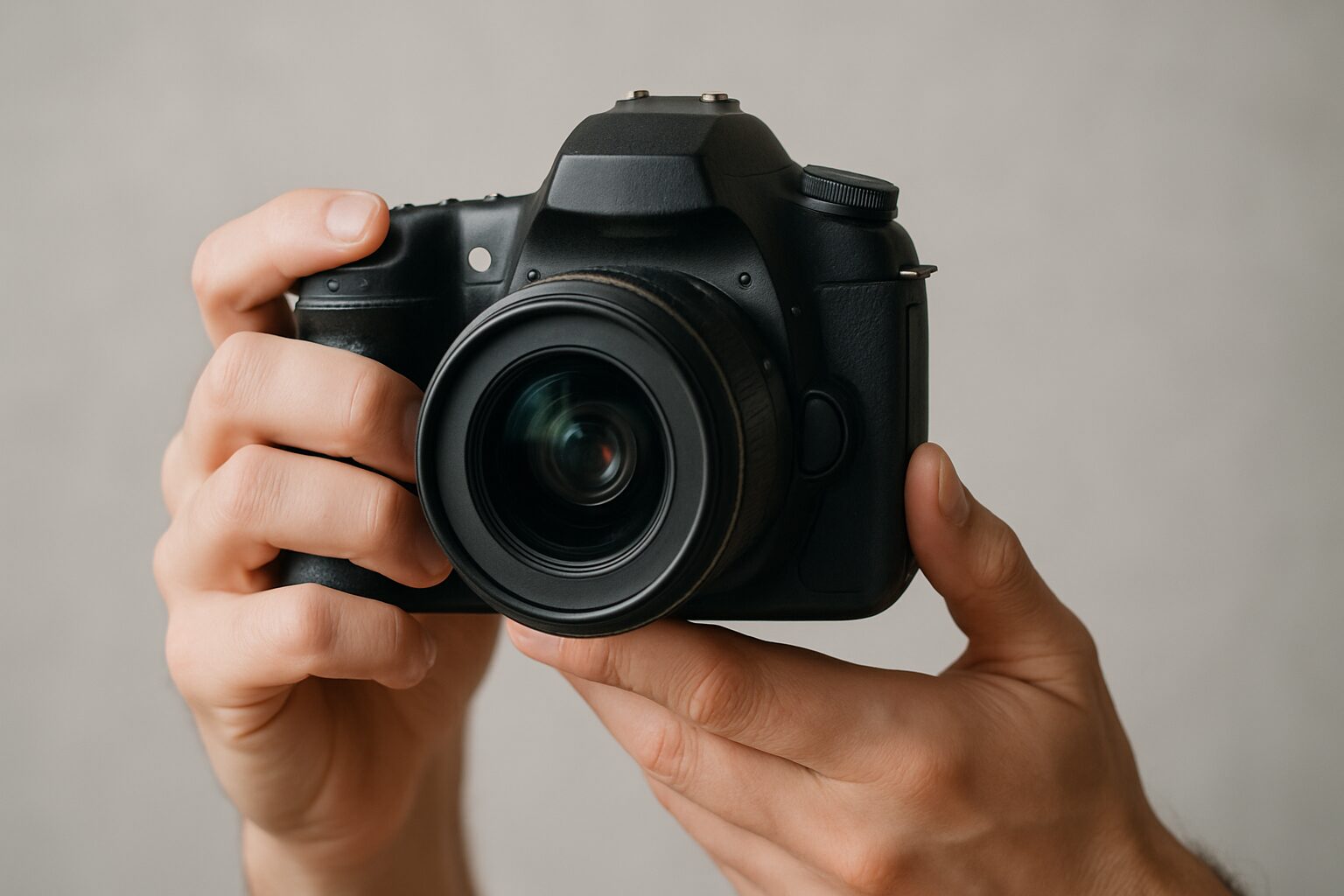
A used digital SLR camera is a professional-grade interchangeable-lens camera available on the secondary market, typically at 30–40% below original retail price. As the industry pivots to mirrorless, thousands of well-maintained bodies have flooded reputable sellers, creating exceptional value for photographers at every level.
Key Takeaways
- Save 30–40% off retail: Trusted retailers like KEH Camera document savings of up to 40% on every DSLR in their inventory.
- Warranty included: Sellers like B&H Photo and KEH offer 90-day to 180-day warranties on used gear, removing most of the risk.
- Professional features for less: Full-frame bodies like the Canon EOS 5D Mark III now sell for $500–$800 used.
- Sustainable choice: Buying pre-owned extends a camera’s lifecycle and reduces electronic waste.
- Shop intelligently: Always verify shutter count, sensor health, and physical condition before committing to any purchase.
Why Buy a Used Digital SLR Camera?
The second-hand market has become a buyer’s paradise in 2026. As the industry shifts to mirrorless, thousands of well-maintained Canon, Nikon, and Pentax bodies have flooded stores like B&H Photo and KEH Camera. A body bought today can last another decade with proper care, and the lens ecosystem you build carries forward indefinitely.
Significant Cost Savings
The financial upside is real and measurable. A slr camera like the Canon Rebel T5 body is listed at $149.99 at Gulf Coast Camera, while a Nikon D200 body sells for $169.58 at Kenmore Camera. Those prices represent drops of 50–70% from original retail. KEH states that shoppers save up to 40% on every DSLR in their inventory, and their 180-day warranty removes the risk. For beginners, a bundle with an 18–55mm kit lens regularly falls under $300.
Access to Professional-Grade Features
For the price of a new entry-level mirrorless camera, you can own a flagship body. The Canon EOS 5D Mark III, once a $3,499 professional tool, now sells for $500–$800 as a this type of camera. It offers a full-frame 22.3MP sensor, 61-point autofocus, and a magnesium-alloy shell built to last. The Nikon D750 with its 24.3MP sensor and tilting LCD is a steal at $550–$750, making it an ideal choice for wedding and portrait work.
Sustainability and Environmental Impact
Choosing a pre-owned body is an environmentally responsible decision. Manufacturing a new camera requires rare-earth minerals, significant energy, and packaging materials. By purchasing a this kind of slr camera, you divert electronic waste and extend the product’s lifecycle. For photographers who care about their footprint, this choice is a small but meaningful step toward sustainable creative practice.
Pros and Cons of Buying a Used Digital SLR Camera
Pros
- Dramatic cost savings: Savings of 30–70% compared to buying new, with full-frame bodies available under $800.
- Massive lens ecosystem: Canon EF and Nikon F mounts have decades of affordable glass available, from $80 primes to professional zooms.
- Outstanding battery life: The Nikon D3500 delivers up to 1,550 shots per charge, far exceeding most mirrorless alternatives.
- Proven reliability: Semi-pro and pro bodies are rated for 150,000–200,000 shutter actuations, meaning plenty of life remains in low-mileage units.
- Strong resale value: DSLR prices have stabilized, so a well-maintained body retains much of its value over several years of ownership.
Cons
- Unknown history: Private-party sales carry risk; always buy from a seller with a documented return policy or warranty.
- Older autofocus technology: Most DSLRs rely on phase-detect AF through the viewfinder; live-view and video AF is slower than current mirrorless systems.
- Heavier bodies: Full-frame DSLRs typically weigh 800g–1,000g with a lens, more than comparable mirrorless kits.
- Firmware limitations: Older bodies may not support the latest SDXC card formats or modern RAW profiles without a firmware update.
Top Used Digital SLR Camera Models in 2026
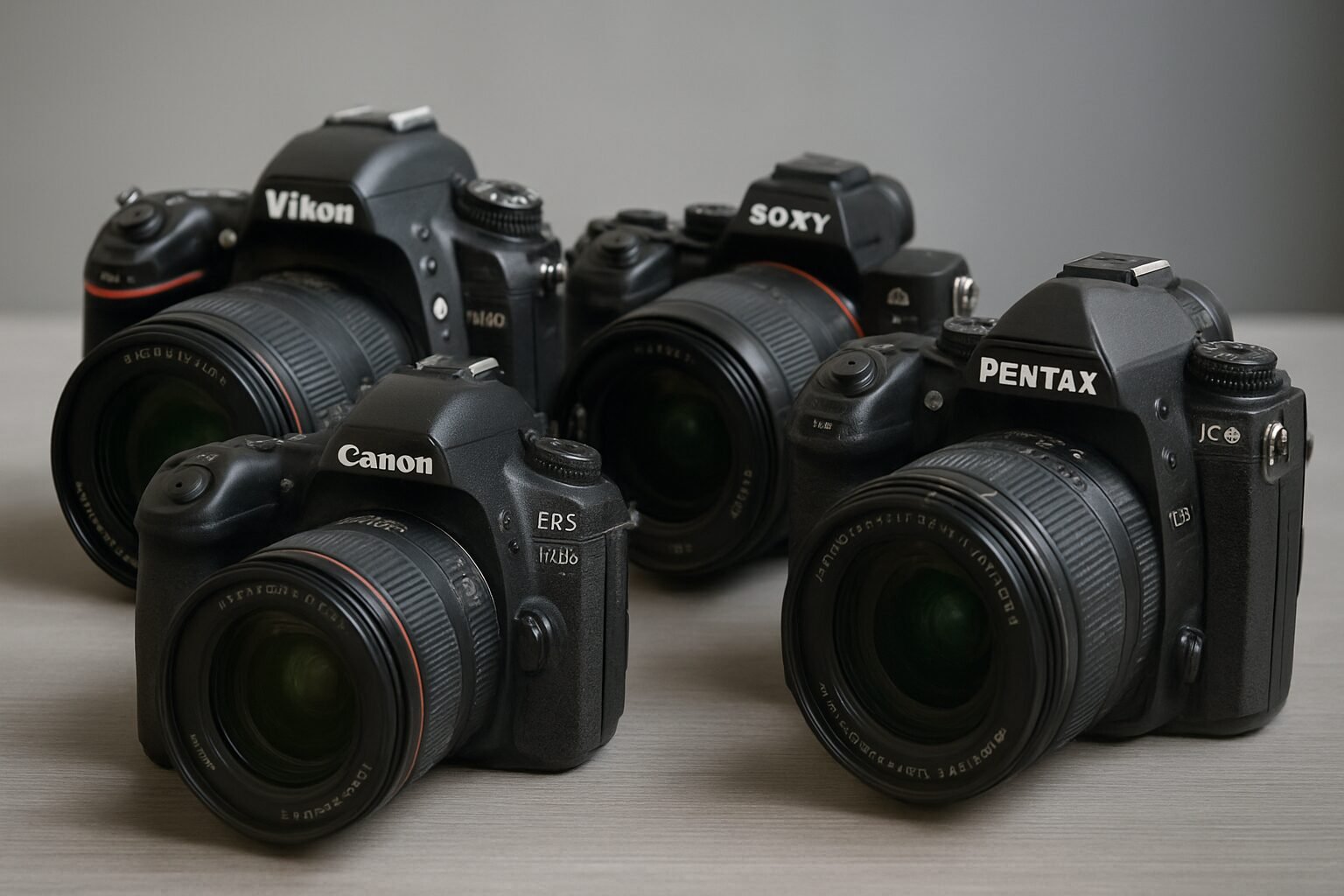
Below is a comparison of the most reliable and popular options today, drawn from actual listings and current market data.
| Model | Typical Used Price (USD) | Sensor | Best For | Notable Features |
|---|---|---|---|---|
| Canon EOS Rebel T7 (2000D) | $250–$350 | 24.1MP APS-C | Beginner photography | Wi-Fi, Guided UI |
| Nikon D3500 | $200–$300 | 24.2MP APS-C | Travel & family | Lightweight, 1,550-shot battery |
| Canon EOS 7D Mark II | $450–$600 | 20.2MP APS-C | Sports / wildlife | 10 fps, 65-point AF |
| Nikon D7200 | $400–$550 | 24.2MP APS-C | Enthusiast all-rounder | No low-pass filter, dual card slots |
| Canon EOS 5D Mark III | $500–$800 | 22.3MP full-frame | Professional work | Magnesium body, dual card slots |
| Nikon D750 | $550–$750 | 24.3MP full-frame | Weddings / portraits | Tilting LCD, 6.5 fps |
| Sony A99 II (DSLT) | $900–$1,200 | 42.4MP full-frame | Studio / high-res | 5-axis stabilization |
Entry-Level DSLRs for Beginners
If you’re new to interchangeable-lens photography, the Canon Rebel T7 and Nikon D3500 are superb starting points. Both feature guide modes that explain settings as you shoot. A the digital slr camera in this class can be bundled with an 18–55mm lens for under $300. The Nikon D3500’s 24.2MP sensor still outperforms many current smartphones, and its 1,550-shot battery life means you can shoot all day without hunting for a power outlet.
Enthusiast and Semi-Professional Options
Stepping up, the Nikon D7200 delivers a 24.2MP APS-C sensor without an optical low-pass filter, yielding noticeably sharper images straight from the card. This body also features dual SD card slots, a rarity at its price point. The Canon EOS 7D Mark II is another outstanding choice: it shoots at 10 frames per second with a 65-point autofocus system, perfect for fast action. Both can be found in excellent condition for under $600, making them superb values for serious hobbyists.
Full-Frame Powerhouses for Professionals
For the ultimate image quality, a full-frame sensor is the answer. The Canon 5D Mark III remains one of the most reliable DSLRs ever built; its 22.3MP sensor delivers clean files up to ISO 6400. The Nikon D750, with its 24.3MP sensor and 6.5 fps burst, is a legend for event photographers. Even in 2026, these cameras produce images that rival modern mirrorless offerings at a fraction of the price.
Key Checks Before You Purchase
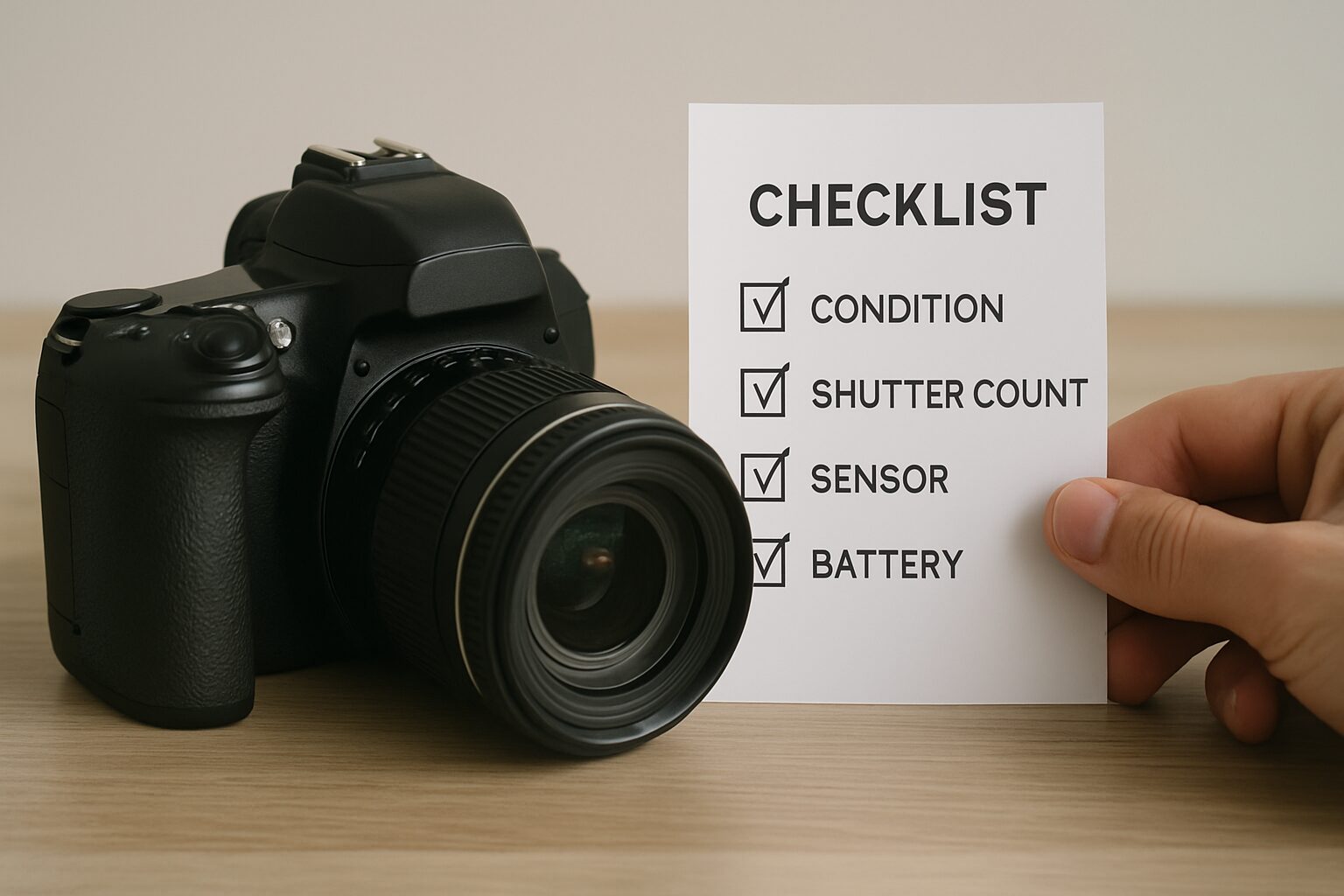
Not every second-hand body is a safe buy. Inspecting several components carefully is the difference between a great deal and an expensive mistake.
Shutter Count and Physical Condition
The shutter mechanism has a finite lifespan. Entry-level bodies like the Canon Rebel T7 are typically rated for 100,000 actuations, while semi-pro models like the 7D Mark II are rated for 200,000. Always ask for the current shutter count; a reading below 20,000 is considered low-mileage. Also check for dents, corrosion around the hot shoe, and wear on the lens mount, as these can indicate rough handling.
Sensor Health and Functionality
Inspect the sensor for dust, scratches, or dead pixels. Shoot a blank wall at f/16 and review the image on a computer. Dark spots usually indicate sensor dust, which is easily cleaned, while bright stuck pixels require more expensive service. Ensure the autofocus system works in all modes, the pop-up flash fires, and all dials and buttons respond. A well-maintained DSLR will show no operational lag.
Firmware and Compatibility
An older body may need a firmware update to work with modern SDHC/SDXC cards. Check the manufacturer’s website for the latest version before shooting. Also confirm that the camera’s RAW files are supported by your editing software. A 2008-era model might produce .CR2 or .NEF files that require a Lightroom or Capture One update to process correctly.
Where to Shop for the Best Used Camera Deals
The seller you choose directly affects warranty coverage, return policy, and overall satisfaction with your purchase.
Reputable Online Retailers
National camera stores dominate the market for good reason. B&H Photo boasts one of the largest inventories, with condition ratings from 9 to 10+. KEH Camera offers a 180-day warranty on every DSLR and a 14-day return period. Gulf Coast Camera in Pensacola, FL, grades used gear from Bargain to Mint and lists shutter counts for every body they sell. Many of these retailers also provide free shipping on qualifying orders, making them a convenient option for anyone searching for a camera near me.
Local Camera Stores and Classifieds
If you prefer to handle a camera before buying, visit a brick-and-mortar shop. Camera X in San Antonio and Austin, TX, stocks over 120 DSLR models at any time, with staff who can walk you through a body’s features in person. Local stores often let you test a camera with your own lens and memory card. For the absolute lowest prices, platforms like Facebook Marketplace or eBay can deliver deals, but exercise caution: always meet in a public place and insist on a brief functional test before money changes hands.
Manufacturer Refurbished Programs
Canon’s refurbished DSLR store on Canon USA offers a compelling alternative. These cameras undergo thorough inspection and typically include a one-year warranty. While technically not a used digital in the traditional sense, refurbs deliver like-new performance at significant savings. For peace of mind, a Canon refurbished DSLR can be a smarter buy than a private-party body with unknown history.
“The used camera market has never been healthier for buyers. The shift to mirrorless has created a surplus of professional-grade DSLR bodies at prices that would have seemed impossible five years ago.” – KEH Camera, industry market commentary
Step-by-Step Evaluation Process
Follow this methodical approach to confidently purchase a slr camera without second-guessing yourself afterward.
Step 1: Research the Model and Market Value
Study the typical resale value of the model you’re eyeing. Use completed listings on eBay and price trackers on MPB to see what similar bodies have sold for recently. A Canon 5D Mark III in good condition consistently sells between $500 and $600. Knowing the market price helps you avoid overpaying and gives you leverage when negotiating.
Step 2: Inspect Externally and Test Ergonomics
Examine the body for signs of impact. Even minor drops can misalign the mirror or AF sensor. Hold the camera: all buttons should press with a crisp click, and the LCD screen should be free of scratches or discoloration. If buying online, request close-up photos of the lens mount and base plate. A this type of camera that spent its life on a tripod will show small screw marks on the bottom, which is actually a good sign of careful, stationary use.
Step 3: Capture Test Shots and Analyze Results
Take a series of test shots at different ISOs and apertures. Look for uneven illumination, oil spots on the sensor, or inconsistent autofocus. Transfer the files to a laptop and zoom to 100%. A properly functioning DSLR will produce sharp, clean images with no hot pixels. Only proceed with the purchase if all these checks pass cleanly.
DSLR vs. Mirrorless: Making the Smart Choice
In 2026, you’ll inevitably compare a this kind of slr camera to a mirrorless option. Each has distinct advantages worth understanding before you spend a dollar.
Optical Viewfinder and Battery Life
A DSLR uses an optical viewfinder that draws zero battery power during composition. This translates to class-leading battery life: the Nikon D3500 can capture 1,550 shots per charge, whereas a typical mirrorless camera manages 300–400 shots. For long shooting days without access to power, a DSLR is the practical choice.
Lens Ecosystem and Investment
The sheer number of affordable lenses compatible with Canon EF and Nikon F mounts is staggering. A the digital slr camera like the Canon 5D Mark III can use any EF lens, from a $100 50mm f/1.8 to a $2,000 70–200mm f/2.8. Modern mirrorless systems have a smaller, pricier lens selection, making a DSLR the budget-friendly choice for building a complete kit from scratch.
Price-to-Performance Ratio
According to Amateur Photographer’s guide to the best used DSLRs, a top-tier used digital SLR camera now costs less than an entry-level mirrorless model. For the same $800 that buys a new APS-C mirrorless kit, you can own a full-frame DSLR with a professional body. The value gap is simply too large to ignore for photographers who prioritize image quality over the latest technology.
“Used DSLRs represent some of the best value in photography today. Sensor technology matured years ago, and a well-maintained body from 2015–2018 will produce images indistinguishable from those of a camera costing three times as much.” – Amateur Photographer, Best Used DSLRs guide
Extending the Life of Your Equipment
Once your used digital SLR camera is in hand, a few accessories and habits will maximize its longevity and creative range.
Building a Lens Collection on a Budget
The low cost of the body leaves more room for glass. Prime lenses like the Canon EF 50mm f/1.8 STM ($125 new, under $80 used) open up creative portraiture immediately. KEH and B&H both carry thousands of pre-owned lenses, often at 40–50% off retail. Pairing a DSLR with a fast prime delivers professional results without the professional price tag.
Firmware Updates and Accessories
Check the manufacturer’s support page for firmware updates before your first shoot. A battery grip ($30–$80) not only doubles battery life but also improves vertical handling for portrait orientation. An external flash can transform a DSLR for event photography. These small investments significantly enhance a camera’s versatility and extend its useful life.
Reselling Your Camera Later
Because DSLR prices have stabilized, a used digital SLR camera holds its value remarkably well. A Canon 5D Mark III purchased for $700 in 2026 will likely sell for $500–$600 in 2029, assuming it remains in good condition. That means the true cost of ownership is just $100–$200 over several years of use, which is an extraordinary bargain for the image quality you get in return.
Does Anyone Still Buy Old SLR Cameras?
Yes, and the market is larger than most people expect. According to industry data tracked by KEH Camera and MPB, demand for used DSLRs has remained steady even as mirrorless adoption grows. Buyers range from photography students and hobbyists to working professionals who want a reliable backup body. The combination of low prices, proven performance, and a vast lens ecosystem keeps the used DSLR market active and competitive in 2026.
Frequently Asked Questions
Is it safe to buy a DSLR without a warranty?
It can be, but only from a seller with a solid return policy. Reputable stores offer at least a 14-day return window so you can thoroughly test the camera. Without any return option, skip the deal entirely.
What shutter count is too high for a used digital SLR camera?
It depends on the model. For entry-level bodies, 50,000 actuations is a caution threshold; pro bodies can safely handle over 150,000. Always check the rated lifespan for your specific model before making an offer.
Do used DSLRs still produce good image quality in 2026?
Absolutely. Any DSLR from the last decade can capture stunning photos, especially when shooting RAW. Sensor technology has plateaued, so a 2016 model’s image quality holds up against current entry-level cameras without question.
Can I use modern lenses on an older used digital SLR camera?
Yes, as long as the lens mount is compatible. All Canon EF lenses fit any EOS-series DSLR. Nikon’s F-mount lenses work on every Nikon DSLR, though some bodies require AF-S lenses for autofocus functionality.
Where can I find a used digital SLR camera near me?
Search for local camera shops in urban centers like New York, Los Angeles, or Chicago. Online retailers like B&H Photo ship nationwide with free delivery on qualifying orders, effectively making every DSLR available near you regardless of location.
How much should I spend on a used digital SLR camera?
A budget of $200–$300 gets you a capable entry-level body with a kit lens. For full-frame quality, plan to invest $600–$1,000. The sweet spot for value is often around $500 for a semi-pro model with dual card slots and weather sealing.
Final Thoughts on Choosing Your Used Digital SLR Camera
The market in 2026 offers value that simply didn’t exist a few years ago. Whether you’re a student looking for a first used digital SLR camera or a seasoned pro seeking a reliable backup body, the selection and prices have never been better. By purchasing from a reputable dealer, checking shutter count and sensor health, and understanding the lens ecosystem, you can secure a body that will serve you faithfully for years. The shift to mirrorless has created a golden era for DSLR buyers. Don’t miss the chance to own a body that once represented the pinnacle of imaging technology, now available at a fraction of its original cost.
Ready to build something bold with your visuals? Contact Emin Media for a free brand consultation and let’s talk about how great photography fits into your brand story.
Enjoyed this article?
Contact Emin Media for a free brand consultation and let's create something amazing together.
Get in TouchRelated Articles
Best Polaroid Camera Instant Digital in 2026
Discover the best polaroid camera instant digital options in 2026. Compare Instax vs Polaroid, film…
Best Digital Zoom Cameras 2026: Top Picks & Tips
Find the best digital zoom camera for 2026. Compare top picks from Sony, Nikon, and…
Best Digital Rechargeable Camera Picks for 2026
Find the best digital rechargeable camera for 2026. Compare top picks, battery life, USB-C charging,…