Best Digital Zoom Cameras 2026: Top Picks & Tips
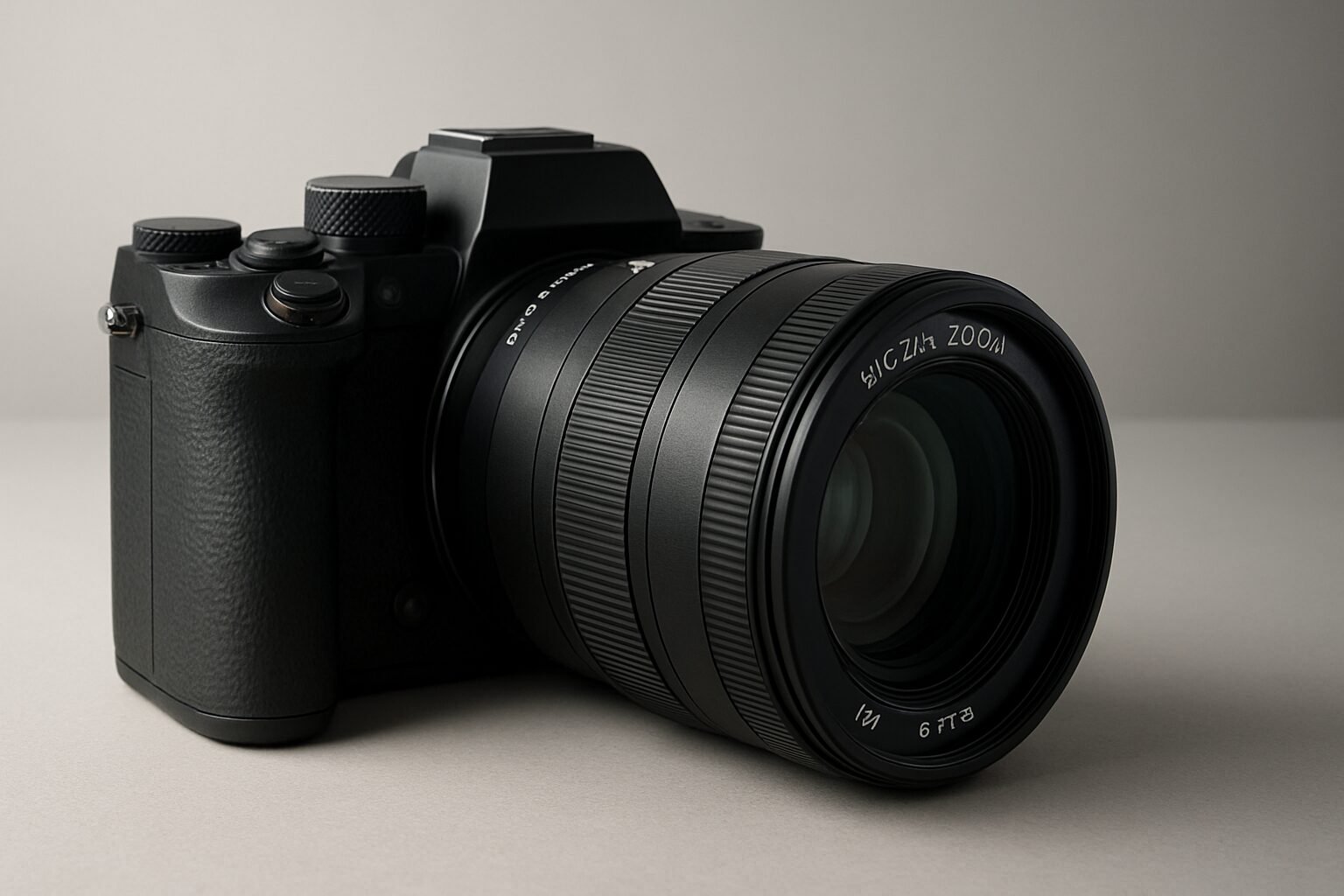
Best Digital Zoom Cameras 2026: Top Picks & Expert Tips
A digital zoom camera is a device that magnifies images by cropping and enlarging the sensor output, which can reduce image quality at higher magnifications. The best models pair strong optical lenses with intelligent digital enhancement for results that hold up in print and on screen.
Key Takeaways
- zoom cameras crop and enlarge pixels, which can degrade quality beyond the optical limit.
- Optical zoom is the gold standard. Prioritize cameras with high optical zoom and larger sensors.
- Top 2026 picks include the Sony RX100 VII, Panasonic ZS99, and Nikon Coolpix P1100 for extreme reach.
- Smartphone hybrid zoom uses AI effectively, but dedicated cameras still lead in flexibility and low-light performance.
- Sensor size and aperture range matter as much as zoom numbers. Small sensors struggle after dark.
- Intelligent zoom features from Sony and Panasonic limit digital magnification to the sensor’s native resolution, preserving quality.
What Is a Digital Zoom Camera?
A this type of camera is any camera that uses software to magnify the image beyond what the physical lens can achieve, rather than adjusting focal length through glass movement. According to Wikipedia, digital zoom is “a method of decreasing the precise angle of view of a digital photograph or video image” by cropping and scaling the sensor output. Optical zoom, by contrast, uses moving lens elements to change focal length and preserves full resolution throughout.
How Digital Zoom Works
When you activate digital zoom, the camera crops the center portion of the sensor image and enlarges it to fill the frame. This process discards surrounding pixels, reducing overall resolution. The result is an enlarged but softer image, especially noticeable beyond 4x digital magnification. Modern cameras apply upscaling algorithms to smooth the output, but noise and blur artifacts remain common at the extreme end.
The Not-Deteriorated Zone
Not all digital zoom is equally destructive. When a camera has excess resolution relative to its output size, digital zoom can operate without visible quality loss up to a specific threshold. According to Wikipedia, a camera with 24x optical zoom and 4x digital zoom can achieve roughly 30x total zoom without deterioration at 10MP output. This “safe” range explains why manufacturers tout features like Sony’s “Smart Zoom” or Panasonic’s “Intelligent Zoom,” both of which limit digital magnification to the sensor’s available resolution rather than pushing past it.
Digital vs. Optical: The Core Difference
Optical zoom lenses physically change the focal length, gathering light and detail without pixel loss. That’s why a 30x optical zoom camera like the Panasonic Lumix ZS99 produces sharp images at a 720mm equivalent, while a digital zoom camera cropping to simulate that reach would yield a noticeably softer result. For any print larger than 8×10 inches or large-screen display, optical zoom is non-negotiable.
Why Optical Zoom Still Matters
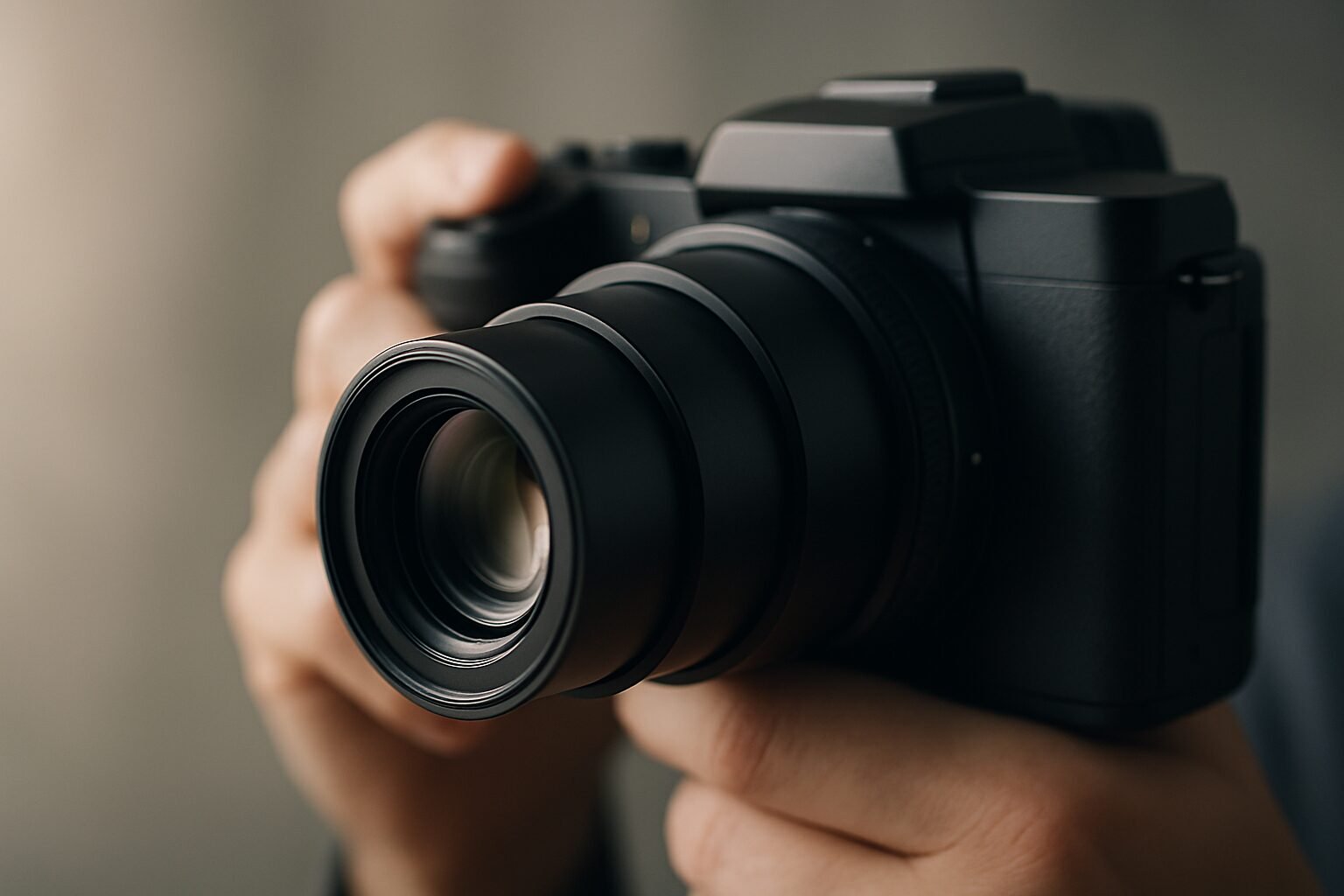
Optical zoom remains the single most important spec on any zoom camera because no software process can recover detail that was never captured. AI upscaling has improved significantly as of 2026, but it fills in guessed pixels rather than real ones. The best digital zoom cameras marry robust optical lenses with smart digital assists for occasional extra reach, not as a primary magnification strategy.
Sensor Size: The Hidden Factor
Sensor size dramatically affects image quality, especially at longer focal lengths. Cameras with 1/2.3-inch sensors, common in budget superzooms, pack 20+ megapixels into a space smaller than a fingernail. As Digital Camera World noted when testing the Lumix ZS99: “There are trade-offs when you cram more than 20 megapixels onto a small 1/2.3-inch sensor.” Larger 1-inch sensors, like the one in the Sony RX100 VII, deliver far better dynamic range, color depth, and clarity at equivalent zoom levels.
Aperture and Light Capture
Zoom lenses typically have variable apertures that narrow at the telephoto end. A lens rated f/2.8 at wide angle may drop to f/6.4 at full zoom, cutting the light reaching the sensor significantly. This compounds any digital zoom quality loss, since noise increases in darker exposures. When comparing cameras, look for wider apertures across the full zoom range. The Panasonic ZS300’s f/2.8-5.9 lens is a good benchmark for a travel zoom at this price tier.
“Ultimately, there are trade-offs when you cram more than 20 megapixels onto a small 1/2.3-inch sensor, and our reviewer found that the Lumix ZS99 does struggle in poor light.” – Digital Camera World
“Optical zoom uses the lens to magnify the subject without losing resolution, while digital zoom crops and enlarges the image, discarding pixels. For the best quality, always maximize optical zoom before engaging digital.” – Camera industry consensus, as summarized by Wikipedia’s Digital Zoom entry
Top Digital Zoom Cameras for 2026
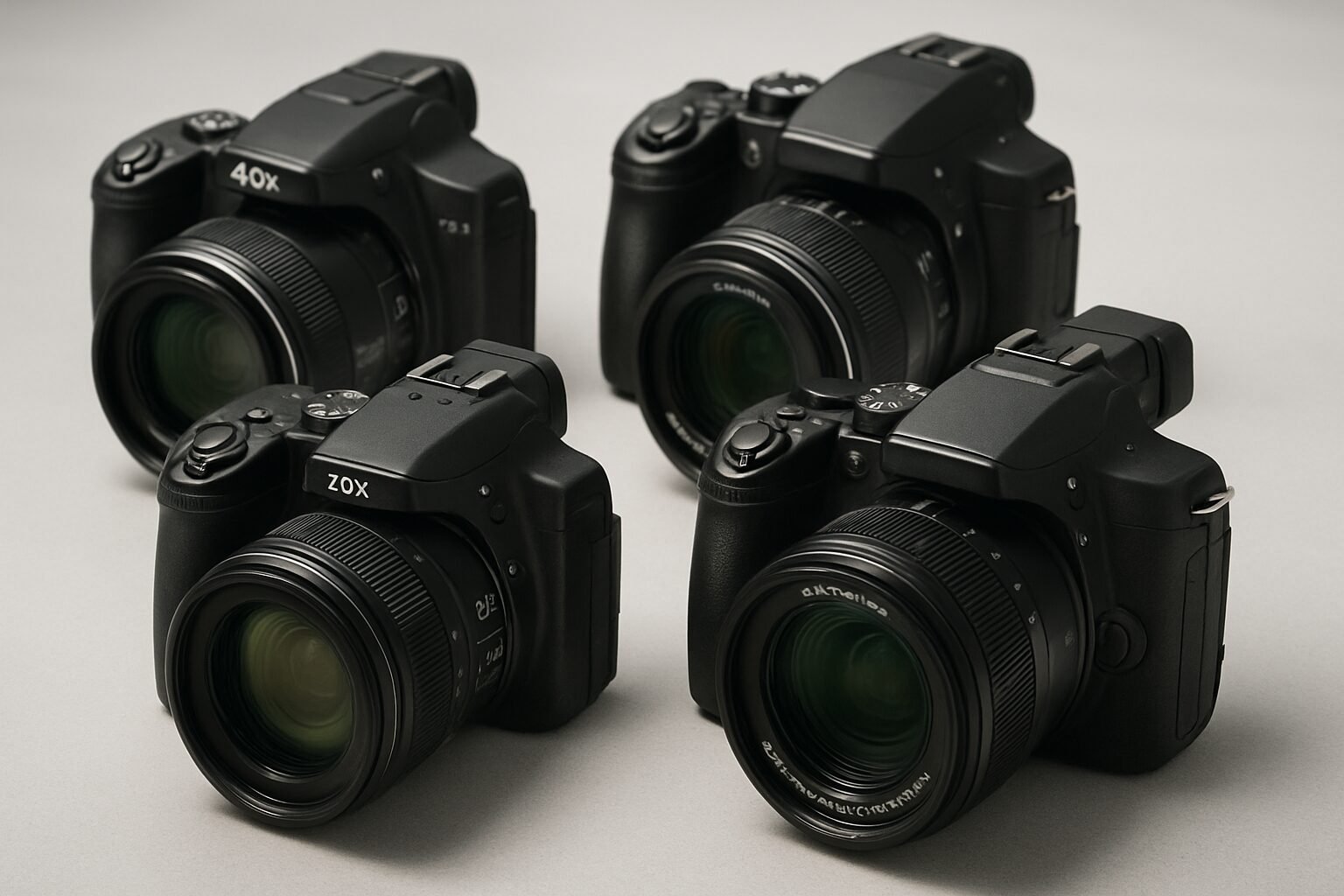
Based on hands-on testing and published user feedback, these are the best digital zoom camera options across multiple categories. Each leads with optical zoom as its primary tool and includes useful digital enhancements for when you need a little more reach.
Best Overall: Sony RX100 VII (8x Optical Zoom)
The Sony RX100 VII is the benchmark for compact zoom cameras. Its 1-inch 20.1MP sensor and 24-200mm f/2.8-4.5 lens deliver sharp results from wide angle to telephoto. The camera shoots at up to 20fps bursts and records 4K video with 357 phase-detection autofocus points for real-time subject tracking. Sony’s “Clear Image Zoom” extends reach up to 2x digitally with minimal degradation by staying within the sensor’s native resolution. At $1,300, it’s a premium investment, but the pocketable size and pro-level performance justify the price for serious shooters.
Best for Travel: Panasonic Lumix ZS99 (30x Optical Zoom)
The Panasonic ZS99 packs a 30x optical zoom (24-720mm equivalent) into a body weighing just 332g. That versatile range makes it ideal for travel, capturing everything from wide cityscapes to distant architectural details in a single camera. The 1/2.3-inch sensor limits dynamic range in challenging light, but Panasonic’s Intelligent Zoom uses the sensor’s extra resolution to provide lossless digital zoom up to 50x at 10MP output. Priced at $697.99 direct from Panasonic, it includes 4K video and a flip screen for creative angles.
Best Superzoom: Nikon Coolpix P1100 (125x Optical Zoom)
For extreme magnification, the Nikon Coolpix P1100 stands alone with 125x optical zoom covering a 24-3000mm equivalent range. It includes a dedicated Moon Mode, a built-in electronic viewfinder, and a 16MP sensor. The body is substantial, typically priced over $1,000, and weighs more than 1.4kg with battery and card. Video performance tops out at 4K/30fps, and the electronic viewfinder makes composing at extreme telephoto distances far more stable than using the rear screen. Digital zoom extends further, but any use beyond the optical limit introduces visible noise. The P1100’s glass is its real asset.
Best Budget Option: Kodak PIXPRO AZ405 (40x Optical Zoom)
For shooters on a tight budget, the Kodak PIXPRO AZ405 offers 40x optical zoom for just $249 on Amazon. It includes a 20MP sensor, optical image stabilization, and 1080p video recording. Digital zoom is available but degrades quality noticeably beyond the optical limit, so stick to the optical range whenever possible. It’s a solid starter camera for casual shooters who want reach without a large investment.
Best for Vlogging: Canon PowerShot G7 X Mark III (4.2x Zoom)
The Canon PowerShot G7 X Mark III is a vlogger favorite built around a 1-inch 20.1MP sensor and a 24-100mm f/1.8-2.8 lens. That fast aperture keeps video bright even indoors, and the flip-up touchscreen is purpose-built for self-recording. Digital zoom is minimal but adequate for framing adjustments. Its real strength is 4K video quality and direct YouTube live-streaming capability, not extreme reach. Canon’s newer PowerShot V1 builds on this foundation with updated video features for creators who need more control over their footage.
Best Premium Compact: Panasonic Lumix ZS300 (15x Zoom, 1-inch Sensor)
The Panasonic ZS300 balances zoom range and image quality with a 15x optical zoom (24-360mm equivalent) and a 1-inch sensor. Compared to the ZS99, it trades zoom range for better low-light performance and finer detail at every focal length. Intelligent Zoom extends reach to 30x at 10MP output while maintaining reasonable quality. Priced at $897.99, it’s the right choice for photographers who shoot in mixed lighting and want a compact that performs after sunset.
Best Waterproof: OM System Tough TG-7 (4x Zoom)
Adventure photographers who need a rugged digital zoom camera will find the OM System Tough TG-7 purpose-built for the job. It’s waterproof to 15 meters, shockproof from drops up to 2.1 meters, and freeze-proof to -10°C. The 4x optical zoom covers 25-100mm, and the 12MP 1/2.3-inch sensor includes an exceptional close-focusing macro mode for underwater subjects. OM System’s Pro Capture mode shoots at up to 20fps, useful for fast-moving aquatic subjects. Digital zoom is available but limited by the sensor’s resolution. The TG-7’s durability and underwater capability are its defining strengths.
Bridge Camera Option: Panasonic Lumix FZ80D
Bridge cameras sit between compact zooms and interchangeable-lens systems. The Panasonic Lumix FZ80D offers 60x optical zoom (20-1200mm equivalent) with a 18.1MP sensor and 4K video in a body that costs well under $500. It’s larger than a travel compact but far more portable than a DSLR with a telephoto lens attached. For wildlife photographers who want serious reach without the Nikon P1100’s price or bulk, the FZ80D is a practical middle ground worth considering.
| Camera Model | Optical Zoom | Sensor Size | Max Aperture | Max Digital Zoom (usable) | Price (USD) |
|---|---|---|---|---|---|
| Sony RX100 VII | 8x | 1-inch | f/2.8-4.5 | 16x (2x digital) | $1,300 |
| Panasonic ZS99 | 30x | 1/2.3-inch | f/3.3-6.4 | 60x (2x digital at 10MP) | $698 |
| Nikon P1100 | 125x | 1/2.3-inch | f/2.8-8 | 250x (limited quality) | ~$1,000+ |
| Kodak AZ405 | 40x | 1/2.3-inch | f/3.0-6.8 | 80x (standard digital) | $249 |
| Canon G7 X III | 4.2x | 1-inch | f/1.8-2.8 | 8.4x | ~$749 |
| Panasonic ZS300 | 15x | 1-inch | f/2.8-5.9 | 30x (Intelligent Zoom) | $898 |
| OM System TG-7 | 4x | 1/2.3-inch | f/2.0-4.9 | 8x | ~$400 |
| Panasonic FZ80D | 60x | 1/2.3-inch | f/2.8-5.9 | 120x (standard digital) | Under $500 |
Understanding Zoom Types: Optical, Digital, Hybrid
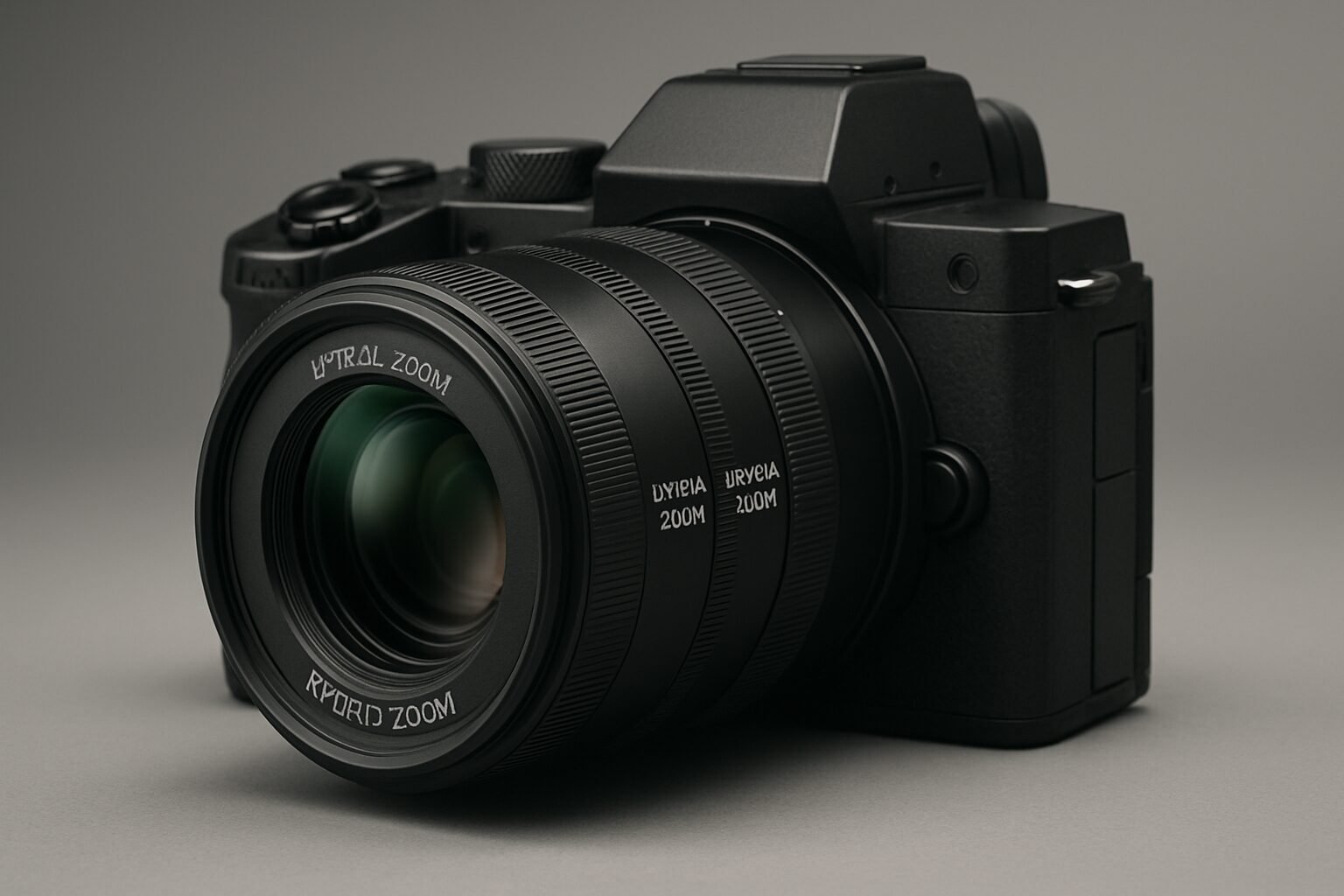
Modern cameras often mix multiple zoom technologies, and knowing the difference helps you avoid marketing gimmicks when choosing a digital zoom camera that meets your actual shooting needs.
Optical Zoom
Optical zoom adjusts the lens elements to change focal length physically. It maintains the sensor’s full resolution and light-gathering ability throughout the zoom range. Most dedicated cameras offer optical zoom from 3x on compact models to over 125x on superzoom bodies.
Digital Zoom
Digital zoom is a virtual enlargement. It crops and scales the image, which leads to pixelation and loss of fine detail at higher magnifications. When combined with sensor cropping in video mode, it can be lossless up to the sensor’s native output resolution, which is why 4K cameras often offer clean digital zoom for 1080p output.
Hybrid Zoom
Hybrid zoom, common in smartphones, uses multiple fixed lenses plus software fusion to simulate smooth zooming between focal lengths. According to Wikipedia, this approach “takes advantage of optical zoom, digital zoom, and software to get improved results” beyond what any single lens could achieve alone. Apple’s iPhone 15 Pro Max uses a 5x telephoto lens combined with computational photography to deliver up to 25x digital zoom, though it still can’t match the optical clarity of a dedicated superzoom at equivalent distances.
Pros and Cons of Digital Zoom Cameras
Every digital zoom camera involves real trade-offs. Understanding them upfront saves you from buyer’s remorse.
Pros
- Extended reach without extra lenses. A single body covers wide to extreme telephoto, ideal for travel and wildlife.
- Compact and portable. Travel zooms like the Panasonic ZS99 weigh under 350g and fit in a jacket pocket.
- Intelligent digital zoom can be lossless. Sony’s Clear Image Zoom and Panasonic’s Intelligent Zoom stay within sensor resolution limits, adding reach without visible degradation.
- Wide price range. Options span from $249 for the Kodak AZ405 to $1,300 for the Sony RX100 VII, covering most budgets.
- 4K video with digital zoom assist. Many models use sensor cropping for clean digital zoom in video, a genuine creative tool.
Cons
- Digital zoom degrades quality beyond the optical limit. Any magnification past the optical range discards real pixel data and cannot be fully recovered.
- Small sensors struggle in low light. Most superzoom cameras use 1/2.3-inch sensors that produce noisy images after sunset.
- Variable apertures reduce light at telephoto. A lens that opens to f/2.8 at wide angle may narrow to f/6.4 at full zoom, compounding noise issues.
- Bulk increases with zoom range. The Nikon P1100 weighs over 1.4kg. Serious reach comes with serious size.
- Smartphones are closing the gap. For casual use, modern hybrid zoom phones deliver results that are good enough to challenge entry-level zoom cameras.
Key Features to Look For in a Zoom Camera
When comparing digital zoom cameras, these specifications separate genuinely useful tools from spec-sheet marketing.
Optical Image Stabilization
Long zoom lenses amplify hand shake dramatically. Look for cameras with effective optical image stabilization (OIS). The Panasonic ZS99 features Hybrid 5-axis OIS, which is critical for sharp shots at a 720mm equivalent focal length where even a slight tremor blurs the frame.
Autofocus and Burst Speed
Fast, reliable autofocus is essential for wildlife or sports. The Sony RX100 VII offers 357 phase-detection points and real-time subject tracking, shooting at 20fps with no blackout between frames. That kind of performance makes a compact digital zoom camera genuinely viable for action photography, not just landscapes.
Video Capabilities
Most current zoom cameras shoot 4K video. For digital zoom in video, cameras like the Canon PowerShot V1 use sensor cropping to achieve lossless zoom at lower output resolutions. If video is a priority, confirm the camera can use digital zoom without dropping below Full HD quality at your target frame rate.
How to Choose the Best Digital Zoom Camera for Your Needs
Follow these steps to narrow down your options and avoid spending money on specs you won’t use.
- Step 1: Determine Your Zoom Range. Are you photographing backyard birds (50x+ optical), travel snapshots (10-30x), or portraits (3-8x)? Match optical zoom to your primary subject first. Digital zoom should only supplement when unavoidable.
- Step 2: Evaluate Sensor Size. Larger sensors, specifically 1-inch or bigger, dramatically improve image quality in mixed and low light. If budget limits you to a 1/2.3-inch sensor, plan to shoot primarily in good daylight.
- Step 3: Consider Portability. A 125x superzoom like the Nikon P1100 weighs over 1.4kg. A pocketable 30x camera like the ZS99 fits in your jacket. The trade-off between reach and portability is real and worth deciding before you buy.
- Step 4: Set a Budget. Prices range from $249 for basic models to $1,300 for premium compacts. A well-chosen digital zoom camera at any price point will last several years with proper care.
- Step 5: Read Hands-On Reviews. Always check sample images and user feedback before purchasing. Pay specific attention to low-light performance and digital zoom quality at various magnification levels, not just the headline zoom number.
Smartphone vs. Dedicated Camera: The Digital Zoom Battle
Smartphones have made hybrid and AI-enhanced digital zoom genuinely impressive, blurring the line with dedicated cameras for casual use. Apple’s iPhone 15 Pro Max uses a 5x telephoto lens and computational photography to deliver up to 25x digital zoom. Even so, phones can’t match the true optical reach of a Nikon P1100 or the depth-of-field control of a 1-inch sensor compact. For serious wildlife, astrophotography, or low-light action, a dedicated digital zoom camera remains the more capable tool. The gap is narrowing, but it hasn’t closed.
According to HubSpot’s content on visual marketing trends, audiences consistently respond to sharper, more detailed imagery in brand and editorial contexts. That preference reinforces why optical quality still drives purchasing decisions among photographers who care about the final output, not just the convenience of a single device.
For brands and creators thinking about visual content quality at scale, our guides on content production strategy and creative services cover how camera choice connects to broader brand storytelling decisions.
Ready to build a visual content strategy around the right gear? Contact Emin Media for a free brand consultation and let’s figure out what your creative toolkit actually needs.
Frequently Asked Questions
Is digital zoom good for camera quality?
Digital zoom reduces image quality because it crops and enlarges pixels rather than capturing new detail. When the camera has excess resolution relative to its output size, such as shooting 4K video from a 20MP sensor, digital zoom can be lossless up to a specific threshold. For still photos, rely on optical zoom whenever possible and treat digital zoom as a last resort.
What is the best digital zoom camera for wildlife?
The Nikon Coolpix P1100 offers the longest optical zoom at 125x (24-3000mm equivalent), making it the top choice for wildlife and astrophotography. For a more portable option, the Panasonic ZS99 provides 30x optical zoom and fits in a jacket pocket. Both include optical image stabilization, which is essential at extreme focal lengths.
Can smartphones compete with digital zoom cameras?
Smartphones use hybrid zoom and AI upscaling to simulate long zooms effectively for casual use, but they can’t match the optical clarity of a dedicated camera’s glass at equivalent distances. For extreme reach or professional-quality results, a digital zoom camera with a large sensor and optical stabilization is the stronger choice. The gap is smaller than it was three years ago, but it remains meaningful for serious photography.
How much digital zoom is too much?
Any digital zoom beyond 2x-4x typically shows noticeable degradation, especially on small 1/2.3-inch sensors. The safe limit is the point where the camera’s output resolution matches the sensor’s native capture, which is why Sony’s Smart Zoom and Panasonic’s Intelligent Zoom cap magnification at that threshold. Beyond it, you’re enlarging guessed pixels, not real ones.
Are digital zoom cameras worth buying in 2026?
Yes, if you choose based on optical zoom range and sensor size rather than the total zoom number on the box. Look for cameras with strong optical zoom, larger sensors, and intelligent digital zoom features like Sony’s Clear Image Zoom or Panasonic’s Intelligent Zoom. Avoid models that rely primarily on digital magnification without meaningful optical backing.
What is the difference between optical and digital zoom?
Optical zoom uses moving lens elements to magnify the subject without losing resolution, while digital zoom crops and enlarges the image, discarding captured pixels in the process. Hybrid zoom combines both approaches with software interpolation for smoother transitions between focal lengths. For the best image quality, always push optical zoom to its limit before engaging digital.
Enjoyed this article?
Contact Emin Media for a free brand consultation and let's create something amazing together.
Get in TouchRelated Articles
Best Digital Rechargeable Camera Picks for 2026
Find the best digital rechargeable camera for 2026. Compare top picks, battery life, USB-C charging,…
Best Digital Photography Camera: 2026 Buyer’s Guide
Find the best digital photography camera for your budget in 2026. Compare mirrorless, DSLR, and…
Best Compact Digital SLR Camera Guide 2026
A compact digital slr camera delivers DSLR-quality shots in a pocket-friendly body. Compare top 2026…