Best Polaroid Camera Instant Digital in 2026
Key Takeaways
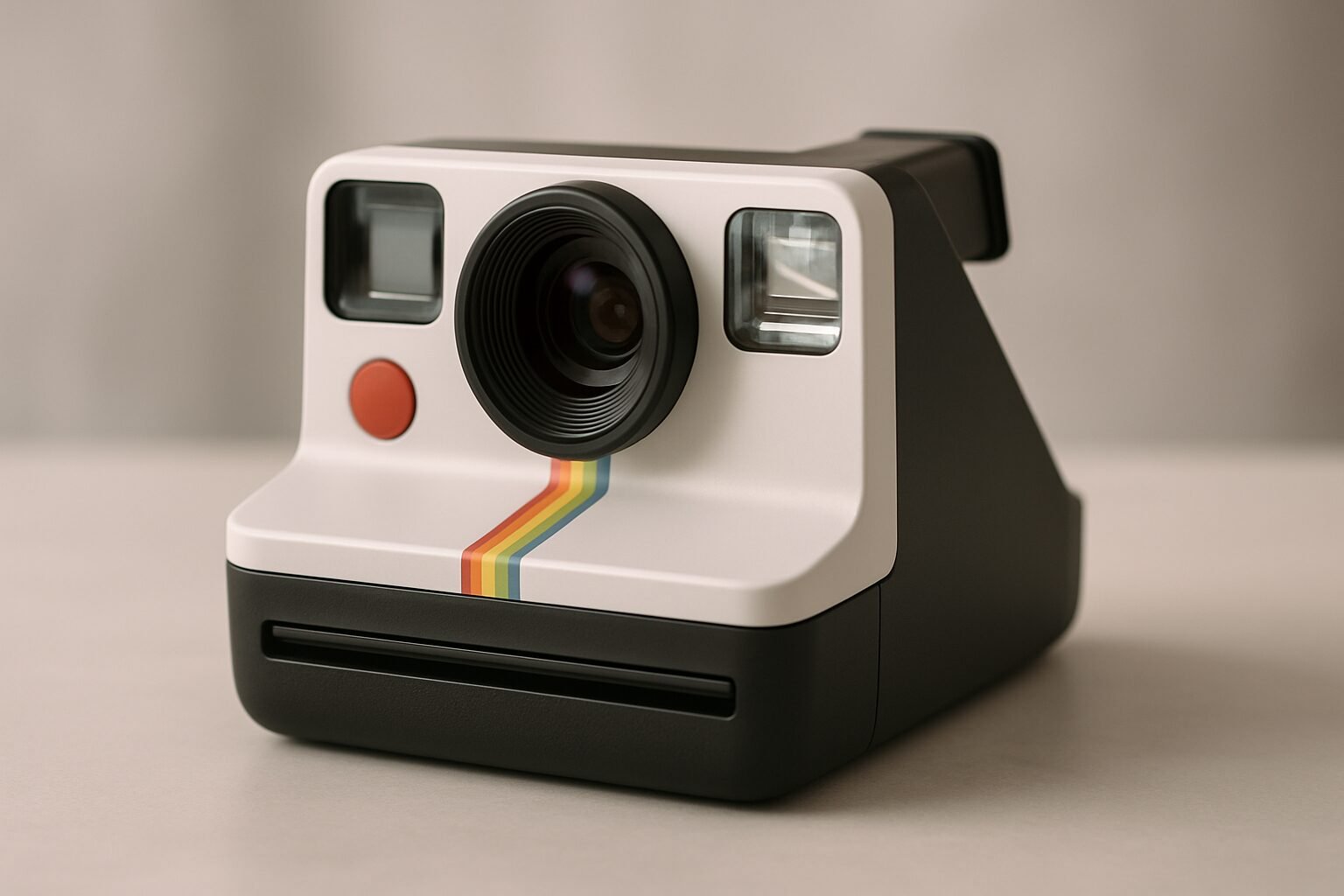
- A polaroid camera instant digital (hybrid instant camera) captures photos digitally and prints them on film, letting you preview and choose which shots to print.
- The Fujifilm Instax Mini Evo leads the category with 100 creative lens and film effect combinations, a selfie mode, and smartphone app connectivity.
- Film costs range from $0.85 to $1.50 per print; hybrid cameras help reduce waste by printing only the best images.
- Polaroid-branded instant digital cameras like the Polaroid Snap offer a compact alternative using ZINK paper, though with a simpler feature set.
- Choosing between Instax and Polaroid ecosystems comes down to film availability, design preference, and how much creative control you want.
A polaroid camera instant digital is a hybrid device that captures images digitally and prints them instantly on film or ZINK paper, giving you preview control before committing to a print. This design saves film and adds creative flexibility.
What Is a Polaroid Camera Instant Digital?
Definition and Evolution of Instant Photography
A instant digital is a hybrid camera that captures images digitally and prints them using instant film or ZINK (zero-ink) technology, combining the best of both worlds. Unlike traditional analog instant cameras that expose film directly, these devices store a digital file first, enabling post-capture review and selective printing. According to Wikipedia, the instant camera concept dates back to Edwin Land’s 1948 Polaroid Model 95. The modern digital hybrid iteration gained real traction in the 2010s as consumers wanted physical prints without the guesswork of analog-only devices.
How Hybrid Instant Cameras Work
These cameras use a digital sensor to capture the image, which internal software processes before sending it to a built-in printer. The printer either uses a motorized roller to develop Instax film or heat-activated ZINK paper. The digital buffer means you can take multiple shots and decide which to print later. That’s the core advantage over fully analog instant cameras, where every shutter press produces a print whether you like the result or not.
Why the Term “Polaroid” Sticks
Polaroid branded the original instant camera, but the term has become synonymous with any instant-print camera that includes digital capabilities, much like “Kleenex” for tissues. Today, the market is led by Fujifilm’s Instax line alongside niche Polaroid-branded digital instant cameras sold under license. Both camps have loyal followings, and both are worth understanding before you buy.
Top Polaroid Camera Instant Digital Models in 2026
Fujifilm Instax Mini Evo: The Hybrid Leader
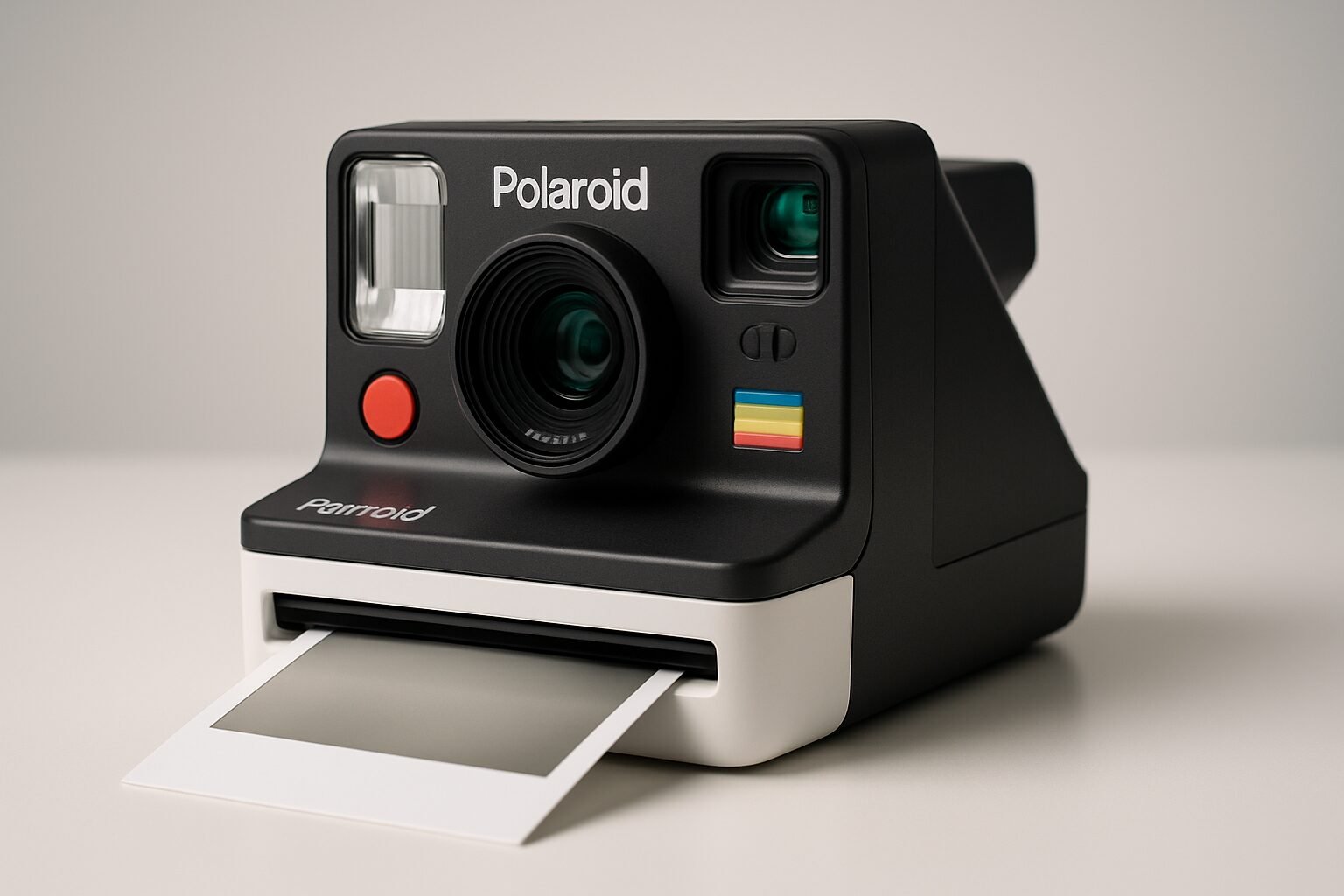
Widely regarded as the best hybrid instant camera by Wirecutter and other reviewers, the Instax Mini Evo ($234.95) offers 10 lens effects and 10 film effects for 100 unique combinations. It features a built-in selfie mirror, dual shutter buttons for portrait and landscape orientation, and a companion app that turns your smartphone into a remote control and photo printer. The 3.0-inch LCD screen lets you review images before printing, which directly cuts down on wasted film.
Other Hybrid Contenders from Instax and Polaroid
The Instax Mini LiPlay+ adds voice recording to prints and a slimmer build, though it trades the tactile lens dial for a digital interface. On the Polaroid side, the Polaroid Snap remains a pocketable option that prints 2×3-inch ZINK stickers without ink cartridges. The Snap lacks an advanced effects system and prioritizes simplicity over creative depth. Both cameras embody the modern hybrid instant ethos but serve very different user priorities.
Polaroid Go Gen 3: Worth Knowing About
The Polaroid Go Generation 3 is the brand’s most compact analog instant camera, designed for portability above all else. It uses Polaroid Go film, which produces prints roughly 2.1 x 3.4 inches in size, and carries a street price in the $80-$110 range depending on retailer. While it lacks the digital preview buffer of true hybrid models, it’s a strong entry point for anyone drawn to the Polaroid film aesthetic without committing to a higher price tier. Think of it as the analog anchor in a lineup that increasingly skews digital.
Comparison Table: Top Instant Digital and Analog Hybrid Options
| Model | Price (MSRP) | Type | Film / Media | Print Size | Notable Features |
|---|---|---|---|---|---|
| Fujifilm Instax Mini Evo | $234.95 | Hybrid | Instax Mini film | Credit card (2.1 x 3.4 in) | 100 effect combos, app connectivity, selfie mode |
| Fujifilm Instax Square SQ40 | $269 | Analog | Instax Square film | Square (2.4 x 2.4 in) | Auto-exposure, classic design, selfie mirror |
| Fujifilm Instax Mini 41 | $101 | Analog | Instax Mini film | Credit card (2.1 x 3.4 in) | Stylish colors, auto-exposure, budget-friendly |
| Polaroid Snap | ~$100 | Digital | ZINK paper | 2 x 3 in sticker | Inkless printing, memory card slot, compact build |
Prices sourced from official manufacturer listings and Wirecutter; all models available as of 2026.
Key Features to Look For in a Hybrid Instant Camera
Lens and Film Effects for Creative Control
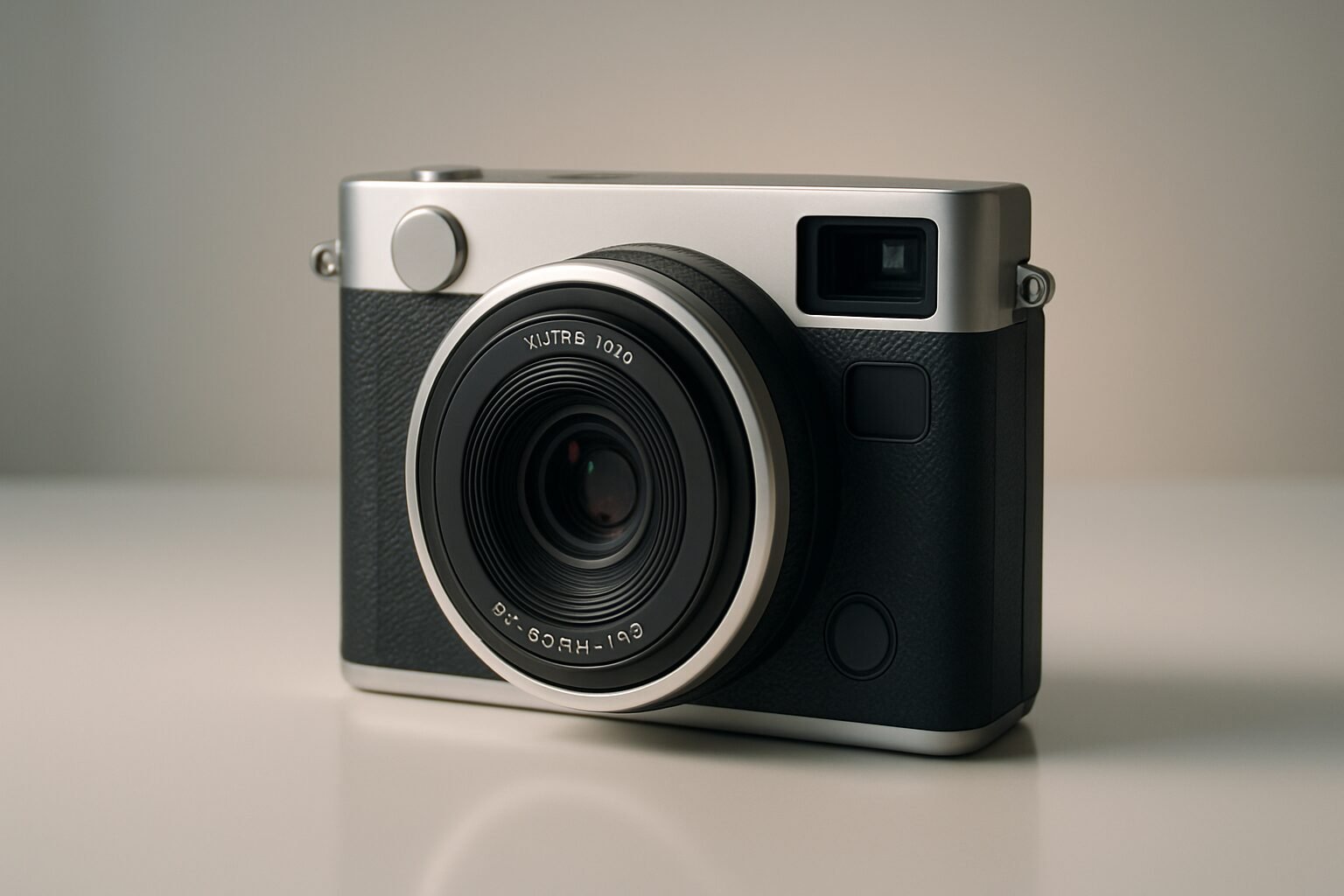
The hallmark of an advanced hybrid instant camera is the ability to alter the image before printing. The Instax Mini Evo popularized the tactile lens ring and film dial, giving users 10 lens effects (like vignette or soft focus) and 10 film filters (monochrome, vivid, and more). This creative palette far exceeds what analog instant cameras can offer, making the hybrid route ideal for anyone who wants to experiment without burning through film packs.
Connectivity and Smartphone Integration
Modern hybrids, including the Instax Mini Evo and LiPlay+, connect to a dedicated app via Bluetooth. This enables remote shutter release, direct printing from your phone’s camera roll, and editing before output. For a true this type of digital experience, solid app integration is essential. It extends the camera’s functionality well beyond its built-in screen and makes the whole workflow feel genuinely modern.
Voice Recording: The LiPlay+ Advantage
The Instax Mini LiPlay+ does something no other hybrid instant camera does: it embeds a voice recording into the print via a QR code. Scan the print with the companion app and you hear a short audio clip tied to that moment. It’s a feature that sounds gimmicky until you actually use it at a birthday party or family gathering. For memory-keepers who want more than a static image, this is a genuinely useful differentiator worth the slightly higher price.
Print Quality and ZINK vs. Instax Film
Hybrid cameras use either real Instax film (analog development) or ZINK paper (dye crystals embedded in the paper itself). Instax prints deliver classic, slightly soft analog warmth and develop within 90 seconds. ZINK stickers are waterproof, tear-resistant, and have a glossy finish. The Polaroid Snap uses ZINK, while the Mini Evo uses Instax Mini film. Print resolution typically ranges from 12.5 dots per mm for Instax to 300 dpi for ZINK, though real-world image quality depends heavily on lighting and exposure conditions.
Pros and Cons of Polaroid Camera Instant Digital
Pros
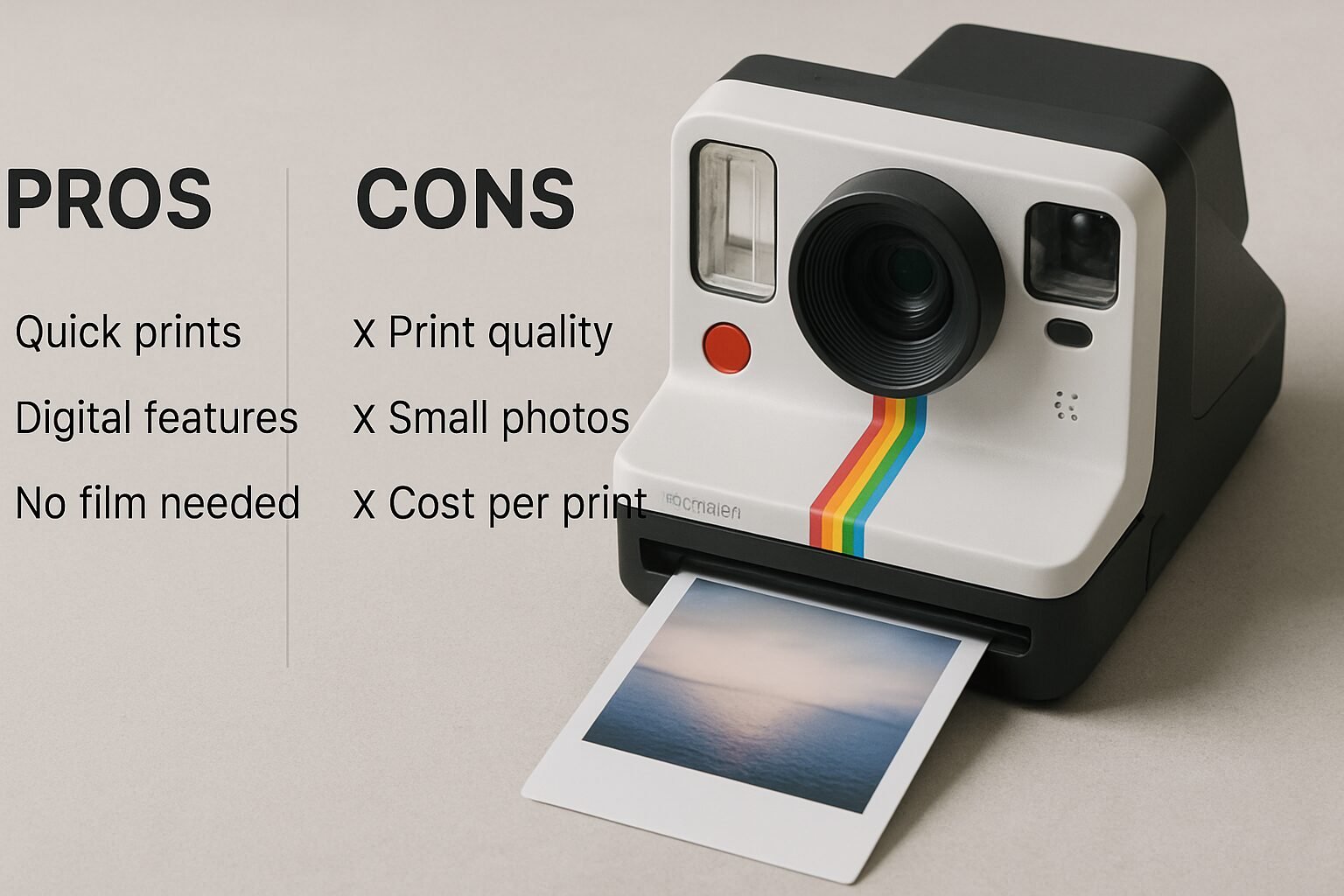
- Preview before printing: Review shots on an LCD screen and only print the keepers, cutting film waste by an estimated 30-50% compared to analog-only models.
- Creative effects: Up to 100 lens and film effect combinations on models like the Instax Mini Evo give you genuine artistic control.
- Smartphone connectivity: Print directly from your phone’s camera roll via Bluetooth app on most modern hybrids.
- Versatile output: ZINK models produce waterproof sticker prints; Instax models deliver classic film aesthetics.
- Cost efficiency over time: Selective printing means fewer wasted film packs, which adds up to real savings for frequent shooters.
Cons
- Higher upfront cost: Hybrid models like the Instax Mini Evo start at $234.95, roughly double the price of entry-level analog instant cameras.
- Ongoing film costs: At $0.85-$0.90 per print for Instax Mini, film expenses accumulate quickly for high-volume shooters.
- Battery dependency: Digital components mean you need a charged battery; analog cameras can sometimes function without power.
- Less “pure” analog feel: Purists argue the digital buffer removes some of the spontaneous magic that makes instant photography special.
Film Costs and Print Economics
Understanding Instax Mini, Square, and Wide Formats
Instax film comes in three sizes: Mini (credit card), Square, and Wide. Mini twin packs cost around $17-$18 and yield 20 prints, putting per-print costs at approximately $0.85-$0.90. Square film runs slightly higher per shot, while Wide film (used by the Instax Wide Evo hybrid) is the most expensive format per print. This pricing data comes from Wirecutter and major retailers, and it’s held relatively stable heading into 2026.
Calculating the True Cost Per Print
A fully analog instant camera forces you to print every shot, which adds up fast when you’re learning or shooting in tricky light. With a this kind of instant digital, you preview and delete before committing, cutting film consumption by an estimated 30-50% based on user behavior patterns. Over a year, frequent shooters can realistically save $50-$100 in film costs alone. The hybrid camera pays for its premium price tag over time through reduced waste.
ZINK vs. Instax: Which Is Cheaper?
ZINK paper packs (used by Polaroid instant digital models like the Snap) typically cost $10-$15 for 20 sheets, putting them in a similar range to Instax Mini. ZINK prints are stickers, which adds versatility for scrapbooking and labeling, but they don’t carry the same classic film warmth. According to camera review data from PCMag and Wirecutter, the choice between ZINK and Instax usually comes down to aesthetic preference rather than pure cost difference.
Polaroid vs. Instax: Which Instant Digital Ecosystem Fits You?
Film Availability and Aesthetics
Fujifilm Instax dominates the market with widespread film availability across big-box stores and online retailers. Polaroid-branded cameras, such as the Now+ (analog) and the Snap (digital), use either Polaroid’s own I-Type film or ZINK paper. Instax film is known for consistent color reproduction and development within 90 seconds, while classic Polaroid film has a softer, more vintage look. When choosing a the camera instant digital, consider which film ecosystem you’ll want to buy into long-term. Film availability in your region matters more than most buyers realize until they’re standing in a store with an empty camera.
Camera Design and User Experience
Instax hybrids lean into retro-futuristic design with physical dials and levers, appealing directly to the analog nostalgia crowd. Polaroid’s digital offerings tend to be more minimalist and compact. Both brands offer selfie modes and flash control, but Instax currently leads in on-camera creative effects and app maturity. As of 2026, the Instax app ecosystem supports a wider range of editing and sharing features than Polaroid’s companion software.
Creative Uses for Your Instant Digital Camera
Memory-Keeping and Scrapbooking
Because you can preview and reprint digital files, a hybrid instant camera is perfect for scrapbooking. Take multiple shots of the same moment, select the best one for your album, or reprint later if a print fades over time. Combine physical prints with journaling to create layered, personal memorabilia that a phone gallery simply can’t replicate. This is where the digital format genuinely earns its place in a creative toolkit.
Event and Party Favors
Set up a DIY photo booth at weddings or birthdays: guests take digital shots, choose their favorite, and print instantly as a personalized favor. The hybrid workflow ensures everyone gets a flattering picture rather than a blurry throwaway. Many hybrid cameras can also print directly from attendees’ smartphones via the companion app, which keeps the energy moving at fast-paced events without a dedicated operator.
Sustainability: How Instant Digital Cameras Reduce Waste
Preview and Print Only the Best Shots
One of the strongest arguments for choosing a hybrid over a traditional instant camera is waste reduction. Analog models print every frame, good or bad, resulting in unusable prints that often end up discarded. By reviewing images on an LCD screen first, you print only the keepers, decreasing film cartridge consumption by up to 50% and keeping more plastic cartridges out of landfills. For environmentally conscious photographers, this is a practical, measurable benefit.
Recycling and Reusing Instant Film Cartridges
Several brands now offer take-back programs for empty cartridges, though these programs are still expanding in availability. The hybrid camera’s lower print volume inherently reduces the environmental footprint compared to analog-only shooting. Choosing a hybrid is a practical step toward more sustainable instant photography, especially if you shoot frequently at events or gatherings.
“The resurgence of instant photography isn’t nostalgia for its own sake. It’s a reaction to the disposability of digital. People want something they can hold.” – Creative industry observation, Camera World editorial, 2025
“Hybrid instant cameras represent the most significant category evolution in consumer photography since the smartphone. The ability to preview before printing changes the entire creative relationship with the medium.” – Digital Camera World, 2026 buyer’s guide
The Future of Polaroid Camera Instant Digital
As demand for tangible photo prints continues to rise alongside digital convenience, the polaroid camera category is positioned for continued growth. According to industry coverage from Digital Camera World and PCMag, upcoming models are expected to improve app connectivity, add cloud backup features, and push print speeds faster than current 12-16 second output windows. Whether you’re an event planner, a dedicated scrapbooker, or simply someone who loves the tactile joy of a physical print, a hybrid instant digital camera bridges the gap between fleeting digital moments and cherished physical keepsakes.
Ready to find the right hybrid instant camera for your creative work? Contact Emin Media for a free brand consultation and let’s build something bold together.
Frequently Asked Questions
What is a polaroid camera instant digital?
A instant digital is a hybrid camera that captures photos digitally and prints them instantly on film or ZINK paper. The key difference from analog instant cameras is the digital preview step, which lets you review and select images before printing. This design reduces wasted film and gives you more creative control over your output.
Are polaroid camera instant digital models better than analog instant cameras?
Hybrid models offer more control, less wasted film, and smartphone connectivity that analog cameras simply can’t match. That said, some photographers prefer the spontaneous, commit-to-every-shot nature of analog instant cameras. The right choice depends on whether you prioritize creative control or pure analog experience.
Can I use any instant film with a polaroid camera instant digital?
No. Each model is designed for a specific film type, such as Instax Mini, Instax Square, or ZINK paper. Using the wrong film type will damage the camera or produce no output at all. Always check the manufacturer’s film compatibility before purchasing additional packs.
How much does a polaroid camera instant digital cost?
Prices range from around $100 for basic models like the Polaroid Snap to $234.95 for feature-rich hybrids like the Instax Mini Evo. Film costs add $0.85-$0.90 per print for Instax Mini, so factor ongoing consumable costs into your total budget. Hybrid models tend to offset their higher upfront price through reduced film waste over time.
Can I print photos from my phone with a polaroid camera instant digital?
Many hybrid models, including the Instax Mini Evo and LiPlay+, allow you to send smartphone photos to the camera for instant printing via a Bluetooth companion app. This feature effectively turns the camera into a portable photo printer for your entire camera roll. It’s one of the most practical advantages of choosing a hybrid over a purely analog instant camera.
Do polaroid camera instant digital models need ink?
They use either self-developing Instax film (no ink required) or ZINK paper, which has dye crystals embedded directly in the paper that activate with heat. Neither system requires ink cartridges, which simplifies maintenance and reduces per-print supply costs compared to traditional inkjet photo printers.
Enjoyed this article?
Contact Emin Media for a free brand consultation and let's create something amazing together.
Get in TouchRelated Articles
Best Digital Zoom Cameras 2026: Top Picks & Tips
Find the best digital zoom camera for 2026. Compare top picks from Sony, Nikon, and…
Best Digital Rechargeable Camera Picks for 2026
Find the best digital rechargeable camera for 2026. Compare top picks, battery life, USB-C charging,…
Best Digital Photography Camera: 2026 Buyer’s Guide
Find the best digital photography camera for your budget in 2026. Compare mirrorless, DSLR, and…