Best Professional Digital SLR Camera Guide 2026
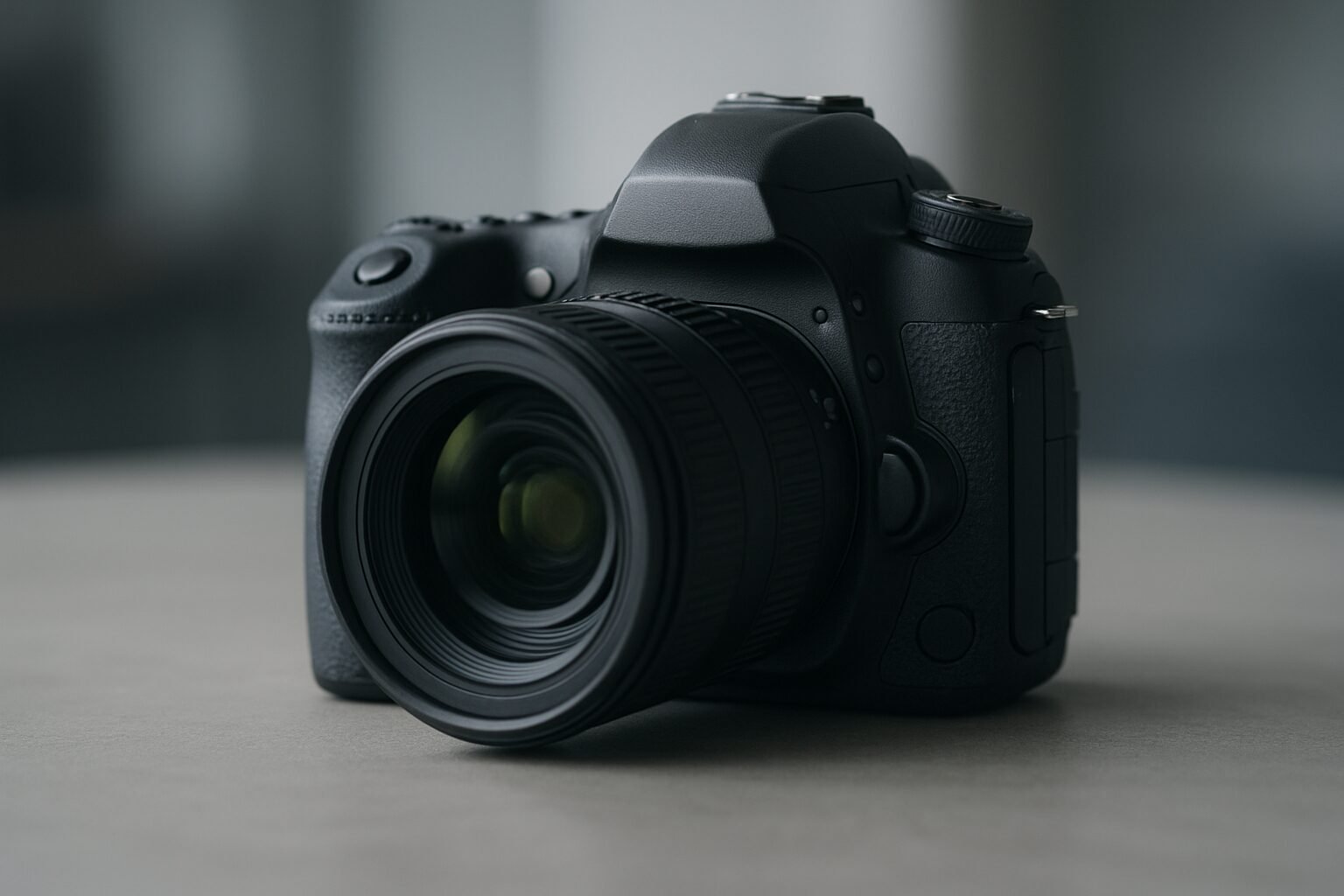
A professional digital slr camera is a rugged, interchangeable-lens system built for commercial, editorial, and fine-art work, offering optical viewfinders, weather-sealed bodies, and deep lens ecosystems that serious photographers still favor in 2026.
Key Takeaways
- These cameras deliver optical viewfinder clarity, battery life exceeding 1,800 shots, and access to legacy lens systems no mirrorless mount can match.
- The Nikon D850 remains a top choice with a 45.7MP sensor and 153-point autofocus, while the Canon 5D Mark IV excels in color science.
- Used and refurbished DSLR bodies save 40–60% over new mirrorless alternatives, making them ideal for budget-conscious pros.
- DSLRs still dominate specific genres like wildlife and studio work where instantaneous viewfinder feedback and all-day battery are critical.
- Building a complete professional kit starts around $800–$1,200 for a used body plus essential lenses.
What Is a Professional Digital SLR Camera?
Defining the Category
A slr camera is an advanced DSLR engineered for demanding photographic work. Unlike entry-level models, these cameras feature weather-sealed all-metal bodies, high-resolution sensors (typically 24MP and above), sophisticated autofocus systems, dual memory card slots, and support for tethered shooting. They are designed for commercial, studio, sports, and wildlife photography where speed, durability, and image quality are non-negotiable.
DSLR vs. Mirrorless: The Professional’s Perspective
DSLRs hold key advantages over mirrorless systems: optical viewfinders with zero lag, battery life rated for 1,800–3,000 shots per charge, and native compatibility with decades of glass from Canon EF and Nikon F mounts. According to Photography Life, the Nikon D850’s battery lasts for thousands of frames, a critical feature for all-day shoots. That kind of endurance simply isn’t available from most mirrorless bodies at any price point.
Who Still Needs One in 2026?
Photographers in astrophotography, macro, and high-volume event coverage often prefer these cameras for optical viewfinder clarity in bright sunlight and minimal battery drain. Wedding photographers can shoot an entire event on two batteries, while a mirrorless equivalent might require four or five. Budget-conscious professionals entering the field can also leverage the massive used lens market that newer mirrorless mounts simply haven’t had time to build.
Top Professional Digital SLR Camera Models in 2026
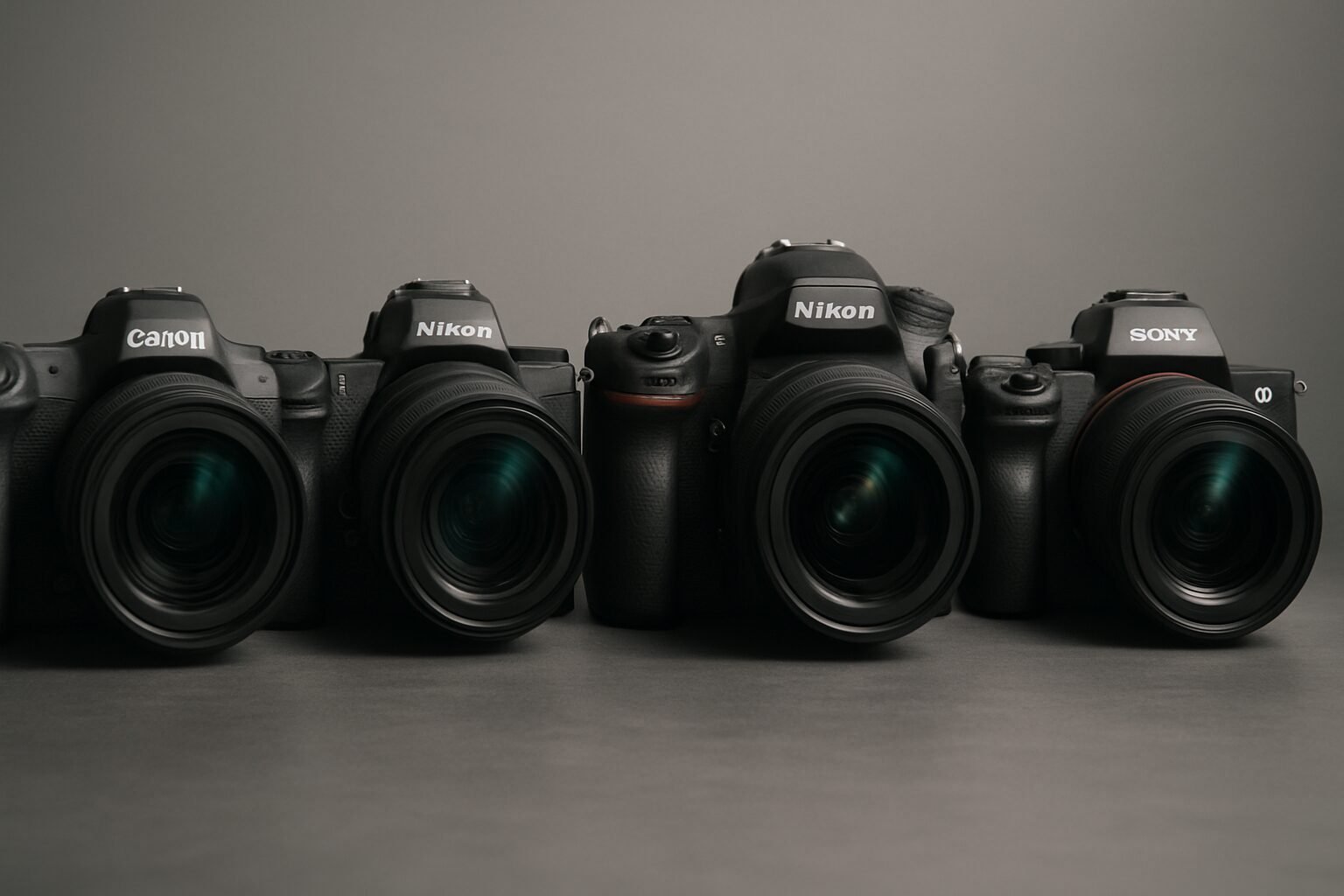
Nikon D850: The Definitive Choice
The Nikon D850 is widely regarded as the best this type of camera ever produced. Its 45.7MP full-frame BSI CMOS sensor delivers extraordinary dynamic range and resolution, ideal for landscape and commercial work. With a 153-point autofocus system (including 99 cross-type sensors), 7 fps continuous shooting (9 fps with grip), and 4K UHD video, it remains a powerhouse. Digital Camera World calls it “the best pro DSLR,” and used prices hover around $1,600, offering exceptional value for a flagship body.
Canon EOS 5D Mark IV: The Enduring Workhorse
The Canon 5D Mark IV is a proven professional body with a 30.4MP full-frame sensor and Canon’s celebrated color science. Its 61-point AF system with Dual Pixel CMOS AF makes it reliable for both stills and video. While newer models have emerged, the 5D Mark IV’s robust build and vast EF lens selection keep it relevant for portrait and wedding photographers. Used models are available for around $1,200–$1,500, making it one of the most cost-effective full-frame options on the market.
Pentax K-1 Mark II: The Specialist’s Pick
Pentax remains the only manufacturer actively developing DSLRs, and the K-1 Mark II is a genuinely unique system. It includes 5-axis in-body image stabilization, Pixel Shift Resolution for composites ranging from 36MP to 120MP+, and Astrotracer for astrophotography without a separate tracking mount. Despite a smaller lens ecosystem, its rugged weather-sealed body and innovative features make it a favorite among landscape and night-sky photographers who want something the Canon and Nikon crowds simply don’t have.
| Model | Megapixels | Autofocus Points | Continuous Shooting | ISO Range | Price (Used) |
|---|---|---|---|---|---|
| Nikon D850 | 45.7 | 153 | 7–9 fps | 64–25,600 | ~$1,600 |
| Canon 5D Mark IV | 30.4 | 61 | 7 fps | 100–32,000 | $1,200–$1,500 |
| Pentax K-1 Mark II | 36.4 | 33 | 4.4 fps | 100–819,200 | ~$1,500 |
| Canon EOS 6D Mark II | 26.2 | 45 | 6.5 fps | 100–40,000 | $800–$1,000 |
| Nikon D780 | 24.5 | 51 | 7 fps | 100–51,200 | ~$1,200 |
How to Choose a Professional Digital SLR Camera
Step 1: Identify Your Primary Photography Genre
Your discipline dictates the right body. Wildlife and sports shooters value fast autofocus and high frame rates at 7 fps or above, making the Nikon D500 a natural fit. Portrait and landscape photographers prioritize resolution and dynamic range, favoring sensors above 30MP. Wedding photographers need a balance of both, plus dual card slots for redundancy on the most important day of their clients’ lives.
Step 2: Determine Your Budget and Total Cost of Ownership
Entry into a professional DSLR system starts as low as $800 for a used body. Factor in lenses, flashes, and accessories, though. A typical professional kit including a body, 24-70mm f/2.8, and 70-200mm f/2.8 runs $3,000–$5,000 new, or $1,800–$3,000 used. Canon and Nikon offer the widest range of affordable used glass, which is where the real savings live.
Step 3: Evaluate Sensor Format and Lens Compatibility
Full-frame sensors deliver superior low-light performance and shallow depth of field, but APS-C bodies like the Canon EOS 90D (32.5MP) are lighter and less expensive. For most professional work, full-frame is the standard, unless you specialize in wildlife where crop-sensor reach becomes a tactical advantage. Nikon’s F-mount covers over 400 lenses; Canon’s EF system exceeds 200. Both ecosystems are deep enough to build a career on.
Step 4: Assess Autofocus, Speed, and Video Needs
A serious DSLR must have a sophisticated AF system. The Nikon D850’s 153-point system includes 99 cross-type sensors; the Canon 5D Mark IV offers Dual Pixel AF for smooth live-view focusing. For action, burst rates of 7–10 fps are common across flagship bodies. Video professionals should confirm 4K 30p capability with clean HDMI output. Both the Nikon D780 and Canon 5D Mark IV deliver this without compromise.
Pros and Cons
Pros
- Optical viewfinder: Zero battery drain, no digital lag, and exceptional clarity in direct sunlight.
- Battery life: The Nikon D850 is rated for approximately 1,840 shots per charge, outperforming most mirrorless bodies by 3–5x.
- Lens ecosystem: Access to decades of Canon EF and Nikon F glass at 30–70% below retail on the used market.
- Durability: Weather-sealed all-metal bodies with proven long-term reliability in demanding field conditions.
- Value: Used flagship bodies available for $800–$1,600, delivering commercial-grade image quality at a fraction of new mirrorless pricing.
Cons
- Size and weight: Full-frame DSLR bodies with grip are significantly heavier than mirrorless equivalents, which adds up over long shoots.
- Video autofocus: Live-view AF on most DSLRs is slower and less reliable than the subject-tracking systems found in current mirrorless cameras.
- No in-body stabilization: Most Canon and Nikon DSLR bodies lack IBIS, relying on lens-based stabilization instead.
- Declining manufacturer support: Canon and Nikon have shifted R&D investment to mirrorless, meaning fewer new DSLR bodies are coming.
Professional DSLR Advantages Over Mirrorless
Optical Viewfinder: Zero Lag, Infinite Battery
A true optical viewfinder never drains the battery and shows the scene without digital processing delays. This is critical for tracking fast-moving subjects and composing in extreme brightness. EVFs consume significant power and can introduce latency that throws off timing on decisive-moment photography.
Battery Life That Outperforms Mirrorless by 3–5x
The battery life of a professional DSLR is legendary. The Nikon D850 is rated for approximately 1,840 frames on a single charge, while many mirrorless cameras struggle to reach 500. For wedding assignments or remote fieldwork, this difference eliminates the need to carry multiple spares and the anxiety that comes with them.
Access to Decades of Proven, Affordable Glass
One of the greatest strengths of the DSLR format is backward compatibility with lenses dating back decades. Canon EF and Nikon F mount glass can be found used at 30–70% off retail, and many of those lenses deliver optical quality rivaling modern alternatives. This ecosystem advantage dramatically lowers the cost of building a professional kit compared to starting fresh on a mirrorless mount.
“The Nikon D850 manages to surpass the performance of many newer mirrorless cameras, even in 2026, with its battery life and rugged reliability being paramount for my assignments.” – James Artaius, Digital Camera World Editor
“For photographers who have invested in Canon EF or Nikon F glass over many years, the economic case for staying with a DSLR system remains compelling. The used lens market is mature, deep, and priced for working professionals.” – Photography Life, 2025 DSLR Buyer’s Guide
| Feature | Professional DSLR Advantage | Mirrorless Disadvantage |
|---|---|---|
| Viewfinder | Optical, zero power consumption, instantaneous | Electronic, high power drain, potential lag |
| Battery Life | 800–3,000 shots per charge (CIPA rating) | 300–700 shots per charge |
| Lens Ecosystem | Decades of native lenses, abundant and affordable | Newer mounts, fewer used options, often pricier |
| Durability | Proven weather sealing, fewer electronic parts | Sealing improving but more electronic complexity |
Building a Professional DSLR Kit on a Budget
Where to Buy Used and Refurbished Bodies
Reputable sources include B&H Photo, Adorama, KEH, and MPB, all offering warranties on used gear. Factory refurbished units from Canon and Nikon come with full manufacturer warranty and meaningful discounts. Expect to pay $1,000–$1,800 for a top-tier body like the D850 or 5D Mark IV from any of these trusted retailers.
Essential Lenses for a Professional DSLR Setup
Start with a 24-70mm f/2.8 standard zoom and add a 70-200mm f/2.8 telephoto. For primes, a 50mm f/1.4 and an 85mm f/1.8 are staples of portrait and event work. Used versions of these lenses cut costs by 40–50% without sacrificing optical quality. Pentax users should prioritize the 15-30mm f/2.8 and the 50mm f/1.4 AW for a versatile two-lens starting kit.
Staying Competitive with an Older Body
Even a 5–8-year-old camera like the Canon 5D Mark III (22.3MP) produces commercial-ready images. The key is investing in great glass and lighting rather than chasing the newest body. Many professional portraits and weddings are still delivered on older DSLRs with zero client complaints. Software like Adobe Lightroom and Topaz DeNoise further extends aging sensors’ capabilities, closing the gap with newer technology considerably.
Why DSLRs Still Excel in Niche Genres
Wildlife and Action Photography
For tracking fast, erratic subjects, the optical viewfinder provides real-time clarity and no blackout, crucial when panning with birds in flight. The Nikon D500’s 10 fps burst rate and 153-point AF system make it a top choice for wildlife work, while the Canon 7D Mark II offers similar speed at a fraction of the cost. According to creative industry data, wildlife and sports photographers remain among the most loyal DSLR users precisely because of these optical advantages.
Landscape and Commercial Studio Work
High-resolution bodies like the D850 and Pentax K-1 II are preferred by landscape photographers for their megapixel counts and compatibility with tilt-shift lenses. In the studio, tethered shooting via USB 3.0 is reliable and fast, and the long battery life means uninterrupted all-day sessions without hunting for a power outlet between setups.
Astrophotography and Long Exposures
The Pentax K-1 II’s Astrotracer feature automates star tracking without a separate tracker, a capability unique to this system. DSLRs also tend to perform well in long-exposure scenarios due to larger thermal mass and lower sensor heat buildup compared to compact mirrorless bodies. For night-sky photographers, this translates to cleaner images with less post-processing time.
Overcoming Limitations of Today’s DSLR Systems
Enhancing Video Workflows
While a DSLR may lack advanced video AF, external recorders and monitors vastly improve output quality. The Nikon D780 offers excellent 4K video with on-sensor phase detection, while the Canon 5D Mark IV provides Dual Pixel AF in live view. Using external recorders via HDMI can unlock 10-bit 4:2:2 quality for professional video work that clients won’t be able to distinguish from dedicated cinema cameras.
Tethering and Connectivity Upgrades
Modern tethering solutions like Tether Tools and CamRanger make any professional DSLR fully compatible with studio workflows. Wireless transfer cards add instant image preview on phones or tablets. DSLRs may lack advanced built-in Wi-Fi, but these add-ons bridge the gap and keep them competitive for on-location commercial shoots where art directors need to review frames in real time.
Lighting and Accessories Integration
These cameras integrate smoothly with speedlights and studio strobes via sync ports and hot shoes. Wireless triggers from Godox or PocketWizard offer full TTL and high-speed sync capability. This lighting ecosystem is mature and reliable, a major advantage for event and portrait professionals who need gear that just works without troubleshooting on set.
Frequently Asked Questions
Is a professional digital SLR camera still worth buying in 2026?
Yes, a this kind of slr camera remains highly capable, especially for photographers who prioritize optical viewfinders, battery life, and affordable used lenses. Top models like the Nikon D850 rival modern mirrorless cameras in image quality and cost far less on the used market, making them a smart investment for working professionals.
Which professional digital SLR camera is best for beginners?
Beginners should consider a used Canon EOS 6D Mark II or Nikon D780, which offer full-frame sensors, intuitive controls, and a clear path to professional lenses. These bodies balance performance and ease of use without overwhelming complexity, and both are available for under $1,200 used.
What is the price range of a professional digital SLR camera?
New the digital slr camera bodies from Canon and Nikon historically ranged from $2,500 to $6,500, but current used prices sit at $800–$2,000. A fully equipped kit with essential lenses can be assembled for $3,000–$5,000 when buying used from reputable dealers like KEH or MPB.
Can I use old film-era lenses on a professional digital SLR camera?
Yes, many film-era lenses are fully compatible with a professional digital slr camera from the same mount family. Nikon F-mount and Pentax K-mount lenses work across generations, while Canon EF lenses from 1987 onward all function on modern EF-mount bodies. This backward compatibility is a major cost-saving advantage that no current mirrorless system can fully replicate natively.
How many megapixels do I need in a professional digital SLR camera?
For most professional work, 20–24MP is sufficient for editorial and event photography. A professional digital slr camera with 30–45MP offers cropping flexibility and large print capability for commercial and fine-art clients. The Nikon D850’s 45.7MP sensor satisfies the needs of even the most demanding high-end commercial work.
Do professional digital SLR cameras shoot good video?
Yes, models like the Nikon D780 and Canon 5D Mark IV offer 4K video with advanced autofocus and external recording support. While most DSLR bodies lack in-body stabilization for video, external gimbals and lenses with optical stabilization deliver smooth, broadcast-quality results for clients who need both stills and motion from a single system.
Ready to build a brand as bold as your photography? Contact Emin Media for a free brand consultation and let’s create something worth shooting.
Enjoyed this article?
Contact Emin Media for a free brand consultation and let's create something amazing together.
Get in TouchRelated Articles
Parts of a Digital Single Lens Reflex Camera Guide
Explore every part of a digital single lens reflex camera: lens, mirror, sensor, shutter, and…
Best Digital Zoom Cameras 2026: Top Picks & Tips
Find the best digital zoom camera for 2026. Compare top picks from Sony, Nikon, and…
Canon DSLR Guide: Best Digital SLR Cameras 2026
A digital single lens reflex camera Canon offers optical clarity, 500+ lenses, and pro image…