Parts of a Digital Single Lens Reflex Camera Guide
Key Takeaways
- DSLRs use a mirror and pentaprism to give you a true optical viewfinder image with zero lag.
- The image sensor and processor control resolution and low-light performance. Canon’s DIGIC X handles noise even at ISO 51,200.
- Interchangeable lenses let you swap focal lengths instantly, but you must match the lens mount to your camera body.
- Understanding each part of a digital single lens reflex camera helps you troubleshoot problems and choose the right gear.
- Regular cleaning of the mirror and sensor can add years to your camera’s life.
- DSLRs deliver 800 to 2,500 shots per charge versus 300 to 700 for mirrorless, making battery life a genuine competitive advantage.
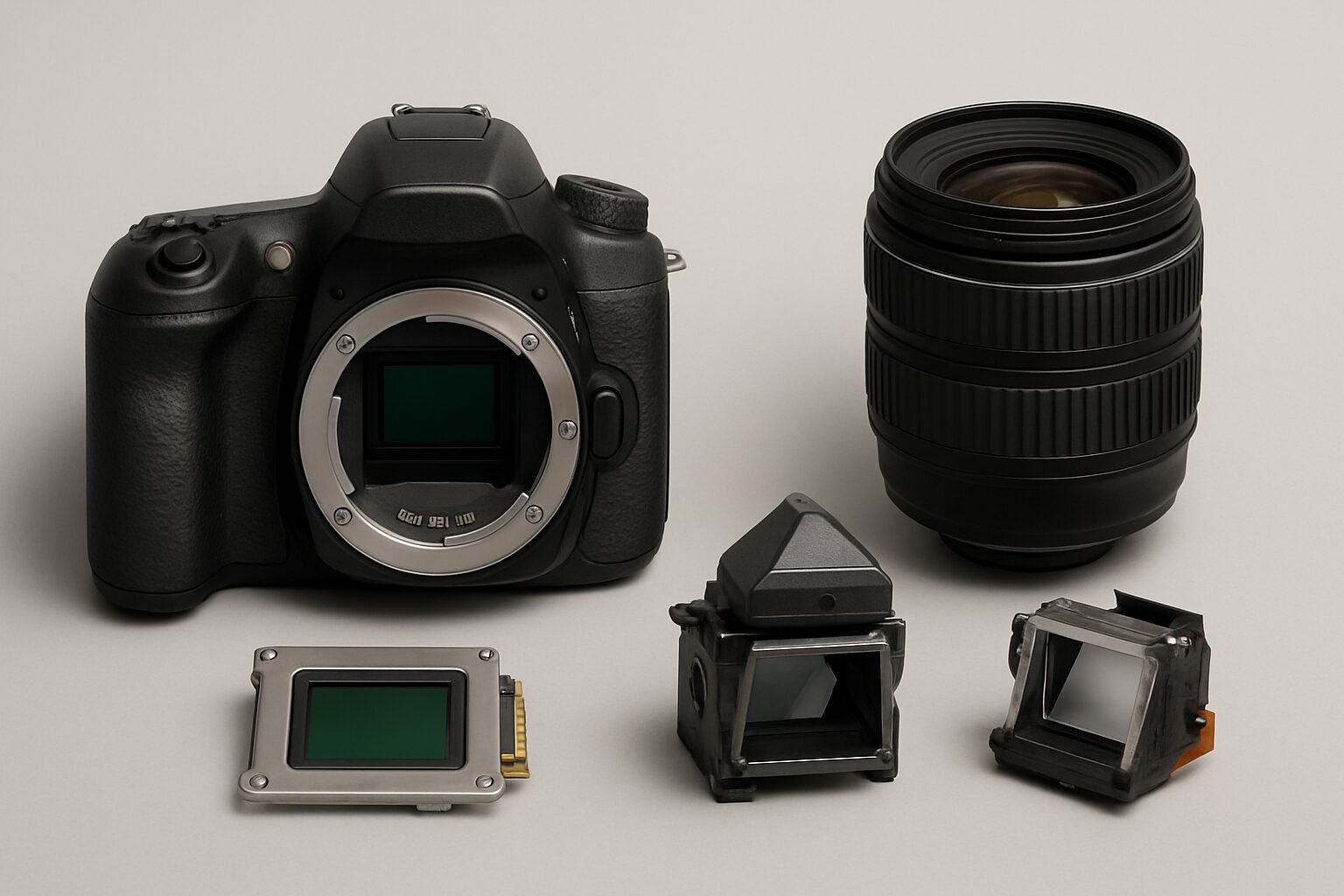
Parts of a digital single lens reflex camera are the eight core components that work in sequence to capture a sharp, correctly exposed image: the lens, reflex mirror, focal-plane shutter, image sensor, matte focusing screen, condenser lens, pentaprism, and viewfinder eyepiece.
An Overview of the Parts of a Digital Single Lens Reflex Camera
A DSLR blends mechanical precision with digital electronics in a way no smartphone can replicate. Light travels through the lens, hits a 45-degree reflex mirror, and reflects upward to a pentaprism (or pentamirror), which flips the image right-side-up for the optical viewfinder. Press the shutter button and the mirror swings up, the focal-plane shutter opens, and light falls directly onto the image sensor. The sensor converts photons into a digital signal, which the image processor turns into a photo file. A focusing screen and condenser lens sit between the mirror and prism to sharpen the preview. This classic arrangement is exactly what separates a digital SLR from mirrorless or smartphone cameras.
“Knowing the basic parts of a camera and its functions is essential so that you can use them to your advantage and help you maximize the camera’s potential.” – Adorama Learning Center
“The DSLR’s optical viewfinder system remains the gold standard for action photographers who need a real-time, lag-free view of fast-moving subjects – no electronic processing delay, no blackout between frames.” – Canon Global, Digital SLR Technology Overview
Why the parts of a digital single lens reflex camera still matter in 2026
DSLRs remain a serious choice even as mirrorless cameras grow their market share. According to Wikipedia, major manufacturers began shifting product lines to mirrorless in the 2010s, yet Canon, Nikon, and Pentax continue selling DSLRs to professionals and enthusiasts who value optical viewfinders and exceptional battery life. Knowing the parts of a digital single lens reflex camera helps you understand why an optical finder shows zero lag and why phase-detection autofocus through the mirror is so fast. As of 2026, used DSLR bodies and lenses also represent some of the best value in photography gear.
What the key parts do in sequence
Below is the path light follows from the moment it enters the lens until the photo is saved on your memory card. Each component in the chain must work perfectly. A fault in one part will affect the final image. We explore every segment in detail in the sections that follow.
Optical Components: Lens, Reflex Mirror, and Pentaprism
The lens: your camera’s eye
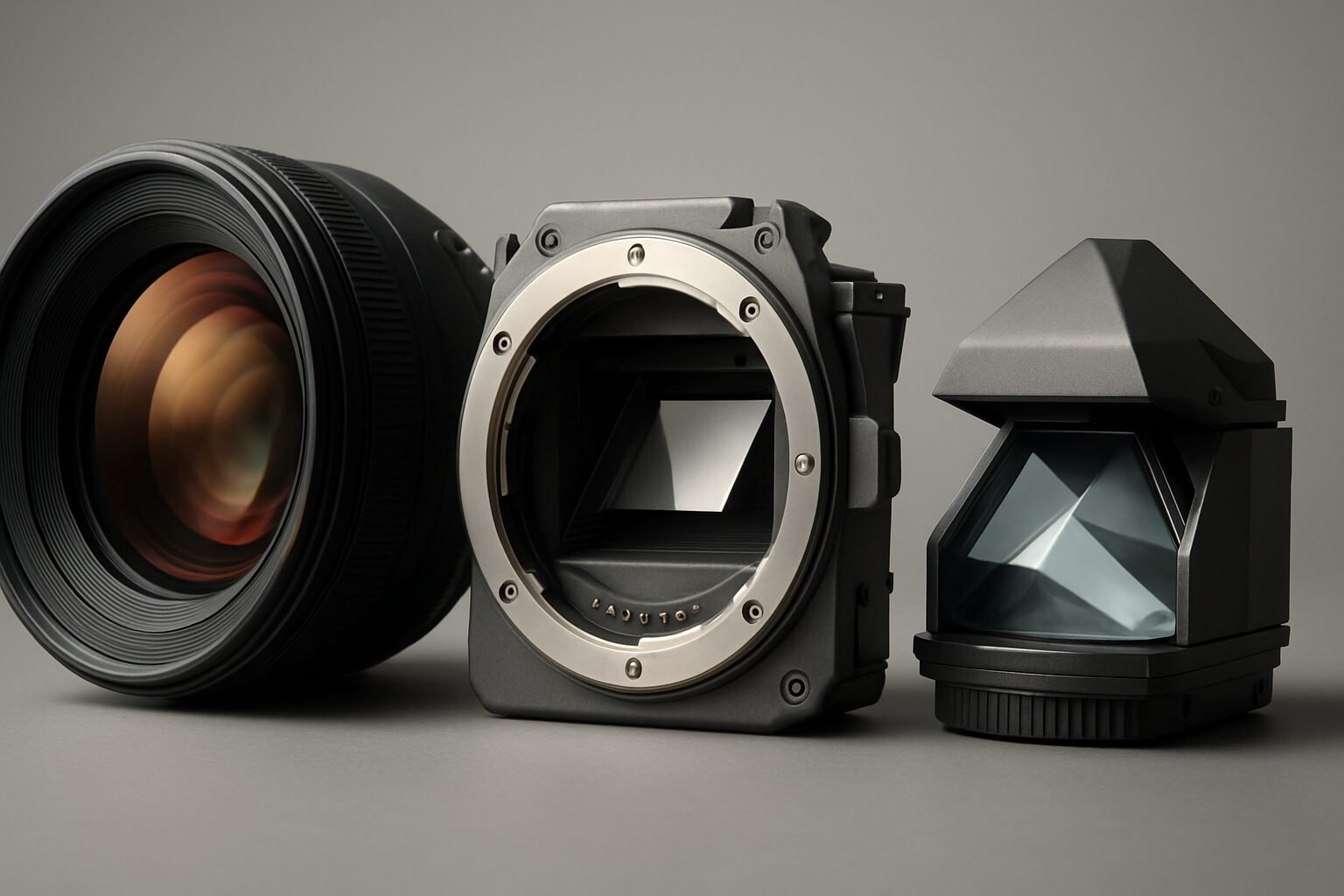
The lens is the most visible part of a digital single lens reflex camera. It gathers light and focuses it precisely onto the sensor. Lenses contain multiple glass elements that move to adjust focus and focal length. The aperture, an adjustable diaphragm inside the lens, controls how much light passes through. DSLR lenses are interchangeable, letting you mount a wide-angle, telephoto, or macro lens in seconds. Every brand uses a proprietary lens mount: Canon EF, Nikon F, Pentax K, and others, so check compatibility before buying. A quality prime lens in the 50mm range typically costs $100 to $500, while professional telephoto glass can exceed $10,000.
The reflex mirror: a 45-degree precision tool
Behind the lens sits the reflex mirror, angled at exactly 45 degrees. It bounces light upward toward the viewfinder assembly. Without it, you would see nothing through the optical finder. The mirror is semi-transparent in some models, allowing a small amount of light to reach a secondary mirror that feeds the autofocus sensor. When you take a photo, the mirror flips up at high speed, typically in under 50 milliseconds, to let light hit the image sensor. This mechanism is built to last: entry-level DSLRs are rated for around 100,000 actuations, while professional bodies can exceed 500,000 cycles.
Pentaprism vs. pentamirror: correcting the image
The light reflected by the mirror arrives inverted and reversed. A pentaprism, a five-sided glass block, corrects both problems and delivers a bright, upright image to the viewfinder eyepiece. Budget DSLRs sometimes use a pentamirror, a set of mirrors instead of solid glass, which is lighter but noticeably dimmer. Pro-level cameras use glass prisms with anti-reflective coatings to achieve 100% viewfinder coverage and up to 0.95x magnification. Knowing which type your camera includes helps you evaluate viewfinder brightness before you buy.
The Image Capture Chain: Shutter, Sensor, and Processor
Focal-plane shutter: precise exposure timing
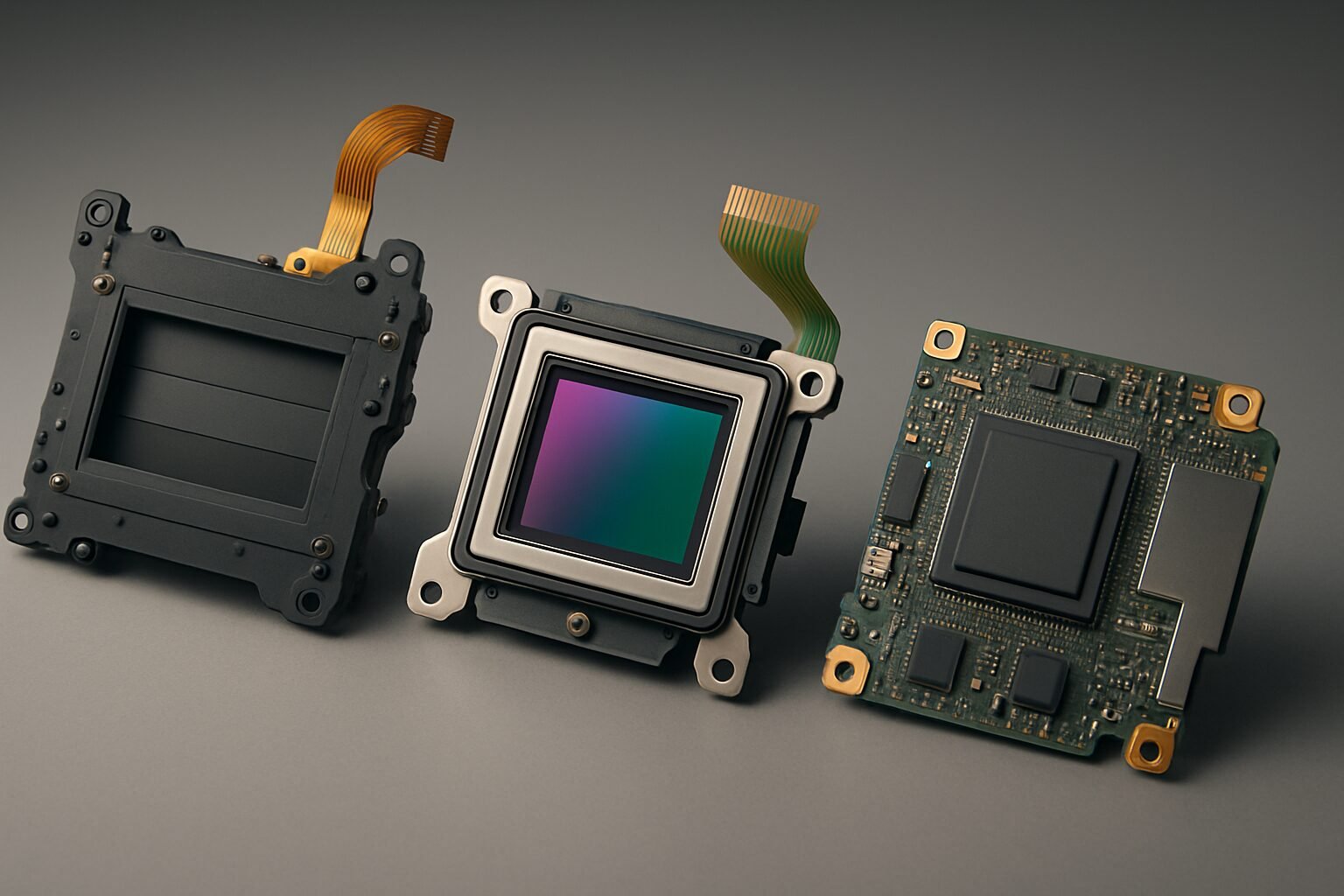
The focal-plane shutter sits directly in front of the sensor. It consists of two metal or carbon-fiber curtains that move vertically. The first curtain opens to start the exposure; the second follows to end it. Shutter speed ranges from 1/8000s to 30 seconds, plus a Bulb mode for long exposures. Because it is mechanical, the shutter has a finite lifespan, usually 100,000 to 400,000 cycles, matching the mirror assembly. Dust or oil on the shutter can cause uneven exposures, so this part of a digital single lens reflex camera occasionally needs professional servicing.
Image sensor: turning light into bits
The image sensor is a grid of millions of photosites. DSLRs use either CCD sensors (older, less common) or CMOS sensors (the standard today). According to Canon Global, a full-frame CMOS sensor in a modern DSLR can deliver approximately 45 megapixels and a maximum native ISO of 51,200, expandable to the equivalent of ISO 102,400. Sensor size matters enormously: full-frame (36x24mm) sensors capture more light and produce shallower depth of field than APS-C sensors (roughly 23x15mm). The sensor is the most expensive component inside any parts of a digital single lens reflex camera system and the most delicate to clean.
Image processor: from raw data to photo
The sensor’s electrical signals need an image processor to become a usable photo. Canon calls theirs DIGIC, Nikon uses EXPEED, and Sony builds the BIONZ engine. The latest Canon DIGIC X reduces noise while preserving detail even at extreme ISOs and handles 4K video encoding in real time. The processor also drives autofocus algorithms, white balance, and lens corrections. Firmware updates can improve processor performance, making this a software-driven part of a digital single lens reflex camera that genuinely evolves over time without any hardware change.
Step-by-step: how a DSLR captures an image
- Frame: Light passes through the lens, hits the mirror, and travels up through the prism to your eye.
- Focus: Half-press the shutter button. The secondary mirror sends light to the autofocus sensor, which instructs the lens to adjust.
- Meter: The camera reads exposure from the scene and suggests or sets aperture, shutter speed, and ISO.
- Expose: Press fully. The mirror flips up, the first shutter curtain opens, and light hits the sensor for the set duration.
- Process: The sensor’s charge is read out, converted to a digital file by the processor, and written to the memory card.
Autofocus System: Phase-Detection vs. Contrast-Detection
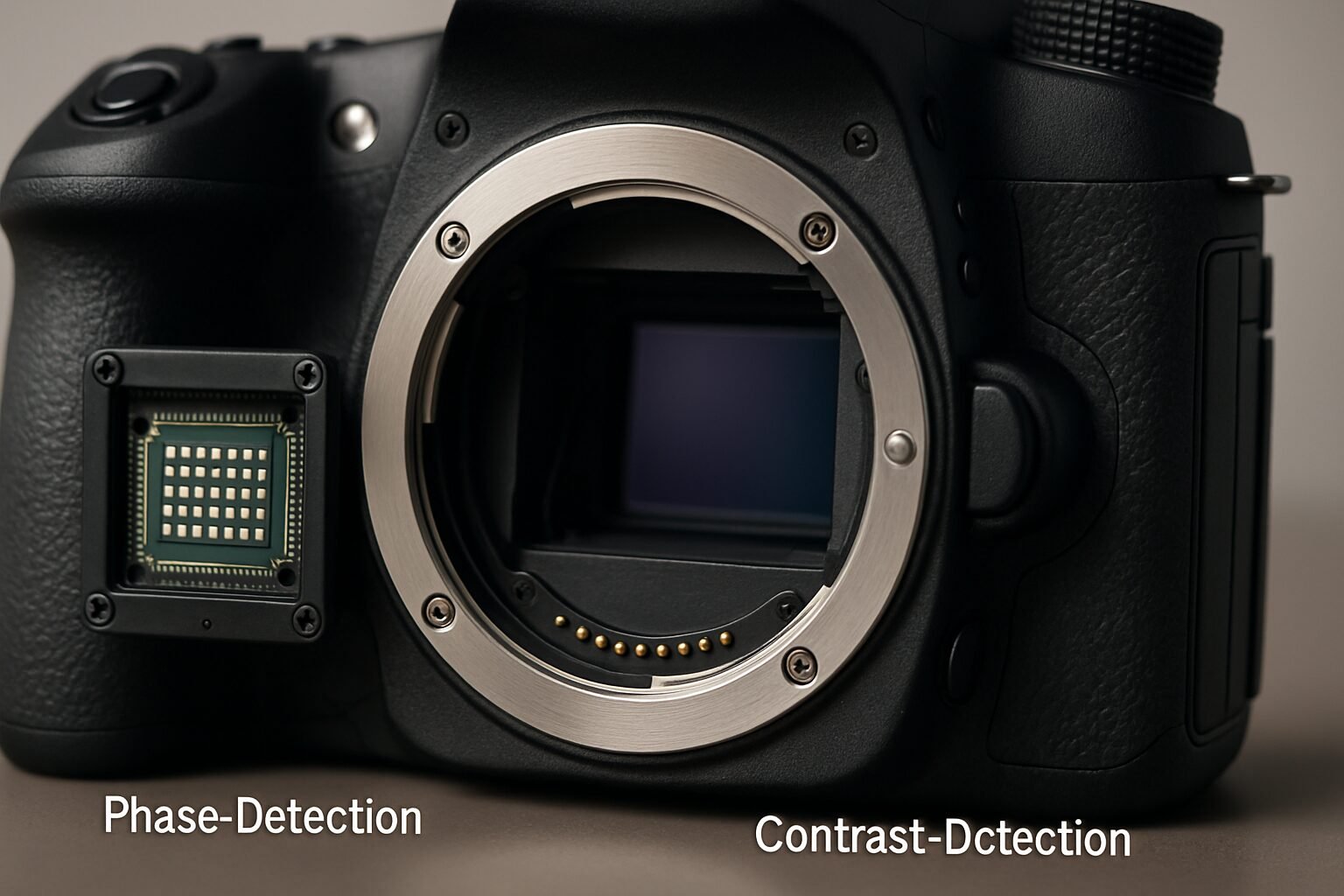
The autofocus system is one of the most technically sophisticated parts of a digital single lens reflex camera, and understanding it helps you shoot faster and more accurately. DSLRs rely primarily on phase-detection autofocus (PDAF), which uses a dedicated AF sensor fed by the secondary mirror. High-end DSLR bodies can feature as many as 191 AF points spread across the frame, giving you precise subject tracking for sports and wildlife. Phase-detection works by comparing two slightly offset versions of the same image to calculate focus distance directly, which is why it locks on so quickly even in low light.
Contrast-detection AF, by contrast, works by analyzing pixel contrast on the sensor itself. It is more accurate for static subjects but slower for moving ones. Many newer DSLRs combine both methods in Live View mode, using on-sensor phase-detection pixels to speed up contrast-based focusing. According to camera industry data, professional DSLR AF systems can acquire focus in as little as 0.03 seconds under good lighting conditions. Knowing the difference between these two systems helps you choose the right AF mode for every shooting situation.
The Camera Body: Viewfinder, Display, and Controls
Optical viewfinder and eyepiece
The optical viewfinder is the defining feature of a DSLR. It shows the scene through the lens with zero lag, true colors, and a dynamic range your eye perceives naturally. A focusing screen sits just below the pentaprism, often etched with AF point markers and grid lines. The eyepiece includes a diopter adjustment wheel for eyeglass wearers. Professional bodies offer 100% frame coverage, while entry-level models typically show around 95%. Because no battery power is needed to see through the finder, experienced photographers can leave the camera on standby for hours, stretching battery life well beyond what any mirrorless body offers.
LCD display and Live View
Every DSLR includes a rear LCD screen for menu navigation, image review, and Live View shooting. In Live View mode, the mirror locks up and the camera behaves like a large point-and-shoot, using contrast-detection autofocus or on-sensor phase detection in newer models. Screen size typically ranges from 3.0 to 3.2 inches diagonally, with resolutions up to 2.1 million dots on flagship bodies. Touch-sensitive panels let you select a focus point by tapping the screen directly.
Controls, mode dial, and lens mount
The mode dial on the top plate lets you switch between Aperture Priority, Shutter Priority, Manual, and scene modes. A textured rubber grip on the right side enables secure one-handed holding. The lens mount is a metallic ring with electrical contacts that power autofocus and aperture motors. Pressing the lens release button retracts a locking pin so you can twist the lens free. Understanding these parts of a digital single lens reflex camera reduces the chance of dropping a lens or accidentally changing a critical setting mid-shoot.
Flash System and Hot Shoe
The flash system is a frequently overlooked part of a digital single lens reflex camera, yet it shapes the look of indoor and event photography entirely. Most DSLRs include a built-in pop-up flash rated at a guide number of roughly 12 to 13 (ISO 100, meters), which is enough for fill light but limited for large spaces. The hot shoe on the top plate accepts external speedlights that can deliver guide numbers of 50 or higher, dramatically extending your flash range. Through-the-lens (TTL) metering automatically calculates the correct flash output by measuring light that passes through the lens, making exposure consistent across changing distances.
For video work, the hot shoe also accepts on-camera microphones and LED lights. Some DSLR bodies include a PC sync port for connecting studio strobes directly, bypassing the hot shoe entirely. The hot shoe cover is one of the most commonly lost small parts on any DSLR body, and replacements typically cost $5 to $15 from third-party suppliers.
DSLR vs. Mirrorless: How the Parts Differ
Physical design and size
DSLRs require space for the mirror box and pentaprism, making them taller and thicker than mirrorless cameras. A typical DSLR weighs 500 to 1,200 grams, while a comparable mirrorless body weighs 300 to 700 grams. The extra bulk can actually improve balance with heavy telephoto lenses, but it makes the overall kit less portable for travel. The table below compares typical specifications across both systems.
| Feature | DSLR | Mirrorless |
|---|---|---|
| Viewfinder type | Optical (OVF): zero lag | Electronic (EVF): can preview exposure |
| Autofocus system | Phase-detection via separate sensor | On-sensor phase/contrast detection |
| Battery life (CIPA rating) | 800 to 2,500 shots | 300 to 700 shots |
| Body weight | 500 to 1,200 g | 300 to 700 g |
| Lens compatibility | Proprietary mount plus legacy glass | Proprietary mount plus adapters |
Autofocus and shooting speed
DSLRs use a dedicated phase-detection autofocus sensor that receives light from the secondary mirror. High-end models can feature as many as 191 AF points, covering a wide area of the frame. Mirrorless cameras embed phase-detection pixels directly on the imaging sensor, enabling coverage across a much larger portion of the frame. DSLRs still hold a clear advantage in battery-free optical framing and visibility in bright sunlight. For sports or wildlife photographers evaluating the parts of a digital single lens reflex camera, mirror-based AF remains fast, reliable, and proven across decades of professional use.
Lens ecosystems and adapters
Decades of lens production mean DSLR users can access thousands of lenses, often at significantly lower used prices than equivalent mirrorless glass. Canon EF and Nikon F mount lenses work natively on their DSLR bodies with no compromise. With mirrorless, you can adapt DSLR lenses using a mount adapter, but adapters add bulk and may slow autofocus in some combinations. If you already own a collection of EF-mount glass, the parts of a digital single lens reflex camera let you use every piece of it without compromise or extra cost.
Pros and Cons
Pros
- Optical viewfinder with zero lag: See the scene exactly as it is, with no electronic processing delay, even in bright sunlight.
- Exceptional battery life: CIPA-rated at 800 to 2,500 shots per charge, far ahead of most mirrorless systems.
- Massive lens ecosystem: Thousands of native and third-party lenses available, many at affordable used prices.
- Proven autofocus reliability: Phase-detection AF through the mirror is fast, accurate, and battle-tested for sports and wildlife.
- Durability and repairability: External parts like grips, battery doors, and eyecups are widely available and user-replaceable.
- Value for money: As of 2026, used DSLR bodies with full-frame sensors represent some of the best cost-per-megapixel ratios in photography.
Cons
- Larger and heavier body: The mirror box and pentaprism add size and weight compared to mirrorless alternatives.
- Mirror blackout during shooting: The viewfinder goes dark for a fraction of a second each time the mirror flips up.
- Slower Live View autofocus: Contrast-detection AF in Live View is less responsive than the dedicated phase-detection system used through the viewfinder.
- Mechanical wear on shutter and mirror: Both components have rated lifespans and will eventually need servicing or replacement.
- Limited video autofocus: Most DSLRs rely on slower contrast-detection AF during video recording, which can hunt noticeably.
DIY Maintenance for Common DSLR Parts
Cleaning the sensor and mirror
Dust on the image sensor shows up as dark spots in photos, especially at small apertures like f/11 or f/16. Most DSLRs include a built-in dust reduction system that vibrates the sensor to shake off particles automatically at startup. When that is not enough, a manual blower or sensor swabs can clear stubborn debris. The reflex mirror is extremely delicate. Never touch it with your fingers; use only a blower. A scratched focusing screen can be replaced with a special tool, though the process requires care. According to repair specialists at Ace Photo, replacement battery doors and camera screws are among the most frequently ordered parts, suggesting these small components break or go missing more often than most photographers expect.
Replacing worn external parts
Rubber grips peel after years of heavy use and are available as spare parts for most Canon and Nikon models. The lens mount can loosen if mounting screws work free, leading to a wobbly connection that affects autofocus accuracy. Repair tutorials cover how to replace the hot shoe cover or eyecup in minutes. While these are not core optical elements, they directly affect handling comfort and weather sealing. A generic battery door for a Canon EOS Rebel costs roughly $20 to $30, compared to $100 or more for an official OEM replacement.
Firmware and processor care
The image processor benefits from firmware updates that improve autofocus speed, add lens corrections, or fix exposure bugs. Most manufacturers release updates roughly once a year. Keeping firmware current ensures all parts of a digital single lens reflex camera work together with the latest optimizations from the factory. Formatting your memory cards inside the camera rather than on a computer also reduces the risk of file system errors that could disrupt the processor’s data stream during a shoot.
Frequently Asked Questions
What are the parts and functions of a single-lens reflex camera?
The main parts of a digital single lens reflex camera include the lens, reflex mirror, focal-plane shutter, image sensor, focusing screen, condenser lens, pentaprism or pentamirror, and viewfinder eyepiece. Each plays a specific role in the light path from lens to final image file. The lens gathers light, the mirror directs it to the viewfinder, and the sensor records it when the shutter opens.
What are the 5 basic parts of a digital camera?
The five most fundamental parts are the lens, image sensor, shutter, image processor, and viewfinder or display. Every digital camera, from a smartphone to a professional DSLR, relies on these five elements to capture and record an image. In a DSLR, the reflex mirror and pentaprism add the optical viewfinder system that sets it apart from other camera types.
How does a DSLR mirror work?
The mirror sits at 45 degrees behind the lens, reflecting light upward into the viewfinder assembly. When you take a photo, it flips up in under 50 milliseconds to let light reach the sensor, then returns instantly after the exposure ends. In some models, the mirror is semi-transparent to allow a portion of light to reach a secondary mirror that feeds the phase-detection autofocus sensor.
What is the difference between a pentaprism and a pentamirror?
A pentaprism is a solid glass block that creates a bright, accurate viewfinder image and is found in mid-range and professional DSLRs. A pentamirror uses a set of mirrors instead of glass, making it lighter and cheaper to produce but noticeably dimmer and typically offering slightly less frame coverage. Budget DSLRs use pentamirrors to reduce cost and weight.
Can I replace a broken part on my DSLR myself?
External parts like battery doors, eyecups, hot-shoe covers, and rubber grips are straightforward to replace yourself and cost $5 to $30 for most models. Internal components like the mirror, shutter curtains, or image sensor require alignment tools and should be handled by a certified repair center. Attempting internal repairs without proper training risks permanent damage to sensitive electronics.
Ready to put your knowledge to work? Contact Emin Media for a free brand consultation and let’s build something bold together. Whether you need visual storytelling, campaign strategy, or creative direction, our team is ready to help you create imagery and content that performs. Visit our services page to see what we do, or explore our blog for more creative and marketing insights.
Enjoyed this article?
Contact Emin Media for a free brand consultation and let's create something amazing together.
Get in TouchRelated Articles
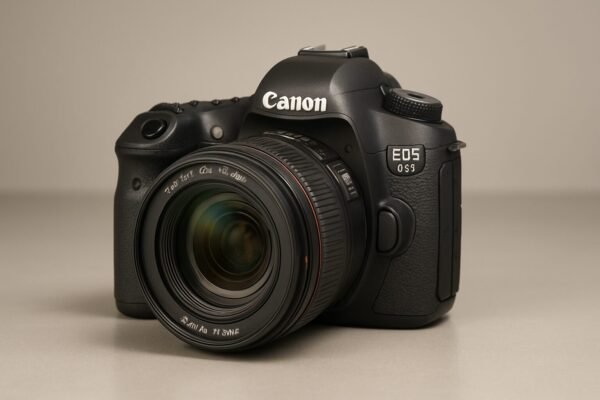
Canon DSLR Guide: Best Digital SLR Cameras 2026
A digital single lens reflex camera Canon offers optical clarity, 500+ lenses, and pro image…
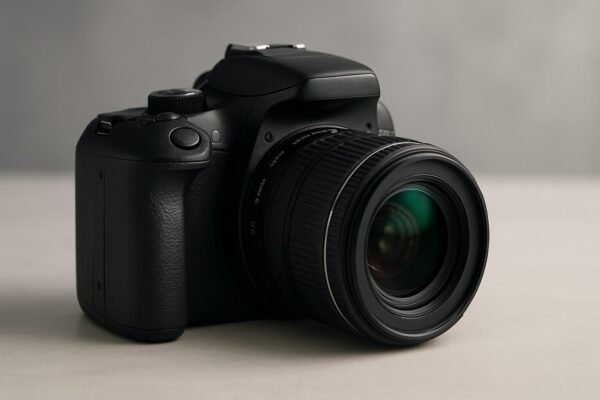
Best Compact Digital SLR Camera Guide 2026
A compact digital slr camera delivers DSLR-quality shots in a pocket-friendly body. Compare top 2026…
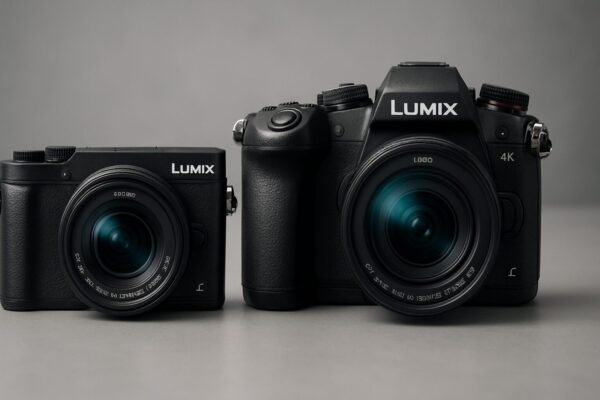
Best Panasonic 4K Camcorders: Full 2026 Guide
Find the best camera video 4k panasonic for your budget. Compare specs, prices, and real-world…