Brand Identity Design Packages: Full Guide 2026
Key Takeaways
- Brand identity design packages are complete visual systems, not just logos. They deliver everything a brand needs to show up consistently across every channel.
- Core deliverables include a logo suite, color palette, typography, and a brand style guide, with strategic add-ons like messaging, naming, and social media kits available at higher tiers.
- Brand identity design packages range from basic starter kits to full enterprise solutions, with timelines spanning a few weeks to several months and investment levels scaling accordingly.
- As of 2026, leading studios are evolving static style guides into living, AI-ready brand systems that stay current and accessible across teams and channels.
- Choosing the right package depends on your brand’s maturity, audience, and growth ambitions. Look for providers that blend strategic discovery with practical asset creation.
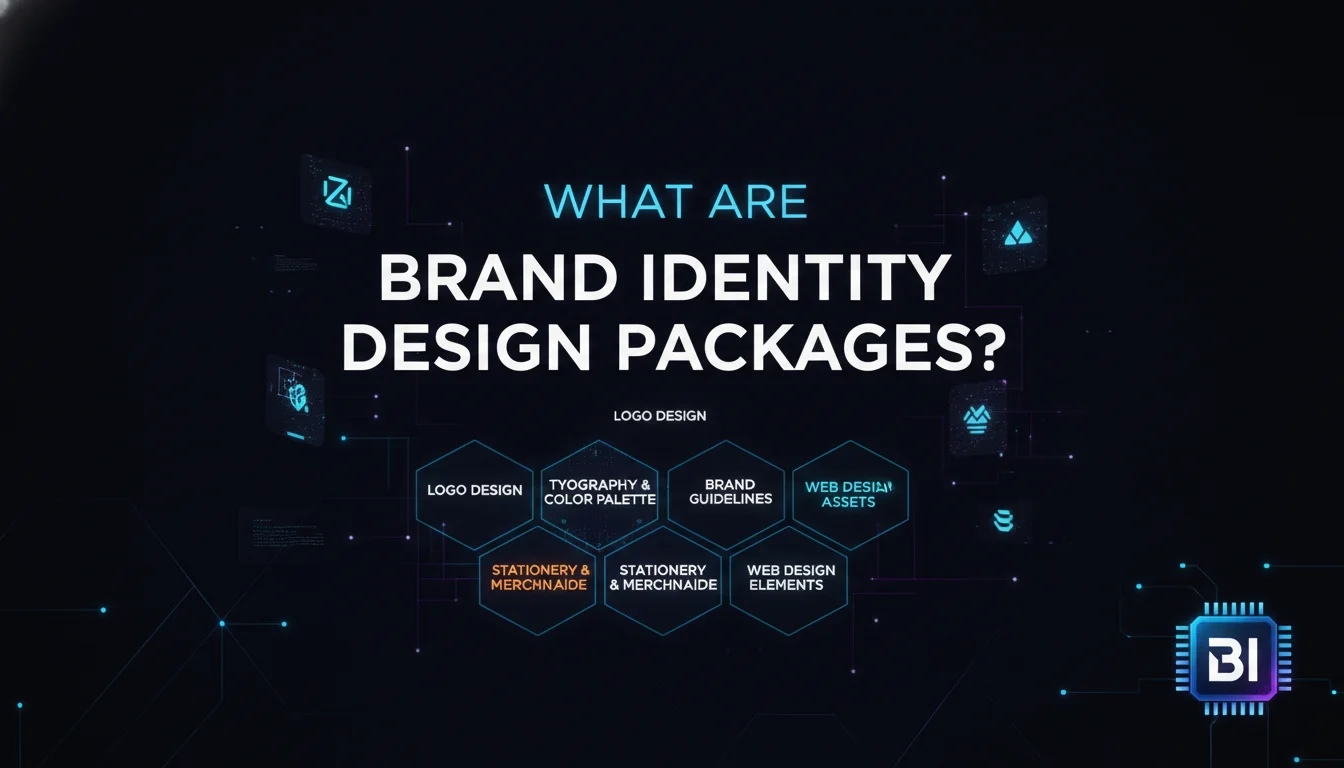
Brand identity design packages are complete visual systems that include a logo suite, color palette, typography, and brand guidelines, often paired with strategic extras like messaging and social assets, to ensure a consistent, memorable brand presence across every touchpoint.
What Are Brand Identity Design Packages?
Defining a Branding Package
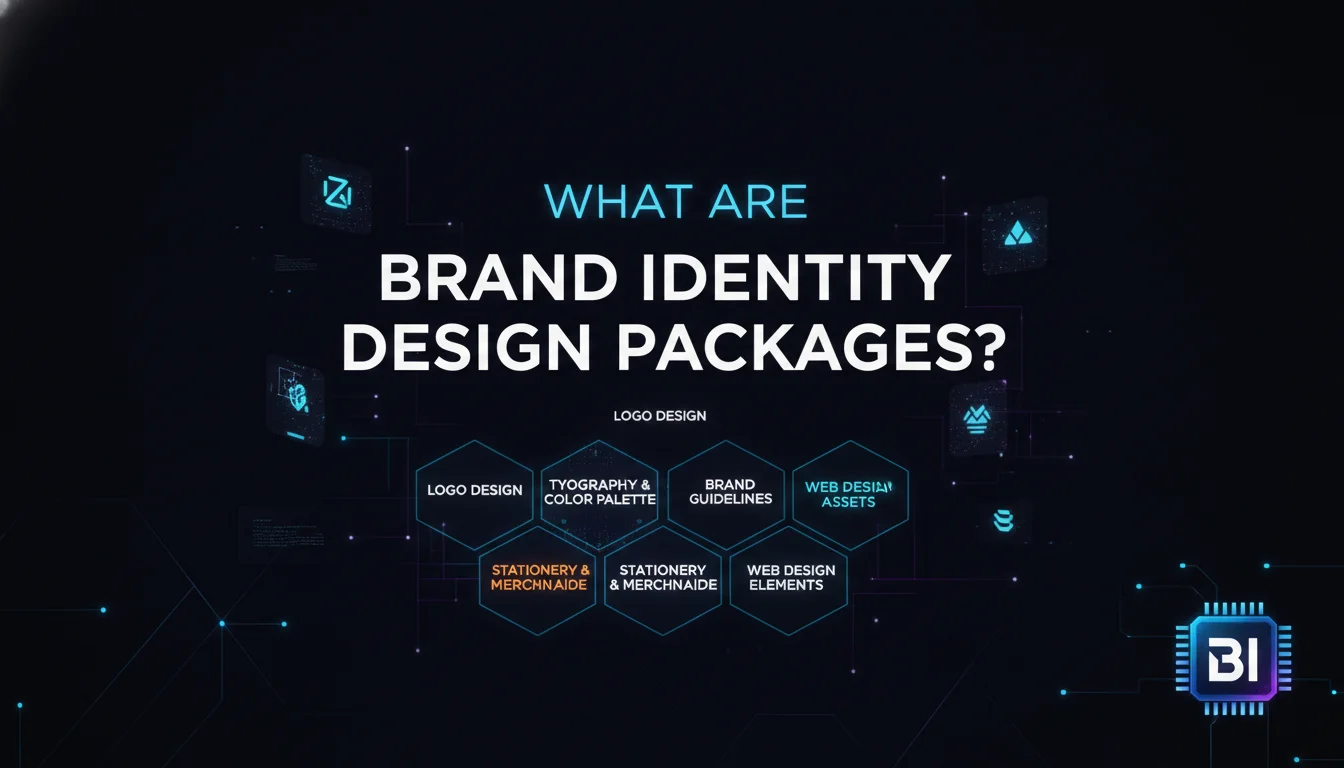
A branding package is the collection of all visual assets and guidelines a brand needs to present itself cohesively. According to Dribbble’s branding guide, it “refers to all the visual assets you need to create a cohesive brand image” and typically includes both digital and print materials such as logos, color palettes, typography, and business cards. In practice, well-built design packages act as a brand’s visual DNA, ensuring that every customer-facing element, from a website favicon to a billboard, feels unmistakably part of the same family.
Why a Cohesive Identity Matters
Cohesive branding builds recognition and trust. When a brand consistently uses the same logo variations, colors, and fonts, customers find it easier to identify and recall. This consistency extends to emotional resonance: the right palette and imagery can evoke feelings aligned with the brand’s personality, driving loyalty over time. For small businesses and startups, investing in a unified brand identity early prevents disjointed marketing and expensive rebrands later.
“Branding is all about knowing what connects with your target audience, authentically speaking to who they are, and genuinely gaining their trust and loyalty.” – AllieMarie Design, who has collaborated with over 100 small business owners on visual branding projects
Core Visual Assets in Brand Identity Design Packages
Logo Systems and Variations
A central component of any brand identity design package is a full logo suite. This goes well beyond a single logomark and typically includes:
- Primary logo: the main mark for high-visibility applications.
- Secondary logo or alternate mark: a simpler version for tight spaces.
- Submark or brandmark: an icon or simplified element for favicons, social media avatars, or watermarks.
- Wordmark: a typographic treatment for situations where the icon alone is insufficient.
Leading studios such as Atin Studio provide logo lockups in both full-color and black-and-white, delivered in industry-standard formats (AI, SVG, PNG, JPG) to ensure usability across any medium. Most this type of packages also include up to three rounds of revisions to refine the concept before final delivery.
Color Palette and Typography
A curated color palette is essential for visual consistency. It specifies primary and secondary brand colors with exact values in Hex, RGB, CMYK, and Pantone, eliminating guesswork for designers and printers alike. Typography selection defines the fonts for headings and body copy, along with a clear hierarchy of sizes and weights. According to Dribbble, each color in a brand palette should be identified by its Pantone code or CMYK/RGB values, not vague descriptions, because specific color codes ensure every designer uses exactly the right shade every time.
Brand Style Guide Documentation
The brand style guide is the rulebook that ties everything together. It documents how to use (and how not to use) the logo, color palette, typography, and imagery. As Dribbble notes, the most comprehensive style guides also include “photography guidelines, rules for logo usage, and details to help content writers achieve just the right tone.” This ensures that anyone working on the brand, whether an in-house designer or an external agency, can produce consistent, on-brand materials without second-guessing the rules.
“A branding package is no longer just a logo and a static PDF you file away. In 2026, the best ones are built to live and scale: AI-ready, consistently applied across every channel and getting smarter over time.” – Superside, 2026 Branding Package Guide
Strategic Components That Elevate Brand Identity Design Packages
Brand Strategy and Positioning
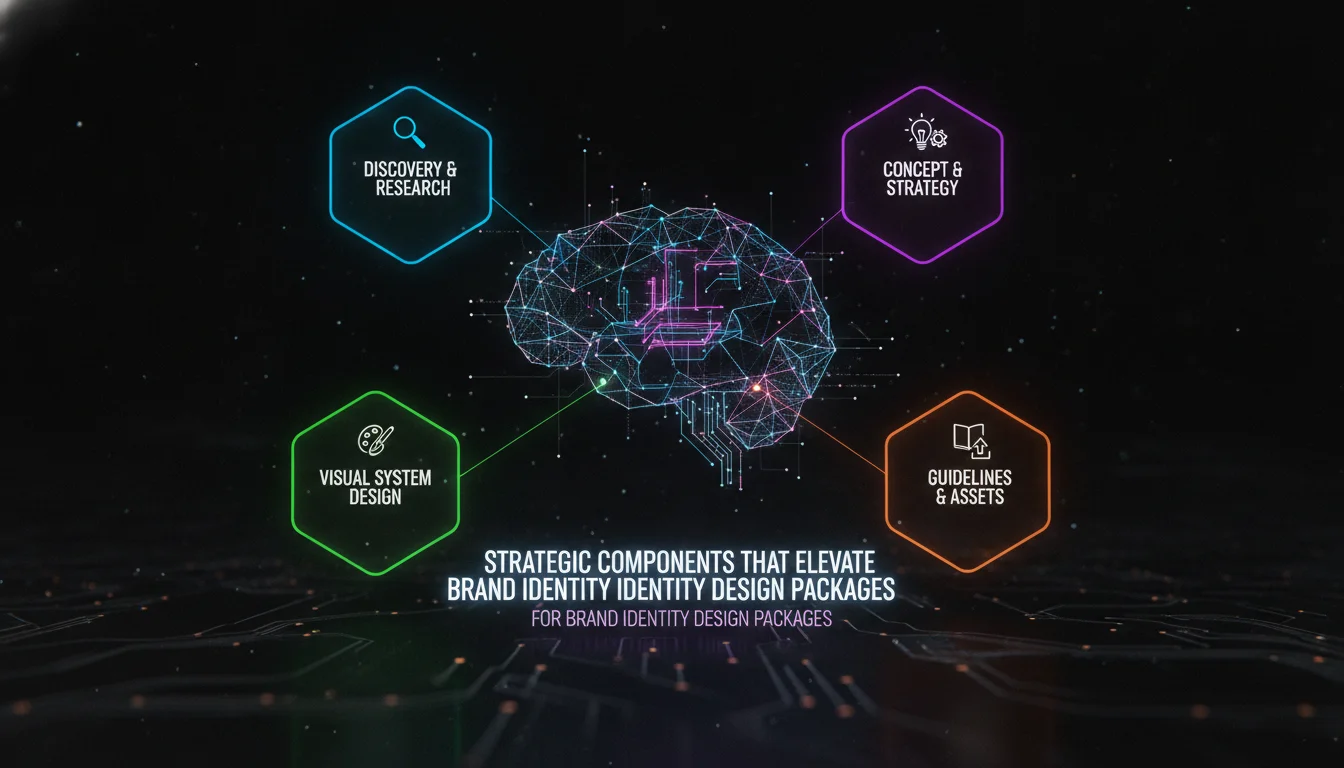
The strongest this kind of design packages start with strategic discovery, not a blank Illustrator canvas. Providers like Atin Studio conduct collaborative discussions to uncover core values, target audience insights, and brand goals before a single design decision is made. This foundational work ensures the identity isn’t just visually appealing but also purposeful and differentiated. For established businesses, this phase often includes a competitive audit to identify clear positioning opportunities in the market.
Messaging, Tone, and Naming
Verbal identity is a critical yet often overlooked layer of the identity design packages. Strategic tiers may include brand messaging hierarchies, tagline development, and tone-of-voice guidelines. For startups, some agencies offer naming services, developing a legally defensible and creative brand name, as part of the identity package. These assets bridge the gap between what a brand looks like and how it speaks, creating a more complete market presence that resonates on every level.
Art Direction and Graphic Elements
To extend the visual language, comprehensive packages often deliver art direction and imagery guidelines, custom icon sets, pattern designs, and packaging mockups. Atin Studio’s identity package, for example, produces a “unique suite of graphic elements, such as custom icons or illustration styles” and a brand pattern that can be applied across packaging or digital backgrounds. These details create ownable, memorable components that set a brand apart in crowded markets where every visual choice is a competitive signal.
Types of Brand Identity Design Packages: From Starter to Enterprise
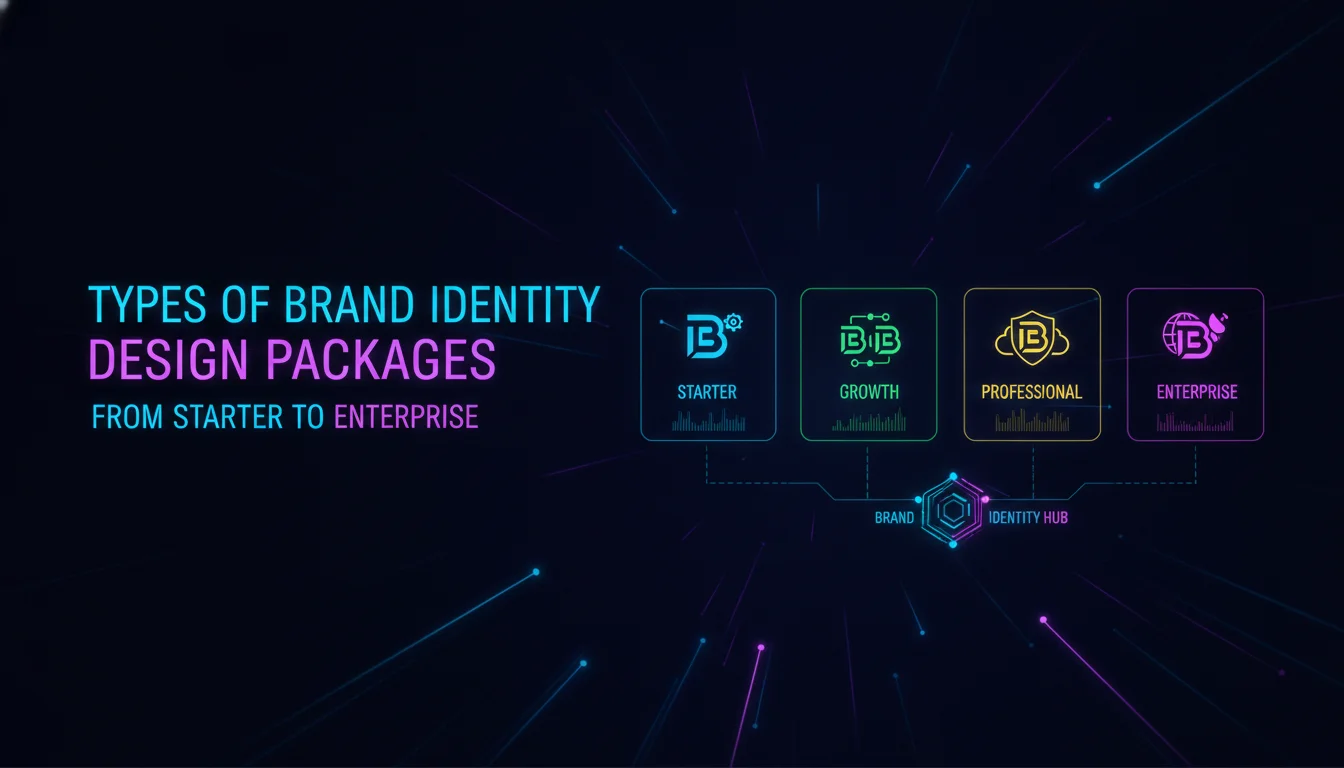
Basic/Starter Packages
Basic brand identity are ideal for sole proprietors and micro-businesses. They typically deliver the essentials: one logo concept, a limited color palette, and basic typography recommendations. Some include a simple style sheet rather than a full guide. These are often priced accessibly and can be completed within 2 to 4 weeks, though they offer limited strategic depth for brands operating in competitive categories.
Comprehensive Identity Packages
Mid-range design packages, such as Selah Creative Co.’s Complete Package, provide primary and secondary logos, a brandmark, favicon, curated color palette, typography, a collateral design (such as a business card), social media templates, and a full brand style guide. This tier suits growing businesses that need a robust identity system without an enterprise-scale engagement. Selah Creative Co. structures this package at around 6 weeks, balancing thoroughness with speed to market.
Custom and Enterprise-Level Solutions
At the top end, enterprise this type of packages can span several months and cover every conceivable asset. They often include brand strategy workshops, market research, comprehensive naming and messaging, multi-location adaptations, packaging design, and ongoing brand management. These packages are built for large-scale rollouts across diverse channels and geographies. For product-centric brands, specialty add-ons like packaging design and environmental graphics are common inclusions.
| Package Type | Typical Deliverables | Best For | Approximate Timeline | Investment Level |
|---|---|---|---|---|
| Basic | Single logo, basic color palette, font selection, simple style sheet | Freelancers, micro-businesses | 2 to 4 weeks | $ (low hundreds) |
| Comprehensive | Full logo suite, color palette, typography, brand style guide, social media templates, 1 to 2 collateral designs | Startups, growing SMBs | 6 to 8 weeks | $$ (mid thousands) |
| Enterprise/Custom | All of the above plus brand strategy, naming, messaging, packaging, motion design, extensive guidelines, training | Large companies, rebrands, multi-location chains | 8 to 12+ weeks | $$$ (five figures+) |
Pros and Cons of Investing in Brand Identity Design Packages
Pros
- Consistency across every touchpoint: A complete package ensures your logo, colors, and typography work together whether you’re on Instagram, a trade show floor, or a product label.
- Strategic foundation: Upper-tier this kind of design packages include discovery and positioning work that makes every design decision intentional, not arbitrary.
- Time savings at scale: A well-built brand guide means your team, freelancers, and agency partners can produce on-brand work without constant oversight.
- Professional credibility: A cohesive visual identity signals maturity and trustworthiness to customers, partners, and investors from the first impression.
- Future-ready assets: Modern packages deliver AI-ready, living brand systems that scale with your business rather than going stale in a filing cabinet.
Cons
- Upfront investment: Comprehensive and enterprise the identity design packages require meaningful budget commitment, which can be a barrier for very early-stage businesses.
- Time commitment: Quality branding takes weeks or months. Brands needing assets immediately may find the timeline challenging.
- Risk of misalignment: If the discovery phase is rushed or skipped, the final identity may look polished but fail to reflect the brand’s actual personality or audience.
- Ongoing maintenance: A brand system requires updates as the business evolves. Without a plan for brand governance, even the best package can drift over time.
The Brand Design Process: What to Expect When You Invest
Discovery and Research
Every strong identity starts with understanding. Whether through questionnaires, workshops, or interviews, the discovery phase clarifies business goals, target audiences, and brand personality. A strategic brand identity design package translates these insights into a creative brief that guides the entire project. As AllieMarie Design describes it, a mission-driven process helps clients “clarify their brand vision and strengthen their brand’s foundation,” leading to more meaningful connections with audiences and greater confidence in how the brand shows up in the world.
Concept Development and Revisions
Designers typically explore multiple creative directions before presenting initial concepts. Feedback loops are built in. Most packages include up to three rounds of revisions, giving you the space to see how the visual direction works across key applications like business cards, social posts, or product packaging through mock-ups and visual applications. This iterative stage is where good design becomes great design.
Final Delivery and Implementation
Upon approval, you receive the complete suite of final files, the brand guide, and often a walkthrough session. A modern brand identity design package may also provide digital asset management links or cloud-based brand hubs where all guidelines and assets live in real time. Some agencies offer post-launch support to ensure the identity is applied correctly across your website, social media, and printed materials, protecting the investment you’ve made.
How Much Do Brand Identity Design Packages Cost?
Factors Influencing Cost
Pricing is shaped by scope, provider expertise, and deliverables. A freelance designer may offer a basic logo package for a few hundred dollars, while a specialized branding agency might charge significantly more for a comprehensive identity. The inclusion of brand strategy, naming, or packaging design raises the investment considerably. Geographic location also plays a role, as designers in major metropolitan areas tend to charge more than those in smaller markets.
Typical Investment Ranges
Based on public agency pricing and industry benchmarks, here are broad investment ranges for brand identity:
- Basic/starter: $300 to $2,000
- Comprehensive identity: $2,000 to $15,000
- Enterprise-level: $15,000 to $100,000+
These figures are approximate. A tailored quote depends on your specific needs, and most providers offer custom pricing after an initial discovery call. According to Superside’s 2026 branding guide, pricing varies widely based on the scope of assets, the strategic depth of the engagement, and the experience level of the studio.
The Modern Branding Package: Living Systems and AI-Ready Design
From Static PDFs to Dynamic Guidelines
Superside’s 2026 branding guide highlights a fundamental shift in how design packages are built and delivered. “A branding package is no longer just a logo and a static PDF you file away.” Forward-thinking agencies are now building living brand systems hosted on digital platforms where guidelines update in real time. This keeps internal teams and external partners always aligned with the latest assets, color codes, and usage rules, which is essential for fast-moving brands operating across multiple channels simultaneously.
AI Integration and Scalability
As of 2026, the best this type of packages are AI-ready. Assets are structured with metadata, allowing AI-powered tools to search, retrieve, and generate on-brand content automatically. Some enterprise packages now include a centralized intelligence layer that learns from usage patterns to recommend design components, enforce consistency, and speed up campaign creation. This is still an emerging frontier, but it represents the next evolution in maintaining brand integrity at scale across large organizations and global markets.
What Else to Consider: Beyond the Visual Layer
Environmental and Experiential Branding
Premium this kind of design packages for retail, hospitality, or multi-location businesses often extend into environmental branding. This includes signage systems, interior design direction, and wayfinding graphics that translate the visual identity into physical spaces. A brand that looks sharp on Instagram but feels generic in its physical environment creates a disconnect that erodes trust. The best enterprise packages address this gap directly.
Trademark and Legal Considerations
A brand name and logo are only as valuable as the legal protection behind them. Some upper-tier the identity design packages include guidance on trademark registration or work alongside legal counsel to ensure the chosen name and marks are defensible. At minimum, a responsible branding partner will flag potential conflicts before you invest in a full identity rollout. This step is easy to skip and expensive to fix later.
Choosing the Right Brand Identity Design Package for Your Business
Assessing Your Brand’s Maturity and Needs
Start by evaluating where you stand. Is this a new venture needing a foundational identity, or an established company in need of a refresh? A startup might benefit from comprehensive brand identity design packages that cover strategy through social assets, while a solo freelancer could thrive with a basic logo and color palette. If you’re entering a crowded market, investing in strategic differentiation and a full visual toolkit is not optional. It’s the price of being taken seriously.
Evaluating Provider Portfolios and Processes
Look beyond the visual style. Review case studies to see how a provider solves business problems through design. A good fit is often indicated by past work that aligns with your industry or aesthetic sensibility. Check their process: do they include discovery? How many revisions? Do they offer post-launch support? Reading testimonials and connecting with past clients can reveal how collaborative, reliable, and brand-savvy they truly are. At Emin Media, our brand identity design packages are built around strategic discovery first and beautiful execution second, because pretty without purpose is just decoration.
Explore more about how we approach brand strategy and creative services or read our thoughts on branding and digital marketing in the Emin Media blog.
Frequently Asked Questions
What’s the difference between a logo and a brand identity design package?
A logo is a single visual mark, while brand identity design packages include that logo alongside complementary visual assets such as secondary logos, a color palette, typography, and a style guide, creating a fully cohesive identity system. A logo alone cannot carry a brand consistently across every touchpoint.
How long does it take to complete a brand identity design package?
Timelines vary by scope. A basic package can take 2 to 4 weeks, a comprehensive one around 6 to 8 weeks, and an enterprise solution 8 to 12 weeks or longer. The discovery and revision phases are where most of that time is spent, and rushing them usually costs more in the long run.
Can I just get a logo instead of a full package?
Yes, many designers offer logo-only services. However, brand identity design packages ensure that every brand touchpoint feels connected, which builds stronger recognition and professionalism. A standalone logo without supporting guidelines often leads to inconsistent application across channels.
What should I prepare before starting a branding project?
Gather any existing brand materials, define your target audience, compile examples of brands you admire, and clarify your business values and goals. This information speeds up the discovery phase and helps your design partner make decisions that are grounded in your actual business, not assumptions.
Are social media templates usually included in identity packages?
In mid-range and premium brand identity design packages, yes. A social media kit with templates for posts, stories, and profile images is a common deliverable. Basic packages may not include them, so confirm this with your provider before signing.
How do I know if I need brand strategy add-ons?
If you lack clarity on your brand’s positioning, voice, or target audience, a strategy add-on is worth the investment. It grounds your visual identity in a solid foundation, making every design choice more effective and every marketing dollar work harder.
Ready to build something that actually stands for something? Contact Emin Media for a free brand consultation and let’s create a brand identity that earns attention and keeps it.
Enjoyed this article?
Contact Emin Media for a free brand consultation and let's create something amazing together.
Get in TouchRelated Articles
Brand Identity vs Logo: Key Differences Explained
Brand identity vs logo: discover what separates a full brand system from a single mark,…
Brand Identity Design Trends 2026: Bold Moves
Explore 2026 brand identity design trends: motion-first systems, expressive type, AI-human craft, and sensory branding…