Best Video Recorder Camera Guide 2026
Key Takeaways
- The best video recorder camera depends on your budget and workflow, from $579 entry-level mirrorless models to $5,000+ professional cinema bodies.
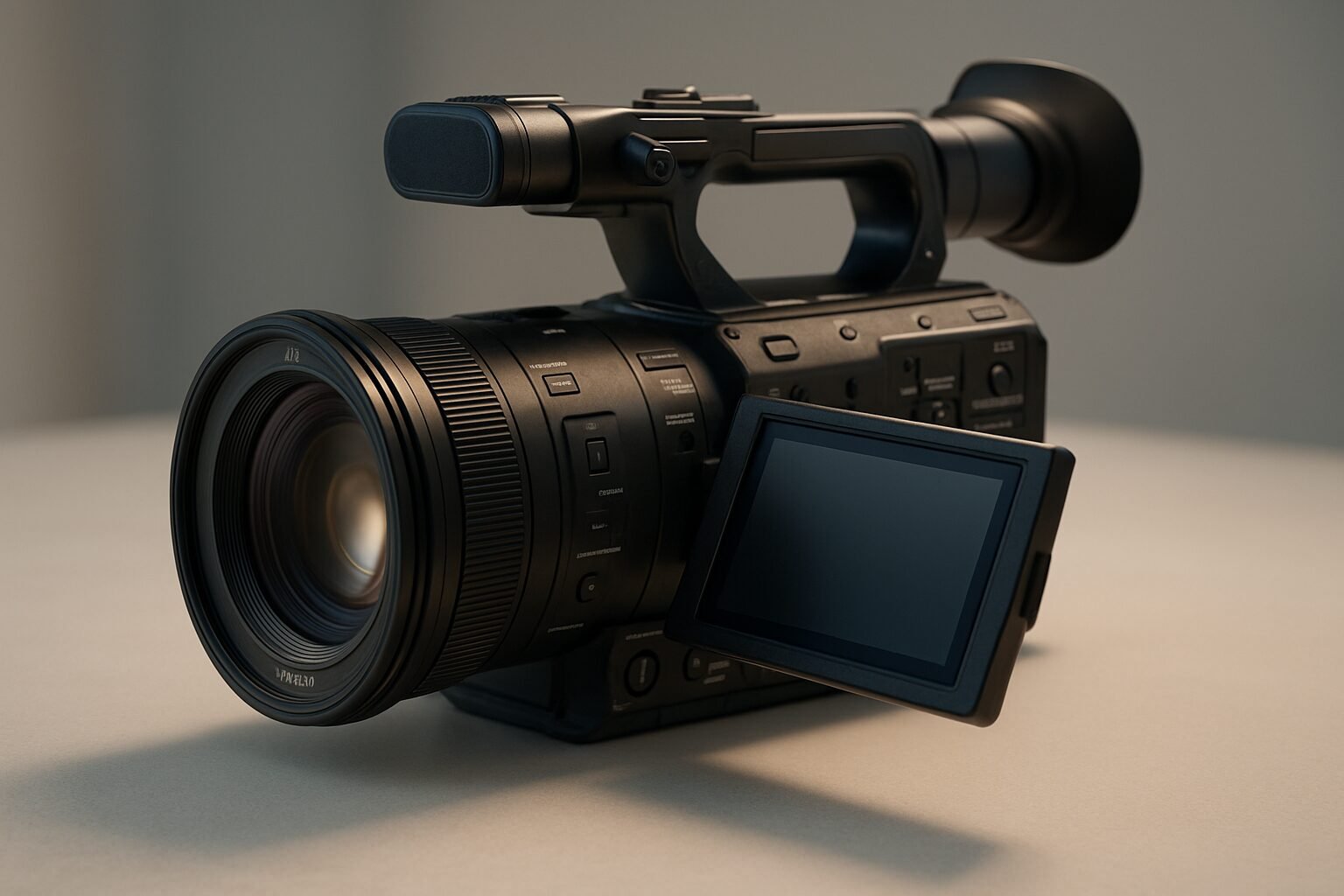
- Camcorders like the Panasonic HC-X1500 offer built-in 24x optical zoom, XLR audio, and unlimited recording, while mirrorless cameras like the Sony a6700 deliver interchangeable lenses and superior sensor performance.
- For YouTube and vlogging, the Sony ZV-E10 II ($998) and Canon R50 V ($649) provide 4K 60p and AI-powered autofocus in lightweight bodies.
- Professionals should consider the Canon XA75 with its 1-inch sensor and dual XLR inputs, or the cinema-grade Sony FX6 for full-frame 4K recording.
- Open gate recording on the Fujifilm X-M5 and X-S20 enables easy vertical crop for social media, making them ideal for hybrid content creators.
- Action cameras like the DJI Osmo Pocket 3 and GoPro Hero series fill a distinct niche for run-and-gun creators who need ultra-compact, stabilized footage.
The best video recorder camera is a device purpose-built for capturing video with superior autofocus, stabilization, and audio controls. Top picks for 2026 include the Panasonic HC-X1500 for professional work and the Sony ZV-E10 II for creators on a budget.
Understanding Video Recorder Cameras in 2026
What Defines a Video Recorder Camera?
A video recorder camera is a device designed primarily for capturing moving images, often with integrated zoom lenses, advanced audio controls, and ergonomic features optimized for handheld shooting. Unlike stills-oriented cameras, these devices prioritize continuous autofocus, long recording times, and stabilization. The recorder camera blends image quality with operational simplicity, whether in a traditional camcorder form factor or a mirrorless body with video-centric features.
According to Pascal Basel’s 2026 camera guide, the market now offers cameras for every budget, from sub-$1,000 hybrid shooters to professional cinema bodies exceeding $3,000. As of 2026, modern video cameras incorporate 4K, 10-bit LOG recording, and AI-driven subject tracking as standard features across most price tiers.
Key Components That Impact Video Quality
Several hardware elements determine whether a camera ranks among the this type of cameras: sensor size (1-inch, APS-C, full-frame), recording resolution and frame rates, bit depth and color sampling, stabilization type, and audio connectivity. A camera with a 1-inch sensor like the Canon XA75 may outperform an APS-C mirrorless model in low light when paired with a fast lens. Pro-grade options like the Sony FX6 support 4K 120fps slow motion and S-Log3 gamma for maximum dynamic range, making them the go-to choice for studio productions billing at $5,000 or more per shoot day.
“Unless you’re mostly shooting on a tripod or gimbal, your phone is probably already good enough.” – Pascal Basel, The Best Video Cameras (Updated 2026)
Best Video Recorder Camera by Budget Category
Low Budget (Under $1,000): Best Video Recorder Camera Options
In the sub-$1,000 tier, several mirrorless and compact cameras deliver impressive video. The Sony ZV-E10 II ($998) addresses the rolling shutter issues of its predecessor and adds 4K 60p 10-bit 4:2:2 with S-Log3, as noted by Pascal Basel. Its AI autofocus is among the best at this price, though the lack of in-body image stabilization (IBIS) means you’ll want optically stabilized lenses for handheld work.
The Fujifilm X-M5 ($799-$899) records 6.2K open gate in 10-bit F-Log2, enabling vertical cropping for platforms like TikTok and Instagram Reels. Weighing just 350 grams, it’s a portable powerhouse, though its autofocus trails behind Sony’s AI tracking system in fast-action scenarios.
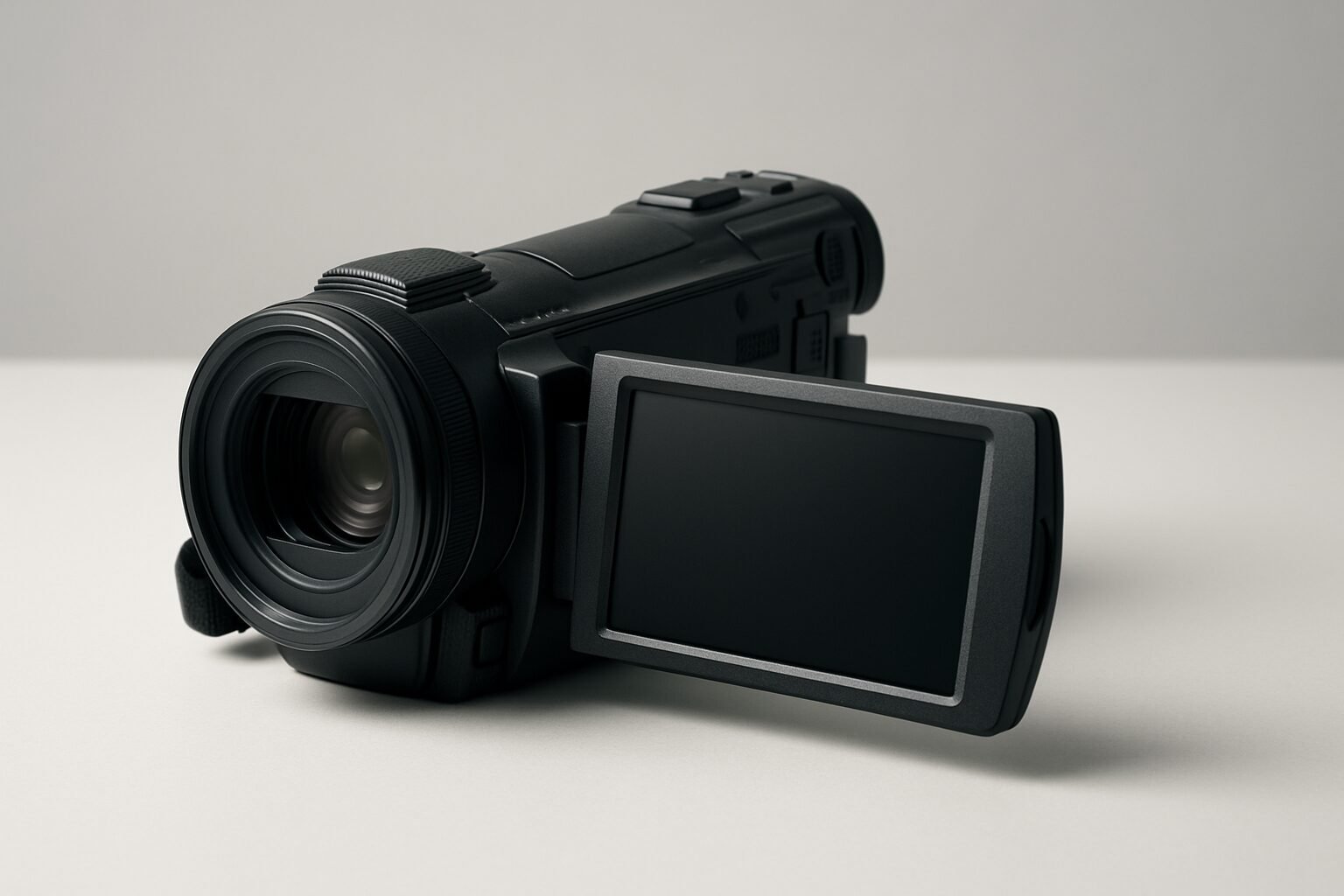
For those who want a dedicated camcorder, the Panasonic HC-V900 offers 24x optical zoom and 5-axis stabilization for under $400. According to Digital Camera World, it’s a solid pick for casual family videos and amateur filmmakers, though it caps at Full HD resolution rather than 4K.
The Canon R50 V ($649) is worth a mention here too. It ships with a built-in cooling fan for extended live streaming sessions and records 4K with Canon’s reliable Dual Pixel AF. For a first-time creator building a YouTube channel, it’s one of the most complete packages under $700.
Mid-Range ($1,000–$2,000): Professional Features Unlocked
The Canon R8 ($1,199) stands out as one of the this kind of recorder cameras in its class, delivering oversampled 4K 60p with no crop and 10-bit C-Log3. It lacks IBIS, but Canon RF lenses often include optical stabilization. As Pascal Basel states, “the image quality is identical to cameras that cost way more,” making it a top budget-to-mid-range hybrid for creators who want full-frame quality without the full-frame price tag.
The Sony a6700 ($1,498) and its video-centric sibling the FX30 offer 4K 120p slow motion, AI tracking, and access to a wide selection of affordable E-mount lenses. For documentary shooters, the FX30 adds a tally light, cooling fan, and XLR handle compatibility – features that matter on a real production set.
The Fujifilm X-S20 ($1,299) includes 6.2K open gate, 10-bit F-Log2, and IBIS, though its autofocus requires careful tweaking. It’s a favorite for travel vloggers who value Fujifilm’s film simulations straight out of camera, skipping hours of color grading.
Semi-Professional ($2,000–$3,000): Versatility for Serious Creators
At this tier, you gain professional build quality, better stabilization, and enhanced video tools. The Canon R6 Mark II ($1,999) builds on the R8 with IBIS, a larger viewfinder, and improved battery performance. Its subject-only tracking prevents background hunting during interviews and events. Meanwhile, the Sony a7V ($2,898) introduces AI-powered subject recognition and 10-bit recording in a full-frame body, per Best Buy listings.
For a dedicated camcorder at this level, the Panasonic HC-X1500 ($1,697) pairs a 24x optical zoom (25–600mm equivalent) with 4K 60p recording, dual SD slots for relay recording, and 5-axis hybrid stabilization. A working photographer writing on Medium calls it “the ultimate run-and-gun beast” for its built-in ND filter, XLR audio, and weather-sealed construction. That combination of features at under $1,700 is genuinely hard to beat for event and documentary work.
Professional ($3,000+): Cinema-Grade Recording
The highest-end video recorder cameras include the Sony FX6 (full-frame, interchangeable lenses, priced at $5,998) and the Canon XA75 (1-inch sensor, 15x zoom, dual XLR, priced at $3,199). The XA75 offers broadcast-ready 4:2:2 10-bit recording and Dual Pixel autofocus, making it a staple for news crews and corporate video teams. For cinema projects, the Canon EOS C70 ($4,799) brings a Super35 sensor, internal ND filters, and RF mount versatility. These are the the video recorder camera choices for studios, event coverage, and documentary production where image quality is non-negotiable.
Camcorders vs. Mirrorless: Which Is the Best Video Recorder Camera?
When a Camcorder Is the Right Call
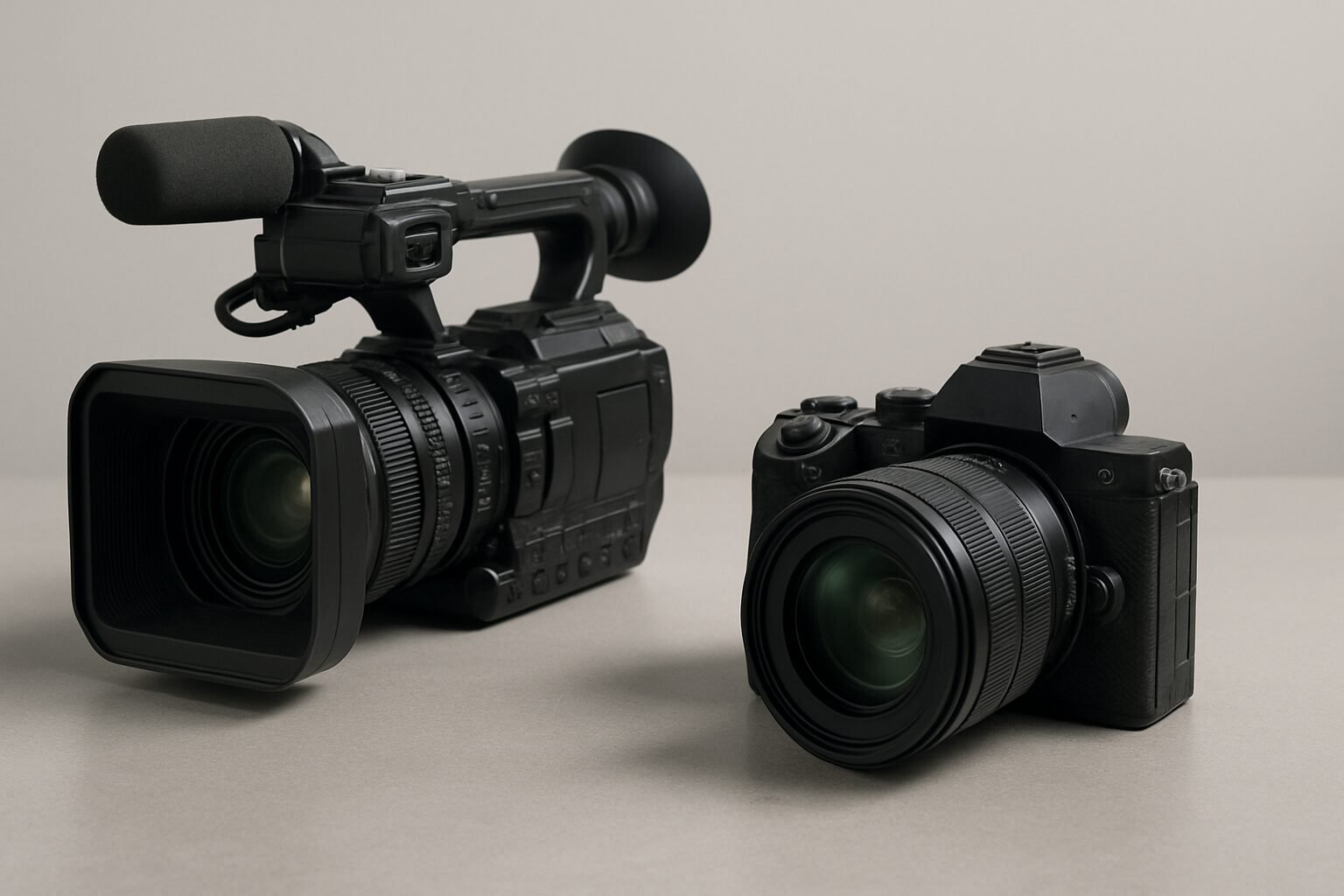
Camcorders excel in all-in-one convenience: massive built-in zoom ranges of 20-25x, unlimited recording time without overheating, and pro audio via XLR jacks. The Panasonic HC-X1500, for example, lets you shoot a keynote speech from the back of a 500-seat hall without swapping lenses. Their ergonomic shape is optimized for handheld stability over long events. As Filmtools notes, “Camcorders feature functionality most cameras cannot achieve,” specifically referencing zoom range and record time.
Advantages of Mirrorless Cameras for Video Work
Mirrorless hybrids offer larger sensors (APS-C or full-frame), which deliver shallower depth of field and better low-light performance. They support interchangeable lenses, giving filmmakers creative control over focal lengths and apertures. Cameras like the Sony a6700 and Canon R8 record in LOG profiles for extensive color grading in post. The best video recorder camera for hybrid photographers – people who shoot both stills and video professionally – is often a Sony a7V or Canon R6 Mark II, which balance both disciplines without major compromise.
The tradeoff is real, though. Mirrorless bodies often require external monitors, cages, or cooling solutions for prolonged shoots. Budget at least $300-$500 extra for accessories if you’re building a mirrorless video rig from scratch.
Key Features to Look for in the Best Video Recorder Camera
Sensor Size and Resolution: 4K, 6K, and Beyond
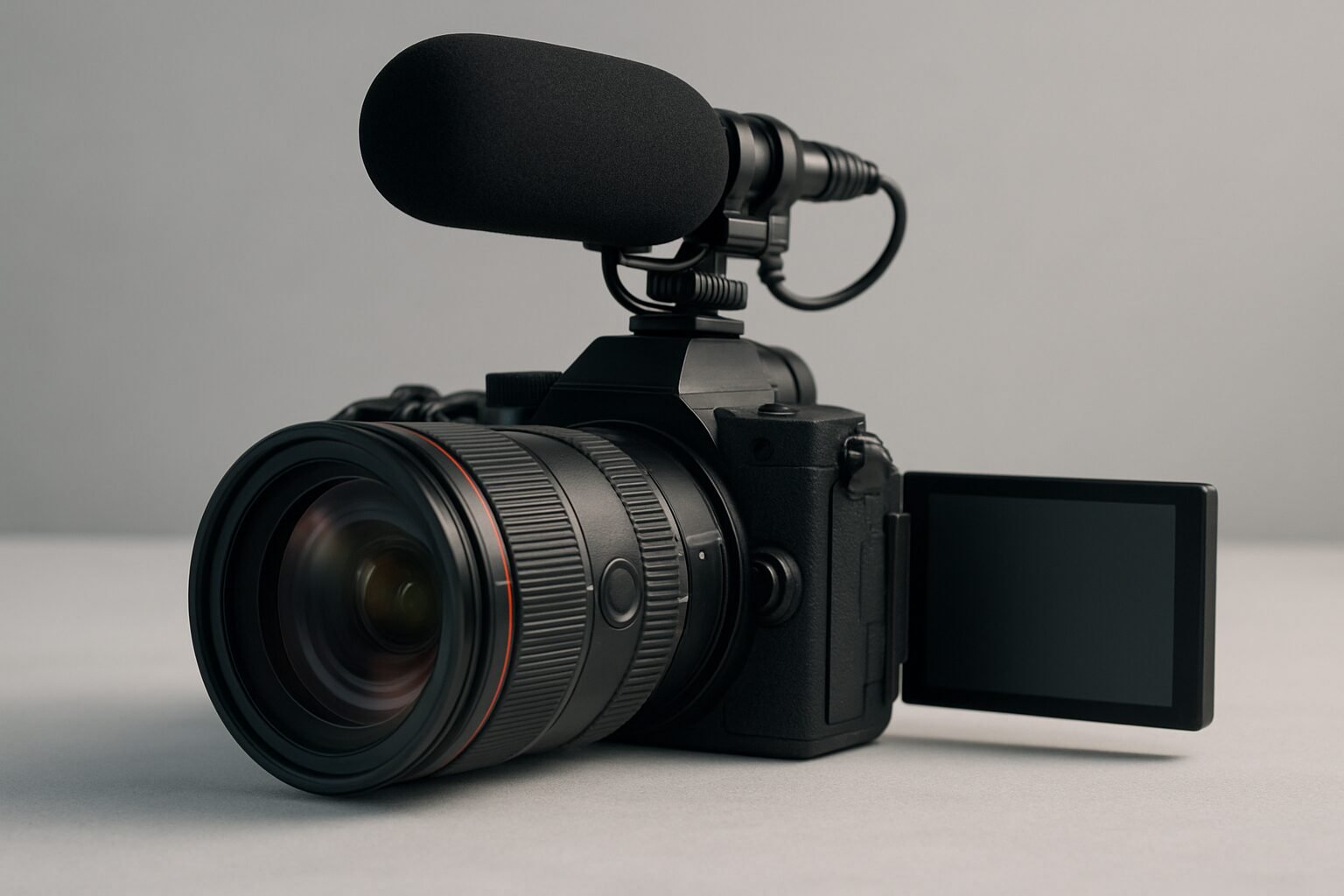
A larger sensor captures more light and offers better dynamic range, while a higher resolution like 6.2K open gate allows reframing in post without quality loss. The Fujifilm X-M5’s 6.2K sensor records the full sensor height, so you can crop a vertical 9:16 clip without losing horizontal detail. According to industry reporting from Digital Camera World, 4K remains the baseline for professional work in 2026, with 6K and 8K serving niche post-production needs.
Stabilization: IBIS vs. Optical vs. Digital
In-body image stabilization (IBIS) physically shifts the sensor to counteract shake, whereas optical stabilization (OIS) resides in the lens. Many video recorder cameras combine both for smoother handheld footage. The Panasonic HC-X1500’s 5-axis hybrid stabilization lets you walk and shoot without gimbal assist, which is a significant operational advantage on event shoots. Digital stabilization, while sometimes effective, often crops the image. The Sony ZV-E10 II, for example, applies a noticeable crop when using digital IS, so plan your framing accordingly.
Audio and Connectivity: XLR Inputs, ND Filters, and More
Professional video demands clean audio. Camcorders like the Canon XA75 integrate two XLR inputs with phantom power, while mirrorless bodies usually require an adapter (Sony’s XLR-K3M or Canon’s TM-E2) that adds cost and bulk. Built-in neutral density (ND) filters are another hallmark of a pro video recorder camera. They let you maintain cinematic shutter speeds in bright light without stopping down the aperture. Both the Panasonic HC-X1500 and Canon XA75 include variable ND dials, a feature you’ll miss the moment you shoot outdoors without one.
Action Cameras and Compact Alternatives Worth Considering
DJI Osmo Pocket 3 and GoPro: The Run-and-Gun Option
Not every video project needs a full camera system. The DJI Osmo Pocket 3 packs a 1-inch sensor and a 3-axis mechanical gimbal into a body smaller than a TV remote, recording 4K at up to 120fps. It’s become a favorite among travel creators and journalists who need broadcast-quality footage without checking a bag. The GoPro Hero series, meanwhile, dominates action sports and POV content, with waterproof bodies and HyperSmooth stabilization that rivals dedicated gimbals.
These aren’t replacements for a full best video recorder camera setup. But for B-roll, behind-the-scenes content, or social-first shoots where portability beats everything else, they’re genuinely excellent tools. The DJI Osmo Pocket 3 retails around $519, making it competitive with entry-level mirrorless options on pure value.
Smartphones vs. Dedicated Cameras: An Honest Comparison
Modern flagship smartphones have closed the gap significantly. The iPhone 17 Pro with Apple LOG and the Samsung Galaxy S25 Ultra both shoot 4K LOG footage with computational stabilization that would have seemed impossible five years ago. For simple vlogging or social content, a smartphone is a legitimate starting point.
The gap widens fast once you need optical zoom beyond 5x, clean audio from an external mic, or recording sessions longer than 20-30 minutes without thermal throttling. A dedicated best video recorder camera gives you optical zoom ranges of 15-24x, XLR audio inputs, and recording times measured in hours rather than minutes. For serious projects, there’s still no substitute.
“The best camera is the one that doesn’t get in the way of telling the story. For most professional shoots, that still means a dedicated video recorder camera with proper audio and optical zoom.” – Emin Media Creative Team, based on production experience across 200+ client shoots
Expert Insights: How AI Autofocus Is Redefining Video Recording
Sony’s AI Tracking and Subject Recognition
Sony’s 2025-2026 lineup, including the a6700 and a7V, features a dedicated AI processing unit that recognizes human eyes, faces, animals, birds, cars, and airplanes with near-flawless acquisition speed. This reduces the need for manual focus pulls during fast-paced scenes. The system can lock onto a subject even if they turn away or momentarily exit the frame, earning it a reputation as the industry benchmark for video autofocus.
Canon’s Dual Pixel AF and Nikon’s Eye AF
Canon’s Dual Pixel CMOS AF II, found in the R8 and R6 Mark II, covers nearly 100% of the frame and excels in subject tracking during video. Nikon’s Z50 II and Z6III also employ deep-learning AF that detects nine subject types, though real-world reviews indicate Sony still maintains a slight edge in low-light consistency. Which AF system you find most intuitive often determines which best video recorder camera is right for your workflow, since all three are technically excellent.
The Rise of Open Gate Recording for Content Creators
What Is Open Gate Recording?
Open gate recording is a mode that uses the sensor’s full width and height to capture a 3:2 or 4:3 aspect ratio, rather than the standard 16:9. This extra vertical information allows editors to crop into a vertical 9:16 frame for Instagram Reels or TikTok without losing horizontal resolution. It effectively future-proofs footage for multiple delivery formats from a single take.
Best Cameras with Open Gate Capabilities
The Fujifilm X-M5 and X-S20 lead the affordable open gate segment, both offering 6.2K recording at their respective price points of $799-$899 and $1,299. The Panasonic S5 II (full-frame) adds 6K open gate with V-Log, making it a strong candidate for professional video recorder camera duty on narrative projects. Other models like the Sony a7V also support open gate in certain modes. Filmmakers creating content for multiple platforms increasingly list open gate as a must-have feature when choosing the best video recorder camera for 2026.
Pros and Cons of Dedicated Video Recorder Cameras
Pros
- Purpose-built ergonomics: Camcorders and cinema cameras are shaped for hours of handheld shooting, with grip designs that reduce fatigue on long shoots.
- Unlimited recording time: Dedicated video cameras rarely overheat, letting you record multi-hour events without interruption.
- Professional audio built in: XLR inputs with phantom power on models like the Canon XA75 and Panasonic HC-X1500 eliminate the need for external audio recorders on most shoots.
- Optical zoom range: Built-in 15-24x zoom lenses cover focal lengths from wide to telephoto without lens changes, critical for event and documentary work.
- Built-in ND filters: Variable ND dials on pro camcorders let you control exposure in any lighting condition without additional gear.
Cons
- Fixed lenses on camcorders: Traditional camcorders don’t accept interchangeable lenses, limiting creative options compared to mirrorless systems.
- Smaller sensors on entry-level models: Budget camcorders often use 1/2.5-inch sensors that struggle in low light compared to APS-C or full-frame mirrorless cameras.
- Higher accessory costs for mirrorless rigs: Building a mirrorless video setup requires budgeting $300-$500 or more for cages, monitors, and audio adapters.
- Rapid technology turnover: New models release annually, meaning a $2,000 camera today may feel dated within 2-3 years as AI features and codec support evolve.
Comparison Table: Top Video Recorder Cameras at a Glance
| Model | Type | Sensor | Max Video Resolution | Key Feature | Price (USD) |
|---|---|---|---|---|---|
| Sony ZV-E10 II | Mirrorless | APS-C | 4K 60p 10-bit | AI autofocus, LUT support | $998 |
| Fujifilm X-M5 | Mirrorless | APS-C | 6.2K open gate | 350g body, film simulations | $799-$899 |
| Canon R50 V | Mirrorless | APS-C | 4K | Cooling fan, live stream ready | $649 |
| Canon R8 | Mirrorless | Full-frame | 4K 60p oversampled | 10-bit C-Log3, no crop | $1,199 |
| Sony a6700 | Mirrorless | APS-C | 4K 120p | Focus breathing compensation | $1,498 |
| Sony FX30 | Cinema | APS-C | 4K 120p | Built-in fan, XLR ready | $1,498 |
| Fujifilm X-S20 | Mirrorless | APS-C | 6.2K open gate | IBIS, F-Log2 | $1,299 |
| Canon R6 Mark II | Mirrorless | Full-frame | 4K 60p oversampled | IBIS, subject-only AF | $1,999 |
| Panasonic HC-X1500 | Camcorder | 1/2.5-inch MOS | 4K 60p | 24x zoom, dual SD, ND | $1,697 |
| Canon XA75 | Camcorder | 1-inch CMOS | 4K 30p | Dual XLR, Dual Pixel AF | $3,199 |
| Sony FX6 | Cinema | Full-frame | 4K 120p | S-Log3, E-mount | $5,998 |
| DJI Osmo Pocket 3 | Compact/Gimbal | 1-inch | 4K 120p | 3-axis gimbal, ultra-portable | ~$519 |
Prices are approximate and may vary by retailer. Check latest pricing at Best Buy or Amazon.
Frequently Asked Questions
What is the best video recorder camera for beginners?
The Sony ZV-E10 II is ideal for beginners, offering 4K 60p, AI autofocus, and a compact body for $998. If you prefer a traditional camcorder, the Panasonic HC-V900 provides a simple 24x zoom and 5-axis stabilization at a lower price point, with no lens decisions required.
What is the difference between a camcorder and a mirrorless camera for video?
Camcorders have built-in powered zoom lenses, unlimited recording times, and professional audio inputs, making them easier for run-and-gun work. Mirrorless cameras use larger sensors and interchangeable lenses for shallower depth of field and better low-light quality, but require more accessories to match a camcorder’s out-of-box functionality.
Is 4K really necessary for video recording?
4K is the current standard for most online platforms and provides extra detail for cropping or downscaling to sharper 1080p. For casual family videos, Full HD may suffice, but any best video recorder camera purchased in 2026 should at minimum offer 4K to stay relevant for the next several years.
What is the best budget video recorder camera under $700?
The Canon R50 V ($649) is a strong option with 4K recording and a cooling fan for live streaming. For a traditional camcorder, the Panasonic HC-V900 at around $300-$400 delivers Full HD with 24x optical zoom and 5-axis stabilization.
Which video recorder camera do professional filmmakers use?
Pros often choose the Sony FX6 for cinematic production, the Canon XA75 for event and broadcast coverage, or the Panasonic HC-X1500 for documentary work due to its all-in-one design and 4K 60p capability. The right choice depends on whether the production prioritizes sensor size, zoom range, or audio flexibility.
Do I need a dedicated camera if I have a modern smartphone?
For simple vlogging, smartphones like the iPhone 17 Pro with Apple LOG can rival entry-level cameras on image quality alone. However, a dedicated best video recorder camera gives you optical zoom ranges of 15-24x, proper XLR audio inputs, and recording sessions measured in hours rather than minutes, making it the superior choice for any serious production work.
Enjoyed this article?
Contact Emin Media for a free brand consultation and let's create something amazing together.
Get in TouchRelated Articles
Best Digital Vlog Camera Guide for 2026
Find the best digital vlog camera for your budget in 2026. From $60 beginner picks…
Best Digital Video Recording Cameras 2026
A digital video recording camera built for 2026: compare top camcorders by zoom, resolution, and…
2nd Hand Digital SLR Camera: 2026 Buyer’s Guide
Shop a 2nd hand digital slr camera in 2026 and save 20-60% off retail. Compare…