Best Digital Video Recording Cameras 2026
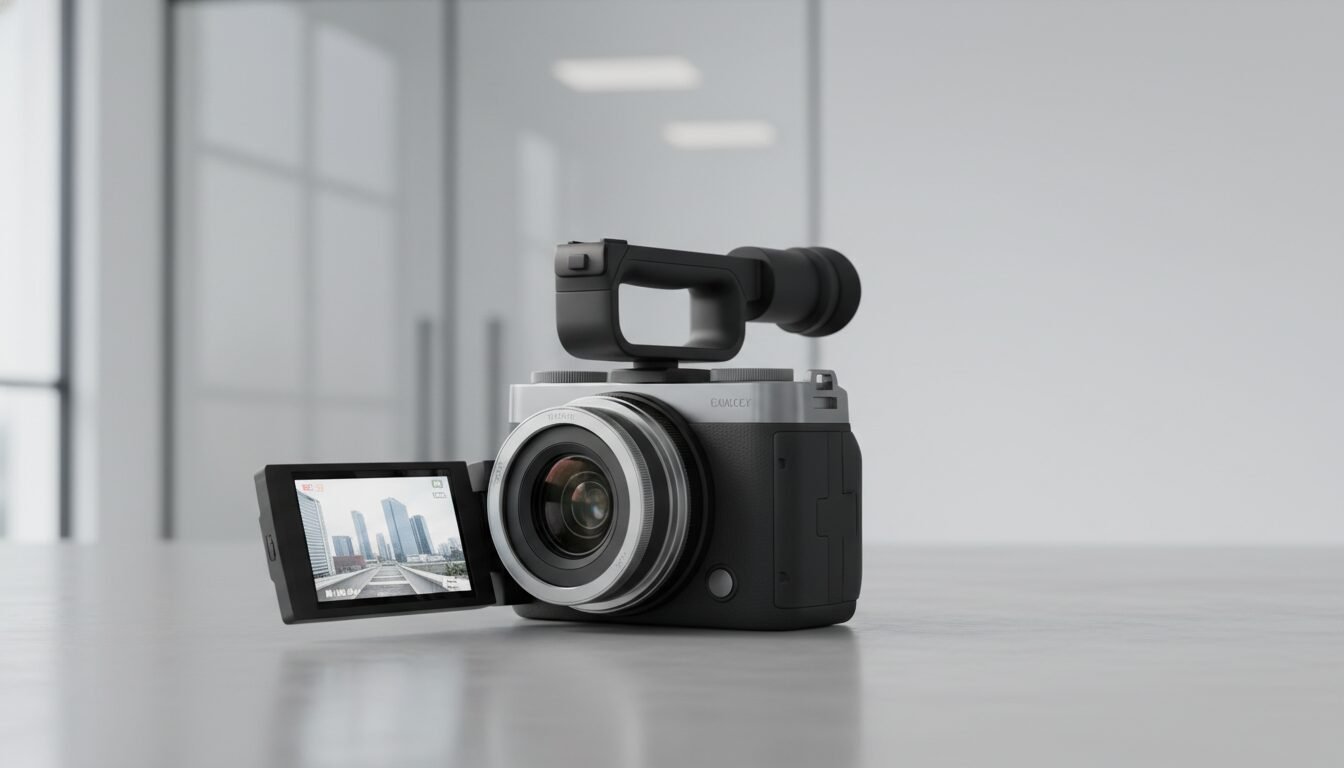
Best Digital Video Recording Cameras in 2026
A digital video recording camera is a self-contained portable device built primarily for capturing high-quality video with an integrated lens, microphone, and storage. In 2026, the best models range from budget 4K camcorders under $100 to professional cinema cameras exceeding $12,000.
Key Takeaways
- Dedicated recording cameras outperform smartphones and mirrorless hybrids for long-form shoots, offering unlimited recording times and optical zooms up to 24x.
- Consumer models start under $100; professional broadcast camcorders like the Canon XF605 sit at $4,499, and cinema-grade options like the Sony PXW-FX9K reach $12,737.50.
- 4K at 10-bit 4:2:2 is now the professional standard, while 4K/30FPS is the baseline for consumer models above $80.
- Built-in ND filters, XLR audio inputs, and 5-axis optical stabilization are the three features that separate prosumer from consumer-grade camcorders.
- 2026 is seeing a real resurgence of dedicated camcorders among content creators who prioritize reliability over the versatility of hybrid mirrorless systems.
What Is a Digital Video Recording Camera?
Media” class=”wp-image-9910″ loading=”lazy” width=”1792″ height=”1024″ />A this type of camera is a dedicated handheld device that integrates a lens, image sensor, processor, and recording media into one ergonomic unit. According to Wikipedia, modern camcorders evolved from tape-based analog recorders to digital devices using flash memory and SD cards during the 2000s (Wikipedia). That shift changed everything: tapes gave way to SD cards, recording times expanded, and the form factor shrank without sacrificing quality.
A Brief History of Camcorders
Camcorders first appeared in the late 20th century, recording onto analog formats like VHS and 8mm tape. Digitization in the early 2000s introduced MiniDV and DVD-based models. By 2015, HD and 4K this kind of recording cameras had gone mainstream, with internal flash storage replacing physical media entirely. Today, 8K recording exists in high-end models, though 4K remains the practical sweet spot for most creators balancing detail against file size.
Key Components of Modern Camcorders
Modern camcorders pack a lens, sensor, image processor, and recording media into one unit. The optical zoom lens is the standout feature, often reaching 20x or more without the bulk of interchangeable glass. Built-in neutral density (ND) filters, XLR audio jacks, and unlimited recording times are major advantages over mirrorless cameras, which frequently cap clips at 30 minutes due to heat management limits.
Top 5 Digital Video Recording Camera Picks of 2026
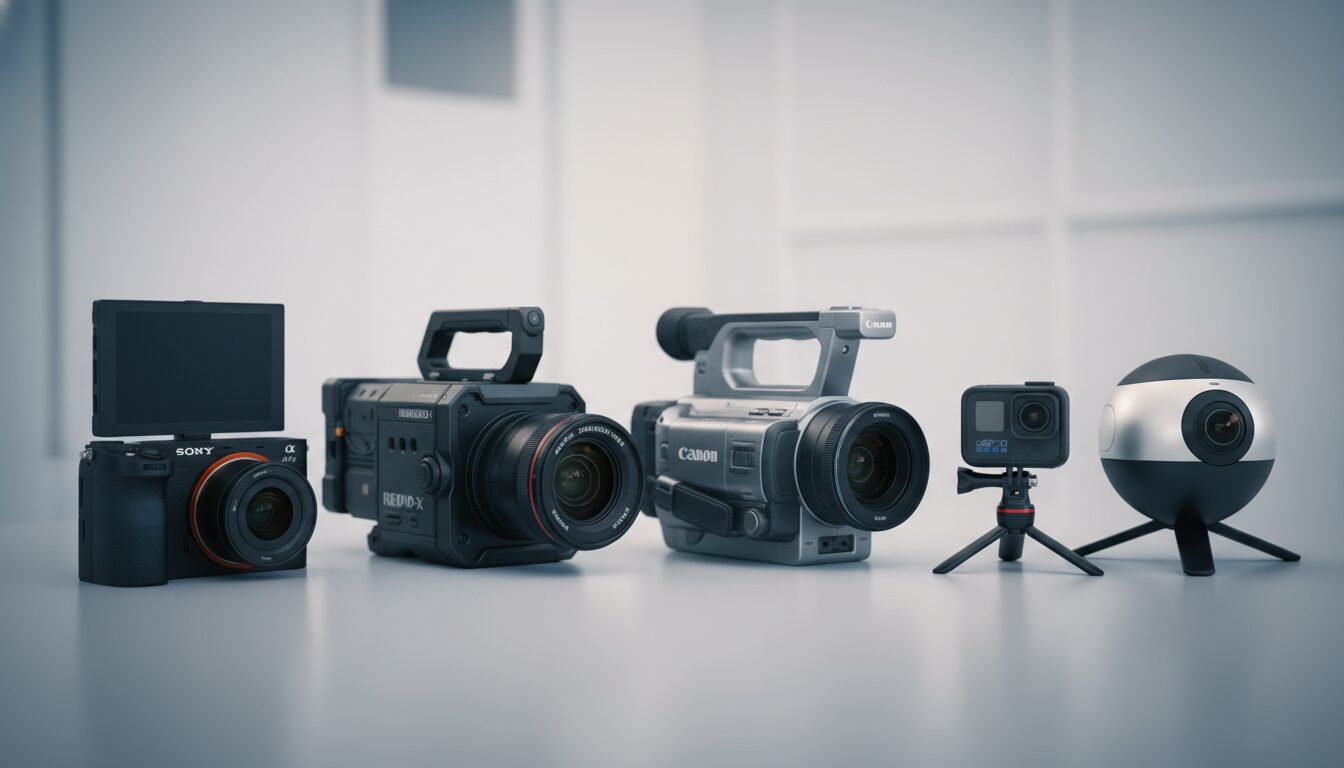
We analyzed reviews from Digital Camera World (DCW), pro retailers, and real user feedback to build this list. Every model here delivers reliable video recording across different budgets and use cases.
Selection Criteria
Our evaluation focused on video resolution, optical zoom range, low-light performance, audio inputs, and price-to-performance ratio. Ergonomics and battery life also factored heavily, because a camera you can hold for three hours without fatigue is worth more than one with slightly better specs you can’t comfortably use.
Detailed Model Comparison
| Model | Max Resolution | Optical Zoom | Price (USD) | Best For |
|---|---|---|---|---|
| Panasonic HC-VX3K | 4K Ultra HD | 24x | $999.99 | Consumers, vlogging |
| Sony PXW-Z150 | 4K | 12x | $3,346.25 | Events, documentaries |
| Canon XF605 | 4K UHD 10-bit | 15x | $4,499 | ENG, professional |
| ORDRO 4K Camcorder | 4K 30FPS | 18x digital | $71.99 | Beginners, budget |
| Sony PXW-FX9K | 6K full-frame | Interchangeable | $12,737.50 | Cinema production |
Prices are approximate street prices as of mid-2026. The ORDRO model is a genuine entry point for first-time buyers, while the Sony PXW-FX9K serves high-end filmmaking and broadcast production.
Key Features That Define the Best Camcorders
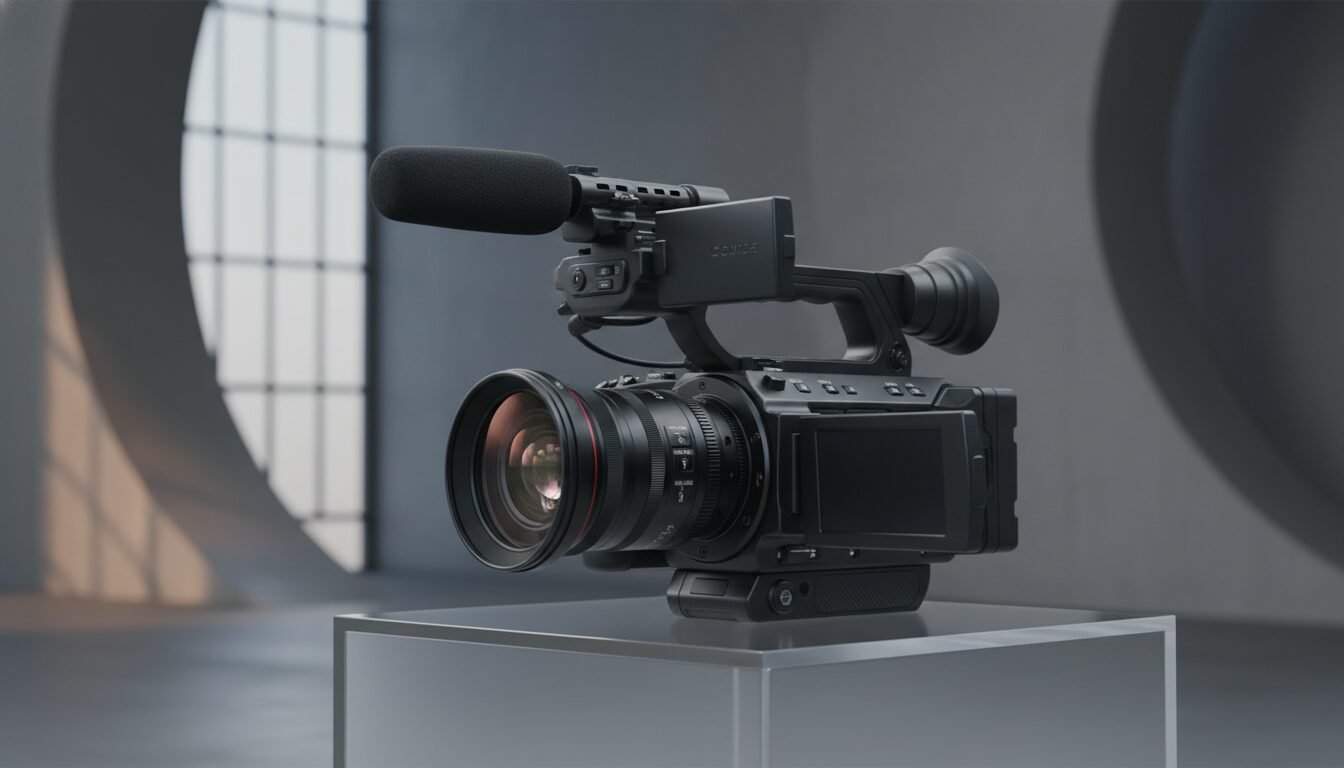
The right the video recording camera separates itself from the competition through a handful of specs that matter in the field, not just on paper.
Optical Zoom Reach
Unlike smartphones with digital zoom that degrades image quality, camcorders offer true optical magnification. The Panasonic HC-VX3K’s 24x optical zoom lets you capture distant wildlife or stage performances without losing clarity. Most mirrorless zoom lenses top out at 10x and require heavy, expensive telephoto glass to go further.
Sensor Size and Resolution
4K (3840×2160) is now the baseline for consumer and prosumer camcorders. Professional models like the Canon XF605 record 4K at 10-bit 4:2:2, giving colorists real flexibility in post-production. While 8K camcorders exist at the high end, 4K remains the practical standard for balancing detail with manageable file sizes.
Built-in Stabilization and ND Filters
Optical image stabilization (OIS) is critical for handheld shooting. The Canon XF605 features 5-axis OIS, which meaningfully reduces camera shake during run-and-gun work. Built-in ND filters are equally important: they maintain correct exposure in bright outdoor light without forcing you to change shutter speed, a feature absent from most interchangeable-lens cameras unless you add an external filter system.
Pros and Cons of Digital Video Recording Cameras
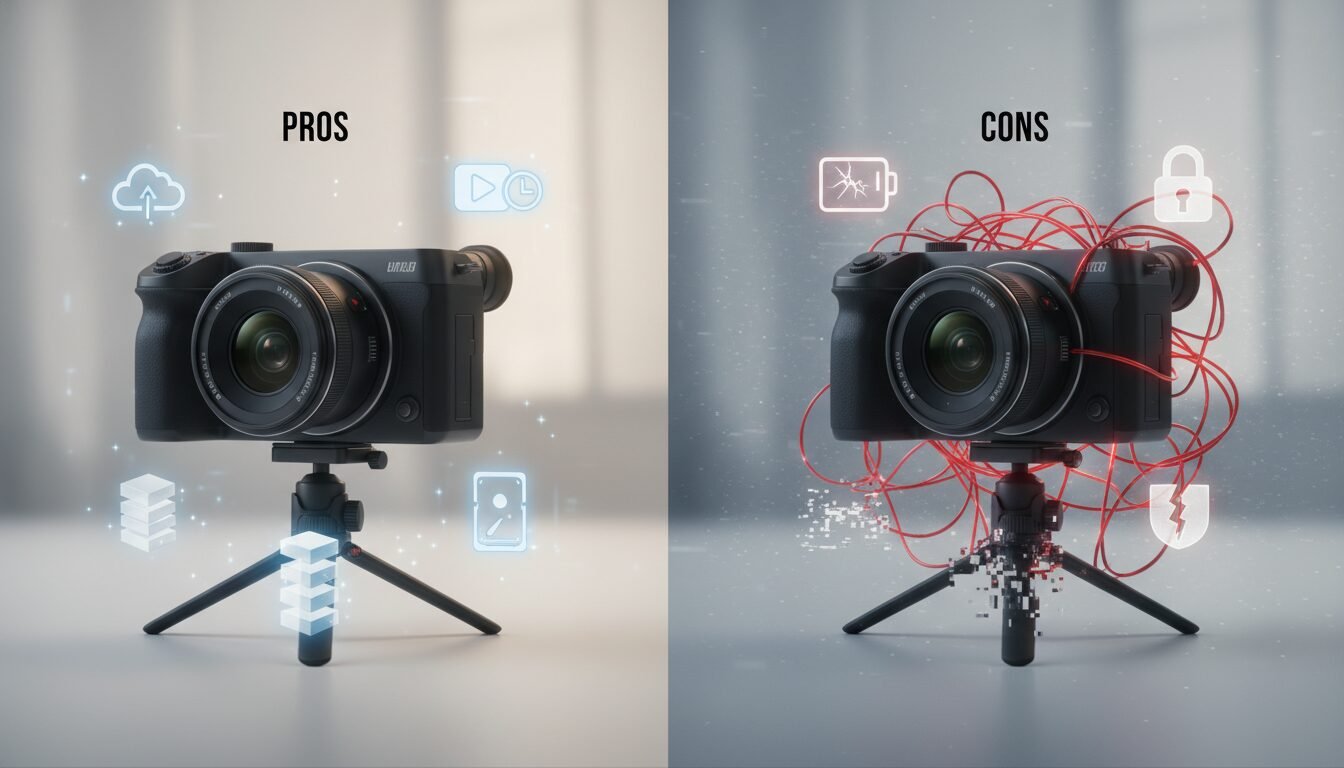
Pros
- Unlimited recording time: No 30-minute clip limits. Record an entire ceremony, concert, or live event without interruption.
- Powerful optical zoom: Up to 24x optical zoom on consumer models, maintaining full resolution at any focal length.
- Professional audio: XLR inputs with phantom power, manual audio control, and built-in wind filters for broadcast-ready sound.
- Ergonomic design: Pistol-grip form factor reduces fatigue during multi-hour shoots compared to holding a mirrorless body.
- Built-in ND filters: Exposure control without external accessories, critical for outdoor shooting in variable light.
Cons
- Fixed lens limitations: Most consumer and prosumer camcorders cannot swap lenses, limiting creative depth-of-field control.
- Smaller sensors: Entry-level and mid-range camcorders use smaller sensors than full-frame mirrorless cameras, which affects low-light performance.
- Less photo versatility: Camcorders are optimized for video. Still image quality rarely matches a dedicated stills camera at the same price point.
- Perceived as dated: Some clients associate camcorders with older production styles, even when the output quality is excellent.
Professional vs Consumer Camcorders: Which Do You Need?
For Hobbyists and Family Use
Consumer models like the Panasonic HC-VX3K or the ORDRO 4K are built for vacations, school events, and casual vlogging. They’re compact, easy to use, and priced under $1,000. Automatic exposure and focus modes mean you can hit record and capture the moment without adjusting a single setting.
For Vloggers and Content Creators
Prosumer models add a flip screen, external mic jack, and 4K/60p recording for creators who need more control. The Sony PXW-Z90, priced at $2,799.99, includes Fast Hybrid AF and an instant HDR workflow, making it a strong choice for YouTube creators who need reliable autofocus and a fast content turnaround.
For Film and TV Production
Professional camcorders like the Canon XF605 ($4,499) and Sony PXW-FX9K ($12,737.50) deliver 10-bit 4:2:2 color, timecode sync, and XLR audio for multi-camera shoots. Both support 4K at 60fps and feature robust manual controls, built-in ND filters, and dual card slots for redundant backup recording on critical productions.
How to Choose the Right Digital Video Recording Camera
Follow these steps to find the right camcorder for your specific situation.
Step 1: Define Your Primary Use
Will you shoot weddings, YouTube content, or wildlife? Wedding videographers need long battery life and reliable autofocus. Wildlife shooters prioritize a powerful optical zoom. Live event coverage demands unlimited recording time. Start with your use case, not the spec sheet.
Step 2: Set a Realistic Budget
Consumer 4K camcorders start at $70. Professional broadcast models can exceed $12,000. Budget an additional 20-30% for accessories: a fluid-head tripod, fast memory cards, and an external microphone are near-essential additions for any serious shoot.
Step 3: Compare Key Specs
Look for at least 12x optical zoom for versatility, 4K resolution for future-proofing, and OIS for smooth handheld footage. Confirm the camera has a microphone input if you plan to use external audio, and check whether it records in a codec your editing software supports natively.
Step 4: Check Compatibility and Accessories
Confirm the camera uses common media formats like SDXC and has the ports you need: HDMI, USB-C, and a headphone jack for audio monitoring. Some models require proprietary batteries, so factor in the cost of spares before committing.
Step 5: Read Pro Reviews and Test Ergonomics
Digital Camera World’s 2026 buying guide and hands-on retailer demos reveal real-world performance that spec sheets miss. If possible, hold the camera before buying. Menu depth and grip comfort matter more than you’d expect after hour two of a shoot.
Camcorder vs Mirrorless vs Smartphone: Why Dedicated Wins
Unlimited Recording and No Overheating
Mirrorless cameras often cap video clips at 30 minutes due to heat restrictions. A dedicated camera records until the battery or memory card runs out. For concerts, ceremonies, or live events, that difference is non-negotiable.
Superior Optical Zoom Lenses
A smartphone’s digital zoom crops the sensor, reducing quality significantly at 10x or beyond. The 24x optical zoom on the Panasonic HC-VX3K maintains full 4K detail across the entire zoom range, which is vital for sports coverage or nature filming where you can’t physically get closer to your subject.
Professional Audio Inputs
Professional camcorders include XLR jacks with phantom power for external microphones. Most DSLRs and many mirrorless cameras lack even a basic 3.5mm input. Built-in wind filters and manual audio level control ensure broadcast-ready sound without an external recorder in the chain.
Camcorder Formats and Codecs: What You Need to Know
The codec your digital video uses determines file size, editing performance, and color grading flexibility. Most consumer camcorders record in H.264 or H.265 (HEVC), with H.265 offering roughly 2x the compression efficiency at the same quality level. Professional models like the Canon XF605 record in Canon XF-AVC, an MXF-wrapped codec optimized for broadcast workflows and compatible with major NLEs including Adobe Premiere Pro, Final Cut Pro, and Avid Media Composer. The Sony PXW-FX9K records in XAVC, Sony’s professional codec family, which supports up to 6K and is widely accepted in broadcast and streaming delivery pipelines. If you’re delivering to a broadcaster or streaming platform, confirm your camera’s codec and wrapper format against their technical specifications before you shoot.
The 2026 Camcorder Comeback: Why Creators Are Returning
The Rise of Long-Form Video
Platforms like YouTube and Twitch are rewarding longer watch times, and streamers plus event filmmakers need uninterrupted recording to serve that demand. The recording camera delivers exactly that, paired with ergonomic handling designed for hours-long handheld shoots. As of 2026, dedicated camcorder sales among content creators are recovering after years of being overshadowed by mirrorless hybrids, according to reporting from Digital Camera World.
Ergonomic Advantages Over Small Cameras
Camcorders are built to be held for extended periods. The natural pistol grip and side-mounted controls reduce fatigue compared to holding a mirrorless body for two or three hours straight. The integrated lens also removes the temptation to swap glass mid-shoot, keeping your momentum and your focus on the subject.
Dedicated Devices Reduce Distractions
Using a separate camcorder keeps your phone free for notes, client communication, and social updates. It signals a professional approach to clients and eliminates the risk of a notification interrupting a recording. That separation of tools is a small thing that adds up across a full production day.
Essential Accessories for Your Camcorder
Tripods and Stabilizers
A fluid-head tripod in the $150-$300 range smooths pan and tilt movements for interview and event work. For run-and-gun shooting, a gimbal stabilizer like the DJI RS 3 Mini keeps your camcorder steady while moving through a crowd or venue.
External Microphones
The internal mic is useful for scratch audio only. A shotgun microphone like the RODE VideoMic NTG ($249) dramatically improves sound quality, especially when plugged into the XLR input of a professional camcorder. Good audio is the single fastest way to make your footage feel more polished.
Memory Cards and Batteries
Invest in UHS-II V30 SD cards for reliable 4K recording. Carry at least two batteries: a single charge on a camcorder like the Panasonic HC-VX3K lasts roughly 2 hours of continuous recording under normal conditions. Cold weather or sustained high-brightness screen use can reduce that runtime noticeably, so a spare battery is cheap insurance on any important shoot.
“The camcorder’s greatest strength has always been its single-mindedness. It does one thing, it does it for hours, and it doesn’t ask you to compromise.” – Creative industry perspective on dedicated video tools, widely cited in production community discussions.
“According to Digital Camera World’s 2026 analysis, while many manufacturers have discontinued cheap compact models, optical zoom reach remains the defining advantage that keeps dedicated camcorders relevant against smartphone and mirrorless competition.”
Frequently Asked Questions
What is the difference between a digital video recording camera and a camcorder?
The terms are interchangeable. Both describe a handheld device with an integrated lens, microphone, and recorder designed primarily for video capture. The phrase “digital video recording camera” is simply the more formal or search-friendly version of the same product category.
Can I use a camcorder for live streaming?
Yes. Many modern camcorders offer clean HDMI output and USB streaming support. Models like the Sony PXW-Z90 include UVC/UAC support for direct PC connection via USB, making them a strong choice for streamers who want broadcast-quality video without a dedicated capture card.
What is the best budget digital video recording camera in 2026?
The ORDRO 4K camcorder at $71.99 is a solid entry point, offering 4K/30FPS, a flip screen, and 64MP stills capability. For better optical zoom and stabilization, the Panasonic HC-VX3K at $999.99 is a consistent favorite among vloggers and event videographers who need reliable performance.
Does a digital video recording camera still use tapes?
No. Modern camcorders record to SD cards, CFast cards, or internal SSD storage. Tape-based recording has been obsolete for well over a decade, with the transition to digital flash storage completing in the early 2010s.
Which is better for video: a mirrorless camera or a camcorder?
It depends on your use case. Camcorders win for long takes, built-in zoom, and audio control. Mirrorless cameras offer larger sensors and interchangeable lenses for shallow depth of field and stronger low-light performance. For run-and-gun event work or long-form content, a dedicated digital video recording camera is usually the more practical choice.
What is 4K resolution in a camcorder?
4K resolution is 3840×2160 pixels, providing four times the detail of 1080p Full HD. As of 2026, 4K is standard in most camcorders priced above $80, making it the baseline expectation for any new purchase in this category.
Ready to find the right camera for your next production? Contact Emin Media for a free brand consultation and let’s build something worth watching.
Enjoyed this article?
Contact Emin Media for a free brand consultation and let's create something amazing together.
Get in Touch