Best Digital Marketing Tools for 2026
Digital marketing tools are software platforms that help businesses promote their brand, engage audiences, and measure results across online channels. They cover SEO, email, social media, analytics, and CRM – and as of 2026, the best ones connect into a unified stack that runs on automation.
Key Takeaways
- marketing tools span seven core categories: SEO, email, social media, CRM, analytics, content creation, and automation.
- Free tools like Canva and Brevo now rival paid alternatives for small teams and startups.
- According to the Sprout Social Index, 58% of teams rated as experts at measuring social media impact rely on dedicated management tools.
- Integration matters more than individual tool quality. A connected stack outperforms a collection of isolated best-in-class apps.
- Choosing the right tools starts with identifying your funnel gaps, not browsing feature lists.
- All-in-one platforms suit small teams; specialized tools suit growth-stage brands with specific channel needs.
What Are Digital Marketing Tools?
this type of tools are applications designed to plan, execute, and optimize marketing activities across online channels. According to Sprout Social, these platforms power everything from content creation to performance analytics, helping teams automate repetitive tasks and make data-driven decisions. In 2026, the line between free and paid tools has blurred significantly, with many free options now offering features that once required enterprise budgets.
Core Functions of Digital Marketing Tools
Every tool in a modern marketing stack serves one or more core functions: increasing visibility, driving engagement, converting leads, or retaining customers. SEO platforms like Semrush boost search rankings. Email tools like Mailchimp nurture leads through automated campaigns. The Sprout Social Index reveals that 58% of teams rated as experts at measuring social media’s business impact rely on dedicated tools, while teams without them are nearly twice as likely to report they rarely have enough time to get their work done.
Why an Integrated Tech Stack Matters
Using disconnected platforms creates data silos and manual work. The best this kind of tools today integrate natively with CRMs, analytics suites, and each other, forming a unified system. As Zapier’s 2026 guide notes, automation is the glue that connects tools like HubSpot, Google Analytics, and social schedulers, eliminating busywork and enabling personalization at scale.
The Free Tool Revolution
Budget-conscious marketers no longer need to sacrifice quality. EmailTooltester’s roundup of 21 free tools confirms that many free digital marketing now rival their paid counterparts. Canva’s free plan offers thousands of templates and AI-assisted design. Brevo includes email marketing, SMS, and automation on its free tier. This democratization lets startups and small businesses compete with larger players on a fraction of the budget.
How to Choose the Right Digital Marketing Tools
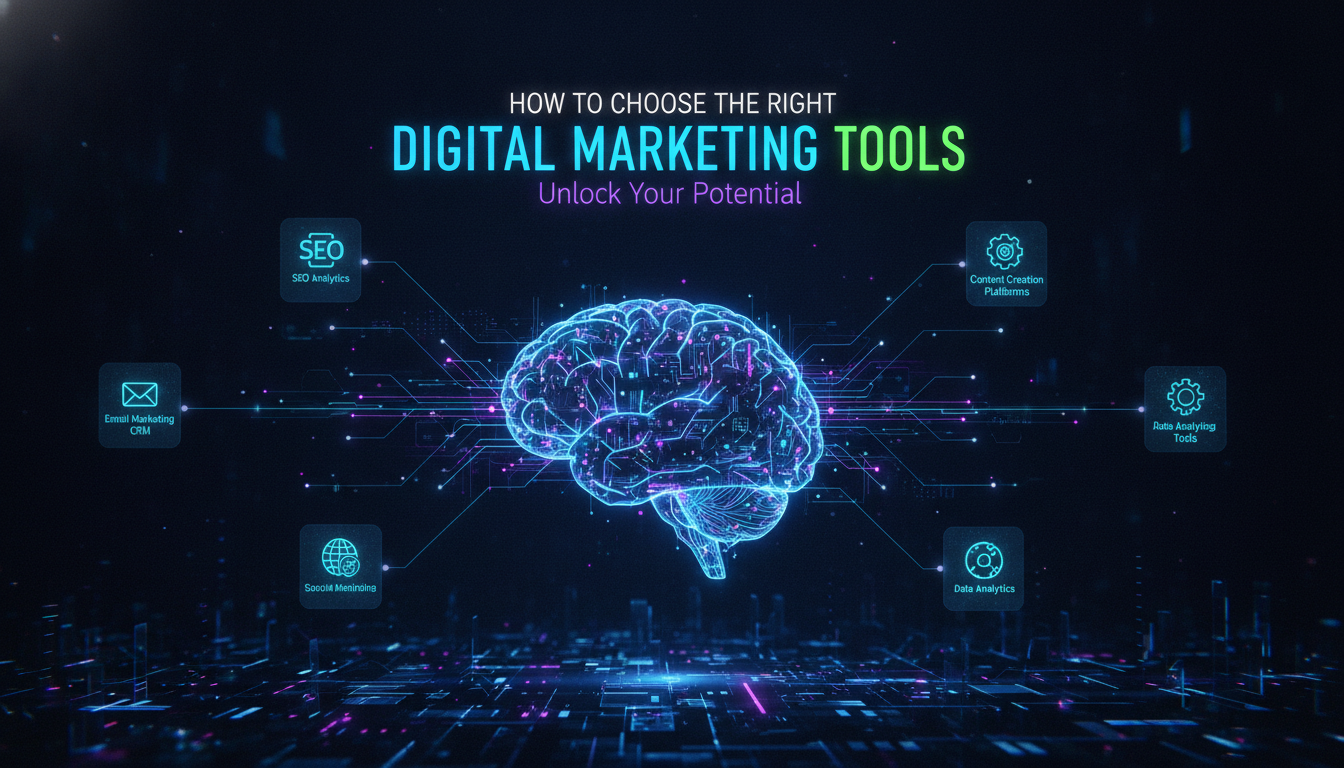
With thousands of options available, selection must start with a clear assessment of your needs, not a feature checklist. Every tool should close a specific gap in your current workflow, whether that’s missing audience insights, manual campaign execution, or fragmented reporting.
Assess Your Current Marketing Gaps
Begin by mapping your customer journey and identifying friction points. If you’re struggling to convert website visitors, tools like Dealfront (for visitor identification) or Microsoft Clarity (for behavior heatmaps) might fill the gap. Teams that prioritize measurement should look at analytics-first platforms like Google Analytics 4 or Hotjar. Those needing creative speed often turn to AI-powered content tools like Claude or Canva’s Magic Write.
Integration and Ecosystem Fit
No tool exists in a vacuum. According to Salesforce’s digital marketing software guide, the most effective stacks are those where marketing data flows directly into the CRM. Before committing, check if a tool offers native integrations or APIs with your existing systems. If not, an automation layer like Zapier can bridge gaps, but it adds complexity and cost.
Budget and Scalability
Many marketing tools offer free tiers, but limits on contacts, users, or features can slow growth. Mailchimp’s free plan works well for beginners, but growing e-commerce brands often switch to Klaviyo for advanced segmentation. Always evaluate how pricing scales with your list size, feature needs, and team additions. As Zapier highlights, transparent pricing models that grow predictably are often better than low-entry tiers that spike later.
Pros and Cons of Using Digital Marketing Tools
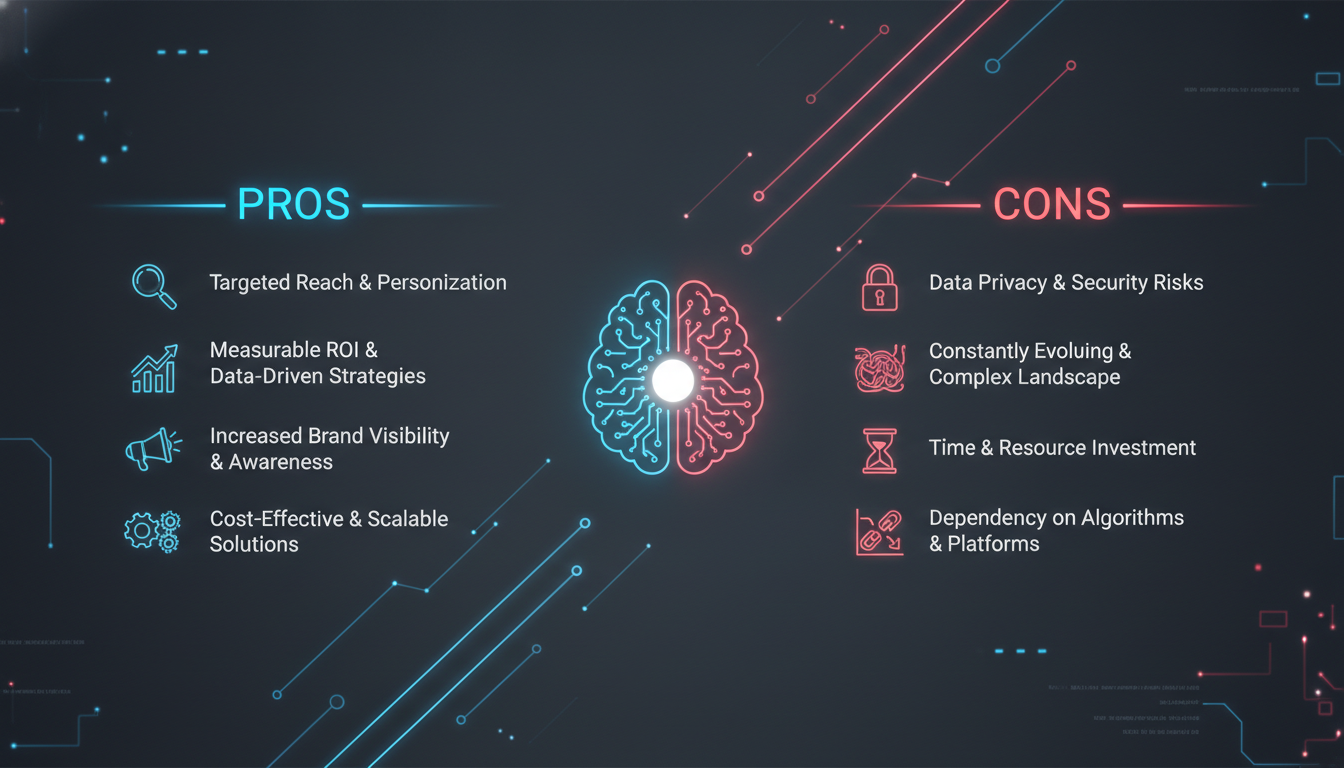
Pros
- Efficiency at scale: Automation handles repetitive tasks like email sequences, social scheduling, and lead scoring, freeing your team for strategy.
- Data-driven decisions: Analytics platforms give you real-time visibility into what’s working, so you stop guessing and start optimizing.
- Accessible entry points: Free tiers from Canva, Brevo, HubSpot, and Systeme.io let small teams build serious stacks without upfront investment.
- Personalization at scale: CRM-connected tools like Klaviyo and Salesforce Marketing Cloud let you tailor every message to individual customer behavior.
- Competitive intelligence: SEO tools like Semrush and Ahrefs reveal exactly what your competitors rank for and where your content gaps are.
Cons
- Tool sprawl: Adding too many platforms creates integration headaches, duplicate data, and bloated monthly costs.
- Learning curves: Enterprise tools like Salesforce Marketing Cloud require significant onboarding time and often dedicated admin resources.
- Free tier limitations: Most free plans cap contacts, sends, or features at levels that force upgrades sooner than expected.
- Ecosystem lock-in: All-in-one platforms can make data migration painful if you outgrow them or want to switch providers.
- Over-reliance on automation: Poorly configured workflows can send the wrong message at the wrong time, damaging brand trust.
Top SEO and Content Marketing Tools
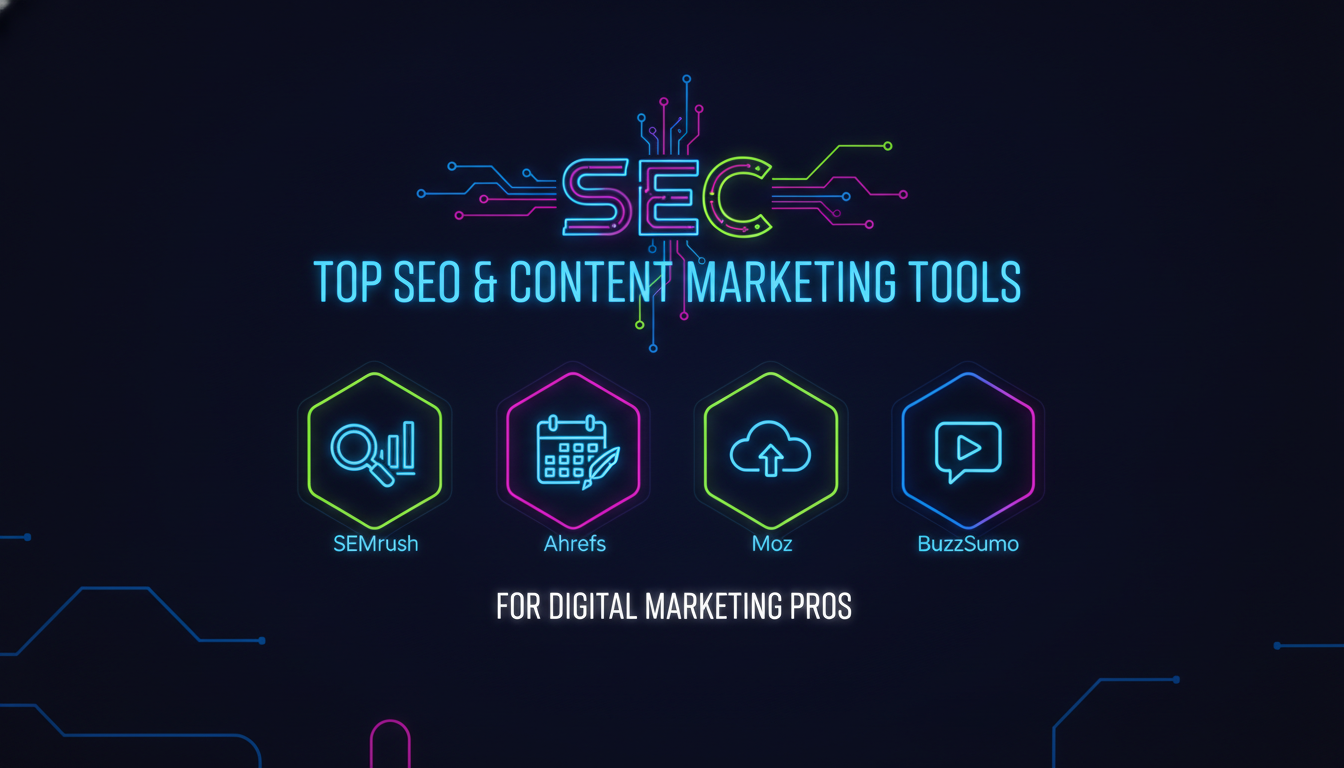
Search engine visibility remains the foundation of organic growth, and content creation fuels it. The right this type of tools in this category help you uncover high-potential keywords, produce optimized content, and monitor technical health, all without a dedicated SEO team.
Keyword Research and Competitive Analysis
Semrush and Ahrefs dominate this space. Semrush, starting at $99/month, offers deep competitor analysis, keyword tracking, and PPC data. Ahrefs’ free plan gives 150 keyword ideas monthly. Both are rated 4+ stars on G2 and Capterra, per Salesforce’s 2026 software guide. For hyper-focused audience insights, SparkToro shows where your customers spend time online, which is critical for content distribution strategies.
Content Creation and Optimization
Canva’s drag-and-drop editor has become an essential tool for creating social graphics, blog banners, and short videos. Its free plan includes thousands of templates and AI features like Magic Write, though premium assets and background removal require a Canva Pro plan starting at $12.99/month. For long-form writing, AI assistants like Google Gemini and Claude help draft blog posts and email copy. Unsplash provides royalty-free images to elevate visual content without licensing headaches.
Analytics and Performance Tracking
Google Analytics 4 (GA4) is the free, foundational analytics platform, though server-side tracking via raw logs is recommended for accuracy, as one Webmasters Sun moderator noted. For behavioral insights, Microsoft Clarity offers heatmaps and session recordings at no cost, while Hotjar provides similar functionality with a freemium model. These platforms help optimize user experience and conversion paths before you spend a dollar on paid traffic.
“GA, like any other third party tracker, is flawed, but so many people take it seriously. Use your own server side raw logs for the most accurate data.” – Webmasters Sun moderator, 2025
Social Media Management and Automation Tools
Social media is now a primary channel for brand building and customer service. Managing multiple platforms manually is unsustainable. Dedicated this kind of tools centralize scheduling, engagement, and analytics so your team can focus on creative strategy instead of copy-pasting posts.
Scheduling and Publishing
Buffer remains a favorite for its simplicity, offering a free plan and paid tiers starting at $5/channel/month. It supports scheduling across major networks and provides basic analytics. Hootsuite adds team collaboration and social listening, though at a higher price point. For teams already using Canva, its built-in scheduler can streamline design-to-publish workflows without switching tabs.
Social Listening and Engagement
Understanding conversations about your brand requires listening tools. While many social management platforms include basic monitoring, dedicated options like Sprout Social provide sentiment analysis and competitive benchmarking. Per the Sprout Social Index, expert teams using dedicated tools are nearly twice as productive as those without them. These platforms turn social data into actionable insights for campaign pivots.
AI-Powered Social Tools
In 2026, AI features are standard across social tools. Canva’s Magic Media generates social images from text prompts. Buffer’s AI Assistant can suggest optimal post times and draft captions. Google Veo, highlighted in Zapier’s 2026 guide, is an emerging tool for AI-generated video content, aiming to reduce production time for short-form social clips significantly.
Email Marketing and CRM Platforms
Email remains the highest-ROI channel, and the best digital marketing for email go beyond blasts. They integrate segmentation, automation, and CRM data to personalize every send based on real customer behavior.
Email Campaign Tools
Mailchimp’s all-in-one approach suits small businesses, with a free plan and paid plans from $10/month. Constant Contact adds integrated ads and real-time reporting. For e-commerce, Klaviyo pulls store data to build behavior-based flows like abandoned cart recovery, while Drip focuses on post-purchase retention. Brevo stands out by offering email, SMS, and live chat on its free tier, making it a versatile option for budget-conscious teams.
CRM and Lead Management
HubSpot’s free CRM is a popular entry point, offering contact management, deal tracking, and email integration. Scaling up, Salesforce Marketing Cloud provides advanced journey mapping and AI-powered send-time optimization. According to Salesforce’s guide, these platforms help align marketing and sales data, creating a single customer view that makes conversion tracking far more precise.
Marketing Automation Workflows
Automation is what turns a good tool into a great one. Kit (formerly ConvertKit) is built for creators who want simple, automated funnels to monetize newsletters. Systeme.io goes further, bundling funnels, courses, and community features into one free-forever plan that supports up to 2,000 contacts. These digital marketing tools reduce manual work and increase reaction time to subscriber behavior.
PPC and Paid Advertising Tools
Paid advertising tools give you direct control over reach, targeting, and spend, making them essential digital marketing tools for brands that need results faster than organic channels allow.
Search and Display Advertising
Google Ads remains the dominant platform for search intent targeting. You can set budgets at the campaign level, adjust bids in real time, and measure cost-per-click and conversion data directly. For visual and display campaigns, Google’s Performance Max uses AI to allocate budget across Search, Display, YouTube, and Gmail simultaneously, reducing manual optimization work.
Social Paid Advertising
Meta Ads Manager (covering Facebook and Instagram) offers granular audience targeting based on demographics, interests, and behavioral data. As noted by EDC Paris’s digital marketing overview, platforms like Google Ads and Meta Ads Manager let you broadcast targeted campaigns, adjust budgets in real time, and measure ad performance with precision. For B2B brands, LinkedIn Campaign Manager adds firmographic targeting that social platforms can’t match.
SMS Marketing
SMS is an underused channel with strong open rates. SimpleTexting, featured in Zapier’s 2026 guide, offers built-in apps and integrations for surveys, competitions, and automation, starting at $33.20/month. For teams already using Brevo, SMS campaigns are included on the free tier alongside email, making it a natural first step into multi-channel messaging.
Video Marketing Tools
Video content drives engagement across every major platform, and dedicated video tools are now core digital marketing tools for brands that want to compete in short-form and long-form formats.
AI Video Generation
Google Veo, highlighted in Zapier’s 2026 guide, represents the new wave of AI-generated video for marketing content. It aims to reduce production time for short-form social clips dramatically, making video accessible to teams without dedicated production budgets. Canva’s Magic Media also generates short video clips from text prompts on its paid plan.
Video Editing and Production
Adobe Photoshop, starting at $19.99/month, remains the industry standard for image editing with AI-powered features that extend into video frame work. For social-first video, Canva Pro’s video editor handles basic cuts, transitions, and branded templates without requiring a production background. Teams producing longer-form content often pair these tools with dedicated editing software for final polish.
Conversion Rate Optimization and Lead Generation Tools
Traffic is meaningless without conversion. The right digital marketing tools help you capture leads, test landing pages, and understand user intent in real time, turning clicks into qualified pipeline.
Landing Page and Form Builders
HubSpot’s free landing page builder includes conversion-optimized templates and CRM integration. Involve.me lets you create interactive quizzes and funnels to engage visitors and capture data in a format that feels like a conversation, not a form. Brevo’s embedded forms sync directly with its email automation. These tools reduce the barrier between a click and a qualified lead.
Behavior Analytics and A/B Testing
Microsoft Clarity’s heatmaps and session recordings reveal where users click, scroll, and drop off, which is critical for optimizing page layouts. Hotjar adds feedback polls and survey features on top of similar behavioral data. A/B testing functionality, often built into these platforms, lets you experiment with headlines, CTAs, and images without developer help.
Lead Enrichment and Visitor Identification
Dealfront (formerly Leadfeeder) identifies companies visiting your site, enriching cold traffic with firmographic data. Apollo.io combines deep contact data with sequencing capabilities to prioritize high-fit accounts. These tools bridge marketing and sales, turning anonymous visits into actionable pipelines that your sales team can actually work.
All-in-One Digital Marketing Platforms
For teams wanting a single login, all-in-one digital marketing tools bundle CRM, email, landing pages, and automation into one interface. This approach simplifies management and unifies data, but may lack depth in specialized areas.
Comparing Top All-in-One Solutions
| Platform | Best For | Key Features | Free Plan? | Starting Price (Paid) |
|---|---|---|---|---|
| HubSpot | Growing SMBs and mid-market | CRM, email, landing pages, ads, reporting | Yes (limited) | $45/month (Starter) |
| Brevo | Email-heavy teams on a budget | Email, SMS, chat, CRM, automation | Yes (300 emails/day) | $25/month (Starter) |
| Systeme.io | Solopreneurs and course creators | Funnels, email, courses, communities | Yes (up to 2,000 contacts) | $27/month |
| Mailchimp | Small businesses needing ease of use | Email, forms, landing pages, CRM lite | Yes (500 contacts) | $10/month (Essentials) |
| Salesforce Marketing Cloud | Enterprise with complex journey needs | Journey builder, AI personalization, deep CRM sync | No | Custom quote |
When to Choose an All-in-One vs. Point Solutions
If your team is small and needs basic functionality across channels, an all-in-one platform reduces overhead and training time. Specialized teams often prefer best-of-breed tools: Semrush for SEO, Canva for design, Klaviyo for e-commerce email. The key is ensuring data flows between them, often achieved through native integrations or a platform like Zapier.
The Hidden Cost of All-in-One Suites
While monthly fees may seem lower upfront, all-in-one platforms can lock you into ecosystems that limit future flexibility. As EmailTooltester points out, many free plans are generous, but migrating to a paid plan often unlocks necessary features, and data migration can be tedious. Evaluate not just current needs, but three-year scalability before you commit.
Integrating Your Marketing Tech Stack
No single digital marketing tool does everything. The power of a stack lies in integration: when your calendar bookings flow into your CRM, your email engagement updates your lead score, and your social mentions trigger a support ticket. That’s when you move from tool collection to revenue engine.
The Role of Automation
Zapier connects thousands of apps, letting you build workflows like “new Typeform entry, add to Mailchimp list, send Slack notification.” For deeper needs, enterprise-grade automation comes natively within platforms like HubSpot or Salesforce. As Zapier emphasizes, AI-powered automation is the next frontier. Tools like Claude can now draft personalized follow-ups based on form responses, reducing manual outreach to near zero.
Data Centralization and Reporting
Disjointed tools scatter data across platforms that never talk to each other. Centralizing into a data warehouse or using a reporting tool like Google Looker Studio helps create unified dashboards. Many digital marketing tools now offer API access, making it easier to pull all metrics into one view. According to Salesforce, real-time dashboards that combine marketing and sales data improve forecasting accuracy by removing guesswork from pipeline reviews.
Future Trends: AI and the Autonomous Stack
The next wave of digital marketing tools will use AI not just for content but for orchestration. Imagine a system that autonomously allocates budget to best-performing ads, pauses underperforming keywords, and generates personalized website experiences in real time. The building blocks are already emerging in platforms like Google Ads’ Performance Max and HubSpot’s AI content agents. We’re not there yet, but the direction is clear.
“The right digital marketing tools don’t just save time – they determine whether your brand leads the market or chases it.” – Sprout Social, 2026
Building Your 2026 Digital Marketing Toolkit
The best digital marketing tools in 2026 are those that align tightly with your business goals, integrate without friction, and scale without breaking the bank. Start with a clear understanding of your funnel gaps. Test free tiers where available. Prioritize tools that talk to each other. Whether you’re a solo founder using Brevo’s free plan or a multinational running Salesforce Marketing Cloud, the principle holds: a connected stack is more valuable than a collection of isolated apps. As the team at Zapier puts it, automating your marketing workflows isn’t a slogan. It’s a survival tactic. With the right digital marketing tools, you spend less time on manual tasks and more time on strategy that drives real growth.
Want help building a stack that actually fits your brand? Contact Emin Media for a free brand consultation and let’s build something bold together.
Frequently Asked Questions
What are digital marketing tools?
Digital marketing tools are software applications that help you create, execute, and measure online marketing campaigns. They cover functions like email marketing, social media scheduling, SEO research, and analytics, forming the operational backbone of any modern marketing strategy.
What are the 7 types of digital marketing tools?
The main categories include SEO tools, email marketing platforms, social media management, content creation tools, CRM systems, analytics and reporting, and automation and integration tools. Each serves a specific stage of the marketing funnel, from awareness through to retention.
Which digital marketing tool is best for small businesses?
For small businesses, all-in-one platforms like Brevo or Mailchimp offer affordable, easy-to-use suites that cover email, automation, and basic CRM. Canva’s free plan covers design needs, while HubSpot’s free CRM provides foundational contact management without a monthly fee.
What is the 3-3-3 rule in marketing?
The 3-3-3 rule suggests your marketing strategy should be built on three categories of tools, three channels, or three core messages to maintain focus and avoid tool overload. It’s a mental model for simplifying stack decisions and preventing the sprawl that kills small team productivity.
Are free digital marketing tools enough?
Yes, many free digital marketing tools offer robust features for startups and small teams. As you scale, paid plans unlock advanced segmentation, higher contact limits, and dedicated support, but you can absolutely start with free options and upgrade only when the limits genuinely constrain your growth.
How do I integrate my digital marketing tools?
Integration can be achieved via native APIs within platforms or through automation platforms like Zapier. Start by mapping your data flow from lead capture to CRM, then automate repetitive steps to reduce manual work and keep your customer data consistent across every tool in your stack.
Enjoyed this article?
Contact Emin Media for a free brand consultation and let's create something amazing together.
Get in TouchRelated Articles
Digital Storytelling for Brands: The Complete Guide
Digital storytelling for brands builds real audience connections through narrative. Learn proven techniques, formats, and…

Design Thinking for Marketing: A 2026 Guide
Design thinking for marketing builds campaigns around real user needs. Learn the 5 phases, common…

Creative Direction for Video Shoots: A Complete Guide
Master creative direction for video shoots with proven steps, tools, and strategies that build brand…