Best Digital Flip Camera Guide for 2026
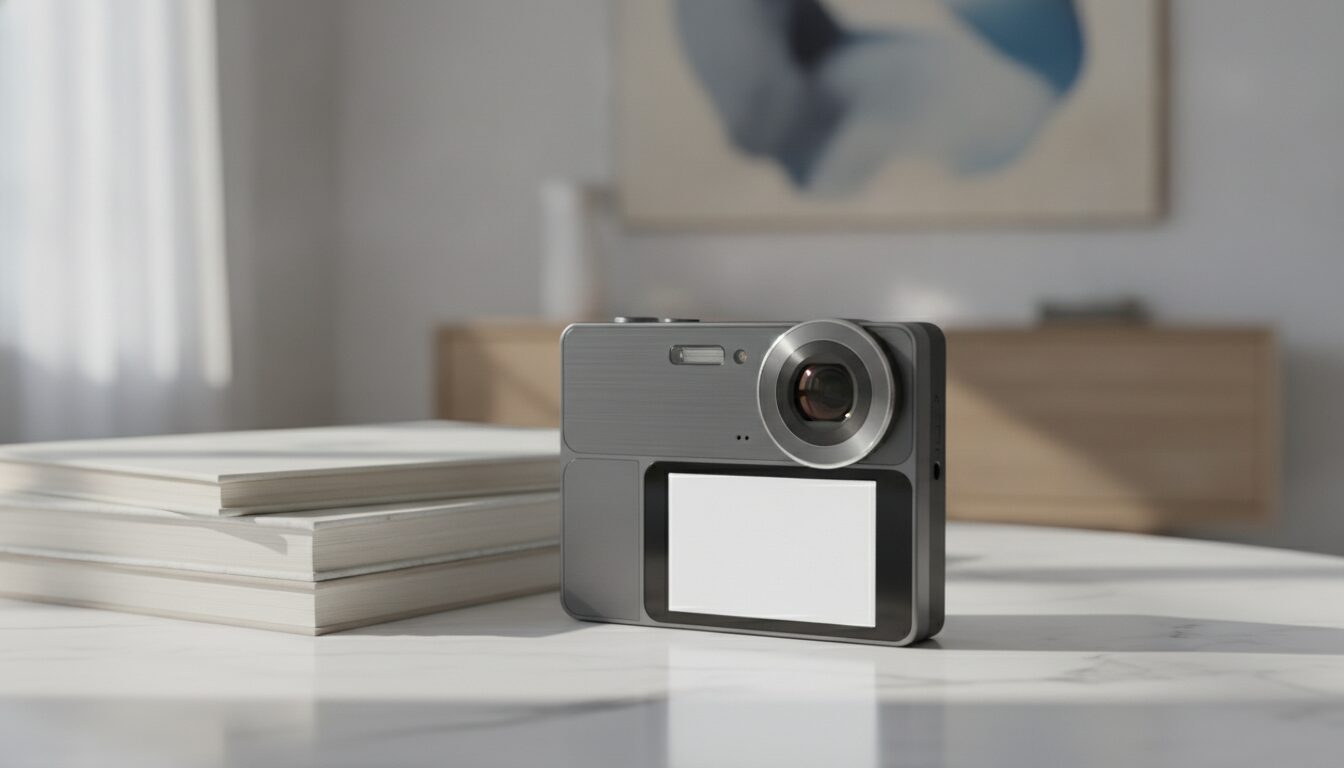
A digital flip camera is any camera with an articulating screen that rotates up to 180 degrees or more, letting you frame selfies, vlogs, and low-angle shots without guessing.
Key Takeaways
- flip cameras range from budget point-and-shoots under $100 to premium mirrorless models over $1,000, covering vloggers, photographers, and casual users alike.
- The Sony ZV-E1 is rated the best flip screen vlogging camera by Rtings, excelling in low light with its 12MP full-frame sensor.
- Budget-friendly options like the Kodak PIXPRO C1 ($99.99) and generic Amazon models starting at $63.99 make flip screen technology accessible to everyone.
- AI-powered autofocus and Wi-Fi, Bluetooth, and live-streaming connectivity are redefining how content creators use this type of cameras in 2026.
- Rtings has tested over 110 cameras to arrive at its vlogging recommendations, giving those rankings real weight.
What is a Digital Flip Camera?
Media” class=”wp-image-10237″ loading=”lazy” width=”1792″ height=”1024″ />A this kind of camera is any digital camera with a screen that flips out and rotates, typically 180 degrees or more, so you can see yourself while recording. That screen, often called a vari-angle LCD or articulating monitor, ranges from simple tilt-only designs to fully articulated panels that face forward, upward, or downward. The defining benefit is precise framing from awkward angles without crouching or guessing, which has reshaped solo content creation entirely.
The Evolution of Flip Screens
Flip screens first appeared on camcorders in the early 2000s, then migrated to digital cameras as vlogging grew into a legitimate career path. Today, nearly every major manufacturer, including Sony, Canon, Nikon, Panasonic, and Kodak, offers at least one model with this feature. According to Best Buy, current options span point-and-shoots, DSLRs, and mirrorless systems, each using the flip screen for distinct creative purposes.
Why You Need a Flip Screen
Beyond selfies and vlogging convenience, a flip screen protects the LCD when stored facing inward, enables clean overhead product shots, and makes low-angle nature photography possible without lying on the ground. As noted by photographer Northwest Picture Maker, “a flip-out screen is so useful! It makes taking pictures easier… you don’t have to get down on the ground.” That single quality-of-life improvement is worth more than most spec-sheet upgrades.
Types of Digital Flip Cameras
Point-and-Shoot Flip Cameras
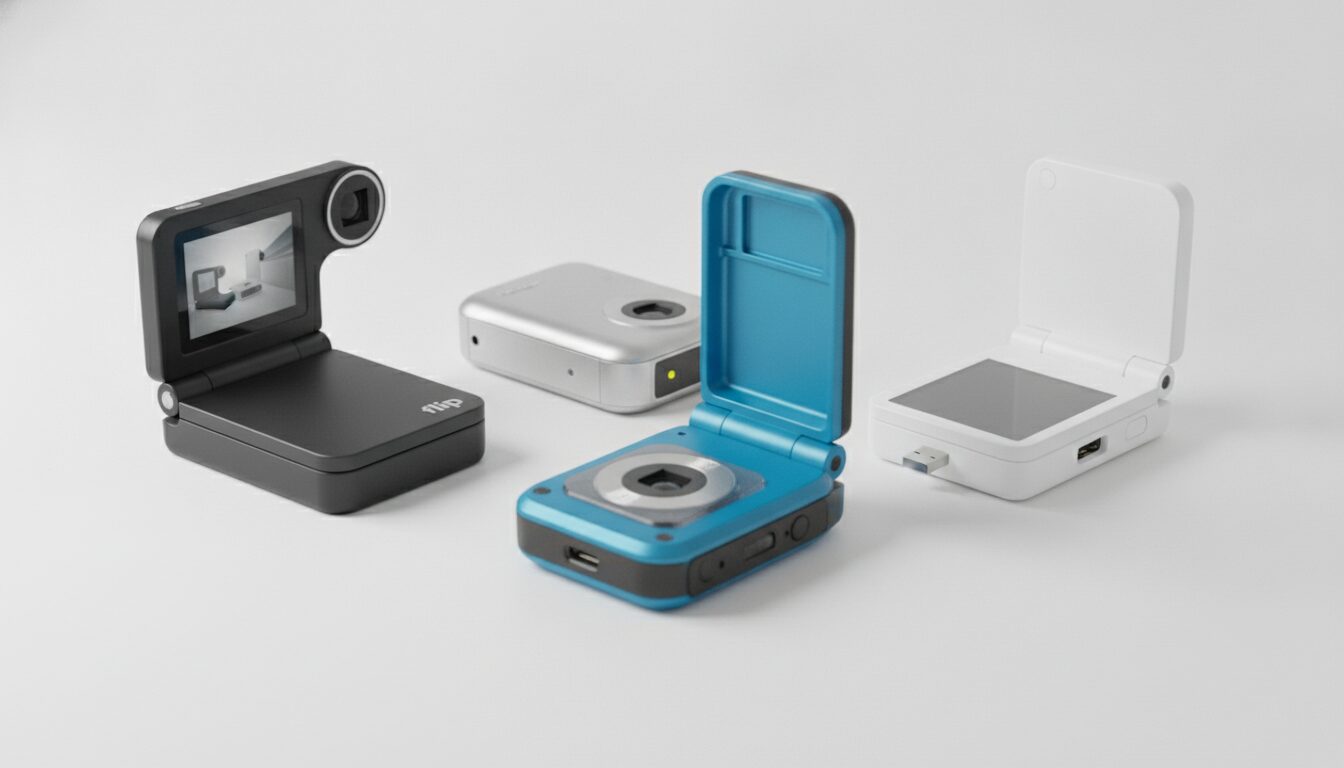
Compact, lightweight, and approachable, point-and-shoots are built for everyday snapshots and casual vlogging. Models like the Canon PowerShot V1 ($899) and Kodak PIXPRO C1 ($99.99) pack capable sensors and 4K video into pocketable bodies. They typically feature fully articulated or 180-degree flip-up screens, built-in flash, and fast autofocus that keeps up with real-life moments.
Mirrorless Flip Cameras
Mirrorless cameras rely on a digital display rather than an optical viewfinder, which makes a flip screen essential for composition. The Sony ZV-E1 (full-frame, 12MP) and Nikon Z fc (APS-C, 20MP) define this category, offering interchangeable lenses, 4K video, and professional-grade features in bodies that travel well. Mirrorless models dominate the vlogging market because they balance hybrid shooting capability with superior video autofocus.
DSLR Flip Cameras
DSLRs with articulating screens are less common now, but older models like the Canon EOS Rebel T3i and Nikon D5100 remain popular on the used market. These cameras deliver an optical viewfinder, robust build quality, and broad lens compatibility, often at prices well under $200. They are a solid choice for photography-first users who need a flip screen occasionally rather than constantly.
Key Features to Consider When Buying a Digital Flip Camera
Screen Articulation Type
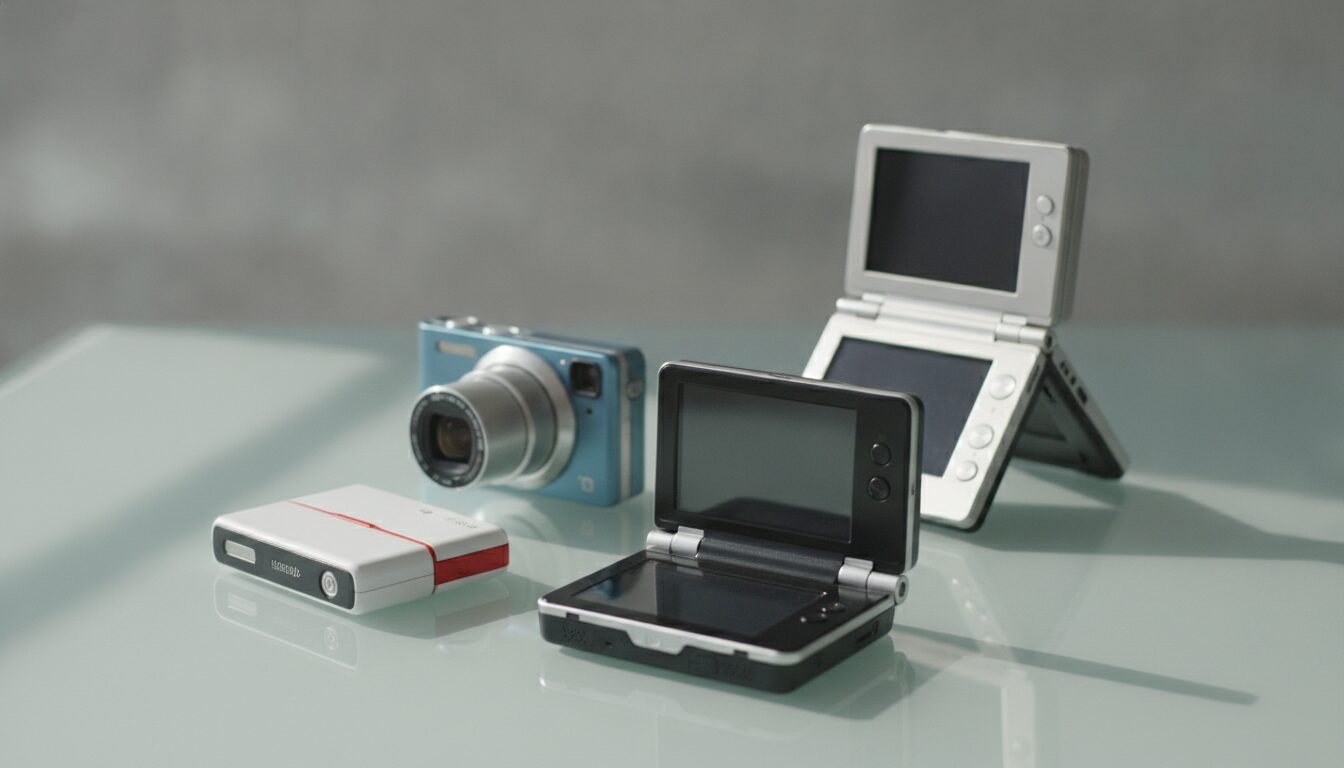
Fully articulated screens swing out and rotate up to 270 degrees, while tilt-only screens flip up or down to 180 degrees. Fully articulating screens work better for vlogging and selfies because they allow side-angle visibility. Tilt screens are sufficient for low-angle photography but limit your options. For example, the Sony ZV-1F ($598) uses a tilt screen, while the Panasonic LUMIX G100D ($699.95) offers a full vari-angle panel.
Sensor Size and Megapixels
A larger sensor, whether full-frame or APS-C, captures more light and detail, which matters most for low-light vlogging and shallow depth-of-field work. Megapixel counts range from 12MP on the Sony ZV-E1 to 20MP on the Nikon Z fc, and 20 to 24MP is the practical sweet spot for video and stills. Compact camera sensors in the 1/2.3-inch to 1-inch range are fine for daylight shooting but struggle in dim conditions.
Video Resolution and Frame Rates
4K video is the standard in 2026, with 8K emerging but still limited by overheating and battery drain. Look for cameras that record 4K at 30fps or higher with minimal crop factor. Both the Canon PowerShot V1 and Sony A6100 deliver oversampled 4K footage, which means sharper detail than native 4K capture.
Audio Quality and Microphone Options
Video is only half the equation. Built-in microphones on most flip cameras are adequate for quiet environments, but serious vloggers should look for a 3.5mm microphone input or a hot shoe mount for an external mic. The Panasonic LUMIX G100D includes a built-in OZO Audio system with directional sound capture, which is a rare feature at its $699.95 price point. For cameras without a mic jack, a compact Bluetooth microphone like the Rode Wireless GO II connects via the camera’s audio input or, on some models, directly through USB-C. Clean audio separates watchable vlogs from forgettable ones.
Top Digital Flip Cameras of 2026: A Comparison
| Model | Type | Key Specs | Flip Screen | Best For | Price |
|---|---|---|---|---|---|
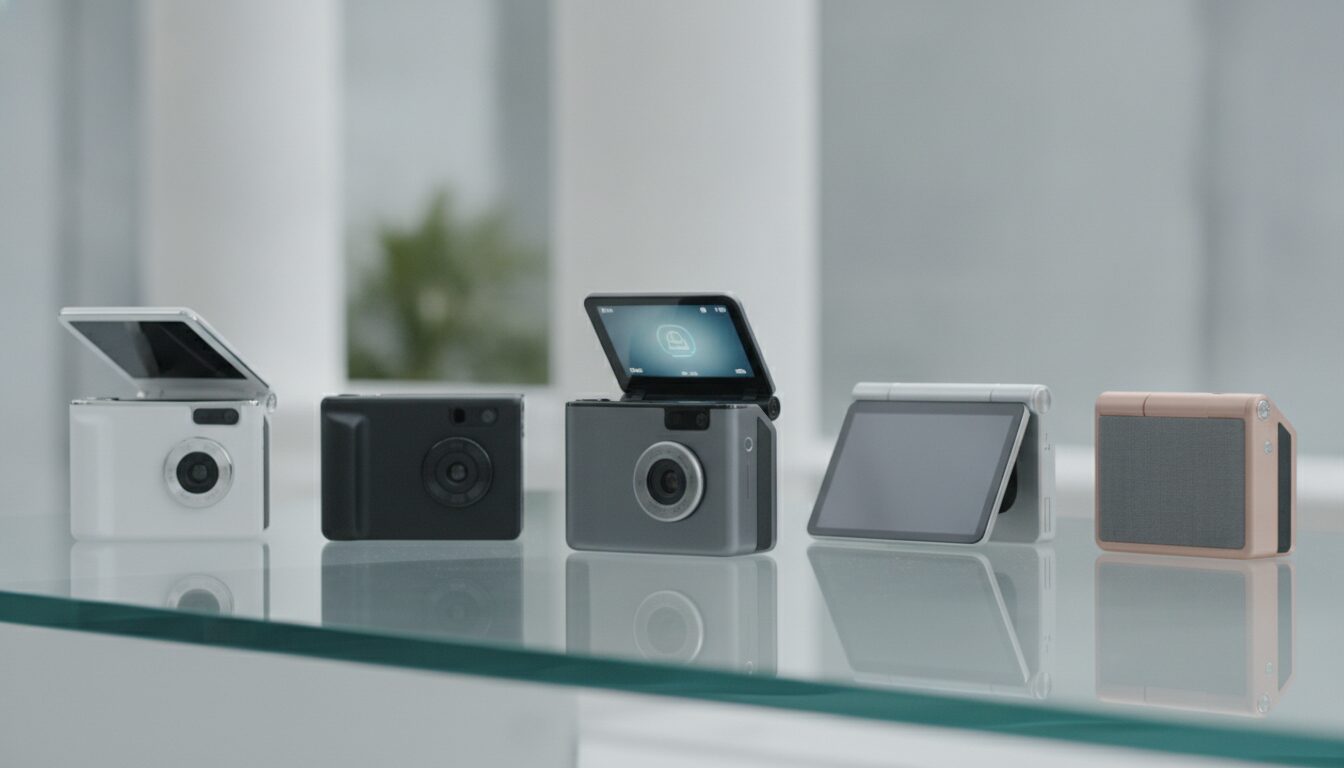
| Sony ZV-E1 | Mirrorless | 12MP Full-Frame, 4K/120p | Fully articulated | Professional vlogging, low light | ~$2,999 |
| Canon PowerShot V1 | Point-and-Shoot | 20MP 1″ Sensor, 4K/30p | Fully articulated | Vlogging, travel | $899 |
| Nikon Z fc | Mirrorless | 20MP APS-C, 4K/30p | Fully articulated | Photography, vlogging | $999.95 |
| Kodak PIXPRO C1 | Point-and-Shoot | 13MP 1/3.2″ Sensor, 1080p | Flip-up 180° | Budget selfies, starter camera | $99.99 |
Note: The Sony ZV-E1 price is based on current retail listings and may vary by retailer.
Pros and Cons of Digital Flip Cameras
Pros
- Self-framing made simple: You see exactly what the camera sees, eliminating blind recording and wasted takes.
- Versatile shooting angles: Overhead flat lays, low-angle nature shots, and forward-facing vlogs all become straightforward.
- Wide price range: Options exist from $63.99 entry-level models to $2,999 professional mirrorless systems.
- LCD protection: Flipping the screen inward when not shooting shields it from scratches during transport.
- AI autofocus: Modern flip cameras like the Sony ZV-E1 use deep-learning subject tracking that keeps you sharp even while moving.
Cons
- Hinge durability: Articulating screens have a mechanical weak point that fixed LCDs do not. Heavy daily use can wear the hinge over time.
- Added bulk: A flip mechanism adds thickness and weight compared to cameras with fixed rear screens.
- Budget models cut corners: Generic Amazon cameras under $100 often use small sensors that struggle in low light, despite high megapixel claims.
- Battery life trade-off: Live view shooting through a flip screen drains batteries faster than using an optical viewfinder.
Best Digital Flip Cameras for Vlogging
Top Pick: Sony ZV-E1
Widely considered the best digital flip for vlogging, the Sony ZV-E1 features a 12MP full-frame sensor built specifically for low-light performance. According to Rtings, which has tested over 110 cameras, it is “the most powerful vlogging camera on the market,” thanks to its advanced AI autofocus and 5-axis stabilization. The fully articulated screen, S-Log3 picture profiles, and compact body have made it a fixture on professional YouTube channels.
Runner-Up: Canon PowerShot V1
Canon’s PowerShot V1 bridges the gap between point-and-shoot simplicity and professional vlogging quality. Its 1-inch, 20MP sensor, 4K video, and Dual Pixel CMOS AF II deliver crisp, smooth footage that holds up in post-production. The flip screen rotates 180 degrees to the side, and the camera ships in a creator bundle with accessories. At $899, it’s a strong mid-range choice for creators upgrading from a smartphone.
Budget Vlogging Pick: Panasonic LUMIX G100D
The Panasonic LUMIX G100D ($699.95) is a lightweight mirrorless camera built with vloggers in mind. It records 4K video with directional audio capture via its built-in OZO Audio system, a feature that punches well above its price class. The fully articulated display, 21MP Micro Four Thirds sensor, and compact 12-32mm kit lens make it a versatile tool for on-the-go shooting.
Budget-Friendly Digital Flip Cameras Under $200
Kodak PIXPRO C1: The $100 Entry Point
For under $100 ($99.99 at Best Buy), the Kodak PIXPRO C1 offers a 13MP sensor, 1080p HD video, and a 180-degree flip-up screen. It’s a simple, rechargeable point-and-shoot that works well for kids, selfies, and casual video. The camera has earned a 4.3-star rating from over 1,000 customers on Amazon, which says something real about its reliability at this price.
Amazon’s Bestselling Budget Models
Search “flip screen cameras” on Amazon and you’ll find over 10,000 results, with many 4K-capable models priced between $63.99 and $129.99. These typically include Wi-Fi, 18x digital zoom, 32GB memory cards, and dual batteries. Build quality varies widely, but for a first camera or a gift, they represent a viable starting point before committing to a name-brand system.
Used DSLRs: Hidden Value Under $200
eBay lists over 1,400 new flip cameras and thousands more used ones. Older models like the Canon EOS Rebel T3i or Nikon D5100 regularly sell for $80 to $190, delivering APS-C sensors and vari-angle screens that were considered professional features when they launched. Pair either with a 50mm prime lens and you have a capable setup for both stills and video at a fraction of new-camera prices.
Canon and Nikon DSLR Flip Cameras: A Closer Look
Canon and Nikon built their reputations on DSLRs, and several of their older articulating-screen models remain genuinely useful in 2026. The Canon EOS Rebel T3i introduced a fully articulated screen to Canon’s entry-level lineup, making it one of the first DSLRs that felt natural for video work. The Nikon D5100 followed a similar path, offering a vari-angle LCD on an APS-C body with strong dynamic range for its era. Both cameras accept a wide range of EF and F-mount lenses respectively, which means used glass is plentiful and affordable. For photographers who already own Canon or Nikon glass, picking up one of these bodies for under $150 is one of the most cost-effective ways to add flip screen capability to an existing kit. The trade-off is that live-view autofocus on DSLRs is slower than mirrorless, so they are better suited to stills and planned video setups than run-and-gun vlogging.
“The articulating screen changed how photographers interact with their cameras. Suddenly, low angles and overhead shots became intuitive rather than awkward.” – Northwest Picture Maker, on the practical value of vari-angle LCDs in everyday shooting.
How to Use a Digital Flip Camera for Professional Product Photography
A this type of camera is a quiet weapon for eBay sellers, Etsy artisans, and small business owners. The flip screen removes the guesswork from overhead shots and tight angles, enabling precise framing and confident focus. Follow this four-step process to sharpen your product images immediately.
Step 1: Mount and Flip
Secure your camera on a tripod, extend the arm horizontally for flat-lay setups, or position it directly above your product. Flip the screen out and rotate it downward so you can see the composition while standing or sitting comfortably. No more crouching over the camera to check your frame.
Step 2: Set Your Exposure
Switch to Aperture Priority mode, use f/8 to f/11 for deep depth of field, set ISO to 100 to 400, and trigger the shutter with a self-timer or remote to eliminate camera shake. Enable the live-view histogram to catch blown highlights or crushed shadows before they become a problem in post.
Step 3: Compose and Focus
Use the flip screen to align your product, apply the rule of thirds, and clean up your background. Tap the screen to activate touch AF on the most important detail. For macro shots, switch to manual focus and magnify the preview to confirm sharpness before committing to a frame.
Step 4: Capture and Review
Take multiple shots, varying angles and lighting positions. Review each image immediately on the flip screen at full zoom to catch dust, glare, or misalignment. The articulating screen lets you evaluate images standing upright rather than hunching over a fixed LCD, which speeds up the entire shoot.
The Future of Digital Flip Cameras: AI and Connectivity
AI-Powered Autofocus and Tracking
As of 2026, AI processing has become a foundation of modern digital flip cameras. Sony’s Real-time Tracking AF in the ZV-E1 uses deep learning to lock onto eyes, faces, and animals, keeping vloggers sharp even while moving through a scene. Canon’s Dual Pixel CMOS AF II in the PowerShot V1 predicts subject movement for cinema-smooth focus pulls that would have required a dedicated focus puller just a few years ago.
Connectivity and Live Streaming
Wi-Fi, Bluetooth 5.0, and UVC/UAC support now turn cameras into high-quality webcams without additional hardware. The Nikon Z fc can stream directly to YouTube via a smartphone connection, while budget Amazon cameras offer built-in Wi-Fi for instant file transfer. As 5G infrastructure expands, real-time 4K streaming from any location is becoming a practical reality rather than a marketing promise.
Sustainable Design and Longer Product Life
Manufacturers are increasingly adopting eco-conscious materials and modular designs. Sony and Canon have pledged to reduce plastic packaging by 30% by 2027, and some point-and-shoots now feature replaceable lens covers and user-replaceable batteries that extend the usable life of the product. For creators who think about their gear as a long-term investment, that matters.
“Connectivity is no longer a bonus feature. Creators expect their cameras to function as part of a broader content ecosystem, from live streaming to instant cloud backup.” – Based on creative industry observations from the 2025 Cannes Lions content creator track discussions on hybrid production workflows.
Ready to build a content setup that actually reflects your brand? Contact Emin Media for a free brand consultation and let’s figure out the right tools and strategy for your creative goals.
Frequently Asked Questions
What is a digital flip camera?
A digital flip camera is a camera with an LCD screen that tilts or rotates to face forward, letting you see yourself while taking photos or recording video. This makes solo shooting, vlogging, and self-portraits significantly easier than using a fixed rear screen.
Are digital flip cameras good for vlogging?
Yes, they are purpose-built for vlogging because you can monitor your framing and confirm focus while recording yourself, without needing an external monitor. Models like the Sony ZV-E1 and Canon PowerShot V1 add AI autofocus and 4K video to make the experience even more reliable.
What is the difference between a fully articulated screen and a tilt-only screen?
A fully articulated screen flips out from the body and rotates up to 270 degrees, giving you side-angle visibility and protective inward storage. A tilt-only screen flips up or down to 180 degrees and is simpler mechanically, but less flexible for creative angles.
Can I use a digital flip camera for professional photography?
Absolutely. Many mirrorless and DSLR flip cameras offer high-resolution sensors, interchangeable lenses, and full manual controls that are suitable for professional work. The flip screen becomes especially valuable for overhead product photography and tight architectural angles.
What is the best budget digital flip camera?
The Kodak PIXPRO C1 at $99.99 is a reliable entry-level pick with a 13MP sensor and 1080p video. Generic 4K cameras on Amazon start at $63.99 and include Wi-Fi and accessories, making them a reasonable first step before investing in a name-brand system.
How do I choose the right digital flip camera?
Start with your primary use case: vlogging demands strong autofocus and 4K video, photography benefits from a larger sensor, and travel shooting rewards compact size. Set a clear budget, then compare screen articulation type, sensor size, and connectivity features before committing.
Enjoyed this article?
Contact Emin Media for a free brand consultation and let's create something amazing together.
Get in TouchRelated Articles
Best Digital SLR Camera Used: 2026 Buying Guide
Find the best digital slr camera used in 2026. Compare prices, top models, and trusted…
Best Digital Flash Camera Guide 2026
Find the best digital flash camera for 2026. Compare top models, prices, and features to…
Best Cheap Video Recording Camera 2026
Find the best cheap video recording camera in 2026. Compare Sony ZV-E10 II, Fujifilm X-M5,…