Best Digital Flash Camera Guide 2026
Key Takeaways
- A digital flash camera combines a built-in flash unit with compact portability, ideal for travel and everyday photography.
- Prices range from under $100 for basic point-and-shoots to over $1,500 for advanced compact models like the Sony RX100 VII.
- Gen Z is driving a resurgence of flash photography, valuing the distinct, film-like aesthetic for social media.
- Prioritize sensor size, optical zoom range, and 4K video when choosing your next digital flash camera.
- Built-in flashes offer convenience, but external speedlights provide more power and creative control for serious enthusiasts.
A digital flash camera is a compact camera with a built-in flash unit that illuminates scenes for sharp, well-lit images. Top models include the Sony RX100 VII, Canon PowerShot G7 X Mark III, and Kodak PIXPRO FZ55, with prices ranging from $99.99 to $1,498.
What Is a Digital Flash Camera?
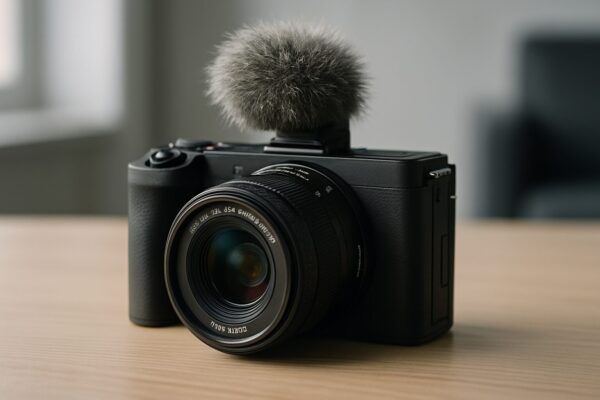
A flash camera is any digital still camera featuring an integrated flash mechanism that emits a burst of light at the moment of exposure. The flash is typically a small xenon tube or LED panel that pops up from the camera body or sits flush with the front. Its primary purpose: provide additional illumination in low-light situations, freeze action, or fill shadows on bright days. In modern point-and-shoot and compact travel cameras, this feature is standard, making them a genuine step up from smartphones that rely on weaker LED flashes.
How Built-in Flash Works
When you press the shutter, the camera sends a signal to the flash capacitor, which releases a high-voltage charge through the flash tube. This produces a brief, intense burst of light lasting roughly 1/1000th of a second. Most this type of cameras use through-the-lens (TTL) metering, where the camera evaluates ambient light and automatically adjusts flash output for a balanced exposure. Flash range typically covers 2 to 5 meters depending on ISO and aperture settings, making it sufficient for indoor portraits and group shots.
Key Advantages of a Built-in Flash
- Always available: No need to carry an external unit, so you never miss a spontaneous shot.
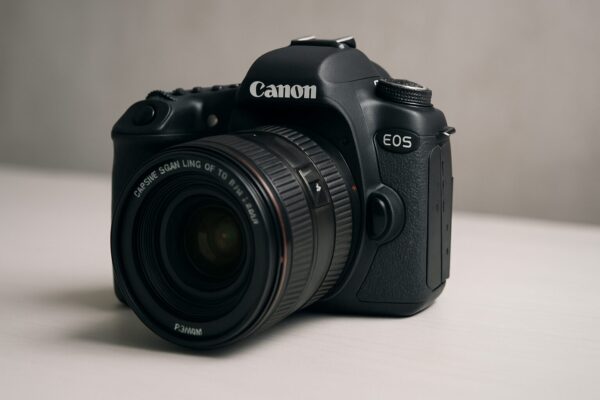
- Compactness: Keeps the camera pocketable, unlike DSLRs with bulky hot-shoe flashes.
- Ease of use: Automatic modes work well for beginners, while manual controls in models like the Sony RX100 VII offer creative flexibility.
- Fill-flash capability: Brightens shadowy faces under harsh sunlight, a common challenge for smartphones.
Why Choose a Digital Flash Camera Over a Smartphone?
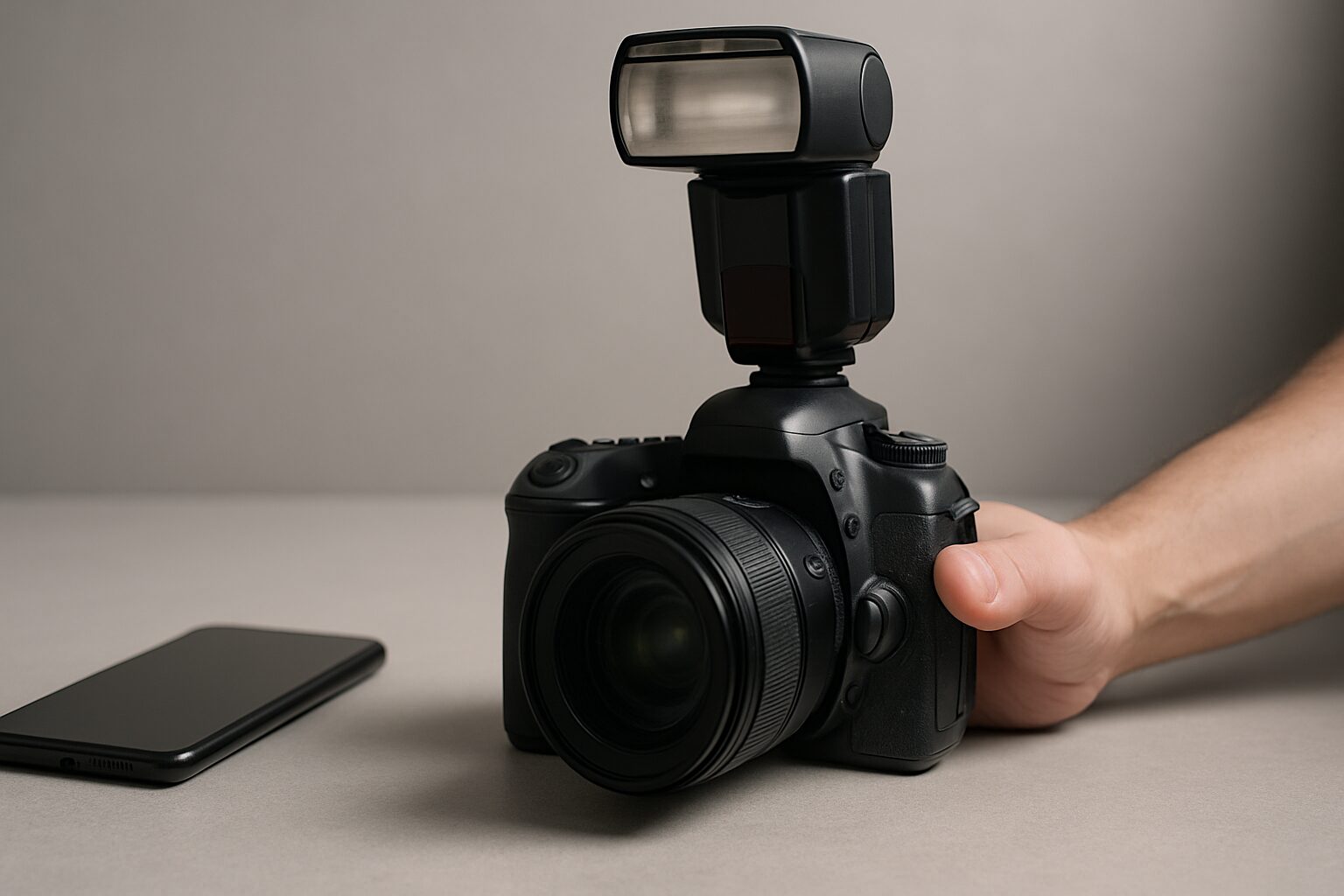
A dedicated this kind of camera still outperforms smartphones in several critical areas. The bigger sensor and optical zoom alone justify the investment for anyone serious about image quality. According to a Wirecutter analysis, even the best phone cameras cannot match the versatility of a compact with a 1-inch sensor and genuine optical zoom. A digital flash also offers a more powerful flash, often a pop-up xenon unit that outshines any phone’s LED by a factor of 3 or more.
Low-Light Performance
Phones rely on computational night modes that can produce smeared details and unnatural colors. A flash camera with a larger sensor, like the 1-inch type in the Sony RX100 VII, captures more light per pixel and reduces noise. Add the flash, and the camera freezes motion while revealing textures that a phone would smooth over. For indoor events, dinner parties, or nightlife, the difference is stark.
Creative Control
With a this type of camera, you can slow-sync the flash to blend ambient light with a sharp subject, dial in red-eye reduction, or adjust flash exposure compensation. Many models, such as the Panasonic Lumix ZS300, let you adjust flash output in 1/3-stop increments. No smartphone stock camera app gives you that granularity. The 15x optical zoom on the ZS300 also lets you frame distant subjects without digital degradation.
“Compact cameras with integrated flash remain the most underrated tool in a photographer’s kit. The combination of sensor quality and reliable flash output produces results that phone cameras simply cannot replicate in real-world conditions.” – Wirecutter, Best Point-and-Shoot Cameras 2026
Best Digital Flash Camera Models in 2026
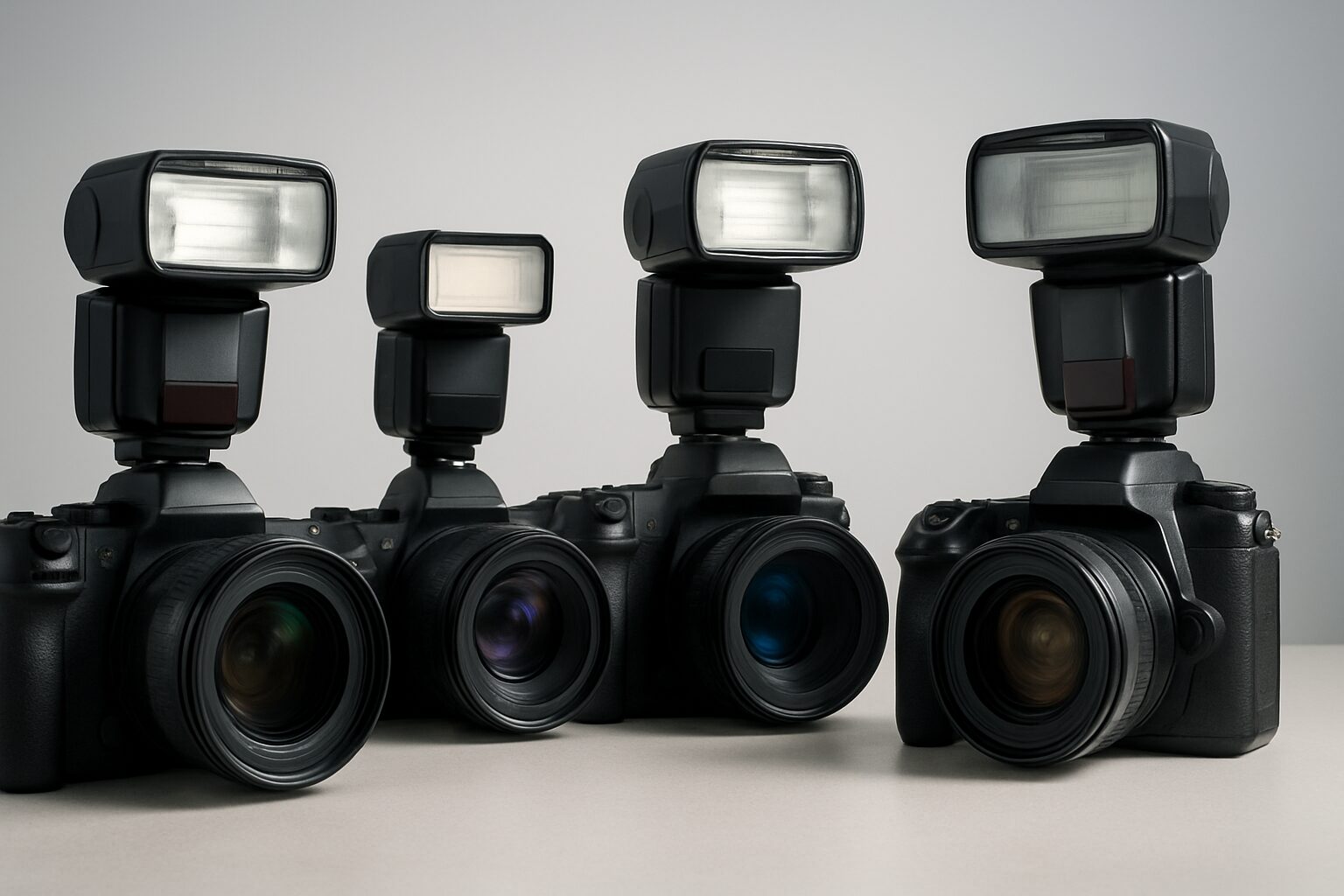
Our team reviewed current offerings at major retailers like Best Buy and Amazon, focusing on models with integrated flash that deliver excellent image quality. The following table compares four picks across price tiers.
Top Picks at a Glance
| Model | Price (2026) | Sensor / Megapixels | Optical Zoom | Video | Flash Type | Best For |
|---|---|---|---|---|---|---|
| Sony RX100 VII | $1,498 | 1-inch, 20.1MP | 8.3x (24–200mm) | 4K | Pop-up | Enthusiasts seeking top image quality |
| Panasonic Lumix ZS300 | $899.99 | 1/2.3-inch, 20.1MP | 15x (24–360mm) | 4K | Built-in | Travelers needing long zoom |
| Kodak PIXPRO FZ55 | $139.99 | 1/2.3-inch CMOS, 16MP | 5x (28–140mm) | 1080p | Built-in | Budget-conscious vloggers |
| Kodak PIXPRO FZ45 | $99.99 | 1/2.3-inch CCD, 16.4MP | 4x (27–108mm) | 1080p | Built-in | Absolute bargain hunters |
Prices were verified on June 26, 2026, and reflect ongoing deals including Prime Day discounts. The Sony RX100 VII frequently drops to $1,298 during promotional events.
Premium Compact: Sony RX100 VII
The RX100 VII is the benchmark this kind of camera for those who refuse to compromise. Its stacked 1-inch sensor and 24–200mm f/2.8–4.5 zoom lens deliver stunning detail in virtually any light. The pop-up flash is deceptively powerful, and Wirecutter rates its real-time AF tracking as the best in any compact. It shoots 4K video with full sensor readout, making it a favorite of YouTubers and travel photographers who need one camera that does everything.
Versatile Travel Zoom: Panasonic Lumix ZS300
At 15x optical zoom, the ZS300 covers everything from wide landscapes to tight wildlife shots. Its built-in flash and post-focus technology let you refocus after capture, a genuine advantage for macro enthusiasts. The camera records 4K video and fits in a jacket pocket, making it the ideal digital flash for vacations where every gram of gear weight matters.
Budget Favorites: Kodak PIXPRO FZ55 and FZ45
Kodak’s FZ55 uses a 16MP CMOS sensor and a 5x zoom, all for $139.99. It shoots 1080p video and has a dedicated flash button that makes the feature impossible to overlook. The FZ45 offers similar specs with a 4x zoom and a 16.4MP CCD sensor for just $99.99. Both are lightweight, easy to use, and consistently rank among Best Buy’s best-selling compact cameras, with over 10,000 units of the FZ55 sold in a single month on Amazon alone.
Pros and Cons of a Digital Flash Camera
Pros
- Superior low-light results: Larger sensors paired with a built-in flash produce cleaner, sharper images than smartphones in dim conditions.
- Optical zoom range: Models like the ZS300 offer 15x optical zoom, preserving detail that digital zoom destroys.
- Creative flash controls: Slow-sync, second-curtain sync, and manual flash power give you options no phone app matches.
- Wide price range: Solid options exist from $99.99 to $1,498, covering every budget.
- 4K video on mid-range models: Even the $899.99 Panasonic ZS300 shoots 4K, making these cameras viable content creation tools.
Cons
- Limited flash range: Built-in flash typically covers only 2 to 5 meters, falling short for large venues or stage photography.
- No hot shoe on most compacts: Budget and mid-range models rarely support external flash units, capping your creative options.
- Smaller sensors on budget models: The 1/2.3-inch chips in the Kodak FZ55 and FZ45 struggle in very low light compared to 1-inch alternatives.
- Connectivity gaps: Some older compact models lack Wi-Fi or Bluetooth for quick social sharing.
How to Choose the Right Digital Flash Camera
With dozens of models available, narrowing your choice comes down to understanding your priorities. Use this step-by-step process to find the flash camera that fits your lifestyle and budget.
Step-by-Step Buying Guide
- Step 1: Define your budget. Entry-level this type of cameras start under $100, while premium compacts exceed $1,500. Budget extra for a memory card and a protective case.
- Step 2: Assess sensor size. Larger sensors, specifically 1-inch and above, yield cleaner low-light images. If you print large or crop often, avoid the 1/2.3-inch chips found in budget models.
- Step 3: Zoom or prime? A 5 to 15x optical zoom is handy for travel. If you prefer a classic field of view and maximum aperture, consider a fixed-lens model like the Fujifilm X100VI, which also includes a built-in flash.
- Step 4: Check video specs. If you vlog, 4K and a flip screen are essential. The Canon PowerShot G7 X Mark III, priced around $749 body only, pairs 4K with a pop-up flash and a touch-tilting LCD.
- Step 5: Examine flash features. Look for slow-sync, second-curtain sync, and manual flash power adjustments. These tools let you get creative rather than just illuminate.
- Step 6: Read hands-on reviews. Spec sheets cannot tell you how quickly the flash recycles or how intuitive the menu really is. Search for recent user feedback before committing.
Memory Card Compatibility and Storage
Most compact this kind of cameras use SD or SDHC cards. Premium models like the Sony RX100 VII support faster UHS-II cards, which matter when you’re shooting burst sequences or 4K video. Budget Kodak models work fine with standard Class 10 SD cards available for under $15. Always check the camera’s maximum supported card size before buying storage, since some older compacts cap out at 32GB.
Where to Buy a Digital Flash Camera
Major retailers like Best Buy, Amazon, and B&H Photo offer competitive pricing and solid return policies. Check manufacturer-authorized dealers to ensure warranty coverage. During seasonal sales, you can save $30 to $100 on models like the Kodak FZ45, which drops from $129.99 to $99.99, and the Sony Alpha ZVE10, which has been discounted by $100 to $799.99.
The Gen Z Flash Photography Trend
Gen Z has genuinely embraced the digital flash as a retro-cool accessory that produces a specific look impossible to achieve with a phone. Scroll through TikTok or Instagram and you’ll find a surge of direct-flash portraits and beach sunset shots that mimic early 2000s film aesthetics. This isn’t accidental. The sudden demand has driven sales of discontinued digicams and new compact models alike, with reseller data indicating used digicam prices rose roughly 20 to 30% through 2025.
Why Gen Z Loves Flash
According to community posts on platforms like Facebook’s Beginners Photography Group, users want the bright flash look that creates crisp subjects against dramatic skies, perfect for tropical vacations and music festivals. A flash camera with a simple point-and-shoot form factor delivers that energy without the bulk of a DSLR. The flash also fills shadows evenly, a flattering effect that phone flash rarely replicates convincingly.
Capturing Beach Sunsets with Flash
To get the iconic sunset portrait, set your this type of camera to forced flash mode, meter for the background, and let the flash expose the subject. Models like the Kodak PIXPRO FZ55 handle this automatically in the Night Portrait scene mode. The result: a vibrant sky and a well-lit face, exactly the image earning thousands of likes across social platforms.
“The lo-fi flash aesthetic isn’t a bug, it’s the whole point. Young photographers are actively choosing cameras that produce imperfect, human-feeling images over the clinical perfection of computational phone photography.” – Campaign Magazine, Visual Trends Report 2025
The Used Digicam Market: Prices and Rarity
The nostalgia wave has real economic consequences. Reseller platforms like eBay and Mercari have seen prices for early 2000s compact cameras climb steadily, with popular models from Olympus, Canon, and Sony fetching 2 to 3 times their original retail price in good condition. A 17-year-old Olympus Pen E-P1, for example, now commands prices that rival entry-level new compacts. If you’re hunting the used market, condition of the flash mechanism is the first thing to check: flash capacitors degrade over time and can fail silently.
Built-in Flash vs. External Flash: Which Is Better?
Every this kind of camera ships with an onboard flash, but serious photographers often debate the merits of a tiny pop-up unit versus a full-size speedlight. The answer depends entirely on your shooting style.
Advantages of Built-in Flash
- Zero hassle: Nothing to attach, charge, or forget. The flash is always there.
- Intelligent automatic: TTL metering ensures correct exposure in auto modes.
- Portability: Keeps the camera lightweight and pocketable.
- Cost: No extra purchase required.
When an External Flash Shines
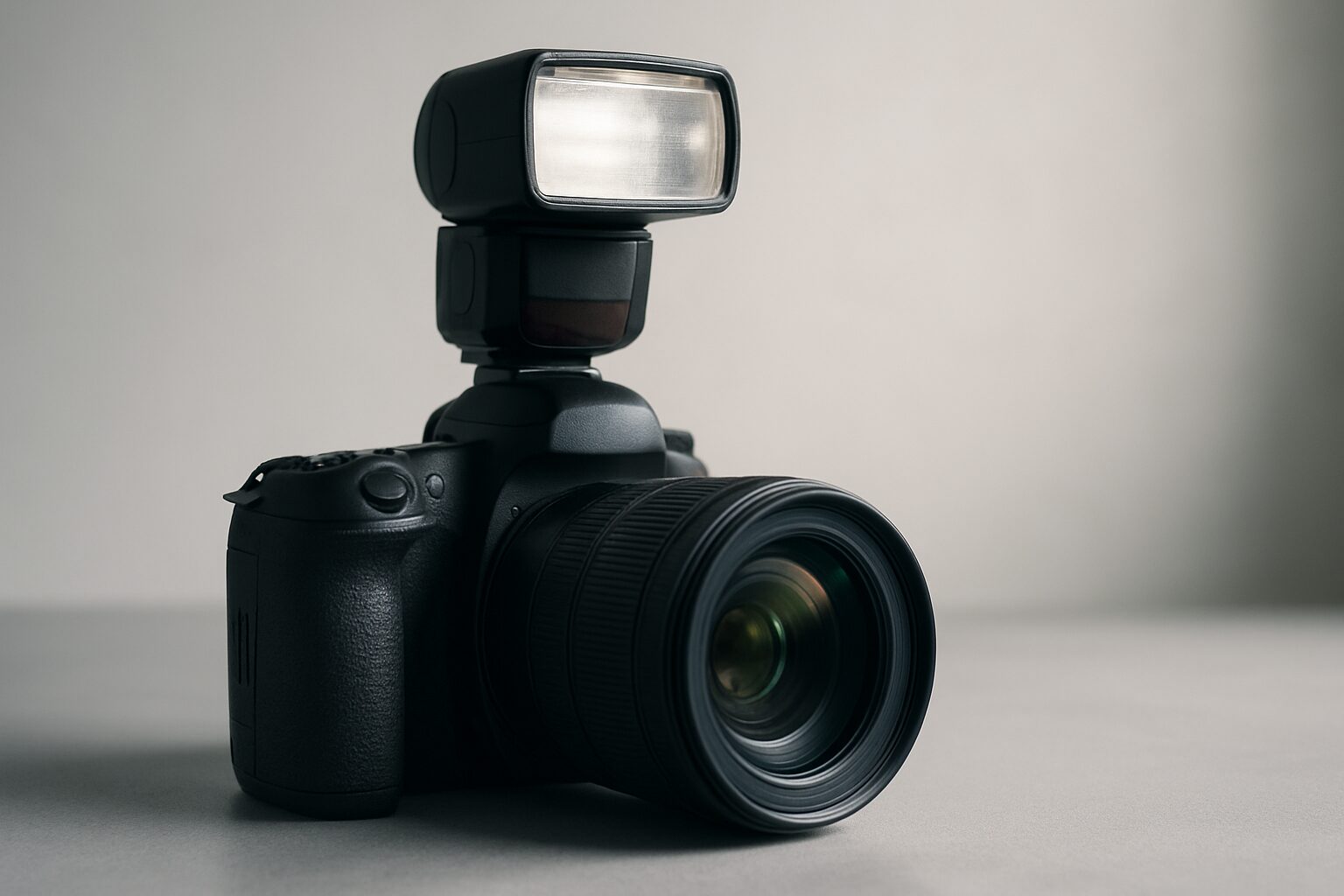
External flashes like the Godox V1 series, priced at around $159, offer a guide number of 28 to 36 meters, far exceeding a built-in unit’s typical 8 to 12 meters. They also allow bouncing light off ceilings and walls for soft, shadowless illumination. No pop-up flash can do that. If you plan to shoot events or portraits regularly, pairing your digital flash with a compatible external flash opens up creative possibilities that the built-in unit simply cannot reach.
Care and Maintenance for Your Digital Flash Camera
A well-maintained flash camera can last for years. Dust, moisture, and battery neglect are the main enemies. Follow these tips to keep your camera performing at its best.
Cleaning and Storage
Use a rocket blower to remove dust from the flash pop-up hinge and lens barrel. Never use compressed air, which can drive particles deeper inside the mechanism. Store the camera in a cool, dry place with a silica gel pack. If you shoot at the beach, wipe the body with a lightly damp microfiber cloth to remove salt spray before it corrodes the contacts.
Firmware Updates and Battery Care
Manufacturers regularly release firmware that improves flash exposure algorithms and overall performance. Always charge the battery with the original charger, and avoid leaving a fully depleted battery inside the camera for extended periods. Check the manufacturer’s support page every few months for updates specific to your model.
Frequently Asked Questions
What is a flash digital camera?
A this type of camera is a compact digital camera that includes a built-in flash unit. The flash automatically or manually fires to brighten a scene, making it easier to photograph in low light or to fill shadows. Most point-and-shoot and travel zoom models fall into this category, with prices starting at $99.99.
Do all digital flash cameras shoot video?
Nearly every modern digital flash camera records video. Budget models like the Kodak FZ45 shoot 1080p at 30fps, while higher-end options such as the Sony RX100 VII capture 4K video. Always check the specification sheet for frame rates and recording limits before buying.
Which digital flash camera is best under $200?
The Kodak PIXPRO FZ55 at $139.99 and the Kodak PIXPRO FZ45 at $99.99 are the top sellers under $200. Both offer 4x to 5x optical zoom, 1080p video, and a user-friendly flash. The FZ55’s CMOS sensor generally yields better low-light performance than the FZ45’s CCD sensor.
Can I use an external flash with a digital flash camera?
Only if the camera has a hot shoe. Most compact digital flash cameras lack one, but premium models like the Sony RX100 VII and Canon PowerShot G7 X Mark III can trigger external flashes via a hot shoe or wirelessly using optical sync. Check your camera’s compatibility before purchasing a speedlight.
Why are Gen Z buying old digital flash cameras?
The trend emerged from a desire for the lo-fi, flash-heavy aesthetic of early 2000s compact cameras. A digital flash camera from that era produces JPEGs that mimic film without the cost of development. This nostalgia-driven demand has pushed prices of used digicams up roughly 20 to 30% through 2025, according to reseller platform data.
What is the difference between a flash and a speedlight?
A built-in flash is a fixed unit integrated into the camera body, with a guide number typically covering 8 to 12 meters. A speedlight is a separate, mountable flash unit with a much higher guide number of 28 to 60 meters, plus the ability to tilt and swivel for bounced lighting. Speedlights offer far more creative control but require a hot shoe and an additional investment starting around $159.
Enjoyed this article?
Contact Emin Media for a free brand consultation and let's create something amazing together.
Get in Touch