Social Media Video Guide: Create Content That Converts in
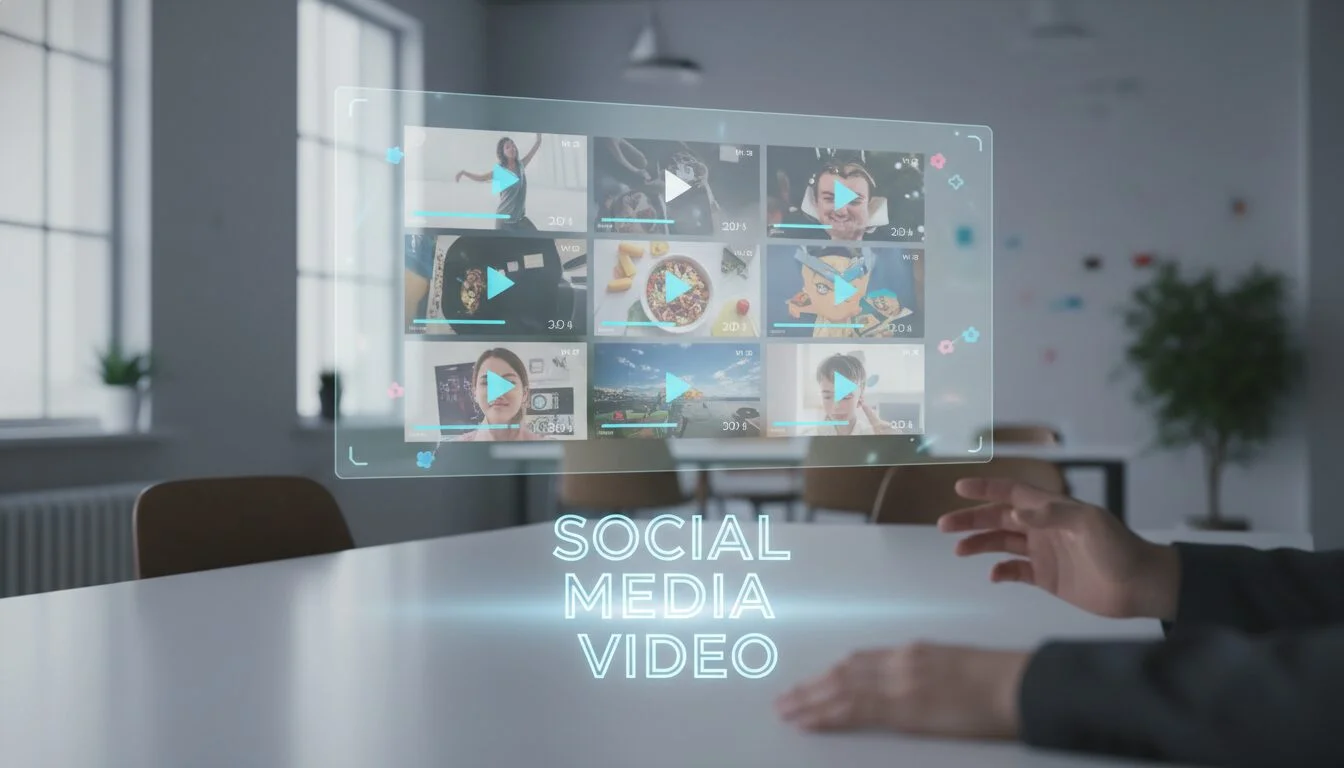
Social Media Video is visual content with motion and sound designed for platforms like Instagram, TikTok, Facebook, and LinkedIn to drive engagement and conversions.
Key Takeaways
- Video content outperforms static images and text: Users watch an average of 6 hours and 48 minutes of online video weekly, making video a non-negotiable marketing channel.
- Attention spans are short: Brands have just 2 seconds to grab viewer attention before users scroll away.
- Platform-optimized formats yield higher engagement: Different social platforms have unique preferred video lengths and styles, from TikTok’s snappy clips to Facebook’s longer-form content.
- AI and templates simplify creation: Tools like Canva offer 1M+ templates and AI editing, so no professional experience is required.
- Consistency and strategy trump production value: Authentic, story-driven content often outperforms high-budget videos.
What Is a Social Media Video?
Media Video? – Social Media Video | Emin Media” class=”wp-image-9717″ loading=”lazy” width=”1792″ height=”1024″ />A media video is a piece of video content produced specifically for distribution across social networking platforms. Unlike traditional broadcast commercials, these videos are designed to be consumed in-feed, often on mobile devices, and leverage the interactive and shareable nature of social media. They can range from ultra-short-form clips lasting a few seconds to longer live streams, but all share the goal of stopping the scroll and eliciting a response.
The Core Purpose of Social Media Video
At its heart, a these video exists to create a connection. Whether it’s educating a viewer, sparking emotion, or prompting a purchase, the format thrives on immediacy. The effectiveness of these videos is measured not just in views, but in actions – shares, comments, and click-throughs. In a noisy digital landscape, these videos cut through by combining visual storytelling with precise targeting.
How Social Video Differs from Traditional Video
Traditional video marketing often assumes a captive audience watching on a large screen. A such video must work much harder. It’s consumed during micro-moments, often without sound, on a screen that’s just a few inches wide. This demands fast pacing, bold visuals, and immediately clear value. Captions have become essential, and the first frame must act as a visual hook. The interactive layer – likes, comments, and shares – transforms the viewer from a passive consumer into a participant.
Why Social Media Video Drives Real Business Results
 Business Results – Social Media Video | Emin Media” class=”wp-image-9718″ loading=”lazy” width=”1792″ height=”1024″ />
The dominance of video on social platforms isn’t just a trend; it’s rooted in how users behave and what algorithms reward. According to the U.S. Chamber of Commerce, tweets and Facebook posts that include video regularly outperform those with static content. The reason is simple: video holds attention longer, communicates complex information faster, and generates stronger emotional responses – all of which translate into measurable business outcomes.
Boosting Engagement and Reach
Every major platform’s algorithm prioritizes video content, especially native uploads. This means a well-crafted social media will surface in feeds far more often than a photo or text update. Engagement metrics skyrocket because video invites interaction; users comment on a storyline, share a tutorial, or tag a colleague in a product demo. This virtuous cycle of visibility and sharing amplifies organic reach far beyond what a static post can achieve.
Building Trust and Authenticity
Video humanizes a brand in ways that images cannot. Seeing a founder speak, watching a product in real use, or viewing a behind-the-scenes clip builds credibility. Research shows that consumers are far more likely to buy from a brand they feel connected to after watching its videos. In an era of skepticism, the transparency of video content becomes a competitive advantage, turning casual followers into loyal advocates.
“Your hook sets the tone, so give viewers a reason to stay.” , Adobe Express
Matching Video Format to Platform

No single video style works universally across social channels. Each platform has its own culture, user expectations, and technical specifications. Creating a one-size-fits-all video is a common mistake that leads to poor performance. Instead, marketers should tailor their media video content to fit the platform where it will live, respecting its native aspect ratios, ideal lengths, and audience behaviors.
| Video Type | Typical Length | Best Platforms | Primary Goal |
|---|---|---|---|
| Short-form video | 15–60 seconds | TikTok, Instagram Reels, YouTube Shorts | Quick engagement, virality |
| Long-form video | 2–15 minutes (or more) | YouTube, Facebook, LinkedIn | In-depth storytelling, education |
| Live video | Real-time, 10+ minutes | Facebook Live, Instagram Live, LinkedIn Live | Authenticity, real-time interaction |
| Stories | 15 seconds per clip | Instagram Stories, Facebook Stories | Ephemeral, behind-the-scenes |
Short-Form Video: TikTok, Reels, Shorts
Short-form vertical video is the defining format of this decade. Platforms like TikTok and Instagram Reels reward content that grabs attention instantly and delivers value rapidly. The key is a strong hook in the first two seconds, followed by fast cuts, trending audio, and text overlays. These these video clips are perfect for tutorials, quick tips, and brand humor, and they often serve as top-of-funnel awareness drivers.
“Beat the two-second attention span window through a Facebook video ad featuring captivating visuals.” , Canva
Long-Form and Live Video: YouTube, Facebook, LinkedIn
While short clips dominate, long-form content retains a loyal audience for education and storytelling. YouTube remains the king of longer videos, with Facebook and LinkedIn supporting videos from two to fifteen minutes according to research from Influencer Marketing Hub. Live video adds real-time connection: viewers spend more time and comment more frequently, making it ideal for Q&As, product launches, and company town halls. These formats deepen trust and communicate substance.
How to Create a High-Performing Social Media Video

Creating a standout such video requires more than just hitting record. A proven process ensures your content is both creative and effective. Follow these five steps to consistently produce videos that earn attention and action.
Step 1: Define Your Goal and Audience
Start by deciding what you want the video to achieve, awareness, leads, sales, or community growth, and who you’re speaking to. A video for enterprise decision-makers on LinkedIn will look nothing like one for Gen Z consumers on TikTok. Write down one clear objective and map it to a specific audience segment before moving forward.
Step 2: Plan Your Story and Script
Outline a simple three-act structure: hook, value, and call to action (CTA). Even for a 30-second clip, a bullet-point script or storyboard prevents rambling. State the problem immediately, present your solution, and end with a clear next step. The best social media scripts sound natural, not robotic.
Step 3: Film with Quality in Mind
You don’t need a studio, but good lighting and clear audio are non-negotiable. Use a window as your key light, and invest in a simple lapel microphone. Hold your phone steady or use a tripod. Shoot in horizontal for YouTube and vertical for Stories or Reels, and always leave safe margins for text overlays.
Step 4: Edit for Pace and Platform
Trim dead air, add captions, and overlay text or graphics to reinforce key points. Tools like Canva and Adobe Express let you edit with drag-and-drop simplicity and even apply AI enhancements. Export in the native resolution: typically 1080×1920 for vertical and 1920×1080 for horizontal.
Step 5: Publish and Promote Strategically
Upload directly to each platform, don’t just share a YouTube link. Use platform-specific features like stickers, polls, or product tags. Post when your audience is most active, and respond to comments quickly to boost engagement signals. Finally, repurpose the video: cut longer footage into short clips, turn key quotes into text posts, or compile them into a playlist.
Top Tools to Produce Professional Social Media Videos
The barrier to creating high-quality media video content has never been lower. Modern tools offer AI assistance, built-in asset libraries, and collaboration features that speed up production. Below are categories of tools every marketer should know.
AI-Powered Video Makers
Canva’s these video creator provides over one million professionally designed templates and a drag-and-drop editor. Its Magic Studio™ includes a Beat Sync feature that automatically aligns footage to soundtracks and a Magic Video tool that turns text prompts into video clips. Similarly, Adobe Express gives access to Adobe’s powerful editing engine with simpler interfaces and platform-specific templates. Both let you schedule posts directly from the editor, collapsing the gap between creation and publishing.
Stock Footage and Asset Libraries
Not every video needs original footage. Sites like Pexels and Pixabay offer thousands of royalty-free such video clips, 4K footage, and animations. These are perfect for b-roll, background plates, or when you need a quick visual metaphor. Shutterstock provides premium, licensable clips for more polished campaigns. Always check licensing terms for commercial use.
The Psychology Behind Why Social Media Videos Captivate Audiences
Understanding the mental triggers that make a social media irresistible gives you a strategic edge. It’s not just about pretty pictures; it’s about tapping into hardwired human responses.
The Role of Storytelling and Emotion
Humans are wired for narrative. A video that follows a classic story arc, character, conflict, resolution, releases dopamine and oxytocin, creating a deeper connection. When a brand tells a relatable story, it moves from being a faceless company to a protagonist the viewer roots for. Emotion also drives sharing; people forward content that moved them, whether to laughter, tears, or inspiration.
Leveraging Social Proof and FOMO
When a video shows other people using a product, enjoying an event, or benefiting from a service, it activates the bandwagon effect. Testimonials, unboxings, and live event coverage are potent forms of social proof. The fear of missing out (FOMO) is equally powerful: limited-time offers, countdowns, and exclusive behind-the-scenes footage create urgency that drives immediate action. These psychological levers turn passive viewers into active customers.
Measuring and Optimizing Your Social Media Video Strategy
Producing great video is only half the battle; knowing what works and why is how you improve. Every platform offers analytics, and consistent tracking reveals patterns that guide future content.
Key Metrics to Track
Start with engagement rate (likes, comments, shares divided by impressions) to gauge resonance. Watch time and average view duration tell you where viewers drop off. For conversion-focused videos, track click-through rate and conversion events using UTM parameters or platform pixels. Tools like Google Analytics 4 can trace a sale back to a specific media video view. Benchmark these metrics against your own past performance, not just industry averages.
A/B Testing and Iteration
Try different hooks, video lengths, or CTA placements. Even small changes, a new thumbnail, a faster intro, can lift performance significantly. Use platform-native split testing (where available) or manually rotate similar videos over two weeks, comparing results. Document what works in a playbook so your whole team benefits from each insight.
Pros and Cons
Pros
- Higher engagement rates: Video content consistently outperforms static posts across all major platforms
- Better storytelling capability: Motion and sound allow for richer, more emotional narratives
- Algorithm preference: Social platforms prioritize video content in their feeds and recommendations
- Versatile format: Can be repurposed across multiple platforms and marketing channels
- Builds trust and authenticity: Shows real people and behind-the-scenes moments that humanize brands
Cons
- Higher production demands: Requires more time, planning, and technical skills than static content
- Platform-specific optimization: Each social channel needs different formats and approaches
- Shorter attention spans: Must hook viewers within 2 seconds or lose them completely
- Resource intensive: Quality video production can require significant time and budget investment
- Technical learning curve: Editing, compression, and platform specifications can be complex
Future Trends Shaping Social Media Video in 2026
The Social Media Video landscape continues to evolve rapidly. Staying ahead means watching three major shifts already underway.
AI-Generated and Interactive Video
Generative AI can now produce video clips from text prompts, enabling one-click creation of B-roll or even personalized video messages at scale. Interactive elements, such as in-video branching, polls, and shoppable tags, are converting passive videos into two-way experiences. These technologies reduce production time and open new creative possibilities for even small teams.
The Rise of Shoppable and AR-Enhanced Content
Social platforms are blurring the line between content and commerce. Viewers can now purchase products directly within a Social Media Video without leaving the app. Augmented reality try-ons and filters let users visualize products in their own space before buying. This frictionless path from discovery to purchase is set to redefine social commerce, making video the ultimate storefront.
Conclusion: Harness the Power of Social Media Video
Video is the single most effective format for social media marketing today. From the instant hook of a TikTok clip to the deep engagement of a YouTube documentary, a strategic Social Media Video plan builds brand affinity, trust, and revenue. The tools to create, distribute, and measure video have never been more accessible. Start by defining your audience, matching format to platform, and telling stories that resonate, then refine based on data. The brands that win in 2026 will be those that master the art and science of social video.
Contact Emin Media for a free brand consultation and discover how our creative team can transform your social media presence through compelling video content.
Frequently Asked Questions
What is a social media video?
A social media video is moving image content designed specifically for sharing on social networking platforms. It can be short-form clips, live streams, stories, or longer branded content aimed at engaging an online audience.
How long should a social media video be?
Ideal length varies by platform: 15–60 seconds for TikTok and Instagram Reels, 2–15 minutes for Facebook and YouTube according to Influencer Marketing Hub. The critical factor is hooking viewers within the first 2 seconds.
Do I need professional equipment to create good social media videos?
No. Modern smartphones and AI-powered tools like Canva or Adobe Express provide templates, editing features, and stock assets that let anyone produce high-quality videos without professional gear or experience.
Which social media platform is best for video?
It depends on your goals and audience. TikTok and Instagram excel for B2C and younger demographics; LinkedIn and YouTube work well for B2B and educational content; Facebook is a generalist with broad reach across ages.
How can I measure the success of my social media videos?
Track engagement metrics (likes, shares, comments), view duration, click-through rates, and conversions using platform analytics. UTM parameters help link video views to website actions in tools like Google Analytics.
What are the upcoming trends in social media video for 2026?
AI-generated video content, interactive and shoppable videos, and augmented reality integration are major trends. Short-form vertical video will continue to dominate, but immersive formats are on the rise.
Enjoyed this article?
Contact Emin Media for a free brand consultation and let's create something amazing together.
Get in TouchRelated Articles
Digital Storytelling for Business: 2026 Playbook
Digital storytelling for business explained: frameworks, tools, mistakes to avoid, and a 2026 playbook to…

Startup Marketing: A Practical Growth Guide (2026)
Startup marketing is your roadmap to customers and revenue. Learn proven strategies, budgeting tips, and…

Facebook Digital Creator: The 2026 Complete Guide
Become a facebook digital creator in minutes. Explore monetization tools, pro tips, and step-by-step setup…