Best High Resolution Digital SLR Cameras: 2026 Buying Guide
Key Takeaways
- A high resolution digital slr camera typically features a sensor of 30 megapixels or more, delivering exceptional detail for large prints and flexible cropping.
- The Nikon D850 (45.7 MP) remains the benchmark for all-around performance, excelling in both stills and 4K video capture.
- Canon’s 5DS series (51 MP) and Pentax K-1 II (36.4 MP with pixel shift) offer specialized high-resolution capabilities for studio and landscape work.
- The used market now offers flagship high resolution digital slr camera models at prices 30–50% lower than original retail, providing exceptional value.
- Choosing the right model depends on your specific needs: resolution, speed, lens ecosystem, and budget—not just megapixels alone.
What Is a High Resolution Digital SLR Camera?
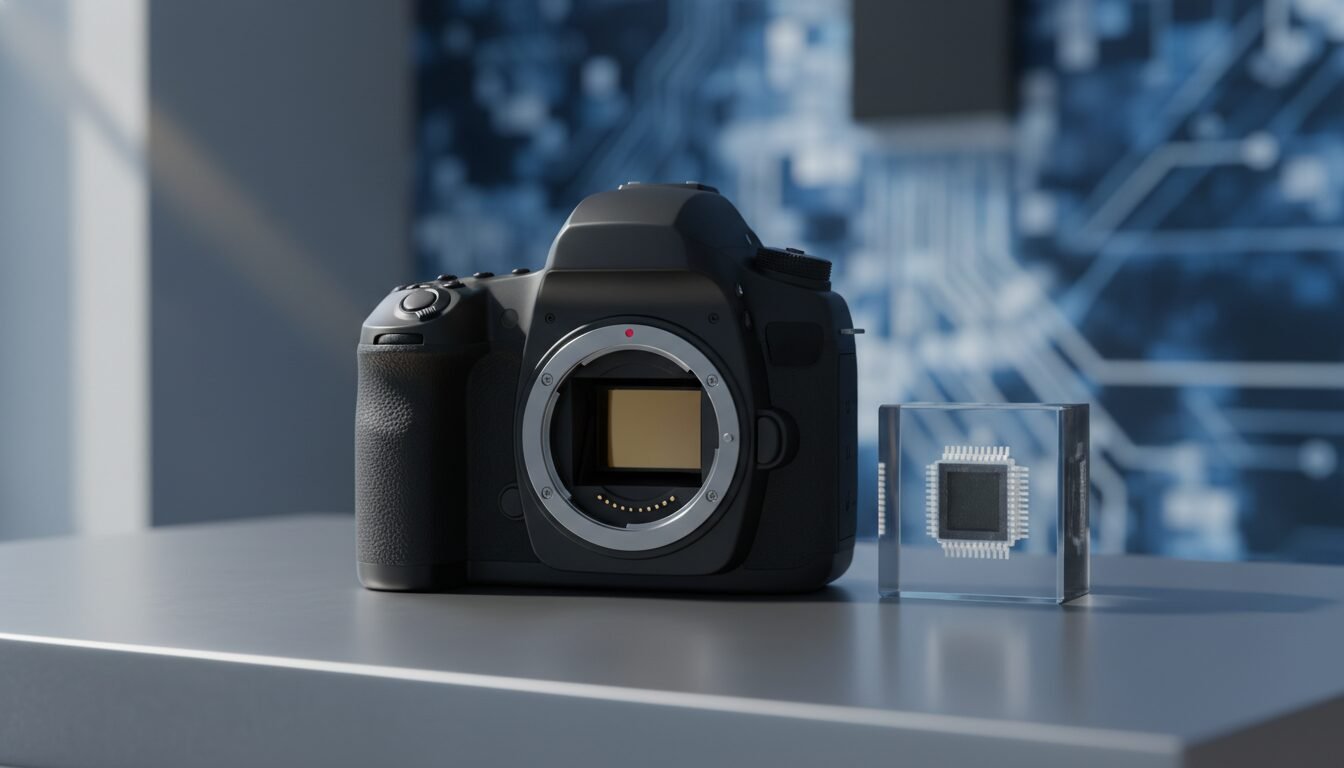
Media” class=”wp-image-9752″ loading=”lazy” width=”1792″ height=”1024″ />A high resolution digital slr camera is a DSLR equipped with a sensor capable of capturing 30 megapixels or more, producing finely detailed images suitable for large-format printing and aggressive cropping. These cameras prioritize pixel density and sensor quality to reproduce textures, fine patterns, and subtle tonal gradations that lower-resolution models cannot resolve.
The Megapixel Threshold for High Resolution
While entry-level DSLRs often feature sensors around 20–24 megapixels, the threshold for “high resolution” in the DSLR category starts at approximately 30 megapixels. Models like the Canon EOS 5D Mark IV (30.4 MP) sit at this boundary, while flagship bodies such as the Nikon D850 (45.7 MP) and Canon 5DS (51 MP) push far beyond. This increase in pixel count directly translates to greater potential print dimensions and enhanced flexibility in post-processing.
How DSLR Sensors Capture Fine Detail
Unlike mirrorless cameras, which often prioritize speed and video features, slr camera models rely on larger pixel counts and advanced low-pass filter designs (or filterless configurations) to maximize sharpness. The optical viewfinder in a DSLR also eliminates any lag when composing intricate scenes, a subtle advantage for precise framing in macro or architectural photography. Combined with robust body construction and extensive native lens libraries, these systems remain a top choice for image quality purists.
Key Benefits of High Resolution DSLR Sensors
Upgrading to a these camera unlocks tangible creative and commercial advantages, from gallery-quality prints to worry-free image cropping. The following three benefits explain why many professionals still prefer these tools over mainstream mirrorless alternatives.
Superior Print Quality for Large Formats
A 45.7-megapixel sensor like that in the Nikon D850 can capture images at a native resolution of 8256 x 5504 pixels. This allows for prints over 27 inches wide at 300 pixels per inch (PPI) without any upscaling—ideal for exhibitions, commercial assignments, and fine art reproduction. For even larger output, a 51-megapixel sensor can push print widths past 30 inches at the same density, delivering 30% more linear resolution than a 24-megapixel camera.
Flexible Cropping and Post-Processing
High pixel counts give photographers the freedom to crop aggressively while retaining enough detail for 4K displays or editorial spreads. For wildlife and sports shooters, this means you can frame loosely and crop tight in post, effectively getting extra reach from your lenses. This digital zoom capability is especially valuable when using prime telephoto lenses that cannot zoom optically.
Long-Term Archival and Commercial Value
Images captured with such slr camera sensors maintain their value over time as display technology advances. A single frame can be sold for multiple purposes—full-resolution stock photography, heavily cropped portraits, and even future 8K video stills. Agencies like Getty Images and Shutterstock increasingly prefer files over 50 MB, a benchmark easily met by these DSLRs.
Top High Resolution Digital SLR Cameras in 2026
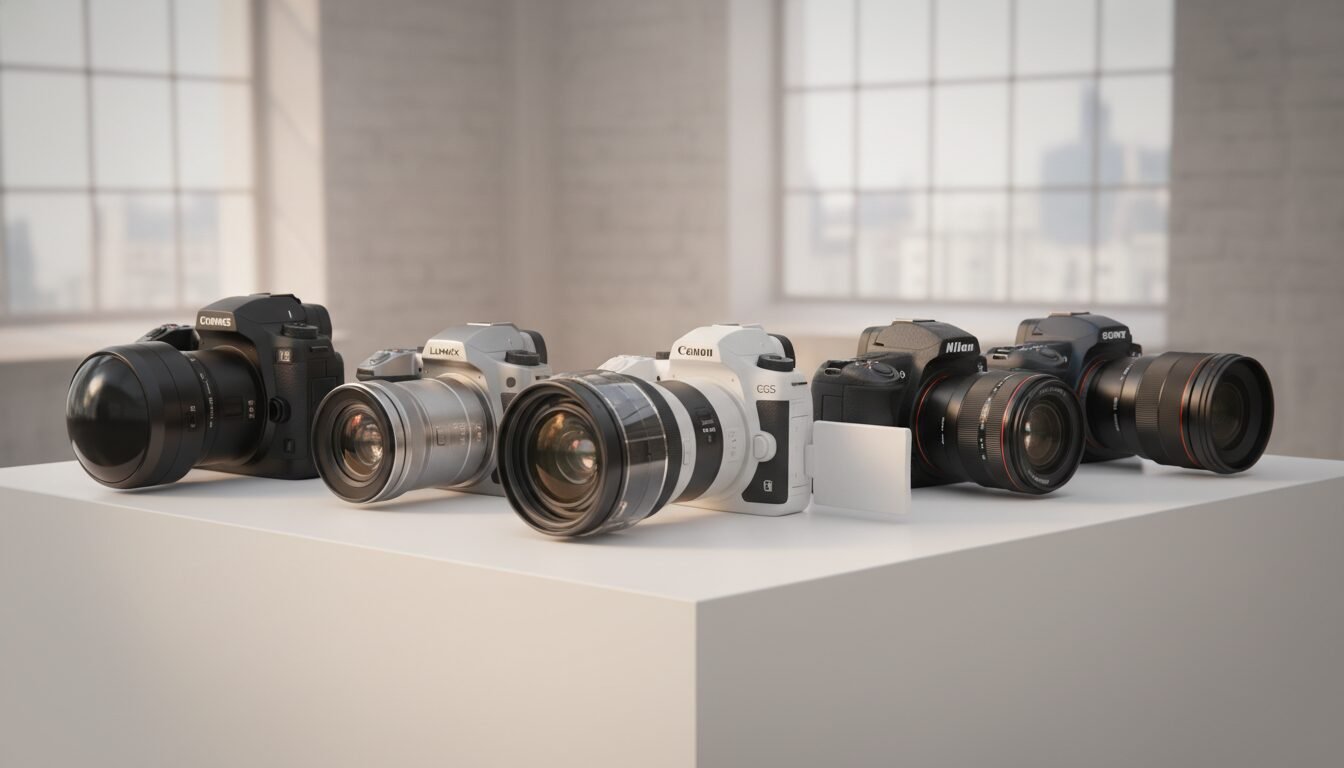
Despite the industry-wide shift to mirrorless, several DSLR models continue to define the high-resolution category. The table below compares key specifications of today’s leading options, all of which are readily available on the new or used market.
| Model | Resolution | AF Points | Continuous Shooting | Video | New Price (USD) | Typical Used Price (USD) |
|---|---|---|---|---|---|---|
| Nikon D850 | 45.7 MP | 153 (99 cross-type) | 7 fps (9 fps with grip) | 4K/30p full-frame | $2,500 | $1,600 |
| Canon EOS 5DS R | 51 MP | 61 (41 cross-type) | 5 fps | 1080/30p | Discontinued (used only) | $900–$1,200 |
| Pentax K-1 Mark II | 36.4 MP | 33 (25 cross-type) | 4.4 fps | 1080/60i | $1,799 | $1,100 |
| Pentax 645Z | 51.4 MP | 27 (25 cross-type) | 3 fps | 1080/60i | $5,499 | $2,800 |
How These Models Stack Up
The Nikon D850 balances resolution with speed and video prowess, making it the most versatile the resolution digital slr camera on the list. The Canon 5DS series sacrifices speed for maximum detail and is a favorite among studio and landscape photographers. Pentax’s K-1 II offers unique pixel shift and in-body stabilization features that enhance effective resolution beyond its sensor’s native 36.4 megapixels. Finally, the Pentax 645Z uses a larger medium-format sensor to achieve 51.4 megapixels with exceptional dynamic range—though at a higher cost.
Nikon D850: The 45.7MP Benchmark

“The Nikon D850 is arguably the most refined and technologically advanced DSLR that any camera company has ever made.” — Nasim Mansurov, Photography Life
Sensor and Image Quality
At the heart of the D850 is a backside-illuminated (BSI) full-frame 45.7 MP sensor that achieves a base ISO of 64, the lowest in its class. Combined with no optical low-pass filter, it produces exceptionally clean files with a wide dynamic range—routinely exceeding 14 stops according to DxOMark testing. This level of performance allows for single-exposure landscape shots with details in both deep shadows and bright highlights, reducing the need for bracketing.
Autofocus, Speed, and Video
Despite its resolution, the D850 supports 7 fps continuous shooting (extendable to 9 fps with the MB-D18 battery grip), placing it among the fastest camera models available. Its 153-point AF system (99 cross-type) is borrowed from Nikon’s flagship D5 sports camera, ensuring reliable subject tracking. For videographers, 4K UHD recording is possible using the full width of the sensor, with an option for 4:2:2 8-bit output via HDMI. This combination of speed and detail makes it a rare all-rounder.
Value in the Current Market
Originally launched at $3,299 in 2017, the D850 now sells new for about $2,500 and used for around $1,600—a price drop of over 35%. Even in 2026, it outperforms many newer mirrorless cameras in raw image quality, making it a compelling buy for those who prioritize resolution and durability over the latest hybrid features.
Canon 5DS and 5DS R: 51 Megapixel Specialists
Uncompromising Resolution
The Canon 5DS and 5DS R were the first full-frame DSLRs to break the 50-megapixel barrier, featuring 51-megapixel sensors that still top the resolution charts for Canon EF-mount cameras. The R variant omits the low-pass filter for even sharper fine-detail output. Both models are 100% dedicated to maximizing resolution, with a low-intensity vibration control system to ensure every pixel counts during long exposures.
Ideal for Studio and Landscape
These cameras excel in controlled lighting environments. Their extended base ISO of 100 and optimized mirror dampening make them perfect for tripod-based work. Studio photographers appreciate the 27% increase in resolution over the 5D Mark IV, while landscape shooters benefit from the 5DS R’s ability to render foliage and rock textures with breathtaking clarity. However, their 5 fps burst rate and 1080p video limit their versatility for action or multimedia use.
Availability and Pricing
Canon officially discontinued the 5DS series in 2019, but a thriving used market keeps these cameras accessible. A well-maintained 5DS R body typically sells for $900–$1,200—a fraction of its $3,899 launch price. Paired with Canon’s vast library of EF L-series lenses, it remains one of the most cost-effective entries into ultra-high-resolution photography.
Pentax K-1 II: Innovation for High-Resolution Shooters
Pixel Shift and IBIS for Sharpness
Pentax distinguishes itself with technologies not found in other DSLRs. The K-1 II’s Pixel Shift Resolution System captures four images with the sensor micro-moved by one pixel each, creating a file with full color information at every pixel site. This effectively eliminates moiré and yields finer detail than a traditional 36.4 MP shot—comparable to a higher-resolution medium-format result. Additionally, the 5-axis in-body image stabilization (IBIS) provides up to 5 stops of shake compensation, aiding sharpness in handheld shooting.
Unique Features Like Astrotracer
Exclusive to Pentax, the Astrotracer function uses the GPS module and sensor-shift stabilization to track celestial objects, allowing up to 5-minute astrophotography exposures without a separate tracking mount. This, combined with a fully weather-sealed magnesium alloy body rated for -10°C operation, makes the K-1 II a robust tool for outdoor and travel photographers who demand high resolution in challenging conditions.
Why Choose Pentax Over Rivals
Priced new at $1,799 and available used for around $1,100, the K-1 II undercuts the Nikon D850 by $700 while offering unique creative features. Its native Pentax K-mount lens lineup is smaller than Canon or Nikon’s, but it includes several high-quality limited-edition primes that complement the high-resolution sensor. For photographers who value innovation and value over brand prestige, the Pentax is a worthy high resolution choice.
The Used High Resolution DSLR Opportunity
“One of the best things about newer, mirrorless cameras is that they’ve pushed the used prices of DSLRs to extremely low levels, so you should be able to find some excellent deals on the used market!” — Photography Life
Massive Savings on Flagship Bodies
As professionals migrate to mirrorless, high-end DSLRs are flooding the secondary market. The Nikon D850, once a $3,300 camera, can now be found for around $1,600—a 52% reduction from its original retail price. Even the Canon 5DS R, which launched at $3,899, often sells for under $1,000, making ultra-high-resolution photography accessible to enthusiasts on a budget. Retailers like B&H Photo Video, KEH Camera, and MPB offer graded used gear with warranties.
What to Check When Buying Used
When shopping for a used high resolution digital slr camera, prioritize three things: shutter count (most shutters are rated for 150,000–200,000 actuations), sensor condition (check for dust or scratches), and cleanliness of the mirror box. A camera with 50,000 clicks may have 70% of its life remaining, offering years of service. Also verify that any desired lens mount adapters or batteries are included, as accessories can add up quickly.
Pros and Cons
Pros
- Exceptional image quality with 30-51 megapixel sensors for large prints and detailed cropping
- Mature lens ecosystems with hundreds of native options from Canon, Nikon, and Pentax
- Optical viewfinders provide zero lag and excellent battery life compared to EVFs
- Robust build quality designed for professional use and harsh conditions
- Significant cost savings in the used market, with flagship models 30-50% off original prices
Cons
- Larger and heavier than equivalent mirrorless cameras, reducing portability
- Limited or no in-body image stabilization (except Pentax models)
- Video capabilities lag behind modern mirrorless alternatives
- Slower autofocus in live view mode compared to on-sensor phase detection
- No electronic viewfinder for exposure preview or focus peaking assistance
How to Choose Your High Resolution DSLR
Selecting the right high resolution digital slr camera means matching your output requirements, shooting style, and budget with the available models. Use the following step-by-step process to make an informed decision.
Step-by-Step Selection Process
- Define your maximum print size: For prints up to 24 x 16 inches, a 30 MP sensor suffices. For 30 x 20 inches and beyond, look for 45 MP and above. Multiply the print’s longest side (in inches) by 300 to find the minimum pixel width needed.
- Assess your cropping habits: Wildlife and sports shooters often crop 30–50% of the frame; a higher megapixel count preserves detail in the final image. If you frequently shoot distant subjects, prioritize resolution over speed.
- Consider your subject matter: Studio and landscape work benefit from maximum resolution and low base ISO (e.g., Nikon’s ISO 64). Wedding and event photographers might need a balance of speed and resolution, favoring the D850’s 7 fps.
- Evaluate the lens ecosystem: Canon and Nikon offer hundreds of native lenses; Pentax has around 30 modern options. Excellent glass is essential to realize the sensor’s potential, so ensure the lenses you need are available.
- Decide new vs. used: New cameras come with warranties and the latest firmware, while used cameras can save you 40% or more. Flagship DSLRs are built to last millions of actuations, so a well-cared-for used body can be a smart buy.
- Try before you buy: If possible, rent a model for a weekend. Handling, menu systems, and optical viewfinder brightness vary by brand, and personal comfort can be just as important as technical specs.
Ready to transform your photography with professional-grade image quality? Contact Emin Media for a free brand consultation and discover how high-resolution imagery can elevate your creative projects.
Frequently Asked Questions
What is considered a high resolution digital SLR camera?
A high resolution digital slr camera is generally any DSLR with at least 30 megapixels, though the best models today offer 45 to 51 megapixels for extreme detail. The Nikon D850, Canon 5DS, and Pentax 645Z are prime examples.
Is a 45 MP DSLR overkill for amateur photographers?
Not at all. A high-resolution sensor provides cropping freedom that can compensate for less-than-perfect framing, and it ensures your images look stunning on 4K monitors or when printed large. Beginners benefit from the extra detail as they grow their skills.
Can I use a high resolution DSLR for video?
Yes. Many high resolution digital slr camera models, such as the Nikon D850, shoot 4K video with excellent clarity. However, models like the Canon 5DS are video-limited to 1080p. Check the specs if video is important to you.
Are high resolution DSLRs good for sports and wildlife?
They can be, if the camera’s processing speed is fast enough. The Nikon D850 shoots at 7 fps, which is sufficient for many action scenarios, and its high resolution allows heavy cropping without quality loss—a major advantage for distant wildlife.
Should I buy a new high resolution DSLR or a used one?
Used high resolution digital slr camera models offer unbeatable value, with flagship models like the D850 selling for 35% less than new. As long as the shutter count is reasonable and the sensor is clean, a used body can serve you well for years.
How does the Nikon D850 compare to the Canon 5DS R?
The D850 provides 45.7 MP versus the 5DS R’s 51 MP, but it surpasses the Canon in almost every other area: faster burst shooting, 4K video, superior autofocus, and lower base ISO. The 5DS R is a specialist for maximum resolution in controlled settings.
Enjoyed this article?
Contact Emin Media for a free brand consultation and let's create something amazing together.
Get in TouchRelated Articles
Best Video Picture Camera 2026: Top Hybrid Models Tested
Find the best video picture camera for your needs. We tested 15+ hybrid models from…
Sony Digital SLR Camera Guide: A99 II & A-Mount Legacy 2026
Sony digital SLR camera systems offer optical viewfinders and A-mount compatibility. Compare A99 II specs,…
What is a Digital SLR Camera? Complete Guide for 2026
What is a digital SLR camera? Learn how DSLRs work, their advantages over mirrorless, and…