Digital Concepts Camera: Full Review & Buyer Guide
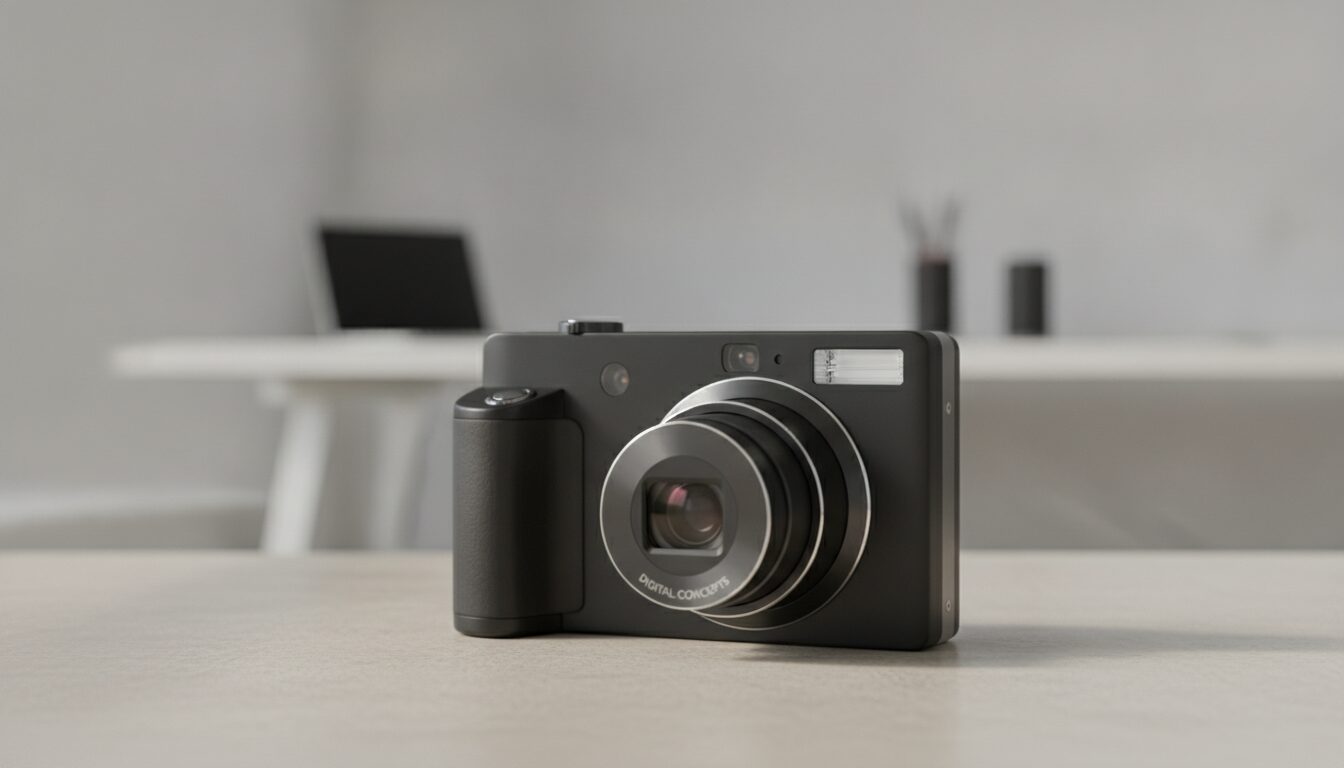
A digital concepts camera is a budget point-and-shoot made by Sakar International, offering 3.1 to 7.1 megapixels, basic zoom, and compact bodies priced originally under $100. These models suit casual photography but struggle in low light.
Key Takeaways
- concepts cameras were produced by Sakar International in the early-to-mid 2000s as entry-level point-and-shoots.
- Key models include the 7.1 MP (with 3x optical zoom), 5.1 MP (webcam-capable, PictBridge), and 3.1 MP (basic digital zoom only).
- Image quality is passable outdoors but struggles indoors due to weak flash and limited sensor performance.
- As of 2026, used units sell for $15 to $50 depending on model and condition.
- These cameras now appeal to collectors, retro photography enthusiasts, and anyone chasing that early-2000s digital aesthetic.
What Is a Digital Concepts Camera?
Media” class=”wp-image-10232″ loading=”lazy” width=”1792″ height=”1024″ />A this type of camera is a compact, consumer-grade point-and-shoot produced under Sakar International’s budget electronics umbrella. Sakar launched the Digital Concepts brand in the early 2000s to meet demand for affordable digital photography, competing directly with budget lines like Vivitar. The cameras landed on shelves at major retailers including Wal-Mart, often priced under $100, making them one of the most accessible entry points into digital photography at the time.
The History of Digital Concepts
Sakar International built its reputation on affordable consumer electronics and accessories. The Digital Concepts line was a natural extension: simple cameras for first-time digital shooters who didn’t want to spend $300 on a Canon or Nikon. By the mid-2000s, the brand had released multiple models spanning 3.1 to 7.1 megapixels, each targeting a slightly different price tier within the sub-$100 bracket.
Key Features Across Models
Every this kind of camera shares a recognizable DNA: compact plastic body, fixed or limited-range lens, reliance on AA batteries, and an LCD preview screen. Most models support SD or MMC memory cards, include a built-in flash, and offer 4x digital zoom as a baseline. Higher-end models like the 7.1 MP version add 3x optical zoom and bundle PhoTags photo editing software for basic post-processing on a PC.
Popular Digital Concepts Camera Models
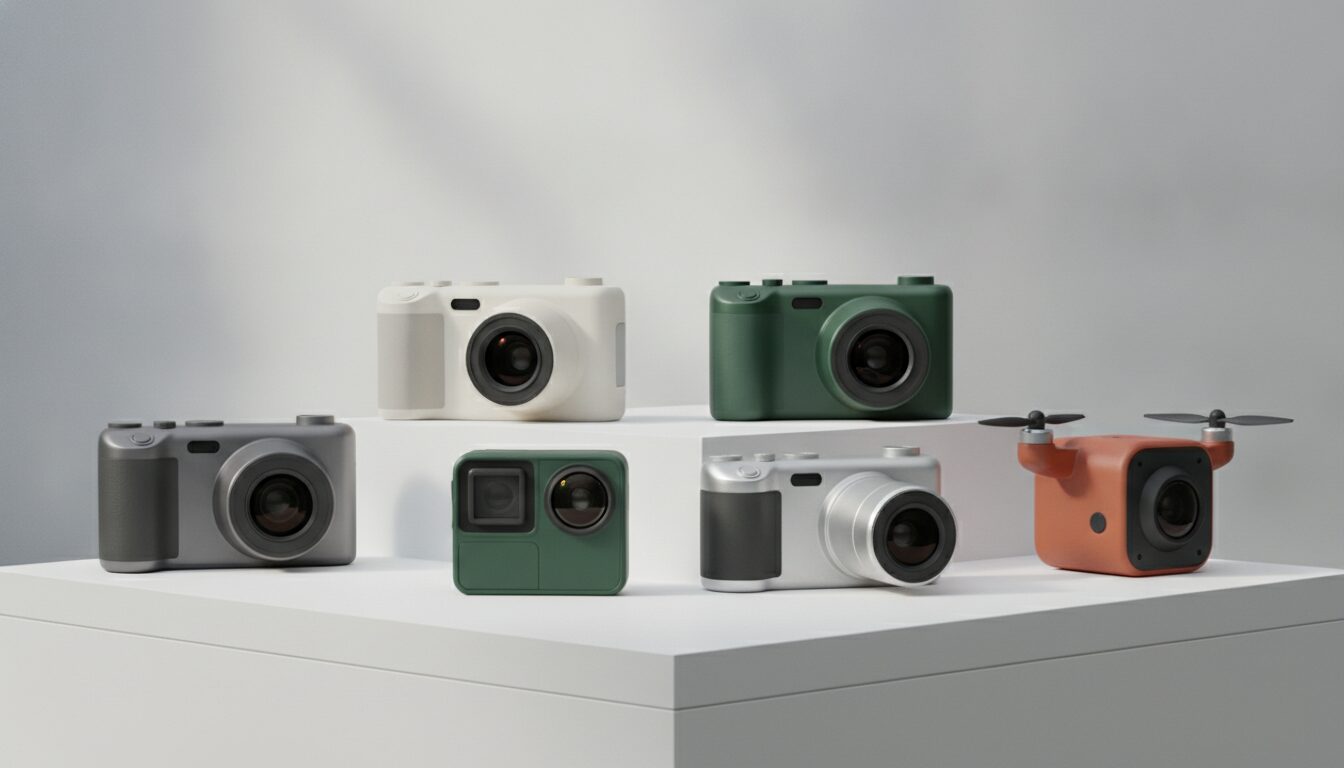
Three core models defined the Digital Concepts lineup, each hitting a different price and feature tier. The table below summarizes the key specs at a glance.
| Model | Megapixels | Zoom (Optical/Digital) | LCD Size | Storage | Notable Features | Current Used Price |
|---|---|---|---|---|---|---|
| 7.1 MP | 7.1 | 3x / 4x | 2.4″ | SD/MMC | PhoTags software, optical zoom | $30–$50 |
| 5.1 MP | 5.1 | 0x / 4x | 2.0″ | SD/MMC | Webcam capable, PictBridge | $20–$40 |
| 3.1 MP | 3.1 | 0x / 4x | 1.5″ | SD/MMC | Basic point-and-shoot | $15–$30 |
Digital Concepts 7.1 MP Model
This flagship model offers a 7.1-megapixel sensor, 3x optical zoom, and 4x digital zoom, according to its Amazon listing. It features a 2.4-inch LCD, uses SD/MMC cards, and includes PhoTags software for basic editing. User reviews average 1.2 out of 5 stars based on 4 ratings, with most criticism aimed at low-light performance and a confusing menu system.
5.1 MP Digital Concepts Camera
As detailed on B&H Photo Video, the 5.1-megapixel model delivers 4x digital zoom and a 2.0-inch LCD. It supports PictBridge direct printing, which lets you print photos straight from the camera to a compatible printer without touching a computer. The webcam capability via USB made this model a popular gift item at its original price point.
3.1 MP Entry-Level Option
A review on Spook Central covers the 3.1-megapixel Digital Concepts 89379, purchased for $60 at Wal-Mart in 2005. The reviewer flagged poor indoor picture quality and high battery consumption as the two biggest pain points. This model has no optical zoom, relying entirely on 4x digital magnification, and features a 1.5-inch LCD preview screen.
Digital Concepts Camera Specifications Explained
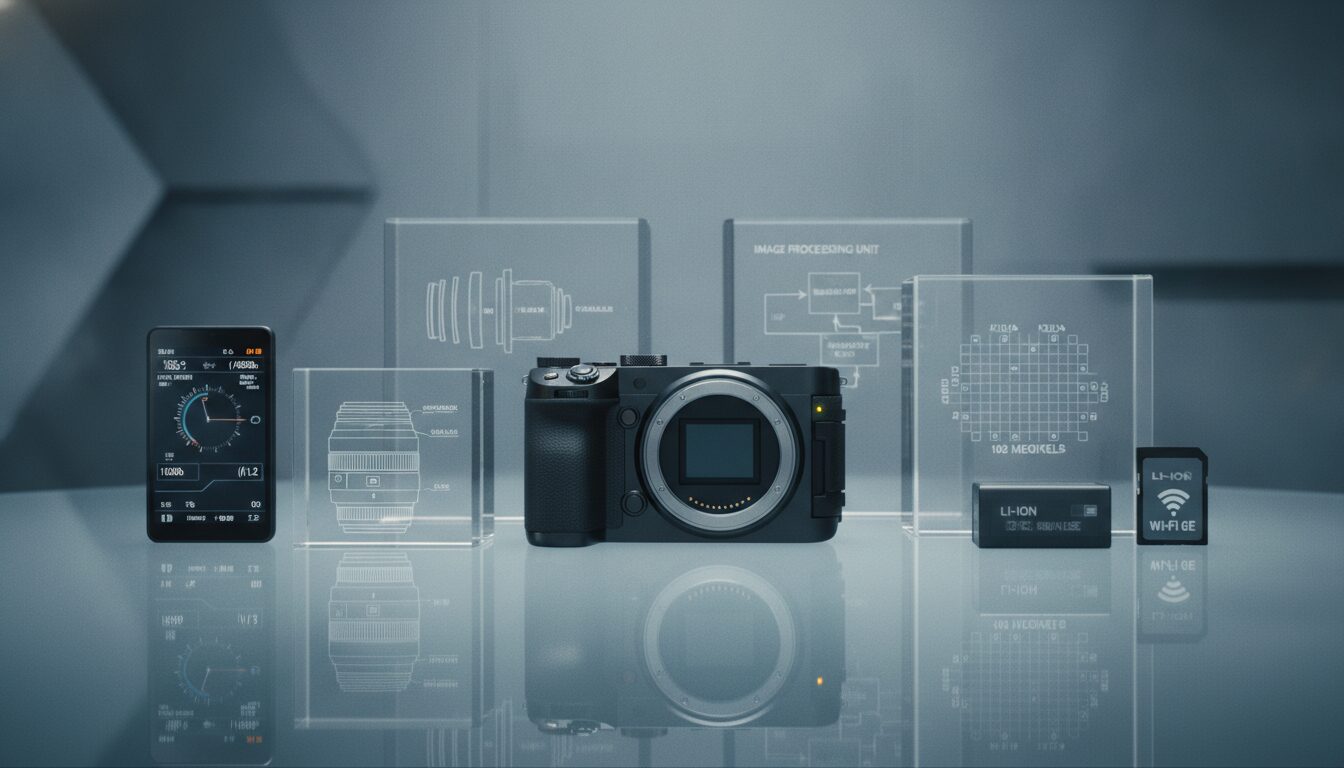
Understanding the specs helps set realistic expectations before you buy one of these cameras in 2026.
Megapixels and Image Quality
The digital concepts lineup tops out at 7.1 megapixels, which is low compared to modern smartphones that routinely ship with 12 to 50 megapixels. A megapixel equals one million pixels, and while raw count matters, sensor quality and lens optics matter more. These cameras produce images that work fine for web sharing or small 4×6 prints, but they lack dynamic range and tend to look soft at 100% crop.
Optical vs. Digital Zoom
Optical zoom physically moves the lens to magnify the subject without any quality loss. Digital zoom simply crops and enlarges the image, which degrades sharpness. The 7.1 MP model’s 3x optical zoom is a genuine advantage at this price tier. Every other model in the lineup uses 4x digital zoom only, which is best left off entirely for cleaner results.
LCD Screens and Storage
Screens range from 1.5 inches on the 3.1 MP model to 2.4 inches on the 7.1 MP flagship. All three models use SD or MMC removable flash memory, with firmware typically capping support at 4GB cards. At average file sizes from a 5-megapixel sensor, a 4GB card holds several hundred photos before you need to swap.
Video Recording Capabilities
Some Digital Concepts models include a basic video recording mode, typically capturing low-resolution clips at reduced frame rates. As a YouTube comparison from 2016 highlighted, video quality from a 2008 Digital Concepts model looks noticeably softer and more compressed than even modest modern cameras. Think of it as a bonus feature rather than a selling point: usable for short clips and documentation, but not for anything you’d want to watch on a large screen.
Battery Life and Power
All models run on 2 AA batteries. Battery life is one of the most consistent complaints across user reviews: heavy flash use drains a fresh pair of alkaline AAs in under an hour of active shooting. Rechargeable NiMH AA batteries are the practical fix, cutting ongoing costs and lasting noticeably longer per charge cycle than standard alkalines. Carry a spare set regardless.
User Experience: Real-World Performance
Image Quality in Different Conditions
In bright outdoor light, a concepts camera can produce passable snapshots with decent color saturation. Step indoors, and the experience changes fast. Noise creeps in, the flash barely covers a room, and blur from slow shutter speeds becomes a real problem. According to the Spook Central review of the 3.1 MP model, the camera “takes very poor picture indoors” and requires significant manual adjustment to salvage usable shots.
“Takes very poor picture indoors, consumes lots of batteries” – Paul Rudoff, Spook Central review of the 3.1 MP Digital Concepts model
Ease of Use
The bodies are lightweight and genuinely pocketable, which counts for something. The menus, though, are a different story: small buttons, unintuitive navigation, and settings that require manual tweaking to get acceptable results. Beginners expecting a point-and-shoot experience may find themselves frustrated. For anyone who enjoys tinkering, that friction is part of the charm.
“Budget cameras from this era taught a generation of photographers to think about light, because the camera certainly wasn’t going to do it for them.” – Camera Hacker editorial review of the 7.1 MP Digital Concepts model
How Digital Concepts Cameras Compare to Modern Devices
The gap between a this type of camera and today’s imaging tools is significant, but that gap is also exactly what makes them interesting.
vs. Smartphone Cameras
A budget Android smartphone in 2026 ships with at least a 12-megapixel sensor, computational photography processing, and night mode. A this kind of camera cannot match that dynamic range, low-light output, or video quality. What it does offer is a tactile shooting experience and an early-2000s digital aesthetic that no filter pack can fully replicate.
vs. Other Budget Vintage Cameras
Compared to contemporaries like the Vivitar ViviCam or Kodak EasyShare, the digital concepts falls behind on build quality and feature depth. Its advantage is price: used units regularly sell for under $40, making it one of the most accessible vintage digital cameras available. For experimentation and nostalgia, the value proposition is hard to argue with.
Pros and Cons
Pros
- Extremely affordable: Used units sell for $15 to $50, making them low-risk purchases for casual experimentation.
- Compact and pocketable: Lightweight plastic bodies fit easily in a jacket pocket or small bag.
- Retro aesthetic: The noise, color cast, and soft rendering produce a distinct early-2000s look that’s genuinely hard to replicate digitally.
- Webcam capability: The 5.1 MP model doubles as a basic USB webcam, adding a lo-fi video option.
- PictBridge support: Direct printing from camera to printer without a computer on compatible models.
Cons
- Poor low-light performance: Indoor shots suffer from noise, blur, and weak flash coverage across all models.
- Short battery life: Two AA batteries drain quickly, especially with flash-heavy shooting.
- No optical zoom on most models: Only the 7.1 MP version includes 3x optical zoom; the rest rely on quality-degrading digital zoom.
- Discontinued and hard to repair: Replacement parts and manufacturer support are gone; lens errors or dead sensors often mean the unit is done.
- Low resolution by 2026 standards: Even the 7.1 MP flagship looks soft compared to any current smartphone camera.
Buying a Digital Concepts Camera: What to Know
Buying one of these cameras in 2026 means navigating the used market carefully. Here’s what to look for.
Where to Find One in 2026
Since the Digital Concepts line is long discontinued, your options are Amazon third-party sellers, eBay, and local thrift stores. Condition varies widely. Always confirm the listing includes the battery door, a compatible memory card, and a USB cable. Missing accessories are common and can make the camera unusable out of the box.
Price Ranges and Value
Used digital concepts camera units currently sell for $15 to $50 depending on model and completeness. At that price, they work well as a retro gadget, a child’s first camera, or a prop for creative shoots. They are not recommended for anyone who needs reliable, consistent image quality.
What to Check Before Purchase
Confirm the lens extends and retracts smoothly. Check the LCD for dead pixels or cracks. Inspect the battery compartment for corrosion. Ask the seller whether the camera powers on and saves images to a memory card. Many units develop lens errors or sensor failures over time, so buying from a seller with a return window is the safest move.
Unique Ways to Use a Digital Concepts Camera Today
Using as a Webcam
The 5.1 MP model can function as a webcam via USB when connected to a Windows PC. You may need to source Sakar Digital Concepts drivers or use OBS Studio to capture the video feed. Follow these steps to set it up:
- Check webcam capability: Confirm your model supports USB streaming. Look for a “Web Cam” icon in the camera’s menu or check the original manual.
- Install drivers: Connect the camera via USB. Windows may auto-install generic drivers. If not, search for Sakar Digital Concepts drivers from the manufacturer’s archived support pages.
- Select in your app: In Zoom, Skype, or OBS Studio, choose the camera as your video source. Adjust exposure settings on the camera itself for the best image.
The result is a lo-fi video feed with a distinctly retro quality. It’s a playful addition to creative video calls or streaming setups.
Embracing the Retro Digital Aesthetic
Low megapixels, color cast, and visible digital noise are no longer liabilities in creative circles. They’re a look. Images straight from a digital concepts camera carry a distinct early-2000s quality that resonates on social media platforms where nostalgia content consistently performs well. Think of it as the digital equivalent of shooting on a Holga or a disposable film camera: the imperfections are the point.
If you’re building a brand identity around nostalgia, retro aesthetics, or lo-fi creative content, this kind of visual language can be surprisingly effective. Our team at Emin Media has worked with brands that use intentionally imperfect imagery to stand out in feeds saturated with over-produced content. Explore our branding and content services to see how we approach visual storytelling for modern brands.
For more on how visual style choices affect brand perception, read our breakdown of brand identity and design strategy on the Emin Media blog.
Frequently Asked Questions
What is the concept of a digital camera?
A digital camera captures images by converting light into electronic signals, storing them as digital files rather than on film. The core concept replaces chemical processes with image sensors and onboard processors, allowing instant review, editing, and sharing of photos.
What is a Digital Concepts camera?
A Digital Concepts camera is a budget point-and-shoot digital camera made by Sakar International, sold primarily in the 2000s. Models ranged from 3.1 to 7.1 megapixels with basic zoom and small LCD screens, priced originally between $60 and $100.
Are Digital Concepts cameras still manufactured?
No. Sakar discontinued the Digital Concepts line years ago. As of 2026, these cameras are only available through the used market on platforms like eBay and Amazon, typically priced between $15 and $50.
What type of memory card does a Digital Concepts camera use?
All models use SD or MMC removable flash memory cards. Firmware typically limits support to 4GB capacity, though some units may accept larger cards formatted to FAT16.
Can I use a Digital Concepts camera as a webcam?
The 5.1 MP model supports webcam mode via USB connection. With the correct drivers installed and a compatible video application like OBS Studio or Zoom, it functions as a basic webcam with a lo-fi visual quality.
Are these cameras good for beginners?
They offer a low-cost way to learn basic composition and exposure awareness, but the lack of automatic scene modes and poor low-light performance can frustrate new users. A modern budget smartphone is a more forgiving starting point for most beginners.
Enjoyed this article?
Contact Emin Media for a free brand consultation and let's create something amazing together.
Get in Touch