Canon T6 Digital SLR Camera: Creative Potential vs Reality
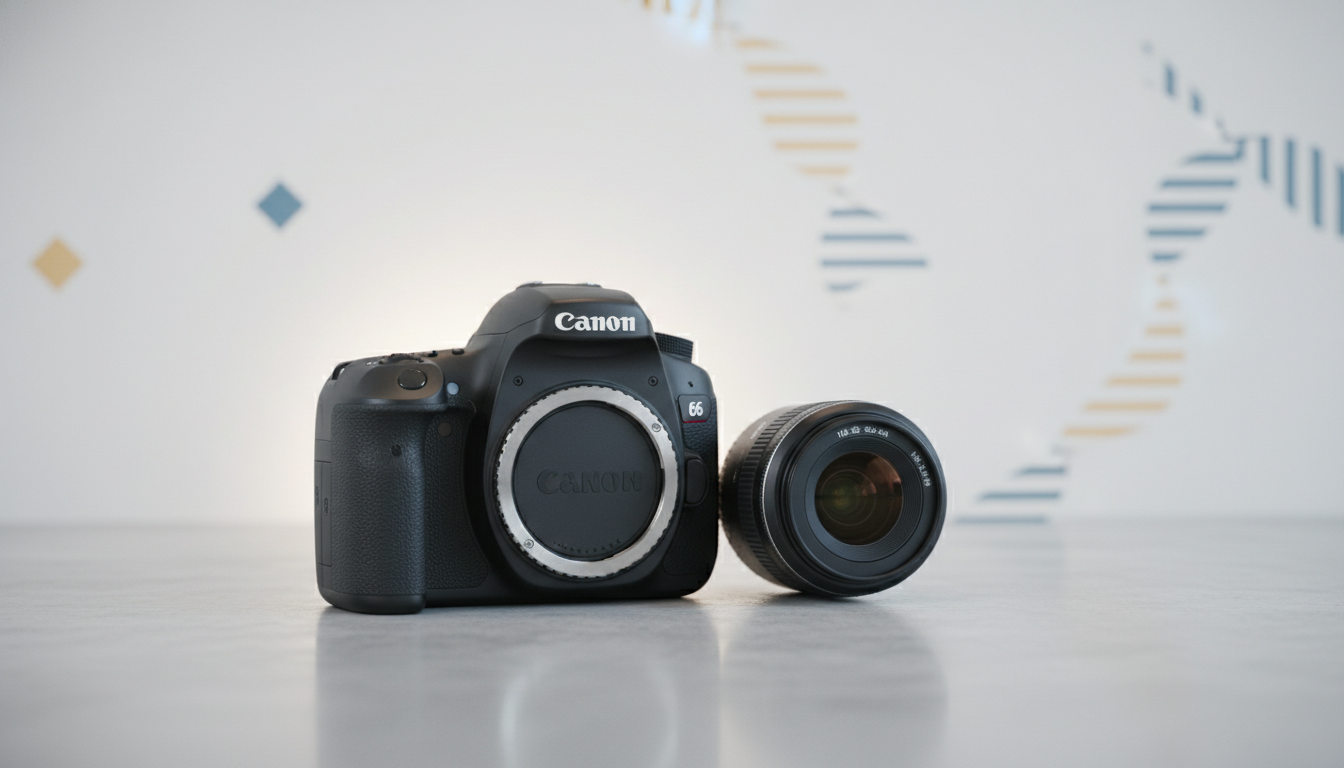
The Canon T6 digital SLR camera sits in that awkward middle space between smartphone photography and professional gear — promising DSLR magic at entry-level prices. But here’s what nobody tells you: it’s a camera designed by committee, built to hit a price point rather than inspire creativity.
After working with dozens of content creators who’ve started their journey with this camera, we’ve seen both breakthrough moments and crushing disappointments. The T6 isn’t terrible, but it’s not significant either.
The T6’s Creative DNA: What Canon Got Right (And Wrong)
Canon positioned the T6 as the gateway drug to serious photography. The 18-megapixel APS-C sensor delivers respectable image quality, and the familiar Canon interface won’t intimidate beginners. But strip away the marketing speak, and you’re looking at 2016 technology in a 2026 world.
Image Quality That Surprises (In Good Light)
The T6’s CMOS sensor produces genuinely pleasant images when conditions cooperate. Colors lean warm — classic Canon territory — and skin tones render naturally. For social media content, product photography, or family portraits in daylight, the results can genuinely surprise you.
We’ve seen Instagram accounts built entirely on T6 imagery that you’d never guess came from an entry-level camera. The secret? Understanding the camera’s sweet spot and working within it rather than fighting against its limitations.
The Low-Light Reality Check
Here’s where things get honest: the T6 struggles once the sun goes down. The ISO performance falls apart around 1600, and the ancient DIGIC 4+ processor can’t work miracles with noise reduction. If your creative vision involves moody evening shoots or atmospheric indoor work, this camera will fight you every step of the way.
Build Quality: Functional, Not Inspiring
The T6 feels substantial enough to take seriously but lacks the weather sealing and strong construction of higher-end models. It’s built to survive casual use, not professional abuse. The grip is comfortable, though smaller hands might struggle with the button placement during extended shooting sessions.
Video Capabilities: The Content Creator’s Dilemma
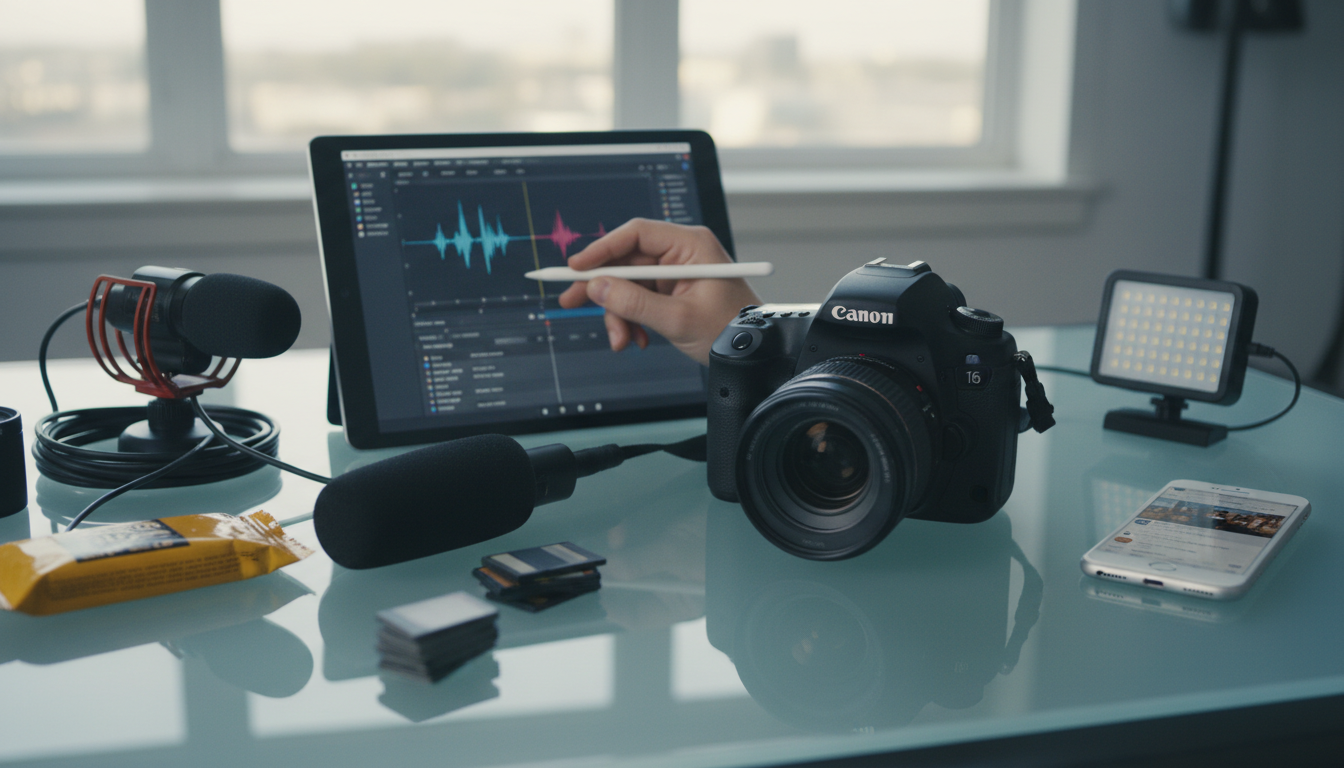
In 2026, video isn’t optional — it’s essential. The Canon T6 digital SLR camera offers 1080p recording, but calling it “video capable” feels generous. This is where the camera’s age shows most brutally.
1080p in a 4K World
The T6 maxes out at 1080p/30fps, which was acceptable in 2016 but feels limiting now. No 4K, no 60fps options, and the autofocus during video recording is painfully slow. For YouTube content or social media videos, you’ll need to work around these constraints rather than with them.
The lack of a flip-out screen makes vlogging nearly impossible, and the limited recording time (roughly 30 minutes) means you can’t rely on it for longer-form content creation.
Audio: The Forgotten Element
The T6 includes a basic microphone input, but the preamp quality is mediocre at best. You’ll need external audio recording for anything beyond casual family videos. This adds complexity and cost to what should be a simple content creation setup.
Stabilization: Handheld Dreams, Shaky Reality
With no in-body stabilization, the T6 relies entirely on lens-based stabilization (if your lens has it). Handheld video quickly becomes an exercise in frustration, especially with longer focal lengths. Budget for a tripod or gimbal from day one.
Lens Ecosystem: Canon’s Greatest Strength
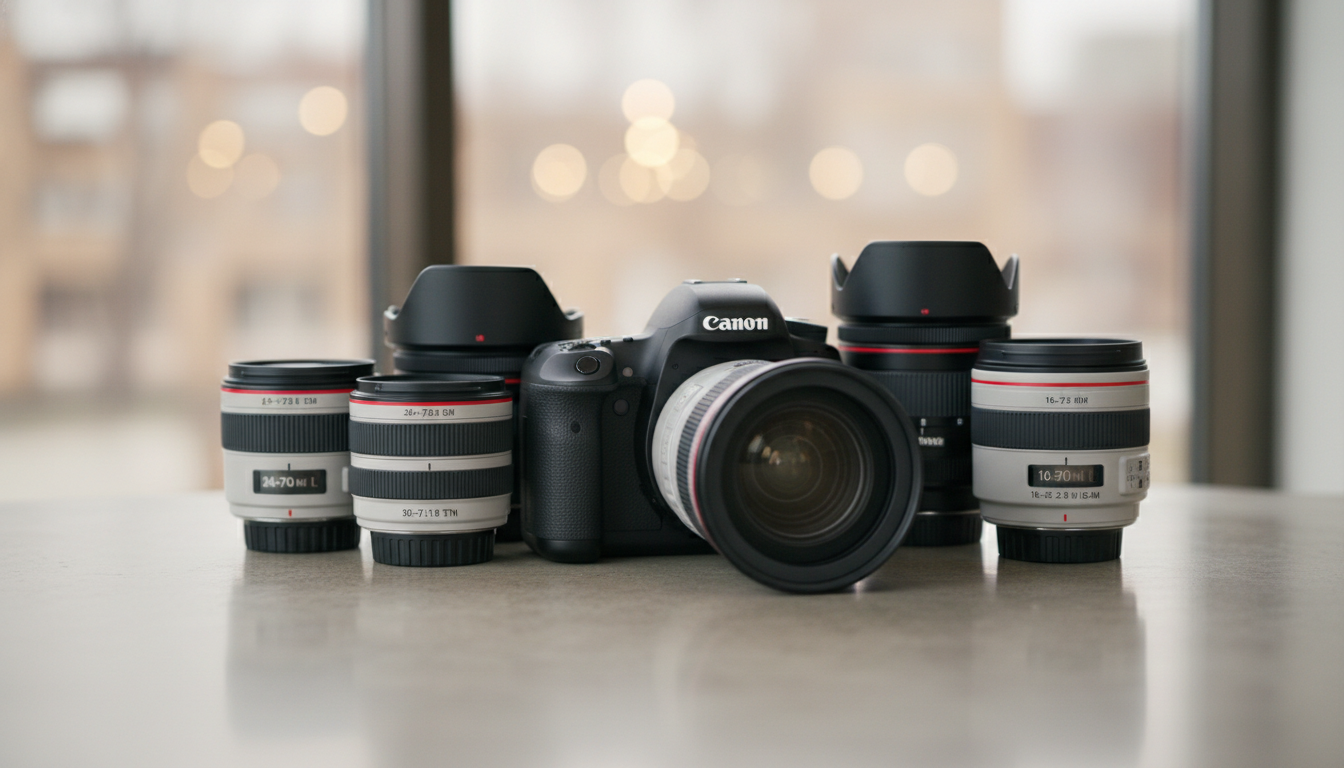
If there’s one compelling reason to consider the Canon T6 digital SLR camera, it’s access to Canon’s massive lens ecosystem. This is where the camera transcends its limitations and opens creative possibilities.
The Kit Lens Reality
Most T6 bundles include the 18-55mm f/3.5-5.6 IS II lens. It’s optically adequate but uninspiring — the photographic equivalent of vanilla ice cream. Serviceable, but you’ll quickly outgrow it if photography becomes more than a casual hobby.
The variable aperture means you lose light as you zoom in, and the maximum aperture of f/3.5 limits your creative options for shallow depth of field effects that define modern portrait and product photography.
Upgrade Path: Where Magic Happens
Canon’s EF-S and EF lens compatibility opens doors to serious glass. A 50mm f/1.8 STM transforms the T6 into a portrait powerhouse. The 24mm f/2.8 STM pancake lens makes it genuinely pocketable. Suddenly, you’re not limited by the camera body — you’re exploring creative possibilities.
This ecosystem approach means your lens investments survive camera upgrades. That expensive 70-200mm f/2.8 will work beautifully on a future R-series mirrorless body.
Third-Party Options: Budget-Friendly Creativity
Sigma, Tamron, and other third-party manufacturers offer excellent EF-S options at compelling prices. The Sigma 17-50mm f/2.8 provides constant aperture zoom capability that transforms the T6’s versatility without breaking the bank.
User Experience: Designed for Learning, Limited by Age
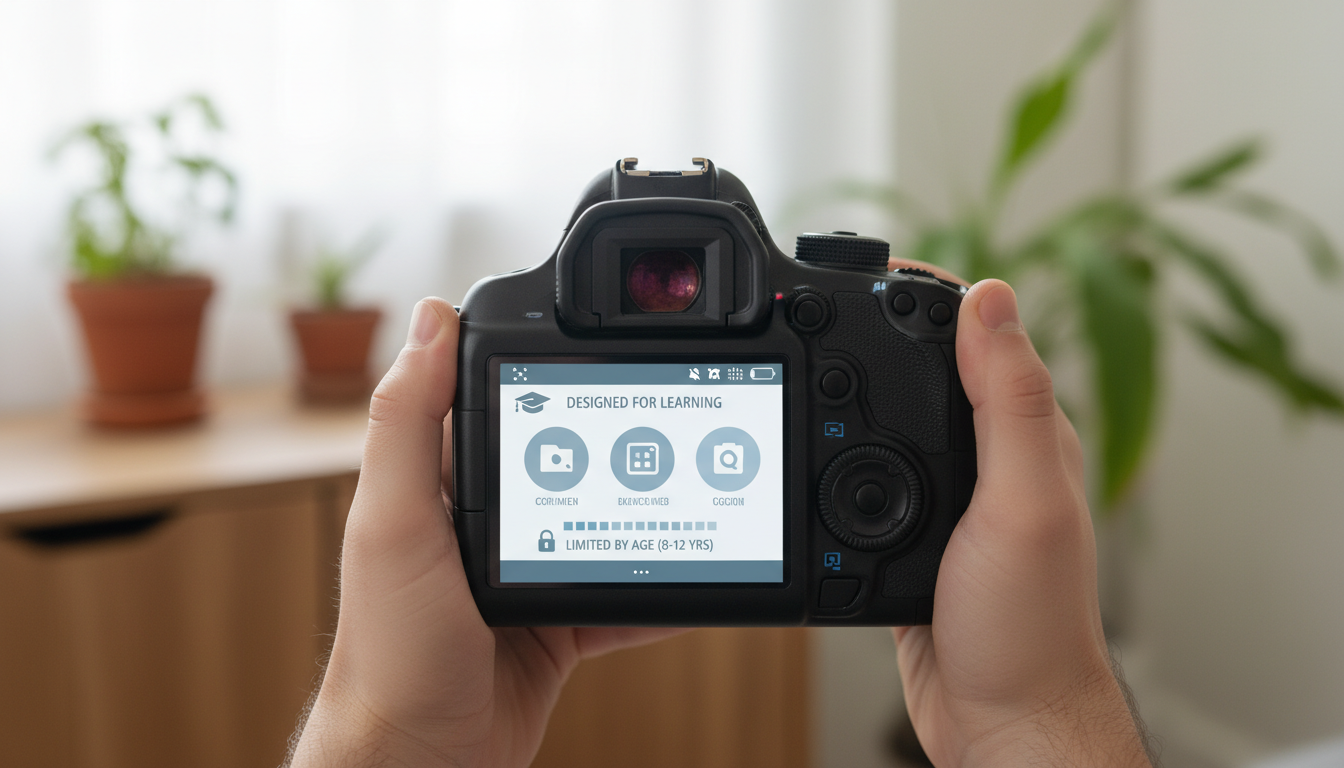
Canon built the T6 as a teaching tool, and it succeeds in that narrow mission. The interface guides beginners through photography fundamentals without overwhelming them with professional-grade complexity.
Menu System: Logical but Limited
The T6’s menu structure follows Canon’s established hierarchy, making it easy for beginners to find essential settings. Scene modes provide training wheels for new photographers, while manual controls remain accessible as skills develop.
However, customization options are minimal compared to higher-end bodies. You can’t reprogram buttons or create custom function menus, which becomes frustrating as your skills advance.
Autofocus: Adequate but Not Inspiring
The 9-point autofocus system works reliably in good light but struggles with moving subjects or challenging conditions. The center cross-type point is reasonably accurate, but the outer points feel sluggish and imprecise.
For static subjects — portraits, products, spaces — the autofocus performs adequately. For sports, wildlife, or street photography requiring quick focus acquisition, you’ll find yourself fighting the camera rather than capturing moments.
Battery Life: A Pleasant Surprise
One area where the T6 genuinely excels is battery efficiency. The LP-E10 battery provides roughly 500 shots per charge under normal conditions, which is impressive for an entry-level DSLR. This reliability means fewer missed moments due to dead batteries.
Price vs Performance: The 2026 Reality Check
In 2026, the Canon T6 digital SLR camera occupies an increasingly awkward market position. Used models sell for roughly $200-300, while new inventory (where available) commands $400-500. These prices compete directly with mirrorless alternatives that offer superior video capabilities and more modern features.
Value Proposition: Diminishing Returns
At current market prices, the T6 represents questionable value. For similar money, you could access Canon’s EOS M series mirrorless cameras or even entry-level full-frame options from other manufacturers. The T6’s age shows in every specification comparison.
The real value lies in the complete ecosystem — if you’re committed to Canon’s platform and plan to invest in lenses over time, the T6 provides affordable entry. But if you’re simply looking for the best camera at this price point, newer alternatives offer superior performance.
Total Cost of Ownership
Remember that the camera body is just the beginning. Factor in memory cards, additional batteries, a decent tripod, and at least one upgraded lens, and your initial investment doubles quickly. The T6’s low entry price can be misleading when you calculate the complete creative setup cost.
Resale Reality
DSLR values are declining as the market shifts toward mirrorless systems. Your T6 investment won’t hold value like lens purchases will. Consider this a learning tool rather than a long-term investment in your creative toolkit.
Who Should (And Shouldn’t) Buy the Canon T6
After years of watching creators succeed and struggle with this camera, clear patterns emerge about who thrives with the T6 and who quickly outgrows it.
Perfect for Photography Purists
If your primary interest is still photography — portraits, spaces, product shots — and you’re committed to learning fundamental camera operation, the T6 provides solid training ground. The optical viewfinder and traditional DSLR ergonomics teach proper shooting technique.
Photography students, hobbyists focused on print output, and anyone building a Canon lens collection will find the T6 adequate for developing skills and creative vision.
Wrong Choice for Content Creators
If your goals include YouTube videos, Instagram Reels, or any form of modern content creation, the T6’s video limitations become deal-breakers. The lack of 4K, poor autofocus during recording, and missing flip screen make content creation unnecessarily difficult.
Social media managers, aspiring influencers, and anyone building a personal brand should invest in mirrorless alternatives that prioritize video capabilities and connectivity features.
Budget Considerations: Hidden Costs
The T6’s attractive entry price masks significant additional investments required for serious use. Budget at least $200-300 beyond the camera body for essential accessories and lens upgrades. If that total budget could access better camera systems, reconsider your choice.
Alternatives Worth Considering in 2026
The camera market has evolved dramatically since the T6’s introduction. Several alternatives offer superior value propositions for similar investment levels.
Mirrorless Migration: Canon’s Own Evolution
Canon’s EOS M50 Mark II provides 4K video, better autofocus, and more modern features at comparable prices. While the M-mount lens ecosystem is smaller, the camera itself is more capable for contemporary content creation needs.
The newer EOS R10 represents Canon’s current entry-level philosophy — mirrorless design, excellent video capabilities, and compatibility with RF lenses that represent Canon’s future direction.
Cross-Brand Considerations
Sony’s a6000 series offers superior video capabilities, better low-light performance, and more modern features at similar price points. The learning curve is steeper, but the creative capabilities are significantly broader.
Fujifilm’s X-T30 provides exceptional image quality, film simulation modes that reduce post-processing needs, and a more inspiring shooting experience, though at slightly higher prices.
The Smartphone Question
Modern flagship smartphones produce image quality that rivals the T6 in many situations, with vastly superior video capabilities and instant sharing options. Before investing in any dedicated camera system, honestly evaluate whether your smartphone already meets your creative needs.
Making the Decision: A Framework for 2026
Choosing the Canon T6 digital SLR camera in 2026 requires honest assessment of your creative goals, technical requirements, and long-term vision.
The Learning Investment Approach
If you view the T6 as tuition for photography education — a tool for learning exposure, composition, and camera operation fundamentals — the investment makes sense. The camera teaches proper technique and provides access to Canon’s lens ecosystem for future growth.
This approach works best for dedicated hobbyists who prioritize still photography over video content and plan to upgrade the camera body within 2-3 years while keeping their lens investments.
The Practical Reality Check
For most creators in 2026, the T6’s limitations outweigh its advantages. The lack of modern video features, connectivity options, and competitive low-light performance make it a poor choice for contemporary content creation workflows.
Unless you’re specifically committed to Canon’s ecosystem and understand the camera’s constraints, newer alternatives provide better value and creative flexibility.
The Ecosystem Commitment
The strongest argument for the T6 remains Canon’s lens ecosystem. If you’re building a long-term photography practice and plan to invest in quality glass, the T6 provides affordable entry to a platform you’ll grow with over time.
This strategy requires patience and additional investment but can result in a powerful creative toolkit as your skills and equipment evolve together.
Enjoyed this article?
Contact Emin Media for a free brand consultation and let's create something amazing together.
Get in TouchRelated Articles
Digital and Polaroid Camera Guide: Best Hybrid Models 2026
Discover the best digital and polaroid camera models that blend instant printing with digital preview.…
Good Digital SLR Camera Guide 2026: Top 5 DSLRs Worth Buying
Find the best good digital SLR camera in 2026. Compare Nikon D850, Canon 90D, Pentax…
Sony Digital SLR Camera Guide: A99 II & A-Mount Legacy 2026
Sony digital SLR camera systems offer optical viewfinders and A-mount compatibility. Compare A99 II specs,…