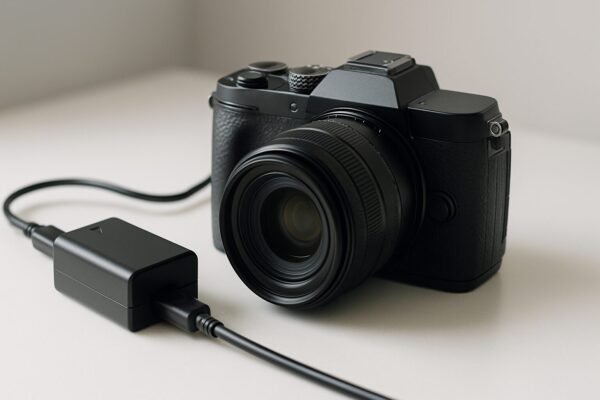
Best Digital Single Use Camera Guide 2026
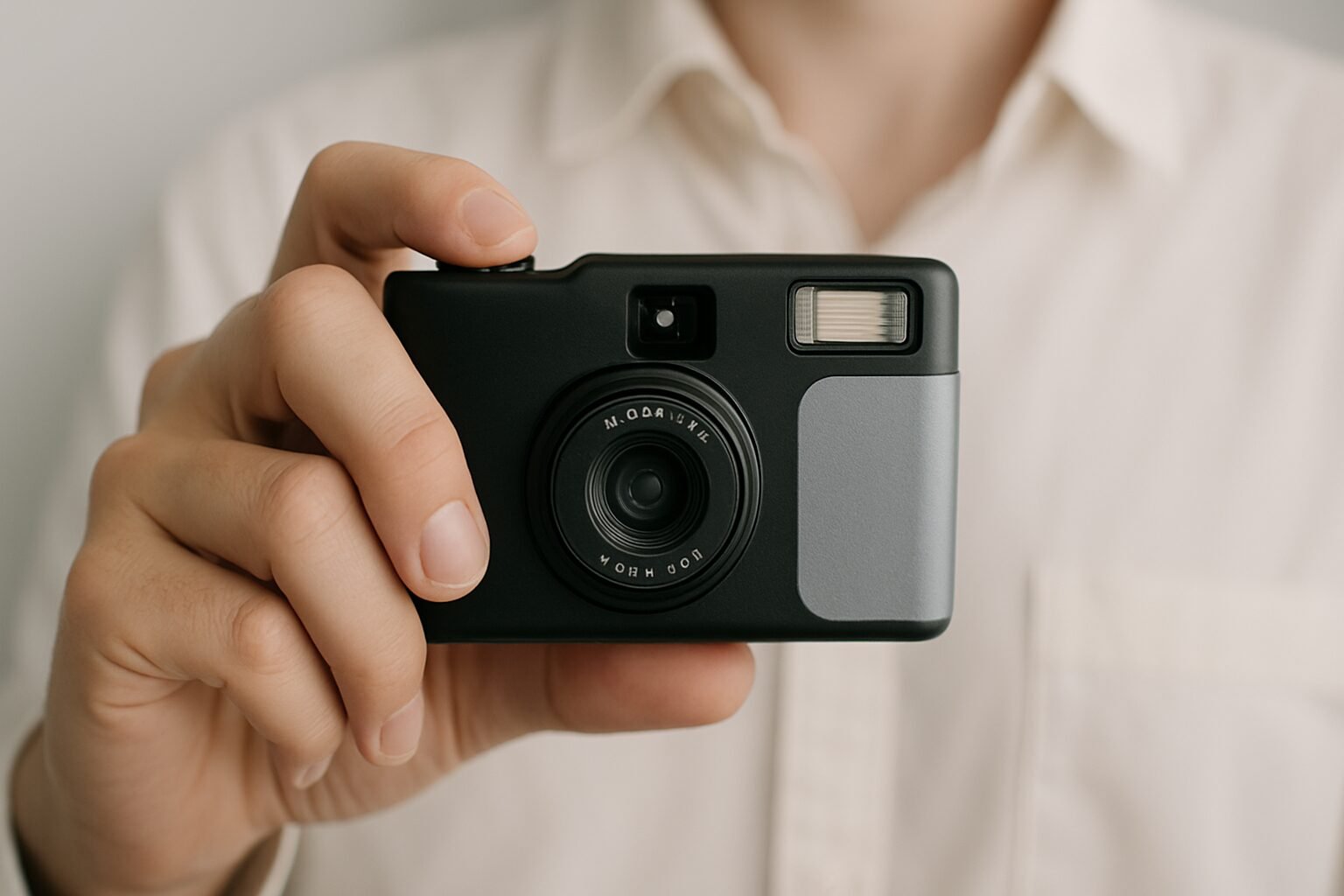
A digital single use camera is a reusable, screen-free device that captures images digitally while mimicking the look and feel of a classic film disposable. No development fees, no wasted plastic, just point, shoot, and transfer.
Key Takeaways
- A use camera is a reusable digital device that mimics the look and feel of film disposables without ongoing film costs.
- Top models like Camp Snap 2 and CS-Pro offer screen-free shooting with built-in filters, delivering 500+ shots per charge.
- Digital options eliminate film development fees, saving users roughly $15–20 per 27 exposures compared to film processing.
- Screen-free design encourages living in the moment, while USB-C charging and SD cards make file transfer easy.
- Prices range from $15 for basic Amazon models to around $80 for feature-rich versions like the Camp Snap CS-Pro.
What Is a Digital Single Use Camera?
A this type of camera is a reusable camera that mimics the look and feel of a disposable film camera, but captures images digitally without the need for film development. These screen-free devices offer vintage-style filters, USB charging, and memory card storage – all in a compact, throwback body.
Unlike traditional film disposables that get discarded after one roll, a this kind of use camera can be recharged and used for thousands of shots. The concept first appeared in 2004 when true digital one-time-use cameras briefly entered the US market, but they never gained traction due to cost and quality limitations (Wikipedia). Today’s models are built for longevity and style, blending analog nostalgia with modern convenience.
The Evolution from Film to Digital
Disposable film cameras peaked in Japan in 1997, with annual sales exceeding 89 million units. The resurgence of Showa retro aesthetics in the 2020s brought film cameras back into fashion, but many users craved a digital alternative that cut out development costs entirely. Brands like Camp Snap, Paper Shoot, and Vivitar answered with compact, screenless cameras that replicate the unpredictability and charm of film without the chemistry lab.
Core Features of Digital Disposable-Style Cameras
A typical the single use camera includes a fixed-focus plastic lens, an 8MP sensor (on popular models like the Camp Snap 2), a simple optical viewfinder, and no LCD screen. The absence of a screen is deliberate. It forces you to live in the moment and delays image review until you transfer files to a computer. Most models also feature USB-C charging, an SD card slot, and a flash for low-light situations.
Why Screen-Free Design Matters
Screen-free cameras remove the distraction of instant review and editing. By hiding the image until later, they restore the excitement of not knowing what you captured, similar to film. This design has driven the popularity of camera models among parents looking for a simple, durable option for kids, and among adults seeking a genuine break from smartphone overload.
How Digital Single Use Cameras Reshape Disposable Photography
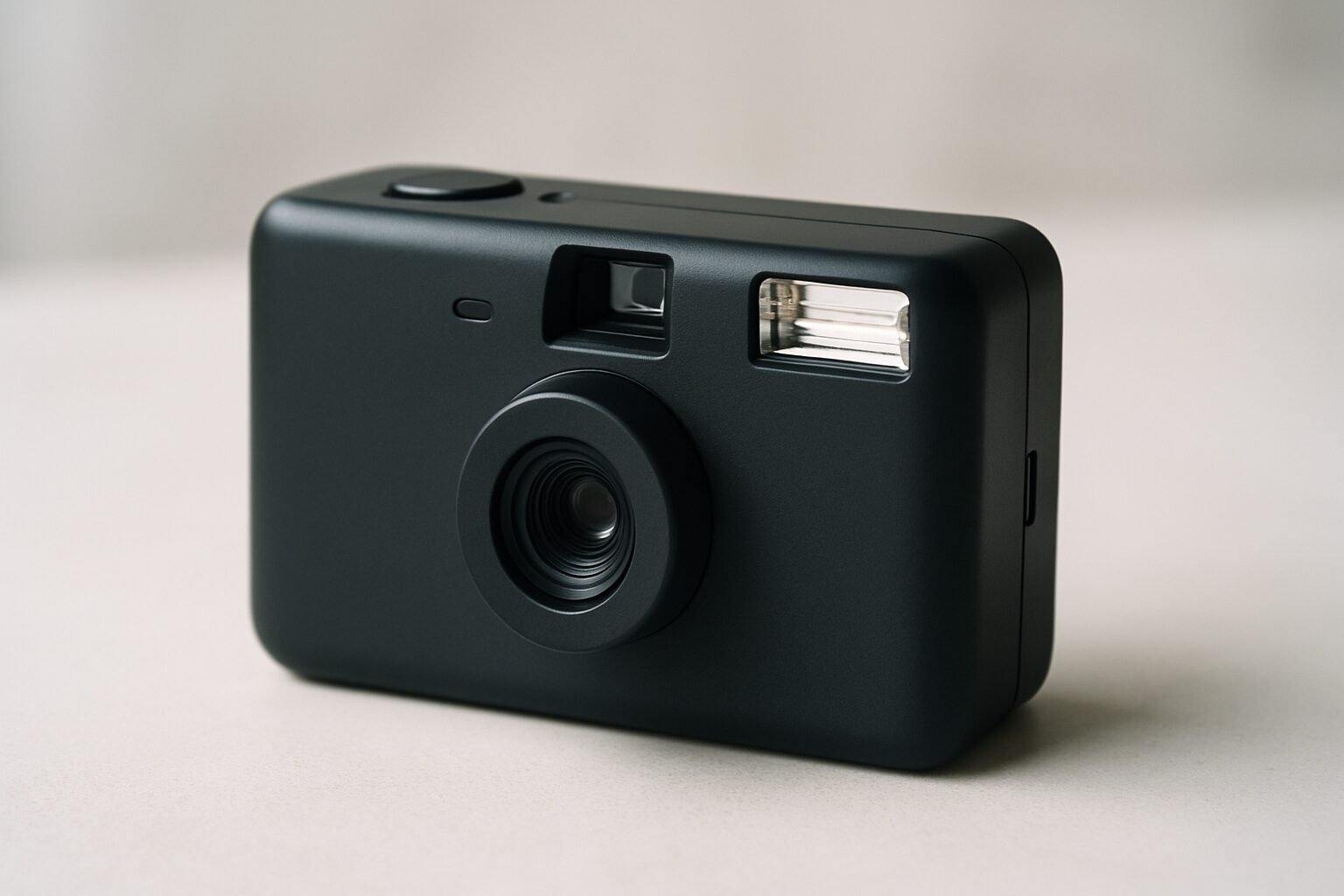
digital singles convert light into digital files stored on a memory card, bypassing the film development bottleneck and the recurring expense of buying new rolls entirely.
“The Camp Snap gives you that nostalgic feeling without the hassle – it’s the retro look with modern ease.” – Alison Winterroth, professional photographer (source)
Instant Gratification vs. Suspense
With a film disposable, you might wait days or weeks for development. A use camera lets you see results within minutes after plugging into a computer. For those who enjoy the surprise element, some models even allow you to lock image review, mimicking the delayed reveal of film, until you finish a full “roll.”
Image Quality and Creative Filters
Digital disposables rarely match the resolution of modern smartphones, but that’s part of their appeal. The Camp Snap 2 uses an 8MP sensor that produces slightly soft, nostalgic photos with genuine character. Built-in filters – Standard, Vintage 1, Vintage 2, Vintage 3, Black and White, and Analog – let you emulate different film stocks without editing software. Film cameras like the Kodak Funsaver or Fujifilm QuickSnap deliver genuine grain and color shifts that digital can only approximate, but they cost $15–19 per roll plus $10–15 for developing and scans, according to The Darkroom.
User Experience: Simplicity as a Feature
Both types offer point-and-shoot simplicity with no settings and no zooming. The key difference is maintenance. Film disposables require you to buy a new camera after 27 exposures, while a this type of camera lasts for years with proper care. That simplicity also extends to sharing: digital files can be instantly uploaded to social media or printed at home, whereas film negatives must be scanned first.
Pros and Cons
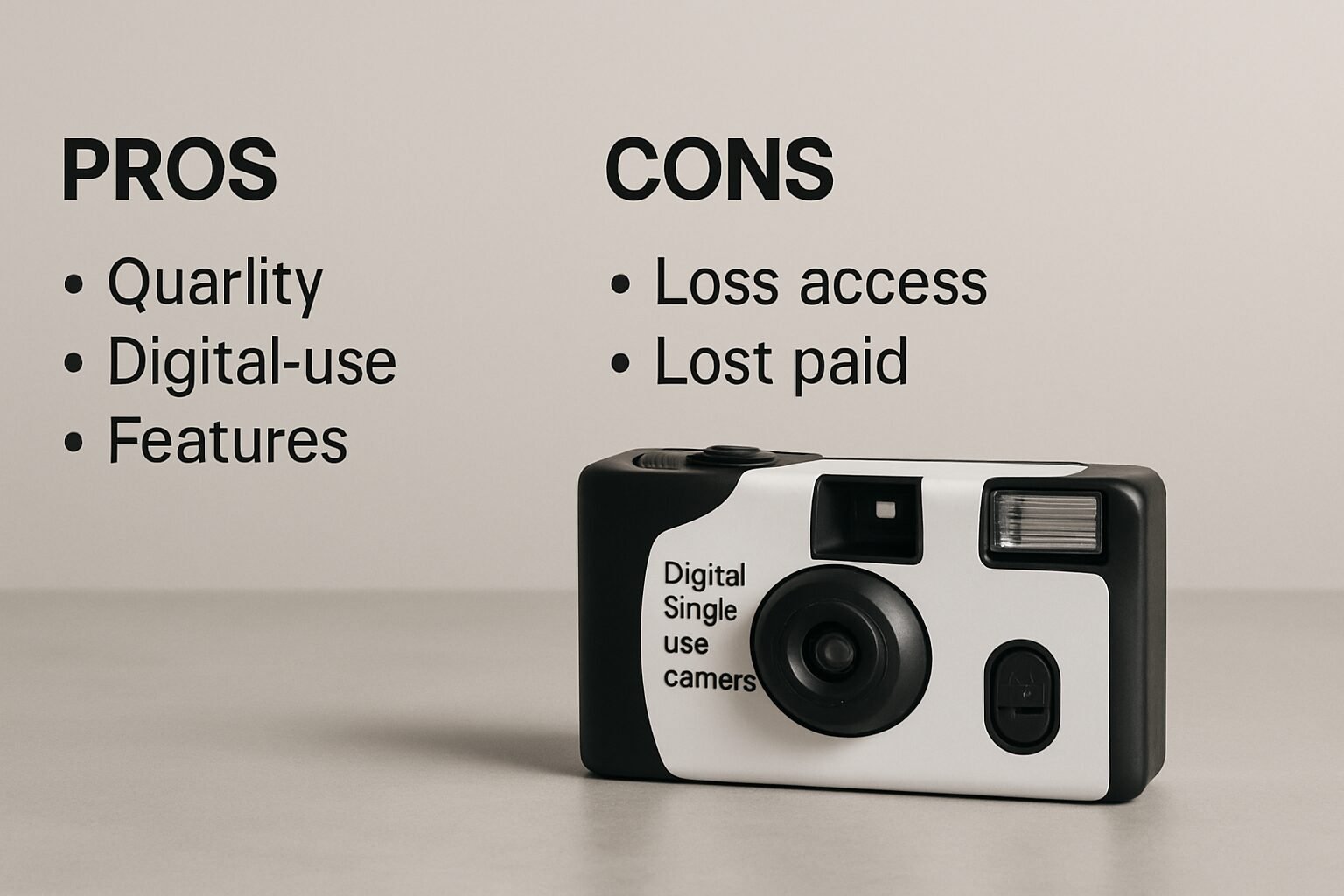
Pros
- No recurring costs: One upfront purchase replaces hundreds of film disposables over time.
- Eco-friendly: Reusable design eliminates the plastic waste of single-use film cameras.
- Screen-free mindfulness: Forces you to shoot intentionally and enjoy the moment rather than chimping at a screen.
- Kid-durable: Plastic body survives drops that would crack a smartphone display.
- Instant digital transfer: Files move to your computer in seconds via USB-C or SD card, no scanning required.
- Built-in filters: Vintage and analog looks baked in, no editing app needed.
Cons
- Lower image quality: 8MP sensors and plastic lenses can’t match a modern smartphone or mirrorless camera.
- No Wi-Fi or Bluetooth: Most models require a cable or card reader for transfers, which slows social sharing.
- Higher upfront cost than film: A $70 camera feels steep compared to a $15–19 film disposable, even if it pays off long-term.
- Limited creative control: Fixed focus and auto exposure mean you can’t adjust for tricky lighting.
- No video on most models: The majority of digital disposable-style cameras are photo-only.
Top Digital Single Use Camera Models in 2026
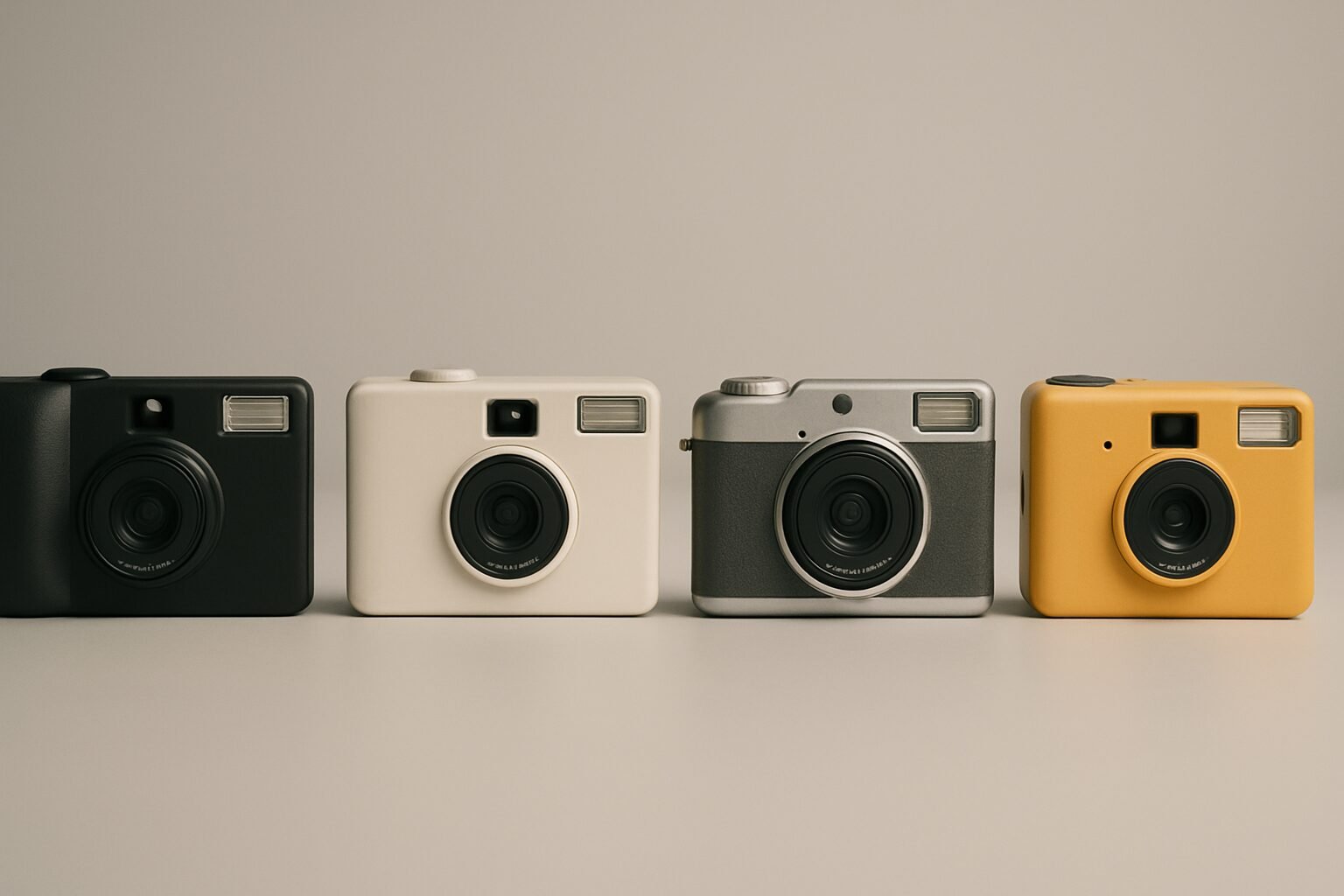
Several this kind of use camera models dominate the market as of 2026. We’ve gathered the most popular options based on user reviews, expert tests, and sales data.
Camp Snap 2: The Reigning Champion
The Camp Snap 2 is widely considered the best the single use camera for most people. Priced at $69.95, it delivers 500 shots per charge, 6 built-in filters, and a lightweight design available in over 10 colorways including Sunbeam Yellow, Stealth Black, and Blue Rush. Its 8MP sensor and plastic lens produce soft, dreamy images reminiscent of 1990s point-and-shoots (Camp Snap). The CampLock feature disables the filter button for kid-friendly simplicity, and a tripod thread adds versatility for group shots and low-light setups.
Camp Snap CS-Pro: The Premium Upgrade
Announced in late 2025 and available for pre-order in 2026, the Camp Snap CS-Pro builds on the original with a classic black-and-silver body and a physical dial for switching film simulations. Early reviews from Digital Camera World praise its improved build quality and the dial’s tactile feel, calling it “well worth the minor cost difference.” Pricing is expected to land around $79–89.
Paper Shoot: The Eco-Conscious Alternative
If $70 feels steep, Paper Shoot cameras offer a paper-thin eco-design with similar screen-free operation, typically priced around $40–50. They lack the filter variety and battery life of Camp Snap but deliver a comparable experience in a genuinely distinctive package. The paper shell is biodegradable, making it the most environmentally responsible option in this category.
Vivitar and Budget Amazon Picks
Vivitar has offered digital disposable-style cameras at accessible price points for years, and countless generic listings on Amazon start as low as $15. These often suffer from poor build quality, inconsistent flash, and shorter battery life. If you go the budget route, aim for models with at least 4-star ratings, USB-C charging, and a microSD slot. The Darkroom also offers a $16.99 upcycled Fuji QuickSnap option for those who want the film aesthetic at a low entry price.
Spec Comparison Table
| Model | Price (USD) | Megapixels | Shots per Charge | Screen | Filter Options | Notable Features |
|---|---|---|---|---|---|---|
| Camp Snap 2 | $69.95 | 8MP | 500+ | No | 6 (Standard, Vintage 1-3, B&W, Analog) | CampLock, tripod mount, 10+ colorways |
| Camp Snap CS-Pro | ~$79-89 | 8MP (possible sensor upgrade) | 500+ | No | Dial-selected film simulations | Classic metal-inspired design, improved ergonomics |
| Paper Shoot | $40-50 | Varies | Varies | No | Limited | Biodegradable paper shell, eco-focused |
| Budget Amazon Model (generic) | $15-30 | Varies (often 5-12MP) | 100-300 | No | None or basic color modes | Very low cost, inconsistent quality |
The Shooting Experience: Screen-Free and Instant
Using a camera is refreshingly simple. There are no menus, no white balance adjustments, and no obsessive chimping at an LCD. You frame through a tiny optical viewfinder, press the shutter, and hear a satisfying click. That’s the whole process.
Step-by-Step: How to Use a Digital Single Use Camera
- Charge it: Connect via USB-C until the indicator light turns green. The Camp Snap 2 fully charges in under 2 hours.
- Select a filter (optional): On Camp Snap models, press the filter button to cycle through vintage looks. The CS-Pro uses a physical dial for a more tactile experience.
- Compose: Look through the optical viewfinder. Be aware of parallax offset since the finder isn’t through-the-lens.
- Shoot: Press the shutter fully. For flash, hold the flash charge button until the ready indicator lights up.
- Transfer: Plug into a computer via USB-C or remove the SD card. Files appear instantly, no scanning required.
Memory and Battery Life
With 500 shots per charge and expandable storage via microSD cards (up to 32GB on Camp Snap models), these cameras can last an entire vacation without needing a recharge. The “Quick Draw” battery-saving tech powers down the sensor between shots, extending life during sporadic use throughout the day.
Video Capabilities: What to Expect
Most digital disposable-style cameras are photo-only by design. A handful of emerging models include basic video recording, but the category’s identity is built around still photography. If video is a priority, a dedicated action camera will serve you better. For pure photo nostalgia, the screen-free still-only format is a feature, not a limitation.
The “Film-Like” Surprise
Not seeing your shots right away builds real anticipation. Many users compare it to opening a fresh pack of prints from the drugstore. Some models let you disable immediate review entirely, replicating the old-school “finish the roll” suspense that made film photography feel like an event.
Cost Analysis: Digital vs. Film Over Time
A single disposable film camera costs around $15–19 (Kodak Funsaver at roughly $18, Fujifilm QuickSnap at roughly $19) plus $10–15 for developing and scans, totaling $25–35 for just 27 prints, according to The Darkroom. A $70 digital single can shoot thousands of images for free after that initial purchase.
Upfront Investment vs. Recurring Costs
If you take 200 photos per year using film disposables, you’d spend roughly $185–260 annually on cameras and processing alone. A Camp Snap 2 at $69.95 pays for itself in less than 6 months at that rate. Even if you lose interest, Camp Snaps frequently resell used for $40–50, so the financial risk is low.
Hidden Savings: No Scanning, No Reprints
Film negatives degrade over time, and reprinting costs extra. Digital files are permanent, instantly shareable, and printable at home or through online services without quality loss. This makes the use camera not only cheaper over time but more flexible for anyone running a hybrid analog-digital workflow.
Environmental and Practical Benefits
Reusable this type of cameras eliminate the plastic waste that disposable film cameras generate with every roll. Over its lifetime, one Camp Snap can replace hundreds of film disposables, reducing plastic pollution and the carbon footprint of film manufacturing and chemical processing.
The Eco-Friendly Choice
Film production and chemical processing involve silver, solvents, and significant water usage. By choosing a this kind of use camera, you step out of that industrial cycle. Rechargeable lithium batteries carry their own environmental cost, but their long-term impact is far lower than constantly producing and discarding single-use plastic cameras.
Durability and Kid-Friendliness
Plastic-bodied digital cameras like the Camp Snap survive drops that would shatter a smartphone screen. The absence of a delicate LCD makes them ideal for children’s camps, beach trips, and rough outdoor adventures. According to Alison Winterroth’s hands-on review, many parents who sent kids to camp with film disposables got back blank or finger-covered frames. The reusable digital option pays for itself in avoided disappointment alone (Winterroth review).
“Digital disposable cameras are the rare product that genuinely improves on the original concept – same ritual, none of the waste.” – Digital Camera World, 2025 trend report (source)
Use Cases: From Weddings to Emergency Kits
Beyond casual snapshots, the the single use camera finds real roles in events, business, and everyday safety.
Wedding Favors and Guestbooks
Couples increasingly choose digital disposables as table cameras at receptions. Guests take candid shots throughout the night without worrying about flash misfires or running out of exposures. Hosts collect the SD cards afterward, print favorites, and compile a guest-perspective album without any lab turnaround. Bulk orders of Camp Snap 2 cameras can sometimes be negotiated directly with the manufacturer for events of 10 or more units.
Accident and Evidence Kits
Film-based accident kits have been used for decades because they need no batteries and work after long storage. A camera adds the advantage of immediate digital evidence that can be emailed or uploaded to cloud storage right after an incident. Keep one in your glove compartment with a waterproof bag. It’s always ready and never needs film.
Youth and Teen Gifts in 2026
The Gen-Z shift toward “dumbphones” and retro tech has boosted demand for screen-free cameras. A digital single makes a popular birthday or holiday gift, offering a tangible photography experience without social media distractions. It’s a genuine gateway to mindful creativity and a refreshing alternative to handing a kid another screen.
Frequently Asked Questions
What is a single-use digital camera?
A digital single use camera is a reusable camera that mimics a disposable film camera but records images digitally onto a memory card, with no screen for instant review. Despite the “single use” name, these devices are designed to be recharged and used repeatedly for thousands of shots.
How is a digital single use camera different from a film disposable?
Unlike a film disposable, which can only be used once and requires chemical development costing $10–15 per roll, a digital single use camera can be recharged and reused thousands of times, with images instantly transferable to a computer. The digital version also eliminates plastic waste and film degradation.
Are digital single use cameras reusable?
Yes, they are fully designed to be reusable. You recharge the battery via USB-C, empty the SD card when full, and continue shooting with no film replacement needed. The Camp Snap 2, for example, is rated for thousands of shots over its lifespan.
What is the best digital single use camera?
The Camp Snap 2 is widely considered the best overall digital single use camera for its balance of price ($69.95), 500-shot battery life, six built-in filters, and durable plastic build. The CS-Pro is the premium upgrade for those who want a more tactile, dial-driven experience at around $79–89.
Can I get prints from a digital single use camera?
Absolutely. Transfer the digital files to a computer or phone, then print at home or order prints online through services like Shutterfly or your local pharmacy. The process is faster and significantly cheaper than developing film negatives.
Do digital single use cameras have Wi-Fi?
Most do not. They rely on USB-C cable or SD card transfer to keep the experience simple and screen-free. A few emerging models may introduce Bluetooth connectivity, but the market standard as of 2026 remains wired transfer.
Ready to shoot something worth remembering? Contact Emin Media for a free brand consultation and let’s build something bold together.
Enjoyed this article?
Contact Emin Media for a free brand consultation and let's create something amazing together.
Get in Touch