What Is Social Media? Complete Guide for 2026
- Social media refers to digital platforms that enable users to create, share, and interact with content and build online communities.
- Key features include user-generated content, profiles, and networking capabilities.
- Major platforms include Facebook, Instagram, TikTok, LinkedIn, and YouTube, each serving different purposes.
- Social media offers benefits like connectivity and marketing opportunities but also poses risks such as misinformation and mental health concerns.
- Understanding social media is essential for personal, educational, and business use in the digital age.
Social media are interactive digital platforms that facilitate the creation, sharing, and exchange of information, ideas, and content within virtual communities and networks. In simple terms, what is social media? It’s a set of online tools that allow users to communicate, collaborate, and publish content in real time , transforming how we connect, create, and consume information.
What Is Social Media? A Clear Definition
Social media is a form of electronic communication through which users create online communities to share information, personal messages, ideas, and other content. According to the Britannica, social media is a “form of mass media communications on the Internet.” The core idea is that users are both consumers and creators of content , a revolutionary shift that’s reshaped everything from politics to pizza marketing.
Key Characteristics of Social Media
- User-generated content: Posts, photos, videos, and comments created by users , not media companies.
- Profiles: Personalized accounts that represent individuals, brands, or organizations with their unique digital fingerprint.
- Networking: Features that allow users to connect with others, such as following, friending, or joining groups based on shared interests.
- Interactivity: Likes, shares, comments, and direct messaging enable two-way communication that traditional media never could.
- Real-time updates: Content is published and consumed instantly, creating a live pulse of global conversation.
How Social Media Differs from Traditional Media
Traditional media (newspapers, TV, radio) follow a one-to-many broadcast model , think of it as a megaphone. Social media operates on a many-to-many model, where anyone can publish and engage. It’s less megaphone, more dinner party conversation. This shift has democratized content creation and fundamentally changed how information spreads, brands communicate, and communities form.
A Brief History of Social Media

The evolution of social media spans several decades, from early bulletin board systems to today’s AI-driven platforms that know what you want to watch before you do.
The Early Days (1970s–1990s)
The first recognizable social media platform was Six Degrees (1997), which allowed users to create profiles and list friends , revolutionary at the time. Earlier systems like Usenet (1980) and Bulletin Board Systems (BBS) enabled discussions but lacked the profile-based networking we know today. These were the digital equivalent of community bulletin boards, minus the thumbtacks.
The Rise of Major Platforms (2000s–2010s)
LinkedIn launched in 2003 as a professional network, proving business networking could work online. Facebook (2004) expanded from college campuses to global dominance, making “friending” a verb. YouTube (2005) revolutionized video sharing, turning anyone with a camera into a potential media mogul. Twitter (2006) introduced microblogging with its 140-character limit. Instagram (2010) focused on visual content, and TikTok (2016) popularized short-form video that’s now reshaping all social platforms.
Current Trends (2020s)
Today, social media integrates e-commerce, live streaming, augmented reality, and AI-powered recommendations that feel almost psychic. Platforms like Discord and Telegram emphasize community and privacy. According to Statista, as of 2025, Facebook remains the largest platform with over 3 billion monthly active users , roughly 40% of the world’s population.
Types of Social Media Platforms
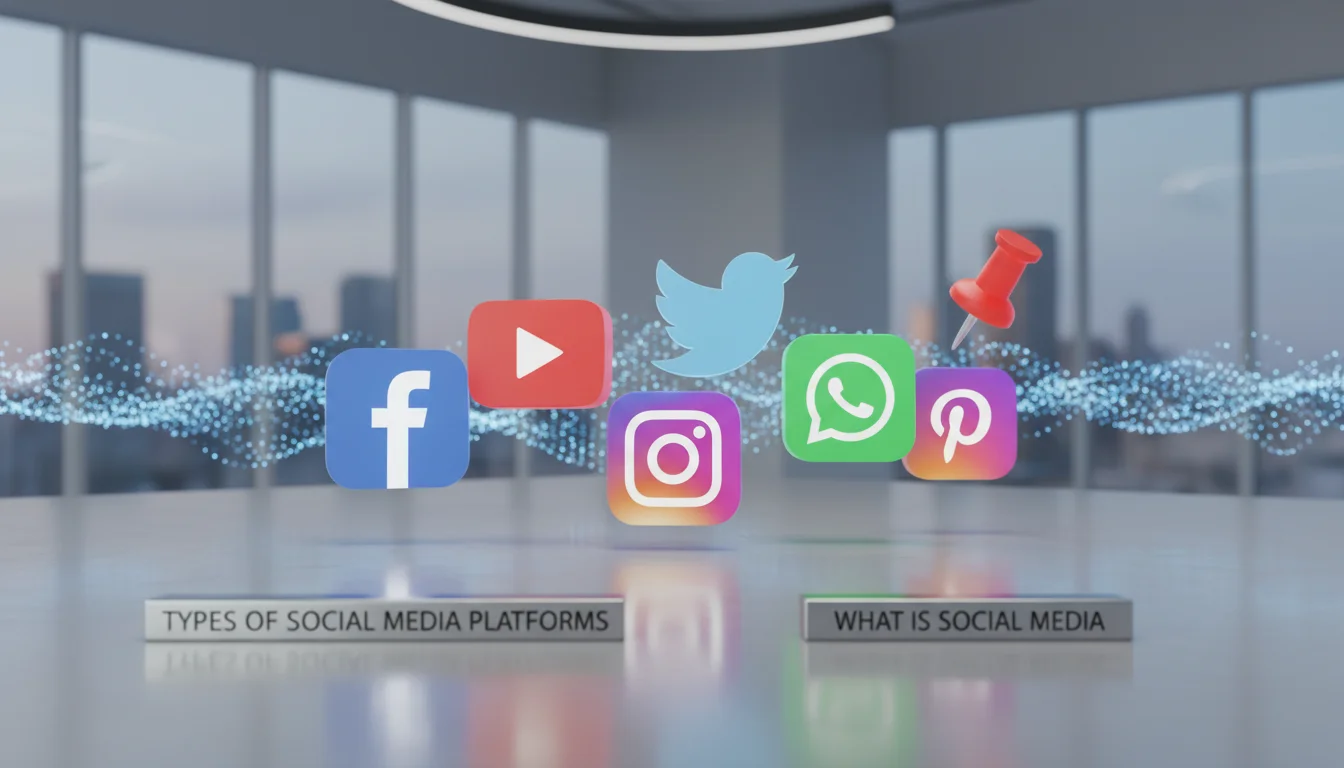 Social Media Platforms – what is social media | Emin Media” class=”wp-image-9510″ loading=”lazy” width=”1792″ height=”1024″ />
Social media can be categorized by primary function, though most platforms now blend multiple purposes. Understanding these categories helps answer what is social media in practical terms.
| Type | Examples | Primary Use | Best For Brands |
|---|---|---|---|
| Social Networking | Facebook, LinkedIn | Connecting with friends, colleagues, and professional contacts | Community building, B2B networking |
| Media Sharing | Instagram, YouTube, TikTok | Sharing photos, videos, and live streams | Visual storytelling, product demos |
| Microblogging | Twitter (X), Threads | Short-form text updates and news | Real-time engagement, customer service |
| Discussion Forums | Reddit, Quora | Q&A and topic-based discussions | Thought leadership, community support |
| Messaging | WhatsApp, Messenger, WeChat | Private and group communication | Customer support, exclusive content |
| Content Curation | Pinterest, Flipboard | Discovering and saving ideas | Inspiration marketing, product catalogs |
How Social Media Works: A Step-by-Step Process
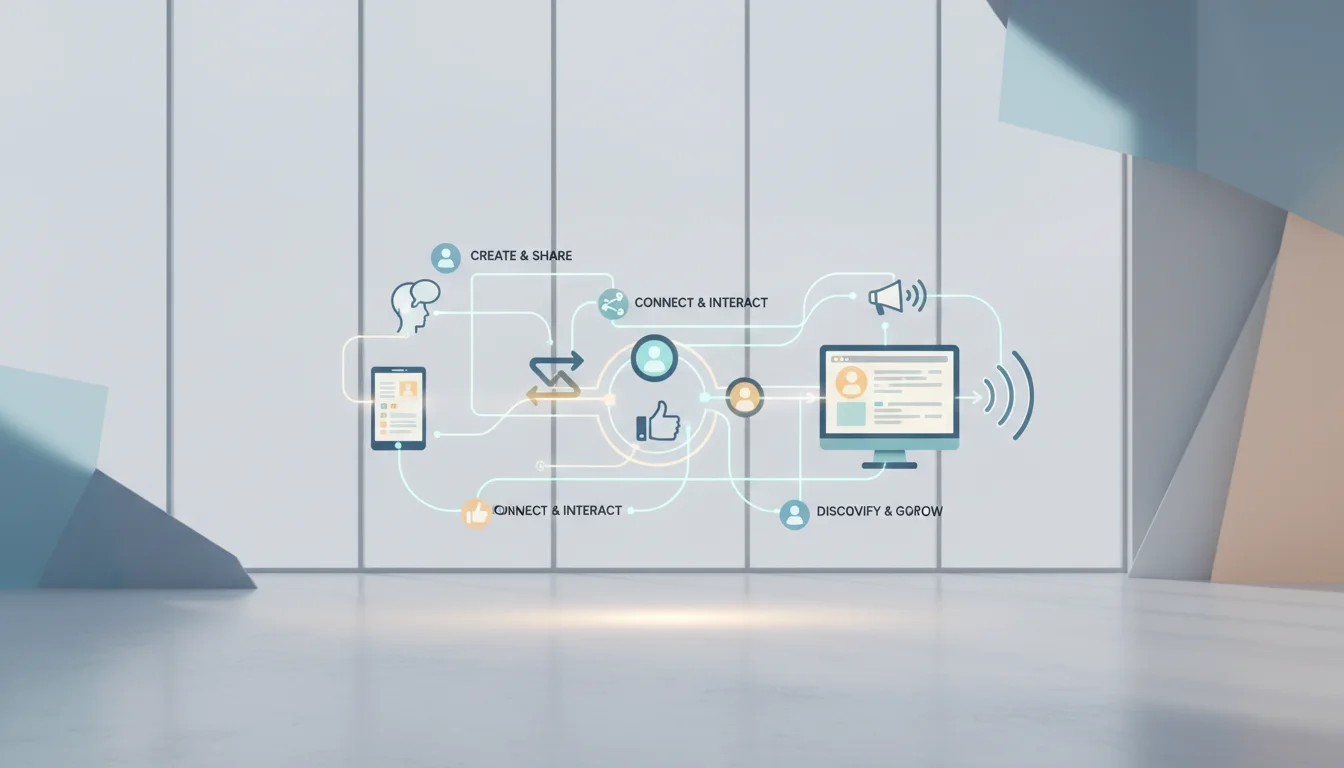
Understanding the mechanics of social media helps clarify what is social media in practice , it’s not just posting and hoping for the best.
- Create an account: Sign up with an email or phone number, set a username, and build a profile that represents your digital identity.
- Find and connect: Search for friends, follow brands, or join groups based on interests , the algorithm starts learning your preferences immediately.
- Consume content: Browse a feed of posts, videos, and ads curated by algorithms that get smarter with every scroll.
- Engage: Like, comment, share, or save content to interact with others , each action teaches the platform more about you.
- Create content: Post text, images, videos, or stories to share with your network and potentially reach new audiences.
- Build a network: Grow followers, participate in discussions, and establish your presence through consistent, valuable contributions.
What to Look For: Choosing the Right Social Media Platforms
Not all social media platforms are created equal, and choosing the right ones depends on your goals, audience, and resources. Here’s what to consider when selecting platforms for personal or business use.
Audience Demographics
Different platforms attract different age groups and interests. TikTok skews younger (16-24), LinkedIn targets professionals (25-54), and Facebook has the broadest age range. Research shows that understanding your audience’s platform preferences can improve engagement rates by up to 60%.
Content Format Strengths
- Visual brands: Instagram, Pinterest, TikTok excel at showcasing products and lifestyle content
- B2B companies: LinkedIn dominates professional networking and thought leadership
- News and updates: Twitter (X) remains the go-to for real-time information sharing
- Long-form content: YouTube and Facebook support detailed storytelling and tutorials
Resource Requirements
Consider your team’s capacity. TikTok demands frequent, creative video content. LinkedIn requires thoughtful, professional posts. Instagram needs high-quality visuals. Twitter thrives on real-time engagement. Choose platforms where you can maintain consistent, quality presence rather than spreading thin across everything.
Platform Comparison: Budget vs Premium Features
Understanding the investment levels for different social media approaches helps brands make strategic decisions about where to focus their efforts.
| Investment Level | Platforms | Monthly Budget Range | What You Get |
|---|---|---|---|
| Budget Starter | Facebook, Instagram | $500 – $2,000 | Basic posting, community management, simple ads |
| Mid-Range Growth | Multi-platform presence | $2,000 – $8,000 | Content creation, paid advertising, analytics, influencer partnerships |
| Premium Strategy | Full ecosystem approach | $8,000 – $25,000+ | Custom content, advanced targeting, video production, dedicated management |
How to Style Your Social Media Presence: Content Strategy Ideas
Your social media presence is like your brand’s wardrobe , it needs to be cohesive, appropriate for the occasion, and authentically you. Here are proven content styling approaches that work across industries.
The Behind-the-Scenes Approach
Show your process, team, and company culture. This works especially well for creative agencies, restaurants, and service businesses. Think Instagram Stories of your design process, TikToks of your team’s daily routines, or LinkedIn posts about lessons learned from recent projects.
The Educational Authority Style
Position yourself as the go-to expert in your field. Share tips, tutorials, and industry insights. This approach builds trust and demonstrates expertise. Examples include LinkedIn articles about marketing trends, YouTube tutorials for your product, or Twitter threads breaking down complex topics.
The Community-First Strategy
Focus on building relationships rather than pushing products. Engage with your audience’s content, share user-generated content, and create conversations. This works particularly well for lifestyle brands, nonprofits, and local businesses.
The Trendjacking Technique
Stay current with platform-specific trends and adapt them to your brand voice. This requires agility but can dramatically increase reach. Think branded TikTok dances, Twitter meme participation, or Instagram Reels using trending audio.
Benefits of Social Media
Social media offers numerous advantages for individuals, businesses, and society , though the benefits vary significantly based on how strategically you approach each platform.
For Individuals
- Connectivity: Stay in touch with friends and family across distances, maintaining relationships that might otherwise fade.
- Learning: Access educational content, tutorials, and news from experts worldwide , often for free.
- Entertainment: Enjoy videos, memes, and live events tailored to your interests by increasingly sophisticated algorithms.
- Self-expression: Share opinions, creativity, and personal milestones with audiences who genuinely care.
- Career opportunities: Network professionally, showcase skills, and discover job opportunities through platforms like LinkedIn.
For Businesses
- Brand awareness: Reach millions of potential customers with targeted precision that traditional advertising can’t match.
- Customer engagement: Interact directly with audiences, building relationships that translate to loyalty and sales.
- Advertising efficiency: Targeted ads can reduce cost per acquisition by 30-50% compared to traditional media, according to marketing research.
- Market insights: Analyze user data and engagement patterns to improve products and understand customer preferences.
- Crisis management: Address issues quickly and transparently, often turning potential disasters into trust-building opportunities.
Social Media Trends and Seasonal Strategies for 2026
As of 2026, social media continues evolving at breakneck speed. Understanding current trends helps brands stay relevant and maximize their investment in these platforms.
AI-Powered Content Creation
Artificial intelligence now helps create everything from Instagram captions to TikTok videos. Smart brands use AI as a creative partner, not a replacement for human insight. The most successful campaigns blend AI efficiency with human authenticity.
Short-Form Video Dominance
Every platform now prioritizes short-form video content. Instagram Reels, YouTube Shorts, and TikTok continue driving the highest engagement rates. Brands that master quick, compelling storytelling see significantly better results than those stuck in static post formats.
Social Commerce Integration
Shopping directly within social platforms has become seamless. Instagram Shopping, TikTok Shop, and Facebook Marketplace blur the lines between discovery and purchase. Brands with strong social commerce strategies report conversion rates 2-3 times higher than traditional e-commerce.
Seasonal Content Planning
Successful brands plan content around seasonal moments, cultural events, and platform-specific celebrations. This includes everything from holiday campaigns to trending hashtag participation. The key is authentic relevance , forced trend participation often backfires.
Challenges and Criticisms of Social Media
Despite its benefits, social media faces significant criticism that brands and individuals must navigate carefully. Understanding these challenges helps create more responsible social media strategies.
Mental Health Concerns
Studies show that excessive use can lead to anxiety, depression, and poor sleep, especially among teens. The American Psychological Association warns that social media can foster social comparison and cyberbullying. Brands increasingly focus on promoting positive mental health through their content strategies.
Misinformation and Echo Chambers
False information spreads rapidly across social platforms. A 2023 MIT study found that false news on Twitter spreads 6 times faster than true news. Algorithms often create echo chambers, reinforcing existing beliefs rather than encouraging diverse perspectives. This creates both challenges and opportunities for brands to be trusted information sources.
Privacy and Data Security
Platforms collect vast amounts of personal data for advertising purposes. High-profile breaches, like the Facebook-Cambridge Analytica scandal, have raised concerns about data misuse. Brands must balance personalized marketing with respect for user privacy.
Algorithm Dependency
Organic reach has declined significantly across most platforms, forcing brands to pay for visibility. Algorithm changes can devastate businesses that rely too heavily on single platforms. Smart brands diversify their social media presence and maintain owned media channels.
Care and Maintenance: Managing Your Social Media Presence
Like any valuable asset, your social media presence requires ongoing care and maintenance to deliver consistent results. Here’s what to expect and how to manage it effectively.
Daily Maintenance Tasks
- Monitor mentions and messages: Respond to comments, direct messages, and brand mentions within 2-4 hours during business hours
- Engage authentically: Like, comment, and share relevant content from your community and industry peers
- Track performance: Review daily metrics to understand what content resonates with your audience
- Stay current: Monitor trending topics and news that might affect your brand or industry
Weekly Strategy Reviews
Analyze your content performance, adjust posting schedules based on engagement data, and plan upcoming content around events, holidays, or product launches. Most successful brands dedicate 2-3 hours weekly to strategic planning.
Monthly Deep Dives
Review overall performance metrics, analyze competitor strategies, update your content calendar, and assess whether your current platform mix aligns with your goals. This is when you make bigger strategic adjustments.
Quarterly Platform Audits
Evaluate which platforms deliver the best ROI, consider adding or dropping platforms based on performance, update your brand voice and visual guidelines, and plan major campaigns or content series.
Social Media Usage Statistics
Quantitative data highlights the massive scale of social media and helps brands understand the landscape they’re entering.
- Over 4.9 billion people use social media worldwide as of 2025 (DataReportal) , that’s more than half the global population
- The average user spends 2.5 hours per day on social platforms, creating massive opportunities for brand engagement
- YouTube has over 2.5 billion monthly active users, making it the second-largest search engine after Google
- Instagram users share over 100 million photos daily, creating an endless stream of visual content
- TikTok was the most downloaded app in 2024 with 800 million downloads, demonstrating the platform’s explosive growth
- Social media advertising revenue exceeded $200 billion in 2025 (eMarketer), showing the commercial importance of these platforms
- Video content generates 12 times more shares than text and images combined, according to creative industry data
What to Expect: The Future of Social Media
Understanding where social media is heading helps brands prepare for upcoming changes and opportunities. Based on current trends and platform developments, here’s what we anticipate.
Increased Integration with Daily Life
Social media will become even more embedded in daily activities. We’re already seeing social commerce, social learning, and social customer service. Expect platforms to expand into areas like social banking, social healthcare, and social governance.
Enhanced Privacy Controls
User demand for privacy will drive platforms to offer more granular control over data sharing and content visibility. Brands will need to adapt to more limited data availability while still delivering personalized experiences.
Virtual and Augmented Reality Integration
As VR and AR technology improves, social media will become more immersive. Virtual showrooms, AR try-on experiences, and 3D social spaces will create new opportunities for brand engagement.
AI-Powered Personalization
Artificial intelligence will make social media experiences increasingly personalized. Content, ads, and even platform interfaces will adapt to individual user preferences and behaviors in real-time.
Ready to transform your brand’s social media presence? Contact Emin Media for a free brand consultation and let’s build something bold together.
Frequently Asked Questions
What is social media in simple words?
Social media are websites and apps that allow people to create and share content and connect with others online. Think of them as digital spaces where conversations, creativity, and community building happen 24/7.
What are the top 5 social media platforms in 2026?
As of 2026, the top five by monthly active users are Facebook (3+ billion), YouTube (2.5+ billion), WhatsApp (2+ billion), Instagram (2+ billion), and TikTok (1.5+ billion). Each serves different purposes and audiences.
How much should a small business spend on social media marketing?
Small businesses typically invest $500-$3,000 monthly on social media marketing, including content creation and advertising. The exact amount depends on your industry, goals, and target audience size.
What’s the difference between organic and paid social media?
Organic social media refers to free content you post and share, while paid social media involves advertising spend to boost reach and target specific audiences. Most successful strategies combine both approaches.
How often should businesses post on social media?
Posting frequency varies by platform: Instagram (3-7 times per week), Facebook (3-5 times per week), Twitter (3-5 times per day), LinkedIn (2-3 times per week), and TikTok (3-5 times per week). Quality always beats quantity.
Can social media actually drive sales for businesses?
Yes, social media can significantly impact sales through brand awareness, lead generation, and direct social commerce. Brands with strong social media strategies report 20-40% higher conversion rates compared to those without social presence.
Enjoyed this article?
Contact Emin Media for a free brand consultation and let's create something amazing together.
Get in TouchRelated Articles
Digital Storytelling for Business: 2026 Playbook
Digital storytelling for business explained: frameworks, tools, mistakes to avoid, and a 2026 playbook to…

Startup Marketing: A Practical Growth Guide (2026)
Startup marketing is your roadmap to customers and revenue. Learn proven strategies, budgeting tips, and…

Facebook Digital Creator: The 2026 Complete Guide
Become a facebook digital creator in minutes. Explore monetization tools, pro tips, and step-by-step setup…