Polaroid Camera Instant and Digital: 2026 Hybrid Guide
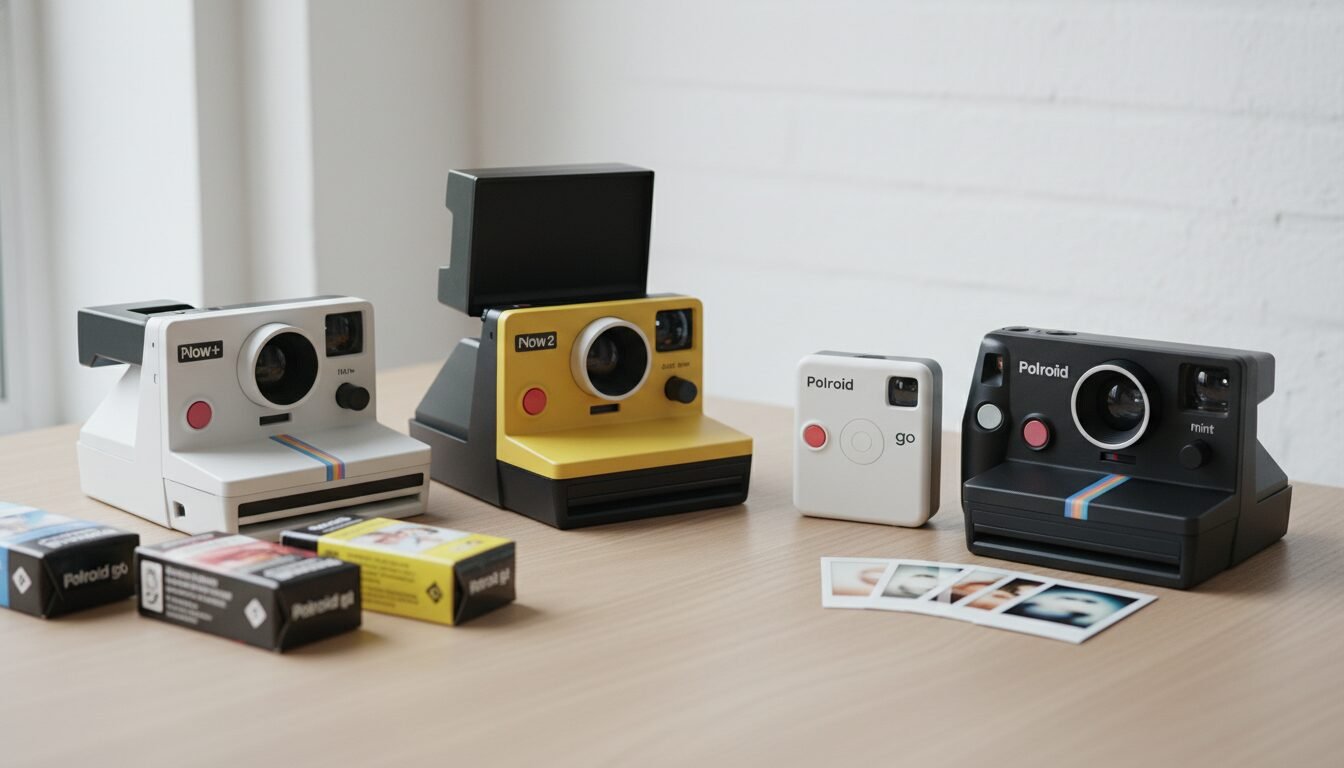
Polaroid camera instant and digital is a hybrid device combining digital capture with immediate physical printing capabilities. These cameras preview, edit, and store photos digitally while producing tangible prints instantly.
Key Takeaways
- Hybrid cameras save film by letting you select which photos to print, reducing waste
- Instax Mini Evo and LiPlay are top hybrid choices, while the Polaroid I-2 focuses on analog excellence
- Print costs range from $0.50 to $0.75 per print, depending on film type and brand
- Digital preview screens and smartphone apps add creative flexibility without sacrificing instant gratification
- The best choice depends on whether you value digital versatility or pure analog experience
What Are Polaroid Instant and Digital Cameras?
The Hybrid Camera Concept
A hybrid instant camera captures photos with a digital sensor and either prints them immediately on instant film or stores them digitally for later printing. Unlike purely analog instant cameras, these and digital models save digital files to internal memory or microSD cards and often connect to smartphones. Fujifilm’s Instax line currently offers four hybrid models in 2026: the Mini Evo, Mini LiPlay, WIDE Evo, and LiPlay+. True Polaroid-branded hybrids are rare — the concept usually refers to combining a digital camera with an instant printer like the Polaroid Lab, or third-party ZINK cameras.
Why Choose a Hybrid Over a Traditional Instant Camera?
Hybrid cameras solve the dilemma of wanting tangible prints without giving up digital convenience. You can preview every shot on an LCD screen, select only the best ones to print, and reuse digital files for social sharing. This eliminates wasted film and can lead to significant savings over time. The ability to apply creative filters and frames before printing adds an extra layer of personalization that pure analog cameras lack.
“For high-quality, retro-cool prints at a reasonable price, we think the Fujifilm Instax Square SQ40 is a great choice.” — Wirecutter
Top Hybrid Camera Models in 2026
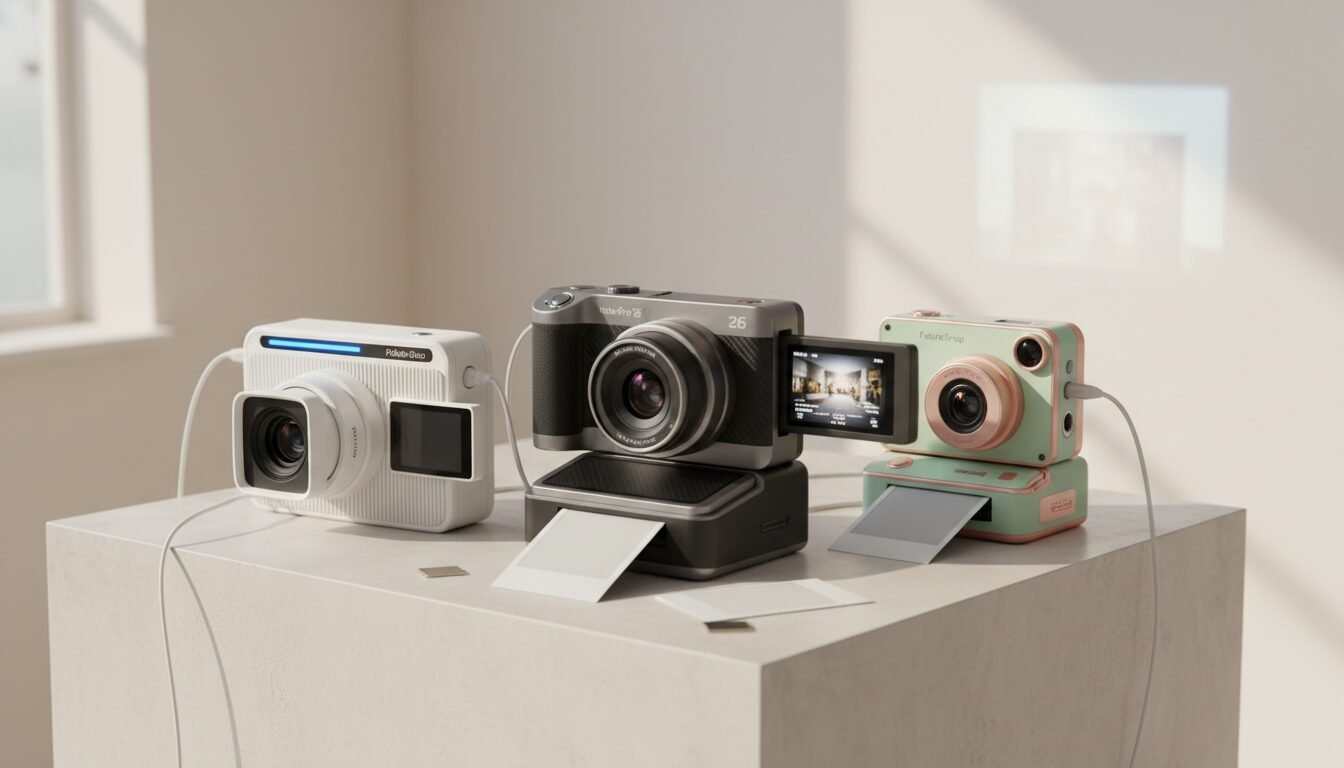
Instax Mini Evo – The Creative Powerhouse
The Fujifilm Instax Mini Evo is a top-of-the-line hybrid camera and printer with a classic design. Priced at $234.95, it uses Instax Mini film to produce credit-card-sized prints. Its key features include an array of lens and film effects, a selfie mirror, dual shutter buttons, and the ability to print images directly from your smartphone via the companion app. Digital copies are stored on a microSD card (not included) for easy transfer.
Instax Mini LiPlay – Compact and Connected
The Instax Mini LiPlay is a compact hybrid that stands out with its sound recording feature — you can embed a short audio clip into a photo via a QR code. It also offers remote shooting via Bluetooth, a front selfie mirror, and an LCD preview screen. Images are saved to internal memory or microSD. While its digital sensor quality is modest, this these digital option is an affordable entry point into hybrid photography.
Instax WIDE Evo and Other Options
For larger prints, the Instax WIDE Evo uses Instax Wide film (nearly twice the size of Mini). The new LiPlay+ adds refined controls. If you prefer a Polaroid-branded experience, the Polaroid Snap uses ZINK Zero Ink paper to print digital shots, though it doesn’t use traditional Polaroid film. The Polaroid Lab turns your smartphone photos into real Polaroid prints, effectively creating a digital-to-instant workflow.
Film Costs and Print Sizes Compared
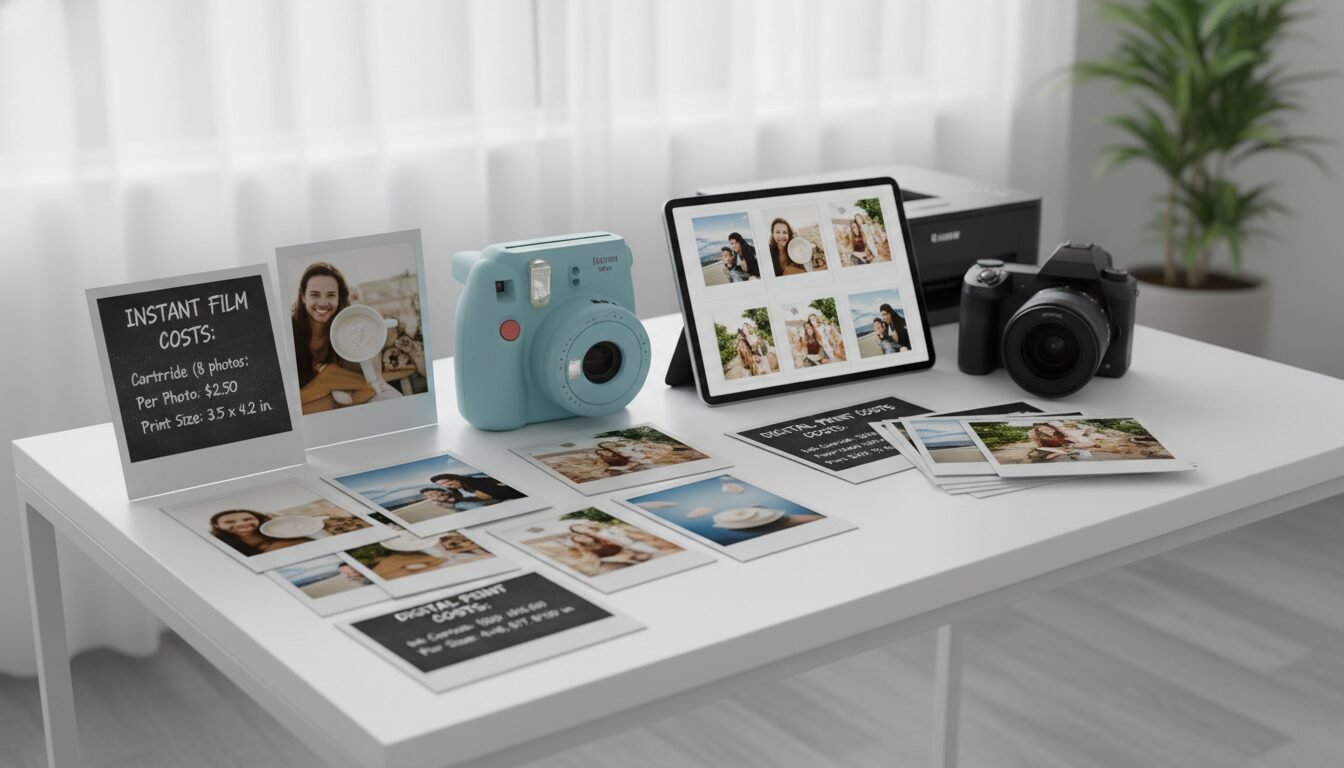
| Film/Paper Type | Cost per Print | Print Size | Used by Hybrid Models |
|---|---|---|---|
| Instax Mini | $0.75 | Credit-card size (2.1×3.4 in.) | Mini Evo, LiPlay, LiPlay+ |
| ZINK 2×3 | $0.50 | 2×3 in. | Polaroid Snap, Kodak Step |
Instax Mini, Square, and Wide Formats
Instax Mini film is the most popular for hybrids, delivering prints about the size of a credit card. Square and Wide formats are used by certain analog-only cameras and the WIDE Evo hybrid. According to Wirecutter, a twin pack of Instax Square film costs around $18, keeping per-print costs manageable.
ZINK Paper – A Different Approach
ZINK (Zero Ink) technology uses heat-activated dye crystals embedded in the paper, meaning no ink cartridges or chemical development. A 50-pack of ZINK paper costs $24.99, or $0.50 per print. This makes ZINK cameras like the Polaroid Snap a more budget-friendly option per print, though the image quality and longevity differ from traditional instant film.
How Hybrid Cameras Save You Money and Film
Preview Before Printing
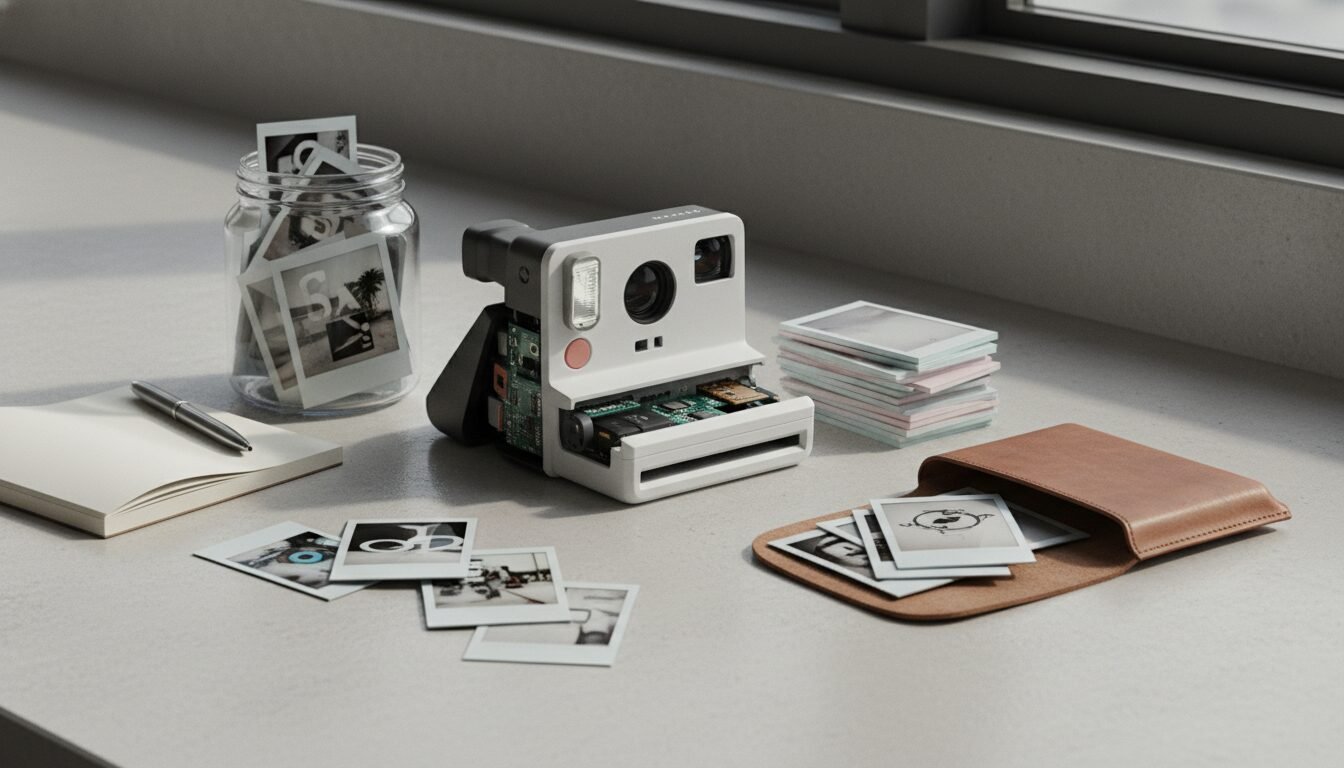
The LCD screen on a hybrid camera lets you decide whether a photo is worth printing. With analog instant cameras, every shutter press costs film regardless of the result. By skipping blurry or poorly framed shots, you can cut film waste dramatically.
Digital Storage for Reprinting
Hybrid cameras store images as digital files, allowing you to reprint a photo multiple times — even years later — without taking a new shot. This is impossible with pure analog cameras that produce a single physical copy. You can also back up images to your phone or cloud storage.
Sharing on Social Media
With built-in Wi‑Fi or Bluetooth, you can transfer images to your smartphone instantly. The Instax Mini Evo’s app enables printing from your camera roll, so even phone photos can become instant prints. This bridges the gap between physical mementos and online sharing.
Step-by-Step: Capture and Print Your First Hybrid Photo
- Power on the camera and select your desired mode (e.g., normal, selfie).
- Frame your shot using the LCD screen or viewfinder, and apply lens or film effects if available.
- Press the shutter button to capture the digital image.
- Review the photo on the LCD screen. Decide if you want to print it now or save it for later.
- If printing, ensure film is loaded, then press the print button. Wait about 90 seconds for the print to develop.
- Transfer digital files to your smartphone via the companion app for sharing or backup.
Choosing Between Hybrid and Traditional Instant Cameras
When a Pure Analog Camera Makes Sense
If you crave full manual control and the authentic analog process, the Polaroid I-2 is a standout. It’s the first analog instant camera with built-in manual controls, a sharp three-lens system, LiDAR autofocus, and seven selectable f‑stops. However, at $599.99, it’s a serious investment and doesn’t capture digital copies.
“The I-2 is the first analog instant camera with built-in manual controls and is equipped with the sharpest-ever Polaroid lens.” — Polaroid
The Versatility Factor
A such and digital like the Instax Mini Evo offers more flexibility: digital preview, reprinting, smartphone connectivity, and creative effects. For most everyday users, this versatility outweighs the purist appeal of analog-only models. The ability to switch between digital storage and instant printing makes these polaroid camera instant and digital models the smarter choice for spontaneity and practicality.
Pros and Cons
Pros
- Preview shots before printing to avoid wasted film
- Store digital copies for reprinting and social sharing
- Apply creative filters and effects before printing
- Connect to smartphones for expanded functionality
- Lower cost per print with selective printing
Cons
- More complex operation than pure analog cameras
- Digital sensor quality may be modest compared to dedicated cameras
- Higher upfront cost than basic instant cameras
- Requires charging and memory card management
Frequently Asked Questions
What is a polaroid camera instant and digital?
A polaroid camera instant and digital is a hybrid device that captures photos digitally and prints them on instant film. It merges the convenience of digital photography with the nostalgic appeal of physical prints.
Can I use a hybrid camera without printing?
Yes, hybrid cameras store digital copies on internal memory or a microSD card, allowing you to transfer images to a computer or smartphone without ever printing them.
How long do instant prints take to develop?
Most Instax prints take about 90 seconds to fully develop, while ZINK prints are ready immediately as they use heat activation rather than chemical development.
Are Polaroid hybrid cameras available?
Polaroid currently focuses on analog instant photography. However, third-party devices like the Polaroid Snap offer a digital-then-print experience using ZINK paper, which is different from traditional Polaroid film.
What is the best polaroid camera instant and digital for beginners?
The Instax Mini Evo is an excellent choice for beginners due to its intuitive controls, creative effects, and ability to print only the best shots, which helps conserve film.
Can I edit photos before printing on a hybrid camera?
Many hybrid cameras, like the Instax Mini Evo, include built-in filters and frames that let you customize the image directly on the camera’s LCD screen before printing.
Conclusion
As instant photography evolves, the polaroid camera instant and digital category offers the best of both worlds. By blending the tactile joy of a physical print with the flexibility of digital technology, hybrids like the Instax Mini Evo and LiPlay empower you to capture, curate, and share memories without compromise. Whether you prioritize cost savings, creative control, or easy sharing, there’s a polaroid camera instant and digital model that fits your needs in 2026.
Contact Emin Media for a free brand consultation to explore how visual storytelling can transform your creative projects.
Enjoyed this article?
Contact Emin Media for a free brand consultation and let's create something amazing together.
Get in TouchRelated Articles
Good Digital SLR Camera Guide 2026: Top 5 DSLRs Worth Buying
Find the best good digital SLR camera in 2026. Compare Nikon D850, Canon 90D, Pentax…
Sony Digital SLR Camera Guide: A99 II & A-Mount Legacy 2026
Sony digital SLR camera systems offer optical viewfinders and A-mount compatibility. Compare A99 II specs,…
Digital TLR Camera Guide: Chuzhao Review & Buying Tips 2026
Digital TLR camera buying guide featuring Chuzhao specs, pricing, and alternatives. Get vintage vibes with…