Digital Polaroid Camera Guide: Best Hybrid Models for 2026
Key Takeaways
- Digital polaroid cameras merge digital capture with instant printing, giving you preview control and physical prints.
- Fujifilm’s Instax hybrid lineup dominates the market, with the Mini Evo and WIDE Evo leading creative options.
- Print costs run about 75 cents per photo with Instax Mini film, making tangible memories surprisingly affordable.
- These cameras resonate with Gen Z and creators who want vintage aesthetics plus modern connectivity.
- Essential features include LCD preview screens, smartphone apps, and multiple creative effects for maximum artistic control.
A digital polaroid camera captures photos with a digital sensor and prints them instantly on film. Popular models like the Fujifilm Instax Mini Evo offer screen previews, creative filters, and Bluetooth connectivity for the perfect blend of digital convenience and instant gratification.
What Is a Digital Polaroid Camera?
Media” class=”wp-image-9618″ loading=”lazy” width=”1792″ height=”1024″ />A digital polaroid camera uses a digital sensor to capture images and then instantly produces physical prints on self-developing film. Unlike traditional instant cameras that expose film directly, these hybrid instant cameras let you preview, edit, and choose which photos to print, dramatically reducing wasted film. They bridge the gap between the spontaneity of instant prints and the creative control of digital photography.
The Evolution from Analog Instant to Digital Hybrid
Instant photography began with analog Polaroid cameras in the 1940s, but today’s digital instant cameras add screens, memory storage, and app connectivity. Early devices like the Polaroid Snap (discontinued) laid the groundwork, but it’s Fujifilm’s Instax lineup that now dominates. In 2026, Fujifilm offers 13 distinct instant camera models, including five hybrid models that function as true digital instant cameras, according to the official Instax camera lineup.
Key Features That Define Digital Instant Cameras
Don’t confuse these cameras with pure analog instant models. The defining feature is a digital sensor and LCD screen that allow image review before printing. Other hallmarks include built-in digital effects (like color filters and vignettes), microSD card slots for saving files, and smartphone apps for remote shooting or printing from your phone gallery. These features give you creative flexibility that analog models simply can’t match.
Top Digital Polaroid Cameras for 2026
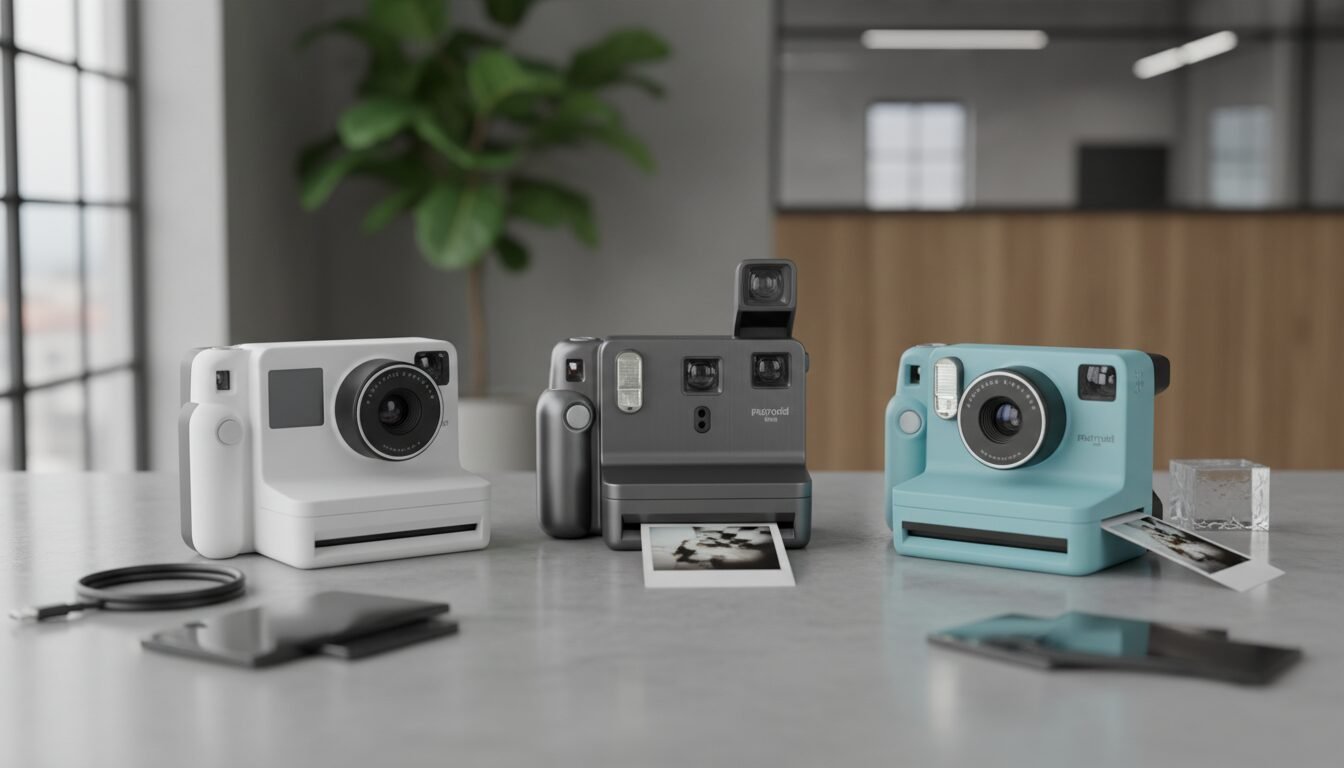
After analyzing the market and expert reviews from Wirecutter, we’ve identified the leading options that balance image quality, ease of use, and value. The table below compares the standout models, all available this year.
| Model | Type | Print Size | LCD Screen | Smartphone App | Best For |
|---|---|---|---|---|---|
| Fujifilm Instax Mini Evo | Hybrid | Mini (credit card) | Yes | Yes | Creative effects |
| Fujifilm Instax WIDE Evo | Hybrid | Wide (double mini) | Yes | Yes | Group shots & landscapes |
| Fujifilm Instax Pal | Digital | Mini (via app/printer) | No (phone required) | Yes | Ultra-portable fun |
| Fujifilm Instax Mini LiPlay+ | Hybrid | Mini | Yes | Yes | Voice & sound recording |
Fujifilm Instax Mini Evo: The Creative Hybrid
According to Wirecutter, the Instax Mini Evo is the top digital hybrid camera, combining a 5-megapixel sensor with a built-in printer. It uses Instax Mini film, which costs about 75 cents per print when bought in twin packs ($18 for 20 sheets). The camera offers extensive filter combinations and a classic design that evokes vintage Polaroid cameras.
Instax WIDE Evo: Larger Prints, More Possibilities
The WIDE Evo produces prints on Instax Wide film, which is twice as wide as Mini film (source). This makes it ideal for group photos or scenes where you want more detail. Like the Mini Evo, it includes a digital screen and app control, allowing you to print directly from your smartphone as well.
Instax Pal: The Compact Digital Shooter
The Instax Pal is a tiny digital camera that doesn’t have a built-in printer—instead, it pairs with a smartphone app and external Instax printers. It’s the most portable option and a fun entry into digital instant photography, especially if you already own an Instax printer. However, standalone printing requires a separate device.
“The Fujifilm Instax Mini Evo is our upgrade pick for anyone willing to pay more for a camera with a digital screen and fun creative filters, while still getting those tangible instant prints.” – Wirecutter, The Best Instant Camera
Digital vs. Analog Instant Cameras: Which Is Right for You?
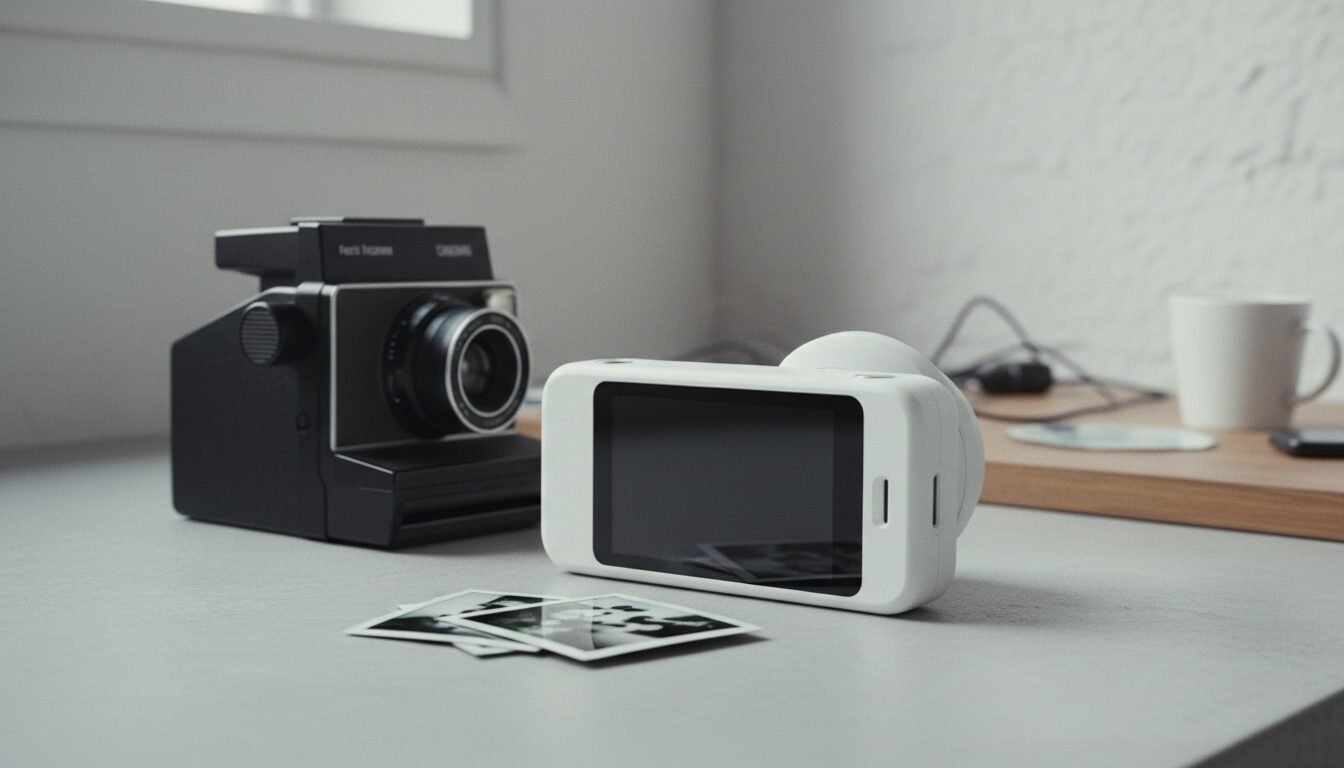
Choosing between a digital hybrid and a classic analog instant camera depends on your priorities. Digital hybrids give you the ability to select the perfect shot before committing film, while analog models offer a simpler, more immediate experience. Below, we break down the key differences.
Print Quality and Film Options
Analog cameras like the Fujifilm Instax Square SQ40 (priced at $239, per Wirecutter) produce physical prints directly from light exposure, often giving them a dreamy, retro look. Digital hybrids, on the other hand, expose film using the camera’s screen, which can lead to slightly different color reproduction but also lets you enhance images with filters before printing. Both use the same Instax films, so your choice of print size—Mini, Square, or Wide—is identical across platforms.
Cost Per Print Comparison
Film is where your budget lives. For Instax Mini film, a twin pack costs about $18, yielding 20 prints and a per-print cost of 75 cents (Wirecutter data). Square film twin packs are also $18, but produce only 16 prints, making per-print costs slightly higher. Because you can preview and avoid failed shots, digital hybrids often result in less wasted film, lowering your real-world expense.
Connectivity and Sharing
Only digital hybrids let you save high-resolution files to a microSD card and transfer them to your phone via Bluetooth. This means you can post your instant-style photos on social media while still having a physical print. Analog cameras give you only the print—no digital backup. For many users, this dual output is the deciding factor.
How to Choose the Best Digital Instant Camera
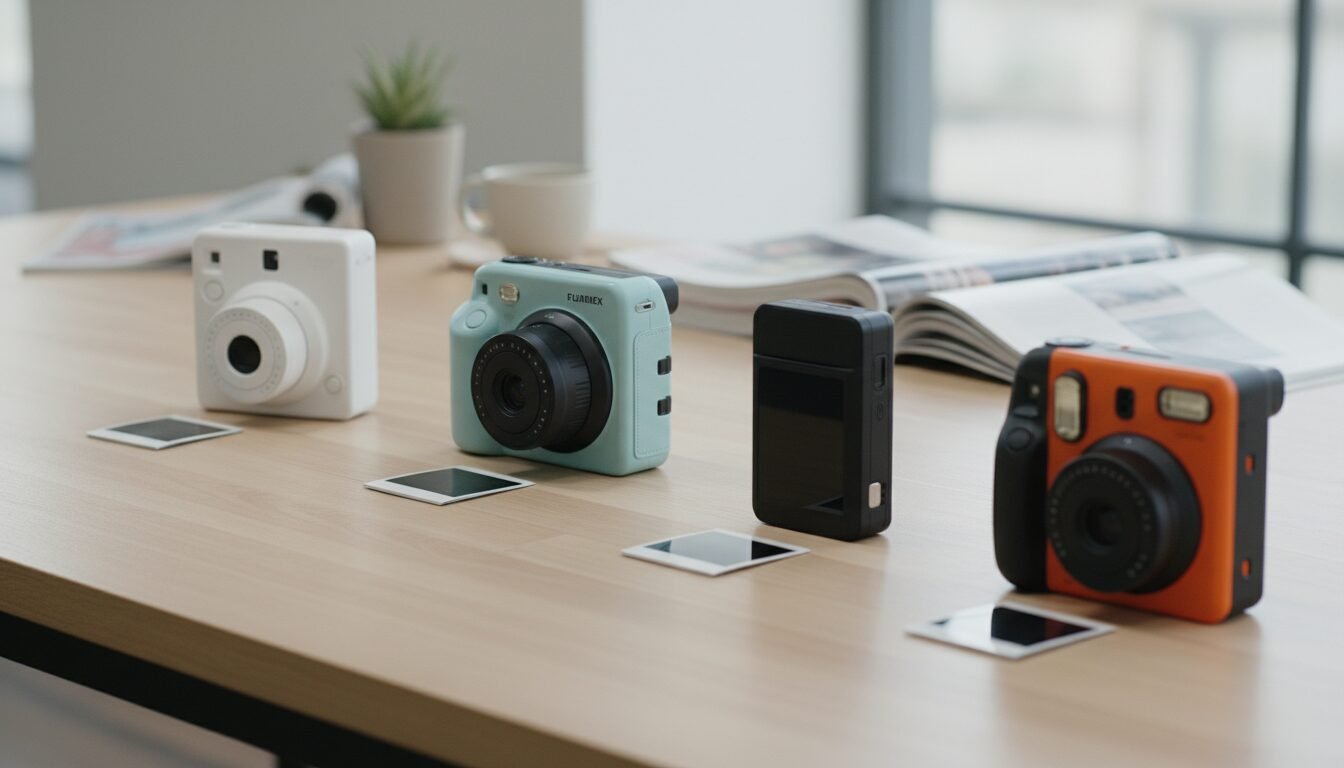
With multiple models on the market, focus on these criteria to find the right fit for your needs.
Print Size Matters: Mini, Square, or Wide?
Instax film comes in three sizes: Mini (62 x 46 mm), Square (62 x 62 mm), and Wide (108 x 86 mm). Mini is wallet-friendly and most common, Square offers a balanced frame, and Wide provides double the area of Mini for group shots. Digital hybrids like the Mini Evo use Mini film, while the WIDE Evo uses the larger format.
Battery Life and Storage
Most hybrid cameras use rechargeable lithium-ion batteries that last for roughly 100 prints per charge (actual performance varies by model). Digital storage via microSD is a key advantage: you can take hundreds of digital photos and print selectively, something impossible with analog equivalents.
Lens Quality and Digital Effects
While these cameras aren’t known for advanced optics, look for a model with a decent built-in lens and a variety of digital effects. The Mini Evo, for example, offers multiple filter combinations to simulate film looks. A higher megapixel count (like 5 MP in the Mini Evo) ensures your digital files are crisp enough for 4×6-inch reprints.
The Resurgence of Instant Photography Among Gen Z
Demand for these cameras is surging, fueled largely by Gen Z’s enthusiasm for tangible, retro-inspired technology. They see these devices as a counterpoint to ephemeral smartphone photos—a way to create physical keepsakes that feel more intentional.
Why Vintage Aesthetics Are Back
According to market observers, the aesthetic of a slightly imperfect, faded print has become a sought-after look on platforms like Instagram and TikTok. Digital instant cameras let users achieve that nostalgic feel without giving up the ability to edit or share digitally. The result is a blend of old and new that resonates with younger buyers.
Social Media Integration with Physical Prints
Many hybrid cameras now include QR-code printing features (via the companion app) that link a physical print to a digital album or video message. This bridges the gap between physical mementos and online sharing, making the cameras popular at parties, weddings, and creative projects.
AI-Enhanced Features in Modern Hybrid Cameras
By 2026, artificial intelligence has started appearing even in consumer instant cameras. Brands like Fujifilm are embedding AI into apps like instax UP! to help users enhance their prints automatically.
Automated Editing and Smart Composition
Some companion apps now analyze your digital shots for composition, exposure, and even facial expressions, suggesting the best frames to print. While the cameras themselves remain simple to use, the AI layer acts like a built-in photo editor, increasing the number of keeper prints.
App Integration and Cloud Printing
AI-powered apps can also pull images from your cloud storage and apply film-like effects before sending them to a connected printer. This means your hybrid camera can produce prints not just from its own sensor, but from any photo you’ve taken—a capability that traditional instant cameras cannot match.
Pro Tips for Getting the Most from Your Digital Instant Camera
Master these techniques to improve your prints and reduce waste.
Composition Techniques for Instant Prints
Because instant films have limited dynamic range, avoid extreme backlighting and ensure your subject is well-lit. Use the camera’s grid overlay (if available) to apply the rule of thirds. Since you can preview, take the time to adjust framing before hitting print.
Using Filters and Effects Creatively
Don’t overdo it. Subtle filters often look better in print than heavy presets. Experiment with black-and-white or sepia modes to mimic classic film stock. Remember that each print is final, so use the digital screen to check how the filter renders.
Step-by-Step: Printing Your First Photo
- Power on your camera and ensure film is loaded correctly.
- Frame your shot using the LCD screen; adjust composition as needed.
- Apply filters or effects via the camera menu if desired.
- Press the shutter to capture the digital image.
- Review the preview on screen—decide to print immediately or discard.
- Press the print button (if needed) and wait for the film to eject.
- Allow the print to develop naturally; avoid shaking it.
Pros and Cons
Pros
- Preview and edit photos before printing, reducing wasted film
- Save digital copies for social media sharing and backup
- Creative filters and effects enhance artistic possibilities
- Smartphone app integration for remote printing and cloud access
- Combines instant gratification with digital convenience
Cons
- Higher upfront cost compared to basic analog instant cameras
- Battery dependency means charging is required for operation
- Digital processing can alter the authentic instant film aesthetic
- More complex interface may overwhelm users seeking simplicity
- Film costs remain high regardless of digital features
Frequently Asked Questions
Is there a digital Polaroid camera?
Yes, several models on the market function as digital instant cameras. The Fujifilm Instax Mini Evo and WIDE Evo are leading examples, capturing digital images and printing them on Instax film instantly.
What digital camera takes photos like a Polaroid?
Digital hybrid cameras like the Instax Mini Evo and Mini LiPlay+ produce physical prints with a retro look similar to classic Polaroid cameras, while also saving digital copies for sharing.
Is it better to get a Polaroid camera or digital camera?
That depends on your goals. A digital instant camera gives you both digital files and instant prints, offering more flexibility. A traditional analog instant camera provides a simpler, more tactile experience but no digital backup.
Why is Gen Z using old cameras?
Gen Z values the tangible, imperfect nature of physical prints as a counterbalance to digital overload. These cameras let them enjoy that aesthetic while still connecting with online audiences.
How much does Instax film cost?
Instax Mini film costs about $18 for a twin pack of 20 prints, or 75 cents per photo. Wide film is slightly more per print; Square film is similar to Mini in price per pack.
Can I save digital copies with a hybrid instant camera?
Yes, all hybrid and digital instant cameras store images on a memory card or internal storage, allowing you to transfer files to your computer or phone for editing or sharing.
Ready to blend vintage charm with modern creativity? Contact Emin Media for a free brand consultation and discover how instant photography can enhance your visual storytelling strategy.
Enjoyed this article?
Contact Emin Media for a free brand consultation and let's create something amazing together.
Get in Touch