Digital Marketing Specialist: Skills, Career & How to Start
A digital marketing specialist is a professional who develops strategies to promote a company’s products and services across digital channels like email, social media, and SEO. They handle market research, campaign execution, and performance analysis to drive measurable business results.
Key Takeaways
- A marketing specialist develops and executes online marketing strategies across channels like SEO, social media, and email.
- They blend creative content creation with data-driven analysis to optimize campaign performance.
- The role often serves as a stepping stone to senior positions such as digital marketing manager.
- Specialization in areas like SEO, PPC, or content marketing can sharpen career prospects significantly.
- Certifications from Google, HubSpot, and Adobe are widely recognized by employers and accessible to beginners.
What Is a Digital Marketing Specialist?
The Core Definition
A this type of specialist is an expert in using online platforms to reach target audiences and achieve business objectives. According to Coursera, this role involves developing marketing strategies that drive engagement and sales across channels such as email, social media, and search engines. The WGU career guide explains that these professionals spend their days creating, deploying, managing, and tracking campaigns to strengthen a company’s online presence. In short, they are the bridge between a brand and its digital audience.
Evolving Responsibilities
Traditionally, a digital marketer might have managed a single channel. Modern roles, however, often require oversight of multiple integrated campaigns running simultaneously. With the rise of data analytics and AI tools, the role now emphasizes strategic thinking alongside technical proficiency. Specialists must stay current with algorithm changes, platform updates, and shifting consumer behavior. That combination of creativity and analytical rigor is what makes the position genuinely difficult to fill.
Specialist vs. Generalist
In large organizations, a specialist may focus on one area, such as SEO or social media marketing. Smaller companies frequently expect one person to handle all digital marketing efforts. According to Coursera, job titles like “email marketing specialist” or “content marketing specialist” indicate a narrower focus within the broader discipline. Regardless of scope, success requires understanding how each channel contributes to the overall marketing picture.
“Most this kind of specialists spend their days creating, deploying, managing, and tracking campaigns to strengthen a company’s online presence. They work collaboratively with designers, developers, and communication professionals to determine the most effective ways to reach a target audience.” – WGU Career Guide
Core Responsibilities of the Role
Campaign Strategy and Execution
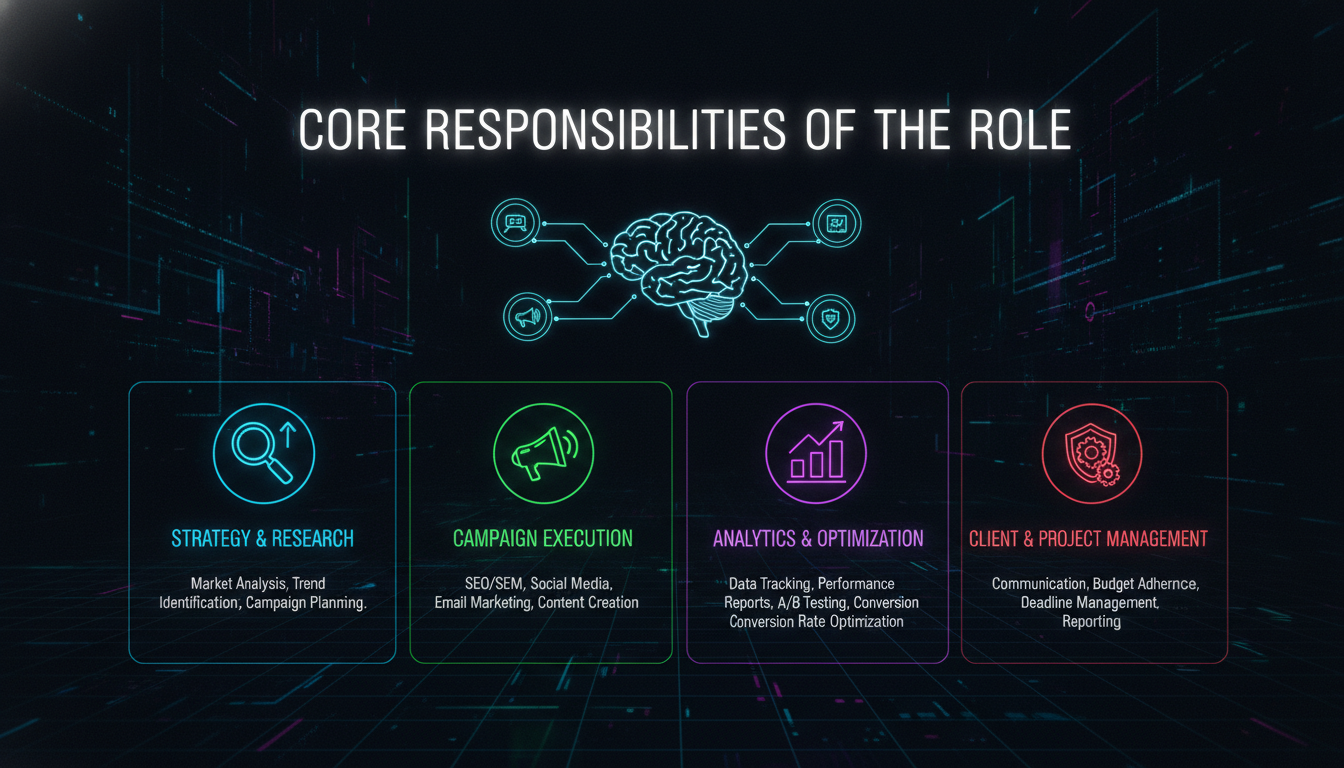
A digital marketing translates marketing objectives into actionable campaigns. The process starts with thorough market research to understand customer needs and competitor activities. From there, the specialist selects the most appropriate channels, whether search engine marketing, social media, or email, and crafts targeted messages. Execution means coordinating with creative teams, setting budgets, and launching campaigns that align with brand voice and business goals.
Data Analysis and Performance Reporting
Measuring campaign effectiveness is non-negotiable. Specialists use tools like Google Analytics, SEMrush, or HubSpot to track metrics such as click-through rates, conversions, and return on ad spend (ROAS). A key performance indicator (KPI) is a metric used to evaluate campaign success, such as conversion rate or cost per lead. They translate complex data into actionable insights and present reports to stakeholders. As WGU notes, determining the optimal placement of ads based on click-through and conversion rates is a core daily task.
Content Creation and Optimization
Beyond numbers, creativity matters. Specialists frequently develop or oversee written, visual, and video content. They ensure all materials are optimized for search engines and aligned with the customer journey. A/B testing headlines, emails, and landing pages falls squarely in their domain. The blend of data and creativity is what makes this role genuinely hard to replace with automation alone.
Essential Skills for Modern Marketers
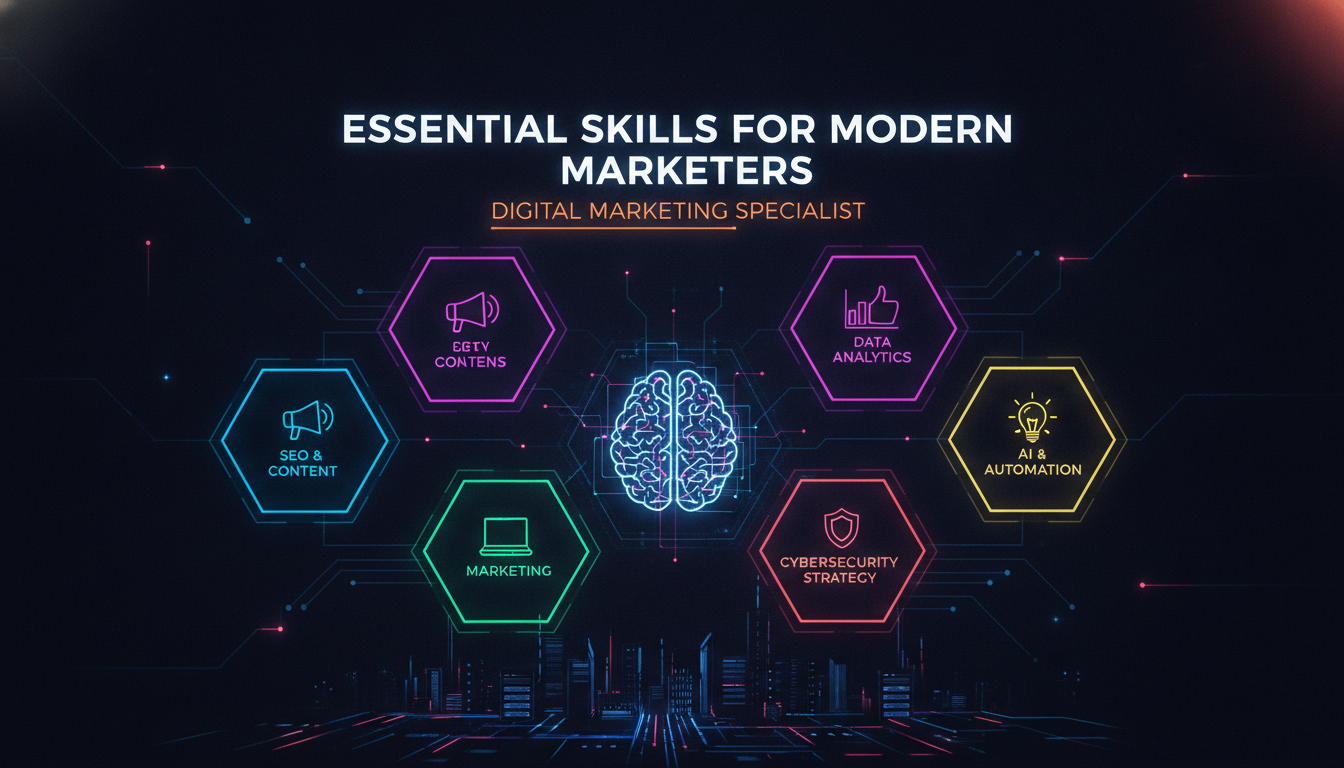
Technical Skills
Technical proficiency forms the foundation of the role. Common technical skills include:
- Search Engine Optimization (SEO): Understanding how to optimize content for organic search visibility.
- Pay-Per-Click (PPC) Advertising: Managing paid campaigns on Google Ads or social platforms.
- Email Marketing: Crafting nurture sequences and automations with tools like Mailchimp or HubSpot.
- Data Analytics: Interpreting metrics to guide decisions and justify budget allocation.
Coursera’s career guide highlights that a marketing specialist needs technical know-how to effectively plan, execute, and analyze campaigns across every channel they touch.
Analytical Skills
A data-driven mindset separates great specialists from average ones. They must be comfortable with A/B testing, conversion rate optimization, and attribution modeling. The ability to extract insights from raw data and pivot strategies accordingly is essential. This analytical rigor ensures budgets are spent wisely and campaigns continuously improve rather than coast on past results.
Creative and Communication Skills
Creativity fuels compelling content. Writing ad copy, designing visual assets, or scripting videos all require a genuine creative touch. Strong communication skills are equally vital for collaborating with cross-functional teams and presenting results to non-marketing stakeholders. These professionals often act as the voice of the customer inside the organization, which is a responsibility that carries real weight.
Key Digital Marketing Channels to Master
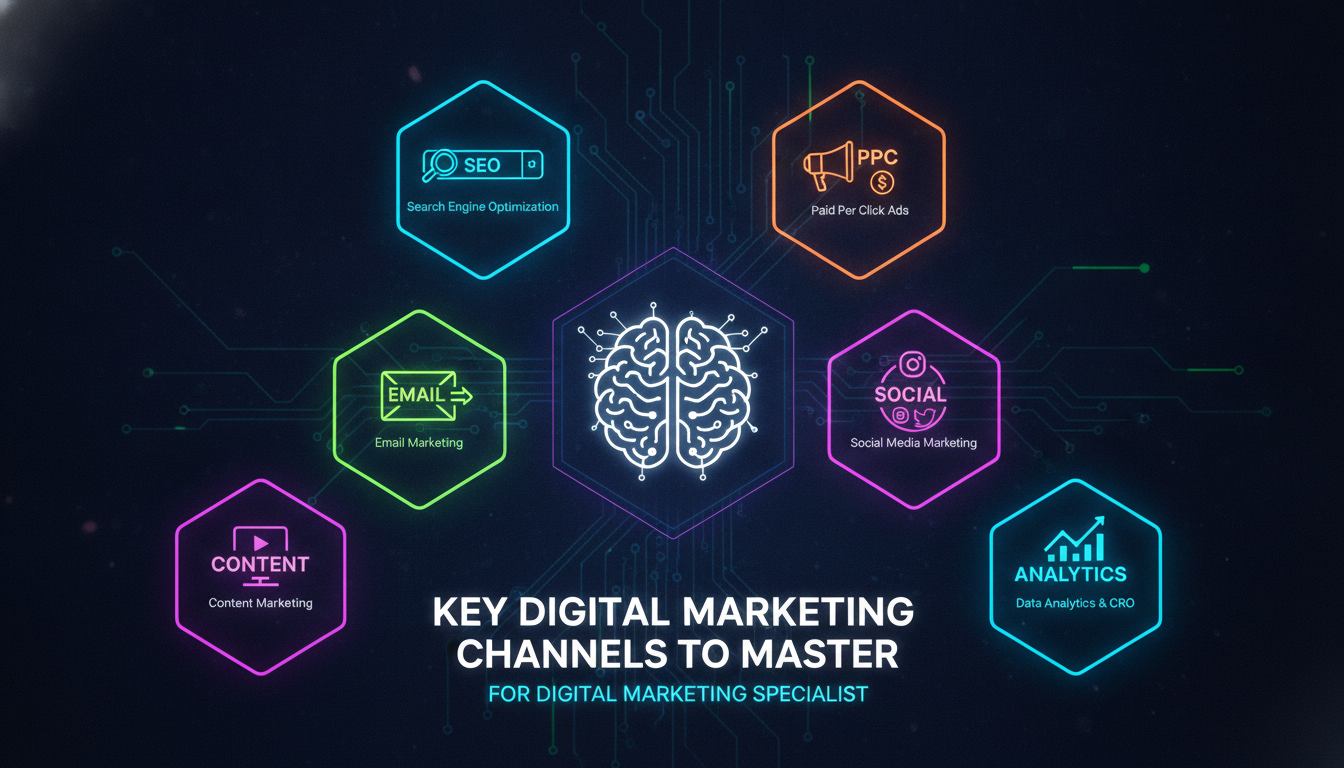
Search Engine Marketing (SEO and PPC)
Search engine marketing covers both organic (SEO) and paid (PPC) strategies. SEO involves optimizing website content, structure, and backlinks to rank higher in search results. PPC uses platforms like Google Ads to display sponsored listings. A this type of specialist must balance long-term SEO efforts with immediate PPC results to capture both top-of-funnel awareness and transactional traffic at the bottom.
Social Media Marketing
Social media channels such as Facebook, Instagram, LinkedIn, and TikTok offer vast engagement opportunities for brands of every size. Specialists create platform-specific content, manage communities, and run paid social campaigns. According to Coursera, some digital marketers focus solely on social media, while others integrate it into a broader omnichannel strategy that spans multiple touchpoints.
Email and Content Marketing
Email remains a high-ROI channel for nurturing leads and retaining customers. Specialists design email sequences that deliver value and drive conversions at each stage of the funnel. Content marketing, including blogs, whitepapers, and videos, supports SEO and builds brand authority over time. A well-rounded specialist knows how to repurpose content across channels for maximum reach without doubling the workload.
| Channel | Primary Goal | Core Skills | Common Tools |
|---|---|---|---|
| SEO | Organic traffic | Keyword research, on-page optimization | Google Search Console, Ahrefs |
| PPC | Paid traffic, conversions | Ad copywriting, bid management | Google Ads, Microsoft Advertising |
| Social Media | Brand awareness, engagement | Content creation, community management | Hootsuite, Buffer, Canva |
| Email Marketing | Lead nurturing, retention | Copywriting, automation | Mailchimp, HubSpot |
| Content Marketing | Authority, SEO support | Writing, storytelling, SEO | WordPress, SEMrush |
Pros and Cons of Being a Digital Marketing Specialist
Pros
- High demand across industries: Nearly every sector, from e-commerce to healthcare to finance, needs digital marketing talent.
- Creative and analytical variety: No two campaigns are identical. The role keeps you thinking both creatively and strategically every day.
- Clear career progression: Entry-level roles lead to specialist positions, then to manager and director titles with broader strategic scope.
- Accessible entry points: Certifications from Google, HubSpot, and Adobe let motivated people enter the field without a traditional four-year degree.
- Remote-friendly work: Digital marketing is inherently online, making remote and hybrid arrangements common across the industry.
Cons
- Constant change: Algorithm updates, platform policy shifts, and new tools mean continuous learning is not optional.
- Attribution complexity: Proving the exact ROI of creative or brand-building work remains genuinely difficult, even with strong analytics tools.
- Scope creep is real: Especially at smaller companies, one specialist can end up responsible for every digital channel simultaneously, which stretches bandwidth thin.
- AI pressure: Automation tools are taking over repetitive tasks, raising the bar for what specialists must offer beyond execution.
How to Become a Digital Marketing Specialist: A Step-by-Step Guide
Step 1: Understand the Digital Marketing Landscape
Start by immersing yourself in the fundamentals. Read industry blogs like Moz, HubSpot, and Search Engine Journal. Follow thought leaders on LinkedIn and attend webinars. This foundational knowledge helps you speak the language of digital marketing and identify which areas genuinely excite you. this kind of specialists are, above all else, lifelong learners.
Step 2: Acquire Formal Education or Certifications
While a degree in marketing or a related field can be beneficial, many specialists enter the field through certifications alone. Programs like the Google Digital Marketing & E-commerce Certificate, HubSpot Academy’s Content Marketing Certification, or the Adobe Marketing Specialist Professional Certificate (available on Coursera) provide hands-on training. These credentials validate your skills to employers and often include real-world projects that build your portfolio simultaneously.
Step 3: Build Practical Experience
Apply your knowledge by working on real campaigns. This could mean internships, freelancing, or volunteering to manage digital marketing for a local business or non-profit. Create your own website or blog to experiment with SEO and content marketing firsthand. According to WGU, digital marketings often start in entry-level roles where they can build a portfolio of successful campaigns before moving into more strategic positions.
Step 4: Stay Current and Specialize
Digital marketing evolves fast. Subscribe to newsletters, join professional communities, and pursue advanced certifications as your skills grow. As you gain experience, consider specializing in a high-demand niche like SEO, data analytics, or social media strategy. A marketing specialist with deep expertise in one area can command more strategic roles and greater responsibility than a generalist who knows a little about everything.
Certifications That Boost Your Credentials
Google Digital Marketing & E-commerce Certificate
Offered through Google and Coursera, this program covers the full spectrum of digital marketing, from SEO and SEM to email marketing and e-commerce. It is designed for beginners and includes a capstone project that simulates real-world challenges. Earning this certificate signals to employers that you possess job-ready skills without requiring years of prior experience.
HubSpot Content Marketing Certification
HubSpot’s free certification focuses on content creation, promotion, and analysis. It teaches how to build a content strategy that attracts and converts leads. For any digital marketing specialist involved in content, this is a must-have credential. Explore the HubSpot Content Marketing Certification.
Adobe Marketing Specialist Professional Certificate
Hosted on Coursera, this certificate covers cross-channel marketing strategies, responsible AI use, and campaign management. It is ideal for those aiming for roles that blend creativity with technology. The program is beginner-friendly and aligns with industry-recognized standards. Learn more about the Adobe Marketing Specialist Certificate.
“Digital marketing specialists need technical and workplace skills to effectively plan, execute, and analyze digital marketing campaigns while working efficiently within a team and organizational structure.” – Coursera
Career Path: From Specialist to Manager
Entry-Level Roles and Internships
Many digital marketing specialists begin their careers as marketing coordinators, social media assistants, or SEO analysts. These positions provide exposure to various channels and allow newcomers to build a foundational skill set. Coursera notes that overseeing multiple channels early on can accelerate learning and open doors to specialization down the line.
Mid-Level Specializations
With experience, professionals often narrow their focus. They might become an SEO specialist, PPC analyst, or content strategist. At this stage, they manage larger budgets, lead small teams, and develop more sophisticated campaigns. The title “digital marketing specialist” itself is often a mid-level role, indicating a blend of hands-on execution and strategic input rather than pure task completion.
Senior and Management Roles
Progression leads to roles like digital marketing manager, director of digital marketing, or head of growth. In these positions, the focus shifts from execution to strategy, team leadership, and cross-departmental collaboration. The journey from a digital marketing specialist to a manager is fueled by demonstrated impact, continuous learning, and the ability to communicate results in business terms.
A Typical Day in the Life
What does a working day actually look like? Most specialists start by reviewing overnight campaign performance data, checking ad spend pacing, and flagging anything that needs immediate attention. Mid-morning often means content work: writing copy, reviewing creative assets, or briefing a designer. Afternoons tend to involve meetings with stakeholders, reporting on KPIs, or planning the next campaign sprint. As WGU describes it, the work revolves around research, creation, publishing, and analysis, often cycling through all four in a single day. No two days are identical, which is either the best or worst part of the job depending on your personality.
Trends Shaping the Industry
AI and Automation
Artificial intelligence is reshaping digital marketing at every level. Tools powered by AI can automate bid adjustments, personalize email content, and generate ad copy variations at scale. A modern digital marketing specialist must understand how to use AI effectively without losing the human judgment that makes campaigns resonate. The Adobe certificate specifically highlights responsible AI in marketing, ensuring ethical and effective applications rather than blind automation.
The Rise of Video and Interactive Content
Short-form video dominates social media as of 2026. Platforms like TikTok and Instagram Reels require specialists to adapt their storytelling skills to new formats and shrinking attention windows. Interactive content, such as quizzes and polls, also boosts engagement by inviting participation rather than passive consumption. Staying sharp at creating dynamic content is no longer optional for anyone serious about the craft.
Emphasis on Data Privacy and Compliance
With regulations like GDPR and CCPA firmly in place, digital marketing specialists must understand privacy law at a working level. This includes transparent data collection practices, cookie consent management, and respecting user preferences across every touchpoint. A solid grasp of compliance is now a core competency, protecting both the brand and the customers it serves.
The role of a digital marketing specialist blends creative storytelling with data-driven strategy in a way that few other careers do. As businesses continue to rely on digital channels for growth, skilled specialists remain in strong demand, making this an excellent career path for anyone passionate about marketing, technology, and the intersection of both.
Ready to build something bold? Contact Emin Media for a free brand consultation and let’s map out a digital strategy that actually moves the needle.
Frequently Asked Questions
What does a digital marketing specialist do?
A digital marketing specialist promotes a company’s products or services through online channels including SEO, social media, email, and paid advertising. They handle market research, content creation, campaign management, and performance analysis to achieve measurable business goals.
Is digital marketing a high paying career?
Salaries vary by experience, location, and specialization, but the field generally offers competitive compensation relative to other marketing roles. Entry-level positions start modestly, while experienced specialists and managers can earn well above the national median salary for marketing professionals.
Can I start digital marketing with no experience?
Yes. Many people enter the field with no formal experience by building skills through self-study, certifications, and practical projects. Creating your own blog, running a small ad campaign, or volunteering to manage social media for a local organization can all demonstrate real ability to employers.
How can I become a digital marketing specialist?
Start by learning digital marketing fundamentals through online courses or a degree program. Gain practical experience via internships or freelancing, and earn certifications from recognized providers like Google, HubSpot, or Adobe. Building a portfolio of real campaigns is the fastest way to get hired.
What industries hire digital marketing specialists?
Nearly every industry needs digital marketing talent, including technology, healthcare, e-commerce, finance, and education. Specialists find roles at agencies, corporations, non-profits, and as independent consultants, giving the career path unusual flexibility across sectors.
What’s the difference between a digital marketing specialist and a manager?
A specialist focuses on executing campaigns within specific channels, while a manager oversees strategy, teams, and budgets across the full marketing function. The specialist role is more hands-on and execution-focused, whereas the manager ensures every channel aligns with broader business objectives.
Enjoyed this article?
Contact Emin Media for a free brand consultation and let's create something amazing together.
Get in Touch