Digital Camera Guide 2026: Types, Features & Buying Tips
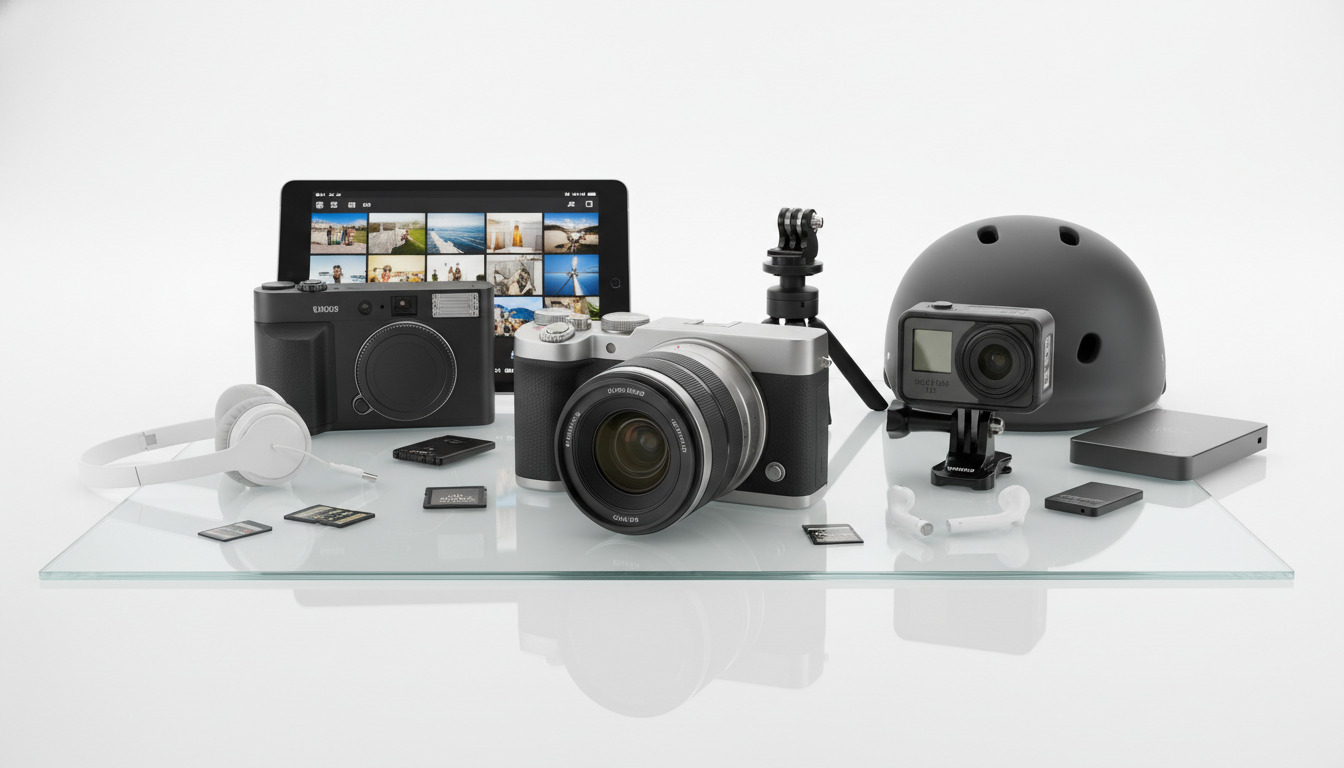
- Digital cameras deliver image quality that makes smartphone photos look like sketches next to oil paintings.
- Four main tribes: DSLR powerhouses, mirrorless marvels, point-and-shoot companions, and action-ready warriors.
- The holy trinity of specs: sensor size (your light-gathering canvas), megapixels (your detail density), and ISO range (your darkness-defying superpower).
- Canon, Sony, Nikon, Fujifilm, and Panasonic are the creative kingdoms ruling this space.
- Your perfect camera lives at the intersection of your vision, budget, and shooting style.
What Is a Digital Camera?
Media” class=”wp-image-9503″ loading=”lazy” width=”1792″ height=”1024″ />A digital camera transforms light into lasting memories through electronic wizardry. Instead of chemical film reactions, these devices use image sensors that convert photons into electrical signals, then process them into digital files you can edit, share, and treasure. The digital and camera landscape has exploded into a creative playground where everyone from weekend warriors to Hollywood cinematographers finds their perfect tool.
Types of Digital Cameras
DSLR Cameras
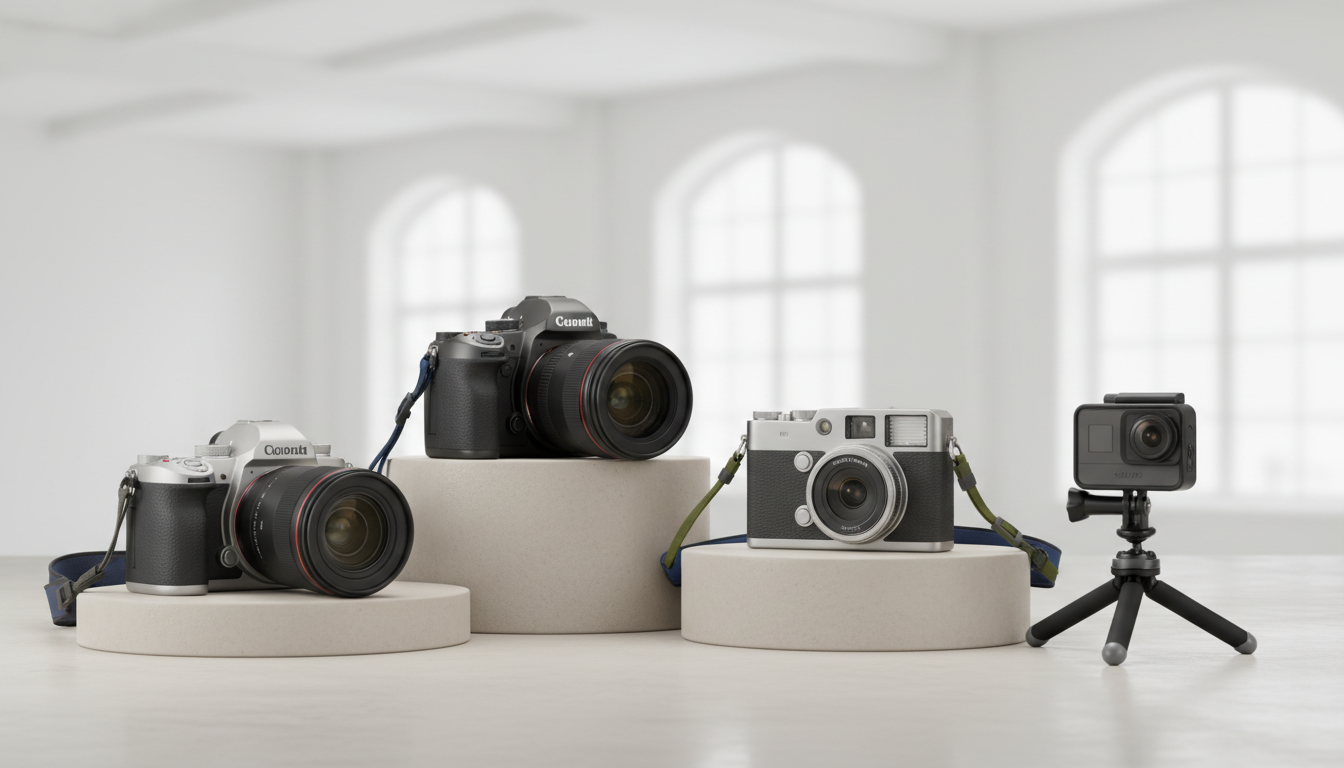
DSLR cameras are the heavyweight champions of photography — literally. That satisfying mirror slap and optical viewfinder create a tactile shooting experience that many photographers swear by. Canon’s EOS 5D Mark IV and Nikon’s D850 remain the gold standard for professionals who need bulletproof reliability. According to brand research from industry analysts, DSLRs still dominate wedding and studio photography where battery life and lens selection matter most.
Mirrorless Cameras
Mirrorless systems are the sleek sports cars of the camera world — all the power, half the bulk. Sony’s Alpha series practically invented the full-frame mirrorless category, while Fujifilm’s X-T5 brings that vintage aesthetic modern shooters crave. Creative industry data shows mirrorless cameras now capture over 60% of new interchangeable-lens sales, and it’s easy to see why when you’re hiking with a setup that weighs pounds less than its DSLR equivalent.
Point-and-Shoot Cameras
These pocket rockets prove that good things come in small packages. Sony’s RX100 VII and Canon’s PowerShot G7 X Mark III pack professional-grade sensors into bodies smaller than most sandwiches. They’re perfect for creators who want that digital and camera quality without looking like a tourist from 2010.
Action Cameras
Built for chaos and engineered for adventure. GoPro’s HERO12 Black and DJI’s Osmo Action 4 laugh at water, dust, and gravity while capturing footage that makes your smartphone videos look like they were shot through a fishbowl. These tiny titans deliver wide-angle perspectives and stabilization that turns every mountain bike ride into a cinematic experience.
Key Features to Consider
Sensor Size
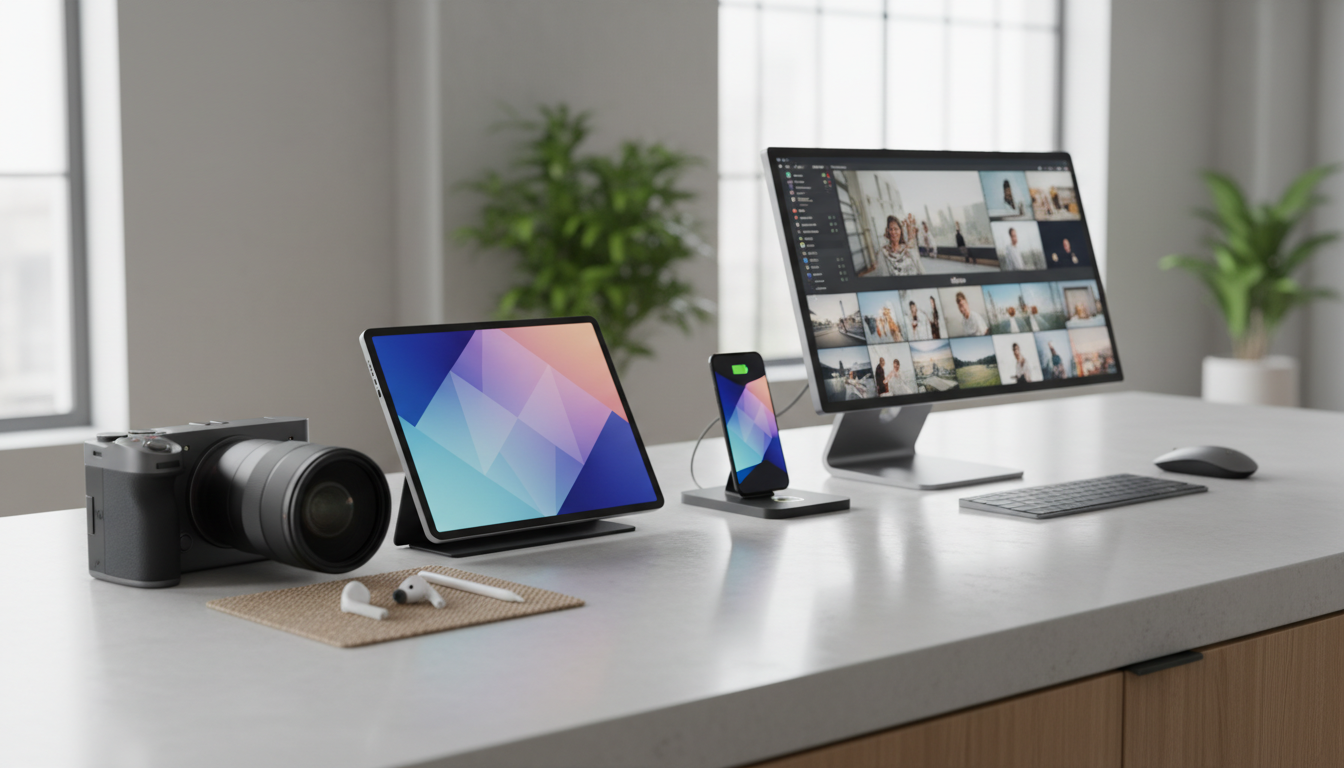
Think of the sensor as your camera’s canvas — bigger usually means better. Full-frame sensors (36x24mm) are the Rolls-Royce option, capturing light like a sponge soaks up water. APS-C sensors offer the sweet spot between performance and portability, while Micro Four Thirds keeps things compact without sacrificing too much quality. The digital and camera equation is simple: larger sensors equal better low-light performance and that dreamy background blur everyone loves.
Megapixels
Here’s where marketing meets reality. While Sony’s A7R V flaunts 61 megapixels like a peacock showing its feathers, most photographers find 20-24MP perfectly adequate for everything from Instagram to gallery walls. More pixels mean bigger files, slower processing, and the ability to crop like a surgeon — but they don’t automatically equal better photos.
ISO Range
ISO is your camera’s night vision goggles. A range stretching from 100 to 102,400 means you can shoot everything from bright beach scenes to candlelit dinners without breaking a sweat. Cameras with larger sensors handle high ISO settings like champions, producing clean images where smaller sensors would throw digital confetti (noise) all over your shots.
Lens Compatibility
Lenses are where the magic really happens. Canon’s RF mount, Sony’s E-mount, and Nikon’s Z-mount each offer their own ecosystem of glass that can transform your camera from a portrait powerhouse to a wildlife telephoto beast. The lens often matters more than the camera body — it’s like having the world’s best paint but using a mop instead of a brush.
What to Look For: Digital Camera Buying Guide 2026
Budget Tiers That Make Sense
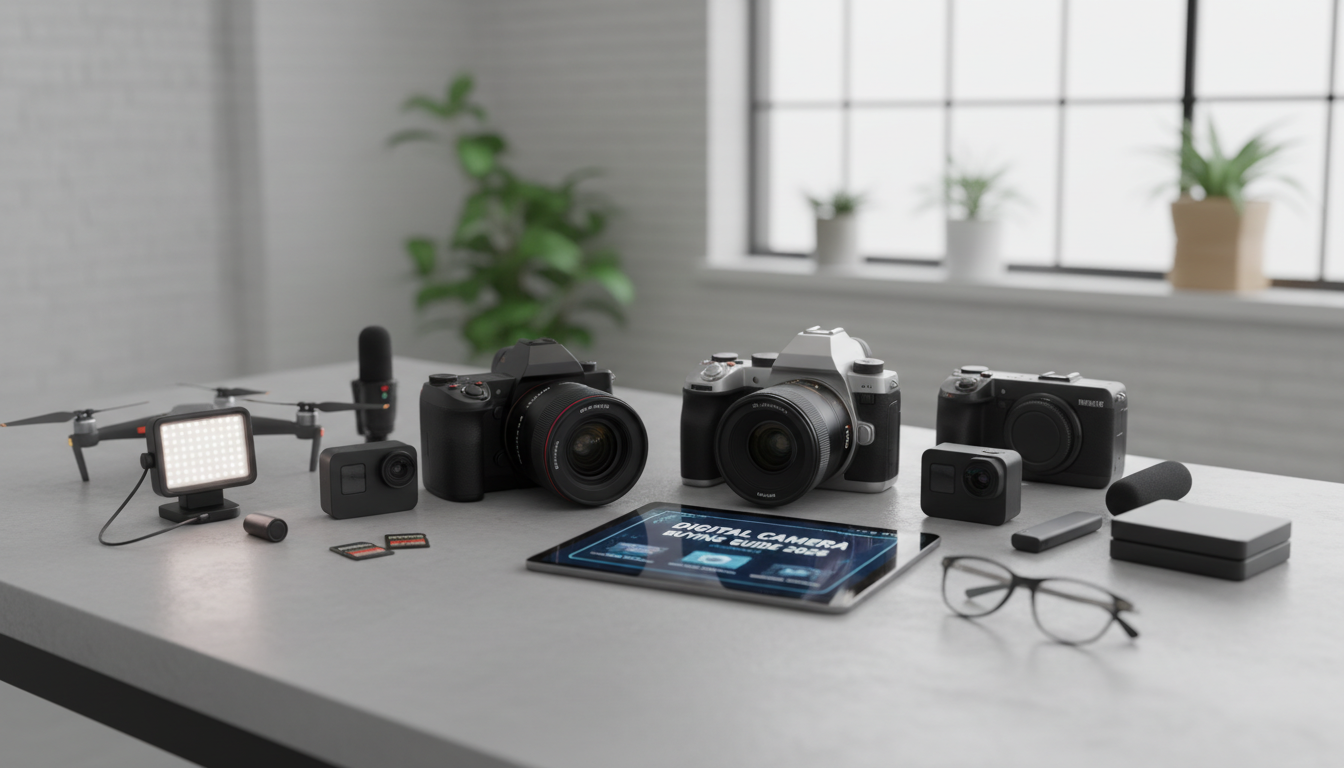
**Entry-Level ($400-$800):** Perfect for stepping up from smartphones without breaking the bank. Canon EOS R100 and Sony A6100 offer guided modes that teach while you shoot. **Mid-Range ($800-$2,500):** The sweet spot where serious hobbyists live. Sony A7 IV and Canon R6 Mark II deliver professional results without the professional price tag. **Premium ($2,500+):** For creators who demand the absolute best. Sony A1 II and Canon R5 Mark II are the tools that capture magazine covers and movie scenes.
Autofocus Performance
Modern autofocus systems are like having a personal assistant for your lens. Look for cameras with at least 400 focus points and eye-detection that works on humans, animals, and even vehicles. Sony leads this race, but Canon and Nikon have caught up significantly in 2026.
Video Capabilities
Even if you’re primarily a photographer, video features matter more than ever. 4K at 60fps is becoming the baseline, while 8K recording future-proofs your investment. Internal recording capabilities save you from external recorder headaches.
Weather Sealing
Nothing kills creativity like worrying about your gear. Weather-sealed bodies and lenses let you shoot in conditions that would send smartphone photographers running for cover. This feature separates weekend warriors from serious creators.
How to Style Your Digital Camera Setup
The Street Photography Kit
Pair a compact mirrorless body like the Fujifilm X100VI with a fixed 35mm lens. Add a leather strap and you’ve got the perfect urban exploration setup that doesn’t scream “tourist.” This combination delivers that authentic, documentary feel that makes every city corner look like a movie scene.
The Travel Content Creator
Sony A7C II with a 24-70mm f/2.8 lens covers 90% of travel scenarios. Throw in a lightweight tripod and neutral density filters for those silky waterfall shots. This setup transitions seamlessly from golden hour landscapes to blue hour cityscapes.
The Portrait Professional
Canon R5 Mark II paired with an 85mm f/1.2 lens creates portraits that make subjects look like they stepped off magazine covers. Add a reflector and external flash for studio-quality results anywhere. This combination delivers that shallow depth of field that separates professionals from amateurs.
The Adventure Documentarian
Weather-sealed Nikon Z8 with a 24-120mm f/4 lens handles everything from mountain peaks to ocean spray. Include a GoPro HERO12 for those impossible angles and you’ve got every adventure covered from multiple perspectives.
Digital Camera vs. Smartphone: The Creative Showdown
Image Quality That Speaks Volumes
Dedicated digital and camera systems don’t just beat smartphones — they obliterate them in challenging conditions. While phones rely on computational tricks, cameras use physics: larger sensors, superior optics, and processing power that doesn’t compromise for battery life. The difference becomes obvious when you’re shooting concerts, sports, or that perfect sunset.
Creative Control vs. Convenience
Smartphones excel at “good enough” photography with zero learning curve. Cameras offer the creative controls that turn photography into art — manual focus for dreamy effects, aperture control for depth storytelling, and shutter speed mastery for motion magic. It’s the difference between using Instagram filters and creating your own visual language.
The Portability Trade-off
Your phone lives in your pocket, making it unbeatable for spontaneous moments. But compact cameras like the Sony RX100 VII or Fujifilm X100VI prove you can have professional quality in a package barely larger than a smartphone. The question isn’t about convenience — it’s about intention.
Top Digital Camera Brands Dominating 2026
Canon: The Reliable Creative Partner
Canon builds cameras like Swiss watches — precise, dependable, and built to last decades. Their EOS R5 Mark II and R6 Mark II represent the perfect marriage of innovation and reliability. Canon’s digital and camera ecosystem spans from beginner-friendly models to cinema-grade beasts, all sharing that distinctive Canon color science that makes skin tones sing.
Sony: The Innovation Engine
Sony doesn’t just make cameras — they engineer the future of photography. The A1 II pushes boundaries with 50MP stills and 8K video in a body that weighs less than most DSLRs. Their autofocus technology reads scenes like a mind reader, tracking subjects with supernatural precision.
Nikon: The Heritage Craftsman
Nikon’s Z8 and retro-styled Zf prove that tradition and innovation can dance together beautifully. Their color rendering has that distinctive Nikon look — rich, natural, and timeless. The company’s commitment to build quality means these cameras become family heirlooms.
Fujifilm: The Aesthetic Alchemist
Fujifilm cameras don’t just take photos — they create moods. Film simulation modes like Velvia and Classic Chrome give digital files the soul of analog photography. The X-T5 and X100VI have become the darlings of creative professionals who value style as much as substance.
How to Choose the Right Digital Camera
Step 1: Define Your Creative Vision
Your camera should amplify your artistic voice, not constrain it. Portrait photographers need different tools than landscape artists. Wedding shooters prioritize reliability over experimental features. Sports photographers demand autofocus speed above all else. Start with your vision, then find the technology that serves it.
Step 2: Set a Realistic Budget
Remember the 70/30 rule: spend 70% of your budget on lenses, 30% on the body. A $1,000 lens on a $500 camera often outperforms a $1,500 camera with a kit lens. Factor in memory cards, extra batteries, and that inevitable second lens purchase.
Step 3: Test Drive Before You Buy
Cameras are personal tools — what feels perfect in someone else’s hands might feel awkward in yours. Visit a camera store, hold different models, navigate the menus. The best camera is the one you’ll actually want to use every day.
| Camera Type | Sensor Size | Megapixels | Video Resolution | Weight | Price Range |
|---|---|---|---|---|---|
| DSLR (Canon EOS 90D) | APS-C | 32.5 MP | 4K 30fps | 701g | $1,200-$1,500 |
| Mirrorless (Sony A7 IV) | Full-Frame | 33 MP | 4K 60fps | 658g | $2,500-$3,000 |
| Point-and-Shoot (Sony RX100 VII) | 1-inch | 20.1 MP | 4K 30fps | 302g | $1,200-$1,400 |
| Action Cam (GoPro HERO12) | 1/1.9-inch | 27 MP | 5.3K 60fps | 154g | $400-$500 |
2026 Digital Camera Trends Worth Watching
AI-Powered Photography
Artificial intelligence is revolutionizing how cameras understand scenes. Modern digital and camera systems can identify subjects, predict movement, and adjust settings faster than human reflexes. Canon’s new subject detection recognizes everything from motorcycles to airplanes, while Sony’s AI tracking follows subjects even when they temporarily leave the frame.
Computational Photography Integration
The line between smartphone and camera photography continues blurring as traditional cameras adopt computational techniques. Features like focus stacking, HDR bracketing, and noise reduction now happen in-camera, delivering results that previously required hours of post-processing.
Sustainability Focus
Camera manufacturers are embracing eco-friendly practices. Fujifilm’s packaging uses recycled materials, while Canon offers trade-in programs that give old cameras new life. This shift reflects growing environmental consciousness among photographers.
Care & Maintenance: Protecting Your Investment
Sensor Cleaning Mastery
Dust spots on your sensor are like having permanent smudges on your glasses. Use a rocket blower for basic cleaning, but invest in sensor cleaning swabs for stubborn particles. Never use compressed air — the propellant can damage delicate sensor coatings. Clean sensors produce clean images, and clean images save hours in post-processing.
Lens Care Rituals
Your lenses are precision optical instruments, not windows. Use microfiber cloths designed for optics, never paper towels or clothing. Lens cleaning solution should be applied to the cloth, not directly to the lens. UV filters act as bodyguards for your front element — they’re cheaper to replace than entire lenses.
Firmware Updates: Your Camera’s Evolution
Manufacturers regularly release firmware updates that can transform your camera’s capabilities. Sony’s updates have added entire autofocus systems to existing cameras. Check for updates monthly and treat them like software updates for your computer — they often fix bugs and add features you didn’t know you needed.
Storage and Transportation
Humidity is your camera’s silent enemy. Store gear in a dry cabinet or with silica gel packets. When traveling, use padded inserts in regular bags rather than obvious camera bags that advertise expensive contents. Temperature changes can cause condensation — let gear acclimate before use.
What to Expect: Digital Camera Performance in Real Conditions
Battery Life Reality Check
Mirrorless cameras typically deliver 300-500 shots per charge, while DSLRs can stretch to 1,000+ shots. Cold weather cuts battery life significantly. Always carry spare batteries, and consider battery grips for extended shooting sessions. USB-C charging has become standard, making power management easier than ever.
Learning Curve Expectations
Expect to spend your first month learning menu systems and basic controls. Month two focuses on understanding exposure triangle relationships. By month three, you’ll start developing your personal shooting style. The digital and camera journey is about gradual mastery, not instant gratification.
File Management Workflow
RAW files from modern cameras can exceed 50MB each. A single wedding shoot might generate 100GB of data. Invest in fast memory cards (UHS-II minimum) and establish a backup workflow from day one. Cloud storage becomes essential, not optional.
Price Range Guidance: Finding Your Sweet Spot
Budget Tier ($400-$800): The Foundation Builders
Entry-level cameras like the Canon EOS R100 or Sony A6100 offer guided modes that teach photography fundamentals while delivering results that shame smartphone cameras. These models include essential features without overwhelming beginners. Perfect for learning without the financial pressure of premium gear.
Mid-Range ($800-$2,500): The Creative Accelerators
This tier represents the photography sweet spot where serious hobbyists and emerging professionals converge. Sony A7 IV, Canon R6 Mark II, and Nikon Z6 III deliver professional image quality with user-friendly interfaces. These cameras grow with your skills and handle paid work when opportunities arise.
Premium ($2,500+): The Professional Powerhouses
Flagship cameras like Sony A1 II, Canon R5 Mark II, and Nikon Z9 are built for photographers whose livelihood depends on reliability and performance. These models offer redundant memory card slots, weather sealing, and specifications that exceed current needs — future-proofing your investment.
Ready to transform your visual storytelling? The perfect digital and camera setup awaits, whether you’re capturing family memories or building a creative empire. Contact Emin Media for a free brand consultation and discover how professional photography can elevate your visual identity.
Frequently Asked Questions
Is it still worth buying a digital camera in 2026?
Absolutely, if image quality and creative control matter to you. While smartphones excel at convenience, dedicated cameras deliver superior performance in challenging conditions like low light, sports, and professional work. The gap in image quality remains significant, especially for large prints and commercial use.
Why does Gen Z use digital cameras?
Gen Z embraces digital cameras for their authentic, unfiltered aesthetic that stands apart from heavily processed smartphone images. Point-and-shoot cameras from the 2000s create that nostalgic film look without film costs. They also appreciate the intentionality of using a dedicated device for photography.
What is the difference between a camera and a digital camera?
A camera is any device that captures images, including film cameras that use chemical processes to record light on photographic film. A digital camera uses electronic sensors to convert light into digital data, storing images as computer files that can be immediately viewed, edited, and shared.
What’s the best digital camera for beginners in 2026?
The Canon EOS R100 and Sony A6100 lead the beginner category with guided modes, excellent image quality, and room for growth. Both offer interchangeable lenses and manual controls while remaining approachable for newcomers. Fujifilm X-T30 II is another excellent choice for those preferring retro styling.
How many megapixels do I really need?
For social media and standard prints, 12-20MP is perfectly adequate. Large prints and heavy cropping benefit from 24-45MP sensors. Professional commercial work might require 50MP or higher, but most photographers find 24MP the sweet spot between file size and image quality.
Are mirrorless cameras better than DSLRs?
Mirrorless cameras offer advantages in size, weight, autofocus speed, and electronic viewfinders that show exposure preview. DSLRs counter with longer battery life, optical viewfinders, and extensive lens selections. The choice depends on personal preference and specific shooting needs — both systems produce excellent results.
Enjoyed this article?
Contact Emin Media for a free brand consultation and let's create something amazing together.
Get in Touch