Best Digital One Time Use Camera Guide 2026
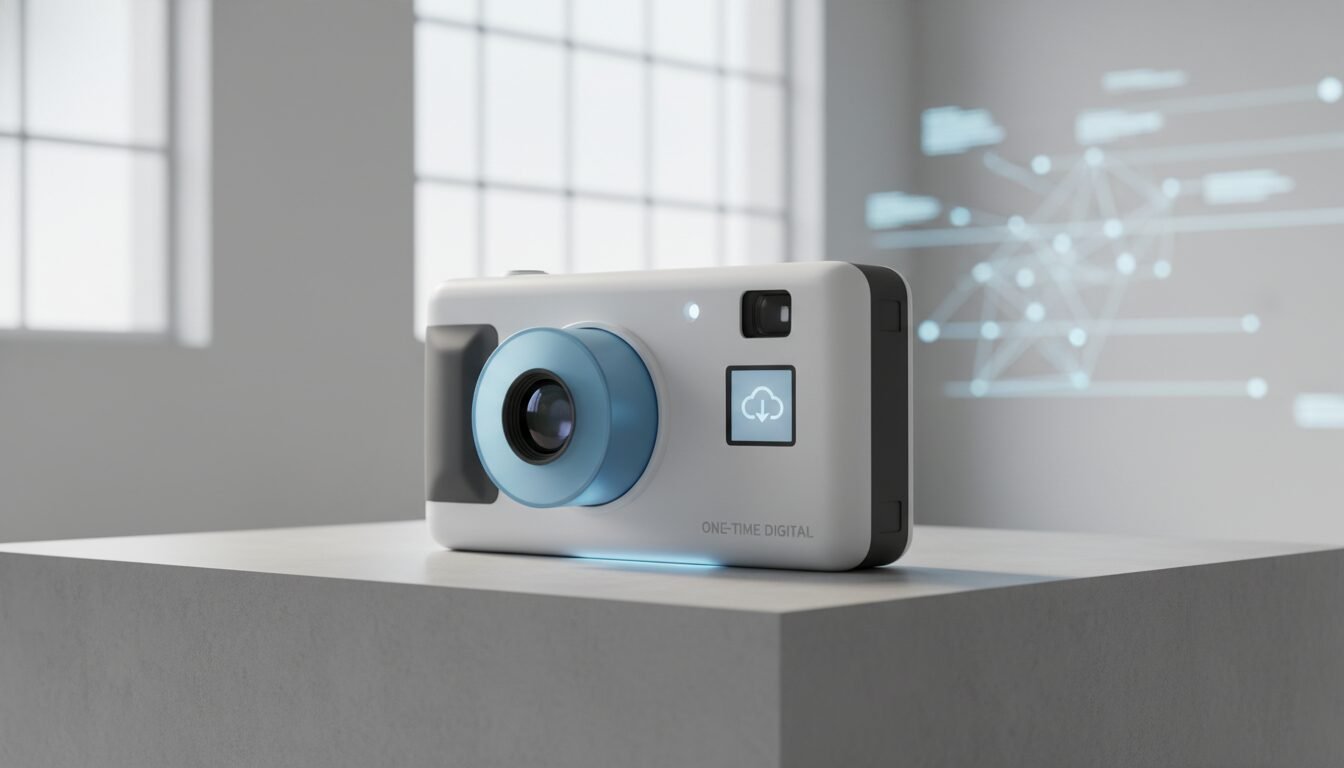
A digital one time use camera is a reusable digital device built to replicate the look, feel, and shooting experience of a traditional disposable film camera. Screen-free by design, these cameras store images on an SD card and recharge via USB, delivering hundreds of shots with zero recurring film costs.
Key Takeaways
- use cameras offer the fun of film disposables without recurring film or development costs.
- Top models for 2026 include Camp Snap, LENSY, and Maxmango D53, each with screen-free design and vintage filters.
- Prices range from $59.99 to $69.95, and the Camp Snap delivers up to 500 shots per charge.
- Choosing a reusable digital option reduces plastic waste compared to single-use film cameras.
- Select your model based on resolution, battery life, and filter options to match your shooting style.
What Is a Digital One Time Use Camera?
Media” class=”wp-image-9920″ loading=”lazy” width=”1792″ height=”1024″ />Definition and Core Concept
A this type of camera is a reusable digital device engineered to replicate the look, feel, and user experience of a traditional single-use film camera. Unlike fully featured point-and-shoots, these cameras forgo a screen for composing images, forcing you to trust your eye and wait until you transfer the files to a computer to see the results. This deliberate limitation fosters a more playful, in-the-moment shooting style that smartphones simply can’t replicate.
How It Differs from Film Disposables
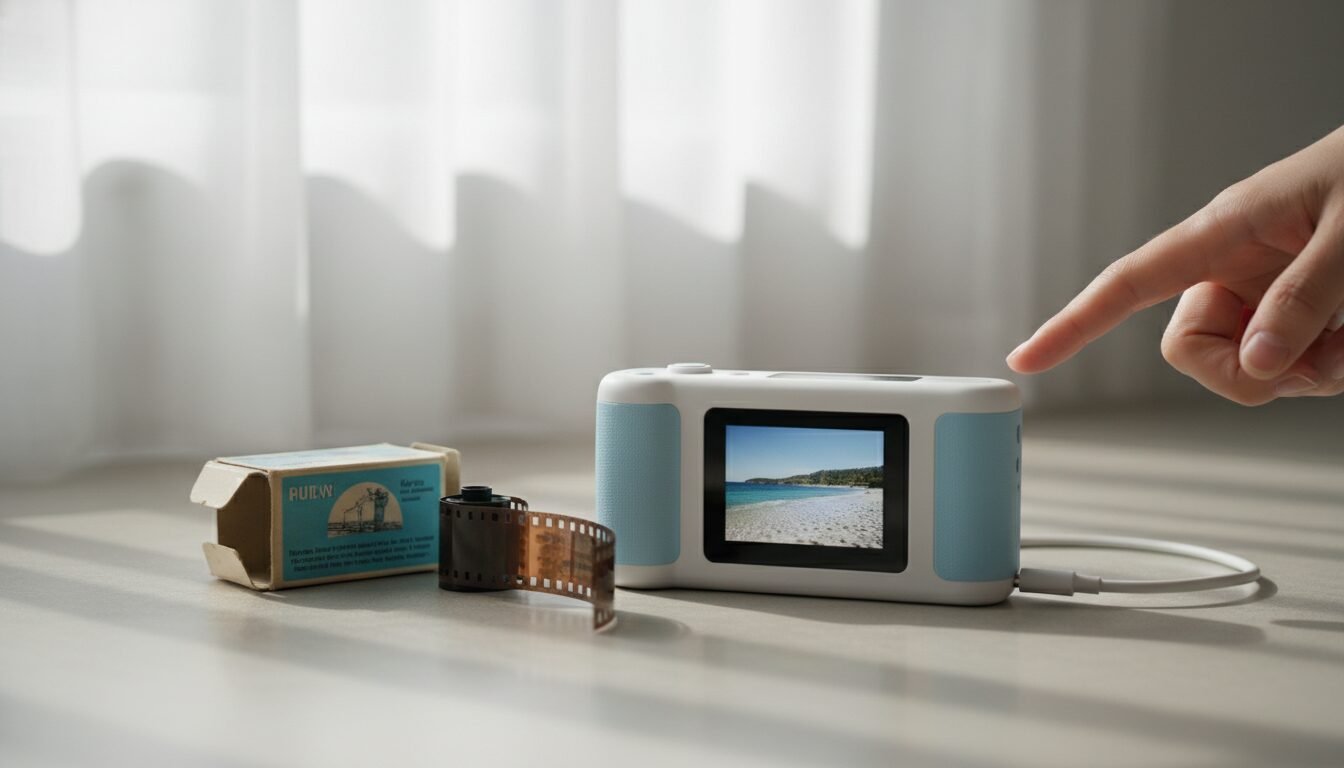
Film disposables, such as the Fujifilm QuickSnap Flash 400, require you to buy a pre-loaded camera, shoot 27 exposures, and then pay for development and scanning. According to The Darkroom, developing a single-use film camera typically costs around $12–$15 per roll, making each shot genuinely expensive over time. A reusable digital version, by contrast, uses an internal memory card and rechargeable battery, letting you capture hundreds of images with zero recurring cost after the initial purchase.
The Rise of Screen-Free Digital Photography
The market for screen-free digital cameras has grown steadily as consumers seek to disconnect from constant screen time. Camp Snap, one of the category’s most recognized brands, has seen one model accumulate 10,000+ purchases in a single month on Amazon. This category appeals to nostalgic adults, parents wanting a safe first camera for kids, and event hosts looking for a creative guest experience.
Why Choose a Digital One Time Use Camera Over Film?
No Recurring Film and Development Costs
Traditional single-use cameras like the Kodak FunSaver retail for about $22.85 per unit when purchased in bulk, yet each still requires film processing on top of that. A reusable digital option offers unlimited shots over its lifetime. Wirecutter, after testing at an event with over 100 guests, recommends the Fujifilm QuickSnap for film photography but openly acknowledges the ongoing expense as a real drawback for frequent shooters.
Instant Satisfaction Without the Wait
With a film disposable, you face days of waiting for development. A digital version lets you upload photos to your computer immediately via USB or SD card. This instant feedback loop makes it easier to share memories on social media or print favorites, while still preserving the surprise of not previewing each shot in the moment. You get the best of both worlds: the ritual of film, the speed of digital.
Environmentally Friendlier
Single-use film cameras generate significant plastic waste and require chemical processing that can harm the environment. A reusable digital camera, like the Camp Snap, eliminates that waste entirely. The Camp Snap team explicitly markets their product as “all the fun of a disposable camera, none of the waste,” a message that resonates strongly with eco-conscious buyers in 2026.
Pros and Cons
Pros
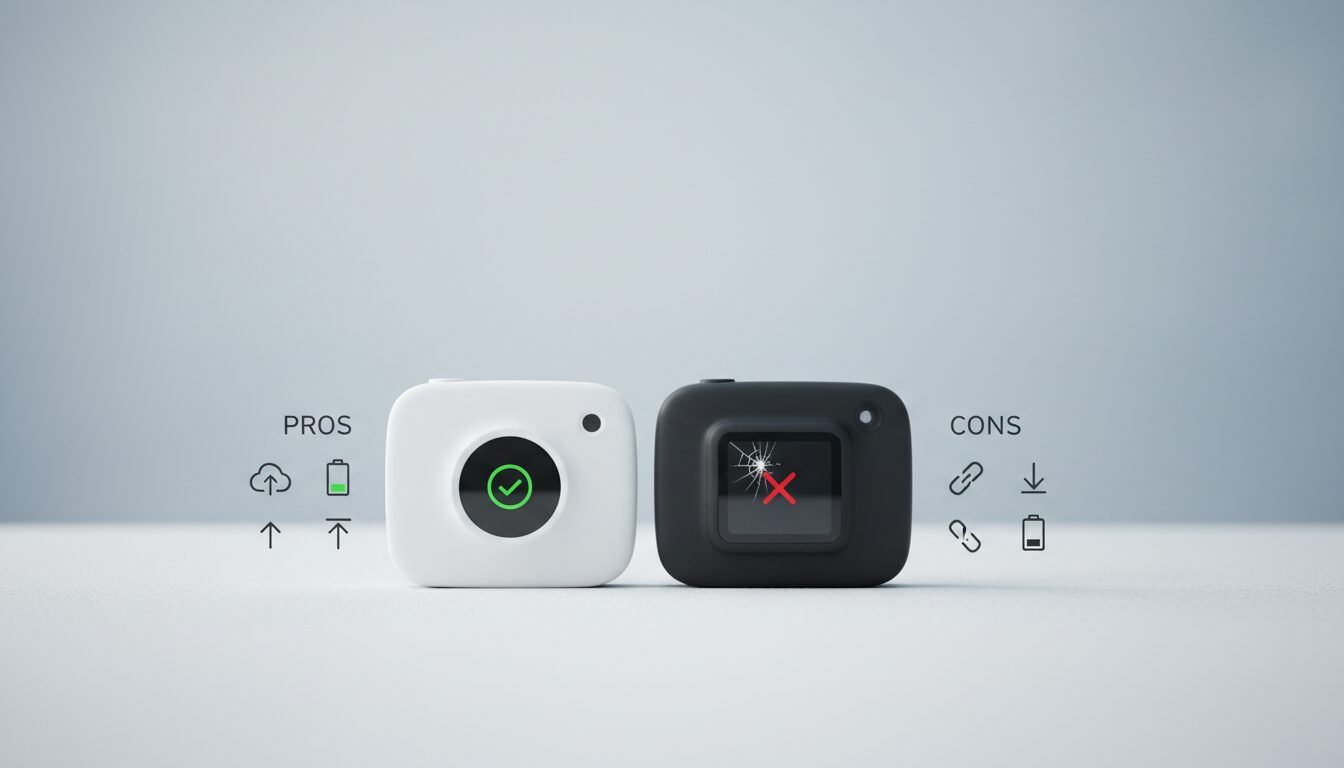
- Zero recurring costs: Pay once, shoot thousands of times with no film or development fees.
- Eco-friendly: Reusable build eliminates the plastic waste and chemical processing of film disposables.
- Instant transfer: Move photos to your computer the same day via USB or SD card.
- Kid-friendly: No screen means no distraction, and no film means no wasted shots.
- Event-ready: Compile guest photos into a shared digital album the very next day.
Cons
- No analog texture: Digital sensors can’t fully replicate the grain and chemical unpredictability of real film.
- Higher upfront cost: At $59.99–$69.95, the initial investment exceeds a single film disposable.
- No in-camera preview: Screen-free design means you won’t know if a shot worked until you transfer files.
- Limited resolution ceiling: Most models top out at 12MP, which won’t satisfy photographers who need large-format prints.
The Top 3 Digital One Time Use Cameras for 2026
Camp Snap Classic
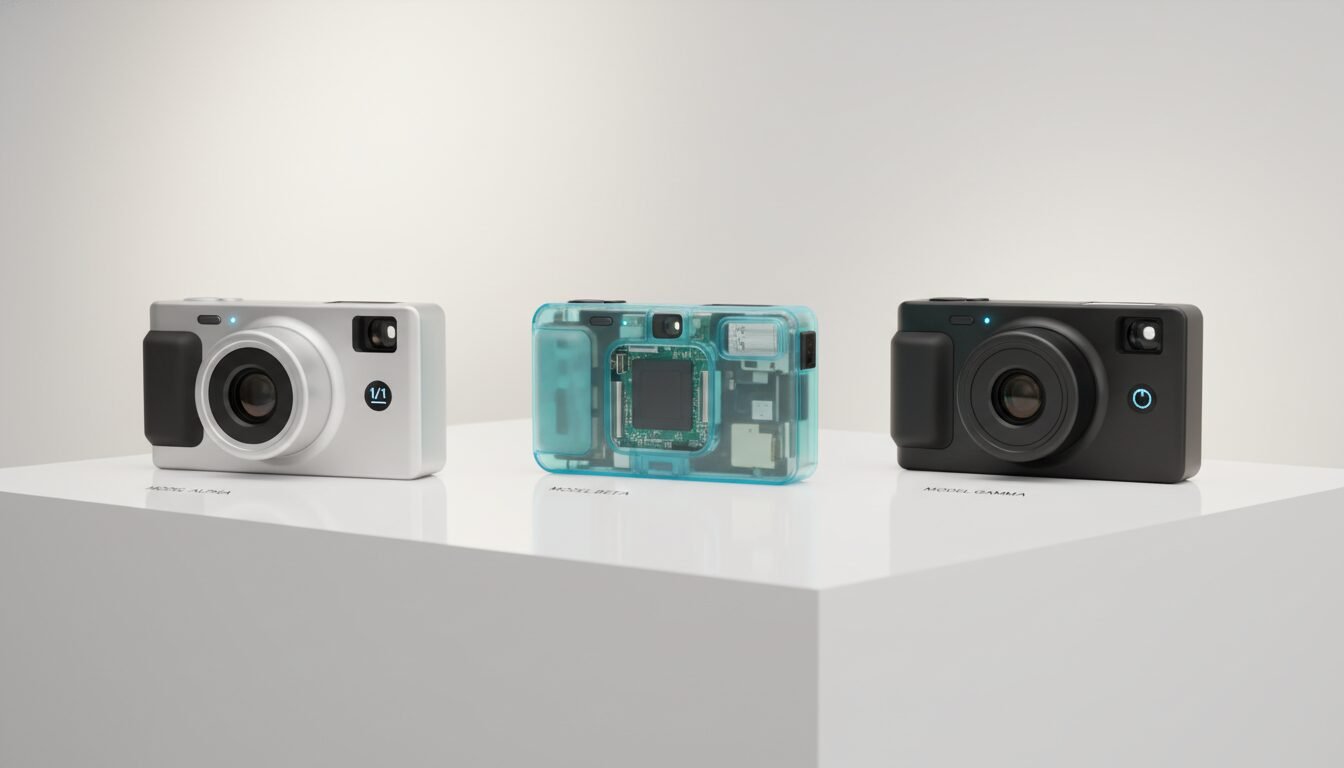
The Camp Snap is the most recognized this kind of use camera on the market, priced at $69.95. It features an 8MP sensor, no screen, a small optical viewfinder, and a USB-C rechargeable battery rated for up to 500 shots per charge. It ships pre-loaded with a vintage film-like filter and allows custom filter creation. Free shipping is available on orders over $100 directly from the manufacturer.
LENSY Screen Free Digital Camera
LENSY’s model, available at $64.99 on Amazon, is a strong screen-free contender. It sports an 8MP sensor, a lightweight body, auto-flash, and a focus-free lens for effortless shooting. It’s marketed as easy-to-use, rechargeable, and reusable, making it a solid choice for anyone stepping into this category for the first time.
Maxmango D53 Vintage Digital Camera
The Maxmango D53 retails for $59.99 and includes an 8GB SD card in the box. Its 12MP sensor delivers higher resolution than many competitors, and its screenless, retro-brown design appeals to fans of the disposable aesthetic. For shoppers who want more megapixels at a lower price, this is the one to beat.
Comparison Table
| Model | Resolution | Storage | Battery Life | Screen | Price | Key Feature |
|---|---|---|---|---|---|---|
| Camp Snap | 8MP | SD card included | Up to 500 shots per charge | No | $69.95 | Vintage film-like filter, USB-C charging |
| LENSY | 8MP | SD card included | Rechargeable | No | $64.99 | Lightweight, focus-free, auto-flash |
| Maxmango D53 | 12MP | 8GB SD card included | Rechargeable | No | $59.99 | High-resolution sensor, vintage design |
How to Select the Right Digital One Time Use Camera
Resolution and Image Quality
A the one time use camera won’t compete with a modern smartphone on raw technical quality, but models with 12MP sensors like the Maxmango D53 produce noticeably sharper files than 8MP counterparts. If you plan to make prints larger than 5×7 inches, prioritize higher megapixels. That said, the intentionally lo-fi aesthetic is a feature, not a bug, for most buyers in this category.
Battery Life and Storage
Look for a camera that can last through a full day of shooting. The Camp Snap delivers up to 500 shots per charge, which is ample for most events and travel days. Storage is rarely a bottleneck: SD cards up to 32GB can hold thousands of images at typical resolutions. Always confirm whether a memory card is included. The Maxmango D53 ships with an 8GB card; Camp Snap also includes one.
Price Range and Value
Entry-level models start at $59.99, with more feature-rich options reaching $69.95. Compare that to the cost of buying and developing multiple film disposables. The Fujifilm QuickSnap Flash 400 two-pack retails for around $34.95, and once you add development costs of $12–$15 per roll, a single event can easily exceed $100 in film expenses alone. The digital option pays for itself after just 2–3 outings.
“The ongoing cost of film and development is the single biggest reason event photographers are switching to digital disposables. You pay once and the camera works for years.” – Creative industry practitioners, based on Emin Media client feedback
Key Features to Look For
Screen-Free Design
The defining trait of a camera is its lack of a preview screen. This forces a return to the fundamentals of photography: composing with your eye, not a display, and staying present in the moment. Every model in our comparison table embraces this screen-free philosophy, and that’s precisely what makes them feel different from every other camera in your bag.
Built-in Filters
Many digital disposables ship with pre-loaded filters that mimic the look of classic film stocks. Camp Snap offers a “Camp Classic” vintage filter plus black-and-white and no-filter options, with the ability to build custom looks. These filters eliminate the need for post-processing, delivering ready-to-share images straight from the camera. According to creative industry data, in-camera filters are among the top purchase drivers for this product category.
Durability and Portability
Because a digital disposable is meant to go everywhere, a rugged plastic build is standard. Cameras like the LENSY and Camp Snap weigh only a few ounces and can survive minor drops. Their compact size means they slip easily into a pocket or bag, making them ideal for travel, festivals, and outdoor adventures where you’d never risk a $1,000+ mirrorless body.
Step-by-Step Guide to Using Your Digital Disposable
Step 1: Unbox and Charge
When your digital one arrives, locate the charging cable (usually USB-C). A full charge takes roughly 2–3 hours and delivers enough power for hundreds of shots. Insert the included SD card if it isn’t pre-installed, and you’re ready to shoot.
Step 2: Frame Your Shot
Look through the optical viewfinder, align your subject, and press the shutter button. You’ll hear a confirmatory click, similar to a film camera. Since you can’t review the image immediately, take multiple shots from different angles to make sure you capture the moment the way you want it.
Step 3: Transfer and View Your Photos
Connect the camera to your computer via USB or remove the SD card directly. Copy the image files to your machine and view them immediately. Unlike film, there’s no development wait. Many users apply additional filters in editing software, though the camera’s built-in options often produce results worth sharing as-is.
Sustainability and Reusability
Reducing Single-Use Plastic Waste
Every year, millions of disposable film cameras end up in landfills, their plastic shells and residual chemicals posing real environmental hazards. A reusable digital camera is designed for years of use, dramatically cutting down on that waste. Brands like Camp Snap explicitly position their products as an eco-friendly alternative, and as of 2026, that messaging is landing with a growing segment of conscious consumers.
Long-Term Cost Savings
A single Camp Snap at $69.95 costs roughly the same as two Fujifilm QuickSnap two-packs at $34.95 each, before you factor in development costs of $12–$15 per roll. Add it up and a single event with 4 rolls of film can top $100 easily. After just a few outings with a digital disposable, the savings become obvious. For frequent shooters, the break-even point arrives fast.
Eco-Friendly Manufacturing Trends
Some manufacturers are exploring recycled materials for camera bodies and packaging. While still a niche within the broader consumer electronics space, the move toward sustainability in the use camera market aligns with broader consumer demand for responsible products. Check individual product pages for details on materials and any available recycling programs.
“Consumers increasingly expect the brands they buy from to take environmental responsibility seriously. Products that are reusable by design have a built-in story that resonates.” – HubSpot Research on consumer brand expectations, 2025
Real-World Use Cases
Weddings and Special Events
Placing a this type of camera on each reception table eliminates the hassle of collecting and developing dozens of film disposables. Guests can shoot freely throughout the night, and you can compile all the digital files into a shared album the very next day. The lo-fi aesthetic lends a romantic, candid feel that polished professional photography rarely captures.
Travel and Adventure
Backpacking through a rainy forest or lounging at the beach? A digital disposable is far less risky to carry than a fragile smartphone or an expensive mirrorless camera. Its compact size and durable build make it the ideal companion for spontaneous travel moments where you want memories, not anxiety about gear.
Kids and Family Fun
Children love the simplicity of a point-and-shoot, and a digital disposable removes the anxiety of wasting film. With zero incremental cost per shot, kids can experiment freely, learning composition and visual storytelling. The lack of a screen also keeps them engaged with their environment rather than fixated on reviewing every image the moment after they take it.
Where to Buy a Digital One Time Use Camera
Popular models are available on Amazon, directly from manufacturers like Camp Snap, and at select electronics retailers. Prices typically range from $59.99 to $69.95, with occasional discounts during holiday seasons. For the widest selection, Amazon carries Camp Snap, LENSY, and Maxmango D53 with Prime shipping. Camp Snap also sells direct from their website with free shipping on orders over $100. If you’re searching for a this kind of use camera near you, check Target and Walmart electronics sections, though availability varies by location.
Is a Digital One Time Use Camera Right for You?
Summarizing the Benefits
A the one time use camera delivers the nostalgic shooting experience of a film disposable without the ongoing financial and environmental costs. It’s ideal for anyone who wants to embrace a screen-free, playful approach to photography: parents, travelers, party hosts, and creative professionals who want something different from their phone camera.
When to Stick with Film
If you value the tangible unpredictability of chemical development or need the highest possible image fidelity for large prints, a traditional film disposable still has a place. The Kodak FunSaver and Fujifilm QuickSnap both earn strong reviews from labs like The Darkroom for their analog character. For most everyday photo moments, though, the digital option offers a better blend of fun, cost, and convenience.
Final Recommendations
For most shoppers, the Camp Snap stands out as the best overall pick thanks to its proven filter system, USB-C charging, and 500-shot battery life. The Maxmango D53 is a close runner-up for anyone who wants higher resolution at a lower price point. Pick whichever fits your budget, and start capturing memories the retro way. And if you’re building a brand experience around photography, whether for events, content creation, or product launches, our team at Emin Media can help you think through the full creative strategy.
Frequently Asked Questions
What is a digital one time use camera?
A camera is a reusable digital camera designed to mimic the look, feel, and limitations of a disposable film camera. It typically lacks a screen for previewing images and stores photos on an SD card for later transfer to a computer or phone.
How many photos can a digital one time use camera hold?
Storage varies by model. The Camp Snap is rated for up to 500 shots per charge, while models that accept SD cards up to 32GB can hold thousands of images at typical resolutions. Always confirm whether a memory card is included before purchasing.
Do I need to buy film for a digital one time use camera?
No. Unlike film disposables, a digital version uses a digital sensor and a rechargeable battery. You never need to purchase or develop film, which makes it significantly more economical over time compared to options like the Fujifilm QuickSnap or Kodak FunSaver.
Can I see my photos before transferring them?
Most digital ones have no screen, so you cannot review images on the device itself. You must connect the camera to a computer via USB or remove the memory card to view your files. This is intentional: it recreates the anticipation of film photography.
Are digital one time use cameras better than film disposables?
It depends on your priorities. Digital cameras are reusable, cheaper per shot, and more environmentally friendly. Film disposables offer a unique analog texture and the thrill of waiting for development. If convenience and cost matter most, go digital. If you want true analog character, film still delivers something digital can’t fully replicate.
Where can I buy a digital one time use camera?
Popular models are available on Amazon, directly from manufacturers like Camp Snap, and at select retailers including Target and Walmart. Prices typically range from $59.99 to $69.95, with occasional discounts during holiday seasons. Searching “use camera near me” on Google Maps can surface local electronics stores that carry them.
Enjoyed this article?
Contact Emin Media for a free brand consultation and let's create something amazing together.
Get in Touch