Best Camera Vintage Digital Picks for 2026
Key Takeaways
- Vintage digital cameras from the early 2000s deliver a genuine Y2K aesthetic with grainy textures, blown highlights, and nostalgic color profiles that smartphones can’t replicate.
- The Canon PowerShot ELPH 180, Nikon Coolpix L110, and Sony CyberShot DSC-HX5 are top picks, with prices ranging from $20 to $500 depending on model and condition.
- CCD sensors, common in older cameras, are the key factor behind the distinctive look. Modern CMOS sensors and filters can approximate the vibe but often lack authenticity.
- Buy from trusted retro shops like Cute Camera Co. or Retrospekt for warranty-backed devices, or hunt for bargains on eBay, Etsy, and thrift stores.
- Always test for lens degradation, sensor dust, battery life, and shutter functionality before purchasing a used vintage digital camera.
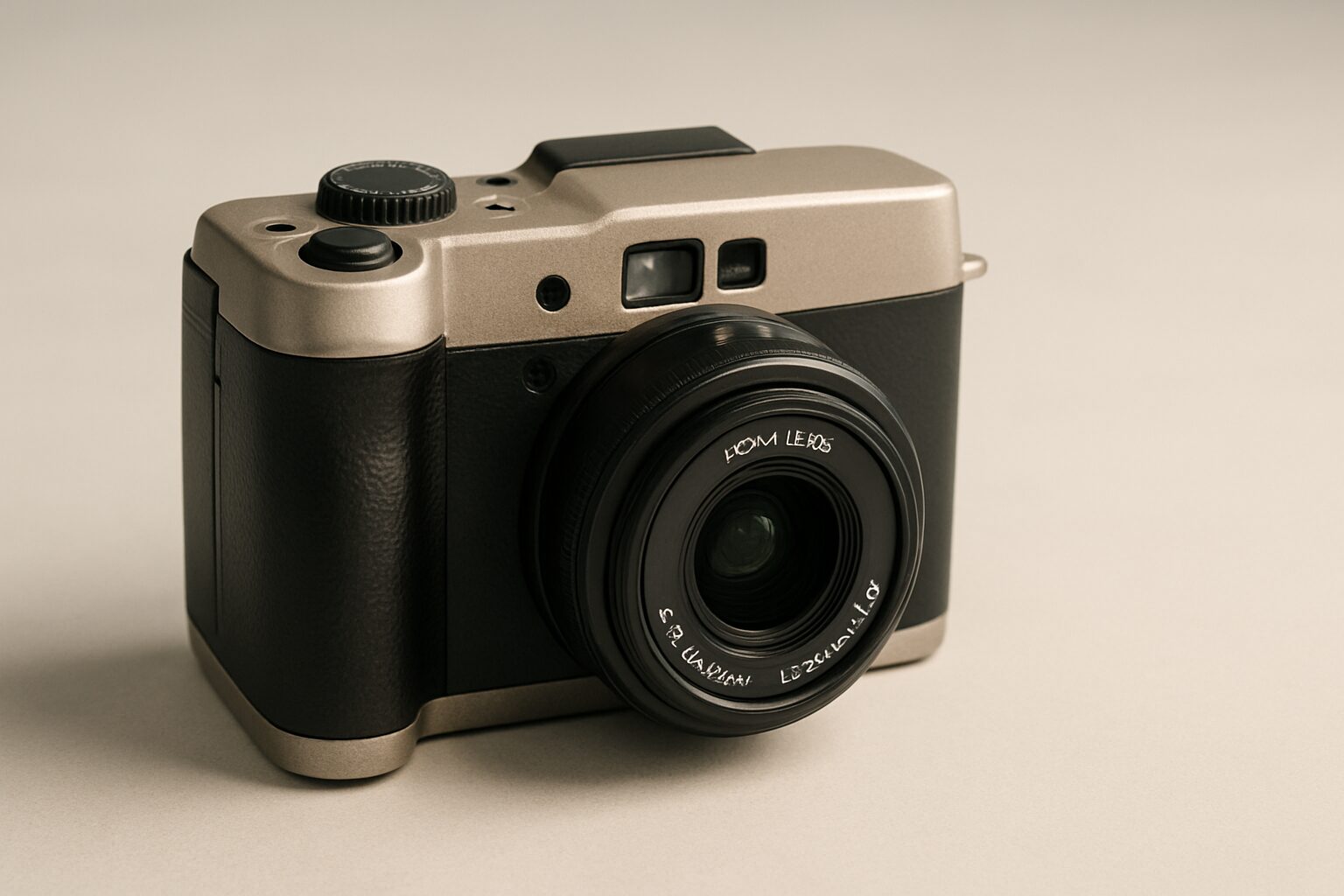
Camera vintage digital is the category of second-hand digital point-and-shoots, DSLRs, and camcorders from roughly 1995 to 2010, prized for their lo-fi Y2K aesthetic at prices starting as low as $20.
What Is a Camera Vintage Digital?
Defining the Vintage Digital Camera Category
A camera vintage digital is any second-hand digital point-and-shoot, DSLR, or camcorder manufactured roughly between 1995 and 2010. These devices, often called “digicams,” are celebrated for their low-resolution sensors, limited dynamic range, and distinct color science. Qualities that modern smartphones and mirrorless cameras purposefully avoid. Unlike film cameras, these models store images on SD cards, making them instantly accessible while preserving that early-2000s feel.
The definition extends beyond mere age. A true vintage digicam must exhibit the technical constraints of its era. Common traits include small CCD sensors (often under 10 megapixels), rudimentary autofocus systems, and in-camera processing that yields characteristic washed-out highlights and deep, crushed shadows. Enthusiasts prize these “flaws” as they mirror the visual language of old Myspace photos and early YouTube videos.
A Brief History of Early Digital Cameras
The first consumer digital cameras appeared in the mid-1990s. By the early 2000s, brands like Canon, Nikon, Sony, and Fujifilm were locked in a megapixel race that drove rapid annual innovation. The transition from film to digital was messy, but it birthed an aesthetic now synonymous with Y2K nostalgia. Models like the Canon PowerShot G3 (2002) and Nikon Coolpix 995 (2001) once retailed for over $800. Today, many can be found for under $100. According to Moment’s buying guide, this resurgence has turned once-forgotten drawer relics into coveted creativity tools.
Pros and Cons of Shooting with a Vintage Digital Camera
Pros
- Authentic Y2K aesthetic: CCD sensors produce blown highlights, cyan skin shifts, and grain that no smartphone filter fully replicates.
- Affordable entry point: Quality digicams start at $20 to $50 at thrift stores and on eBay, making the hobby accessible to almost anyone.
- Tactile, distraction-free shooting: Physical dials and simple menus keep you focused on the moment rather than settings menus.
- Unique social media content: The lo-fi look stands out in feeds dominated by over-processed smartphone imagery.
- Wide model variety: From ultra-budget Fujifilm FinePix units to premium Leica D-Lux bodies, there’s a digicam for every budget and style.
Cons
- Battery degradation: Proprietary lithium-ion packs from 15 to 20 years ago often hold a fraction of their original charge.
- Limited low-light performance: Small CCD sensors struggle in dim environments, producing heavy noise rather than pleasing grain.
- Repair complexity: Lens errors, stuck shutters, and dead LCDs can cost $50 to $100-plus to fix, sometimes exceeding the camera’s resale value.
- Proprietary accessories: Older Memory Stick or xD-Picture Card formats can be hard and expensive to source.
- No guarantee on used purchases: Marketplace buys on eBay or Etsy rarely come with return protection unless you buy from a curated retailer.
Why Are Vintage Digital Cameras So Popular in 2026?
The Y2K Revival on Social Media
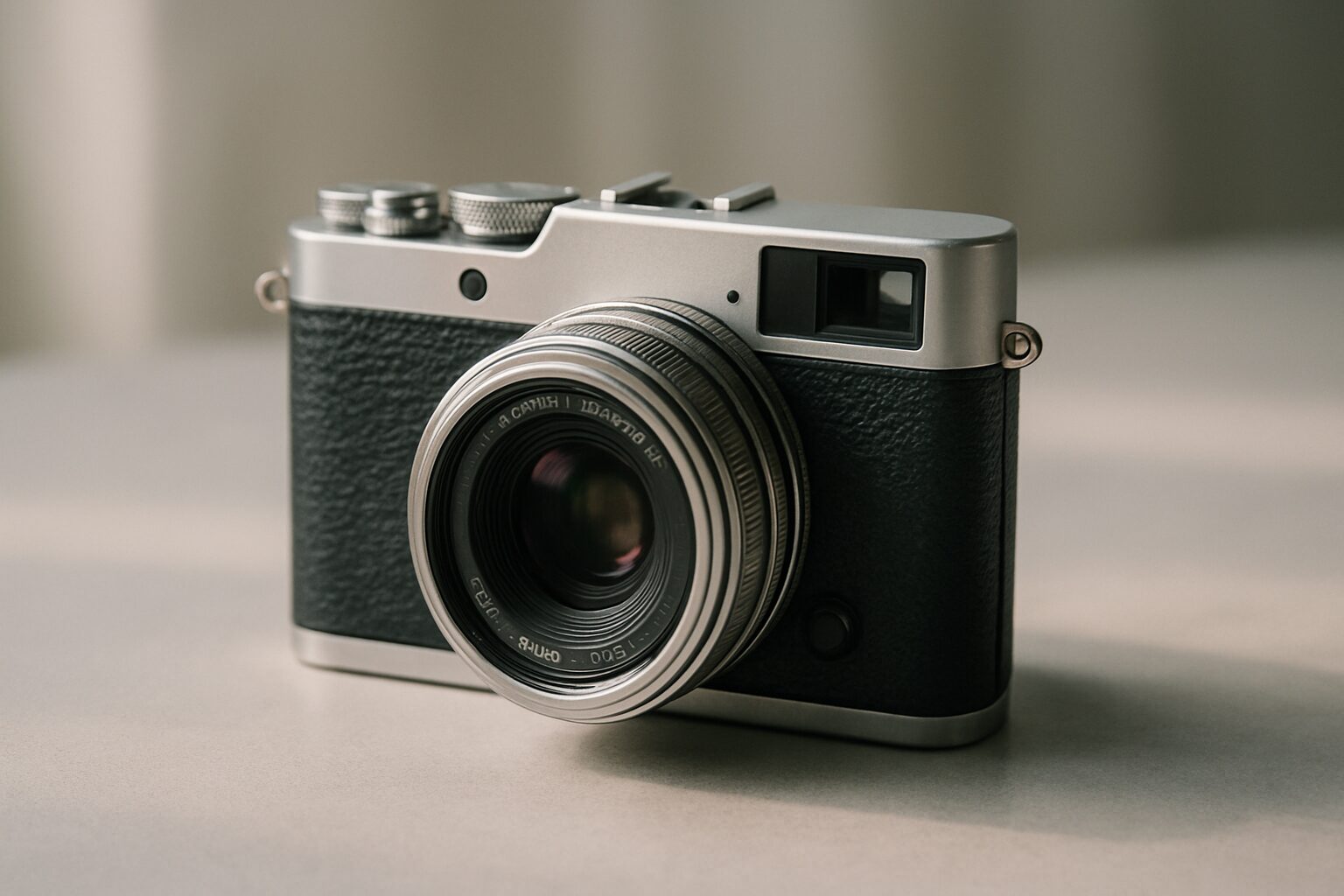
TikTok and Instagram have fueled a full-scale renaissance for camera vintage digital hunting. Creators are drawn to the imperfection: grain, bloom, and color shifts that algorithmic smartphone processing erases. The hashtag #digicam has accumulated billions of views on TikTok, and Reddit communities like r/VintageDigitalCameras now guide tens of thousands of members toward specific models. This grassroots movement values authenticity over technical perfection. Something a new iPhone simply can’t offer.
“I’ve always been drawn to cameras that feel as though they belong to another era. Today’s retro-inspired digital cameras combine tactile controls and timeless styling with the speed, autofocus, stabilization, and image quality we now expect.”
Authentic Imperfections vs. Smartphone Algorithms
Modern smartphones over-correct every shot: HDR eliminates shadows, AI sharpens faces, and night mode erases grain. A camera vintage digital does the opposite. Its CCD sensor naturally blows highlights, produces red-eye with direct flash, and renders skin tones with a distinct cyan shift. These “errors” are now celebrated as a deliberate stylistic choice. The cultural pendulum has swung hard from chasing megapixels to embracing character, and early-2000s digicams sit right at the center of that shift.
“The lo-fi digital aesthetic isn’t about low quality. It’s about a specific quality that feels human, imperfect, and real. That’s what makes it resonate with younger audiences who grew up seeing their parents’ early 2000s photos.”
Top Camera Vintage Digital Picks for 2026
The Best Overall: Canon PowerShot ELPH 180
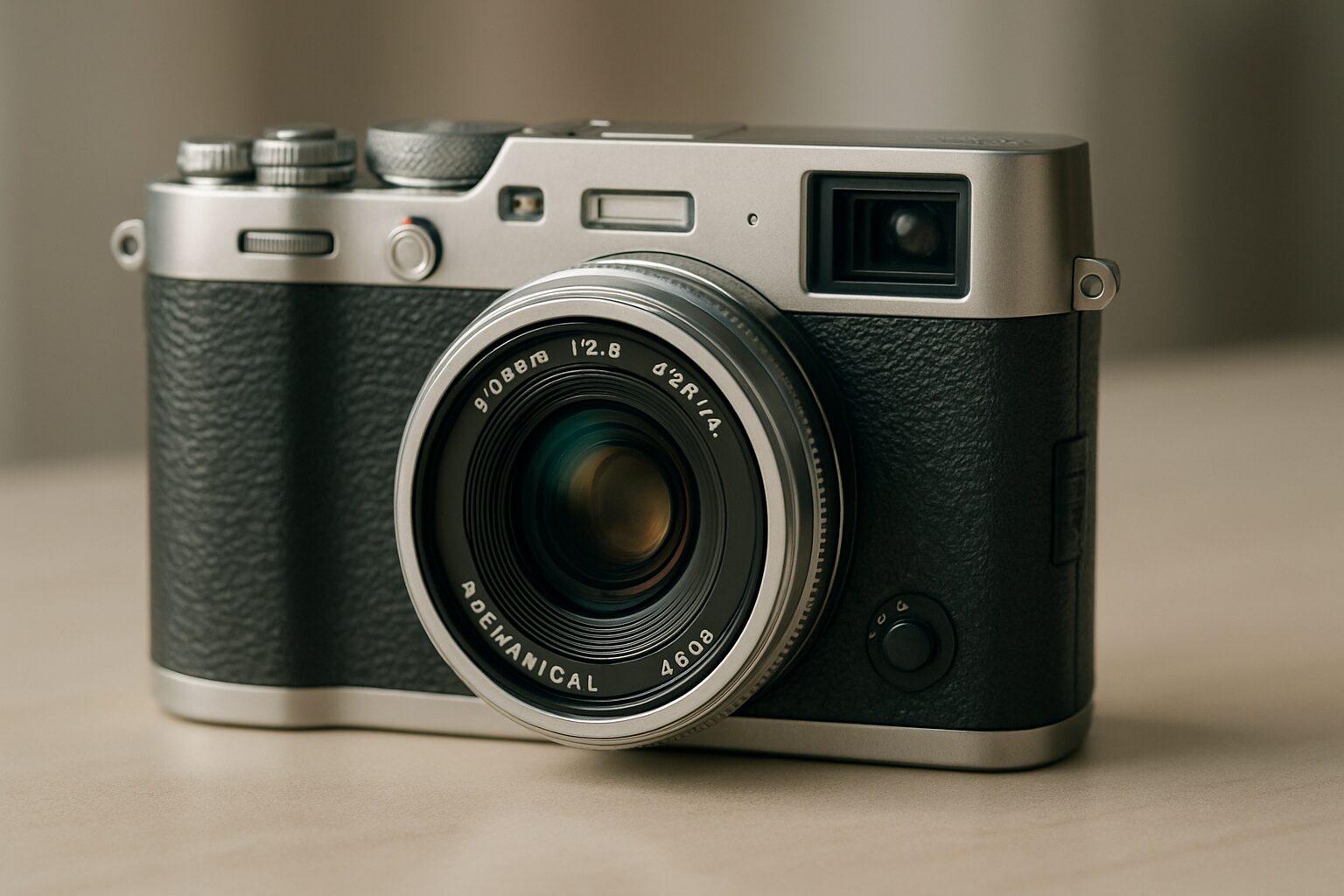
The Canon PowerShot ELPH 180 is widely regarded as the gold standard of camera vintage digital hunting. Its 20-megapixel sensor paired with Canon’s DIGIC processing produces vibrant stills with that classic flash-bleached look. Pricing ranges from $150 on eBay to $320 from curated shops like Cute Camera Co., depending on condition. The ELPH 180 supports SD cards up to 32GB and runs on a rechargeable lithium-ion battery, making it ready out of the box.
Budget-Friendly Gems: Nikon Coolpix Series and Fujifilm FinePix
For those seeking affordability, the Nikon Coolpix L110 is a standout. Retrospekt sells professionally refurbished units starting at $149, while Cute Camera Co. lists it from $114.99. Its 12.1-megapixel CCD renders colors with a warm, film-like palette. Even cheaper, the Fujifilm FinePix AV100 can be found for $20 to $50 at thrift stores or on eBay. Its 12.2MP sensor produces the blocky, pixelated look that defines early-2000s nostalgia. The AV100 runs on readily available AA batteries, solving a common battery-degradation headache.
For Vintage Video: Sony CyberShot and Panasonic Lumix
The Sony CyberShot DSC-HX5 (priced $250 to $300) offers excellent video capabilities with a 10.2MP back-illuminated CMOS sensor. An early hybrid that still yields a vintage feel. Meanwhile, the Panasonic Lumix FS3 ($150 to $200) captures video with a nostalgic, camcorder-like quality and comes in playful colors like Mermaid Green, combining Gen-Z style with retro function.
Vintage Digital Camera Comparison Table
| Model | Megapixels | Price Range | Best For | Buy From |
|---|---|---|---|---|
| Canon PowerShot ELPH 180 | 20MP | $150–$320 | Flash photography, everyday | Cute Camera, eBay |
| Nikon Coolpix L110 | 12.1MP | $115–$249 | Versatile point-and-shoot | Retrospekt, Cute Camera |
| Sony CyberShot DSC-HX5 | 10.2MP | $250–$300 | Video & low-light | eBay, KEH |
| Fujifilm FinePix AV100 | 12.2MP | $20–$50 | Ultra-budget pixelated look | Thrift stores, eBay |
| Kodak PIXPRO FZ55 | N/A* | $99 (new) | Parties, quick snaps | Amazon, B&H |
| Leica D-Lux 2 | N/A* | ~$200 | Prestige on a budget | eBay, specialty shops |
*Specifications vary; check listings for exact details.
CCD vs CMOS Sensors: Why Vintage Digital Cameras Look Different
What Is a CCD Sensor?
A CCD (Charge-Coupled Device) is an image sensor technology that dominated digital cameras from the mid-1990s until around 2010. Unlike CMOS sensors, CCDs move charge across the chip and convert it to voltage at a single output node, resulting in higher uniformity and a characteristic native color response. Most vintage digicams use CCDs, which are responsible for their sought-after “film-like” rendering.
How CCD Contributes to the Vintage Aesthetic
CCD sensors typically exhibit higher global contrast, pronounced chromatic aberration, and a susceptibility to blooming around bright light sources. These traits, once considered flaws, now define the vintage digital look. The limited dynamic range forces blown-out skies and crushed shadows, mimicking the latitude of color negative film. A camera vintage digital with a CCD sensor is prized because its output is impossible to fully replicate with modern CMOS systems, even with advanced filters.
Modern CMOS Sensors: Can They Replicate the Look?
Today’s sensors are overwhelmingly CMOS, offering superior low-light performance, speed, and resolution. While apps like RNI Films or Lightroom presets can approximate the Y2K feel, they lack the optical-physical signature of a real CCD. Some new cameras, like the Kodak PIXPRO FZ55 at $99, use CCD sensors to intentionally deliver that retro look, but they remain a niche product. For purists, only a true digicam from the 2000s provides the authentic science and character.
Modern Retro-Styled Cameras as Alternatives
When New Gear Chases Old Vibes
Not everyone wants to gamble on a 20-year-old battery. As of 2026, several modern cameras borrow the visual language of vintage digicams while delivering current-generation reliability. The Fujifilm X-T5 features physical dials, a retro rangefinder body, and Fujifilm’s celebrated film simulations, including Classic Chrome and Eterna Cinema, which approximate the color science of early digicams. It starts around $1,699 new, a significant jump from thrift-store finds but backed by a full warranty.
The Nikon Zf takes a similar approach: a full-frame mirrorless sensor wrapped in a body that references Nikon’s 1980s FM2 film camera. Priced from roughly $1,300 body-only, it’s aimed at photographers who want the aesthetic without the maintenance. Both cameras are covered in depth by Digital Camera World’s 2026 retro camera roundup, which notes that modern retro-styled bodies now represent one of the fastest-growing segments in the interchangeable-lens market.
The honest take: these cameras look vintage but don’t shoot vintage. If the actual lo-fi output is what you’re after, a $50 Fujifilm FinePix from eBay will get you closer to the real thing than a $1,700 X-T5 shooting in Classic Chrome.
Where to Buy a Camera Vintage Digital in 2026
Specialized Retro Shops
Curated platforms like Cute Camera Co. (Austin, Texas) and Retrospekt (Milwaukee, Wisconsin) offer restored camera vintage digital options with warranties. Cute Camera prices range from $149.99 for a Nikon Coolpix L110 to $504.99 for a Canon PowerShot S95. Retrospekt focuses on Nikon Coolpix models, starting at $125 for an L4 and going up to $249 for an L110. These refurbished units come cleaned, tested, and often include a charger and battery, reducing the risk of buying a dud.
Online Marketplaces
eBay, Etsy, and Mercari remain the largest pools for digicam hunting. With patience, you can find deals like a $30 Fujifilm FinePix AV100 or a $200 Leica D-Lux 2. Marketplace purchases rarely include guarantees, so carefully review seller ratings, return policies, and sample photos. For popular models like the Canon PowerShot ELPH 180, expect to spend $150 to $250 for a tested, working unit with accessories.
Thrift Stores and Garage Sales
The ultimate treasure hunt often happens offline. Goodwill, Salvation Army, and local estate sales occasionally yield untouched vintage digicam gems for under $20. Carry AA batteries and an SD card to test on the spot. Many older models use standard formats, so you won’t need proprietary gear just to power them up. The unpredictability is part of the thrill, but be prepared to walk away empty-handed.
How to Check a Vintage Digital Camera’s Condition Before Buying
Physical Inspection Checklist
Step 1: Examine the lens for scratches, fungus, or haze. Step 2: Check the battery compartment for corrosion. Leaking alkaline batteries are a common issue in cameras that sat in a drawer for a decade. Step 3: Look for LCD screen delamination or dead pixels. Step 4: Confirm all buttons and dials click firmly. Step 5: Inspect the SD card slot pins for bending. A well-maintained camera vintage digital should show minimal wear, but light scratches are acceptable for users who value character over cosmetic perfection.
Functionality Tests
Always power the camera on with a known-good battery. Take a test photo and review it on the screen. Zoom in to check for sensor spots or lines. Record a short video clip if video quality matters to you. Test the flash, since many vintage point-and-shoots have failing flash capacitors. Try different shooting modes (macro, landscape) to confirm the mode dial works. If the camera uses proprietary memory cards like Memory Stick or xD-Picture Card, verify they are included or still readily available before you commit.
Red Flags to Avoid
Common dealbreakers include lens error messages (“Lens Error” on Canons, “Lens Obstruction” on Nikons), stuck shutters, and persistent battery drain. A digicam that shows a black screen but operates mechanically may have a dead LCD, often not worth repairing. Also beware of missing battery chargers. Proprietary chargers can be expensive and hard to find. When in doubt, buy from a retailer that offers at least a 30-day guarantee.
Maintaining and Restoring Your Vintage Digicam
Cleaning and Storage Tips
Use a soft brush and microfiber cloth to remove dust from the body and lens. For stubborn grime, a dab of isopropyl alcohol on the cloth works well. Never spray directly onto the camera. Store your digicam in a cool, dry place with a silica gel packet to prevent humidity damage. Remove batteries when storing long-term to avoid corrosion.
Battery and Charger Solutions
Many vintage cameras use proprietary lithium-ion packs that have degraded over 15 to 20 years. Aftermarket batteries from brands like Wasabi Power or Kastar are reliable and available on Amazon for under $20. If your digicam takes AA batteries, Eneloop rechargeables are the gold standard. They provide consistent voltage and can be recharged hundreds of times, making them a smart long-term investment for any vintage shooter.
When to Seek Professional Repair
For lens errors, sensor cleaning, or LCD replacement, services like Retrospekt offer repair quotes starting around $50. Camera repair shops in major cities, including NYC’s Nippon Photo Clinic and LA’s Steve’s Camera, specialize in vintage digital gear. Before spending $100 or more on a repair, assess whether the total cost exceeds the price of a tested used copy. Often, buying a second clean unit is the smarter call.
If you’re building a brand around visual storytelling and want help choosing the right aesthetic for your content, explore our creative production services at Emin Media or read our thoughts on visual branding strategy for more context on how lo-fi aesthetics are shaping modern brand identity.
Frequently Asked Questions
What is considered a vintage digital camera?
A vintage digital camera is any digital point-and-shoot, DSLR, or camcorder manufactured between roughly 1995 and 2010, typically featuring CCD sensors and low megapixel counts. The defining characteristic is the technical constraint of the era, not just the age of the device.
Why are people buying old digital cameras?
People buy old digital cameras for their authentic Y2K aesthetic: grain, bloom, and color shifts that smartphones can’t replicate. There’s also a nostalgia factor, since the images look like real photos from the early 2000s rather than filtered recreations.
Where can I buy a vintage digital camera?
You can buy from specialized shops like Cute Camera Co. (Austin, TX) and Retrospekt (Milwaukee, WI), which offer refurbished units with warranties. eBay, Etsy, Mercari, and local thrift stores are also solid options, especially if you’re hunting for deals under $50.
How much does a vintage digital camera cost?
Prices range from $20 for a basic Fujifilm FinePix AV100 to $504.99 for premium restored models like the Canon PowerShot S95 from Cute Camera Co. Most quality digicams land in the $100 to $300 range depending on model and condition.
Do vintage digital cameras still work?
Yes. With a charged battery and a compatible SD card, most vintage digital cameras function perfectly. Refurbished units from reputable sellers like Retrospekt come cleaned, tested, and guaranteed, making them the safest entry point for new collectors.
What is the best vintage digital camera for video?
The Sony CyberShot DSC-HX5 ($250 to $300) and Panasonic Lumix FS3 ($150 to $200) both capture high-quality vintage-feel video with built-in stabilization and that early-digital look that’s become popular on TikTok and Instagram Reels.
Enjoyed this article?
Contact Emin Media for a free brand consultation and let's create something amazing together.
Get in Touch