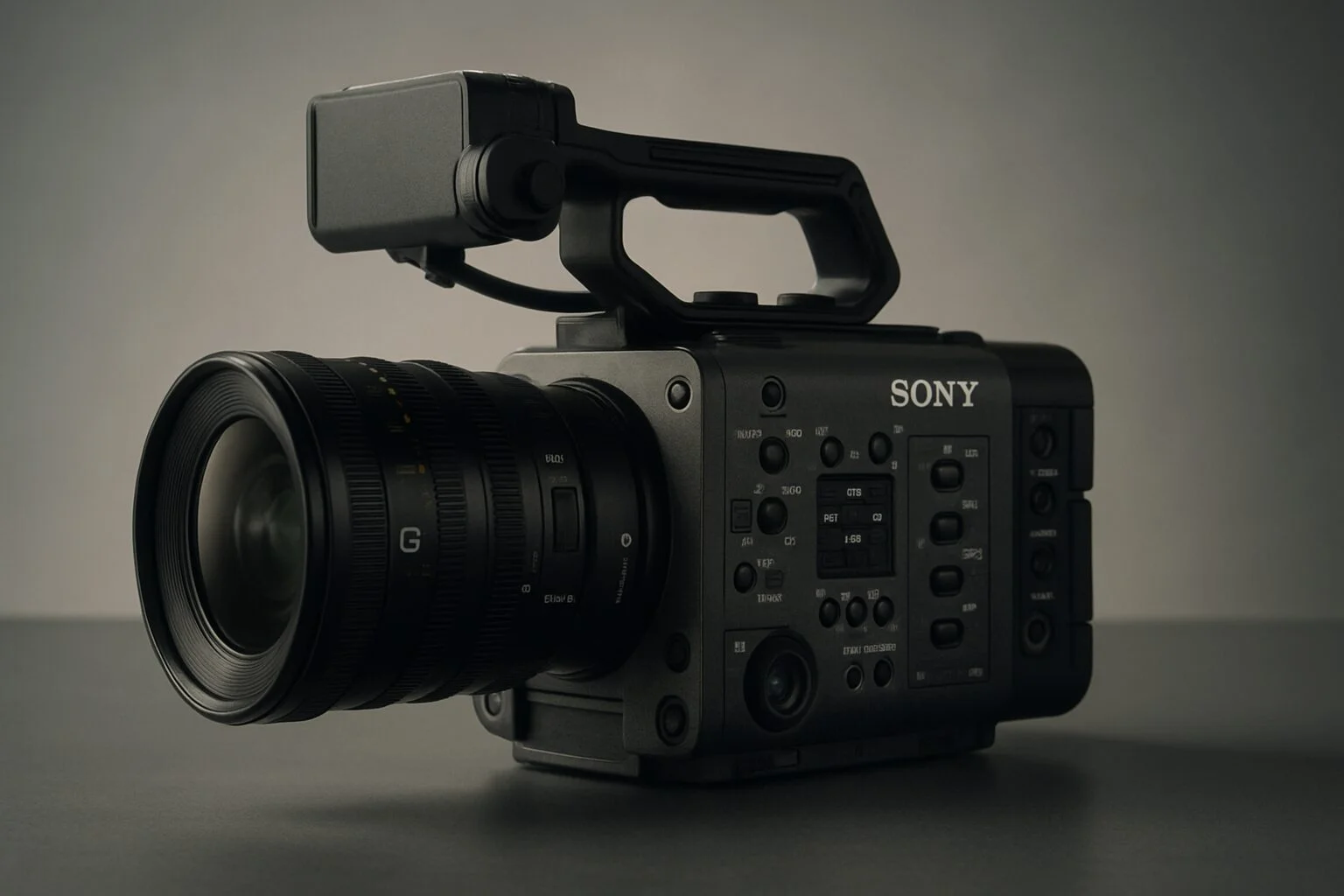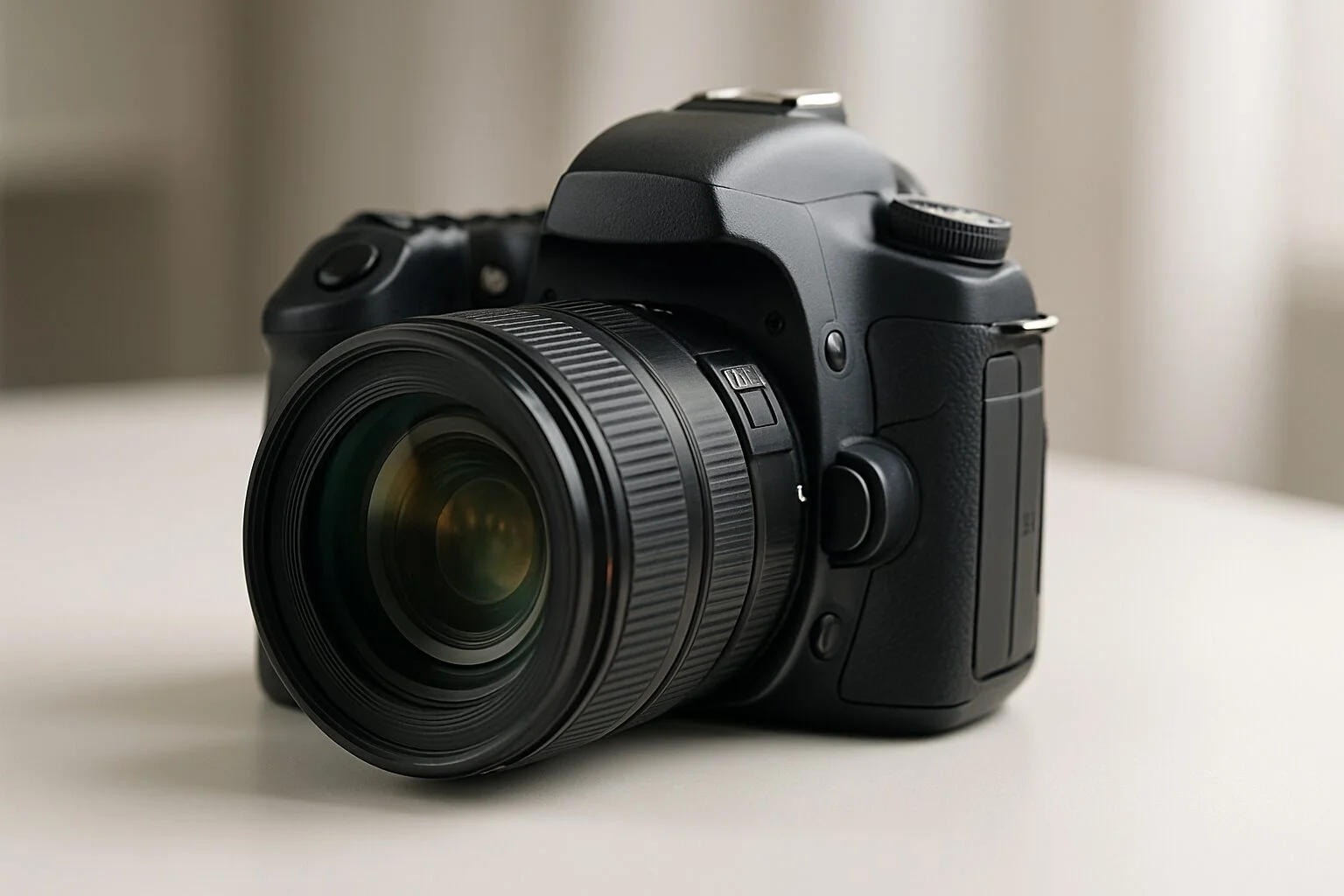
A digital SLR camera is a camera that uses a reflex mirror and pentaprism to deliver a true optical viewfinder, interchangeable lenses, and exceptional battery life. Knowing what digital slr camera options exist in 2026 helps you choose the right body for your budget and shooting style.
Key Takeaways
- A digital SLR camera combines an optical viewfinder with a digital sensor for precise framing and full lens flexibility.
- DSLRs offer superior battery life, often exceeding 1,200 shots per charge, compared to mirrorless alternatives.
- Top models in 2026 include the Nikon D850, Canon 5D Mark IV, and Pentax K1 II, with prices ranging from under $500 to over $6,000.
- Entry-level options like the Canon Rebel T7 start at $480 with a lens kit, making them genuinely accessible for beginners.
- Choosing slr camera fits your needs means weighing resolution, lens ecosystem, and video capabilities together.
What Digital SLR Camera: Understanding the Basics
Definition and History of DSLR Cameras
A digital SLR camera is a digital camera that combines a mechanical mirror system and pentaprism to direct light from the lens to an optical viewfinder, giving photographers a zero-lag, real-world view of their scene. The format traces its roots to the 1990s, with the Nikon D1 (1999) and Canon EOS D30 establishing the template that professionals still recognize today. By the early 2010s, DSLRs dominated interchangeable-lens camera sales, according to CIPA industry data, before mirrorless cameras began their steady rise. That history matters because it means decades of lens development, accessory support, and community knowledge are already baked into every DSLR purchase you make today.
How DSLR Technology Differs from Point-and-Shoot and Mirrorless Cameras
Unlike point-and-shoot cameras with fixed lenses, a digital SLR camera uses a moving mirror to reflect light into an optical viewfinder, eliminating screen lag entirely. Mirrorless cameras ditch the mirror and rely on electronic displays, which offer real-time exposure simulation but drain batteries faster. DSLRs also tend to feature larger, more ergonomic grips and more robust bodies, making them comfortable across full-day shoots. That physical presence is a feature, not a flaw, for photographers who spend hours in the field.
Key Components of a Digital SLR Camera Body
A typical DSLR body houses several critical parts: the image sensor (either full-frame at 36x24mm or APS-C at roughly 22x15mm), the mirror box with the reflex mirror, the pentaprism or pentamirror for the viewfinder, and the lens mount such as Canon EF, Nikon F, or Pentax K. These components work together to deliver the optical precision that many photographers still prefer in 2026, and they represent a mechanical craft that purely electronic cameras simply cannot replicate.
How a Digital SLR Camera Works
The Reflex Mirror and Optical Path
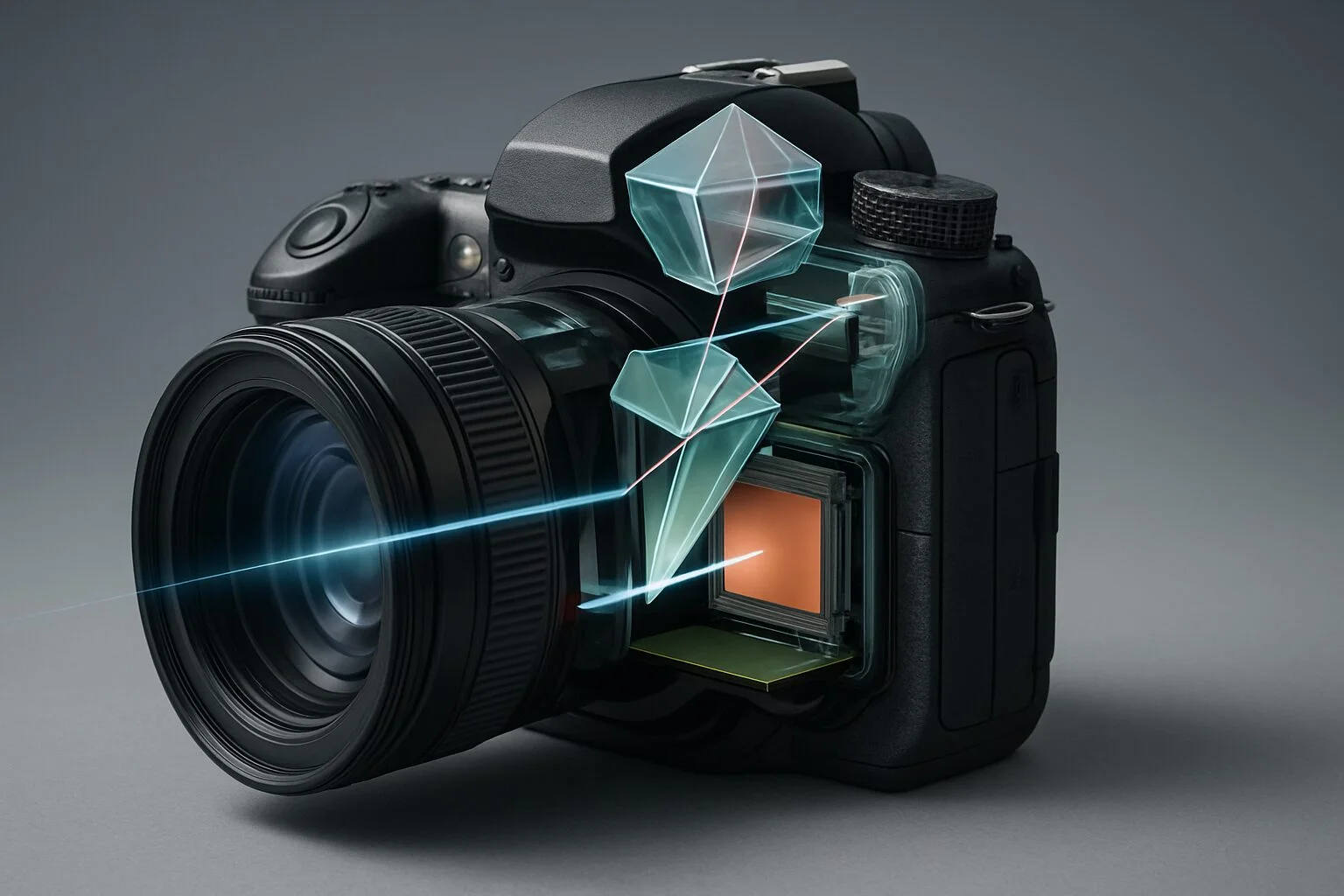
When you compose a shot on a digital SLR camera, light enters the lens, strikes the reflex mirror, and is redirected upward through a focusing screen and pentaprism before reaching your eye. The process is instantaneous, giving you a true optical view with no digital processing between you and the scene. Press the shutter and the mirror flips up, the curtain opens, and the sensor captures the image before the mirror returns to its resting position. That mechanical sequence is what makes what digital slr camera technology feel so satisfying to use, a physical connection to the act of photography that enthusiasts genuinely value.
- Light travels through the lens and strikes the reflex mirror.
- The mirror reflects light upward to the focusing screen, then through the pentaprism to the viewfinder.
- Upon shutter release, the mirror swings upward.
- The shutter curtain opens, exposing the sensor.
- The sensor records the photo, and the mirror returns to its starting position.
Autofocus Systems in DSLRs
DSLRs use phase-detection autofocus (PDAF), which splits incoming light to calculate focus distance almost instantly. High-end models like the Nikon D850 and Canon 5D Mark IV feature sophisticated AF arrays, with the Canon 5D Mark IV offering a 61-point system that maintains sharp focus even in challenging lighting conditions. The Nikon D780 goes a step further by incorporating on-sensor phase-detect AF in live view, effectively bridging the gap between DSLR and mirrorless autofocus performance. This makes modern DSLRs genuinely competitive for action, wildlife, and event photography.
Sensor Sizes and Their Impact on Image Quality
Full-frame sensors (36x24mm) capture more light and resolve finer detail, making them ideal for landscapes, portraits, and low-light work. APS-C sensors, found in entry-level bodies like the Canon Rebel T7, are smaller and more affordable but still produce images that far outclass any smartphone. The Nikon D850’s 45.7 MP full-frame sensor resolves extraordinary detail, while the Canon 5D Mark IV’s 30.4 MP sensor balances resolution with continuous shooting speed. Sensor size is often the single biggest factor in both image quality and the final price you pay.
Key Features of Modern DSLRs
Advanced Metering and Exposure Control
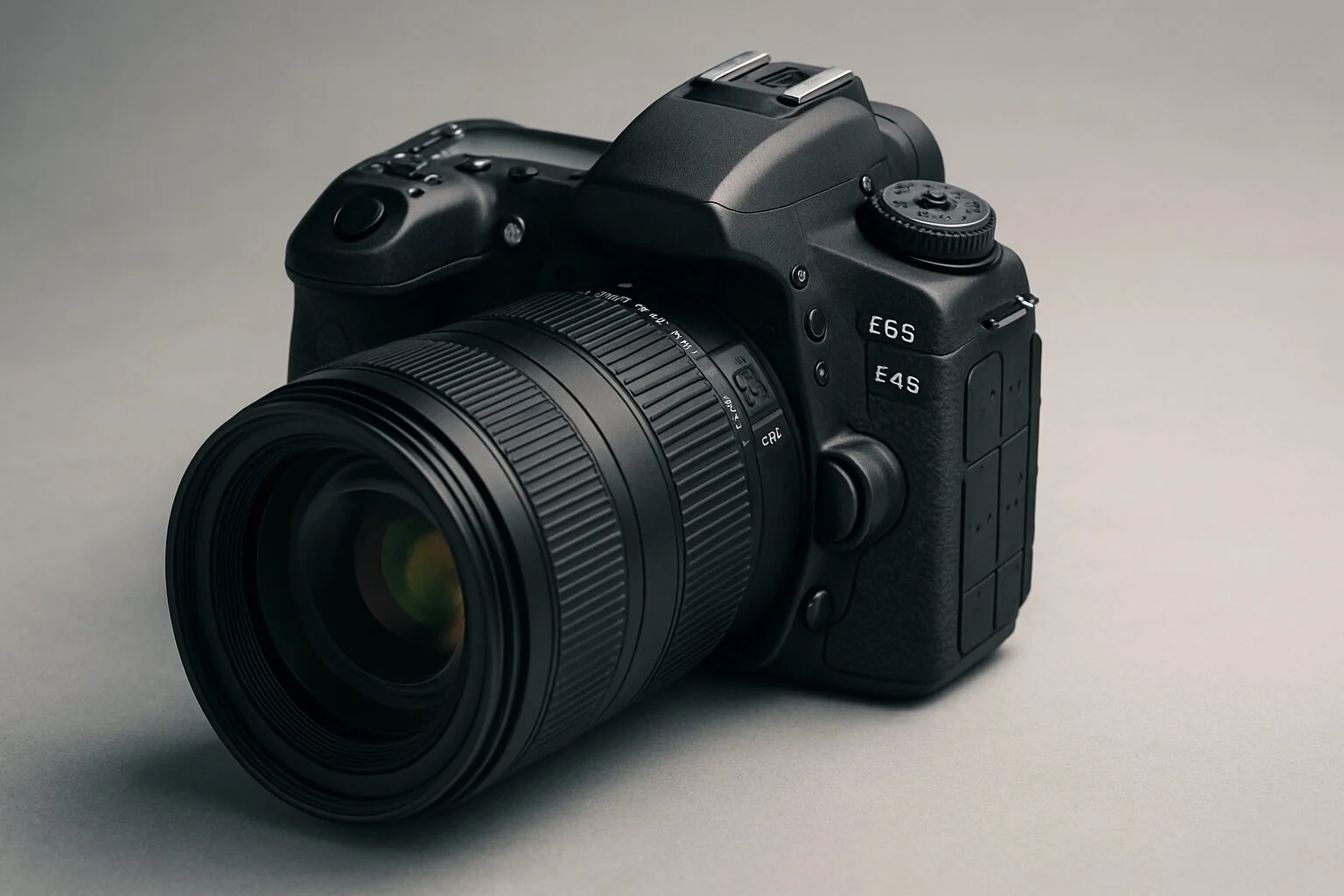
Modern DSLRs employ matrix metering systems that analyze color, contrast, and subject distance to deliver accurate exposures across a wide range of lighting scenarios. Paired with optical viewfinders, photographers can trust the camera’s judgment or override it with full manual controls, a flexibility that entry-level systems rarely match. Nikon’s 3D Color Matrix Metering and Canon’s Evaluative Metering are both refined tools built on decades of real-world feedback from professional photographers. That depth of control is one reason working photographers keep returning to what digital slr camera platforms offer.
4K Video and Live View
Video was once a genuine weakness for DSLRs, but that gap has closed significantly. The Nikon D850 records 4K UHD at 30 fps, and the Canon 5D Mark IV adds Dual Pixel AF for smooth, reliable focus transitions during video capture. Canon Log on the 5D Mark IV also gives videographers a flat color profile with greater dynamic range for grading in post, making it a legitimate hybrid production tool. Live View mode flips the mirror up permanently, effectively turning the DSLR into a mirrorless-style camera for video work.
Connectivity and Storage Options
Built-in Wi-Fi and Bluetooth, as seen in the Nikon D780 and Canon 5D Mark IV, simplify image transfer to phones and tablets for quick social sharing or client review. Dual card slots, like the XQD and SD combination in the Nikon D850, provide backup storage or overflow options that are essential for professional workflows where losing a card means losing irreplaceable images. These connectivity features close the gap between DSLR and mirrorless in day-to-day professional use.
DSLR vs Mirrorless: Which Is Right for You?
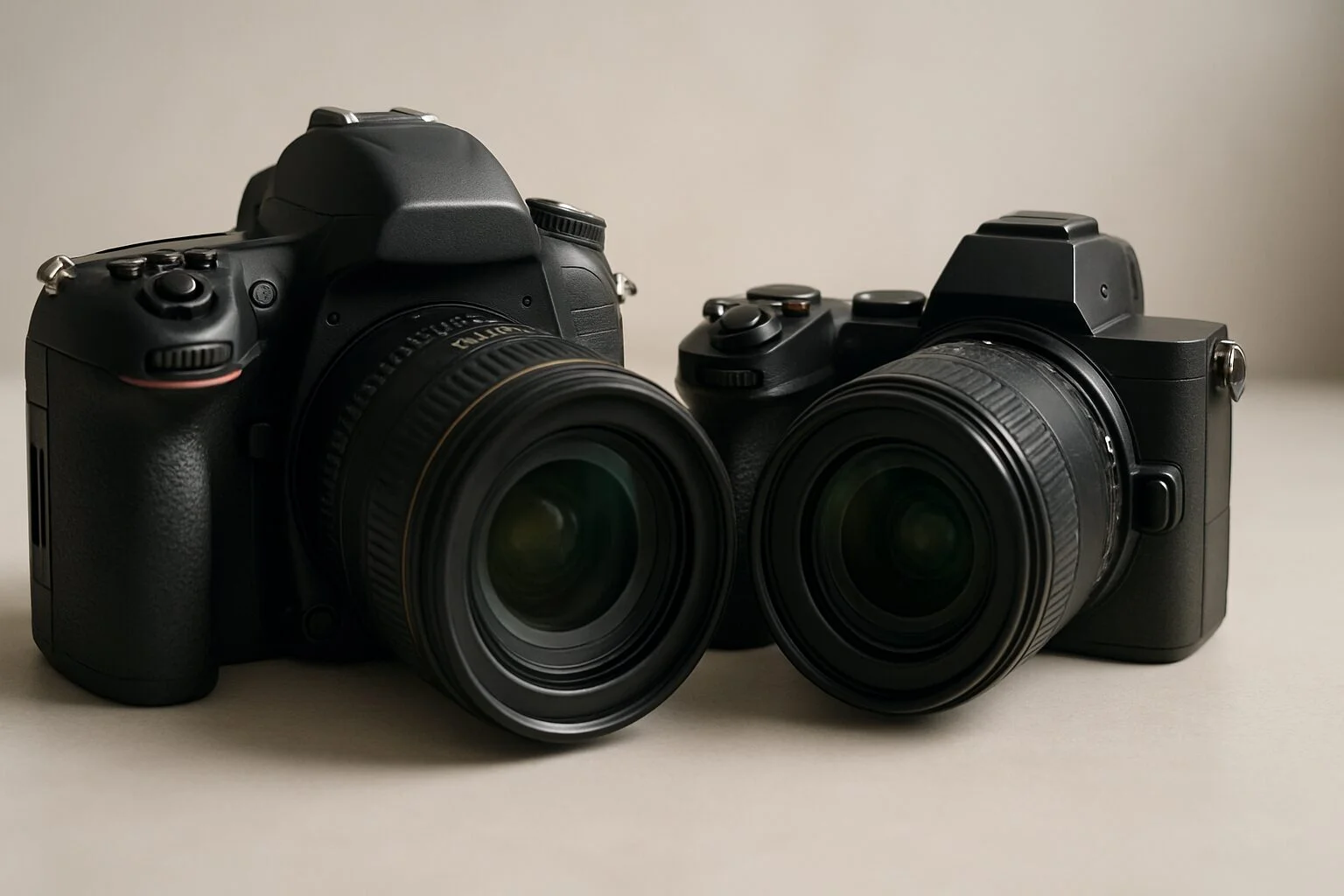
Optical Viewfinder vs Electronic Viewfinder
DSLRs offer an optical viewfinder (OVF) that shows the scene with zero lag and zero power draw. Mirrorless cameras use an electronic viewfinder (EVF) that simulates exposure in real time but can feel artificial, particularly in bright sunlight or fast-action situations. For photographers who shoot sports, wildlife, or any fast-moving subject, the OVF remains a decisive advantage. It is also simply more comfortable for extended shooting sessions, with no flicker, no blackout, and no battery anxiety.
Battery Life and Durability
Because DSLRs rely on optical previews rather than constant electronic displays, they consume far less power. The Nikon D850 is rated for up to 1,840 shots per charge under CIPA standards, roughly 3 times more than many mirrorless models. Combined with weather-sealed magnesium alloy bodies, top-tier DSLRs are built for extended outdoor use in rain, dust, and cold. That durability is a real-world advantage that shows up on every long shoot.
Lens and Accessory Ecosystems
Decades of Canon EF and Nikon F-mount lens development mean DSLR users can choose from hundreds of optics, often at steep discounts on the used market. As photographers migrate to mirrorless systems, used DSLR lenses have become exceptionally affordable, sometimes selling for a fraction of their original retail price. One honest caveat: Pentax K-mount, while excellent optically, has a narrower third-party lens selection than Canon or Nikon, so factor that into your system decision. Building a DSLR kit today is arguably the best value proposition in photography.
What Digital SLR Camera Should You Buy in 2026?
Best Professional DSLRs for High-Resolution Work
The Nikon D850 leads the professional DSLR category with its 45.7 MP full-frame sensor, 7 fps burst rate (9 fps with the MD-B18 grip), and 4K UHD video. Priced around $2,500 new and as low as $1,600 used, it benchmarks favorably against cameras costing significantly more. The Canon 5DS R offers an even higher 50.6 MP resolution with its low-pass filter cancellation design, making it the choice for studio and landscape photographers who need maximum detail. For those wanting in-body image stabilization and unique astrophotography tools, the Pentax K1 II (under $2,000) delivers IBIS and Astrotracer for star trail photography.
“The Nikon D850 is arguably the most refined and technologically advanced DSLR that any camera company has ever made.” – Photography Life
Best All-Rounder DSLRs for Enthusiasts
The Canon 5D Mark IV (30.4 MP, 7 fps, 4K with Dual Pixel AF) is beloved for its color science and video performance, now available for about $1,799, representing a significant drop from its original launch price according to Canon USA. The Nikon D780 ($1,550) bridges the DSLR and mirrorless worlds with on-sensor phase-detect AF in live view and 4K recording, making it the most forward-looking DSLR Nikon currently produces. Both cameras represent the sweet spot of what digital slr camera technology can deliver in 2026.
“DSLRs continue to offer a compelling combination of optical viewfinder performance, battery endurance, and mature lens ecosystems that mirrorless systems are still working to fully replicate.” – Based on camera industry analysis from Photography Life and CIPA market data.
Best Budget DSLRs for Beginners
The Canon EOS Rebel T7 kit, priced at $479.99 at Canon USA, includes an 18-55mm lens and is the clearest entry point into serious photography. The Nikon D7500 (starting at $699.95 on Nikon USA) steps up with 4K video, 8 fps continuous shooting, and a more rugged build for photographers ready to grow. Both prove that deciding what digital slr camera to buy first does not require a large budget, especially with today’s competitive pricing.
| Camera Model | Key Strength | Sensor Type | New Price (USD)* |
|---|---|---|---|
| Nikon D850 | Extreme resolution and speed | 45.7 MP Full-frame | $2,500 |
| Canon 5D Mark IV | Video autofocus and reliability | 30.4 MP Full-frame | $1,799 |
| Pentax K1 II | IBIS and Astrotracer | Full-frame | Under $2,000 |
| Nikon D780 | Hybrid live view AF | Full-frame | $1,550 |
| Canon Rebel T7 | Affordable starter kit | APS-C | $480 |
| Nikon D6 | Professional sports and news | Full-frame | $6,499 |
*Prices approximate as of 2026; check retailer links for current deals.
What Digital SLR Camera Fits Your Photography Style?
Landscapes and High-Resolution Photography
For sweeping vistas with fine detail, a high-megapixel full-frame DSLR is the right tool. The Nikon D850’s 45.7 MP sensor and wide dynamic range excel in this genre, while the Canon 5DS R’s 50.6 MP sensor with its low-pass filter cancellation delivers even sharper results for studio and landscape work. Pair either body with wide-angle lenses from the Canon EF or Nikon F ecosystem and you have a landscape kit that rivals systems costing twice as much.
Sports and Wildlife Photography
Fast continuous shooting and reliable autofocus define this category. The Nikon D850 shoots at 7 fps standard and 9 fps with the MD-B18 grip, covering most action scenarios. For working professionals, the Nikon D6 ($6,499.95 on Nikon USA) delivers 14 fps with a 105-point AF system, a purpose-built tool for sports and news photography where missing the moment is not an option. The price reflects the niche, but for those photographers, it is simply the right answer.
Portrait and Event Photography
The Canon 5D Mark IV’s Dual Pixel AF ensures sharp focus on eyes and faces, and its color science is widely praised for natural skin tones. Pair it with a fast prime like an 85mm f/1.4 and you get beautiful subject isolation that clients notice immediately. Many event photographers still prefer what digital slr camera platforms offer precisely because the OVF and battery longevity let them focus on people rather than power management.
Best DSLRs for Beginners in 2026
Canon EOS Rebel T7: The Affordable Entry Point
With a simple interface, guided shooting modes, and a 24.1 MP APS-C sensor, the Rebel T7 helps new photographers learn the fundamentals without feeling overwhelmed. Its $480 kit price includes a versatile 18-55mm zoom lens, and the images it produces far exceed anything a smartphone can deliver. It is the clearest answer to what digital slr camera a complete beginner should buy first.
Nikon D7500: A Mid-Range Option for Growing Skills
Stepping up, the D7500 offers 4K UHD video, 8 fps continuous shooting, and a weather-resistant build for $699.95. It supports the full range of Nikon F-mount lenses, meaning the glass you buy today will still work as your skills and ambitions grow. This is the camera that grows with you rather than holding you back.
Why Used DSLR Cameras Offer Incredible Value
The shift to mirrorless has flooded the used market with pristine DSLRs at prices that would have seemed impossible five years ago. A Nikon D850 can be found for around $1,600, while older full-frame bodies like the Canon 5D Mark III regularly dip below $500. For anyone asking what digital slr camera delivers the most image quality per dollar, the used market is almost always the smartest answer.
How to Choose the Perfect DSLR: A Step-by-Step Guide
- Define Your Budget: Determine how much you can spend, including lenses and accessories. Entry-level kits start at $480; professional bodies reach $6,500 and above.
- Select Sensor Size: Full-frame offers better low-light performance and depth-of-field control, but APS-C is lighter and more affordable. Match the sensor to what you shoot most.
- Evaluate the Lens Ecosystem: Canon EF and Nikon F mounts offer the widest selections, including a deep pool of affordable used glass. Pentax K-mount is excellent but has fewer third-party options.
- Assess Video Needs: If video matters, prioritize cameras with 4K and reliable live view autofocus, such as the Canon 5D Mark IV with Canon Log or the Nikon D780 with on-sensor PDAF.
- Check Ergonomics and Battery Life: DSLRs are heavier than mirrorless cameras but offer all-day shooting without battery anxiety. Handle them in person if you can before committing.
- Read Reviews and Compare: Use resources like Photography Life’s rankings to see how models perform in real-world conditions before you buy.
Pros and Cons
Pros
- Exceptional battery life: The Nikon D850 delivers up to 1,840 shots per charge, far ahead of most mirrorless alternatives.
- Vast lens ecosystems: Canon EF and Nikon F mounts give you access to hundreds of lenses, including deeply discounted used options.
- Optical viewfinder: Zero lag, no power draw, and a natural view that many photographers find more intuitive than electronic alternatives.
- Proven durability: Weather-sealed magnesium bodies on mid-range and professional models handle demanding outdoor conditions reliably.
- Outstanding value: Used market pricing means you can buy a $2,500 camera body for around $1,600, or a full-frame body for under $500.
Cons
- Size and weight: DSLRs are larger and heavier than mirrorless cameras, which matters on long travel or street photography shoots.
- Live view autofocus limitations: Most DSLRs (except the Nikon D780) use slower contrast-detect AF in live view, making video autofocus less reliable than mirrorless systems.
- Manufacturers shifting focus: Canon and Nikon have moved their primary development resources to mirrorless, meaning DSLR firmware updates and new body releases are slowing down.
- Mirror mechanism adds complexity: The reflex mirror is a moving part that can wear over time, adding a potential maintenance consideration for very high-volume shooters.
What Digital SLR Camera Is Best for You? Our Final Take
What digital slr camera is right for you depends on your budget, your subjects, and how much you value an optical viewfinder. As of 2026, DSLRs remain a compelling choice for photographers who prioritize battery endurance, a deep lens library, and the tactile satisfaction of an OVF. From the beginner-friendly Canon Rebel T7 at $480 to the professional-grade Nikon D850 at $2,500 new, there is a digital SLR camera for every skill level and creative goal. Mirrorless cameras dominate the headlines, but the best DSLRs continue to deliver stunning images and exceptional value, especially on the used market. If you want to explore how the right camera system fits into a broader creative and brand strategy, our team at Emin Media has the perspective to help.
Ready to build something bold with your visual content? Contact Emin Media for a free brand consultation and let’s create imagery that actually moves people.
Frequently Asked Questions
What is a digital SLR camera vs a mirrorless camera?
A digital SLR camera uses a mirror and pentaprism to deliver an optical viewfinder, while a mirrorless camera operates without a mirror and uses an electronic viewfinder or LCD screen instead. DSLRs generally offer longer battery life and a wider used lens selection, while mirrorless cameras are more compact and provide real-time exposure previews. Both produce excellent image quality at comparable price points in 2026.
Are DSLRs still worth buying in 2026?
Yes, DSLRs provide outstanding image quality, a large selection of affordable lenses, and superior battery life compared to most mirrorless alternatives. With significant price drops on both new and used models, they offer exceptional value for beginners and professionals alike. The used market in particular makes what digital slr camera ownership more accessible than ever.
What digital SLR camera is best for beginners?
The Canon EOS Rebel T7 with an 18-55mm kit lens is the top pick for beginners, priced at around $480 at Canon USA. It is straightforward to use, produces excellent photos, and teaches the fundamentals of exposure and composition without overwhelming new photographers. The Nikon D7500 at $699.95 is the natural next step for those who want to grow faster.
Do DSLR cameras record video in 4K?
Many modern DSLRs, including the Nikon D850 and Canon 5D Mark IV, record 4K video. The Canon 5D Mark IV also supports Canon Log for a flat color profile that gives videographers more flexibility in post-production. Some entry-level models are limited to 1080p, so always check specifications if video is a priority before purchasing.
Which DSLR has the best battery life?
The Nikon D850 is rated for up to 1,840 shots per charge under CIPA standards, making it one of the longest-lasting DSLRs available. Most DSLRs far outlast mirrorless cameras because they rely on optical rather than electronic viewfinders, with many models exceeding 1,200 shots on a single charge. This battery advantage is one of the strongest practical reasons to choose a digital SLR camera in 2026.
What lenses can I use with a DSLR?
DSLRs use interchangeable lenses based on their mount system. Canon DSLRs use EF lenses for full-frame bodies and EF-S lenses for APS-C bodies, while Nikon DSLRs use F-mount lenses across their lineup. Third-party manufacturers including Sigma and Tamron produce high-quality alternatives for both mounts, often at lower prices than first-party glass.
Enjoyed this article?
Contact Emin Media for a free brand consultation and let's create something amazing together.
Get in Touch