30+ YouTube Content Ideas for Brands in 2026
YouTube content ideas for brands are strategies and video formats that help companies educate audiences, build trust, and drive measurable growth on the world’s second-largest search engine. With over 115 million channels competing for attention, a deliberate creative approach separates brands that grow from brands that disappear.
Key Takeaways
- for brands work best when mapped to specific funnel stages, not posted at random.
- A mix of storytelling, educational, and behind-the-scenes content builds the kind of authentic connection that converts viewers into customers.
- YouTube Shorts and live streaming expand reach and real-time engagement faster than long-form alone.
- Since July 2025, YouTube explicitly penalizes repetitive or mass-produced content, making originality a competitive advantage, not a nice-to-have.
- Consistent analytics review keeps your strategy evolving with audience preferences instead of guessing.
- Over 115 million YouTube channels compete for attention; a strategic approach sets brands apart.
Why YouTube Content Matters for Brands in 2026
The platform’s size and influence
YouTube remains the second-largest search engine on the planet, and for brands, that scale is an opportunity most are still underusing. With over 115 million active channels, the platform rewards brands that show up with genuine value rather than promotional noise. A deliberate this type of brands strategy turns passive viewers into loyal customers by solving real problems on camera.
Building brand trust through video
Video builds trust faster than almost any other medium. When a brand consistently publishes helpful, transparent content, it humanizes the company and deepens customer relationships over time. According to QuickFrame, YouTube now prioritizes authentic content, meaning mass-produced or repetitive material loses visibility in recommendations. Brands must focus on genuine, audience-first storytelling.
YouTube’s evolving content standards
Since July 15, 2025, YouTube has tightened its monetization guidelines, explicitly using the term “inauthentic content” to cover repetitive or mass-produced work. This shift rewards brands that invest in high-quality, original video concepts. Your this kind of for brands must now clear a higher bar for creativity and authenticity, making strategic planning more critical than ever before.
“The same signals that influence what YouTube recommends also shape performance when you use YouTube as part of a broader media mix, including CTV advertising.” – QuickFrame, February 2026
How to Develop YouTube Content Ideas for Brands
A step-by-step brainstorming framework
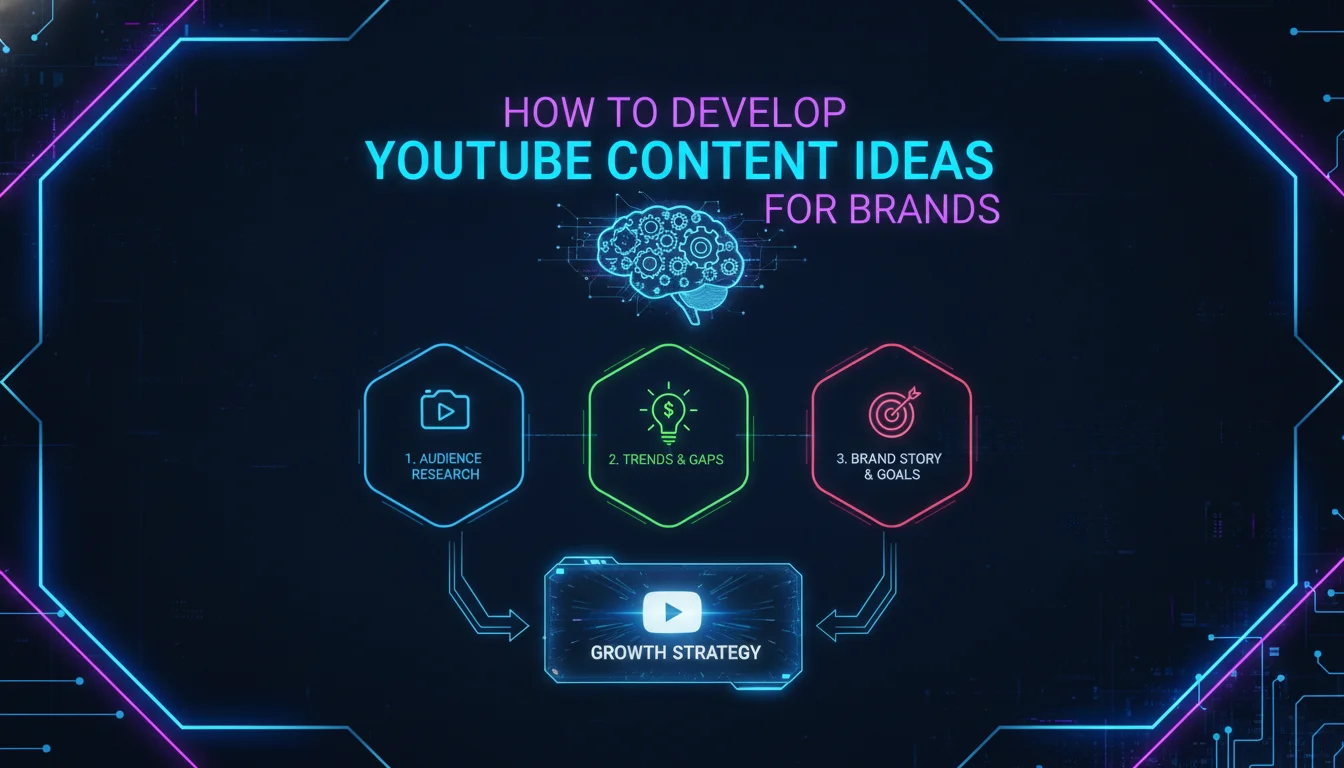
Follow this proven process to generate a sustainable pipeline of brand video concepts:
- Define your target audience and goals. Map out buyer personas and identify what position in the funnel each video will serve.
- Analyze competitor channels. Use YouTube’s “Most Popular” sort to spot content gaps and format patterns your competitors are missing.
- Conduct keyword research. Use YouTube autocomplete, Google video results, and tools like Ahrefs to find search-driven topics with real demand.
- Select the right video formats. Match each idea to a format, whether tutorial, vlog, Short, or live stream, based on your resources and audience preference.
- Plan production and promotion. Outline scripts, set check-in dates, and build cross-platform teasers to maximize impact before and after publish.
Aligning video types with marketing goals
Not all videos serve the same purpose. A comparison table helps brands select the right format for each objective:
| Video Format | Primary Goal | Best for… | Example |
|---|---|---|---|
| How-to tutorials | Education / SEO | Long-term discovery & authority | Cloud-based software demo |
| Behind-the-scenes | Transparency / Trust | Humanizing the brand | Factory or office tour |
| Customer testimonials | Social proof | Conversion-focused pages | Case study interview |
| YouTube Shorts | Reach / Awareness | Top-of-funnel growth | Quick tip or trend participation |
| Live Q&As | Engagement / Community | Real-time interaction | Product launch livestream |
Tools to spark creativity
AI video idea generators, competitor analysis tools like TubeBuddy, and social listening platforms can surface trending topics quickly. The best the content ideas for brands, though, often come from internal sources. Customer questions, sales calls, and support tickets reveal genuine pain points your videos can address better than any algorithm.
Brand Storytelling: YouTube Content Ideas for Brands That Connect
Origin stories and founder interviews
Your brand’s founding story is a powerful asset that most companies leave on the shelf. Share why the company exists, what problem it solves, and the people behind the logo. These videos create an emotional connection that differentiates you from faceless competitors who only talk about features.
Customer testimonials and case studies
Real customer stories rank among the most persuasive youtube content ideas for brands at the conversion stage. Record interviews where clients explain how your product or service transformed their workflow or daily life. Let them tell the story in their own words. Authenticity resonates far more than scripted praise ever will.
“Day in the life” of a team member
Spotlighting employees gives viewers an inside look at your company culture. This format works for any department: a developer coding a new feature, a designer sketching concepts, or a support specialist handling tickets. These videos show the humans behind your brand and can double as recruitment content.
“Day-in-the-life videos work because people are curious about how others structure their time, solve problems, and make decisions. The format creates a connection without requiring a big concept.” – QuickFrame, February 2026
Educational and How-To Content for Brand Authority
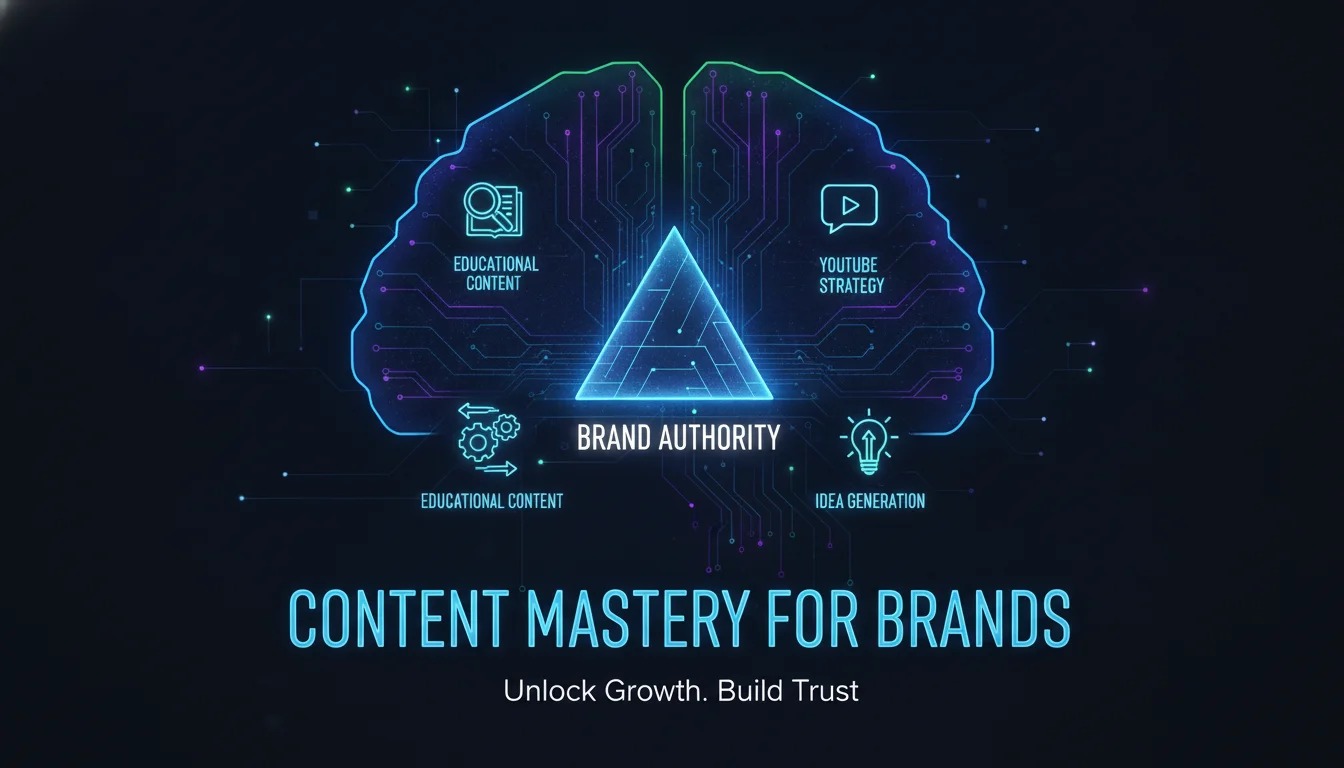
Step-by-step tutorials and product demos
How-to videos are the foundation of search-driven YouTube traffic. Create tutorials that solve specific problems your ideal customers face. For SaaS brands, this means walkthroughs of complex features. For e-commerce, it’s styling tips or assembly guides. Use clear, numbered steps and include links to related resources in the description.
Explainer and whiteboard videos
Explainer videos break down abstract concepts or industry jargon into digestible visuals. Whiteboard animations add visual interest and keep viewers engaged longer than a talking head alone. This format is ideal for introducing a new methodology, comparing pricing models, or simplifying technical topics for non-expert buyers.
Industry insights and thought leadership
Position your brand as a go-to authority by commenting on industry trends, research, or news. Publish regular expert roundup videos featuring internal subject-matter experts or external guests. These youtube content ideas for brands build credibility and can earn backlinks from news outlets and industry blogs over time.
Myth-busting and FAQ videos
Challenge common misconceptions in your industry and provide accurate, well-reasoned information. Myth-busting content positions your brand as a trusted authority while generating engagement through a contrarian perspective. Pair this with dedicated FAQ videos that address questions your sales and support teams hear every single week.
Behind-the-Scenes and Company Culture Videos
Office and workspace tours
Give viewers a peek into where the work happens, whether it’s a sleek office, a remote setup, or a factory floor. Highlight tools, team collaboration spaces, and the unique atmosphere that defines your culture. This builds transparency and satisfies the natural curiosity audiences have about the brands they buy from.
Event recaps and company milestones
When your brand sponsors an event, launches a product, or reaches a milestone, capture it on video. Recap videos extend the event’s reach and let absent stakeholders feel included in the moment. They also serve as historical markers for your brand’s journey that new customers can discover years later.
A day in the life of your brand
Beyond individual spotlights, brand-level “day in the life” videos can showcase operational processes at scale. A logistics company might show a package’s journey from warehouse to doorstep. A food brand might follow an ingredient from farm to shelf. Such content reinforces your brand promise while answering audience questions about quality and reliability.
YouTube Shorts: Snackable Content for Brand Reach
What YouTube Shorts can do for brands
Shorts are vertical videos under 60 seconds that appear in a dedicated feed and reach audiences who may never find your long-form content. They are among the fastest ways to reach new audiences, often generating significant views from a single clever clip. For brands, Shorts act as top-of-funnel trailers that drive traffic to longer content or product pages.
Ideas for Shorts: quick tips, teasers, and trends
Effective youtube content ideas for brands in the Shorts format include 15-second product hacks, teaser clips from upcoming webinars, participation in trending audio or challenges where brand-appropriate, and rapid-fire answers to frequently asked questions. Keep them punchy, visually dynamic, and branded with a consistent color scheme or watermark.
Measuring Shorts performance
YouTube Analytics for Shorts highlights “Shown in Feed” impressions, swipe-away rate, and average view duration. Use these metrics to refine your hook and outro strategy. Even if a Short doesn’t immediately drive sales, it builds brand familiarity that compounds over time and pays off in longer-form engagement.
YouTube Live and Event Content for Real-Time Engagement
Live Q&As and product launches
Live streaming fosters direct interaction that pre-recorded content simply cannot replicate. Host monthly Q&As where customers ask questions in real time, and use product launch live streams to demo features and handle objections on the spot. The unscripted nature of live video builds trust and creates genuine urgency around your announcements.
Behind-the-scenes live streams
Go live from your office, a trade show floor, or a manufacturing line. This transparency shows confidence in your operations and invites viewer participation through the comment stream. It’s a low-cost way to produce fresh content while engaging your most loyal subscribers without a full production day.
Webinars and virtual conferences
Long-form live presentations work especially well for B2B brands with complex products or services. Host webinars that go deep on an industry challenge, then make the recording available as evergreen content. YouTube’s live chat features also allow real-time feedback that shapes future youtube content ideas for brands on your channel.
Pros and Cons of YouTube Marketing for Brands
Pros
- Massive organic reach: YouTube’s search and recommendation engine surfaces your content to new audiences long after publish date, unlike most social platforms.
- Evergreen content value: A well-optimized tutorial or explainer video can drive traffic and leads for years without additional spend.
- Trust and authority building: Consistent, helpful video content positions your brand as a credible expert in your space faster than blog posts alone.
- Multi-format flexibility: From 15-second Shorts to hour-long webinars, YouTube supports every content type and funnel stage in one place.
- Detailed analytics: YouTube Studio provides granular data on watch time, audience retention, and click-through rates that inform smarter content decisions.
Cons
- High production investment: Quality video content requires time, equipment, and editing resources that can strain smaller marketing teams.
- Slow initial growth: Building a brand channel audience typically takes months of consistent publishing before organic momentum kicks in.
- Algorithm dependency: YouTube’s recommendation system can shift without warning, affecting reach for channels that rely heavily on suggested video traffic.
- Content saturation: With over 115 million channels active, standing out requires a genuinely differentiated creative strategy, not just consistent posting.
Real-World Examples of Successful Brand Channels
HubSpot: educational authority
HubSpot’s channel thrives on in-depth tutorials, marketing webinars, and interviews with industry experts. Their content is meticulously keyword-optimized, driving a steady stream of organic traffic while positioning the brand as a leading CRM and inbound marketing resource. It’s a textbook example of youtube content ideas for brands built around audience education rather than product promotion.
GoPro: user-generated storytelling
GoPro’s channel is a masterclass in using user-generated content as a primary creative strategy. By compiling breathtaking footage from their customers, they demonstrate product capabilities while building a passionate community. This approach turns customers into brand ambassadors and provides a near-endless source of authentic content without a massive production budget.
Airbnb: culture and inspiration
Airbnb uses YouTube to share host stories, travel guides, and behind-the-scenes looks at unique listings. Their videos evoke wanderlust and highlight the human connections at the heart of their brand. It’s a perfect match for their mission-driven audience and a strong model for any brand whose product is rooted in experience rather than specification.
Measuring Success: YouTube Analytics for Brands
Key metrics to track
Beyond view count, focus on watch time, audience retention, and click-through rate on thumbnails. These signals indicate whether your youtube content ideas for brands truly resonate with the people you’re trying to reach. Watch time in particular carries significant weight in YouTube’s recommendation algorithm, making it the most important metric to optimize for.
A/B testing thumbnails and titles
YouTube’s native A/B testing tool lets you upload multiple thumbnail options per video and see which drives the most watch time with your actual audience. Test variations in color, text overlay, and emotional expression. Combine thumbnail tests with title variations to maximize your video’s appeal in both search results and suggested feeds.
Iterating based on audience feedback
Read comments, monitor shares, and watch subscriber growth after each upload. If a certain format consistently outperforms others, commit to that style and build a series around it. Use polls and the Community tab to ask viewers what they want next. This feedback loop ensures your content stays relevant and strengthens the brand-community bond over time.
Building a Sustainable YouTube Content Strategy for Brands
A successful brand presence on YouTube doesn’t hinge on a single viral hit. It’s the result of a thoughtful, diversified content plan that evolves with audience interests and platform trends. By mixing storytelling, education, behind-the-scenes glimpses, and short-form experiments, you create a channel that serves customers at every stage of their journey.
The best youtube content ideas for brands are those that align with your unique value proposition while solving real problems for real people. Start small, analyze what works, and scale smartly. Your next loyal customer is just one video away.
Ready to build something bold on YouTube? Contact Emin Media for a free brand consultation and let’s map out a video strategy that actually moves the needle.
Frequently Asked Questions
What are good content ideas for brands on YouTube?
Effective brand content includes how-to tutorials, behind-the-scenes footage, customer testimonials, product demos, thought leadership interviews, and YouTube Shorts. The key is to match the format with your marketing goal and audience needs at each stage of the funnel.
How many views do I need to make $10,000 a month on YouTube?
Monetization depends on CPM (cost per thousand views) and ad formats, which vary widely by industry and audience. For brands, direct revenue from ads is often secondary to lead generation, brand lift, and driving traffic to owned properties like your website or email list.
What is the 7-second rule on YouTube?
The 7-second rule refers to the critical window where viewers decide whether to keep watching or click away. Brands should hook audiences within the first 7 seconds with a compelling visual, a direct question, or a clear preview of the value they’re about to receive.
How often should a brand post on YouTube?
Consistency matters more than raw frequency. Most successful brand channels post once per week or bi-weekly on a schedule they can sustain long-term. The cadence should allow enough time for quality editing, proper SEO optimization, and genuine audience engagement after each upload.
Can a brand succeed on YouTube without showing faces?
Absolutely. Screen recordings, animated explainers, text-based tutorials, and narrated stock-footage storytelling are all viable faceless formats. Many SaaS and finance brand channels build substantial audiences without ever putting a person on camera, relying instead on strong scripting and clear visual design.
Enjoyed this article?
Contact Emin Media for a free brand consultation and let's create something amazing together.
Get in Touch