Digital Super 8 Camera: Film Look Without Film
Key Takeaways
- A digital super 8 camera replicates vintage film aesthetics without physical film cartridges or processing costs.
- The Camp Snap CS-8 is the leading entry-level model at $169, with zero ongoing recording costs after purchase.
- Compared to traditional film cameras, digital versions provide immediate playback, simpler workflows, and lower environmental impact.
- Footage transfers as standard MP4 files, compatible with DaVinci Resolve, CapCut, iMovie, and virtually any editing tool.
- For authentic film grain, traditional Super 8 cameras from Kodak and Pro8mm remain the gold standard, starting at $695 and climbing past $5,000.
- As of 2026, the market for nostalgic, screen-free cameras is expanding fast, with Camp Snap alone surpassing 500,000 units sold.
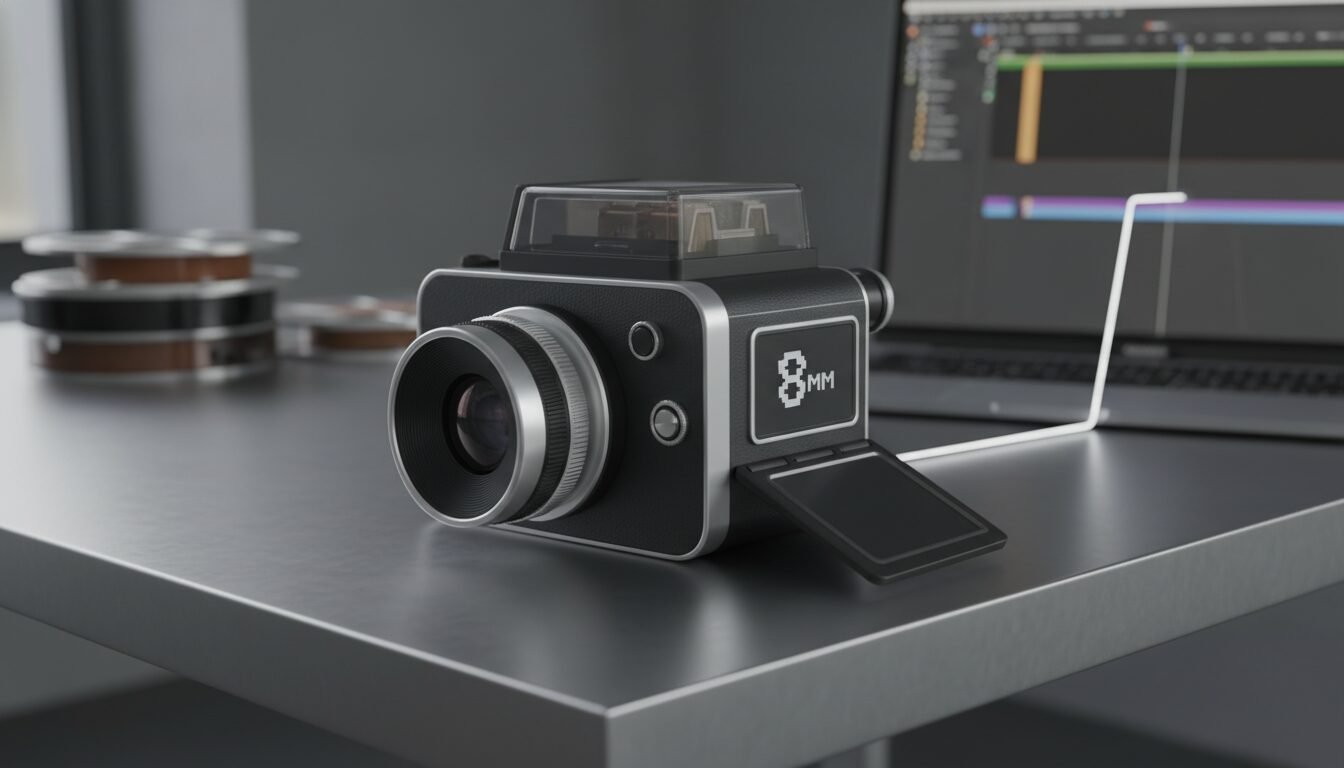
A digital super 8 camera is a modern video device that replicates the vintage look and feel of Super 8 film without requiring physical film cartridges. It offers the charm of analog recording with digital convenience. These cameras have gained real traction as more creators seek nostalgic, screen-free filming experiences.
What Is a Digital Super 8 Camera?
The Appeal of Super 8 Aesthetics
Super 8 film, introduced by Kodak in 1965, delivers a nostalgic, grainy texture and distinctive color palette that evokes home movies of the past. Today, a digital super 8 camera uses digital sensors and built-in filters to emulate this classic style, appealing to content creators who want vintage vibes without film’s complexity. According to brand research, demand for analog-aesthetic devices has grown steadily among creators aged 18 to 35 who associate the format with authenticity and emotional storytelling.
How Digital Replicates Film
Through software processing and optical design, these cameras mimic the light leaks, frame jitter, and color shifts of analog footage. The Camp Snap CS-8 includes custom filter presets like ‘vtg2’ and ‘analog’ to instantly transform digital clips into retro-style video. The result is convincing enough for social media, personal projects, and even short-form commercial work.
The Rise of Screen-Free Recording
A defining feature of the digital super 8 camera category is the absence of a playback screen. That’s a deliberate design choice that encourages users to stay present rather than review every shot. Camp Snap has sold over 500,000 cameras across its lineup, proving strong demand for intentional, film-like shooting experiences.
Why Choose a Digital Super 8 Camera Over Film?
Cost Savings Over Time
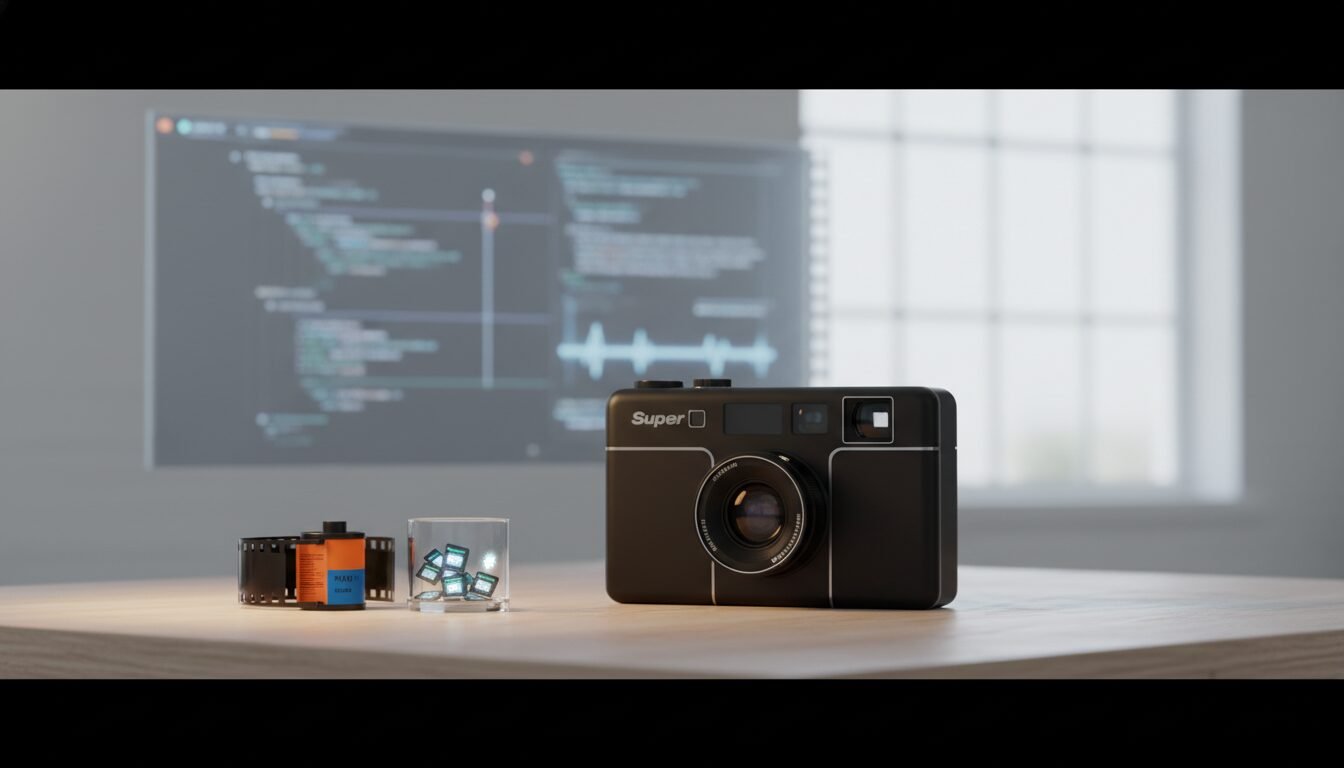
Shooting on real Super 8 film is expensive. A single 50-foot cartridge, plus development and scanning, can easily exceed $100 for just 2.5 to 3.5 minutes of footage. A digital camera like the CS-8 costs $169 once, with unlimited recording on a microSD card afterward. Over a year of regular shooting, the savings add up to hundreds of dollars.
“The cost of super 8, development and scan services are quite high,” notes a review from PetaPixel. “5K sadly is too much for what you get.”
Simplicity and Instant Gratification
With a film camera, you load cartridges, set exposure manually, and wait days for processing. Digital models eliminate all of that: charge, point, shoot, and transfer files to your computer the same day. No labs, no delays, no surprises.
Environmental Benefits
Film manufacturing and chemical development involve plastics, silver, and toxic fixers. Digital recording produces zero chemical waste and eliminates single-use cartridge consumption, making it a genuinely greener choice for eco-conscious filmmakers.
Pros and Cons of a Digital Super 8 Camera
Pros
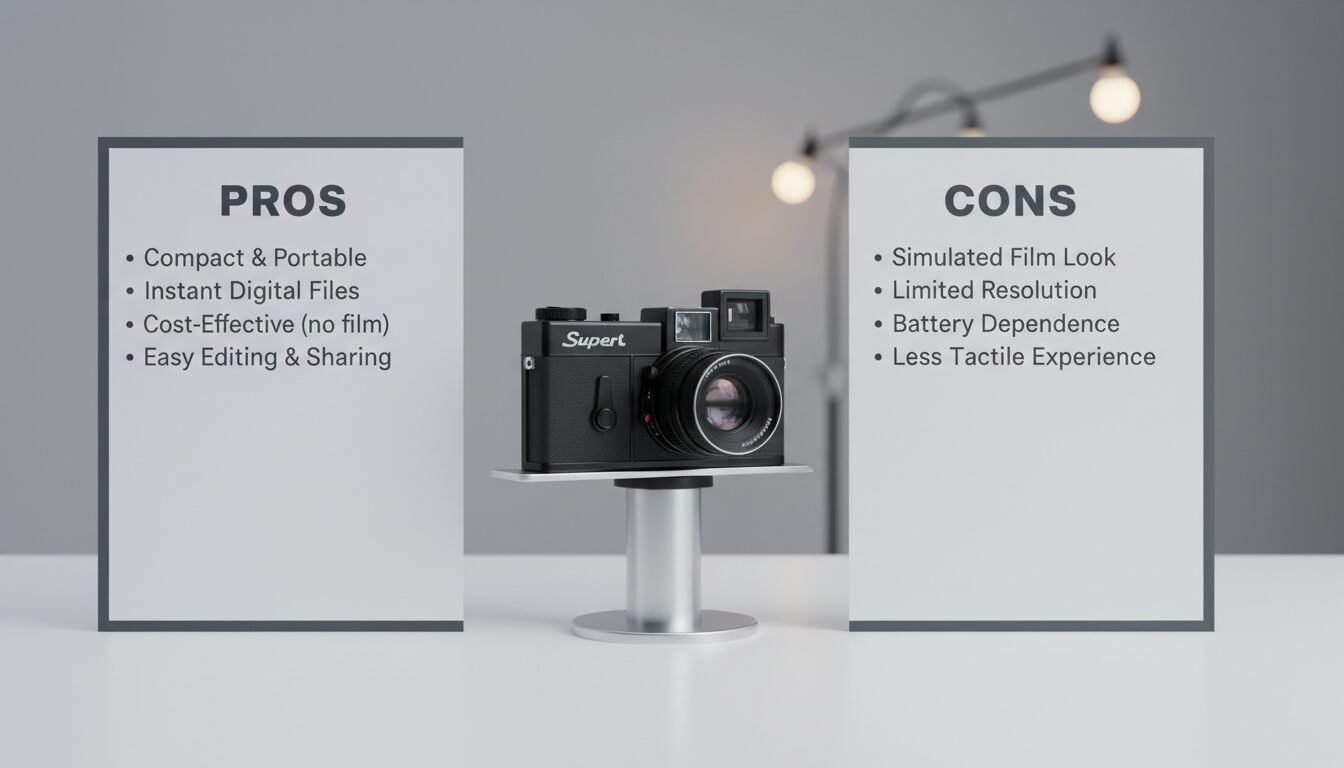
- Zero ongoing costs after the initial purchase, unlike film which costs $100+ per roll with processing.
- Instant file access: footage is ready to edit the moment you plug in via USB.
- Simple operation: no exposure settings, no film loading, no lab coordination.
- Environmentally friendly: no chemical processing, no single-use cartridges.
- Built-in filters deliver retro looks without any post-production work.
- Affordable entry point at $169 versus $695 to $5,000+ for film alternatives.
Cons
- Not authentic film: no matter how good the filters, digital simulation differs from real celluloid grain and dynamic range.
- No playback screen: you cannot review shots in the field, which some users find frustrating.
- Limited creative control: the CS-8 is designed for simplicity, not manual exposure or focus adjustments.
- microSD card not included: you need to purchase one separately before shooting.
Camp Snap CS-8: The Best Digital Super 8 Camera for Beginners
Key Specs and Design
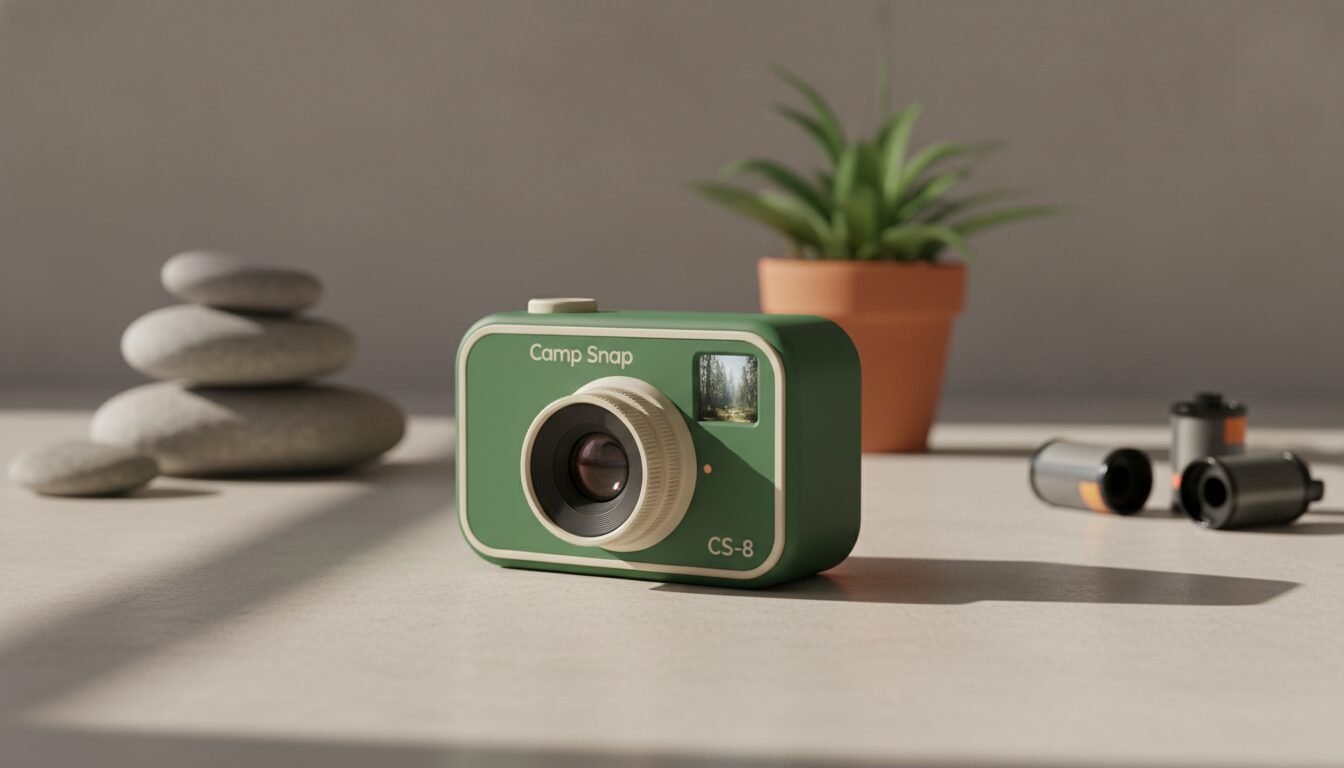
The Camp Snap CS-8 is engineered to be as simple as a point-and-shoot film camera. It records digital video to a microSD card, offers selectable aspect ratios, and has no playback screen. As of May 2026, the updated model includes a cold shoe mount and an external microphone jack, two features requested by early adopters. The retail price is $169 (reduced from $199), and a starter accessory kit with lens, lanyard, and case is available for $29.99.
“I filmed a fashion show. It’s amazing.” Raheem Nelson, CS-8 user
What Users Are Saying
With over 500,000 cameras sold across the Camp Snap brand, the CS-8 has built a loyal following fast. Users consistently praise its authentic retro output and the freedom of not worrying about exposure settings. Video reviews frequently highlight the nostalgic joy of waiting until you’re home to see your footage. That delayed reveal is a core part of the experience, and people love it.
How to Transfer and Edit Footage
Footage is stored as standard MP4 files on the microSD card. Transfer them by connecting the camera via USB or using a card reader. From there, edit with any software: free tools like DaVinci Resolve, mobile apps like CapCut, or even TikTok’s built-in editor. The format is universally compatible.
How to Use a Digital Super 8 Camera: Step-by-Step
Using the CS-8 is refreshingly straightforward. Follow these steps to get started.
Step 1: Charge the Battery
Fully charge the camera using the included USB cable. A full charge typically takes about 2 hours and provides enough power for several hours of intermittent recording.
Step 2: Insert a microSD Card
Open the card slot cover and insert a high-speed microSD card (Class 10 or higher recommended). Format the card in the camera if prompted. A 32GB card can hold approximately 4 hours of video.
Step 3: Select Your Aspect Ratio
The CS-8 lets you choose between classic 4:3 (traditional TV proportions) and 16:9 (widescreen). This sets the frame shape for all your recordings in that session.
Step 4: Start Recording
Aim the camera, press and hold the trigger button, and the camera records as long as you hold. Release to stop. There’s no confusing menu system. It’s pure point-and-shoot.
Step 5: Transfer Your Clips
Connect the camera to your computer via USB. The CS-8 appears as a removable drive. Drag and drop the MP4 files to your desired folder. You’re ready to edit and share immediately.
Digital Super 8 Camera vs. Traditional Film Camera
Here’s a side-by-side breakdown of how the two approaches stack up in 2026.
| Feature | Digital Super 8 Camera (Camp Snap CS-8) | Traditional Super 8 Film Camera (Kodak, Pro8mm models) |
|---|---|---|
| Media | Digital video (microSD) | Super 8 film cartridge (50 ft) |
| Camera Price | $169 | $695 – $5,495+ |
| Cost per Recording Hour | $0 (after purchase) | ~$120–$150 (film + processing + scan) |
| Image Quality | Digital simulation of film look | Genuine film grain, color, and dynamic range |
| Recording Time per Load | Up to 4+ hours (with 32GB card) | 2.5 – 3.5 minutes per 50 ft roll |
| Screen | None (no playback) | LCD on modern Kodak model; none on vintage |
| Audio | Built-in mic; external mic jack (new model) | On-board recorder, 3.5mm input, SD card (Kodak) |
| Processing Required | None | Yes mail-in lab service |
| Ease of Use | Very easy: point and shoot | Moderate: manual controls, film loading |
| Environmental Impact | Low; reusable, no chemical waste | Higher; film cartridges, chemical processing |
Image Quality and Authenticity
Nothing truly replaces the look of real film. Kodak’s Super 8 Camera features an 11% larger image area thanks to its extended gate design, and uses genuine film stocks including VISION3 and EKTACHROME for authentic texture and color science. The digital option provides a convincing facsimile, good enough for most social media content and personal projects. For professional film work or festival submissions, real film still carries weight.
Workflow and Turnaround
A traditional film shoot requires mailing cartridges to a lab, where processing and scanning may take 5–10 business days. Pro8mm, a respected lab based in Burbank, CA, offers professional services but the wait is unavoidable. A digital super 8 camera delivers files within seconds of plugging into a computer. That speed difference matters for creators working on tight deadlines.
“Each camera is rebuilt from scratch by our team with decades of experience.” – Pro8mm
Long-Term Reliability and Maintenance
Vintage Super 8 cameras are mechanical instruments that often need professional servicing. Pro8mm builds each camera from scratch, starting at $695 for a refurbished model. Digital cameras have fewer moving parts and no film transport mechanism, which significantly reduces long-term maintenance needs and repair costs.
Alternative Super 8 Film Cameras Worth Knowing
If you’re drawn to authentic film but want more affordable entry points than the Kodak Super 8 Camera, a few classic options are worth considering. The Canon 514XL and Canon 518 SV are popular vintage models that appear regularly on eBay and secondhand markets, typically priced between $50 and $200 depending on condition. The Beaulieu 4008 ZM II is a step up for serious shooters, offering interchangeable lenses and precise exposure control. These cameras require film, processing, and scanning, so factor in the ongoing $100+ per roll cost before committing. For most beginners, the digital super 8 camera route is far more practical.
Getting the Most Out of Your Footage: Editing and Filters
Built-In Filters vs. Post-Production
The CS-8 includes onboard filters that apply retro effects during recording, no editing required. Popular looks mimic classic Kodachrome warmth and high-contrast black and white. If you prefer raw footage, you can add grain and color grading later in software. The internal filters process instantly, saving significant editing time compared to building a look from scratch in post.
Quick Editing on Mobile and Desktop
Because the CS-8 outputs standard MP4 files, you can edit on any device. Mobile apps like CapCut and InShot offer one-tap vintage filters, while desktop tools like DaVinci Resolve (free) provide fine control over color, grain, and frame rate. Most users find the built-in filters so satisfying that post-production is minimal.
Achieving the Perfect Retro Look
To closely match real Super 8, try adding a subtle film grain overlay, slightly reducing contrast, and applying a warm color shift toward amber and red. Many CS-8 users find the built-in presets handle most of this automatically. The ‘vtg2’ preset in particular draws consistent praise for its natural, lived-in quality.
Where to Buy a Digital Super 8 Camera
Camp Snap’s Official Store
The CS-8 is sold directly through Camp Snap’s website. The standard package costs $169, and an accessory kit with extra lens, lanyard, and case is $29.99. As of 2026, Camp Snap has noted inventory constraints due to global chip supply issues, so stock can be limited during peak periods.
Shipping and Delivery Times
Orders typically ship within 5–7 business days. Camp Snap offers free global shipping on orders over $100. Estimated delivery within the US is usually 3–5 days after the order ships.
What’s Included in the Box
Inside the box, you’ll find the CS-8 camera, a USB charging cable, a quick start guide, and sometimes a basic wrist strap. A microSD card is not included, so purchase one before your first shoot. A Class 10 card in the 32GB to 64GB range is the sweet spot for most users.
The Future of Analog-Inspired Digital Cameras
More Brands Entering the Space
With the CS-8’s success and growing demand for film-aesthetic digital tools, more manufacturers are likely to enter this space. The market for nostalgic, screen-free devices keeps expanding, especially among creators who grew up in the 1980s and 1990s and associate Super 8 with family memories and emotional authenticity.
Smartphone Apps vs. Dedicated Hardware
Apps like 8mm Vintage Camera can simulate Super 8 on a phone, but a dedicated device offers a tactile, distraction-free experience that a phone simply cannot replicate. The physical act of holding a viewfinder and pulling a trigger adds an emotional layer to filmmaking. That’s not a feature you can download.
Why the Trend Will Last
In a world of 8K sensors and AI-assisted editing, the desire for imperfection and simplicity is stronger than ever. According to creative industry data, analog-aesthetic content consistently outperforms hyper-polished video in emotional engagement metrics on platforms like Instagram and TikTok. Camp Snap’s 500,000+ cameras sold reflects a robust appetite for tools that prioritize experience over technical specs.
Frequently Asked Questions
What is the best digital super 8 camera?
The Camp Snap CS-8 is currently the most popular and accessible dedicated digital super 8 camera on the market. It costs $169, requires no film, and delivers authentic retro video with zero wait time. For creators who want real film, the Kodak Super 8 Camera and Pro8mm refurbished models are the premium alternatives.
Can a digital super 8 camera use real film?
No. These devices are purely digital. They emulate the film look through onboard processing and filter presets. For real Super 8 film, consider the Kodak Super 8 Camera or a refurbished vintage model from Pro8mm, starting at $695.
How long can you record on a digital super 8 camera?
Recording time depends on the microSD card size. A 32GB card can hold approximately 4 hours of HD video. The CS-8’s battery supports several hours of intermittent recording on a full charge, which takes roughly 2 hours via USB.
Does the Camp Snap CS-8 have a screen?
No. The CS-8 has no playback screen by design. You compose shots through a simple optical viewfinder and review your clips only after transferring them to a computer or phone. That intentional limitation is central to the camera’s appeal.
Can you edit footage from a digital super 8 camera?
Yes. The camera records standard MP4 files that work with virtually any video editing software, from iMovie and DaVinci Resolve to CapCut and TikTok’s in-app editor. No conversion or special codec is required.
Where can I buy a digital super 8 camera?
The primary source is Camp Snap’s official website. Occasionally, used units appear on eBay or Facebook Marketplace, but buying new ensures warranty coverage and full customer support.
Enjoyed this article?
Contact Emin Media for a free brand consultation and let's create something amazing together.
Get in Touch