Digital SLR Camera Insurance: Protect Your Creative Investment
Key Takeaways
- Digital SLR camera insurance typically costs $200-400 annually for complete coverage
- Specialized camera insurance offers better protection than homeowner’s policies for professional gear
- Coverage includes theft, accidental damage, water damage, and equipment failure
- Most policies cover equipment up to $15,000 per item with worldwide protection
- Creative professionals should prioritize policies with no deductibles and fast claim processing
Why Digital SLR Camera Insurance Is Essential for Creative Professionals
Digital SLR camera insurance is a specialized coverage designed to protect your photography equipment from theft, damage, and loss — something your standard homeowner’s policy simply can’t match. As creative professionals at Emin Media, we’ve seen too many talented photographers and videographers lose thousands in equipment without proper protection.
The Reality of Equipment Vulnerability
Your DSLR isn’t just sitting safely on a shelf. It’s traveling to wedding venues, climbing mountains for space shots, and navigating crowded events where accidents happen. According to industry data, photographers experience equipment loss or damage at roughly 3x the rate of other electronics users due to the mobile nature of their work.
Beyond Basic Coverage Limitations
Most homeowner’s or renter’s insurance policies cap photography equipment coverage at $2,500 when used for business purposes. That barely covers a professional DSLR body, let alone your collection of lenses, lighting equipment, and accessories. Specialized digital SLR camera insurance fills this critical gap.
Professional Reputation Protection
When your camera fails during a client shoot, you’re not just losing equipment — you’re potentially losing your reputation. Camera insurance ensures you can quickly replace gear and maintain your professional commitments without devastating financial impact.
Understanding Digital SLR Camera Insurance Coverage Options
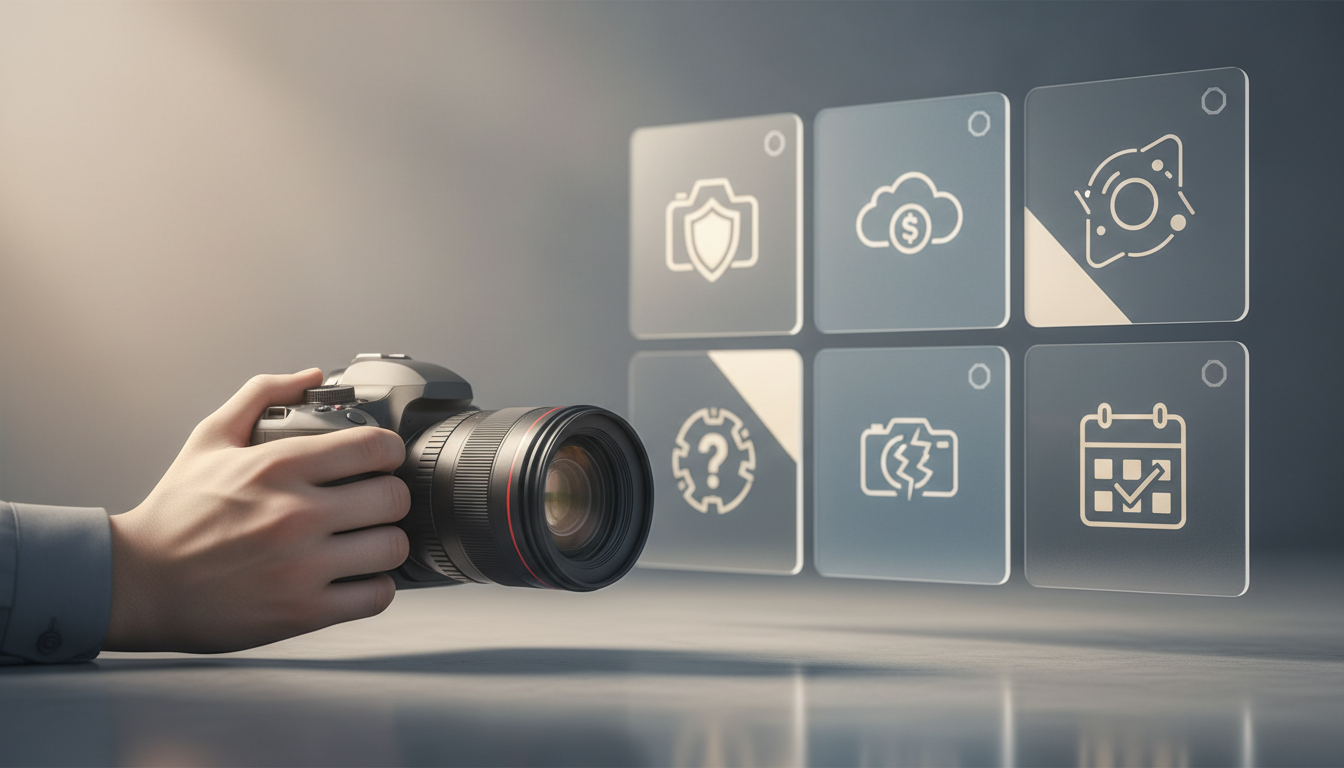
Digital SLR camera insurance comes in several forms, each designed to address different risk levels and usage patterns for creative professionals. The key is matching your coverage to your actual shooting style and equipment value.
Complete Equipment Protection
Full coverage policies protect against theft, accidental damage, water damage, power surges, and even mysterious disappearance. This means whether your camera falls off a cliff during a nature shoot or gets stolen from your car, you’re covered. Most complete policies also include coverage for memory cards and the images stored on them.
Worldwide Coverage Benefits
Professional photographers often travel for assignments, and the best digital SLR camera insurance policies provide worldwide coverage. This protection extends beyond just the camera body to include all your accessories, from expensive telephoto lenses to specialized lighting equipment.
Business Interruption Considerations
Some policies include business interruption coverage, compensating you for lost income while your equipment is being repaired or replaced. This feature is particularly valuable for wedding photographers or commercial shooters who can’t easily reschedule client work.
Comparing Costs: What You’ll Actually Pay for Coverage
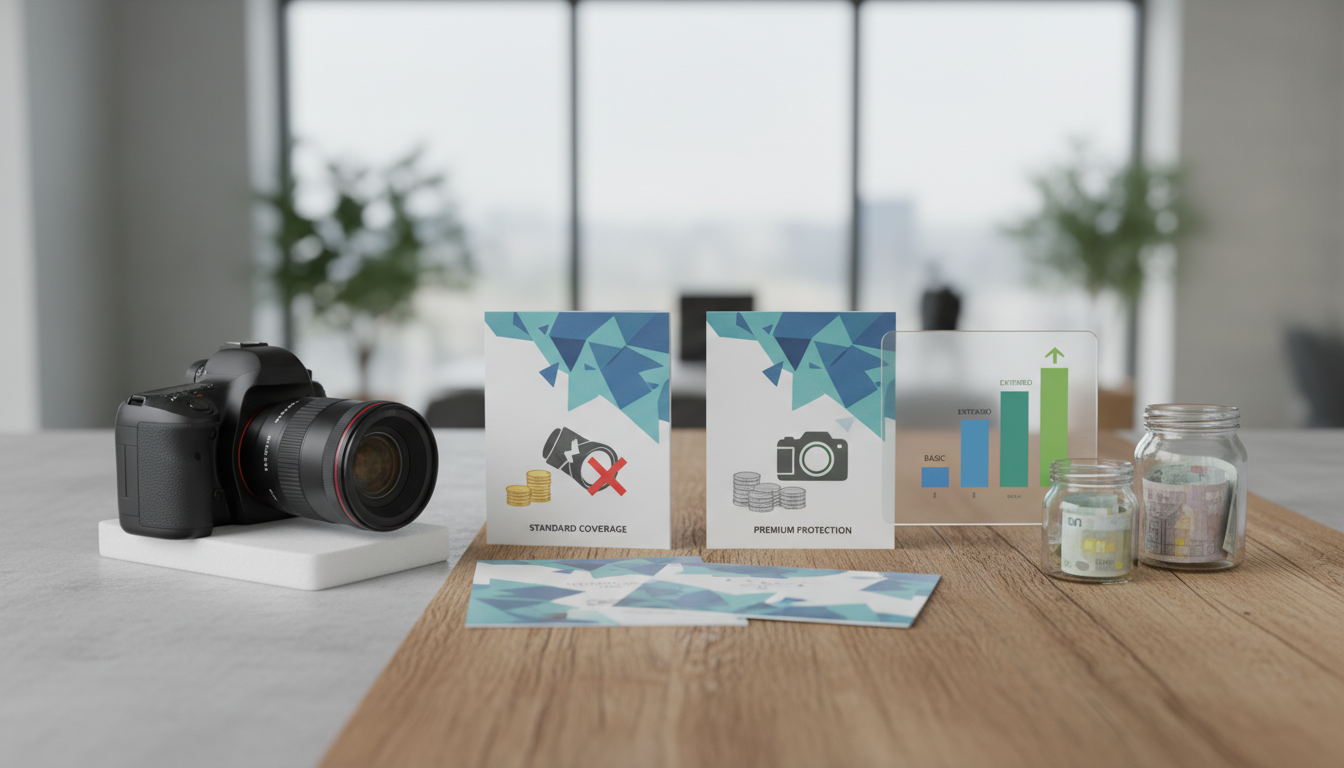
Digital SLR camera insurance costs vary significantly based on your equipment value, usage patterns, and chosen coverage level, but most creative professionals find the investment worthwhile compared to replacement costs.
Annual Premium Structures
Expect to pay roughly $200-400 annually for complete coverage on $10,000-15,000 worth of equipment. This breaks down to about $17-33 monthly — less than most photographers spend on coffee. Premium costs typically represent 2-4% of your total equipment value, making it one of the most cost-effective business protections available.
Deductible Impact on Pricing
Many specialized camera insurance providers offer zero-deductible policies, meaning you pay nothing out-of-pocket when filing a claim. While these policies cost slightly more upfront, they eliminate the financial barrier to actually using your coverage when accidents happen.
Equipment Value Assessment
Insurance companies typically require current market value documentation for equipment over $1,000. Keep receipts, serial numbers, and updated appraisals for vintage or specialized gear. Some insurers offer automatic inflation protection, adjusting your coverage limits annually to match equipment value changes.
Top Digital SLR Camera Insurance Providers in 2026
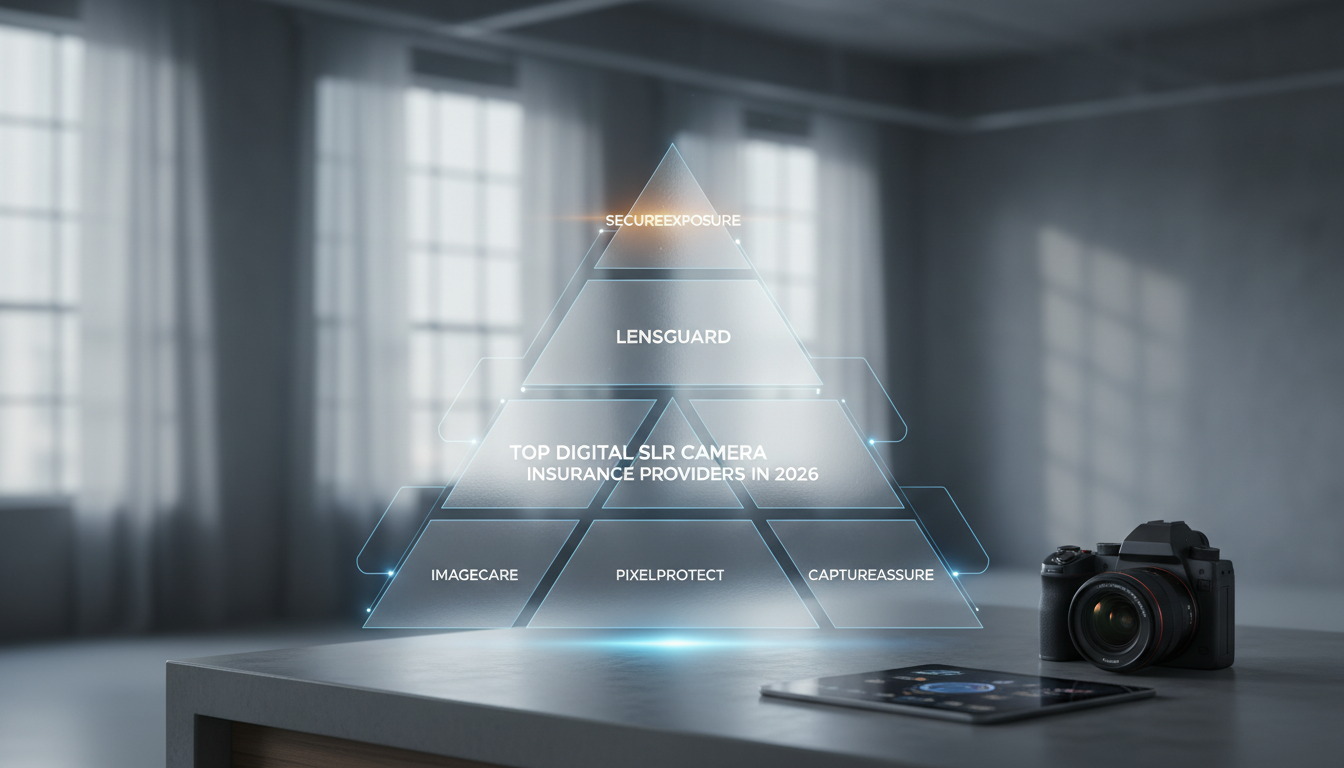
The digital SLR camera insurance market has evolved significantly, with several providers now offering photographer-specific policies that understand the unique risks creative professionals face.
Specialized Photography Insurers
Companies like Full Frame Insurance and PhotoGuard focus exclusively on camera equipment, offering features like worldwide coverage, zero deductibles, and fast claim processing. These specialized providers typically understand photographer workflows better than general insurers, resulting in smoother claim experiences.
Traditional Insurance Company Options
Progressive and State Farm now offer enhanced personal property coverage that can adequately protect camera equipment. While not specialized, these policies often integrate well with existing auto or home insurance, potentially offering multi-policy discounts.
Professional Association Benefits
Organizations like the Professional Photographers of America (PPA) offer group insurance rates to members, sometimes reducing costs by 15-20%. These programs often include additional benefits like legal protection and business liability coverage.
What Digital SLR Camera Insurance Actually Covers
Digital SLR camera insurance coverage extends far beyond basic theft protection, encompassing the full range of risks that creative professionals encounter in their daily work.
Accidental Damage Protection
This includes drops, impacts, and crushing damage that can happen during transport or active shooting. Whether your camera falls from a tripod or gets damaged in a crowded event, accidental damage coverage handles repair or replacement costs without questioning your handling practices.
Environmental and Weather Damage
Water damage, extreme temperature exposure, and humidity-related problems are covered under most complete policies. This protection is important for outdoor photographers who can’t always control environmental conditions during shoots.
Theft and Mysterious Disappearance
Beyond obvious theft scenarios, many policies cover “mysterious disappearance” — when equipment goes missing without clear explanation. This coverage recognizes that photographers often work in chaotic environments where gear can easily be misplaced or inadvertently taken.
How to Choose the Right Digital SLR Camera Insurance Policy
Selecting the right digital SLR camera insurance requires honest assessment of your equipment value, shooting patterns, and risk tolerance as a creative professional.
Equipment Inventory and Valuation
Create a complete list of all your camera equipment, including purchase dates, serial numbers, and current replacement costs. Don’t forget accessories like memory cards, batteries, and specialized filters — these items add up quickly and are often overlooked in coverage calculations.
Usage Pattern Analysis
Consider where and how you use your equipment. Studio photographers face different risks than wedding photographers or travel documentarians. Policies can be tailored to match your specific risk profile, potentially reducing costs while maintaining adequate protection.
Claim Process Evaluation
Research each insurer’s claim process and turnaround times. Some companies offer expedited replacement programs, shipping new equipment within 24-48 hours of claim approval. For working professionals, claim speed can be as important as coverage limits.
“We’ve worked with photographers who lost entire shoots because their insurance claim took weeks to process. The best camera insurance isn’t just about coverage — it’s about keeping you working when things go wrong.” — Emin Media Creative Team
Digital SLR Camera Insurance vs. Homeowner’s Coverage
The difference between specialized digital SLR camera insurance and standard homeowner’s coverage becomes critical when you actually need to file a claim for professional equipment.
Coverage Limit Disparities
Homeowner’s policies typically limit camera equipment to $2,500-5,000 total, and often exclude equipment used for business purposes entirely. A single professional DSLR with quality lenses can easily exceed these limits, leaving you significantly underinsured.
Deductible and Claim Complications
Homeowner’s insurance deductibles often range from $500-2,000, meaning smaller equipment losses aren’t worth claiming. Specialized camera insurance frequently offers zero-deductible options, making it practical to claim even minor damage or theft.
Business Use Exclusions
Most homeowner’s policies explicitly exclude coverage for equipment used to generate income. If you’re a professional photographer or even a serious hobbyist selling prints, your homeowner’s policy might deny claims entirely based on business use exclusions.
Pros and Cons of Digital SLR Camera Insurance
Pros:
- Complete protection beyond homeowner’s limits
- Worldwide coverage for traveling photographers
- Zero-deductible options available
- Covers business use without exclusions
- Fast claim processing and equipment replacement
Cons:
- Additional annual expense for coverage
- Requires detailed equipment documentation
- May have restrictions on equipment age or condition
- Premium costs increase with equipment value
Filing Claims and Maximizing Your Digital SLR Camera Insurance
Understanding the claim process before you need it ensures you can quickly recover from equipment loss or damage without extended business interruption.
Documentation Requirements
Successful claims require proper documentation from day one. Maintain digital copies of all receipts, serial numbers, and equipment photos. Some insurers now accept smartphone photos of equipment as sufficient documentation for claims processing.
Immediate Response Protocols
When equipment is stolen or damaged, contact your insurer immediately — many companies have 24/7 claim reporting. For theft, file a police report within 24 hours and obtain a copy for your insurance claim. Quick reporting often accelerates the entire claim process.
Replacement vs. Repair Decisions
Insurance companies typically choose the most cost-effective option between repair and replacement. However, you can often influence this decision by working with authorized repair centers or providing evidence that repairs might compromise equipment reliability for professional use.
Frequently Asked Questions
Is it worth getting insurance for a camera?
Yes, digital SLR camera insurance is worth it for anyone with equipment valued over $3,000 or who uses cameras professionally. The annual cost typically represents just 2-4% of equipment value while providing complete protection against theft, damage, and loss.
How to insure a digital camera?
You can insure a digital camera through specialized photography insurance companies, as an add-on to homeowner’s insurance, or through professional photography associations. Specialized insurers typically offer better coverage limits and fewer exclusions for professional use.
Does a photographer legally have to be insured?
Photographers aren’t legally required to carry equipment insurance, but many venues and clients require general liability insurance. Equipment insurance protects your business assets, while liability insurance protects against claims from clients or third parties.
How much does camera equipment insurance cost?
Camera equipment insurance typically costs $200-400 annually for complete coverage on $10,000-15,000 worth of gear. Costs vary based on equipment value, coverage limits, deductible choices, and whether you include business interruption protection.
What’s the difference between camera insurance and homeowner’s coverage?
Specialized camera insurance offers higher coverage limits, worldwide protection, business use coverage, and often zero deductibles. Homeowner’s insurance typically caps camera coverage at $2,500 and may exclude equipment used for business purposes entirely.
Ready to protect your creative investment? Contact Emin Media for a free brand consultation and let’s discuss how proper equipment protection fits into your overall creative business strategy.
Enjoyed this article?
Contact Emin Media for a free brand consultation and let's create something amazing together.
Get in Touch