Digital Image Correlation Camera Guide for Creative Pros
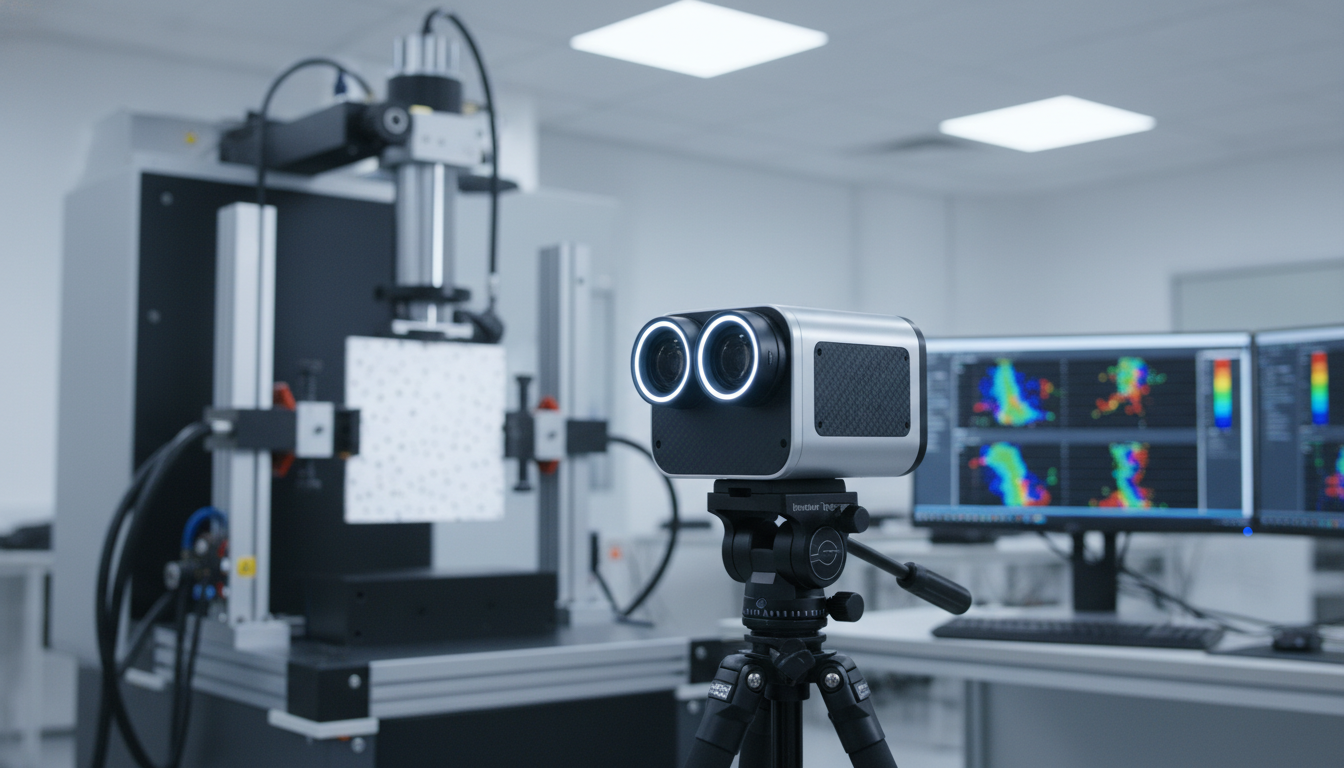
A digital image correlation camera transforms how we capture and analyze movement, strain, and deformation in materials — making invisible forces visible through precise optical tracking. As creative professionals increasingly work with brands in engineering, automotive, and materials science, understanding DIC technology opens doors to compelling visual storytelling that merges science with cinematic impact.
Understanding Digital Image Correlation Camera Technology
Digital image correlation cameras work by tracking surface patterns across sequential images to measure displacement and deformation with sub-pixel accuracy. This non-contact measurement technique eliminates the need for physical sensors while providing complete surface analysis data that traditional methods simply cannot match.
Core DIC Camera Components
The heart of any DIC system lies in its imaging sensor technology. Modern systems typically use CMOS sensors ranging from 2 megapixels to 25 megapixels, with frame rates spanning from 14 Hz for ultra-high resolution work up to over 1,000,000 fps for high-speed applications. The sensor choice directly impacts your measurement precision and temporal resolution capabilities.
Camera interfaces have evolved significantly, with USB 3.0 dominating lower-speed applications while CoaXPress-12 handles high-bandwidth requirements for distances up to 20 meters. This flexibility allows for remote positioning important in hazardous testing environments or when capturing large-scale deformation events.
2D vs 3D DIC Systems
Single-camera 2D DIC systems excel at measuring in-plane displacement and strain, making them ideal for flat specimen analysis or when budget constraints limit equipment choices. However, 3D stereo DIC systems using two or more synchronized cameras provide complete displacement field measurements, including out-of-plane motion that single cameras cannot detect.
The stereo configuration requires precise calibration using checkerboard targets, but delivers complete deformation data essential for complex material behavior analysis. This three-dimensional capability transforms raw engineering data into visually compelling content that resonates with both technical and general audiences.
Pattern Recognition and Tracking
DIC cameras rely on surface patterns to track movement — either naturally occurring textures or applied speckle patterns. The pattern quality directly affects measurement accuracy, with optimal speckle sizes typically ranging from 3-5 pixels in the captured image. This requirement often involves creative pattern application techniques that become part of the visual narrative in branded content.
Selecting the Right DIC Camera for Your Project
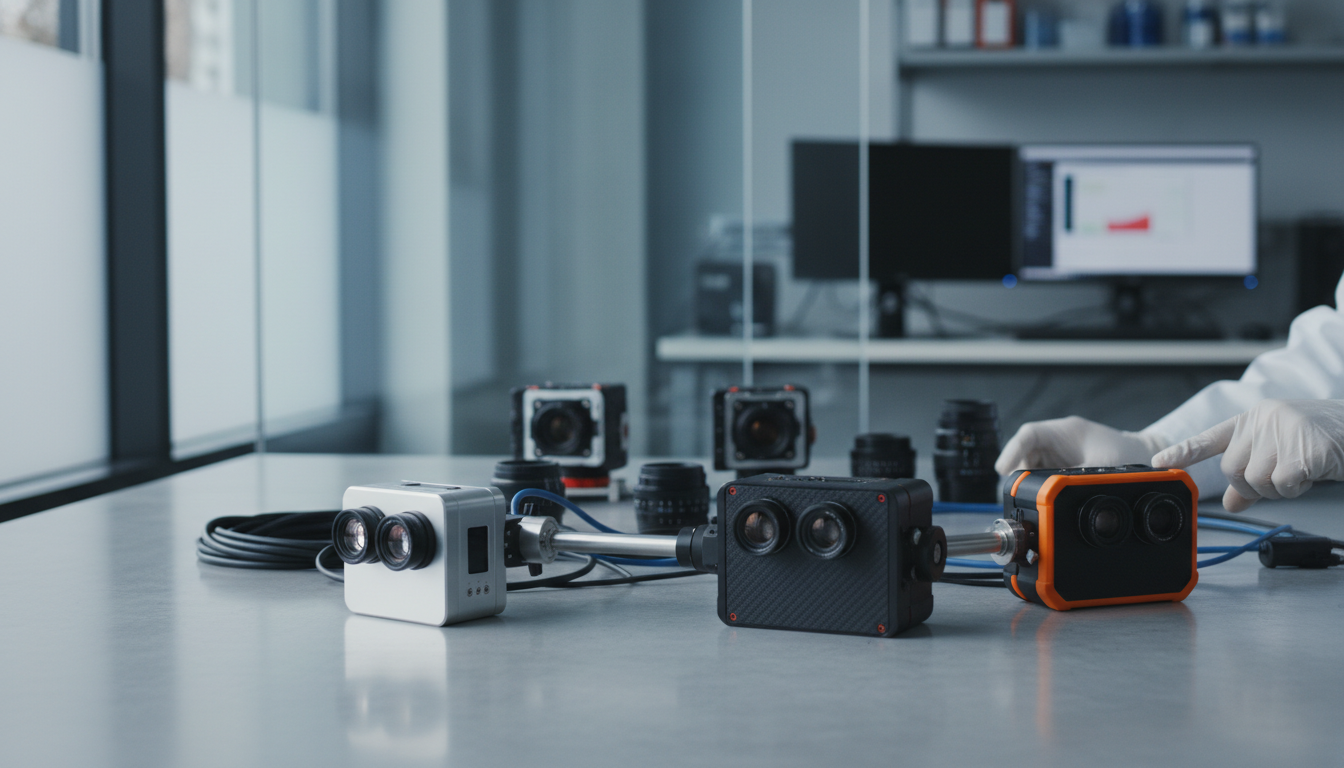
Camera selection depends primarily on your measurement requirements, with resolution and frame rate representing the fundamental trade-off in DIC applications. Higher resolution enables more precise measurements and larger fields of view, while increased frame rates capture faster deformation events that would otherwise be missed.
Resolution Requirements and Field of View
Measurement precision scales directly with camera resolution and lens magnification. For macro-scale applications measuring large structures, 5-megapixel cameras often provide sufficient detail, while microscopic deformation analysis may require 16-25 megapixel sensors to achieve necessary spatial resolution.
Field of view calculations become critical when planning shoots that combine DIC analysis with traditional cinematography. A 25-megapixel camera with appropriate optics can measure strain fields across areas ranging from microscopic specimens to automotive components, providing flexibility for diverse brand storytelling needs.
Frame Rate Considerations
Static and quasi-static testing typically requires frame rates between 1-100 Hz, easily handled by standard CMOS cameras. Dynamic testing scenarios — impact events, vibration analysis, or material failure — demand high-speed capabilities reaching thousands of frames per second.
The creative opportunity lies in capturing both the scientific measurement and the dramatic visual impact simultaneously. High-speed DIC cameras can document crack propagation in materials while creating stunning slow-motion footage that transforms technical data into emotionally engaging content.
Environmental and Setup Constraints
Industrial environments often impose challenging conditions on camera equipment. Temperature extremes, vibration, and electromagnetic interference require ruggedized camera housings and careful system design. These constraints become creative challenges that inform the visual approach to documenting technical processes.
Lighting requirements for DIC differ from traditional cinematography, often requiring uniform illumination to avoid shadows that interfere with pattern tracking. LED lighting systems designed for DIC applications provide consistent illumination while offering creative lighting possibilities for hybrid technical-artistic documentation.
DIC Camera Setup and Calibration Process
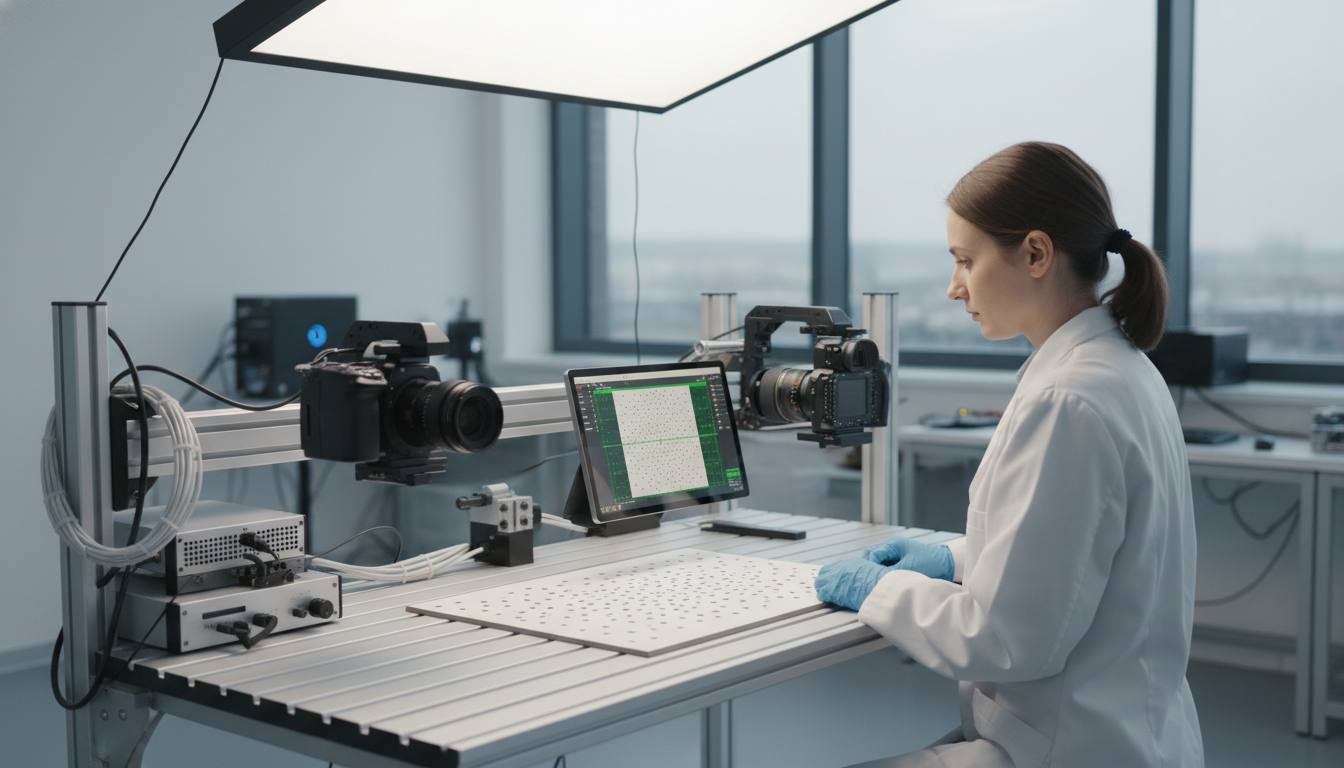
Proper DIC camera setup requires systematic calibration procedures that ensure measurement accuracy while establishing the visual framework for compelling technical documentation. The calibration process itself often provides striking geometric imagery that can enhance brand storytelling around precision and technical excellence.
Stereo Camera Configuration
Stereo DIC systems require precise camera positioning with convergence angles typically between 15-25 degrees for optimal measurement accuracy. The baseline distance between cameras affects depth sensitivity, with larger baselines providing better out-of-plane resolution at the cost of reduced overlapping field of view.
Professional tripod systems with CNC-machined components ensure stability during extended testing sessions. The mechanical precision required for DIC measurements often creates visually striking equipment setups that communicate technical sophistication and attention to detail — valuable elements in brand positioning for engineering-focused companies.
Calibration Target and Procedures
Calibration relies on precision checkerboard targets with known dimensions, often manufactured on rigid glass substrates for dimensional stability. NIST-certified targets provide traceability for applications requiring documented measurement accuracy, adding credibility to technical content and brand messaging.
The calibration process involves capturing multiple images of the target at different positions and orientations throughout the measurement volume. This systematic approach creates opportunities for time-lapse documentation that showcases methodical technical processes while building trust in measurement capabilities.
Software Integration and Workflow
Modern DIC systems integrate with analysis software packages like MATLAB, providing real-time feedback during calibration and measurement. The software interface often displays colorful strain field visualizations that translate complex engineering data into visually compelling graphics suitable for marketing materials and technical presentations.
Workflow optimization becomes important when combining DIC measurement with content creation requirements. Automated calibration routines and batch processing capabilities allow technical teams to focus on the creative aspects of documenting their work while maintaining measurement quality.
High-Speed DIC Applications in Creative Industries
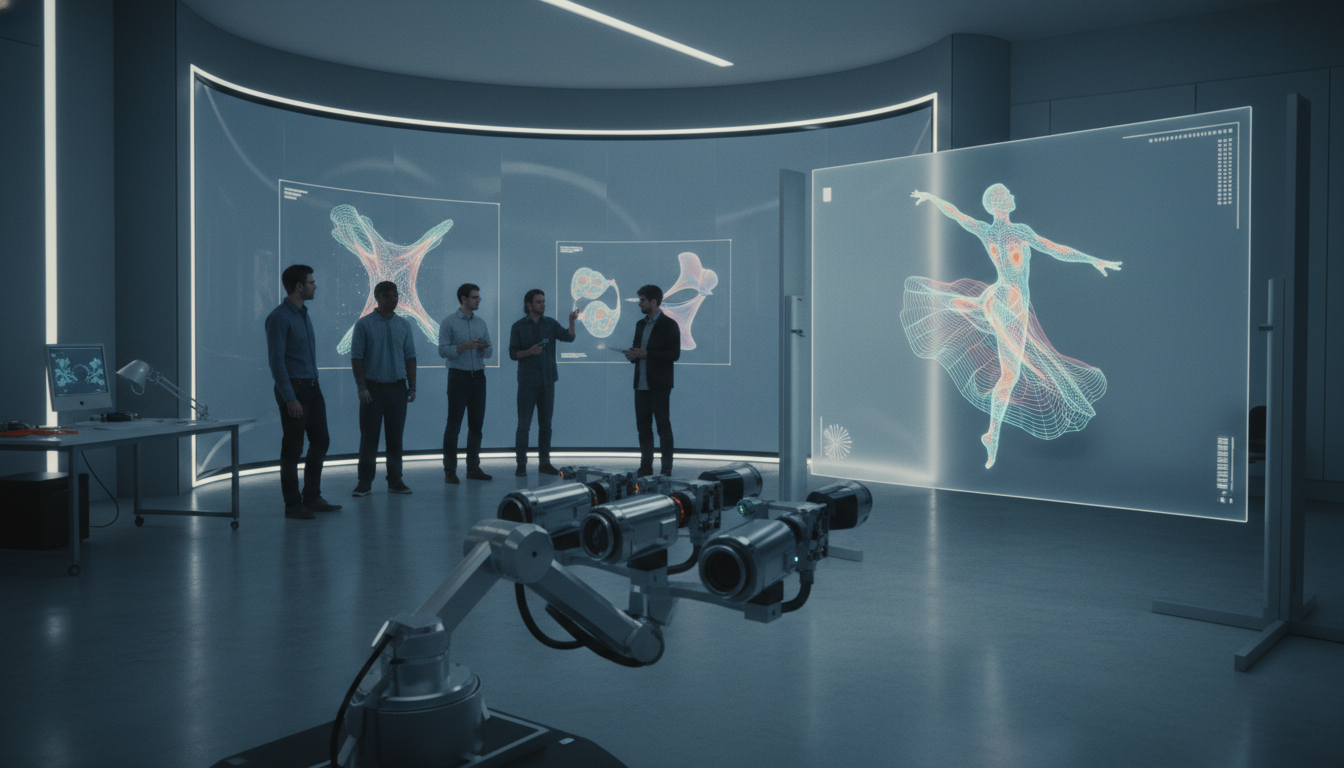
High-speed digital image correlation cameras reveal creative possibilities by making invisible dynamic processes visible, transforming technical analysis into visually stunning content that serves both engineering and marketing objectives simultaneously.
Impact and Crash Testing Documentation
Automotive and aerospace industries rely on DIC cameras to analyze material behavior during impact events, creating opportunities for dramatic visual content that showcases safety engineering and material innovation. Frame rates exceeding 100,000 fps capture deformation events lasting mere milliseconds, revealing the elegant physics of material response under extreme conditions.
The visual drama of slow-motion impact footage combined with scientific strain field overlays creates compelling content that communicates both technical capability and brand values around safety and innovation. This dual-purpose approach maximizes content value while serving legitimate engineering documentation needs.
Materials Testing and Failure Analysis
Tensile testing, fatigue analysis, and failure characterization provide rich visual content opportunities while generating critical engineering data. The moment of material failure, captured at high speed with simultaneous strain field measurement, creates powerful imagery that communicates material limits and engineering understanding.
Split-Hopkinson bar testing and other dynamic material characterization techniques produce visually striking content while advancing material science understanding. The combination of scientific rigor and visual impact serves both technical publication requirements and brand storytelling objectives.
Biomechanics and Life Sciences Applications
DIC applications in biomechanics research create opportunities for content that bridges scientific discovery and human interest storytelling. Measuring tissue deformation, joint motion, or prosthetic device performance generates both research data and compelling visual narratives around human performance and medical innovation.
The non-contact nature of DIC measurement makes it ideal for biological applications where traditional sensors would interfere with natural motion. This capability enables authentic documentation of human movement and biological processes that resonates with diverse audiences.
Cost Considerations and ROI for DIC Camera Systems
Digital image correlation camera systems represent significant investments, with complete setups ranging from tens of thousands to hundreds of thousands of dollars depending on specifications and application requirements. Understanding the total cost of ownership helps justify investments while maximizing both technical and creative returns.
Initial Equipment Investment
Entry-level 2D DIC systems using single high-resolution cameras start around $30,000-50,000 including software licenses and basic accessories. Professional 3D stereo systems with high-speed capabilities can exceed $200,000 when including specialized optics, lighting, and calibration equipment.
The investment calculation must consider both immediate measurement needs and future creative applications. A system capable of both technical analysis and high-quality content creation provides multiple revenue streams that improve overall return on investment.
Operational Costs and Maintenance
Software licensing represents an ongoing cost, with annual maintenance fees typically ranging from 15-20% of initial license costs. Camera calibration and maintenance require specialized expertise, either through internal training or external service contracts.
However, the elimination of consumable sensors and reduced setup time compared to traditional measurement methods often results in lower per-test costs for high-volume applications. This efficiency gain becomes particularly valuable when combining technical testing with content creation workflows.
Revenue Generation Opportunities
DIC camera systems enable new service offerings that combine technical analysis with visual content creation. Engineering consulting firms can expand into technical marketing content, while creative agencies can offer specialized services to technical clients requiring both measurement data and compelling visual documentation.
The unique visual capabilities of DIC systems — strain field visualizations, high-speed deformation capture, precision measurement overlays — create differentiated content that commands premium pricing in both technical and creative markets.
Integration with Traditional Video Production
Digital image correlation cameras complement traditional video production equipment, creating hybrid workflows that serve both technical documentation and creative storytelling objectives while maintaining the measurement accuracy required for engineering applications.
Synchronization with Cinema Cameras
Modern DIC systems support external triggering and synchronization signals, enabling coordination with traditional cinema cameras for multi-angle documentation of testing events. This capability allows simultaneous capture of technical measurement data and high-quality footage suitable for marketing and educational content.
Timecode synchronization ensures precise alignment between DIC measurement data and traditional footage during post-production, enabling smooth integration of strain field visualizations with cinematic documentation of testing procedures.
Lighting Design for Dual-Purpose Shoots
DIC measurement requires uniform illumination to avoid shadows that interfere with pattern tracking, while traditional cinematography benefits from creative lighting that enhances visual impact. LED lighting systems designed for DIC applications often provide sufficient flexibility for both requirements when properly designed.
The challenge lies in balancing technical requirements with creative vision, often resulting in new lighting solutions that serve both measurement accuracy and visual storytelling objectives. This constraint-driven creativity often produces distinctive visual styles that become signature elements in technical brand content.
Post-Production Workflow Integration
DIC analysis software generates strain field visualizations and measurement overlays that integrate smoothly with traditional video editing workflows. Color-coded strain maps, displacement vectors, and measurement annotations enhance technical footage while maintaining scientific accuracy.
The combination of precise measurement data with high-quality cinematography creates content that serves multiple audiences — technical stakeholders requiring accurate data presentation and general audiences responding to compelling visual narratives around innovation and engineering excellence.
Future Trends in DIC Camera Technology
Digital image correlation camera technology continues evolving rapidly, with emerging trends pointing toward increased automation, improved portability, and enhanced integration with artificial intelligence systems that will reshape both technical measurement and creative applications.
AI-Enhanced Pattern Recognition
Machine learning algorithms increasingly automate pattern optimization and tracking quality assessment, reducing setup time while improving measurement reliability. These AI enhancements enable less experienced operators to achieve professional results, democratizing access to DIC technology across creative and technical disciplines.
Automated pattern quality assessment provides real-time feedback during setup, ensuring optimal measurement conditions while simplifying workflows that combine technical analysis with content creation requirements. This automation reduces the technical barrier to entry for creative professionals working with engineering clients.
Miniaturization and Portability
Advances in sensor technology and processing power enable increasingly compact DIC systems suitable for field applications and mobile testing scenarios. Portable systems expand creative possibilities by enabling DIC measurement in natural environments and real-world conditions previously inaccessible to laboratory-based systems.
Smartphone-based DIC applications, while limited in precision compared to professional systems, provide accessible entry points for creative professionals exploring the technology. These consumer-grade tools enable experimentation and concept development before investing in professional equipment.
Real-Time Processing and Visualization
Improved processing capabilities enable real-time strain field calculation and visualization during testing, providing immediate feedback for both technical analysis and creative direction. Live strain field overlays create opportunities for interactive demonstrations and real-time content creation that engages audiences in technical processes.
Cloud-based processing and remote monitoring capabilities enable distributed teams to collaborate on DIC measurements and content creation, expanding access to specialized equipment while reducing geographical constraints on technical expertise.
Frequently Asked Questions
What is digital image correlation and how do DIC cameras work?
Digital image correlation is a non-contact optical technique that measures displacement and strain by tracking surface patterns across sequential images. DIC cameras capture these images with high precision, and specialized software analyzes pattern movement to calculate deformation fields with sub-pixel accuracy.
How accurate are digital image correlation camera measurements?
DIC camera systems typically achieve displacement measurement accuracy of 0.01-0.1 pixels, translating to real-world precision that depends on the optical setup and calibration quality. Professional systems can measure strains as small as 50 microstrain with proper setup and environmental control.
What factors determine digital image correlation camera system costs?
DIC camera system costs depend primarily on resolution requirements, frame rate capabilities, and whether 2D or 3D measurement is needed. Entry-level systems start around $30,000, while high-speed 3D systems can exceed $200,000 including software, optics, and accessories.
Can DIC cameras be integrated with traditional video production equipment?
Yes, modern DIC cameras support external triggering and synchronization, enabling coordination with cinema cameras for simultaneous technical measurement and creative documentation. This integration allows smooth combination of scientific data with high-quality visual content.
What are the main applications for high-speed DIC cameras in creative industries?
High-speed DIC cameras excel in documenting impact testing, material failure analysis, and dynamic deformation events that create visually compelling content while generating scientific data. These applications serve both engineering analysis and creative storytelling objectives in automotive, aerospace, and materials science sectors.
Enjoyed this article?
Contact Emin Media for a free brand consultation and let's create something amazing together.
Get in Touch