Digital and Instant Print Camera Guide 2026
Digital and Instant Print Camera: The 2026 Guide
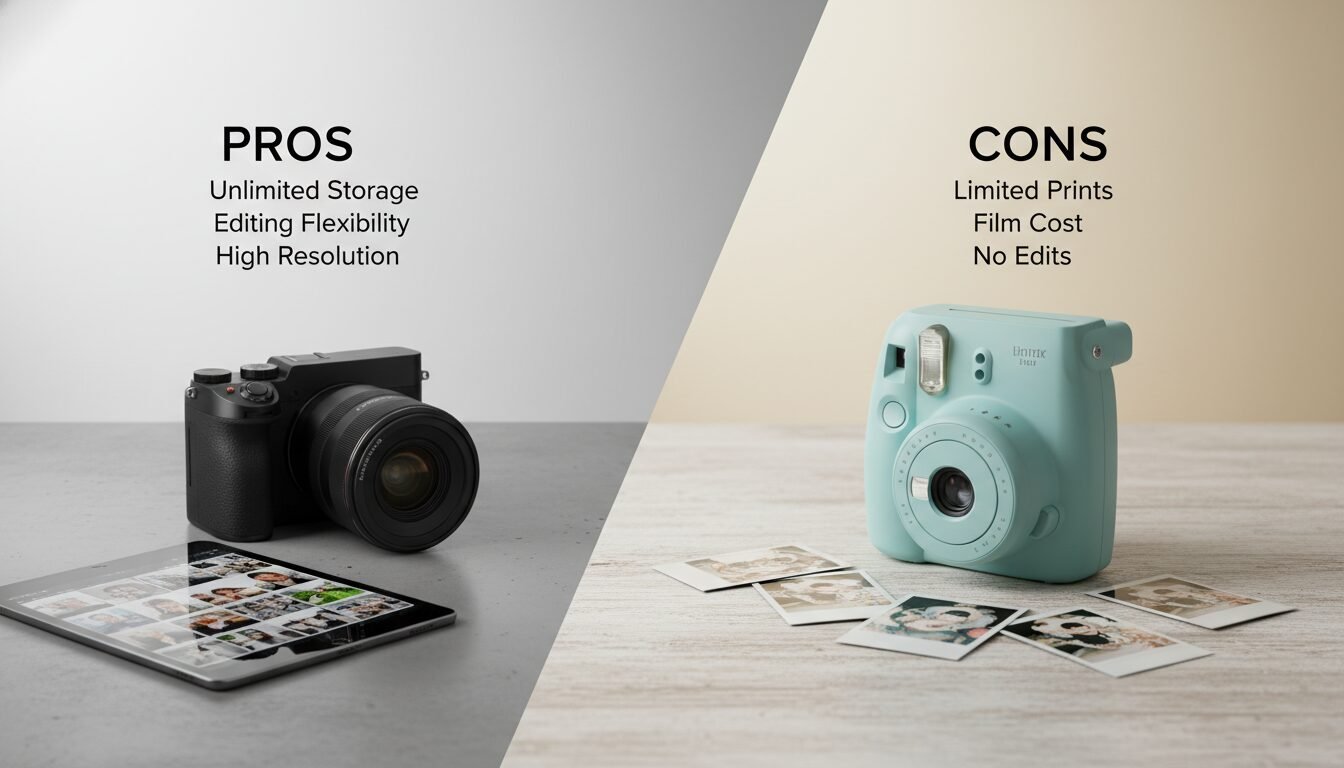
A digital and instant print camera is a hybrid device that captures images electronically and produces physical prints on the spot, letting you preview, edit, and choose which moments to keep as tangible keepsakes. These cameras blend digital convenience with the joy of instant film.
Key Takeaways
- Hybrid instant cameras combine digital capture with on-the-spot printing, so you preview and edit before committing to a hard copy.
- Per-print costs range from roughly $0.36 for Zink technology to $0.90 for Instax film, making paper choice a major factor in long-term ownership expenses.
- Top models for 2026 include the Fujifilm Instax Mini Evo ($234.95), Kodak Step Touch ($149.99), and Kodak Printomatic ($64).
- Zink prints are waterproof, tear-resistant, and sticky-backed, while Instax prints deliver that classic, retro instant-photo look.
- Look for a camera with an LCD screen, built-in editing, and enough storage: ideally a microSD slot supporting at least 256GB.
- Print costs accumulate fast. Budget-conscious buyers should calculate annual film spend before choosing a format.
Pros and Cons
Pros
- Preview before you print: An LCD screen means zero wasted film on bad shots, unlike traditional analog instant cameras.
- Dual-purpose value: Many digital and instant print camera models double as portable smartphone printers via Bluetooth, extending their usefulness well beyond point-and-shoot.
- Wide price range: Options span from $35 kids’ models to $235 creative flagships, so there’s a digital and instant print camera for every budget.
- Durable Zink prints: Sticky-backed, waterproof, and tear-resistant output makes Zink-based prints practical for everyday use.
- Digital backup: Every shot is saved as a file, so your memories exist beyond the physical print.
Cons
- Ongoing film costs: Print media is a recurring expense. Instax Mini film can run $0.65–$0.90 per shot, adding up quickly for active shooters.
- Small print sizes: Most models top out at 2×3 or 2.1×3.4 inches, which limits display options compared to standard photo prints.
- Battery dependency: Even the best models, like the Kodak Step Touch, cap out at around 40 prints per charge, which can be limiting at longer events.
- Lower sensor resolution on budget models: Entry-level cameras like the Kodak Printomatic use a 5MP sensor, which is fine for small prints but not ideal for digital sharing.
Understanding Hybrid Instant Cameras
What Defines a Digital-and-Print Device?
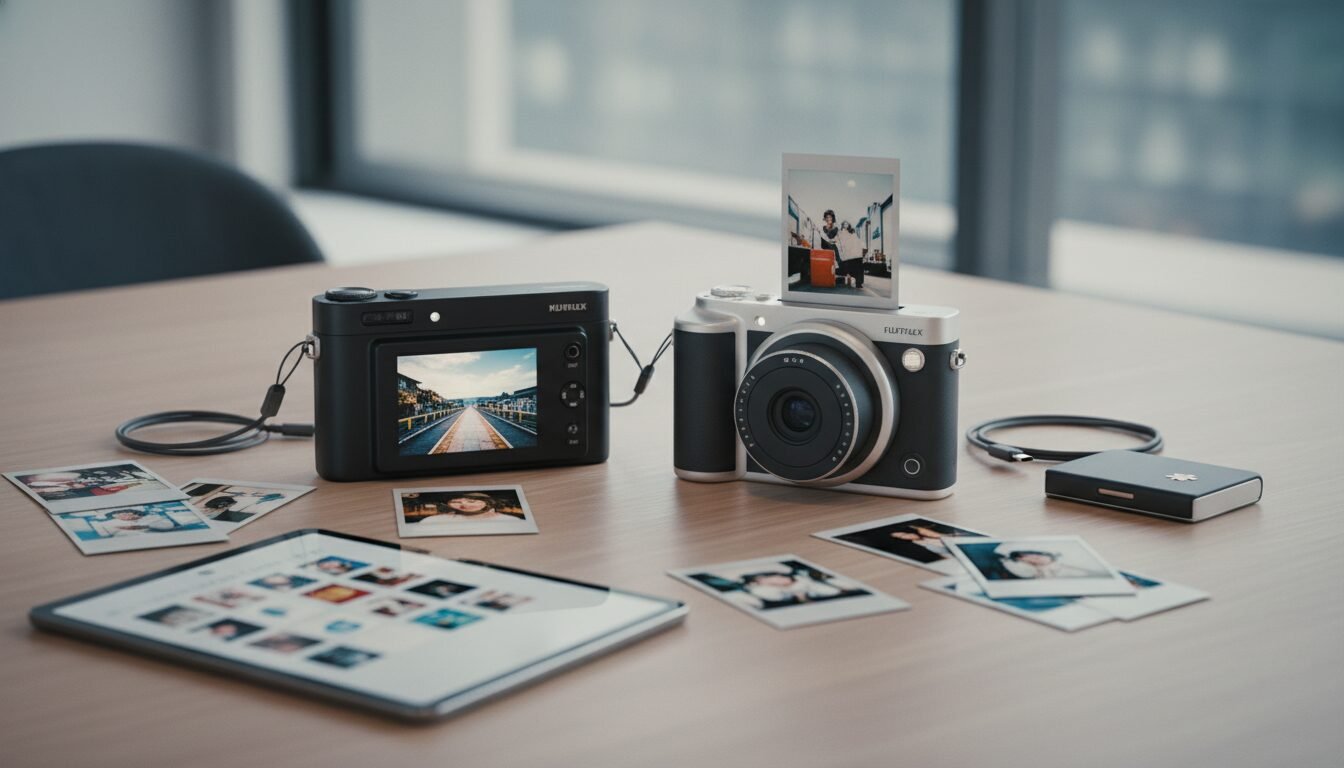
A digital and instant print camera is defined by its dual functionality: a built-in image sensor and a print engine housed in one body. Unlike purely analog instant cameras that expose film directly, these devices first capture a digital file, letting you review the image on a screen before printing. The Kodak Step Touch, for instance, pairs a 13-megapixel sensor with a Zink printer. It supports microSD cards up to 256GB, enough for over 50,000 images at typical JPEG compression.
The Rise of Instant Print Technology
Instant photography has surged back into mainstream culture, and the numbers back it up. According to PCMag, “Instant film is as popular today as it has ever been, with Fujifilm and Polaroid still making Instax and I-Type films.” Major manufacturers like Fujifilm and Kodak continue releasing new models that integrate smartphone connectivity and advanced print technologies. The global market now spans everything from budget-friendly kids’ cameras under $40 to premium hybrid devices exceeding $200.
Benefits Over Traditional Instant Cameras
With a digital and instant print camera, you never waste film on a bad shot. The LCD preview eliminates the guesswork that defined classic instant photography. You can apply filters, crop, and adjust brightness before printing. Many models also double as portable printers for your smartphone, expanding their usefulness far beyond a simple point-and-shoot.
Key Features to Look For in a Hybrid Instant Camera
Print Quality and Resolution
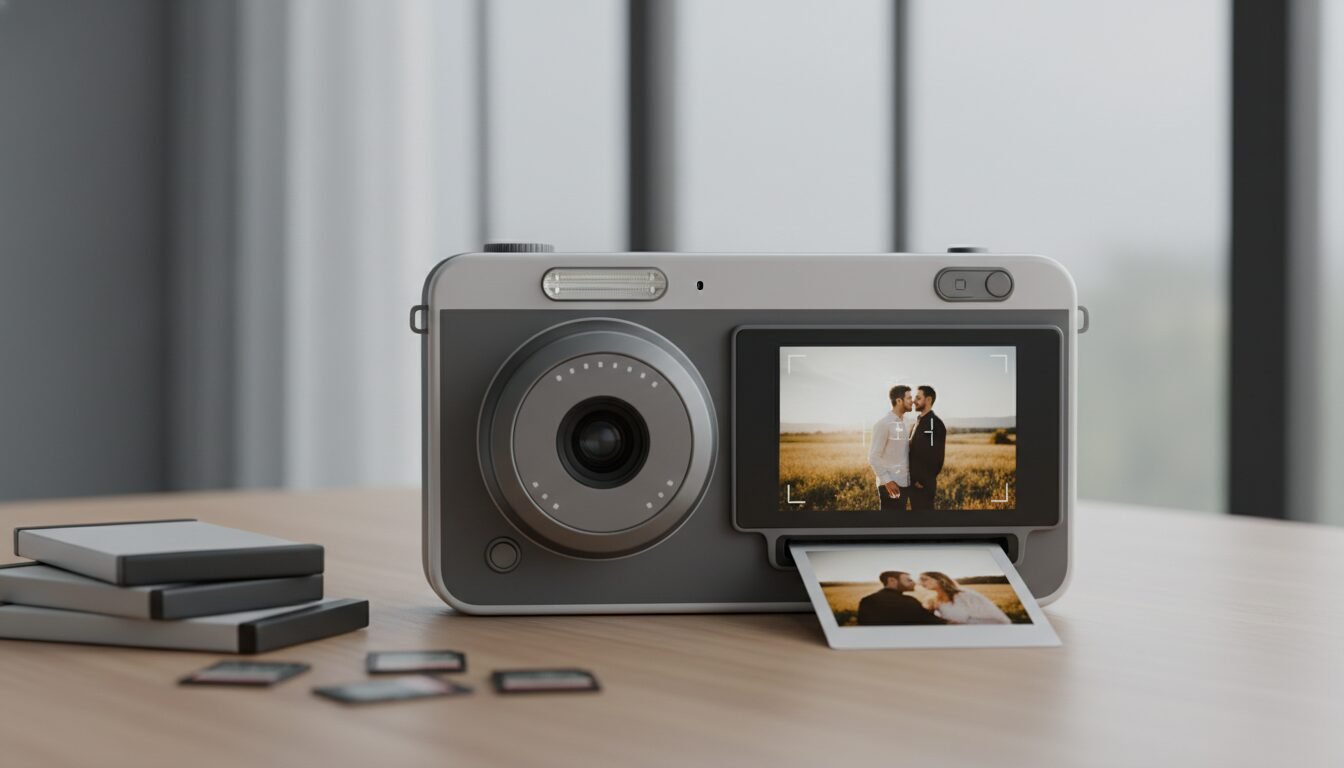
Image resolution on these cameras typically ranges from 5MP on entry-level models like the Kodak Printomatic to 13MP on the Kodak Step Touch. While 5MP may seem modest, it’s adequate for 2×3-inch Zink prints. If you plan to keep digital copies for sharing online, a higher-resolution sensor ensures your photos hold up on larger screens.
Screen and Editing Capabilities
A quality LCD screen is the heart of the hybrid experience. The Kodak Step Touch features a 3.5-inch touchscreen, making it easy to frame shots and edit on the fly. The Fujifilm Instax Mini Evo adds creative controls with 10 lens effects and 10 film effects, letting you craft unique looks before you ever hit print. Many cameras also connect to a companion app for stickers, borders, and filters.
Battery Life and Storage
Battery capacity dictates how many prints you get per charge. The Kodak Step Touch delivers up to 40 prints per charge, sufficient for a full day of casual shooting. A microSD card slot is essential: the Step Touch supports cards up to 256GB. Some cameras, like the Printomatic, skip the screen entirely, which extends battery life but removes the preview advantage that makes a digital and instant print camera worth owning.
Top Digital and Instant Print Camera Picks for 2026
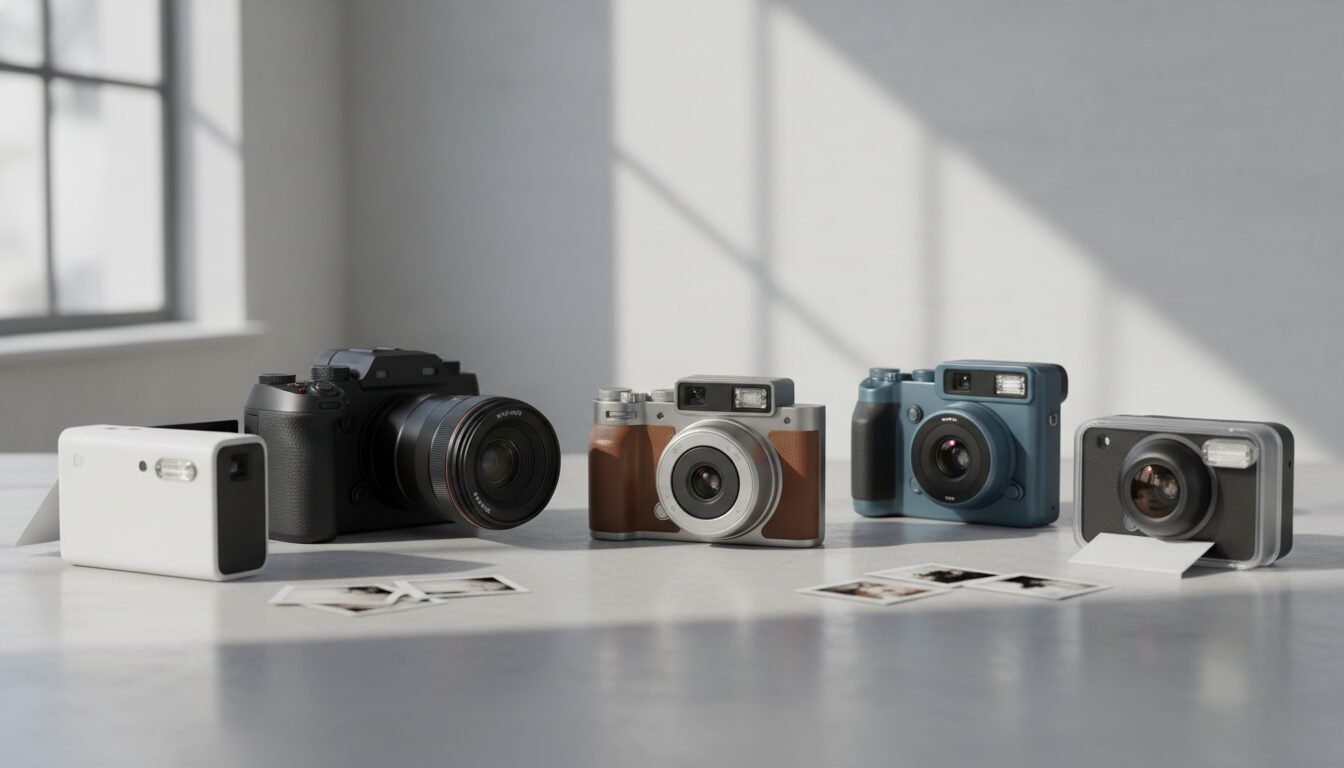
At a Glance: Compare Our Top Picks
| Model | Price | Print Technology | Print Size | Megapixels | Screen | Notable Features |
|---|---|---|---|---|---|---|
| Fujifilm Instax Mini Evo | $234.95 | Instax Mini | 2.1 x 3.4 in | Not disclosed | LCD | 10 lens x 10 film effects, selfie mirror, smartphone printing, dual shutter |
| Kodak Step Touch | $149.99 | Zink (zero-ink) | 2 x 3 in (sticky-back) | 13MP | 3.5″ touchscreen | 1080p video, photobooth mode, 256GB microSD, 40 prints/charge |
| Kodak Printomatic | $64 | Zink | 2 x 3 in (sticky-back) | 5MP | None (viewfinder) | Point-and-shoot simplicity, built-in flash, lightweight |
| Dylanto Kids Instant Print | $35.99 | Inkless thermal | ~2.3 x 3.4 in | 1080p HD | 2.4″ | Dual cameras, 32GB card included, fun design |
Fujifilm Instax Mini Evo: Best for Creative Control
At $234.95, the Instax Mini Evo tops most expert lists as the best digital and instant print camera for creatives. It combines a digital sensor with the iconic Instax Mini film format, giving you a full preview before committing to a print. The camera offers 10 lens effects and 10 film effects, mixable for up to 100 unique combinations. A selfie mirror and dual shutter buttons make group shots effortless, and Bluetooth connectivity lets you print wirelessly from your smartphone. On Best Buy, it holds a 4.7-star average from over 578 reviews.
Kodak Step Touch: Best All-in-One Performer
At $149.99, the Kodak Step Touch delivers a feature-packed experience: a 13MP sensor, 1080p video recording, and a 3.5-inch touchscreen for preview and editing. It prints on 2×3-inch Zink sticky-back paper that’s both waterproof and tear-resistant. Battery life reaches 40 prints per charge, and the microSD slot supports cards up to 256GB. The free KODAK STEP Prints app extends functionality with a full editing suite for stickers, borders, and filters. Video recording is a rare bonus in the digital and instant print camera category.
Kodak Printomatic: Best Budget Hybrid
For just $64, the Kodak Printomatic is the most affordable entry in the digital and instant print camera category. Its stripped-down design skips the LCD screen in favor of a bright viewfinder, yet still produces vibrant Zink 2×3-inch prints. The 5MP sensor is well-matched to that print size. With over 26,000 ratings on Amazon, the Printomatic’s popularity speaks for itself. If you want a straightforward camera that prints without fuss, this is the benchmark.
Canon Ivy Cliq+: Worth Considering
The Canon Ivy Cliq+ is another digital and instant print camera worth putting on your shortlist. It pairs a built-in ZINK printer with a selfie mirror and a companion app (Canon Mini Print) that lets you edit and print from your phone. It targets a similar audience to the Kodak Step Touch but with Canon’s color science behind the lens. If you’re already in the Canon ecosystem, the Ivy Cliq+ integrates naturally with your existing workflow.
Zink vs. Instax: Which Print Technology Is Better?
How Zink Printing Works
Zink (short for “zero ink”) technology uses special paper embedded with dye crystals. A heat-activated print head triggers those crystals, producing a full-color image in roughly 60 seconds. The prints are 2×3 inches, sticky-backed, waterproof, and tear-resistant: ideal for scrapbooking, laptops, or lockers. Zink is the standard in all Kodak instant print cameras and many third-party models.
How Instax Film Develops
Fujifilm’s Instax film is a traditional analog instant medium. When the shutter fires, light exposes the film and a chemical reaction develops the image over roughly 90 seconds. Instax Mini prints measure 2.1 x 3.4 inches, while Instax Square (2.4 x 2.4 inches) and Wide (3.9 x 2.4 inches) offer larger formats. The result is a physical photograph with the classic white-frame border. Unlike Zink, Instax photos are not adhesive-backed.
Durability and Cost: Head-to-Head
From a durability standpoint, Zink prints hold a clear edge: they resist water, tears, and fading better than traditional instant photos. Instax prints deliver the nostalgic look and feel that many photographers love, but they’re more vulnerable to moisture and physical wear. On cost, the gap is real. Zink prints can run as low as $0.36 per photo in bulk, while Instax Mini film typically averages $0.65–$0.90 per print. For an active shooter printing 200 photos a year, that difference adds up to $60–$100 in annual savings with Zink. If budget matters, a Zink-based digital and instant print camera often proves more economical over its lifespan.
The Real Cost of Owning an Instant Print Camera
Average Print Costs Across Brands
The sticker price of the camera is just the beginning. For Kodak Zink cameras, a pack of 20 papers retails for around $9.99 (roughly $0.50 per print), but bulk packs can bring that closer to $0.36 each. Instax Mini film, sold in twin packs for about $13–$15, works out to $0.65–$0.75 per shot. Instax Square and Wide films are pricier, often exceeding $0.85 per exposure. As a rule, Zink offers the lowest ongoing costs, while Instax film delivers the classic instant experience at a premium.
Factor in Film Packs and Accessories
Before buying any digital and instant print camera, check the price and availability of compatible film. Zink paper is widely available from Kodak and third parties, and a 50-pack can be found for roughly $25. Instax film is sold in twin packs (20 sheets) for about $18 on Amazon, as noted by Wirecutter. Don’t overlook extras like protective cases, neck straps, and memory cards, which can add $20–$50 to your initial investment.
Long-Term Value Calculation
If you’re an active photographer printing 300 shots a year, the choice between Zink and Instax can save you well over $100 annually. Combined with the ability to preview and delete duds before printing, a digital and instant print camera can effectively pay for itself in avoided wasted film after just a few hundred prints. Budget-conscious buyers should lean toward Zink models, while those who value the authentic film aesthetic may find the extra cost worthwhile.
How to Choose the Right Digital and Instant Print Camera for You
For Families and Kids
Durability and simplicity are the top priorities when choosing for children. The Dylanto Kids Instant Print Camera at $35.99 offers a rugged build, simple controls, and a fun design. It includes a 32GB memory card and holds a 4.6-star average from over 4,200 ratings on Amazon. The Kodak Printomatic is another solid choice for older kids: straightforward point-and-shoot operation with vibrant Zink output.
For Creative Enthusiasts
If you want to experiment with effects and compositions, the Instax Mini Evo is the clear winner. Its 100 effect combinations, smartphone printing, and retro-inspired design make it a favorite among photographers who want more than a basic snapshot device. The Kodak Step Touch also delivers a rich editing suite via its app, plus 1080p video recording: a feature rarely found in the digital and instant print camera category.
For Frequent Travelers and Event Planners
Portability and battery life matter most when you’re on the move. The Kodak Step Touch’s 40-print-per-charge battery means you can cover a wedding reception or a full vacation day without recharging. Its 256GB microSD support ensures you’ll never run out of storage, and the Zink sticky-back prints make instant, leave-behind souvenirs for guests or new friends.
Smartphone-Only Printers: A Related Option
Not everyone needs a camera built in. Devices like the Fujifilm Instax Mini Link are smartphone-only printers: they connect via Bluetooth and print directly from your phone’s camera roll onto Instax Mini film. They’re compact, typically priced under $100, and ideal for anyone who already shoots on a smartphone but wants the physical print experience. They’re not a digital and instant print camera in the traditional sense, but they serve a similar emotional purpose.
Expert Tips for Getting the Best Instant Prints
Mastering Lighting and Composition
Instant prints can look muddy in poor light. Use the camera’s built-in flash or seek out natural daylight to keep colors vibrant. The Kodak Step Touch’s 10-second self-timer is handy for group shots, letting you step into the frame without rushing. If your camera offers exposure compensation (as the Mini Evo does through its effects system), use it to brighten or darken images before printing.
Editing Before You Print
Don’t hit print immediately. Use the LCD screen to crop, adjust brightness, or apply a filter first. This simple habit can transform a mediocre shot into a keeper and saves you from wasting expensive paper. The preview capability is the greatest strength of any digital and instant print camera: use it every single time.
Maximizing Battery and Storage Life
To stretch battery life, turn off the screen when you’re not actively shooting and disable Bluetooth when you don’t need smartphone connectivity. Always carry a spare microSD card: even a 64GB card (around $10) holds over 10,000 photos. On models like the Step Touch, you can print directly from the card later, so you’re never forced to print on the spot.
“Fun, simple to use, and good-looking, the Fujifilm Instax Square SQ40 makes beautiful photos on square prints.” Wirecutter
“Instant film is as popular today as it has ever been, with Fujifilm and Polaroid still making Instax and I-Type films.” PCMag
The best digital and instant print camera for you balances cost, print quality, and the features that match your shooting style. Whether you’re a parent capturing family moments, a creative chasing aesthetic effects, or a traveler who wants instant souvenirs, there’s a hybrid camera built for your needs. Ready to find yours? Contact Emin Media for a free brand consultation and let’s build something bold together.
Frequently Asked Questions
What is a hybrid instant camera?
A hybrid instant camera captures images digitally and prints them on the spot, letting you preview shots on an LCD screen before committing to a print. This separates it from purely analog instant cameras, which expose film directly with no preview option.
How much does it cost per print?
Print costs vary by format. Zink-based cameras average $0.36–$0.50 per print in bulk, while Instax Mini film runs $0.65–$0.90 per print. Instax Square and Wide films are pricier, typically above $0.85 per shot.
Which is better, Zink or Instax?
Zink prints are waterproof, tear-resistant, and sticky-backed, making them practical for everyday use and scrapbooking. Instax prints offer a classic instant-film look with a white border but are more vulnerable to moisture. Zink is generally more durable and cheaper per print, while Instax wins on aesthetic appeal.
Can I use a hybrid instant camera as a smartphone printer?
Yes. Many models, including the Fujifilm Instax Mini Evo and Kodak Step Touch, have Bluetooth or app connectivity that lets you send photos from your phone to the camera for printing. This effectively adds a portable printer to your toolkit without carrying a separate device.
What is the best instant print camera for kids?
Look for simple, durable models under $50, such as the Dylanto Kids Instant Print Camera at $35.99, which includes a 32GB card and holds a 4.6-star rating from over 4,200 Amazon reviews. The Kodak Printomatic is another solid choice for older children with its straightforward point-and-shoot design and vibrant Zink output.
How many prints can I get from one battery charge?
Battery life varies by model. The Kodak Step Touch delivers up to 40 prints per charge, while some budget models may manage closer to 20 prints. Always check the manufacturer’s specifications and carry a power bank if you plan to shoot heavily at events.
Enjoyed this article?
Contact Emin Media for a free brand consultation and let's create something amazing together.
Get in Touch