Best Digital 35mm Camera Guide for 2026
Key Takeaways
- Digital 35mm camera refers to digital bodies with full-frame sensors or film emulation modes that mimic classic 35mm photography.
- Top models like the Nikon Zf and Fujifilm X-T5 offer dedicated film simulation modes for an authentic analog look.
- Modern mirrorless cameras can replicate the depth, grain, and color profiles of iconic 35mm film stocks.
- Prices range from around $800 for entry-level options to $2,500+ for professional-grade bodies, with used models offering real savings.
- Configurable settings such as grain effect, color chrome, and curve adjustments let you fine-tune the film aesthetic in-camera.
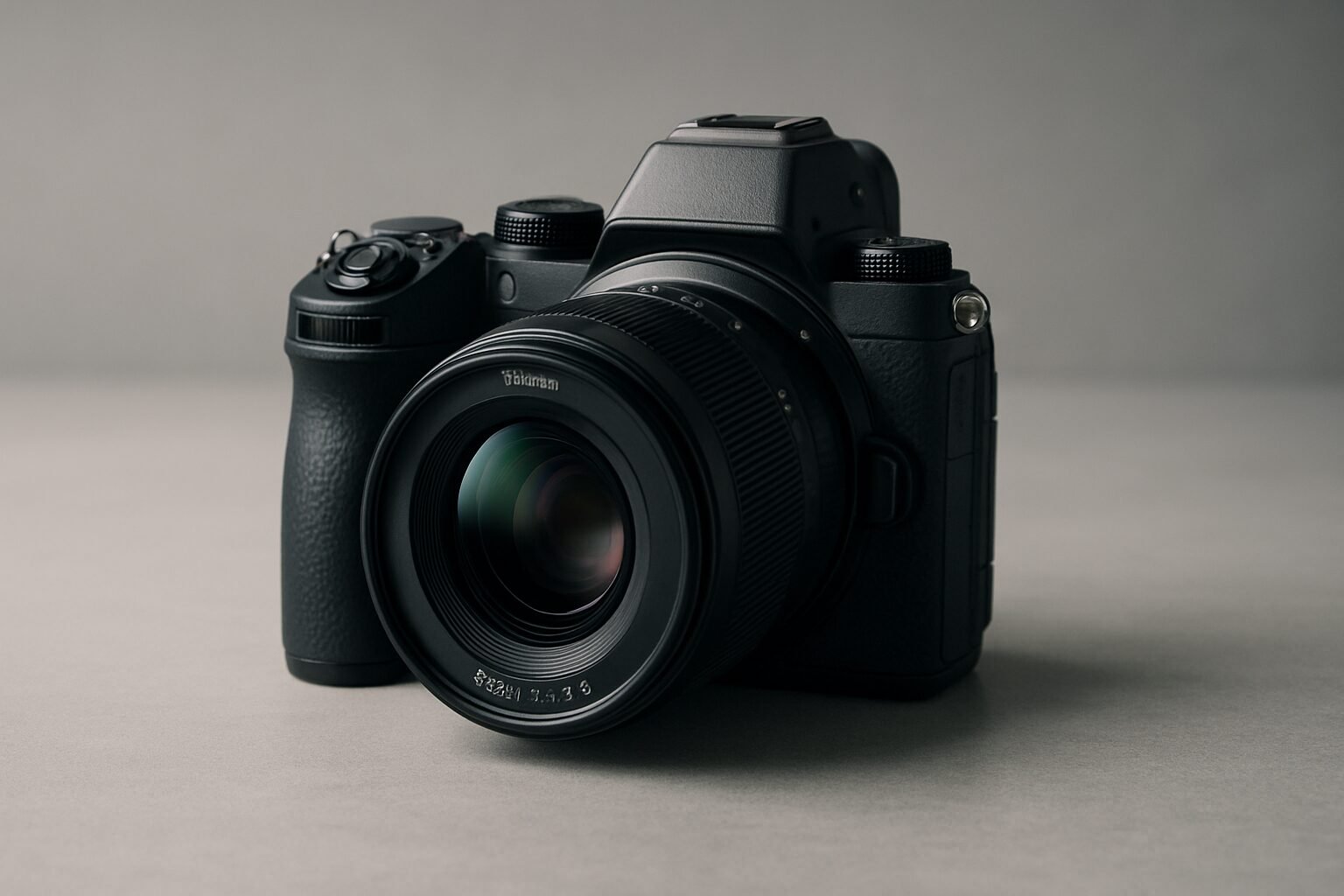
A digital 35mm camera is a digital imaging system that replicates the visual character of classic 35mm film through advanced sensors, retro design, and built-in film simulation profiles.
What Is a Digital 35mm Camera?
The term covers two distinct things: a digital camera with a full-frame sensor measuring 36x24mm, or a digital camera explicitly designed to replicate the 35mm film experience. Unlike dedicated film bodies, these modern hybrids use electronic viewfinders, in-camera processing, and software emulation to mimic the grain, color science, and contrast of historic film stocks. A 35mm camera merges the convenience of instant digital capture with the aesthetic nostalgia of analog photography, appealing to enthusiasts who want the look of film without darkroom chemicals.
Full-Frame Sensors and the 35mm Legacy
A full-frame sensor matches the dimensions of a single 35mm film frame, which is why many photographers call any digital camera with such a sensor a “this type of camera.” These sensors capture more light and detail, delivering shallow depth of field and wider dynamic range comparable to professional 35mm SLRs. Cameras like the Sony A7C II and Canon EOS R8 show how compact bodies now house full-frame sensors, giving photographers a modern interpretation of the classic format.
Film Simulation vs. Native Film Shooting
While a true film camera exposes light onto chemical-coated strips, a this kind of camera applies color profiles and grain overlays digitally. Fujifilm’s film simulations are engineered to emulate specific emulsions such as Provia, Velvia, and Acros. These simulations adjust contrast curves, saturation, and sharpness at the processor level, according to Fujifilm X-T5 product documentation. The result is a JPEG or RAW file that already carries the desired film look, eliminating post-processing.
Why Choose a Digital 35mm Camera Over Film?
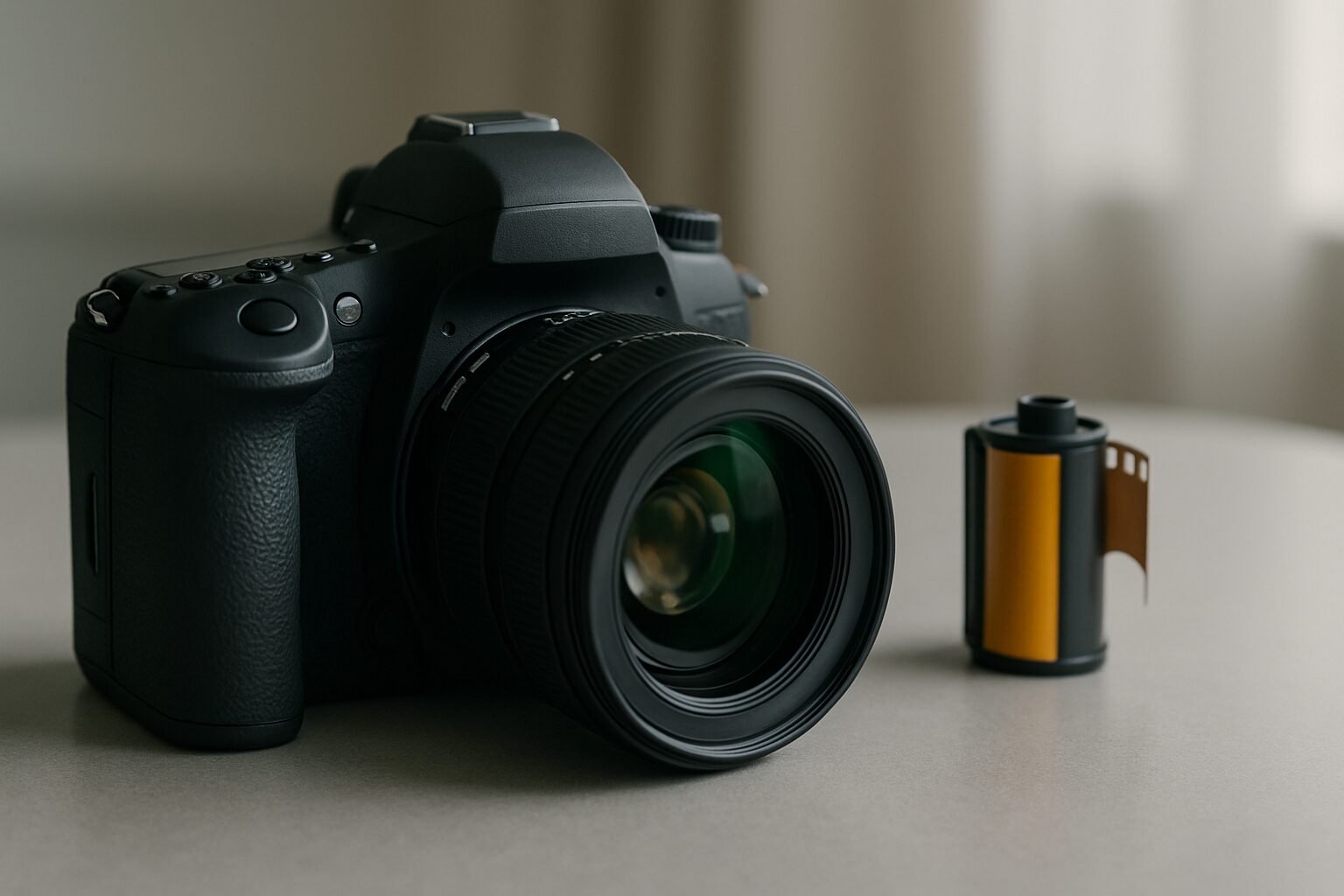
Many photographers make the switch after discovering the high costs and logistical hurdles of shooting, developing, and scanning film. A single roll of 35mm film plus lab processing can average $15–$25, and high-resolution scanning adds further expense on top of that. A digital 35mm eliminates those recurring costs while still providing the stylistic control that film lovers crave. Digital files are also instantly viewable, editable, and shareable, a workflow advantage that matters enormously for anyone shooting regularly.
Cost Efficiency Over Time
Over a year of regular shooting, the cumulative cost of 52 rolls of film and development can exceed $1,300. A 35mm camera, by contrast, represents a one-time investment that serves for years. Entry-level full-frame mirrorless bodies now start at under $1,000, and used options like the Nikon Z5 are available for around $800, making digital more accessible than ever for photographers at every level.
Instant Feedback and Learning
Digital cameras let you check exposure, composition, and focus instantly via the rear LCD or electronic viewfinder. This accelerates the learning curve for beginners, who can experiment with settings and immediately see the impact. Film simulation modes even let you preview the final look before pressing the shutter, so you can refine your aesthetic in real time rather than waiting days for lab results.
Environmental and Archival Benefits
Film production and chemical processing carry a measurable carbon footprint and generate toxic waste. Digital capture removes those concerns entirely. Digital RAW files can be backed up indefinitely without degradation, whereas film negatives are susceptible to physical damage, fading, and loss over decades of storage.
Key Features to Look for in a Digital 35mm Camera
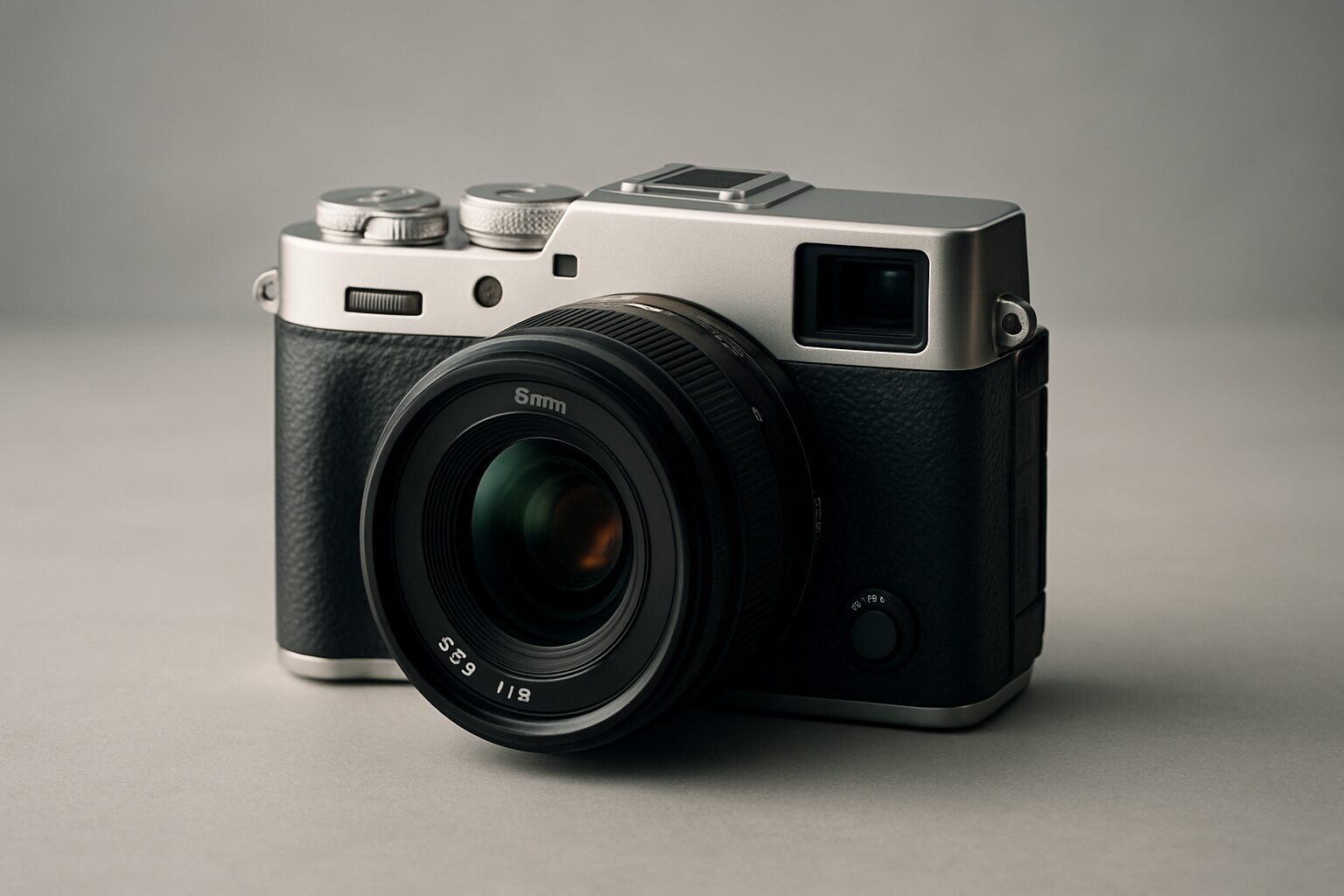
When shopping for a this type of camera, prioritize sensor size, film simulation capabilities, lens compatibility, and physical handling. A full-frame sensor is the most direct digital equivalent of 35mm film, but APS-C cameras with film emulation can also deliver compelling results at a lower price point. According to MPB’s camera guide, the Nikon Zf stands out for its dedicated monochrome switch and retro control dials, two features that genuinely enhance the film-like shooting experience.
Sensor Size and Resolution
A 24x36mm full-frame sensor provides shallower depth of field and better low-light performance than smaller formats, closely mirroring 35mm film behavior. Resolutions between 24MP and 33MP are sufficient for most film emulation work, since excessive sharpness can actually counteract the soft, organic film aesthetic. The Nikon Zf uses a 24.5MP sensor, while the Fujifilm X-T5 offers a 40MP APS-C sensor, each tuned to produce images reminiscent of classic 35mm stock.
In-Camera Film Simulations
Leading manufacturers offer built-in profiles that replicate popular film looks. Fujifilm leads the field with 19 distinct simulations, including Classic Negative (inspired by Superia) and Nostalgic Neg. Nikon’s Picture Controls in the Zf include a dedicated Monochrome mode with toning options that mimic Ilford and Kodak black-and-white films. Look for cameras that let you adjust grain amount, color chrome effect, and tone curves directly in the menu without touching a computer.
Lens Ecosystem and Adaptability
The character of a vintage 35mm photo often comes as much from the lens as the film stock. A this kind of camera should support a wide range of lenses, including manual-focus vintage glass via affordable adapters. Mirrorless mounts like Sony E and Nikon Z allow you to attach classic M42, Canon FD, and Nikon F lenses with simple adapters priced between $15 and $40, preserving the optical quirks and rendering that define film-era imagery.
Top Digital 35mm Cameras for Film-Like Photography
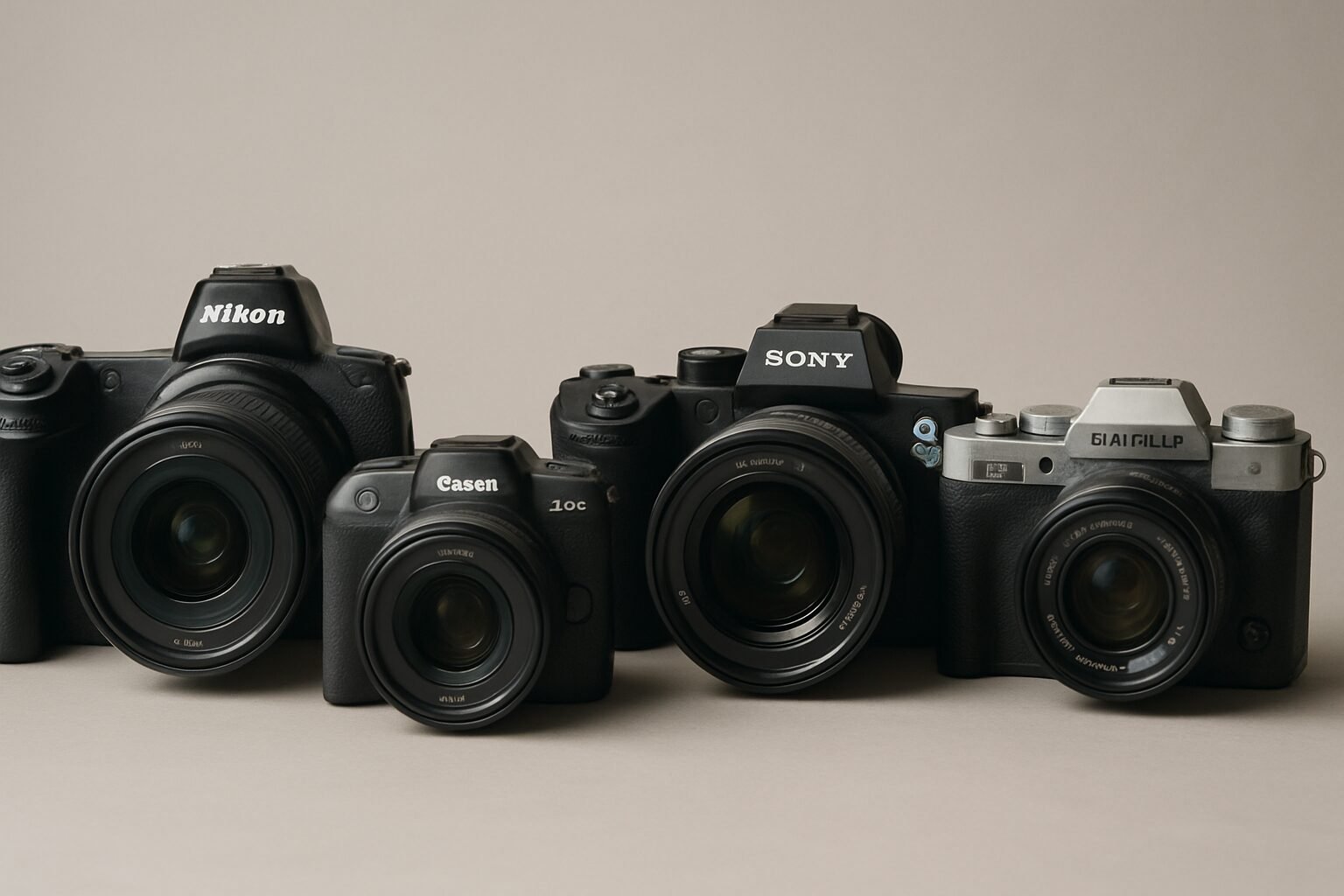
Below is a curated selection of digital cameras that excel at producing a film-like experience, either through native simulations or retro handling. Each option was selected based on community feedback, expert reviews, and real-world testing as of 2026.
| Model | Sensor | Film Simulations | Key Feature | Price (New) |
|---|---|---|---|---|
| Nikon Zf | 24.5MP Full-Frame | 20+ Picture Controls, B&W profiles | Dedicated monochrome switch, classic dials | $2,499 |
| Fujifilm X-T5 | 40MP APS-C | 19 film simulations | Classic Negative, Nostalgic Neg. | $1,699 |
| Fujifilm X100VI | 40MP APS-C | 19 film simulations | Fixed 23mm f/2 lens, leaf shutter | $1,599 |
| Leica M11 | 60MP Full-Frame | Leica Looks (via FOTOS app) | Rangefinder design, manual focus | $8,995 |
| Sony A7C II | 33MP Full-Frame | Creative Looks & Picture Profiles | Compact body, excellent AF | $2,198 |
Prices reflect manufacturer suggested retail at launch; street prices may be lower. For current used market pricing, consult retailers like MPB or KEH Camera.
Nikon Zf: The Retro Contender
The Nikon Zf is a full-frame mirrorless camera that directly targets film enthusiasts. Its magnesium alloy body, milled brass dials, and dedicated monochrome sensor mode recall the iconic Nikon FM2. The camera’s EXPEED 7 processor enables fast autofocus and subject detection, while also powering a suite of monochrome profiles adjustable for grain size and toning. At a typical used price of around $1,600, it’s one of the most compelling options in this category, according to MPB.
Fujifilm X-T5: The Simulation Master
Fujifilm’s APS-C sensor may not be full-frame, but its film simulations are widely regarded as the most authentic available in any digital camera. The X-T5’s 40MP resolution captures fine detail, while Classic Negative mode reproduces the look of Fujicolor Superia, a beloved 35mm film stock. Photographers can layer grain effects and adjust the color chrome effect to mimic different processing techniques, creating an in-camera workflow that rivals dedicated film presets in Lightroom or Capture One.
Budget-Friendly Options
Not every digital 35mm requires a $2,000 investment. The Canon EOS RP, often available used for around $900, offers a full-frame sensor and Canon’s Picture Style editor, which can be customized to produce film-like looks. Similarly, the Nikon Z5 and Sony A7 II serve as affordable entry points into full-frame digital photography, and with grain overlays added in post-processing, they faithfully recreate the 35mm aesthetic without breaking the bank.
Pros and Cons of a Digital 35mm Camera
A 35mm camera offers a compelling mix of creative freedom and practical advantages, but it’s not a perfect substitute for every photographer’s needs. Here’s an honest look at both sides.
Pros
- Zero recurring film costs after the initial purchase, compared to $15–$25 per roll for film plus processing.
- Instant image review via LCD or electronic viewfinder accelerates learning and creative decision-making.
- 19+ film simulations on leading Fujifilm bodies let you switch looks shot-to-shot without changing a roll.
- Full-frame sensors deliver 12–15 stops of dynamic range, matching or exceeding most 35mm film stocks.
- Vintage lens compatibility via affordable adapters ($15–$40) opens decades of optical character to digital shooters.
- Digital backups protect your archive indefinitely, unlike physical negatives that fade or scratch over time.
Cons
- No true chemical grain: digital emulation approximates film texture but rarely replicates the organic randomness of actual silver halide grain.
- Higher upfront cost: quality full-frame bodies start at $800 used and climb to $8,995 for a Leica M11.
- Battery dependency: unlike a mechanical film camera, a this type of camera stops working when the battery dies.
- Electronic complexity: firmware updates, menu systems, and sensor cleaning add maintenance overhead that film cameras avoid.
- Reduced intentionality: unlimited shots can encourage spray-and-pray habits that film’s 36-exposure limit naturally prevents.
How to Achieve the 35mm Film Look with Digital Cameras
Achieving a convincing film look involves more than selecting a simulation. It requires attention to exposure, white balance, and post-processing techniques that replicate the chemical and optical properties of analog capture. Follow this step-by-step process to get started:
- Select a film simulation or custom picture profile. Start with a base profile that mirrors your preferred film stock, such as Portra, Tri-X, or Velvia.
- Set a fixed ISO and white balance. Film stocks have native sensitivity; limit yourself to ISO 200–800 and use daylight or tungsten presets to maintain color consistency.
- Add grain in-camera or in post. Many this kind of cameras let you add grain directly; set it to a strength that matches the format, smaller for 100-speed films and larger for 400-speed stocks.
- Soften sharpness slightly. Reduce in-camera sharpening by one notch to emulate the organic softness of film.
- Shoot in JPEG+RAW. JPEGs lock in the look on location, while RAWs provide a safety net for exposure and white balance corrections later.
Leveraging Vintage Lenses
Adapting a vintage manual-focus lens is one of the most effective ways to infuse your digital 35mm images with analog character. Lenses like the Helios 44-2 (58mm f/2) produce swirly bokeh and lower contrast that digital-native optics simply lack. Adapters are inexpensive, typically $15–$40, and open access to decades of optical history, from the sharp Nikkor 50mm f/1.4 AI-s to the dreamy Pentax Super-Takumar 50mm f/1.4.
Post-Processing for Authentic Grain
If your camera lacks granular grain control, software like Adobe Lightroom or Capture One can apply realistic grain structures based on real film stock analysis. DxO FilmPack accurately reproduces the grain signature of over 80 historic films, according to DxO’s own product documentation. Apply grain subtly: a light touch is often enough to give digital files an organic texture without overwhelming fine detail.
Digital 35mm Camera vs. Traditional Film Camera: A Comparison
Choosing between a digital 35mm camera and a traditional film body depends on your workflow, budget, and artistic intent. The table below highlights key differences that shape the shooting experience and final image quality.
| Aspect | Digital 35mm Camera | Traditional Film Camera |
|---|---|---|
| Capture Medium | Electronic sensor (CMOS) | Chemical-coated film strip |
| Cost per Shot | $0 (after initial purchase) | $0.50–$1.50 (film + development) |
| Image Review | Instant on LCD/EVF | Delayed until development |
| Dynamic Range | 12–15 stops | 10–13 stops (film dependent) |
| Customization | Unlimited digital adjustments | Fixed by film stock and processing |
| Long-Term Archival | Digital backups, no degradation | Negatives can fade or scratch |
Image Character and Emotional Connection
Film produces an irreplaceable organic quality: color shifts, grain clumping, and subtle light leaks that digital emulation approximates but rarely replicates with absolute fidelity. A digital 35mm camera provides consistency and control that film cannot match, letting you switch between looks shot-to-shot. Both approaches have genuine artistic merit. The choice comes down to whether you value process or output more.
Environmental and Practical Considerations
Film requires transportation of chemicals and physical media, and a single roll of 36 exposures generates plastic waste from canisters and packaging. Digital 35mm cameras generate electronic waste only at end-of-life, and their reusable nature drastically reduces the per-photo environmental impact over any serious shooting career.
The Role of Film Simulation in Modern Digital Cameras
Film simulation is a software-driven process that adjusts color matrices, tone curves, and grain patterns to match the chemical response of a specific film emulsion. According to Fujifilm’s research documentation, calibrating a simulation involves measuring the spectral sensitivity of actual film stock and mapping it to the camera’s sensor response. This technology has matured to the point where even experienced film shooters struggle to distinguish between a well-executed digital file and a scanned negative in blind tests.
“The goal of film simulation is not to copy film, but to capture the emotional response that specific film stocks provoked in photographers over decades of use.” – Fujifilm X Series product development team, via Fujifilm Global communications
Custom Recipes and Community Sharing
Enthusiasts create and share custom film simulation recipes online, turning a digital 35mm camera into a platform for endless creative experimentation. Sites like Fuji X Weekly offer thousands of recipes that mimic everything from Kodachrome to Lomo 800, many with grain and color chrome settings already dialed in. This community-driven approach means your camera’s creative range grows over time without any hardware upgrades.
Beyond JPEG: Simulating Film in RAW
Most simulations bake the look into JPEGs, but some cameras embed the profile metadata in RAW files, which compatible software can read and apply non-destructively. This hybrid approach gives you the film aesthetic with full latitude for exposure and white balance corrections, a workflow that appeals to commercial photographers who need creative flexibility alongside a consistent visual identity.
What About Digital Conversion Kits and Toy Cameras?
Not everyone wants to replace their film camera entirely. A growing category of products bridges the gap between analog and digital in more literal ways. The I’m Back Film digital conversion kit, for instance, is a back unit that attaches to classic 35mm SLR bodies and captures images digitally through the existing lens and shutter. At around $800, it’s a niche but fascinating option for photographers who want to keep shooting their vintage Pentax K1000 or Canon AE-1 while gaining digital convenience. As one YouTube review noted, the results are imperfect but deeply personal, which is exactly the point.
On the opposite end of the spectrum, toy cameras like the Holga 135BC embrace optical imperfection as an art form. Vignetting, soft focus, and light leaks are features, not flaws. While these are film cameras rather than digital ones, their aesthetic has directly influenced the grain and vignette controls found in modern digital 35mm camera menus. Understanding toy camera aesthetics helps you push your digital simulations further than factory defaults allow.
“Toy cameras taught an entire generation of photographers that technical imperfection and emotional resonance are not mutually exclusive.” – Casual Photophile, editorial commentary on lo-fi photography culture
Tips for Getting Started with Your Digital 35mm Camera
Once you’ve chosen your digital 35mm camera, spend time customizing its settings to match your favorite film era. These practical tips will accelerate your path into analog-inspired digital photography.
Start with a Single Simulation
Limit yourself to one film simulation for your first 500 shots. This constraints-based approach forces you to learn how that particular profile reacts to different light, exposure compensation, and white balance shifts, much like shooting a single film stock for an entire project. Constraints breed creativity. Most working photographers will tell you that.
Shoot Manual or Aperture Priority
To reinforce the film-like experience, avoid fully automatic modes. Using aperture priority with exposure compensation mimics how classic 35mm film cameras operated, and it helps you internalize the exposure triangle without relying on real-time feedback as a crutch.
Experiment with Grain and ISO
Film grain is tied to ISO, and digital grain emulation should reflect that same relationship. Set your digital 35mm camera to a fixed ISO, such as 400, and apply the corresponding grain strength. This consistency builds a cohesive look across your entire body of work rather than a collection of disconnected experiments.
Connect with the Film Community
Join forums on Reddit’s r/analog or local film photography meetups to share your digital 35mm camera results and learn new techniques. The dialogue between analog purists and digital emulators consistently yields fresh perspectives and keeps the film aesthetic evolving in directions no single manufacturer could predict.
Frequently Asked Questions
Can a digital camera be 35mm?
Yes. A digital camera with a full-frame sensor has the same 36x24mm area as a 35mm film frame. Many brands market these bodies as digital 35mm cameras to emphasize the format equivalence and appeal to photographers with a film background.
What is the best digital 35mm camera for beginners?
The Fujifilm X-T30 II or Sony A6400 with vintage lens adapters are strong starting points. Both offer film simulations or custom picture profiles at a price under $900, making them accessible without sacrificing creative depth.
Do digital cameras that look like film cameras exist?
Absolutely. The Nikon Zf and Fujifilm X100 series are designed to resemble classic 35mm film cameras, complete with retro dials, leatherette wraps, and optical viewfinder modes. They’re built for photographers who want the feel of analog shooting with digital convenience.
How do I get the 35mm film look on a digital camera?
Use built-in film simulations, add grain, reduce sharpness and clarity, and adapt vintage lenses. Post-processing tools like Lightroom presets or DxO FilmPack can further refine the aesthetic after the fact.
Which digital camera has the best film simulations?
Fujifilm’s X series offers the most extensive and authentic film simulations available, with 19 preset modes that replicate classic Fuji, Kodak, and Ilford films directly in-camera. The X-T5 and X100VI are the current benchmarks for this capability as of 2026.
Ready to build a visual identity as distinctive as your photography? Contact Emin Media for a free brand consultation and let’s build something bold together.
Enjoyed this article?
Contact Emin Media for a free brand consultation and let's create something amazing together.
Get in Touch